How to Repair a Standing Seam Metal Roof
It’s incredibly frustrating when you’ve invested in a durable, beautiful standing seam metal roof, only to notice a scratch, a small dent, or, heaven forbid, a leak. You probably thought you were done with roof worries for decades! While metal roofs are renowned for their longevity and resilience, they aren’t entirely immune to the occasional hiccup. This comprehensive guide is here to walk you through the most common standing seam metal roof repair scenarios, helping you diagnose problems, understand potential solutions, and know when it’s time to bring in a professional.
Understanding Standing Seam Metal Roofs and Their Vulnerabilities
Standing seam metal roofs are truly a marvel of modern roofing. Their sleek lines and robust construction are a testament to quality, but like any intricate system, they have their specific characteristics that can lead to particular issues. Understanding these nuances is the first step toward effective repairs.
What Makes Standing Seam Unique?
Unlike traditional metal roofs with exposed fasteners, standing seam panels interlock or are seamed together, creating raised, vertical seams where the panels meet. This design hides the fasteners beneath the panels, protecting them from UV degradation, moisture, and extreme weather. This concealment is a major reason why these roofs boast such impressive lifespans, often reaching 40 to 70 years or more. The panels themselves are typically made from steel, aluminum, copper, or zinc, each offering different levels of durability, aesthetic appeal, and cost. If you're curious about the longevity, dive into our guide on How Long Does a Standing Seam Roof Last?.
The interlocking system, whether it’s a snap-lock or a mechanically seamed profile, allows the metal to expand and contract freely with temperature changes. This thermal movement is crucial for preventing buckling and stress fractures. However, this sophisticated design also means that repairs aren't always as straightforward as replacing a single shingle or screwing down a new panel. Specialized tools and techniques are often required to maintain the integrity of the seams and the hidden fastener system.
Common Issues Standing Seam Roofs Face
Even with their superior design, standing seam roofs aren't invincible. Over time, or due to unforeseen events, certain issues can pop up. Knowing what to look for can save you a lot of headache and expense down the line.
- Dents and Dings: Hailstorms, falling tree branches, or even dropped tools during installation or maintenance can leave unsightly dents. While these often don't compromise the roof's structural integrity or weatherproofing, they can certainly detract from its curb appeal. A severe dent, especially near a seam, could potentially create a tiny channel for water if not addressed.
- Scratches and Fading: The durable paint coatings on metal roofs, like Kynar 500 (PVDF) or SMP (Siliconized Modified Polyester), are designed to last, but scratches from debris, improper cleaning, or even just general wear and tear can expose the underlying metal. This exposure can, over many years, lead to rust, especially on steel panels. Over time, UV radiation can also cause colors to fade, making a uniform appearance difficult if only one panel is replaced without proper color matching.
- Sealant Failure: While standing seam roofs have fewer exposed sealants than other metal roof types, sealants are still used around penetrations like pipes, vents, skylights, and along flashing. Over decades, these sealants can dry out, crack, or pull away, creating small openings for water. This is a classic example of how a small component can cause a big problem.
- Panel Buckling or Oil Canning: Sometimes, panels can appear wavy or buckled. "Oil canning" refers to a perceived waviness in flat metal panels, a cosmetic issue caused by manufacturing stresses or improper installation. True buckling, where panels are visibly deformed, can sometimes be due to inadequate allowance for thermal expansion and contraction, or from improper fastening that restrains the panels too tightly.
- Installation Errors Leading to Leaks: While rare with reputable installers, incorrect installation of clips, inadequate sealing of flashing, or improper crimping of mechanical seams can lead to leaks. These issues might not appear immediately but can manifest years later, especially during heavy rains or high winds. This highlights the importance of choosing a highly skilled contractor, as outlined in our guide on How to Hire a Metal Roofing Contractor.
Diagnosing Standing Seam Metal Roof Problems
Before you can even think about repairs, you need to play detective. Pinpointing the exact problem and its source is crucial. Guessing can lead to wasted effort, money, and potentially further damage.
Identifying the Source of Leaks
A leak in any roof is a homeowner’s worst nightmare, and a standing seam roof is no exception. While they are far less prone to leaks than many other roofing materials, when one does occur, tracking it down requires a systematic approach. Water often travels, making the entry point on the roof distant from where you see the drip inside.
Start in your attic or crawl space directly beneath the suspected leak. Look for water stains on the underside of the roof decking, insulation, or rafters. Trace these stains upwards. Sometimes, a small stream of light might be visible through a tiny pinhole if you're lucky enough to inspect on a bright day. Pay close attention to areas around roof penetrations – plumbing vents, chimneys, skylights, and any HVAC units. These are notoriously common weak spots on any roof, as they interrupt the continuous surface of the panels and rely heavily on precise flashing and sealants. If you’re unsure about what components to check, our guide on Metal Roof Components & Accessories Explained offers a detailed breakdown.
For persistent, hard-to-find leaks, a controlled water test might be necessary. This involves having someone on the roof, systematically dousing specific areas with a garden hose while another person is inside, watching for water entry. Start at the lowest point of the roof, like the eave, and work your way up, focusing on seams, flashing, and penetrations one section at a time. This methodical approach helps isolate the exact point of entry. Remember, gravity is your friend and foe here; water always flows downhill, so the actual leak point will be uphill from where you first spot the water.
Assessing Surface Damage
Surface damage, while often cosmetic, shouldn’t be ignored, especially if it compromises the protective coating of the metal panels. Scratches, scuffs, and even minor dents need careful assessment to determine if they're purely aesthetic or if they pose a risk to the roof's long-term integrity.
Visually inspect the entire roof surface, perhaps with a pair of binoculars from the ground, or safely from a ladder, if possible. Look for any areas where the color appears off or where the metallic sheen of the underlying panel is visible through the paint. These are clear signs of scratches. Deeper scratches that penetrate the protective layers down to the raw metal, especially on steel panels, are more concerning as they can be precursors to rust. While modern Galvalume or Gavalnized steel offers excellent corrosion resistance, long-term exposure can still lead to issues. For a deeper understanding of rust and how to treat it, you might find our article on Metal Roof Rust and Corrosion Treatment helpful.
Dents are usually quite obvious. A small ding from a falling acorn might be superficial, but a large dent from a heavy branch or a severe hailstorm could affect the panel's drainage path or even loosen a clip if it's substantial enough. For hail damage, specifically, you’ll be looking for dimples or indentations, often uniform across a section of the roof facing the storm. It’s important to distinguish between cosmetic damage and damage that impacts functionality or future performance.
Checking for Structural Issues
Structural issues on a standing seam metal roof are less common but can be more serious, potentially affecting the roof’s ability to protect your home. These typically involve the panels themselves becoming loose, buckling, or even detaching.
Look for panels that appear lifted, warped, or out of alignment. If you can see gaps between the standing seams that shouldn't be there, or if a panel edge is noticeably higher or lower than its neighbor, this indicates a problem. Such issues can arise if the metal wasn't allowed to expand and contract properly, or if the fastening clips underneath have failed or were improperly installed. High winds can also put immense stress on panels, potentially causing them to uplift or even tear away, particularly at the edges of the roof. Checking for structural issues is a crucial part of any Metal Roof Inspection: What to Check.
Sometimes, the issue isn't with the panel itself, but with the underlying decking. A soft spot on the roof, or a visible sag, could indicate damaged sheathing, which would then affect the panels above it. This requires a much more invasive repair and usually signals a need for professional assessment immediately. Always prioritize safety when inspecting your roof. If you're not comfortable or equipped to safely walk on your roof, it’s always best to call in a professional.
Step-by-Step Repair Procedures for Common Standing Seam Issues
Once you've diagnosed the problem, it's time to consider the repair. Many minor issues can be addressed by a homeowner with a bit of DIY know-how, while others truly demand the expertise of a professional. Always remember safety first – use appropriate fall protection and ensure you're comfortable working at heights.
Repairing Minor Scratches and Paint Damage
Dealing with a small scratch on your beautiful standing seam roof can be annoying, but often it’s a relatively simple fix. The key is to address it before it becomes a bigger problem, especially if the scratch has penetrated the protective coating.
First, thoroughly clean the scratched area. Use a mild detergent and water, ensuring all dirt, grime, and loose debris are removed. Rinse completely and allow the area to dry. You want a clean canvas for your repair. Next, obtain touch-up paint specifically designed for your metal roof's coating. Reputable manufacturers typically offer small quantities of matching paint. Make sure to specify the color code and the paint system (PVDF, SMP, etc.) to ensure an exact match. Companies like Sherwin-Williams and AkzoNobel produce the coatings for many metal roof manufacturers, and your installer or supplier can often point you to the right touch-up kit. Apply the paint carefully with a fine brush or applicator, using light, even strokes. The goal is to cover the exposed metal and blend the repair as seamlessly as possible with the surrounding area. It might take a couple of thin coats to achieve good coverage.
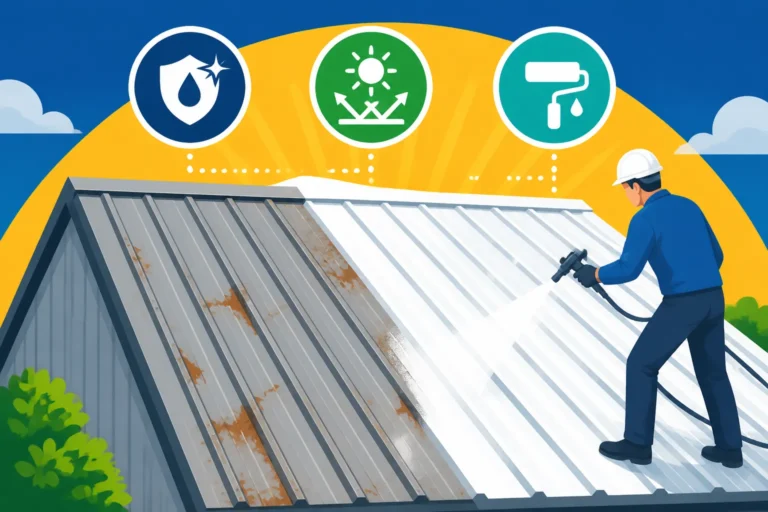
For larger areas of faded paint or multiple minor scratches, you might consider a recoating system. These are specialized liquid coatings that can be applied over the existing metal roof to restore its color and protective properties. This is a more involved process and often requires professional application to ensure proper adhesion and a uniform finish. These coatings, however, can breathe new life into an aging roof, making it look new again and extending its protective qualities.
Addressing Sealant Failures and Minor Leaks
Sealant failure is a common culprit for leaks, even on standing seam roofs, particularly around penetrations. Over time, UV rays and temperature fluctuations cause sealants to degrade. The good news is that these are often among the easiest leaks to fix yourself.
Start by locating the compromised sealant. This will typically be around pipe boots, roof vents, chimney flashing, or skylight perimeters. Carefully remove any old, cracked, or loose sealant. A plastic putty knife or a utility knife can be used, but be extremely cautious not to damage the metal panels or flashing underneath. Once the old sealant is removed, thoroughly clean the area with a solvent like mineral spirits to ensure excellent adhesion for the new sealant. The surface must be dry and free of any oils or debris.
Choose a high-quality, 100% silicone sealant or a specialized metal roofing sealant that is UV-resistant and designed for outdoor use. Products like those from Novaflex or Geocel are often recommended for metal roofing applications. Apply an even bead of sealant around the penetration, ensuring it forms a watertight barrier. Smooth it out with a wet finger or a tooling tool for a clean, professional finish. For standing seam panels, sometimes leaks can occur at panel overlaps or end laps where sealant was originally applied during installation. If you suspect this, you might need to carefully lift a panel edge (if it's a snap-lock system) to inspect and re-apply sealant, or, for mechanically seamed systems, a professional might need to re-crimp or inject sealant, which is a more complex task. Our dedicated guide on Best Sealant for Metal Roof Leaks offers more specific product recommendations and techniques.
Fixing Loose or Damaged Panels
A truly loose or buckled panel on a standing seam roof can be a bit intimidating, as it suggests an issue with the hidden fastening system. This kind of repair often requires a deeper understanding of how these panels are installed.
If a panel is merely buckled (meaning it's wavy but still attached), it might be due to improper installation that didn't allow for thermal movement. In some cases, waiting for a warm, sunny day might allow the metal to relax and flatten slightly. For more severe buckling or "oil canning," sometimes specific clips or fasteners can be adjusted by a professional to allow more movement. If the issue is severe and cannot be resolved, a section of the panel, or the entire panel, might need to be replaced. This involves unseaming the affected panel from its neighbors, which can be a delicate operation. This is certainly a job where a professional’s expertise in How to Replace a Metal Roof Panel comes into play.
If a panel is truly loose and you suspect a clip has failed or become detached, accessing the clip requires carefully unseaming the panel. For snap-lock systems, this might be possible with specialized tools. For mechanically seamed systems, it will definitely require a professional with a seamer to "unzip" the seam, allowing access to the clips. Once accessed, a damaged clip can be replaced, or an unattached panel can be re-secured. It's crucial to ensure that the new clip is installed correctly and allows the panel to move, otherwise, the problem will recur. Improperly secured panels can also be a source of noise during windy conditions, making persistent "popping" or "creaking" sounds as they shift.
Repairing Dents and Impact Damage
Dents can be tricky on standing seam metal roofs because the metal panels are designed to be rigid and flat. While small, cosmetic dents might be something you live with, larger ones could potentially hold water or affect drainage, warranting repair.
For very minor, superficial dents that haven't creased the metal, sometimes carefully applied suction cups (like those used for car dent removal) can help pull the metal back into shape. This works best on flat, uncreased sections. Another technique for very shallow dents involves gentle warming of the area with a heat gun (on a low setting, keeping it moving to avoid scorching the paint) followed by applying dry ice or a cold pack. The rapid expansion and contraction can sometimes cause the metal to pop back into place. However, this is a delicate process and carries risks; too much heat can damage the paint, and too much force can cause new creases. Always test on an inconspicuous area first.
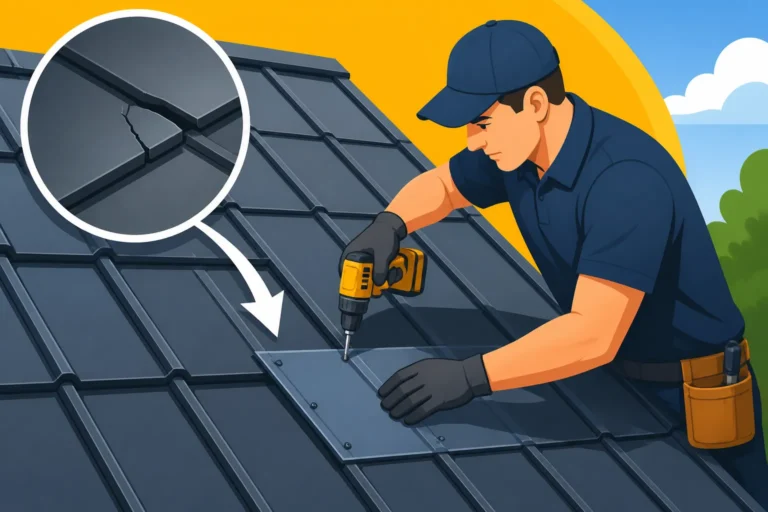
For significant dents or those that involve creases or tears, the reality is that a truly invisible repair is difficult, if not impossible, without replacing the entire panel. Trying to hammer out a dent can often make it worse, creating more visible imperfections or even stressing the metal coating, leading to cracking. In cases of severe impact, such as from a large tree limb, the most effective solution is often to replace the damaged panel entirely. This is a job that demands professional skill, specific tools, and a good understanding of how to properly dismantle and reassemble the standing seams to avoid further damage or introducing new leak points.
When to Call in the Professionals (and How to Find Them)
While some minor repairs are DIY-friendly, many standing seam metal roof issues are best left to experienced professionals. Knowing when to wave the white flag and pick up the phone can save you stress, time, and ultimately, money.
Recognizing When DIY Isn't Enough
There are clear indicators that a repair project has moved beyond the scope of a typical DIY homeowner. Any situation that compromises the structural integrity of your roof, or risks persistent leaks, should immediately trigger a call to an expert.
- Major Leaks or Water Ingress: If you have significant water entering your home, especially if the source is unclear or appears to involve multiple areas, it’s not a job for a weekend warrior. Professional roofers have diagnostic tools and experience to quickly locate and permanently fix serious leaks, preventing further damage to your home’s interior and structure. Repairing a significant leak also often requires working with flashing, which needs to be done meticulously.
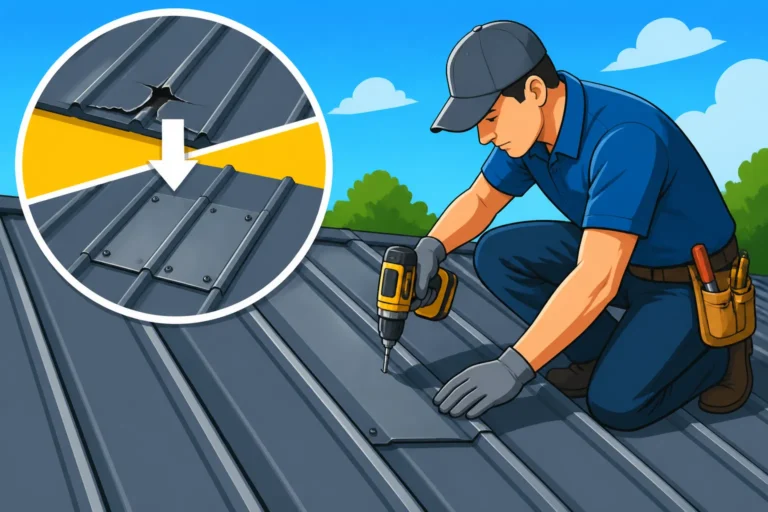
- Structural Damage or Panel Replacement: If panels are severely buckled, torn, or need to be replaced, this is almost always a professional job. Replacing a standing seam panel involves specialized tools to unseam and re-seam the panels without damaging adjacent ones. Improper panel removal or installation can compromise the entire roof system, leading to future leaks or structural instability. Attempting to force panels or use incorrect methods can void your manufacturer's warranty.
- Widespread Rust or Corrosion: While minor rust spots can be treated, widespread rust across multiple panels or along seams typically indicates a larger issue, possibly with the material itself or long-term moisture exposure. A professional can assess the extent of the corrosion and recommend the most effective treatment, which might involve specialized coatings or even partial replacement, as discussed in our Metal Roof Repair vs Replacement: How to Decide guide.
- Safety Concerns: If the repair requires working on a very steep pitch, in dangerous weather conditions, or if you simply don’t have the proper safety equipment (harnesses, ropes, stable ladders), it’s always best to call a pro. Your safety is paramount, and a fall from a roof can have life-altering consequences.
Finding a Qualified Standing Seam Specialist
Finding a good metal roofing contractor isn't always easy, especially one with specific expertise in standing seam systems. Not all roofers are created equal, and metal roofing, particularly standing seam, requires specialized knowledge and tools.
Start by looking for contractors who explicitly list standing seam metal roof installation and repair as a core service. Ask for references from clients who have had similar repairs done. Check online reviews on platforms like Google, Yelp, and the Better Business Bureau. A reputable contractor will have positive feedback and a strong track record. You can also leverage online platforms like Modernize, which connect homeowners with local, vetted contractors experienced in various home improvement projects, including metal roofing. They can help you get multiple bids from qualified professionals, making the comparison process much easier.
When interviewing potential contractors, ask specific questions about their experience with standing seam. How many standing seam repair jobs have they completed in the last year? What kind of warranties do they offer on their repair work? Do they have manufacturer certifications for specific metal roofing brands? A contractor certified by a major manufacturer (like Petersen Aluminum, Sheffield Metals, or McElroy Metal) often has undergone specific training and meets high standards for installation and repair, which can be critical for maintaining your roof's warranty. Understanding Metal Roof Warranties: Workmanship vs Manufacturer is key here.
Important Considerations for Hiring a Contractor
Once you've narrowed down your choices, there are several critical factors to consider before making a final decision. This due diligence protects your investment and ensures a quality repair.
Always obtain multiple quotes – ideally three to five – for comparison. This helps you understand the fair market price for the repair and allows you to compare the scope of work, materials, and warranties offered by different contractors. Ensure each quote is detailed, breaking down labor, materials, and any permit fees. Be wary of quotes that are significantly lower than others, as they might indicate cut corners or hidden costs. For instance, sometimes a low bid might not include necessary flashing replacements or quality sealants.
Verify that the contractor is fully licensed, bonded, and insured. Licensing ensures they meet state or local requirements for their trade. Bonding offers financial protection in case the contractor defaults on the job. And insurance (liability and worker's compensation) protects you from financial responsibility if there's an accident on your property during the repair. Ask for proof of all three and verify them independently. You might also want to ask about their safety protocols, especially when working on roofs.
Finally, get everything in writing. A comprehensive contract should detail the scope of work, materials to be used, project timeline, payment schedule, and all warranties (both on materials and workmanship). This contract protects both parties and provides a clear roadmap for the project. For help in comparing bids efficiently, check out our article on How to Read and Compare Metal Roof Quotes. Utilizing a service like Modernize can also streamline the process of collecting and comparing these bids from reputable local professionals.
Common Standing Seam Repair Issues and Solutions
Here's a quick reference table summarizing common problems and their typical repair solutions for standing seam metal roofs:
| Problem Type | Common Causes | DIY Potential | Professional Intervention Required | Typical Solutions |
|---|---|---|---|---|
| Minor Scratches | Debris, improper cleaning, light abrasion | High | Low | Cleaning, touch-up paint |
| Major Scratches | Sharp objects, heavy abrasion, installation errors | Low | Medium | Specialized touch-up, panel recoating (pro), panel replacement |
| Small Dents/Dings | Small hail, light impacts | Medium | Low | Suction cups, gentle warming/cooling (with caution) |
| Large Dents/Creases | Heavy hail, falling branches, severe impacts | Low | High | Panel replacement (most effective), specialized dent repair |
| Sealant Failure | UV degradation, aging, improper application | Medium | Medium | Remove old sealant, clean, re-apply high-quality sealant |
| Minor Leaks | Sealant failure, small flashing gaps | Medium | Medium | Re-sealing, flashing adjustment, small patch repair |
| Major Leaks | Structural damage, extensive flashing failure, installation error | Low | High | Comprehensive leak detection, flashing replacement, panel repair/replacement |
| Panel Buckling/Warping | Improper installation (thermal movement restricted) | Low | High | Panel adjustment, clip replacement, partial/full panel replacement |
| Loose/Detached Panels | Fastener failure, severe wind damage | Low | High | Clip replacement, panel re-seaming/re-fastening |
| Rust Spots | Exposed metal, prolonged moisture, environmental factors | Medium | Medium | Cleaning, rust treatment, touch-up, recoating (pro) |
Remember, this table is a general guide. Always assess your specific situation carefully, and when in doubt, consult with a qualified metal roofing professional.
Disclaimer
This guide is intended for informational purposes only and should not be taken as professional advice. Metal roof repair can be complex and dangerous. Always prioritize safety, use appropriate personal protective equipment, and consult with a qualified, licensed, and insured metal roofing contractor for any significant repairs or if you are unsure about how to proceed. Attempting complex repairs without proper experience and tools can lead to further damage, injury, or voiding of warranties.