How Long Does a Standing Seam Roof Last?
Choosing a new roof for your home is a huge decision, and one of the biggest questions that probably keeps you up at night is, "How long is this investment actually going to last?" Nobody wants to spend their hard-earned money on something that will need replacing in a decade or two, especially when it comes to a major home component like your roof. If you’re eyeing a standing seam metal roof, you’re likely wondering if its premium price tag translates into premium longevity. This guide will dive deep into exactly how long you can expect a standing seam metal roof to protect your home, and what factors truly make a difference in its decades-long performance.
The Core Longevity of Standing Seam Metal Roofs
When we talk about standing seam metal roofs, we're really talking about a different league of durability compared to many other roofing materials out there. Homeowners often grapple with the upfront cost, but understanding the lifespan is key to seeing the true value. It’s not just a roof; it’s a long-term protective shield for your entire home.
Why Standing Seam Stands Out
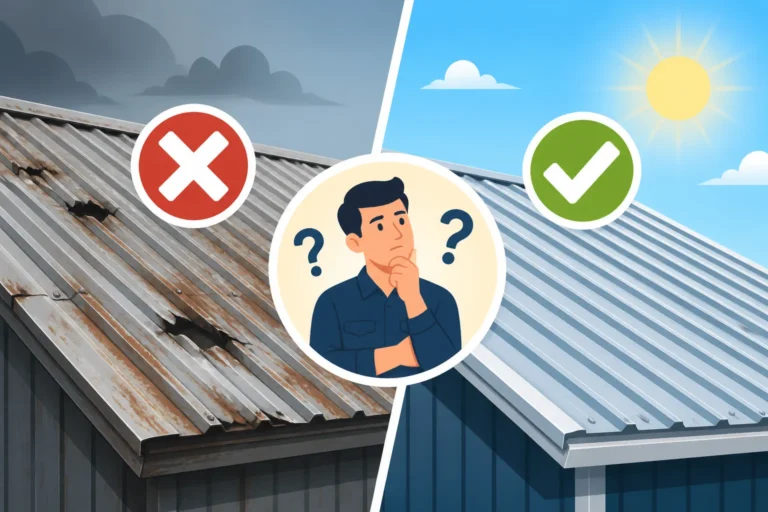
The secret sauce to a standing seam metal roof's impressive lifespan largely lies in its ingenious design, particularly its hidden fastener system. Unlike corrugated or R-panel roofs where screws are driven directly through the metal panels, exposing them to the elements, standing seam panels interlock, and the fasteners are concealed beneath the raised seams. This clever design means that the most vulnerable parts – the screws – are protected from direct exposure to rain, snow, ice, and UV radiation. Think about it: every time a standard screw-down metal roof expands and contracts, those fasteners are flexing, and their rubber washers are slowly deteriorating. With standing seam, that wear and tear on fasteners is dramatically reduced, minimizing potential leak points and extending the life of the entire system.
This inherent protection drastically reduces the chances of water infiltration over time. When fasteners are exposed, their washers can crack, degrade, or even pull out over decades, leading to leaks that are not only frustrating but can also cause significant damage to your underlayment and roof deck if not caught early. A standing seam system largely bypasses these common failure points, allowing the metal itself, and its protective coatings, to dictate the lifespan.
General Expectations and Industry Standards
So, what's the magic number? Generally, you can expect a well-installed standing seam metal roof to last anywhere from 40 to 70 years, and often even longer. It’s not uncommon to hear stories of these roofs performing admirably for 80, 90, or even 100 years, especially in moderate climates and with proper maintenance. This extraordinary lifespan is a significant part of its appeal and justifies the initial investment for many homeowners.
The industry average for a standing seam metal roof far outstrips that of most conventional roofing materials. For instance, traditional asphalt shingles typically last anywhere from 15 to 30 years, depending on the type and quality. This means you could potentially install a standing seam metal roof once and never have to think about replacing it again in your lifetime, whereas an asphalt shingle roof might need replacement two or even three times within the same period. This longevity comparison highlights why many consider the long-term value to be outstanding. When you factor in the lifecycle cost, including potential repairs and multiple replacements for other materials, the seemingly higher upfront cost of a metal roof often evens out, or even becomes more economical, over its much longer service life. For a deeper dive into cost comparisons, you might want to read our article on Metal Roof vs Asphalt Shingle Cost.
Key Factors Influencing Standing Seam Roof Lifespan
While the inherent design of a standing seam roof offers impressive longevity, it's not a one-size-fits-all guarantee. Several critical factors come into play that can either maximize or, unfortunately, diminish its potential lifespan. Understanding these elements is crucial for making an informed decision and ensuring your investment truly goes the distance.
Material Quality and Gauge
The type of metal and its thickness, or "gauge," play an enormous role in how long your standing seam roof will last and how well it will perform against the elements. Not all metal is created equal, and neither is its application.
Common materials for standing seam roofs include steel (often galvanized or Galvalume coated), aluminum, copper, and zinc. Each has its own properties impacting durability and longevity. Steel, particularly with a Galvalume coating (a blend of zinc and aluminum), is extremely popular due to its excellent strength-to-weight ratio and superior corrosion resistance, typically lasting 50-60 years or more. Aluminum is lighter, naturally corrosion-resistant, and ideal for coastal areas where salt spray is a concern, often lasting 60-80 years. Copper and zinc are premium materials, known for their extreme longevity (80-100+ years) and unique aesthetic patina, but they also come with a significantly higher price tag. Understanding the nuances of these materials can help you pick the right one for your home and climate. We have a detailed guide on Metal Roofing Materials Compared: Steel, Aluminum, Copper & Zinc if you're looking for more specific information.
Beyond the material type, the gauge is paramount. Gauge refers to the thickness of the metal, with lower numbers indicating a thicker, more robust panel. For residential standing seam applications, you’ll typically encounter 24-gauge or 26-gauge steel or aluminum. While 26-gauge is common and offers good performance, a 24-gauge panel is thicker, more resistant to dents from hail or falling debris, and provides superior rigidity. This added thickness directly translates to enhanced durability and often a longer lifespan. For instance, in areas prone to hailstorms, a 24-gauge roof will hold up much better than a thinner 26-gauge option. This difference in thickness and its impact on cost is explored further in our guide on 24 vs 26 Gauge Metal Roof: Cost Difference. High-quality paint systems, like Kynar 500 (PVDF), also contribute significantly, resisting fading, chalking, and UV degradation for decades, which is essential for both aesthetics and long-term protection of the metal.
Installation Expertise and Craftsmanship
You can buy the most expensive, highest-gauge metal roofing material on the planet, but if it's not installed correctly, its projected 50+ year lifespan could be cut in half, or worse. This isn't like installing asphalt shingles where a slight misalignment might just look a little off. Standing seam metal roofing is a specialized trade, requiring precision, specific tools, and a deep understanding of metal's behavior, especially its expansion and contraction properties.
A reputable, experienced metal roofing contractor knows the nuances of proper panel alignment, securing the hidden fasteners correctly, and ensuring all flashing and trim pieces are custom-fitted and sealed perfectly. Improper panel engagement can lead to panels lifting in high winds, or worse, allowing water to wick underneath. Incorrect fastener application can compromise the hidden fastener system, leading to premature wear or loosening. Substandard flashing around chimneys, skylights, and valleys is a common culprit for leaks, even on otherwise perfectly installed metal roofs. These are not areas where you want to cut corners with a DIY approach or an inexperienced crew. Finding a contractor through platforms like Modernize can help ensure you connect with professionals who have the necessary expertise. They can walk you through the Metal Roof Installation Process: Step by Step so you know exactly what to expect.
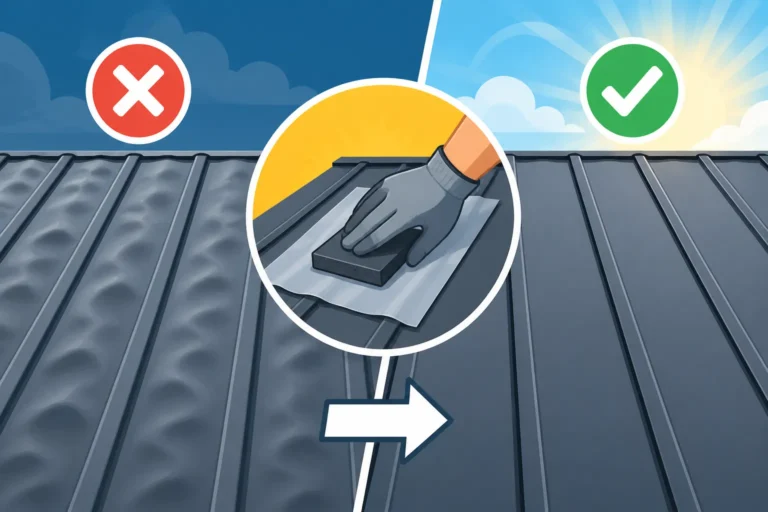
The consequences of poor installation are far-reaching. Beyond immediate leaks, you could face issues like oil canning (visible distortion or waviness in the flat part of the metal panels), panels that aren't properly secured and can blow off in severe weather, or even damage to the underlying roof deck due to hidden water intrusion. Always look for contractors who specialize in metal roofing and have a proven track record specifically with standing seam systems. Their expertise is truly invaluable to ensuring your roof reaches its full potential longevity.
Environmental Conditions and Climate
While standing seam metal roofs are renowned for their resilience, the climate your home is in undeniably influences how long they'll last and what specific challenges they might face. A roof in sunny, mild San Diego will likely have a different aging process than one in the hurricane-prone coast of Florida or the heavy snow loads of Colorado.
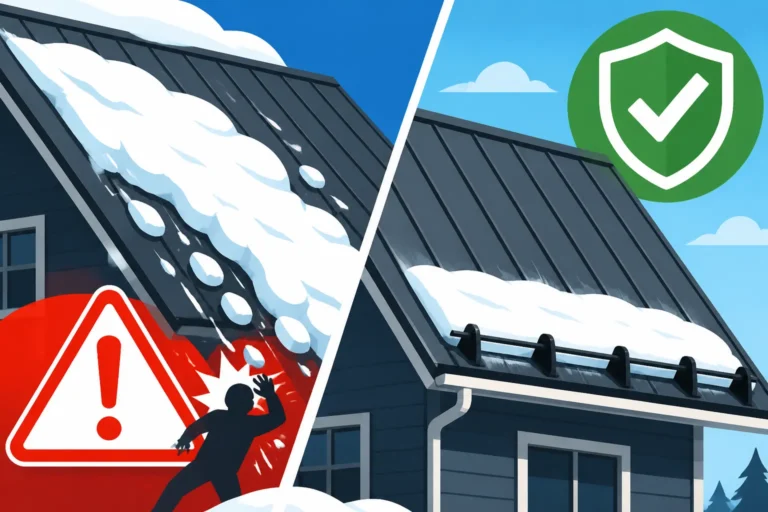
Extreme weather events such as hurricanes, severe hailstorms, or exceptionally heavy snow can place significant stress on any roofing system. High winds can test the integrity of panel connections and flashing, while large hail can cause dents, especially on thinner gauge metals. In areas with heavy snowfall, proper installation for snow load is essential, and the potential for "snow slides" off a slick metal surface needs to be managed with appropriate snow retention systems. Standing seam roofs are generally rated for very high wind speeds (often exceeding 140 mph, some even higher), and thicker gauges provide excellent hail resistance, but nothing is entirely impervious to Mother Nature’s most extreme moods.
Coastal environments present a unique challenge: salt spray. The corrosive effects of airborne salt can accelerate the degradation of certain metals and coatings. For homes right on the ocean, aluminum or zinc standing seam roofs are often recommended due to their superior natural corrosion resistance. These materials can withstand the salty air for decades without showing significant signs of wear. Conversely, in hot, sunny climates, the quality of the paint coating (like PVDF) becomes crucial to prevent premature fading and chalking from intense UV exposure. The constant expansion and contraction of metal due to daily temperature fluctuations are expertly handled by the standing seam’s floating clip system, which allows the panels to move independently without stressing fasteners or panel connections, a key design feature that contributes to its long life in any climate.
Maintenance, Repair, and Proactive Care
Even the most durable standing seam metal roof isn't completely "set it and forget it." While significantly less demanding than many other roofing types, a little proactive care and attention to detail can ensure your investment truly goes the distance and meets or even exceeds its projected lifespan.
Routine Inspections and Cleaning
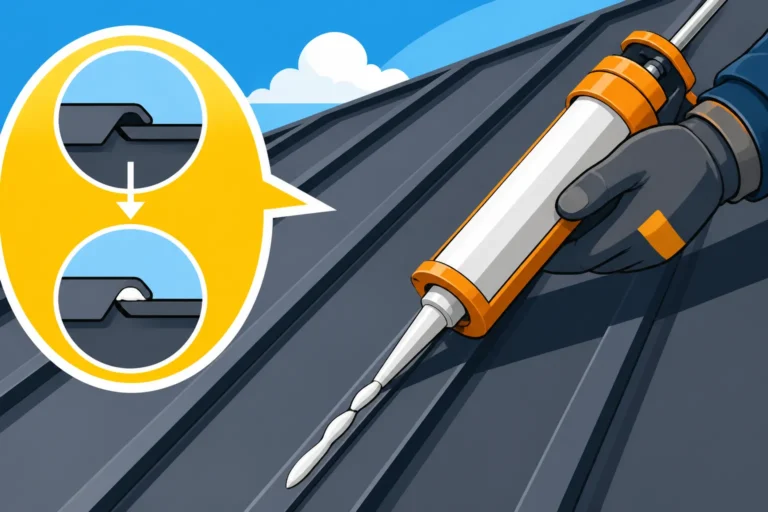
Think of routine roof inspections like regular check-ups at the doctor – they catch small issues before they become big, expensive problems. For a standing seam roof, annual inspections are a smart habit, ideally after major storm seasons or at least once a year. What are you looking for? Keep an eye out for any signs of loose or popped rivets (though less common on standing seam, they can still appear on trim pieces), any damaged or dented panels, especially if you've had a hailstorm, or issues with flashing around chimneys, vents, and skylights. These are critical areas where sealant degradation can occur over time.
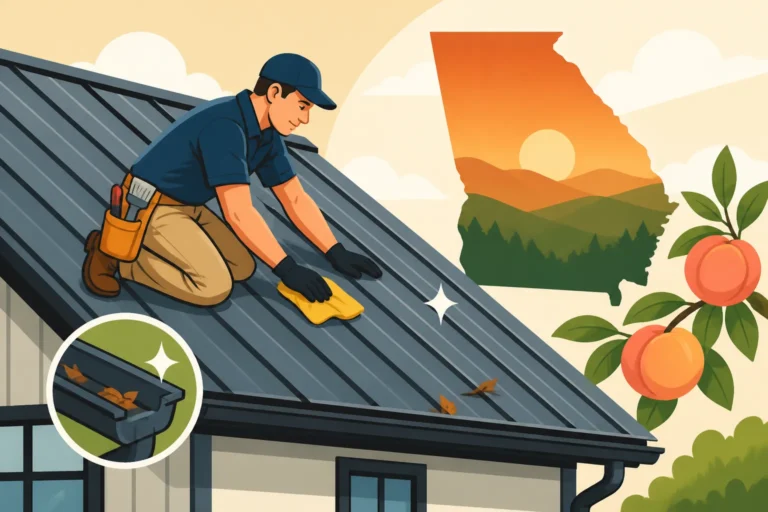
Also, be mindful of debris accumulation. While metal roofs are excellent at shedding leaves and pine needles, prolonged build-up, especially in valleys or behind chimneys, can trap moisture, lead to discoloration, or even promote localized corrosion. Gently removing debris and ensuring gutters are clear allows water to flow freely, preventing potential standing water issues. Cleaning a metal roof usually involves a soft brush and mild soap, avoiding harsh chemicals or high-pressure washers that can damage the protective coating. For a comprehensive list of what to check, our Metal Roof Maintenance Guide offers great insights.
Addressing Minor Repairs Promptly
One of the biggest mistakes homeowners make is ignoring small problems, thinking they're insignificant. A tiny scratch on a metal panel might seem harmless, but if it penetrates the protective coating down to the bare metal, it can become a starting point for rust, especially on steel roofs. Similarly, a small crack in the sealant around a pipe boot might not cause a major leak immediately, but it's an open invitation for water to seep in, potentially damaging the underlayment and decking unseen.
Promptly addressing minor repairs is key to preventing them from escalating into costly major issues. For scratches, touch-up paint specifically designed for metal roofing can prevent corrosion. Minor dents from small falling objects are often cosmetic but should be assessed for structural integrity. Re-sealing aging caulk or replacing a worn pipe boot is a relatively inexpensive fix that can save you from much larger water damage repair bills down the line. Catching and fixing these small issues means your roof's overall integrity remains intact, allowing it to perform optimally for decades. If you're seeing drips, our Metal Roof Leak Repair Guide can help you troubleshoot common issues.
Coatings and Restoration for Extended Life
Even after decades of stellar performance, the outer finish of your standing seam metal roof might start to show its age. While the structural integrity of the metal panels typically remains sound, the aesthetic appeal and the outermost layer of protection might diminish due to prolonged sun exposure, environmental pollutants, or general wear. This doesn't necessarily mean it's time for a full roof replacement!
Many metal roofs, especially those with high-quality factory applied finishes, can be effectively cleaned, prepped, and recoated. This process can revitalize the roof's appearance, restoring its original color or even changing it completely, and more importantly, it adds a new layer of UV and weather protection. Modern acrylic or silicone roof coatings are designed to bond exceptionally well with existing metal surfaces, providing a seamless, durable membrane that can extend the life of the roof by another 10 to 20 years. This is a far more cost-effective solution than a complete tear-off and replacement. This kind of restoration is particularly beneficial if the metal panels themselves are still in excellent condition but the original paint finish has chalked or faded considerably. For more information on this process, check out our article on Repainting and Recoating a Metal Roof. It’s a fantastic way to stretch your investment even further.
Recognizing the End of a Standing Seam Roof's Life
While standing seam metal roofs are built for the long haul, even the best things eventually show signs of their age. Knowing what to look for can help you decide when it's time to consider a major overhaul rather than continuous patch-ups. It's a balance between repair costs, peace of mind, and the overall integrity of your home.
Major Warning Signs
Unlike asphalt shingles that might visibly curl, crack, or lose granules when they're failing, the warning signs on a metal roof can be a bit more subtle, especially since the panels themselves are so durable. However, there are still clear indicators that your standing seam roof is nearing the end of its practical lifespan.
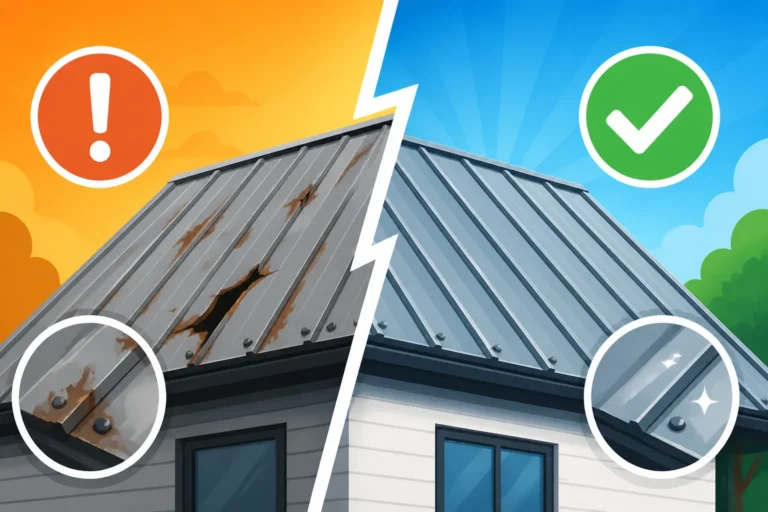
One of the most concerning signs is persistent, recurring leaks that seem to pop up in different places despite previous repairs. If you're constantly calling out a roofer to fix new drips or re-seal areas, it suggests a more systemic issue than isolated damage. Widespread corrosion that isn't superficial surface rust but has begun to pit or perforate the panels is another critical red flag. This kind of rust weakens the metal and compromises its weatherproofing. Severe, widespread oil canning (the wavy distortion of flat metal panels) that appears to be worsening could indicate underlying structural issues or panels that are no longer properly secured, leading to stress points. You might also observe panels separating from their seams or lifting in sections, which can be a result of fastener failure deep within the hidden system or prolonged exposure to high winds. Our guide on Warning Signs Your Metal Roof Needs Attention details these and other indicators.
Repair vs. Replace Decision
When you start seeing those major warning signs, the tough question inevitably arises: Is it worth repairing, or is it time to replace? This is where the pragmatic side of homeownership kicks in. For isolated damage, like a single severely dented panel from a tree branch or a localized leak due to damaged flashing, a targeted repair is usually the most economical and sensible approach. Good roofing contractors, perhaps those you find through Modernize, are skilled at making seamless repairs that can integrate new panels or flashing with existing systems.
However, if the issues are widespread – if multiple panels are corroded, if leaks are recurring across the roof, or if the underlying structure is compromised – then throwing good money after bad repairs becomes a real concern. At some point, the cumulative cost of ongoing repairs will exceed the cost-effectiveness and long-term benefit of a complete replacement. A professional roofing assessment can provide a clear picture of the extent of the damage and a realistic projection of remaining useful life versus the investment in repair. Often, a complete replacement offers a fresh start with new materials, new warranties, and renewed peace of mind that repairs simply can't match when the roof has reached its twilight years. For a comprehensive breakdown of this decision, take a look at our article on Metal Roof Repair vs Replacement: How to Decide.
Assessing ROI and Future Value
Even when a standing seam metal roof is approaching the end of its impressive lifespan, considering a replacement is still an investment with substantial return on investment (ROI). The initial higher cost of a standing seam roof, compared to asphalt shingles, is almost always justified by its longevity, durability, energy efficiency, and low maintenance needs.
When it comes time to sell your home, a new standing seam metal roof, even one installed relatively recently, is a massive selling point. It signals to potential buyers that they won't have to worry about a major roof expense for many decades, which can significantly increase your home’s resale value. Many home buyers are willing to pay a premium for a home with a durable, long-lasting, and aesthetically pleasing metal roof. Furthermore, metal roofs often come with extended warranties (both material and workmanship), adding an extra layer of buyer confidence. The energy efficiency benefits, such as reflecting solar heat and potentially lowering cooling costs, also continue throughout the roof’s life. So, while the decision to replace any roof is a big one, doing so with a new standing seam system means you're continuing to build equity and value for your home. Learn more about the financial benefits in our article Is a Metal Roof Worth It? ROI, Resale & Payback.
Standing Seam Lifespan vs. Other Metal Roof Types
It's easy to lump all metal roofs into one "long-lasting" category, but just like cars, there are different models with varying performance and longevity. Standing seam truly shines in its category, largely due to its superior design, especially when compared to other popular metal roofing options.
Standing Seam vs. Exposed Fastener Panels
When people think of metal roofs, often they picture the corrugated or R-panel systems frequently seen on barns, commercial buildings, or even some modern homes. These are known as exposed fastener systems, and while they offer a cost-effective entry into metal roofing, their lifespan is generally shorter than standing seam.
The critical difference, as the name suggests, lies in the fasteners. With exposed fastener roofs, screws are driven directly through the metal panels and into the roof deck. Each screw head is capped with a rubber washer designed to create a watertight seal. The problem is, these rubber washers are exposed to the full brunt of UV rays, extreme temperatures, and moisture. Over time – typically 15-30 years – these washers degrade, crack, and lose their elasticity, leading to potential leak points. When the washers fail, water can seep past the screws, damaging the underlayment and potentially causing significant structural issues. While the metal panels themselves might still be in good condition, the integrity of the roof system is compromised by these failing fasteners. This often necessitates a "re-screw" operation, where all fasteners are replaced, or a full replacement much sooner than a standing seam roof. In contrast, standing seam's hidden fasteners mean no exposed washers to degrade, significantly extending the system's watertight performance. You can read more about the differences in our Standing Seam vs Corrugated Metal Roof article.
Standing Seam vs. Metal Shingles or Tiles
Metal shingles and tiles offer a different aesthetic from the linear panels of standing seam, often mimicking traditional roofing materials like asphalt shingles, slate, or cedar shakes. These systems are made from individual metal pieces, usually stamped into various profiles, and then interlocked or fastened to the roof deck. They are incredibly durable and significantly outlast traditional materials they imitate.
However, because they are composed of many individual pieces, they inherently have more seams and potential points of connection failure than the long, continuous panels of a standing seam roof. While these systems are designed with sophisticated interlocking mechanisms and often hidden fasteners, the sheer number of individual components means a greater theoretical number of spots where issues could arise over several decades. That being said, high-quality metal shingle or tile systems still boast impressive lifespans, typically in the 40-70 year range, similar to standing seam. The choice often comes down to aesthetic preference, specific architectural styles, and budget, as both offer exceptional long-term performance compared to non-metal alternatives.
Here's a quick comparison of general lifespan expectations across different roofing types:
| Roofing Material Type | Typical Lifespan (Years) | Key Longevity Factors |
|---|---|---|
| Standing Seam Metal | 40 – 70+ | Hidden fasteners, material gauge, coating, installation quality |
| Metal Shingles/Tiles | 35 – 70 | Material quality, interlocking design, installation quality |
| Exposed Fastener Metal | 20 – 40 | Fastener washer degradation, material gauge, coating |
| Asphalt Shingles (3-tab) | 15 – 25 | Granule loss, weather exposure, base material |
| Asphalt Shingles (Architectural) | 20 – 30 | Material thickness, weather exposure, granule adhesion |
| Clay/Concrete Tile | 50 – 100+ | Durability of tile, underlayment, proper installation |
| Wood Shakes/Shingles | 20 – 40 | Moisture exposure, maintenance, material treatment |
| Slate | 75 – 200 | Natural stone durability, proper installation |
It's clear from this table that standing seam metal roofing, alongside premium materials like slate and tile, offers some of the best longevity available on the market, especially when its overall maintenance requirements are factored in.
Disclaimer
Please remember that the information provided in this article is intended for general guidance and informational purposes only. While we strive to offer accurate and up-to-date advice, specific conditions, local building codes, material variations, and individual circumstances can significantly impact actual outcomes. Always consult with a qualified and licensed metal roofing professional for personalized advice, estimates, and to ensure compliance with all relevant regulations for your specific project.