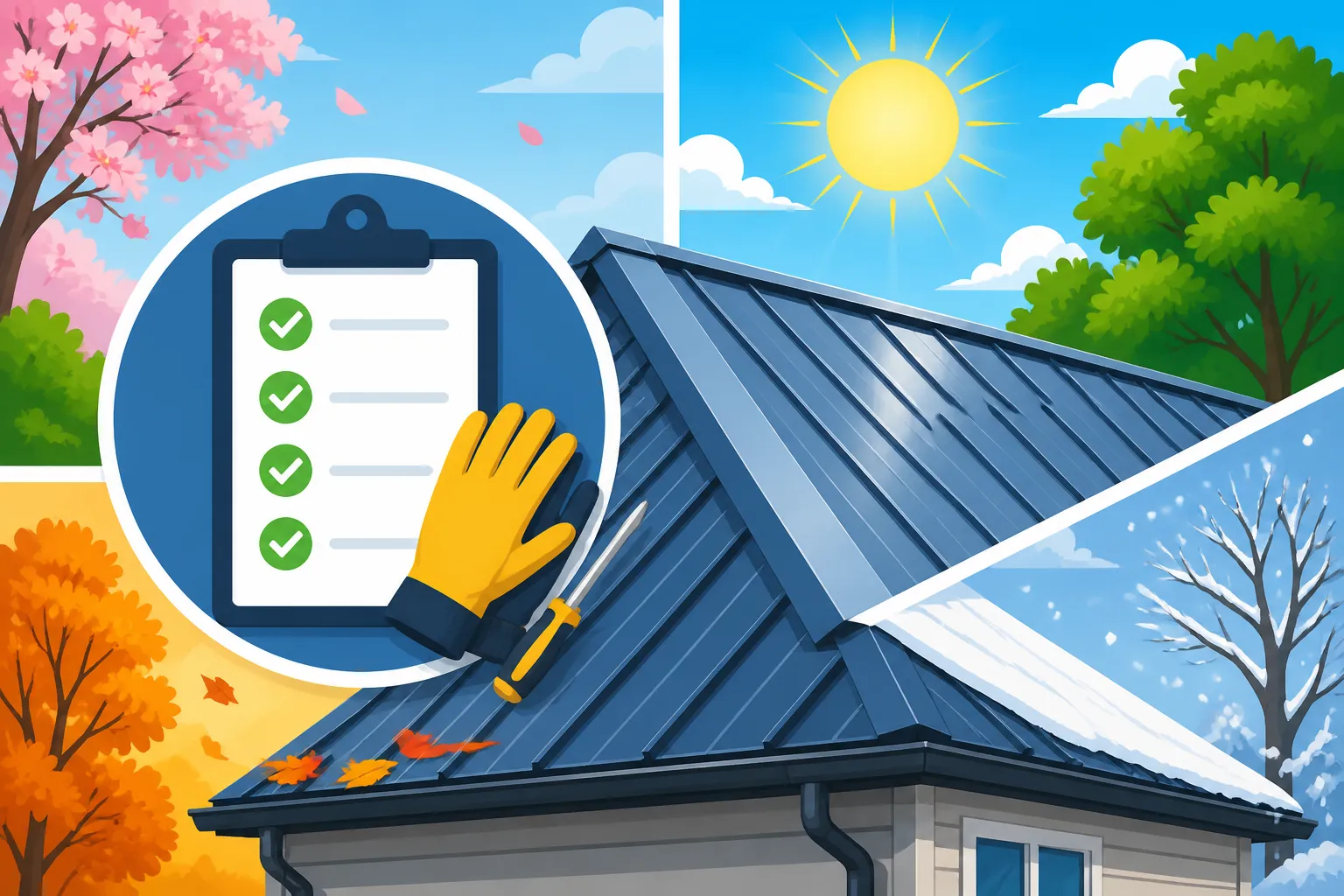
Metal Roof Maintenance Checklist by Season
It’s a common frustration: you invest in a beautiful, durable metal roof, expecting decades of worry-free protection, only to realize that "maintenance-free" doesn't quite mean "attention-free." While metal roofs are indeed incredibly resilient, neglecting them entirely can lead to small issues snowballing into costly repairs down the line. This guide will walk you through a practical, seasonal maintenance checklist designed to keep your metal roof in prime condition, helping you catch potential problems early and extend its already impressive lifespan.
Why Seasonal Maintenance is Crucial for Your Metal Roof
Many homeowners choose metal roofing precisely because of its reputation for longevity and low maintenance. And while it’s true that metal roofs generally require less hands-on care than, say, asphalt shingles, they’re not entirely set-it-and-forget-it. Just like any major home system, a little regular attention can go a long way in preventing headaches and preserving your investment. Ignoring minor issues can lead to accelerated wear, compromised integrity, and much more expensive fixes.
Understanding Metal Roof Durability
Metal roofs are engineered to withstand extreme weather, from scorching sun to heavy snow and high winds. Materials like steel, aluminum, copper, and zinc each offer unique strengths, often coated with protective layers like Kynar 500 (PVDF) or SMP (Siliconized Modified Polyester) to resist fading, chalking, and corrosion. This inherent durability is fantastic, but it doesn't make them impervious to environmental factors. Think of it like a high-performance car; it's built tough, but you still need to change the oil and rotate the tires.
For instance, a robust standing seam metal roof might easily outlast several asphalt shingle roofs, often touted to last 40-70 years or even more, as discussed in detail in our guide on How Long Do Metal Roofs Last?. However, even the toughest metal can suffer if debris is allowed to accumulate, if fasteners loosen over time, or if sealant around penetrations deteriorates. Regular checks ensure these small vulnerabilities don't grow into significant structural or cosmetic problems, maintaining both the aesthetic appeal and the protective function of your roof.
Preventing Costly Repairs
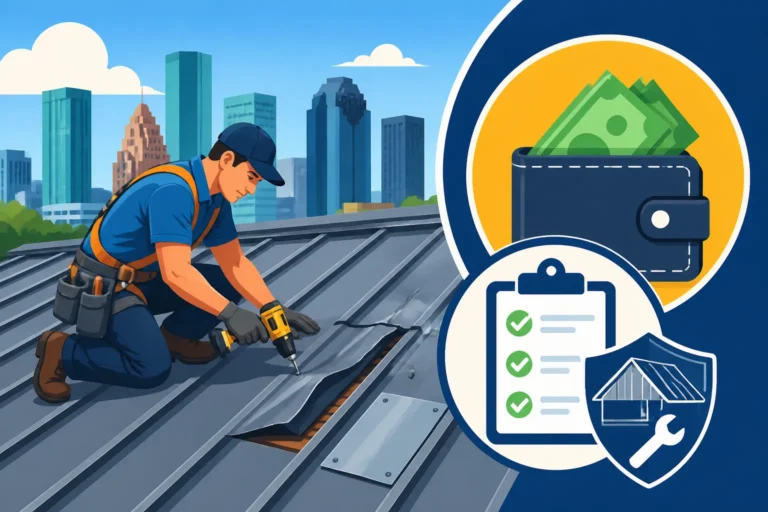
The biggest reason to follow a seasonal maintenance schedule is to save money in the long run. Catching a loose screw or a small accumulation of leaves in a gutter is a quick, easy fix. Missing these subtle Warning Signs Your Metal Roof Needs Attention can lead to water intrusion, rust, and even structural damage to your home’s decking and interior. A small leak might start as a tiny drip, but it can quickly escalate into widespread issues, potentially requiring extensive and costly repairs, far beyond what a preventative measure would have entailed.
For example, a clogged gutter might seem minor, but if water backs up, it can seep under flashing, leading to rot in fascia boards or even interior water damage. Similarly, unaddressed minor surface scratches, especially on less corrosion-resistant metals, can become rust spots. Addressing these promptly is far cheaper than dealing with full-blown rust remediation or replacing entire panels. Proactive care ensures that the initial higher investment in a metal roof truly pays off over its extended lifetime, avoiding the financial strain of major reactive repairs.
Spring Cleaning and Inspection for Your Metal Roof
As the snow melts and the last of winter's chill fades, spring is the perfect time to give your metal roof a thorough once-over. Winter can be tough, leaving behind debris, potential damage, and areas of concern that need attention before the summer heat sets in.
Debris Removal and Gutter Cleaning
After months of winter storms, it's very common to find an accumulation of leaves, twigs, pine needles, and other organic debris on your roof surface or in your gutters. While metal roofs are generally shed-friendly, heavy debris can sometimes get caught, especially around valleys, eaves, and flashing. This organic matter can trap moisture against the roof surface, creating an environment ripe for mold, mildew, and even premature coating degradation.
The most critical task for spring is clearing your gutters. Clogged gutters prevent proper drainage, causing water to pool and potentially overflow, leading to fascia damage, foundation issues, or even water intrusion under your roof eaves. Using a sturdy ladder, carefully remove all debris by hand or with a gutter scoop. While you're up there, check the downspouts to ensure they are clear and draining freely. A simple hose test can confirm this. Remember, safety first – if you're uncomfortable on a ladder, consider hiring a professional. Many homeowners find it worthwhile to get a quote from a local contractor through platforms like Modernize, who can connect you with experienced roofers for spring clean-ups and inspections.
Visual Inspection for Damage
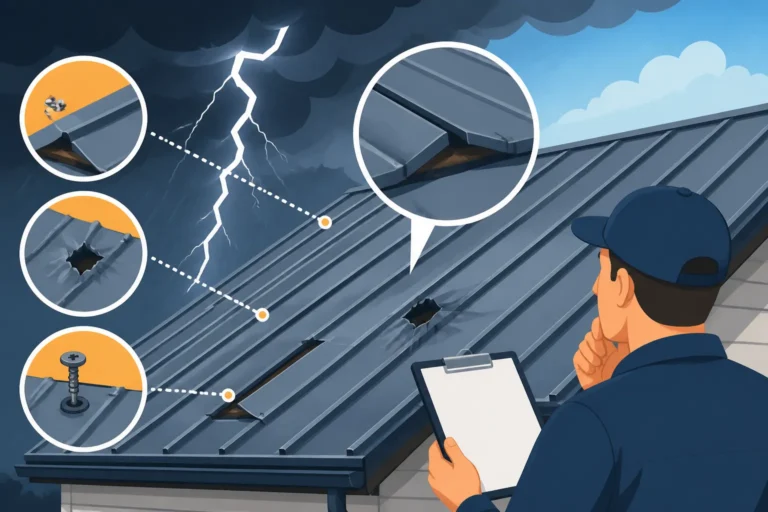
Once the roof is clear of major debris, perform a detailed visual inspection. This is where you put on your detective hat. From the ground, use binoculars to scan the entire roof surface for any anomalies. Look for scratches, dents, or chips in the coating, especially if you had heavy hail or ice during the winter. Check for any signs of Metal Roof Storm, Hail & Wind Damage that might have occurred. While metal roofs are incredibly impact-resistant, extreme weather can sometimes cause issues.
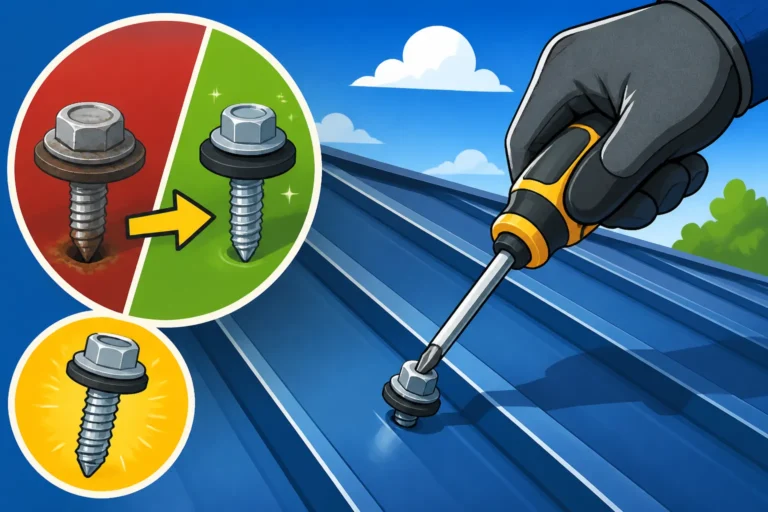
If you can safely get onto your roof, or if you're comfortable hiring a professional for a closer look (which is often recommended), inspect all seams, fasteners, and flashing. Are any screws backed out or missing? Do the rubber washers on exposed fasteners look cracked or degraded? Are there any gaps in the sealant around chimneys, skylights, or vents? These are common spots for potential leaks. Pay close attention to any areas where two different materials meet, as these are often vulnerable points. If you spot anything concerning, like a loose panel or compromised flashing, address it immediately. Our guide on How to Walk on a Metal Roof Without Damage offers tips for those who choose to do it themselves safely, but for significant damage, always consult a professional.
Summer Safeguards and Checks
Summer, with its intense sun and occasional torrential downpours, presents its own set of challenges for your metal roof. The focus during these months shifts to monitoring the effects of heat, ensuring secure connections, and preparing for any sudden storms.
Addressing Heat Expansion and Contraction
Metal roofs are fantastic at reflecting solar radiation, which can lead to energy savings, but they also experience significant thermal expansion and contraction. As the sun beats down, the metal panels expand, and as temperatures cool at night or during a rain shower, they contract. Modern metal roofing systems are designed to accommodate this movement, but it's something to be aware of. Over many years, this constant movement can sometimes put stress on fasteners and sealants.
During your summer check, especially on a cooler morning or evening, look for any signs that this expansion and contraction might be causing issues. This could manifest as slight buckling in panels (though this is rare in properly installed systems and might indicate an issue with clips or fasteners), or more commonly, loosening of exposed fasteners or small cracks in sealants where different materials meet. It’s also a good time to ensure your roof’s ventilation system is working effectively, as proper airflow helps regulate temperatures and prevents heat buildup in the attic, which can indirectly affect roof performance. Our guide on Metal Roof Underlayment and Ventilation Guide offers more insights into managing roof temperatures and moisture.
Checking Fasteners and Sealants
The hot summer sun can accelerate the degradation of materials like rubber washers and sealants. These components are vital for preventing water intrusion, especially around penetrations and where panels are joined. Take a close look at all exposed fasteners – are the rubber washers still pliable and intact, or do they appear dry, cracked, or shrunken? If you notice any deterioration, it might be time to consider replacing them. This is a relatively inexpensive fix that can prevent leaks.
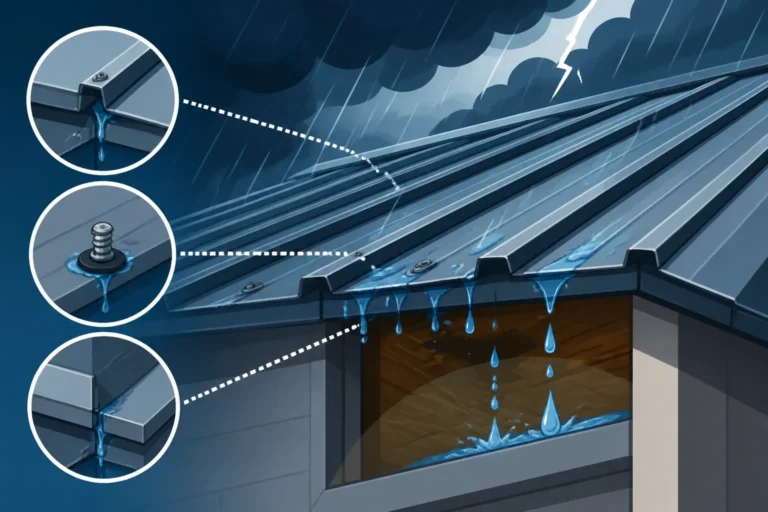
Similarly, inspect all caulking and sealants around chimneys, skylights, vents, and wall flashings. Heat can cause these materials to dry out, crack, or pull away from the surface, creating entry points for water. If you spot any compromised sealant, carefully remove the old material and apply a high-quality, UV-resistant sealant specifically designed for metal roofing. Products from brands like Geocel or OSI are often recommended for their durability and flexibility. This is a critical step in preventing leaks and protecting your home from moisture damage, a common and frustrating problem that can lead homeowners to look up How to Fix a Leaking Metal Roof online.
Managing Tree Branches and Overhangs
Summer often brings rapid growth in trees and shrubs. While leafy trees can provide beneficial shade, overhanging branches pose a significant risk to your metal roof. High winds during summer storms can cause branches to rub against the roof surface, scratching coatings and potentially leading to rust. Worse still, falling limbs can cause severe dents or even puncture panels, leading to costly damage.
Trim any branches that are too close to your roof, aiming for at least 6-10 feet of clearance. This not only protects your roof from physical damage but also reduces the amount of organic debris that can accumulate. Regular trimming is an ongoing task for homeowners with mature trees around their property, and it's a simple preventative measure that can save you from a major repair bill.
Fall Prep for the Winter Ahead
As the leaves begin to turn and the air gets crisp, fall is your last major opportunity to prepare your metal roof for the harsh realities of winter. This season's maintenance is all about prevention, ensuring your roof can handle heavy snow loads and freezing temperatures without a hitch.
Pre-Winter Cleaning and Gutter Prep
Fall can be a beautiful season, but it also means a deluge of falling leaves and needles. Before winter arrives, it's absolutely crucial to give your roof and gutters a thorough cleaning. Allow most of the leaves to fall, then grab your ladder and get to work. Clear all leaves, twigs, and other debris from the roof surface, paying extra attention to valleys and around any penetrations where debris tends to collect.
Again, the gutters are paramount. Fully clear them of all organic matter. If leaves and debris are left to decompose in your gutters, they can form heavy, icy blockages during winter. This can not only prevent proper drainage but also put undue stress on your gutter system, potentially causing them to pull away from your fascia. A blocked gutter can also lead to ice dams, where melting snow refreezes at the eaves, backing up water under your roof panels and causing leaks. Many homeowners consider installing gutter guards to minimize fall cleaning, which can be a wise investment.
Checking for Potential Leak Points
With winter's freezing temperatures and potential for heavy precipitation, any tiny crack or gap in your roof's integrity can become a major leak point. Fall is the time to be extra meticulous in your inspection for potential water intrusion. Re-examine all flashing around chimneys, vents, and skylights. Look for any hairline cracks in sealants or signs of separation. If you find any, reseal them properly with a high-quality, cold-weather compatible sealant.
Also, pay close attention to the perimeter of your roof, including the drip edge and eave flashing. Ensure these components are securely fastened and free of damage. If you live in an area prone to significant snow and ice, consider applying a fresh bead of sealant along critical seams or around fasteners that might be showing their age. A thorough inspection now can prevent the nightmare of a leaky roof when temperatures are below freezing and repairs are much more difficult and costly. If you do find a leak, our detailed Metal Roof Leak Repair Guide can walk you through the steps.
Considering Snow Guards
For homes in regions with heavy snowfall, snow guards are an invaluable addition to a metal roof. Metal roofs are incredibly slick, and accumulated snow can suddenly slide off in large, heavy sheets, creating a dangerous situation for people, pets, landscaping, and anything below the eaves. This phenomenon, known as "sudden avalanche," can easily damage gutters, vehicles, or injure someone walking near the house.
Fall is the ideal time to assess if snow guards are right for your roof and to have them installed before the first snowfall. They work by creating friction, breaking up the sliding snow into smaller, safer sections. Different types are available, from individual "pads" to continuous "fence-style" systems, as explored in our guide on How to Install Snow Guards on a Metal Roof. While they represent an upfront cost, the safety and protection they offer against potential damage far outweigh the expense, especially if you have high-traffic areas below your roofline.
Winter Watch: Protecting Your Metal Roof from the Elements
Winter might seem like a time when your roof is dormant, but it’s actually working harder than ever, battling snow, ice, and frigid temperatures. Your role during these months shifts from proactive cleaning to careful monitoring and damage assessment.
Monitoring Snow and Ice Buildup
Heavy snow loads are a significant concern for any roof, and while metal roofs are incredibly strong, it's still important to monitor snow accumulation. If your region experiences exceptionally heavy snowfalls, several feet of snow can add thousands of pounds of weight to your roof structure. While most modern homes are built to code for anticipated snow loads, extreme conditions can test those limits.
Keep an eye on the overall snow depth. If you notice significantly deeper drifts in certain areas or any signs of interior stress (like new cracks in drywall or sagging ceilings), it might be time to consider professional snow removal. Never attempt to remove heavy snow yourself without proper training and safety equipment, as it can be incredibly dangerous and can easily damage the roof surface if done improperly. Also, watch for ice dams forming at the eaves. These thick ridges of ice prevent melting snow from draining, causing water to back up under the roofing material and potentially leak into your home. Ensure proper attic ventilation to help prevent ice dams, as good airflow keeps the roof deck temperature consistent.
Post-Storm Assessments
Winter storms can be brutal, bringing high winds, freezing rain, heavy snow, and even ice. After any significant winter weather event, especially one accompanied by strong gusts, make it a point to perform a quick visual check of your metal roof from the ground. Look for any visible damage, such as loose panels, missing flashing, or displaced snow guards. While it might be too cold or dangerous for a close-up inspection, spotting a major issue from below can prompt you to call a professional once conditions improve.
Even if you don't see immediate damage, keep an eye out for signs of new leaks inside your home, particularly in the attic or along exterior walls. A hidden issue might only reveal itself when water starts dripping inside. If you do find a problem, contact a qualified metal roofing contractor as soon as safely possible. While immediate repairs might be challenging in freezing weather, a professional can assess the situation and advise on temporary fixes to prevent further damage until a full repair can be made. This vigilance is crucial, as unaddressed damage from a winter storm can quickly lead to bigger problems once the thaw begins.
General Best Practices and Long-Term Care
Beyond the seasonal checks, there are overarching best practices that contribute to the long-term health and performance of your metal roof. These involve professional insights, material care, and understanding your warranty.
Professional Inspections
While seasonal DIY checks are incredibly valuable, they shouldn't entirely replace professional inspections. A trained metal roofing contractor has the experience, tools, and eye to spot subtle issues that an untrained homeowner might miss. They can safely access all areas of your roof, including steep pitches, and can identify problems like compromised fasteners, failing sealants, or issues with flashing that might not be visible from the ground.
It's a good idea to schedule a professional inspection every 3-5 years, or immediately after a severe weather event like a major hailstorm or hurricane. These inspections can provide peace of mind and help ensure minor issues are addressed before they escalate. A professional can also provide valuable advice on specific maintenance needs based on your roof's material, profile, and local climate. When it's time to find a reputable contractor, resources like Modernize can help you locate qualified metal roofing professionals in your area. They can also assist you in understanding How to Hire a Metal Roofing Contractor and ensuring you get a quality, reliable service.
Maintaining Coatings and Finishes
The coating on your metal roof isn't just for aesthetics; it's a vital protective layer against UV radiation, corrosion, and environmental pollutants. Most high-quality metal roofs come with factory-applied finishes that are extremely durable, often lasting for decades. However, even these can benefit from occasional cleaning and monitoring.
Over time, pollutants, pollen, and even bird droppings can accumulate on the surface. Regularly cleaning your roof with a soft brush and mild soap (never harsh chemicals or pressure washers, which can damage the coating) can help preserve its finish and reflective properties. If you notice any significant fading, chalking, or scratches that go through the protective layer, you might consider Repainting and Recoating a Metal Roof. This is typically a job for professionals who use specialized coatings designed for metal roofs, but it can significantly extend the life and appearance of your roof, especially if the original coating has begun to degrade past its warranty period.
Understanding Warranties
One of the most valuable long-term assets of your metal roof is its warranty. Most metal roofs come with two main types: a manufacturer's warranty on the materials and a workmanship warranty from your installer. These warranties often cover defects, fading, and specific performance metrics for decades. However, it's crucial to understand what your warranty covers and, just as importantly, what it doesn't cover.
Many warranties require proper maintenance to remain valid. Neglecting routine cleaning or failing to address minor issues can sometimes void parts of your coverage. Keep all documentation related to your roof purchase and installation, including warranty details. Knowing the specifics of your Metal Roof Warranties: Workmanship vs Manufacturer can save you a lot of grief and money if a problem arises. If you suspect an issue that might be covered, consult your warranty documents and contact your installer or the manufacturer before attempting any major repairs yourself.
Here's a handy table summarizing your seasonal metal roof maintenance tasks:
| Season | Key Tasks | Specific Checks | Important Reminders |
|---|---|---|---|
| Spring | Post-Winter Cleanup & Initial Inspection | Clear debris from roof & gutters. Inspect for scratches, dents, loose fasteners, degraded washers, & cracked sealants. Check downspout flow. | Focus on damage from winter weather. Prioritize gutter clearing to prevent future water issues. Consider a professional inspection if winter was particularly harsh. |
| Summer | Heat & Storm Preparedness | Monitor for signs of thermal expansion stress on fasteners/sealants. Re-inspect sealants & exposed washers for sun damage. Trim overhanging tree branches. | Protect against UV degradation and potential storm damage. Ensure proper ventilation. Address any loose fasteners or failing sealants promptly. |
| Fall | Pre-Winter Protection & Sealing | Thoroughly clean all leaves/debris from roof & gutters. Re-inspect and re-seal all flashing and penetration points. Assess need for snow guards. | Prepare for heavy snow and ice. Prevent ice dams by clearing gutters. Seal any vulnerabilities. Install snow guards if in a snowy climate to prevent sudden snow slides. |
| Winter | Monitoring & Post-Storm Assessment | Monitor heavy snow/ice accumulation. Check for ice dam formation. Perform visual checks from ground after major storms. Look for interior leaks. | Prioritize safety; avoid roof access if icy. Consider professional snow removal for excessive loads. Address any new leaks immediately, even if temporarily. |
| Year-Round | General Care & Professional Oversight | Regular cleaning with mild soap. Understand warranty terms. Schedule professional inspections every 3-5 years. Keep roof records. | Don't use harsh chemicals or pressure washers. A professional eye can catch what you miss. Know your warranty to avoid voiding it with improper DIY repairs. |
Disclaimer
The information provided in this article is intended for general guidance and informational purposes only, and does not constitute professional advice. While metal roofs are durable, specific maintenance needs can vary based on the material, installation, age, local climate, and manufacturer guidelines. Always consult with a qualified and licensed metal roofing professional for inspections, repairs, and specific advice regarding your roof. Attempting DIY repairs without proper knowledge and safety equipment can be dangerous and may void your roof's warranty.