Best Sealant for Metal Roof Leaks
There's nothing quite like the heart-sink moment of discovering a drip or a damp spot inside your home, especially when you thought your sturdy metal roof was impervious to such nuisances. A leaking metal roof can be a real headache, not just for the immediate mess, but for the potential long-term damage it can cause if not addressed quickly and correctly. This guide is here to walk you through the various options available, helping you understand the best sealants for tackling those pesky metal roof leaks head-on and ensuring your home stays dry and secure.
Understanding Why Metal Roofs Leak
It might seem counterintuitive for a metal roof, known for its incredible durability and longevity, to leak. But the truth is, even the toughest materials can develop vulnerabilities over time or due to improper installation. Before we dive into the best sealants, it’s crucial to understand why these leaks occur in the first place. Knowing the culprit behind the leak helps you choose the right fix and prevent future issues.
Common Leak Points and Their Causes
Metal roofs have several areas that are inherently more susceptible to leaks than the flat, uninterrupted surface of a panel. These are often where different components meet or where the roof structure is penetrated.
- Fastener Issues: This is perhaps the most common source of leaks, particularly with exposed fastener metal roofing systems. Over time, the rubber washers beneath the screw heads can degrade due to constant exposure to UV rays, extreme temperatures, and general weathering. When these washers fail, water can seep through the screw hole. Screws can also back out slightly, loosen due to expansion and contraction, or even be over-tightened during installation, stripping the metal and creating a weak point from day one. You might notice small streaks or darkened areas around the screw heads. For a deeper dive into this specific problem, check out our guide on Why Is My Metal Roof Leaking at the Screws?.
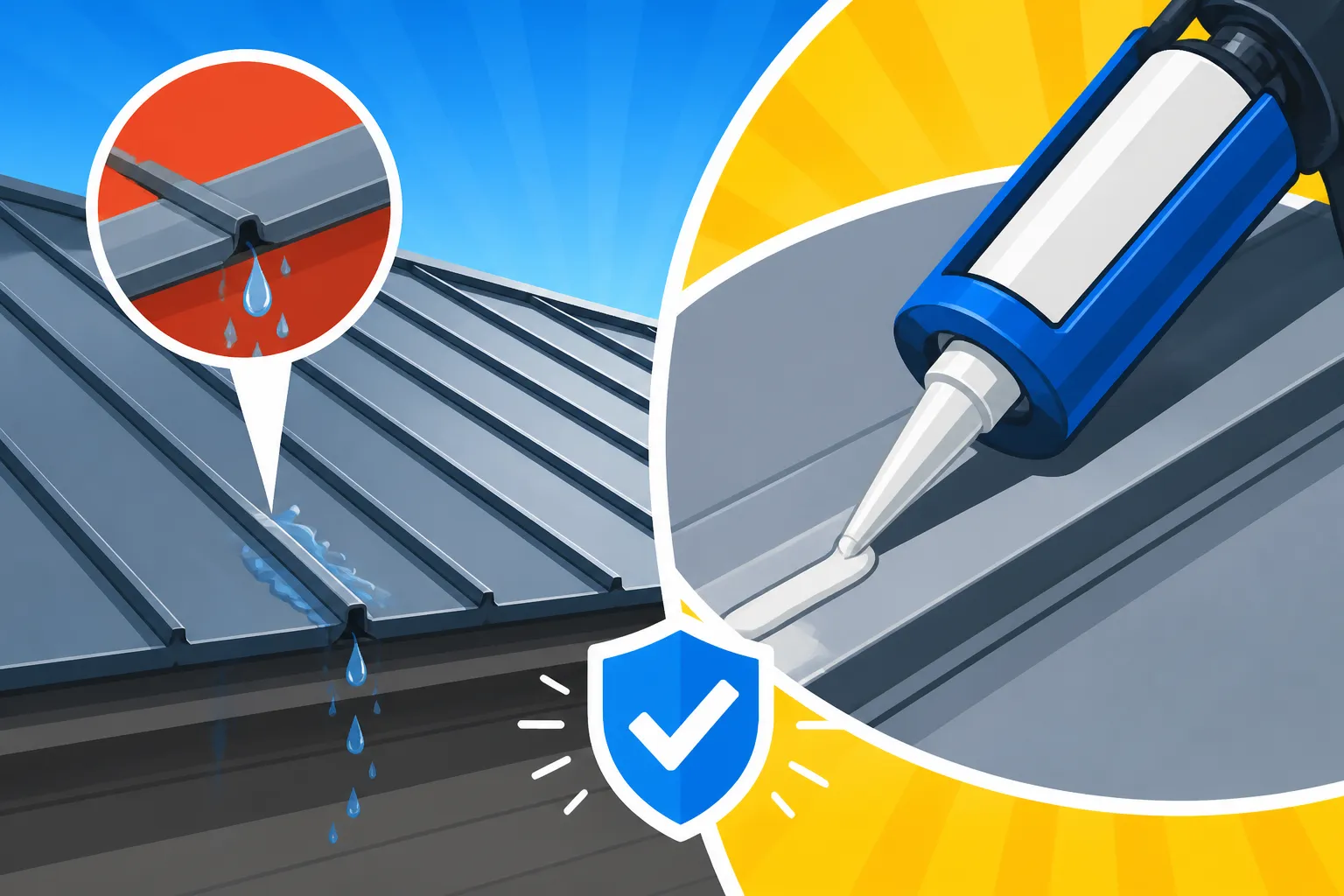
- Seams and Laps: On standing seam roofs, the seams are designed to be watertight, but if they are improperly crimped or if the sealant within the seam fails, leaks can occur. For corrugated or ribbed panel roofs, where panels overlap, the seal can break down. This is especially true if the overlapping panels aren't properly secured or if the sealant used during installation wasn't appropriate for the material or climate. Thermal expansion and contraction can put immense stress on these seams, causing them to separate minutely over time and allowing water intrusion.
- Flashing and Penetrations: Anywhere the roof plane is interrupted – by a chimney, skylight, vent pipe, or even a satellite dish mount – flashing is installed to create a watertight seal. If this flashing is installed incorrectly, becomes damaged, or the sealant around it cracks and pulls away, it becomes a direct entry point for water. These areas are complex and require meticulous attention during installation and repair. You can learn more about addressing these specific issues in our Metal Roof Flashing Repair article.
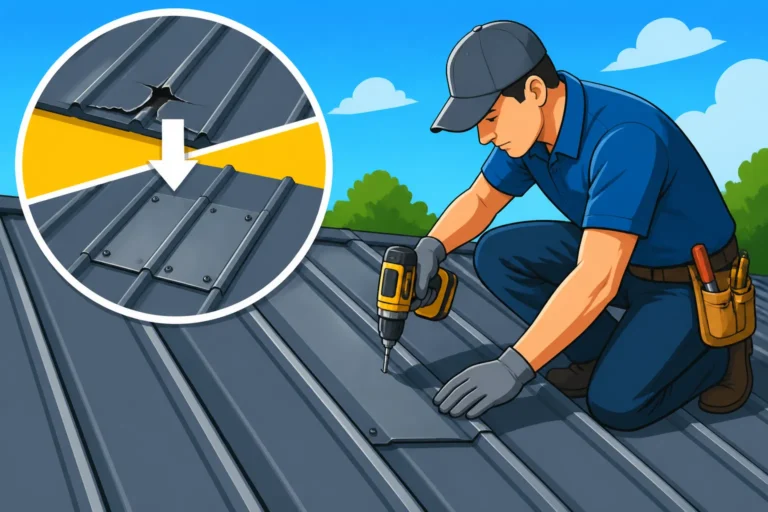
- Damage from Weather or Debris: While metal roofs are robust, severe hail, falling tree branches, or even constant foot traffic can dent or puncture panels. Even small punctures can allow water to enter, and dents can create pooling areas where water sits longer, increasing the likelihood of eventual penetration. Ice dams in colder climates can also force water back up under panels or flashing, leading to leaks.
The Challenge of Metal Roof Movement
One of the unique characteristics of metal roofing is its tendency to expand and contract with temperature changes. This thermal movement is a major factor in why sealants need specific qualities to perform effectively on a metal roof. A typical metal panel can expand or contract several inches over its length between the coldest winter day and the hottest summer afternoon.
- Stress on Sealants: If a sealant isn't flexible enough to accommodate this constant movement, it will crack, tear, or pull away from the metal surface. This creates gaps where water can easily enter. Imagine a sealant that's rigid like dried glue; it simply won't stand up to the dynamic forces at play on a metal roof. This is why standard caulk designed for interior trim often fails miserably when used on a roof.
- Adhesion is Key: Beyond flexibility, the sealant needs exceptional adhesion to metal. The constant tugging and pushing from thermal movement will test this bond relentlessly. A sealant that doesn't stick well will delaminate, rendering it useless. The cyclical nature of these stresses means that even a tiny flaw in adhesion can be exploited over thousands of temperature cycles.
Understanding these common leak points and the inherent movement of metal roofing is your first step towards choosing the absolute best sealant for a lasting repair.
Key Qualities of an Effective Metal Roof Sealant
Selecting the right sealant for your metal roof isn't just about grabbing any tube of caulk from the hardware store. Metal roofs present unique challenges that demand specific properties from a sealant. Ignoring these crucial qualities can lead to quick failure and repeated leak repairs, which is frustrating and costly.
Adhesion and Flexibility: The Dynamic Duo
When it comes to metal roofing, a sealant needs to be more than just sticky; it needs to be dynamically sticky and incredibly flexible.
- Superior Adhesion: Your metal roof is a dynamic surface, constantly expanding and contracting with temperature fluctuations. The sealant needs to form an incredibly strong, tenacious bond with the metal to withstand these stresses. Without excellent adhesion, the sealant will simply pull away from the roof panels or flashing, creating new pathways for water. Look for products specifically designed for metal, often highlighting their "elastomeric" properties, which means they can stretch and return to their original shape without losing grip.
- High Flexibility: This is arguably the most critical factor. As mentioned, metal moves. A sealant that cures rigidly will crack and fail almost immediately. Think of a sealant that behaves like a rubber band rather than a rigid plastic. It needs to stretch and compress with the metal as temperatures change, maintaining its seal through countless cycles of expansion and contraction. Products with a high percentage of solids and a robust polymer base are typically more flexible and durable in the long run.
UV and Weather Resistance: Battling the Elements
The sealant on your roof isn't just sealing; it's also on the front lines against nature's harshest elements.
- UV Stability: The sun's ultraviolet (UV) rays are relentless. Inferior sealants will quickly break down, chalk, dry out, and crack when exposed to direct sunlight day after day. This degradation reduces flexibility and adhesion, making them useless. High-quality metal roof sealants contain UV inhibitors that protect their chemical structure, allowing them to retain their integrity, color, and performance for many years, even in intense sunlight.
- Extreme Temperature Resistance: From scorching summer heat waves that can reach 150°F (65°C) on the roof surface to freezing winter temperatures well below 0°F (-18°C), a metal roof sealant must maintain its properties across a vast temperature range. It needs to remain flexible in the cold to prevent cracking and stay stable in the heat without melting, sagging, or becoming tacky. Products designed for wide temperature swings are essential for long-term performance.
- Waterproof and Weatherproof: This might seem obvious, but not all sealants are created equal here. A good metal roof sealant forms a waterproof barrier that sheds water effectively. It also needs to withstand prolonged exposure to rain, snow, and ice without degrading. Some products even boast resistance to mildew and algae growth, which can be an added benefit in damp climates.
Durability and Lifespan: A Long-Term Solution
Nobody wants to repair the same leak year after year. The goal is a lasting solution, which means choosing a sealant with exceptional durability and a long lifespan.
- Long-Term Performance: A truly effective metal roof sealant should be designed to last for many years, ideally matching the expected lifespan of typical roof repairs or even exceeding it. This means it must resist the cumulative effects of weather, UV, and thermal cycling. Investing in a higher-quality sealant upfront almost always pays off by delaying future repairs.
- Resistance to Chemicals and Pollutants: While less common, certain industrial pollutants, acidic rain, or even chemicals used for roof cleaning can potentially degrade some sealants. High-performance sealants are often formulated to resist a range of common environmental chemicals, contributing to their overall durability. When considering specific applications, it's always wise to check the product's resistance specifications.
By focusing on these key qualities – superior adhesion, high flexibility, excellent UV and weather resistance, and long-term durability – you'll be well on your way to choosing a sealant that actually solves your metal roof leak, rather than just postponing the inevitable.
Top Sealant Types for Metal Roof Leaks
Now that we understand what makes a good sealant, let's explore the specific types you'll encounter and where each shines. Each has its strengths and weaknesses, making certain sealants better suited for particular types of metal roof repairs.
Silicone-Based Sealants
Silicone sealants are often considered the gold standard for many outdoor applications, and metal roofing is no exception. They are a fantastic choice for a wide array of leak repairs.
- Pros:
- Exceptional UV Stability: This is where silicones truly excel. They resist degradation from the sun's harsh UV rays better than almost any other sealant, maintaining their flexibility and color for decades. This means they won't chalk or crack prematurely.
- Excellent Flexibility: Silicone remains highly flexible across extreme temperature ranges, accommodating the thermal expansion and contraction of metal panels without cracking or losing adhesion. This is critical for moving roof surfaces.
- Superior Adhesion: Modern silicone sealants designed for roofing offer incredible adhesion to a variety of substrates, including bare metal, painted metal, and even many existing roofing materials.
- Long Lifespan: Because of their stability and flexibility, silicone sealants often boast lifespans of 20 years or more when properly applied.
- Waterproof: Once cured, silicone forms a completely waterproof, durable seal.
- Cons:
- Can Be More Expensive: Generally, high-quality silicone sealants come at a higher price point than other options, but their longevity often justifies the investment.
- Difficult to Paint: Most silicones are not paintable. If aesthetics are a concern and you need to match a specific roof color, you'll need to find a color-matched silicone or opt for a different sealant type.
- Hard to Remove/Clean Up: Once cured, silicone is notoriously difficult to remove from surfaces or clean off tools and skin. It requires special solvents if fresh, or physical scraping once dry.
- Doesn't Adhere to Itself as Well: While it adheres well to metal, applying new silicone over old, cured silicone can be tricky, as the new layer might not bond as strongly.
- Best Uses: Ideal for sealing around fasteners, flashing, penetrations like vent pipes and skylights, and for sealing seams on standing seam and exposed fastener panels. Brands like GE Silicone II or various professional-grade roofing silicones are commonly used.
Urethane and Polyurethane Sealants
Urethane and polyurethane sealants are another robust option, known for their toughness and versatility, especially in high-traffic or high-abrasion areas.
- Pros:
- Very Durable and Tough: These sealants cure to a firm yet flexible state, offering excellent abrasion resistance and strength. They can handle foot traffic better than softer silicones.
- Good Adhesion: Urethanes bond very well to many roofing materials, including metal, concrete, wood, and asphalt, making them versatile for different repair scenarios.
- Paintable: Unlike most silicones, many polyurethane sealants are paintable, allowing you to match the color of your roof for a seamless aesthetic.
- Good Flexibility: While often not as flexible as pure silicone, they offer sufficient flexibility to handle thermal movement on most metal roofs.
- Waterproof: Forms a strong, watertight seal.
- Cons:
- UV Degradation Over Time: While they have decent UV resistance, they can degrade, chalk, or harden faster than silicone when exposed to constant, intense UV radiation, potentially losing flexibility over many years. Painting them can help mitigate this.
- Longer Cure Time: Urethane sealants often have longer cure times than silicones, which can be an issue if rain is expected.
- Moisture Sensitivity During Cure: They can be sensitive to moisture during the curing process, sometimes leading to bubbling or improper curing if applied in very humid conditions or before rain.
- Strong Odor: Many polyurethane sealants have a stronger odor compared to silicones.
- Best Uses: Excellent for sealing larger gaps, around flashing, or areas that might experience some physical abuse. Often used in conjunction with screws or rivets for panel repairs, or around roof transitions. Products like Tremco's Tremflex 834 or various offerings from Sika are popular in this category.
Butyl Rubber Sealants and Tapes
Butyl rubber is a very sticky, pliable material that offers excellent sealing properties, especially in tape format.
- Pros:
- Exceptional Adhesion (Tapes): Butyl tapes are incredibly sticky and form an instant, aggressive bond to metal. They create a very effective watertight seal on contact.
- Excellent Pliability/Conformity: Butyl remains very pliable and conformable, making it great for irregular surfaces or for creating compression seals.
- Good Water Resistance: Naturally waterproof and resistant to moisture.
- Low Shrinkage: Butyl doesn't shrink much as it cures or over time, maintaining its volume.
- Easy to Use (Tapes): Butyl tapes are often peel-and-stick, making application relatively straightforward for certain repairs.
- Cons:
- Limited UV Resistance (Sealant form): While tapes are often protected, liquid butyl sealants can be less UV stable than silicone and may harden or degrade over time if left exposed.
- Can Be Messy: Liquid butyl sealant can be quite gooey and difficult to work with without making a mess. Tapes are cleaner but still very sticky.
- Creep/Cold Flow: In high heat or under constant pressure, butyl can sometimes "creep" or flow out of position over very long periods.
- Lower Tensile Strength: Not as strong or durable as silicone or urethane in terms of resisting physical abrasion.
- Best Uses: Butyl tapes are fantastic for sealing under standing seam panel clips, along panel overlaps, around pipe boots, and as a gasket material for fasteners. Liquid butyl sealants are good for non-exposed areas or when covered by other materials. They're often used for initial sealing during the installation process as a primary barrier.
Elastomeric Coatings
While not a sealant in the traditional caulk-tube sense, elastomeric coatings are liquid-applied products that cure to form a highly flexible, waterproof membrane over an entire roof or large sections of it.
- Pros:
- Seamless, Waterproof Membrane: They create a monolithic, continuous layer that covers small cracks and seals minor leaks over a broad area.
- Excellent Flexibility: Designed to stretch and contract significantly with the roof, making them ideal for managing thermal movement and preventing new cracks.
- UV Reflectivity: Many elastomeric coatings are white and highly reflective, which can significantly reduce roof surface temperatures and contribute to energy savings.
- Extends Roof Lifespan: Can rejuvenate an aging metal roof, providing years of additional service life.
- Fills Small Gaps/Cracks: Effective at sealing hairline cracks and minor surface imperfections that might be hard to target with a caulk gun.
- Cons:
- Not for Major Structural Leaks: While great for minor seepage, they aren't a substitute for repairing significant holes, major flashing failures, or large gaps that require a more targeted, thick-bead sealant.
- Requires More Extensive Surface Prep: Proper cleaning and priming of the entire roof area are crucial for good adhesion, making it a more involved application than simply caulking a single spot.
- Application Can Be Labor-Intensive: Applying a coating to an entire roof is a bigger project, often requiring rollers, sprayers, and multiple coats.
- Drying/Curing Time: Can take longer to fully cure, leaving the roof vulnerable during that period.
- Cost: The cost per square foot can be higher than spot-sealing, though it provides protection for the entire roof surface.
- Best Uses: Best for addressing widespread minor leaks, sealing an entire roof that's showing signs of general wear and tear, or as a preventative measure to extend the life of an older metal roof. Brands like Henry or AcryLabs offer popular elastomeric roofing coatings.
Choosing the best sealant often comes down to the specific nature of the leak, the location on the roof, and your budget. For targeted spot repairs, silicone and urethane are often preferred. For comprehensive protection or surface sealing, elastomeric coatings shine.
Choosing the Right Sealant for Specific Leaks
Knowing the different types of sealants is half the battle; the other half is matching the perfect sealant to your particular leak. Just like you wouldn't use a screwdriver for a nail, you shouldn't use a general-purpose caulk for a specific metal roof leak. The precise location and cause of the water intrusion dictate the best repair strategy.
For Fastener Leaks and Screw Holes
Leaking fasteners are incredibly common, especially on exposed fastener metal roofs. The challenge here is sealing around a small, circular point while allowing for the panel's movement.
- Silicone-Based Sealants are King Here: Given their superior UV resistance, flexibility, and strong adhesion to metal, high-quality silicone sealants are the prime choice for sealing around screws. They can withstand the constant expansion and contraction of the metal panel without cracking or delaminating.
- Application Tip: When replacing old, failing screws or washers, apply a small bead of silicone sealant under the new washer before driving the screw in. This creates a double barrier. For existing screws that are leaking but otherwise secure, clean the area thoroughly, then apply a generous dab of silicone over the screw head and washer, ensuring it encapsulates the entire area to create a waterproof cap. This is a targeted approach that offers excellent longevity. You might find our article on How to Replace Metal Roof Screws and Fasteners helpful for this task.
- Butyl Tape as an Underlayment: While not for exposed application, a small piece of self-adhering butyl tape can be placed directly over the screw hole before driving a new screw through it. This provides an additional, very flexible gasket-like seal directly beneath the washer, enhancing the primary seal. This isn't a standalone solution but a great supplemental one.
For Seams and Panel Overlaps
Seams, whether they're the mechanically locked seams of a standing seam roof or the overlapping ribs of a corrugated panel, require a sealant that can handle sheer forces and maintain a flexible bond over a linear path.
- Urethane/Polyurethane Sealants for Exposed Seams: For visible seams that might experience some foot traffic or greater abrasion, a durable polyurethane sealant offers a good balance of flexibility, adhesion, and toughness. Their ability to be painted can also be an advantage if you want to match the roof color.
- Application Tip: For existing leaks, ensure the seam is clean and dry. Apply a continuous, even bead along the entire length of the compromised seam. For new installations, apply a bead of sealant between the overlapping panels or within the seam structure before fastening them together, creating a hidden, protected seal.
- Silicone Sealants for Standing Seam: For standing seam roofs, high-quality silicone is also an excellent choice, particularly if the leak is at the very top of the seam where a cap or closure might meet. Its long-term UV stability is a huge plus for these exposed areas.
- Application Tip: Carefully clean the seam area, ensuring no debris or old sealant impedes the new bond. Apply a thin, consistent bead along the seam, focusing on areas where panels might have separated slightly.
- Butyl Tapes for Hidden Seams and Overlaps: Butyl tape is especially effective between overlapping panels on corrugated or R-panel roofs. It's applied in continuous strips along the lap before the panels are fastened together. It creates a robust, flexible, and long-lasting gasket that’s protected from direct UV exposure. This is a common method for new installations to prevent leaks from the get-go. Learn more about effective sealing methods in our guide on How to Seal Metal Roof Seams and Laps.
For Flashing and Penetrations
The areas around chimneys, skylights, vent pipes, and other roof penetrations are notorious for leaks due to their complex geometries and the movement of different materials. These areas often require a heavy-duty, highly adhesive, and extremely flexible sealant.
- Silicone and Urethane Sealants: Both high-quality silicone and polyurethane sealants are excellent choices for flashing and penetrations. Silicone offers unmatched UV stability and flexibility, while urethane provides superior toughness and paintability. The best choice might depend on whether the area needs to be painted or if it's subject to particularly harsh environmental conditions.
- Application Tip: The key here is meticulous surface preparation. Ensure the flashing and the surrounding roof are perfectly clean, dry, and free of old, failing caulk. For vents or pipes, apply a continuous, thick bead around the base of the penetration where it meets the flashing. For step or counter-flashing, ensure the sealant creates a tight seal against both the roof and the vertical surface. For serious flashing issues that may involve structural damage, consulting a professional through platforms like Modernize might be a wise decision.
- Specialized Flashing Sealants: Some manufacturers offer specialized flashing sealants that are hybrid polymers, blending the best properties of silicones and urethanes. These can provide exceptional adhesion to a wide range of materials (metal, masonry, rubber, plastic) and maintain extreme flexibility. These often come in thicker viscosities to fill larger gaps or voids around complex flashing details.
| Sealant Type | Primary Advantages | Key Disadvantages | Best Use Cases | Typical Lifespan |
|---|---|---|---|---|
| Silicone | Excellent UV/weather resistance, extreme flexibility, superb adhesion to metal | Difficult to paint, hard to clean, generally higher cost | Fastener heads, flashing, skylights, exposed seams | 20+ years |
| Polyurethane | Very durable, paintable, good adhesion, strong | UV degradation over time (if unpainted), longer cure time | Exposed seams, larger gaps, flashing, areas with foot traffic | 10-15 years |
| Butyl Rubber | Extremely sticky, high pliability, great for compression seals | Messy, limited UV resistance (liquid), can creep over time | Under panel overlaps, hidden seams, gaskets for fasteners | 15-20+ years |
| Elastomeric Coating | Creates seamless membrane, high flexibility, UV reflective | Not for major structural leaks, extensive surface prep required | Widespread minor leaks, aging roofs, energy efficiency | 10-20 years |
Remember, the quality of the application is just as important as the quality of the sealant. No matter which product you choose, proper surface preparation and careful application are essential for a long-lasting, watertight repair.
Application Best Practices for Long-Lasting Repairs
Even the best sealant in the world won't perform if it's not applied correctly. Many metal roof repair failures aren't due to a bad product, but rather poor preparation or rushed application. Taking the time to do it right the first time will save you headaches and money down the road. This isn't just about squirting some caulk; it's a methodical process that ensures a durable, watertight seal. For an overall perspective on fixing leaks, you can refer to our Metal Roof Leak Repair Guide.
Surface Preparation is King
This step is non-negotiable. Skipping or rushing surface preparation is the quickest way to guarantee your repair fails. The sealant needs a clean, dry, and stable surface to bond effectively.
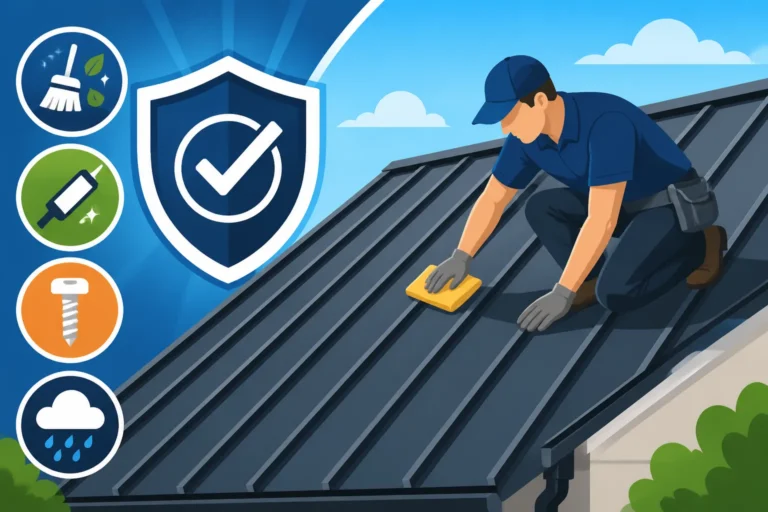
- Cleanliness is Crucial: Any dirt, dust, grease, oil, old peeling paint, or existing loose sealant will act as a bond breaker, preventing the new sealant from adhering properly. Use a stiff brush, scraper, or wire brush to remove all loose debris. For stubborn grime or mildew, a power washer (used with caution to avoid damaging the roof) or a strong degreaser might be necessary. After cleaning, rinse the area thoroughly and allow it to dry completely. A clean rag soaked in denatured alcohol or acetone can be used as a final wipe-down to remove any residual oils, especially on new metal.
- Dryness is Essential: Moisture, even invisible condensation, can severely compromise the adhesion and curing of many sealants, especially urethanes. Ensure the repair area is bone-dry before applying any product. If it has rained recently, allow ample time for the roof to dry, possibly using a leaf blower or even a heat gun on a low setting for small, targeted areas. Never apply sealant if rain is in the forecast within the sealant's specified cure time.
- Remove Old, Failing Sealant: If you're repairing an area with old, cracked, or crumbling sealant, it all needs to go. Old sealant, even if it looks okay, won't provide a good substrate for new material. Use a utility knife, chisel, or wire brush to scrape away every last bit. This also helps you get down to the root cause of the leak.
- Priming (If Necessary): Some challenging substrates or specific high-performance sealants may recommend a primer to enhance adhesion. Always check the sealant manufacturer's instructions for any priming requirements. While not always needed for clean, bare metal, it can be a good safeguard on very oxidized or chalky surfaces.
Proper Application Techniques
Once your surface is pristine, the way you apply the sealant makes all the difference in its long-term performance.
- Cut the Nozzle Correctly: For caulk tubes, cut the nozzle at a 45-degree angle, making an opening just slightly larger than the gap you intend to fill. A smaller hole gives you more control and helps push the sealant deep into the void.
- Maintain a Consistent Bead: Apply the sealant with a steady hand and consistent pressure, ensuring a continuous, unbroken bead that fully covers the leak point. Don't skimp on material, but don't over-apply either; excessive sealant can look messy and potentially trap water if not tooled correctly.
- Tooling the Bead: Immediately after applying, use a tooling stick, your gloved finger, or a specialized caulk tool to smooth the bead. This presses the sealant firmly into the surface, ensuring maximum adhesion, and creates a neat, water-shedding profile. This step is critical for both aesthetics and functionality. For screw heads, ensure the sealant completely covers the head and washer, creating a dome that sheds water.
- Mind the Weather: Avoid applying sealants in direct, scorching sunlight (which can cause flash curing, leading to weak bonds) or in extremely cold temperatures (which can make sealants stiff and difficult to apply, and hinder proper curing). Ideal temperatures are typically between 40°F and 90°F (4°C and 32°C). Always check the manufacturer's recommended application temperature range.
Curing Time and Environmental Factors
Patience is a virtue when it comes to sealants. Understanding the curing process and protecting the repair during this phase is vital.
- Allow Adequate Curing Time: Every sealant has a specified "tack-free" time (when it's no longer sticky to the touch) and a full "cure" time (when it reaches its maximum strength and water resistance). While tack-free might happen in hours, full cure can take several days or even weeks, depending on the sealant type, temperature, and humidity. During the full cure period, avoid disturbing the sealant, and protect it from heavy rain if the manufacturer specifies. For critical repairs, it's wise to plan your work during a stretch of dry weather.
- Humidity's Role: Many sealants, particularly polyurethanes, cure by reacting with atmospheric moisture. Too little humidity can slow the cure, while too much can sometimes cause bubbling if not applied correctly. Silicones are generally less sensitive to humidity fluctuations during application but still require ambient moisture to cure.
- Ventilation for Solvent-Based Sealants: Some heavier-duty, solvent-based sealants emit fumes during the curing process. While unlikely to be a concern on an open roof, it's good to be aware of the need for proper ventilation if working in enclosed or semi-enclosed spaces on the roof.
- Regular Inspections: Even after a successful repair, it's a good practice to periodically inspect your metal roof, especially after severe weather. Catching small issues early can prevent them from becoming major headaches. Our Metal Roof Maintenance Guide offers excellent advice on this.
By following these best practices, you'll ensure your chosen sealant performs optimally and provides a long-lasting, watertight solution to your metal roof leaks. If at any point you feel the repair is beyond your skill level, remember that professional metal roofing contractors are experts at diagnosing and fixing leaks correctly.
Disclaimer
Please note that this guide provides general information and recommendations. Metal roof repair can be complex and may involve working at heights, which carries inherent risks. Always prioritize safety and consult with a qualified, licensed metal roofing professional for specific advice, complex repairs, or if you are unsure about any steps. Adhere strictly to manufacturer instructions for any products used. We are not liable for any damages or injuries resulting from the application of this information.