Does a Tin Roof Need Special Maintenance?
When you hear "tin roof," your mind might conjure images of rustic barns or old country homes with weathered, maybe even rusty, metal sheets. It's a term that carries a lot of nostalgia but also a good bit of misunderstanding, especially when it comes to how to care for them. Many folks wonder if these roofs, often perceived as simple and durable, actually need any special TLC. The truth is, while metal roofs are incredibly robust, even a "tin roof" benefits from regular attention to ensure its legendary lifespan. This guide will walk you through what modern "tin roofs" truly entail and the essential maintenance steps to keep them in top shape for decades to come.
Understanding What a "Tin Roof" Really Is and Isn't
Before we dive into maintenance, it's crucial to clarify what we mean when we talk about a "tin roof." The term is often used loosely, leading to confusion about the materials and their specific needs. Most modern roofs referred to as "tin" are actually made of steel with various protective coatings, far more advanced than their historical predecessors.
The Historical Context of True Tin Roofs
Historically, a true "tin roof" referred to roofing made from tinplate steel. This material consisted of sheets of steel that were thinly coated with tin, primarily to prevent rust. Tin was chosen for its excellent corrosion resistance and malleability. These roofs were quite popular in the 18th and 19th centuries, especially in urban areas, for their fire resistance and relatively low cost compared to slate or tile at the time.
While they offered good protection, these early tin roofs required frequent painting to maintain their integrity and prevent the underlying steel from rusting if the tin coating was scratched or worn. The tin layer itself was quite thin, making it vulnerable to abrasion. Today, finding an authentic tinplate roof is incredibly rare, almost a historical artifact. If you happen to have one, its maintenance would involve a dedicated regimen of cleaning, inspection, and regular repainting to extend its life, often far beyond what modern coatings require. The historical context helps us appreciate how far roofing technology has come.
Modern "Tin Roofs": Galvanized and Galvalume Steel
What most people affectionately call a "tin roof" today is almost certainly a modern metal roofing system, typically made from steel. The most common types are galvanized steel and Galvalume steel, often formed into corrugated panels, R-panels, or even standing seam profiles. These materials offer superior performance and longevity compared to their historical counterparts.
Galvanized steel is coated with a layer of zinc, which acts as a sacrificial barrier, corroding before the steel underneath. It's a reliable and cost-effective option, widely used for agricultural buildings, carports, and residential roofs where a rustic look is desired. Galvalume steel, on the other hand, boasts a coating made of zinc, aluminum, and silicon alloy. This combination provides exceptional corrosion resistance, often outperforming galvanized steel, particularly in harsh coastal environments. Knowing what your specific "tin roof" is made of, whether it's galvanized or Galvalume, is the first step in understanding its precise maintenance requirements. These modern materials are designed for minimal upkeep, but "minimal" doesn't mean "none." You can learn more about specific material costs in our guide on Galvalume Roof Cost.
Essential Maintenance Practices for Modern "Tin" Metal Roofs
While modern metal roofs are renowned for their low maintenance, they still benefit from some proactive care. Ignoring these simple practices can shorten their lifespan and potentially lead to costly repairs down the line. Think of it less as a chore and more as an investment in your home's long-term protection.
Regular Cleaning and Debris Removal
One of the simplest yet most effective maintenance tasks for any metal roof is regular cleaning and debris removal. Leaves, twigs, dirt, and even bird droppings can accumulate in valleys, around chimneys, and along eaves. This organic matter traps moisture against the roof surface, creating an environment ripe for mold, mildew, and even premature corrosion, especially in areas where coatings might be compromised.
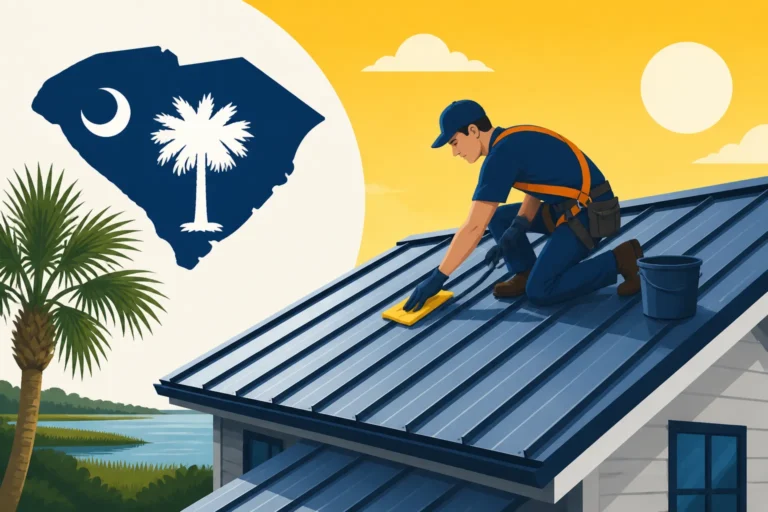
Cleaning usually involves a gentle rinse with a garden hose to wash away loose debris. For stubborn dirt or algae, a soft-bristle brush and a mild, non-abrasive detergent (like dish soap mixed with water) can do wonders. Avoid harsh chemicals or high-pressure washers, as these can damage the protective coatings or drive water into seams, potentially voiding warranties. For homeowners with taller or steeper roofs, hiring a professional service to safely clear debris and clean the surface is a smart choice. Regular cleaning not only preserves the aesthetic appeal but significantly extends the life of the roof's protective finish, keeping your home looking great for longer.
Fastener and Sealant Inspection
For many types of metal roofs, especially exposed fastener systems common in the "tin roof" aesthetic, the integrity of fasteners and sealants is paramount. These components are constantly exposed to the elements: brutal sun, driving rain, freezing temperatures, and strong winds. Over time, UV radiation can degrade the rubber washers on screws, causing them to crack or become brittle, which then allows moisture to seep in. Sealants and caulking around flashing, vents, and skylights can also dry out, shrink, and crack, creating entry points for water.
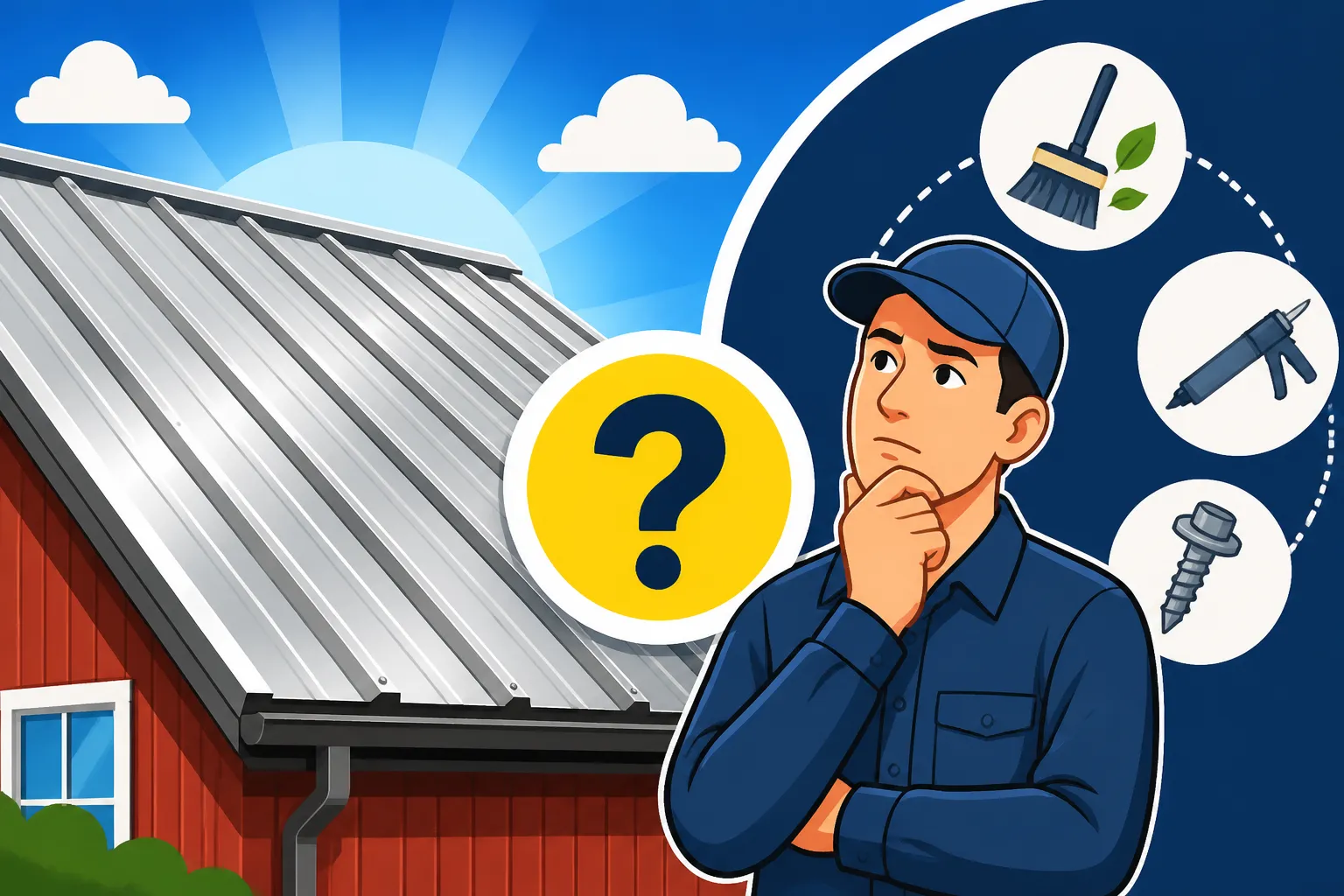
It's a good practice to visually inspect your roof annually, ideally in the spring or fall. Look for any screws that appear loose or raised, or rubber washers that are cracked or missing. Any compromised fasteners should be tightened or replaced, using only screws specifically designed for metal roofing with high-quality EPDM washers. Similarly, check all sealant lines for cracks or gaps. Small gaps can be recaulked with appropriate metal-compatible sealants. Addressing these minor issues proactively is critical for preventing leaks. If you're uncomfortable climbing on your roof or don't know what to look for, a professional inspection can provide peace of mind and ensure these crucial points are secure. Consider reading more about Metal Roof Fastener Washer Replacement to understand this process better.
Coating and Paint System Care
Modern metal roofs come with sophisticated paint systems, such as PVDF (Kynar 500 or Hylar 5000) or SMP (Siliconized Modified Polyester), which offer incredible color retention and protection against UV rays, acid rain, and other environmental factors. While these coatings are exceptionally durable, they are not entirely invincible. Minor scratches from falling branches, accidental abrasion during maintenance, or general wear and tear over decades can expose the underlying metal.
If you notice any significant scratches that go through the paint and expose the metal, it's wise to touch them up with color-matched paint provided by the manufacturer or a reputable supplier. This small step prevents potential rust from starting at these vulnerable points. Over many years, you might notice some chalking (a powdery residue) or fading, which is a natural part of the coating's aging process. While it's rarely a structural concern, if the aesthetic decline becomes significant, a professional recoating or repainting can restore the roof's appearance and add another layer of protection. This is a much less frequent maintenance item, typically considered after 20-30 years or more, depending on the coating quality and environmental exposure.
Addressing Common "Tin Roof" Issues and Prevention
Even with regular maintenance, certain issues can arise with metal roofs. Knowing what to look for and how to address common problems can prevent them from escalating into major headaches. Proactive prevention is always cheaper than reactive repair.
Rust and Corrosion Prevention
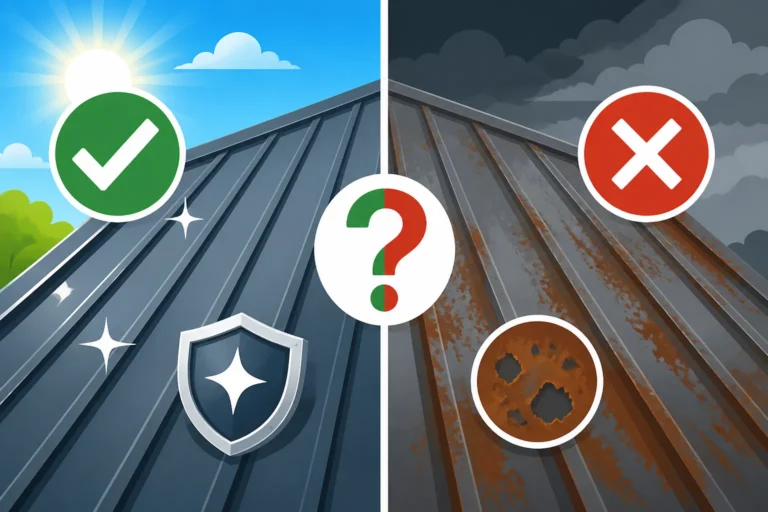
Rust is often the biggest concern for homeowners considering or already owning a "tin roof," especially if they're thinking of older, less-protected metal. While modern galvanized and Galvalume steel roofs are highly resistant to rust, it's not impossible for it to occur. Rust typically appears at cut edges, where the protective coating has been compromised, or in areas where dissimilar metals have come into contact (galvanic corrosion). It can also start if scratches or abrasions expose the steel substrate to moisture and oxygen.
Prevention begins with proper installation, ensuring all cut edges are sealed, and that compatible fasteners and flashing are used throughout. Regular cleaning, as mentioned earlier, removes debris that can trap moisture and accelerate rust. If you spot small areas of surface rust, they should be treated promptly. This often involves cleaning the area, lightly sanding away the rust, and then applying a rust-inhibiting primer followed by a color-matched topcoat. For more extensive rust, it's highly recommended to consult a professional roofing contractor. They can assess the extent of the damage and recommend the best course of action, which might involve specialized treatments or panel replacement. Finding a skilled professional is easier with resources like Modernize, which can help homeowners connect with qualified experts in their area to tackle complex issues like rust and corrosion. You can explore more in-depth solutions in our Metal Roof Rust and Corrosion Treatment guide.
Leaks: Causes and Solutions
The "dreaded drip" is a homeowner's worst nightmare, and even robust metal roofs can develop leaks. Unlike asphalt shingles, where leaks might be obvious tears, metal roof leaks often stem from specific points of weakness. The most common culprits are compromised fasteners, failed sealants at seams, or damaged flashing around penetrations like chimneys, skylights, and vent pipes. Thermal expansion and contraction can also put stress on these areas over time, leading to micro-cracks that allow water infiltration.
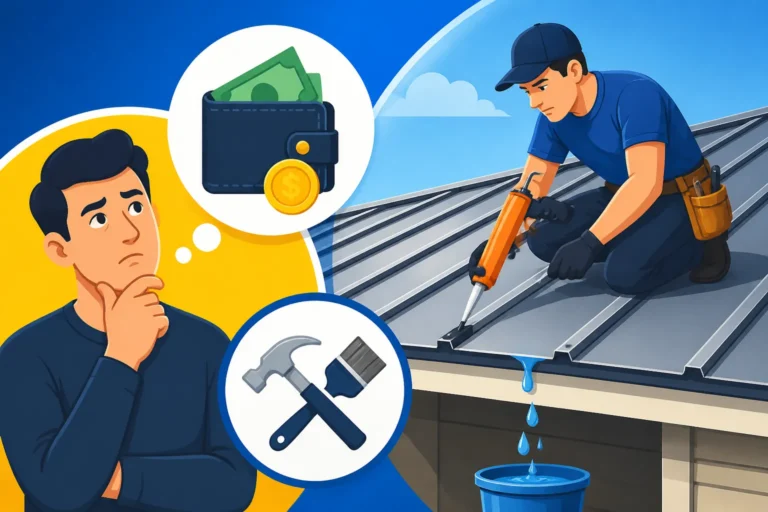
Tracing a leak can be tricky, as water can travel along purlins or framing members before dripping far from its entry point. A thorough inspection, both inside the attic and on the roof surface, is essential. For minor leaks around fasteners, tightening or replacing the screw and applying a high-quality sealant might suffice. For seam leaks, a compatible sealant applied directly to the seam can often provide a good fix. However, issues with flashing or larger sections of damaged panels often require professional expertise. Attempting complex flashing repairs without experience can worsen the problem. Don't hesitate to seek out a reputable contractor for persistent or difficult-to-locate leaks; their specialized knowledge and tools are invaluable. Our Metal Roof Leak Repair Guide offers comprehensive advice on this topic.
Understanding and Mitigating Oil Canning
Oil canning is a unique characteristic of flat metal panels, appearing as a visible waviness or distortion in the flat surface of the metal. It's often compared to the wavy appearance you might see on the side of a tin can. While it's largely an aesthetic issue and does not typically affect the structural integrity or performance of the roof, it can be a source of frustration for homeowners expecting a perfectly smooth finish.
The causes of oil canning are varied and can include mill processing inconsistencies, improper handling and storage of panels, incorrect installation techniques (like over-tightening fasteners or failing to allow for thermal movement), and even the inherent properties of the metal itself. Thinner gauge metals are generally more prone to oil canning. While it's almost impossible to eliminate oil canning entirely, especially in certain panel profiles like standing seam, it can be significantly mitigated. Choosing heavier gauge materials, opting for panels with striations or stiffening ribs, using proper installation methods that account for thermal expansion, and ensuring the roof deck is perfectly flat can all help. It's important to discuss expectations regarding oil canning with your contractor before installation, so you're not surprised by its appearance. You can learn more about this phenomenon in our article What Is Oil Canning and How to Prevent It.
When to Call a Professional for Your Metal Roof
While some basic maintenance can be handled by a diligent homeowner, there are definitive times when a professional metal roofing contractor is not just helpful, but absolutely essential. Knowing when to call in the experts can save you money, protect your warranty, and most importantly, keep you safe.
Complex Repairs and Safety Concerns
Working on a roof, especially a metal one, presents inherent safety risks. Steep pitches, slick surfaces, and heights can lead to serious accidents. If a repair involves more than just tightening a few screws or cleaning out gutters—such as replacing damaged panels, repairing complex flashing around a chimney, or dealing with structural concerns—it's time to call in a professional. These tasks require specialized tools, knowledge of proper sealing techniques, and a keen understanding of how different metal panels integrate to form a watertight system.
A qualified contractor has the necessary safety equipment, training, and insurance to perform the work safely and correctly. Attempting complex repairs yourself not only puts your safety at risk but can also lead to further damage to your roof, potentially turning a minor issue into a major, more expensive problem. For example, if you have a standing seam roof, specialized tools are often needed to properly un-crimp and re-crimp the seams for panel replacement, a task best left to those with specific expertise. When you need to find a professional, services like Modernize can connect you with pre-vetted metal roofing contractors in your area who are equipped to handle these intricate jobs, ensuring your repairs are done right.
Warranty Considerations
Most modern metal roofing systems come with robust manufacturer warranties, often covering material defects for 20 to 50 years, and sometimes even longer. However, these warranties are typically contingent upon proper installation and adherence to specific maintenance guidelines. Improper repairs, using incompatible materials, or attempting DIY fixes without the necessary expertise can easily void these valuable warranties.
Before undertaking any significant repair, it's wise to consult your warranty documentation or contact the manufacturer directly to understand their requirements. A professional contractor, especially one who is certified by the roofing material manufacturer, will know how to perform repairs in a way that preserves your warranty coverage. They understand the specific products, fastening methods, and sealants approved by the manufacturer. If you ever need to file a warranty claim, having documented repairs performed by certified professionals can make all the difference. Our guide on Metal Roof Warranties: Workmanship vs Manufacturer provides crucial insights into protecting your investment.
Long-Term Health and Longevity
The primary reason many homeowners choose a metal roof is its incredible durability and lifespan—often 50 years or more. To truly maximize this longevity, periodic professional inspections are invaluable. A professional eye can spot subtle signs of wear, potential issues, or areas needing attention that might be missed during a homeowner's casual glance. They can assess the overall condition of the roof, evaluate the integrity of the coatings, fasteners, and sealants, and provide recommendations for proactive maintenance.
Think of it like a check-up for your car or your own health; early detection of small problems can prevent them from becoming major failures. Investing in a professional inspection every few years can ensure that your metal roof continues to perform optimally, offering superior protection and curb appeal for decades. This proactive approach helps extend the Metal Roof Lifespan: How Long Do They Last? and ensures you get the full return on your investment, cementing your metal roof's reputation as a truly long-lasting roofing solution.
| Metal Roof Type (Commonly Called "Tin") | Primary Material | Coating/Protection | Key Maintenance Focus Areas | Longevity Expectation (with care) |
|---|---|---|---|---|
| Historic Tinplate | Steel | Thin Tin | Frequent painting, scratch repair, rust treatment | 20-40 years (if diligently maintained) |
| Galvanized Steel | Steel | Zinc | Fastener integrity, sealant condition, rust spots, cleaning | 30-50 years |
| Galvalume Steel | Steel | Aluminum-Zinc Alloy | Fastener integrity, sealant condition, cleaning, coating integrity | 40-70+ years |
Disclaimer
Please remember that this article provides general information. Building codes, product specifications, and installation techniques can vary significantly by location and manufacturer. Always consult with a qualified, licensed, and insured roofing professional for specific advice tailored to your project and local regulations. While we strive to provide accurate and up-to-date information, the roofing industry is subject to change.