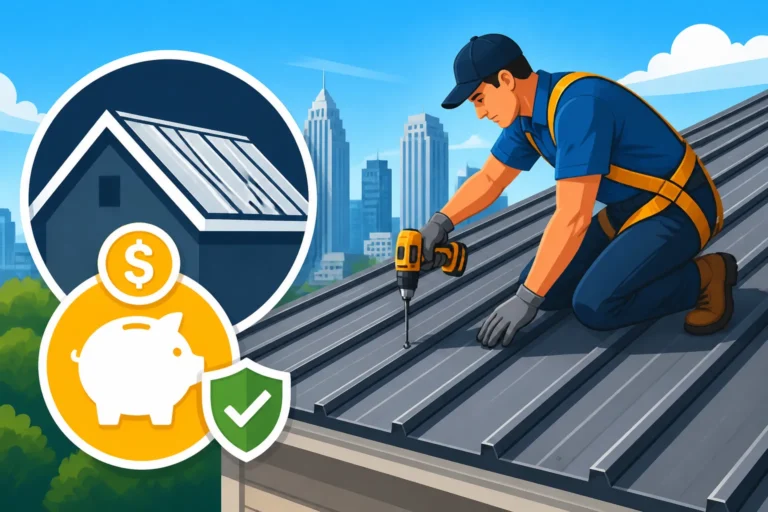
How Much Does It Cost to Repair a Metal Roof Leak?
There’s nothing quite as disheartening as discovering a leak in your metal roof. You chose metal for its durability and longevity, expecting decades of worry-free protection, only to find that tell-tale drip or damp spot. It’s frustrating, and your first thought is probably, "How much is this going to set me back?" The truth is, pinpointing the exact cost to repair a metal roof leak isn't a simple equation, as it depends on a cascade of factors from the leak's origin to the type of metal and your chosen contractor. This guide aims to demystify those costs, helping you understand what to expect and how to approach fixing that unwelcome leak.
Understanding What Drives Metal Roof Leak Repair Costs
When you're dealing with a leak, the initial panic is real. But before you call the first number you see, it's helpful to understand the different elements that professional roofers consider when giving you a quote. These aren't arbitrary charges; they reflect the complexity and time involved in effectively sealing your roof.
Type of Leak and Location
Not all leaks are created equal, and where that drip is happening on your roof plays a huge role in how much time and effort it will take to fix. A small, isolated leak is vastly different from widespread water infiltration, both in terms of repair difficulty and cost.
Let's imagine a common scenario: you notice a small water stain on your ceiling after a heavy rain. This could be due to a loose fastener, where the screw or washer has worn out over time, allowing water to seep in. These are often straightforward to fix. A roofer might simply remove the old fastener, seal the hole, and replace it with a new, larger screw and washer designed for metal roofing. The cost here would largely be labor and the price of a few screws and sealant, typically on the lower end of the spectrum. But what if the leak is at a seam? If you have an exposed fastener roof, seams can be points of weakness if not properly sealed during installation or if the sealant degrades. For a standing seam roof, a compromised seam might mean a panel wasn't crimped correctly or has been damaged, requiring specialized tools and expertise to re-crimp or repair the seam.
Then there's the location. A leak in the middle of a straightforward panel section is usually easier to access and repair than one around a complex penetration like a chimney, skylight, or a valley. These areas, known as flashing points, are notorious for leaks because they involve transitions where different materials meet, and proper sealing is absolutely critical. For example, repairing a chimney flashing might involve removing old flashing, ensuring the underlayment is intact, custom-forming new metal flashing, and carefully sealing all joints. This requires significant skill and more material, naturally driving up the cost. Similarly, valleys, where two roof planes meet, collect a lot of water runoff, and if the flashing or underlayment in these areas is compromised, repairs can be quite involved.
Severity of Damage and Underlying Issues
Sometimes, a leak isn't just a leak; it's a symptom of a larger, more insidious problem. The longer a leak goes unnoticed or unaddressed, the more severe the damage can become, escalating both the complexity and the expense of the repair.
A small, active drip might be the least of your worries. However, if water has been trickling into your attic or wall cavities for months, or even years, the scope of work quickly expands beyond just sealing the roof. You could be looking at damaged plywood decking, compromised insulation that's now moldy and inefficient, or even structural issues in the rafters or trusses. Imagine a scenario where a persistent leak has soaked through your attic insulation, creating a breeding ground for mold. Now, not only do you need the roof repaired, but you also need mold remediation and insulation replacement, which adds substantial costs and effort. This is why addressing any Warning Signs Your Metal Roof Needs Attention immediately is so important.
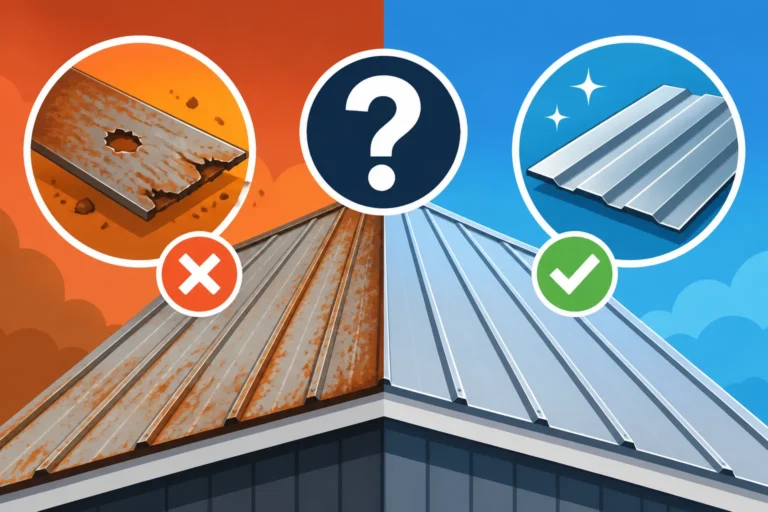
Furthermore, the severity of the damage could be related to the cause of the leak. Was it a single, localized puncture from a fallen branch, or is it widespread corrosion dueating the roof's entire integrity? If a small section of a panel has been punctured, a skilled roofer might be able to patch it with a specialized metal repair kit and sealant, keeping costs relatively low. However, if an entire panel is severely rusted or bent out of shape due to heavy impact or poor installation, a full Metal Roof Panel Replacement might be the only viable solution. This, of course, is a much more intensive repair, involving sourcing a matching panel, carefully removing the damaged one, and installing the new one without disturbing the surrounding roof system.
Roof Pitch and Accessibility
The angle of your roof and how easily a contractor can work on it are major determinants of labor costs. It's simply more dangerous and time-consuming to work on a steep, multi-story roof than a low-slope one.
Consider a charming bungalow with a gently sloped metal roof. A roofer can often walk on this type of roof with relative ease, using minimal safety equipment beyond standard harnesses. The setup time is quicker, the work can proceed faster, and the overall labor cost per hour might be lower. Now, picture a grand Victorian home with a steeply pitched metal roof that has multiple gables, dormers, and complex angles. Working on such a roof requires extensive safety gear, including scaffolding, ropes, and specialized fall protection systems. The roofers might need to move slowly and meticulously, and even accessing certain areas could be a challenge. All of this additional setup, equipment, and heightened risk translates directly into higher labor costs.
Accessibility isn't just about pitch; it's also about the surrounding environment. Are there trees or other structures that make it difficult to position ladders or lift equipment? Is the leak located directly above a fragile landscaping feature that needs protection? Are you in a densely packed urban area where parking and equipment staging are nightmares? All these logistical hurdles add time and effort to the job, which you'll see reflected in the contractor's quote. In some extreme cases, particularly for very tall or complex roofs, a lift or crane might be necessary just to get materials and workers onto the roof, adding another significant expense to the repair.
Breakdown of Common Metal Roof Leak Repair Costs
Understanding the variables is one thing, but what does it actually look like in terms of dollars and cents? Let’s dive into the typical cost ranges for various types of metal roof leak repairs. Keep in mind these are averages; local labor rates and specific material costs will cause fluctuations.
Minor Repairs (e.g., Resealing Fasteners)
Minor leaks are often the most common and, thankfully, the least expensive to fix. These are the kinds of issues that catch homeowners off guard because they seem so small, yet they can lead to big problems if ignored.
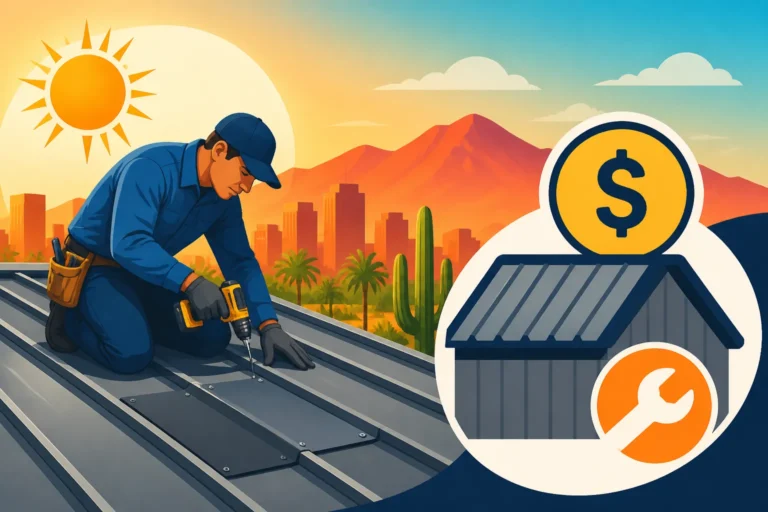
The most frequent culprit for minor metal roof leaks, especially on exposed fastener systems, is a failing screw or washer. Over years of expansion and contraction, or due to improper installation, the rubber washers under the screw heads can degrade, crack, or simply lose their elasticity. This allows water to slowly seep through the fastener hole. The good news? Repairing this usually involves simply backing out the old screw, applying a high-quality sealant (like a silicone or polyurethane mastic specifically designed for metal roofing), and then installing a new, often slightly larger, galvanized or stainless steel screw with a fresh EPDM washer. For a few isolated fasteners, you might expect to pay anywhere from $100 to $300 for a service call, depending on your area and the roofer’s minimum charge. This cost primarily covers the labor for the technician to come out, identify the problem, and perform the quick fix. If there are multiple screws across a larger area that need attention, the cost will increase slightly, but it still remains on the lower end of the spectrum for roof repairs.
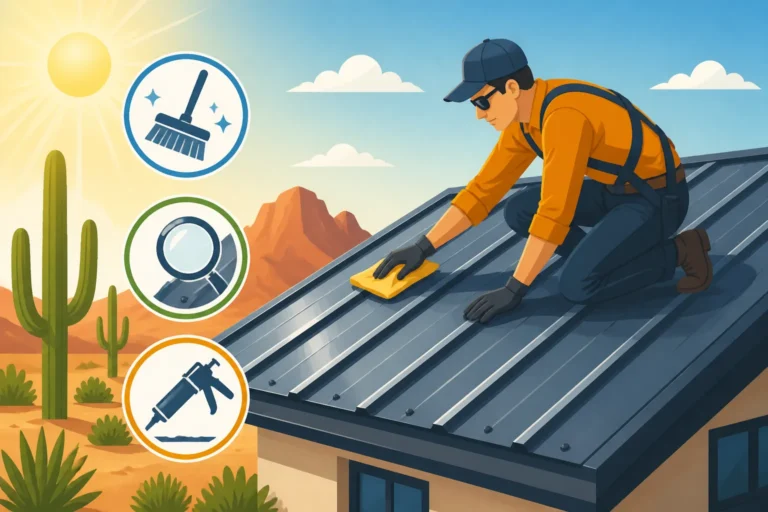
Another minor issue could be a small, superficial scratch or puncture that hasn't fully penetrated the metal but is starting to show signs of corrosion. These can often be cleaned, prepped, and then sealed with a durable metal roof repair tape or a specialized liquid patching compound. The goal here is to prevent the tiny opening from becoming a major leak point. Such repairs are often wrapped into the service call fee or add a minimal amount, typically not exceeding $50-100 for materials on top of the labor. While these fixes might seem insignificant, they are crucial for maintaining the long-term integrity of your metal roof, ensuring it lives up to its promised Metal Roof Lifespan.
Moderate Repairs (e.g., Flashing or Seam Repair)
Moving up the complexity scale, moderate repairs often involve areas where different roof components meet, or where panels themselves have issues that go beyond a simple fastener. These jobs require a bit more skill and specialized materials.
Flashing issues are very common sources of leaks. Around chimneys, skylights, vents, and wall intersections, metal flashing is installed to divert water. If this flashing is bent, improperly sealed, or has come loose, water will inevitably find its way in. Repairing flashing can range from resealing existing flashing joints with a durable sealant to partially or fully replacing sections of the flashing. For example, if a small section of step flashing around a chimney has pulled away, a roofer might clean the area, apply fresh sealant, and re-secure it, costing perhaps $300 to $800. However, if the entire chimney flashing system needs to be removed and reinstalled because it was done incorrectly or is extensively corroded, you could be looking at $800 to $1,500 or more, as this involves custom metal work and careful integration with the existing roof.
Seam repairs, particularly for standing seam metal roofs, can also fall into this moderate category. If a seam was not properly crimped during installation, or if damage (like from heavy foot traffic or storm debris) has caused a seam to open, it will need professional attention. A contractor specializing in metal roofing might use a specialized seaming tool to re-crimp the seam, effectively closing the gap. This can cost between $500 and $1,200, depending on the length of the seam needing repair and the complexity of access. For exposed fastener roofs, seam leaks are less common but can occur where two panels overlap and the sealant has failed. Resealing these overlaps requires lifting the panel slightly, applying new sealant, and re-fastening, which might be in the $400 to $900 range.
Major Repairs (e.g., Panel Replacement, Structural Fixes)
These are the big ones, often reserved for widespread damage, severe corrosion, or leaks that have caused significant secondary problems. When you get into this territory, the costs can escalate quickly, sometimes making you wonder about a full replacement.
If a metal roof panel is extensively damaged – perhaps due to a large fallen tree branch, severe hail damage, or widespread corrosion that can’t be patched – replacing the entire panel or multiple panels becomes necessary. This is a labor-intensive job. The roofer needs to carefully remove the damaged panel(s) without harming the surrounding ones, ensure the underlayment beneath is intact and dry, and then install a new, matching panel. Sourcing a matching panel can sometimes be a challenge, especially if the original color or profile has been discontinued. The cost for a single metal panel replacement can range from $800 to $2,500 or more, depending on the type of panel (standing seam panels are generally more expensive to replace than corrugated panels due to their interlocking design and installation complexity), its gauge, and the difficulty of removal and installation. If you need to replace multiple panels, the per-panel cost might decrease slightly due to economies of scale, but the overall project total will rise.
When a leak has gone unaddressed for a long time, it can lead to water damage to the underlying roof structure. This includes damaged plywood decking, rotting rafters, or saturated insulation. Repairing these secondary damages is crucial for the structural integrity and energy efficiency of your home. For instance, if a section of plywood decking needs to be replaced due to rot, the cost can range from $70 to $150 per sheet installed, including materials and labor, in addition to the roof repair itself. If insulation needs to be removed and replaced due to mold or saturation, that’s another significant cost, potentially running into the thousands, depending on the affected area. In these scenarios, the repair is no longer just about the metal roof, but about the entire roof system and potentially the attic space. This is where you really need to consider whether the cost of these extensive repairs starts to approach the Cost to Replace Shingles With a Metal Roof or a full metal roof replacement.
Here’s a quick overview of estimated repair costs for common metal roof leak issues:
| Type of Leak | Description | Estimated Cost Range (Installed) |
|---|---|---|
| Loose or Failing Fasteners | Worn-out screws, washers, or minor punctures. | $100 – $300 (per service call) |
| Minor Sealant Degradation | Small gaps in existing sealant, minor surface corrosion. | $150 – $400 |
| Compromised Flashing (Partial) | Loose or small damaged sections around vents, pipes, small wall areas. | $300 – $800 |
| Compromised Seam (Resealing/Re-crimping) | Open or weak seams on standing seam or overlapping panels. | $500 – $1,200 |
| Major Flashing Replacement | Full replacement around chimneys, skylights, large wall intersections. | $800 – $1,500+ |
| Single Panel Replacement | Severely damaged, bent, or corroded single metal roof panel. | $800 – $2,500+ |
| Underlying Decking/Insulation Repair | Replacing damaged plywood decking, insulation, or minor structural wood. | $500 – $3,000+ (in addition to roof repair) |
These figures are illustrative and can vary based on your geographic location, the specific contractor, and the materials used. Always get a detailed quote!
Factors Influencing Labor and Material Costs
Beyond the type of leak itself, several other factors heavily influence the final bill you’ll receive. These are the practical considerations that every professional roofing contractor has to account for when assessing a job.
Contractor Expertise and Local Market Rates
Choosing the right contractor is probably one of the biggest determinants of your repair cost and the quality of the fix. Metal roofing is a specialized skill, and not every general roofer has the experience or the proper tools to work with it effectively.
An experienced metal roofing contractor brings a wealth of knowledge to the table. They understand the nuances of different Metal Roofing Types Explained Profiles & Panels, like how a standing seam system expands and contracts, or the proper sealing techniques for an exposed fastener corrugated roof. They’ll also have the right tools, from specialized crimpers for standing seam panels to high-quality sealants and fasteners designed for long-term performance in various climates. While these specialists might charge a higher hourly rate than a general handyman, their expertise often leads to a more durable, lasting repair, saving you money in the long run by avoiding repeat visits for the same problem. This is where services like Modernize come in handy; they can connect you with pre-vetted local roofing professionals who specialize in metal roofs, helping you avoid underqualified contractors. When considering How to Hire a Metal Roofing Contractor, it's crucial to ask about their experience with your specific type of metal roof.
Local market rates also play a significant role. Just like everything else, the cost of labor varies dramatically from one region to another. A metal roof repair in a high-cost-of-living area like Los Angeles or Miami will almost certainly be more expensive than the same repair in a smaller city or rural area in, say, Oklahoma. Contractor demand also influences pricing. In areas recently hit by a major storm, roofing contractors will be in high demand, and prices might temporarily increase. It's always wise to get multiple quotes, ideally three to five, to ensure you're getting a fair price for your specific repair. This helps you understand the average going rate in your area for the proposed work.
Material Type and Availability
The specific material of your metal roof—whether it's steel, aluminum, copper, or zinc—and its profile will have a direct impact on the cost of any replacement parts or even specialized sealants needed for the repair.
If your roof is made of common galvanized or Galvalume steel, sourcing replacement panels or matching components is usually straightforward and relatively inexpensive. These are widely available, and many contractors keep common profiles in stock or can order them quickly. However, if you have a premium metal like copper or zinc, the material costs will be significantly higher. Copper, known for its beautiful patina and extreme durability, is one of the most expensive roofing materials, so a replacement panel or custom-fabricated flashing will come with a hefty price tag. For example, a square foot of copper sheet metal is far more costly than a square foot of steel. Zinc also falls into the higher-end category, demanding specialized fabrication and installation techniques. Even for less exotic metals, certain niche profiles or custom colors might need to be special-ordered, incurring additional costs and lead times.
The specific profile of your metal roof matters too. A ribbed panel or corrugated metal roof typically uses less expensive materials and is easier to replace than a standing seam system, which requires precise panel fabrication and interlocking installation. Metal shingles or tiles, while aesthetically appealing, often involve more intricate installation and replacement procedures, pushing up both material and labor costs for repairs. Think about if your roof requires a specific gauge of metal—for instance, 24-gauge steel is thicker and more expensive than 26-gauge, and if your roof needs 24-gauge, you can't just slap a cheaper 26-gauge panel on it. Understanding the different Metal Roofing Materials Compared: Steel, Aluminum, Copper & Zinc will help you grasp why certain repair materials carry different price tags.
Urgency and Emergency Services
When a leak is actively dripping into your home, especially during a storm, waiting for a standard service appointment might not be an option. Emergency repairs, however, come with a premium.
Imagine a scenario: it's pouring rain, and a sudden strong gust of wind rips off a section of your metal roof or causes a critical piece of flashing to tear loose. Water is now cascading into your living room. You can't wait days for a scheduled repair. In such an emergency, you'll call a roofing company that offers 24/7 or emergency services. These services are invaluable, as they dispatch a crew immediately, often working in challenging conditions (rain, darkness, high winds) to mitigate further damage. This rapid response, often outside of normal business hours, comes at a significantly higher cost. You might see surge pricing, overtime labor rates, and a hefty service call fee just for them to show up. These emergency services are typically focused on temporary fixes to stop the active leak, such as tarping or quick patching, to protect your home until a more permanent repair can be scheduled during regular business hours.
The cost for an emergency service call for a metal roof leak can easily be $500 to $1,500 just to get a crew out and perform a temporary patch, depending on the severity of the situation and the time of day. This doesn't usually include the full, permanent repair, which will be quoted and performed later. It's an investment in preventing catastrophic interior damage. While expensive, it's often a necessary expenditure to protect your home's contents and structure. Some homeowners mistakenly assume their insurance will cover these emergency service charges in full, but it's vital to check your policy for specifics on emergency mitigation versus permanent repair coverage. In some cases, a well-documented Metal Roof Storm, Hail & Wind Damage incident might be covered by your homeowner's insurance.
Navigating Insurance Claims for Metal Roof Leak Repairs
A leaking roof can be a stressful event, but understanding how your homeowner's insurance might factor into the equation can offer some relief. Not all leaks are covered, so it's essential to know the specifics of your policy.
Understanding Your Policy and Coverage
Homeowner's insurance policies are designed to protect you from sudden, unforeseen damage, not issues stemming from neglect or wear and tear. This distinction is absolutely critical when it comes to metal roof leaks.
Generally, if your metal roof leak is caused by a sudden, accidental event, like a tree falling on your roof during a storm, hail damage, or a fire, your homeowner's insurance is very likely to cover the cost of the repair, minus your deductible. This is because these are events outside of your control. However, if the leak is a result of long-term neglect, such as failing to perform routine maintenance, ignoring minor issues that escalated, or simply the natural aging and degradation of the materials over its long Metal Roof Lifespan, your insurance company will probably deny the claim. For example, if your policy states that damage due to "poor maintenance" or "lack of upkeep" is excluded, and your leak is found to be from years of degraded sealant that you didn't address, you'll likely be on the hook for the full repair cost.
It’s imperative to thoroughly review your specific policy documents or speak directly with your insurance agent before you need a repair. Ask clarifying Questions to Ask About Metal Roof Warranty and coverage for different scenarios. Some policies might have specific clauses regarding metal roofs, or limitations on cosmetic damage. Understanding your deductible is also key – if your repair cost is only slightly above your deductible, it might not be worth filing a claim, as it could potentially lead to future premium increases. For example, if your deductible is $1,000 and the repair is estimated at $1,200, you're only saving $200, and that small claim could still impact your insurance history.
Documenting Damage and Filing a Claim
If you suspect your metal roof leak is due to a covered event, proper documentation and prompt action are your best friends in ensuring a smooth claims process.
As soon as you discover a leak, and especially if you believe it's storm-related, immediately take clear, dated photos and videos of the damage. Document not only the leak source on the roof (if it’s safe to access and identify) but also any interior damage, like water stains on ceilings, walls, or damaged personal property. The more evidence you have of the cause and extent of the damage, the stronger your claim will be. For instance, if a branch fell, take pictures of the branch, the dent or tear it caused, and the subsequent water infiltration. If it was a hail storm, document any visible hail damage on the roof or elsewhere on your property.
Next, contact your insurance company as soon as possible. Most policies require prompt notification of damage. They will guide you through their specific claims process, which typically involves sending an adjuster to inspect the damage. It’s often beneficial to have a reputable roofing contractor present during the adjuster's visit, especially one experienced in working with insurance claims. They can point out subtle damage the adjuster might miss and advocate for a comprehensive repair. Services like Modernize can help you find contractors who are familiar with insurance claims processes, which can be a huge asset. Don't sign any agreements or commit to full repairs until you've received approval from your insurance company and fully understand what they will cover. However, do take immediate action to prevent further damage, such as placing buckets under drips or putting a tarp over a compromised area – your policy may even require you to do so. Keep receipts for any temporary measures, as these might also be reimbursable.
When to Repair vs. Replace a Leaking Metal Roof
This is the million-dollar question for many homeowners: is it truly worth repairing this leak, or am I just throwing good money after bad? Deciding between repair and replacement is a complex decision that weighs immediate costs against long-term value and peace of mind.
Assessing the Age and Overall Condition of Your Roof
The age of your metal roof is a primary indicator in the repair vs. replacement dilemma. While metal roofs are known for their exceptional longevity, even they don't last forever without some significant wear and tear.
A metal roof typically lasts 40 to 70 years, sometimes even longer for premium materials like copper. If your metal roof is relatively young – say, under 20-25 years old – and the leak is an isolated incident, a repair is almost always the more sensible and cost-effective option. For example, a 10-year-old standing seam roof with a single compromised seam likely has decades of life left. Replacing a section of flashing or re-crimping a seam will restore its integrity and protect your investment for many more years. This is especially true if the rest of the roof is in excellent condition, with its protective coating intact and no widespread signs of corrosion or fatigue. You can learn more about this in our guide to Metal Roof Repair vs Replacement: How to Decide.
However, if your metal roof is pushing past its 40-50 year mark, or if you've inherited a much older tin roof, a persistent leak might be a sign of widespread material fatigue. You might fix one leak, only to have another pop up shortly after in a different spot. This could be due to the metal becoming brittle, the protective coatings wearing off, or fasteners failing across the entire roof system. In such cases, addressing an isolated leak might be a temporary band-aid on a roof that's nearing the end of its useful life. It's akin to continually patching a very old tire – at some point, a new tire is simply safer and more economical. A thorough professional inspection can help assess the overall health of your roof, looking for widespread corrosion, panel distortion, or fastener degradation, which would indicate it’s time to start thinking about a full replacement.
Cost-Benefit Analysis of Repair vs. Replacement
Ultimately, the decision often boils down to economics. You need to perform a realistic cost-benefit analysis, considering both the immediate financial outlay and the long-term return on your investment.
If the cost of a significant repair, especially one involving multiple panels or extensive underlying structural damage, starts to approach 25-50% of the cost of a brand-new metal roof, replacement often becomes the more prudent choice. Think about it: if you spend $5,000 on a repair for a roof that's already 35 years old and only has 10-15 years of expected life left, and a new roof costs $15,000 to $20,000, you're investing a substantial amount into a depreciating asset. That $5,000 could have been a significant down payment on a new roof that would last another 50+ years, bringing with it a fresh warranty, improved energy efficiency, and enhanced curb appeal. This is especially true when considering the long-term value provided by a full Metal Roof Cost: Complete 2026 Guide.
Consider the frequency of repairs as well. If you’ve had multiple significant leaks and repairs over the last few years, even if each individual repair wasn't exorbitant, the cumulative cost (and hassle!) might be telling you something. A new metal roof offers a fresh start with a long-term warranty covering both materials and workmanship, providing unmatched peace of mind. It also often qualifies for Metal Roof Insurance Savings & Discounts, potentially offsetting some of the upfront cost. While the upfront investment for a full replacement is undoubtedly higher, the long-term benefits of a new, problem-free roof, including increased home value and energy savings, often make it the more financially sound decision in the long run. Don’t hesitate to ask your contractor for detailed quotes for both the repair and a full replacement, so you can compare the options side-by-side and make an informed decision for your home and your budget.
Disclaimer
Please remember that the information provided in this guide is for general informational purposes only and should not be considered professional advice. Roofing costs and recommendations can vary significantly based on your specific location, roof condition, material choices, and contractor rates. Always consult with a qualified, licensed, and insured metal roofing professional for an accurate assessment and personalized quote for your project.