Metal Roof Repair Cost in Charlotte
It's incredibly frustrating when you've invested in a metal roof, thinking it's virtually invincible, only to find yourself facing unexpected repairs. Whether it's a minor leak after a severe Charlotte thunderstorm or a dent from a falling tree branch, understanding the cost to fix these issues can feel like navigating a maze. This guide is designed to demystify metal roof repair costs in Charlotte, giving you a clear picture of what to expect, what influences pricing, and how to find reliable help so you can protect your investment without breaking the bank.
What Factors Drive Metal Roof Repair Costs in Charlotte?
When you’re looking at a metal roof repair bill, it’s rarely a simple, flat fee. A whole host of variables come into play, influencing the final price you’ll pay. It’s like getting your car fixed; a fender bender costs a lot less than an engine overhaul. The same principle applies to your roof, especially here in Charlotte where weather can be unpredictable, ranging from harsh summer sun to sudden, intense storms.
Type of Damage and Its Severity
The first, and often most significant, factor in your repair cost is the nature and extent of the damage your metal roof has sustained. A small issue caught early can save you a bundle, while widespread problems tend to escalate quickly.
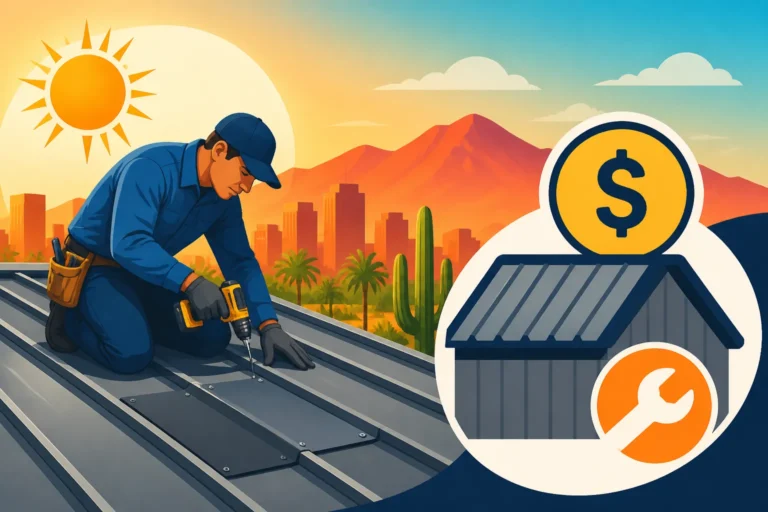
Let's consider minor issues, which are often the easiest and most affordable to tackle. These might include a few loose fasteners that have backed out due to thermal expansion and contraction, or perhaps some minor scratches on the panel coating from debris rubbing against it in high winds. For these kinds of problems, a professional might simply need to tighten or replace the fasteners with new, appropriately sealed ones, or apply a touch-up paint kit to minor scratches to prevent rust. The materials needed are minimal, and the labor time is usually short, perhaps just an hour or two. A homeowner in the Charlotte area might face a bill in the low hundreds for such quick fixes, depending on the contractor's minimum service fee.
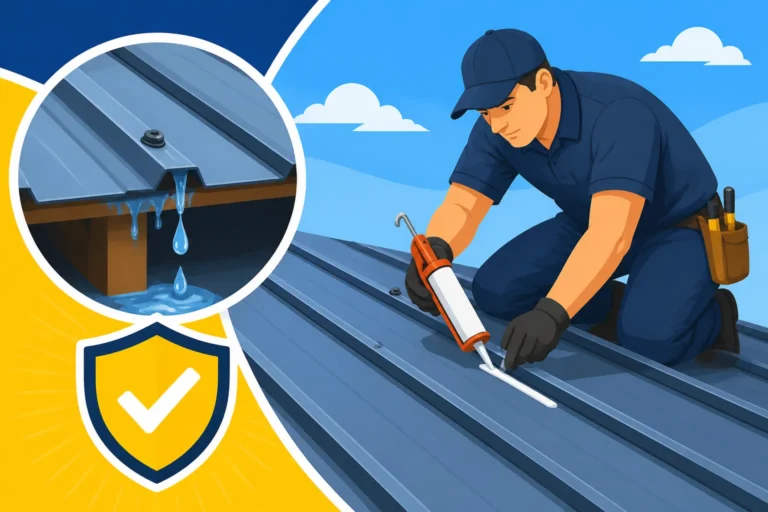
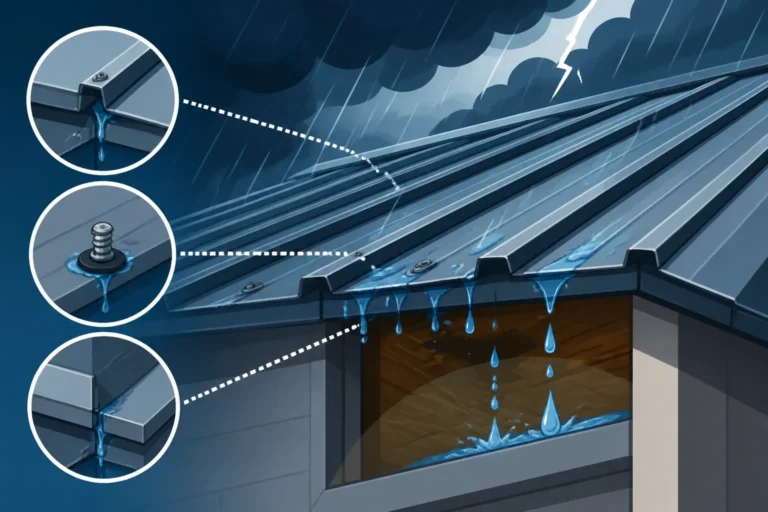
Moving up the scale, moderate issues demand a bit more attention and, consequently, a higher price tag. This category often includes small leaks that might manifest as a drip in your attic after a heavy rain, or a section of a panel that has been dented by hail or a stray tree limb. A common scenario we see in Charlotte is localized leaks around flashing details where the sealant has degraded over time, or a panel seam that has begun to separate. Repairing a leak often involves a diagnostic step to pinpoint the exact source, which can be tricky on a metal roof. Then, it might require removing and reinstalling a section of flashing, applying new high-quality sealant, or carefully realigning and refastening a panel. If a panel is significantly dented but not punctured, a skilled contractor might be able to carefully restore its shape, or if it's too far gone, a single panel might need replacement. Costs for these moderate repairs can range significantly, typically from several hundred to over a thousand dollars, depending on the complexity and materials required.
Then there are major issues, which, let's be honest, are what keep homeowners up at night. These involve widespread leaks affecting multiple areas of the roof, significant structural damage to the roof deck beneath the metal panels, or extensive damage across numerous panels from a severe event like a hurricane or a massive fallen tree. Imagine a tree branch piercing several panels, or strong winds peeling back a large section of a corrugated roof. In these situations, the repair isn't just about patching; it might involve replacing entire sections of the roof, rebuilding parts of the underlying structure, or even considering a partial reroof. These complex repairs require extensive labor, specialized equipment, and often multiple days of work. The cost for major repairs can easily climb into several thousands of dollars, making you wonder if a full replacement is a more cost-effective option in the long run. You can learn more about making that decision by reading our guide on Metal Roof Repair vs Replacement: How to Decide.
Metal Roof Material and Profile
Just like different car models have different parts and repair complexities, the specific type of metal roof on your Charlotte home plays a huge role in its repair costs. Not all metal roofs are created equal, and their unique characteristics directly impact how they're repaired and what that repair will cost.
Let's talk about the elegant, often sought-after standing seam metal roof. These roofs are known for their sleek lines and hidden fasteners, offering superior weather protection and a long lifespan. However, their sophisticated design also means that repairs tend to be more complex and, consequently, more expensive. If a standing seam panel needs to be replaced due to significant damage, it's not a simple swap. The panels are mechanically seamed together, requiring specialized tools and highly skilled technicians to unseam, replace, and then re-seam the new panel without damaging adjacent sections. This level of precision and expertise means higher labor costs, and the specialized nature of the panels themselves can make material replacement more costly too. Finding a contractor with extensive experience in Standing Seam Metal Roof Cost is crucial for accurate and efficient repairs.
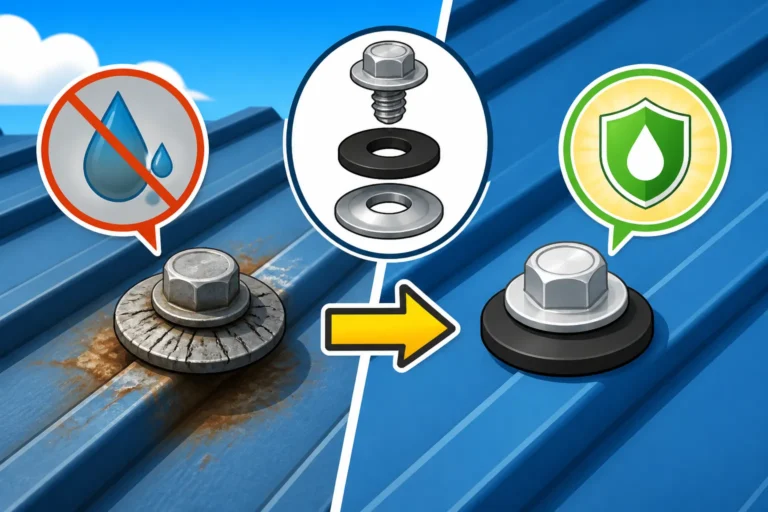
On the other end of the spectrum, we have profiles like corrugated or R-panel metal roofs, which are often found on barns, commercial buildings, or more rustic residential homes. These roofs use exposed fasteners, meaning screws go directly through the panels into the roof deck. While effective, these fasteners are often the primary point of leaks as their washers degrade over time. Repairs for these roofs can be relatively straightforward. Replacing a damaged corrugated panel typically involves unscrewing the old panel and screwing in a new one, making it a less labor-intensive process. Addressing leaks often means replacing failed fasteners and applying new sealant. As a result, the repair cost for a Corrugated Metal Roof Cost or an R-panel roof is generally lower than for a standing seam system, both in terms of labor and material costs.
Then there are the more specialized materials and profiles, like stone-coated steel roofs or intricate metal shingles and tiles. A Stone-Coated Steel Roof Cost repair, for instance, involves replacing individual panels that are designed to mimic traditional shingles or tiles. While these are often easier to replace than a full standing seam panel, matching the color and texture can be challenging, and the panels themselves can be more expensive than standard corrugated sheets. Furthermore, the base metal of your roof – whether it's steel (Galvalume or galvanized), aluminum, copper, or zinc – will also influence the cost of replacement panels. Copper, for example, is significantly more expensive than steel, and finding matching copper panels for a repair will reflect that premium price.
Accessibility and Roof Complexity
Imagine trying to fix a leak on a single-story ranch home with a low-slope roof versus a multi-story Victorian in Dilworth with numerous gables, dormers, and a very steep pitch. The difference in effort, equipment, and time is immense, and these factors directly translate into varying repair costs in Charlotte.
Roof pitch is a major determinant. A very steep roof, typically anything over a 6/12 pitch, requires specialized safety equipment like ropes, harnesses, and fall arrest systems. Walking and working on such a roof is inherently more dangerous and slower, meaning contractors will factor in additional labor time and safety costs. It's not uncommon for contractors to charge a "steep roof fee" or simply quote a higher hourly rate for work on challenging pitches. Conversely, a low-slope or moderately pitched roof is much easier and safer to work on, often requiring less specialized equipment and therefore leading to lower labor costs for repair.
Beyond pitch, the overall complexity of your roofline plays a crucial role. A roof with multiple facets, valleys, ridges, skylights, chimneys, or other penetrations inherently has more opportunities for leaks and more intricate details that require careful attention during repair. Each of these features, from a chimney stack to a solar panel array, demands precise flashing and sealing to prevent water intrusion. If a leak occurs around a complex penetration, diagnosing and repairing it involves disassembling and reassembling multiple layers of flashing and sealant, a time-consuming and skilled job. For example, repairing flashing around a skylight might involve not only replacing the metal components but also ensuring the underlayment and sealants are perfectly integrated, which takes more time and material than a simple panel repair on an open roof section.
Finally, the height and accessibility of your Charlotte home can significantly impact repair expenses. A single-story home is generally easier to access with ladders and requires less extensive scaffolding. A two-story or even three-story home, however, might necessitate taller ladders, scaffolding around the entire work area, or even boom lifts for safe and efficient access. This equipment comes with rental costs and additional setup/takedown time, all of which will be itemized in your repair quote. If your home is surrounded by landscaping, fences, or other obstructions, it can further complicate access, adding to the labor time needed to maneuver materials and equipment. A reputable contractor will account for these access challenges when providing an estimate, ensuring their crew can work safely and effectively.
Average Metal Roof Repair Costs in Charlotte: A Breakdown
Let's get down to the numbers, because that's often what people are really looking for. While exact figures always depend on the specifics of your situation, we can certainly talk about the typical ranges for various metal roof repairs you might encounter right here in Charlotte. Keep in mind these are averages, and local market conditions, the specific contractor, and the urgency of the repair can all cause fluctuations.
Common Repair Scenarios and Their Price Ranges
When a metal roof needs attention, the type of repair will dictate a large part of the cost. Here's a look at some frequent issues and what homeowners in Charlotte can generally expect to pay:
For the most basic issues, like replacing or tightening loose fasteners, you're usually looking at the lower end of the cost spectrum. Each fastener replacement typically runs a few dollars per screw, but contractors will often have a minimum service charge, which in Charlotte, can be anywhere from $250 to $500 just for them to show up. So, if you only have a handful of screws that need attention, you'll still likely pay that minimum fee. This cost covers the contractor's travel, diagnostic time, and the labor for a small job. This kind of minor issue is often a good candidate for proactive maintenance, as addressing it early prevents bigger, more expensive leaks down the road.
If your roof is leaking due to degraded sealant or a small seam separation, expect a moderate cost. Resealing an average-sized flashing detail around a vent pipe or a small section of a valley typically falls in the $400 to $800 range in Charlotte. This involves carefully cleaning the old sealant, applying new, high-quality sealants (like urethane or silicone-based products specifically designed for metal roofs), and ensuring a watertight bond. If a larger linear footage of seams needs resealing, the cost will increase accordingly. For instance, resealing all the seams on a 100-linear-foot section of a corrugated roof could push the cost higher, perhaps towards the $1,000 to $1,500 mark, due to the increased material and labor time.
Replacing a single damaged panel is a more significant repair. Let's say a hailstorm left a noticeable dent, or a small tree branch punctured one panel of your standing seam or corrugated roof. The cost for a single panel replacement can range from $700 to $1,500 or even more, depending heavily on the type of panel and the complexity of its removal and installation. A simple corrugated panel is easier to source and install than a specialized custom-bent standing seam panel. This price typically includes the cost of the new panel material, fasteners, sealants, and the specialized labor required to ensure the replacement integrates seamlessly with the rest of your roof. For example, if you have a niche metal panel system, the lead time and cost for the material itself could be higher than for a more common profile.
Flashing repairs around penetrations like chimneys, skylights, or even wall junctures are common, especially after years of expansion and contraction or inadequate initial installation. A localized flashing repair can range from $600 to $1,800. This often involves carefully dismantling existing flashing, cleaning and preparing the area, fabricating or installing new flashing pieces, and sealing them properly. The cost will vary based on the size and complexity of the penetration – a large chimney will naturally cost more to re-flash than a small plumbing vent. For complex repairs, a contractor might charge by the hour, and typical roofing labor rates in Charlotte, NC can range from $65 to $120 per hour per worker, not including material markups or overheads.
Material vs. Labor Costs in Charlotte
When you look at a metal roof repair quote, you'll notice that the cost isn't just about the shiny new metal pieces. In most cases, especially for specialized metal roofing, the labor component often outweighs the material cost, sometimes significantly. Understanding this split can help you appreciate the value of professional service.
The material costs are what you'd expect: the actual metal panels, rolls of flashing, tubes of sealant, boxes of fasteners, and any specialized components like vent covers or snow guards that might need replacement. For minor repairs, like tightening a few screws or applying a bead of sealant, the material cost is negligible. Even for replacing a single panel, while the panel itself might cost a few hundred dollars, it's usually not the dominant figure in the total bill. However, for exotic materials like copper or zinc, or highly customized panels, the material cost can become a much more substantial portion of the overall repair expense. In Charlotte, due to regional supply chains, standard steel or aluminum panels are readily available, keeping those material costs relatively predictable, although global metal prices can certainly cause fluctuations.
Labor, on the other hand, is where the bulk of the expense typically lies for most metal roof repairs. Metal roofing installation and repair require a specialized skillset. It's not just about nailing shingles; it involves precision cutting, careful bending, intricate seaming, and a deep understanding of how metal expands and contracts with temperature changes. A skilled metal roofing technician knows how to work with these materials to ensure a durable, watertight seal that will last. The hourly rates for experienced metal roofers in Charlotte reflect this expertise, generally falling in the range mentioned earlier ($65-$120 per hour per worker). For a moderately complex repair that takes a team of two an entire day, you could be looking at $1,000 to $2,000 in labor alone, even before materials are factored in. This includes not just the time spent on the roof, but also setup, cleanup, transportation, and administrative overhead. This high labor component is one of the reasons why DIY metal roof repair is often discouraged unless you have extensive experience and the right tools.
The "Hidden" Costs You Might Not Expect
Nobody likes surprises, especially when it comes to home repairs. While most reputable Charlotte contractors will provide a transparent quote, there are a few "hidden" or less obvious costs associated with metal roof repairs that homeowners should be aware of, just to avoid any post-repair sticker shock.
One often-overlooked cost is permits. For minor repairs that don't involve structural changes or a significant percentage of the roof surface, a permit might not be required in Charlotte. However, for more extensive repairs, especially those that involve replacing a substantial number of panels or altering the roof structure, your local building department will likely require a permit. The cost of a permit varies by municipality and the scope of the project, typically ranging from $75 to $300 or more. While it might seem like an extra hassle, pulling a permit ensures that the work meets local building codes and will be inspected, offering an extra layer of protection for your investment. Skipping a permit when one is required can lead to fines, difficulties with insurance claims, and even issues when selling your home. You can learn more about this in our guide on Do You Need a Permit for a Metal Roof?.
Another potential "hidden" cost is dumpster rental or debris removal fees. If your repair involves replacing multiple metal panels or removing sections of flashing, you'll generate debris that needs to be properly disposed of. While a contractor might include this in their overall quote, sometimes it's an itemized line or an unmentioned cost if the homeowner assumes it's bundled in. Depending on the volume of waste, a small dumpster rental can add several hundred dollars to the total. Always clarify with your contractor how debris removal is handled and if there's an additional charge.
Finally, consider emergency call-out fees or diagnostic fees. If your metal roof suddenly springs a major leak during a storm, you might need immediate assistance. Many roofing companies in Charlotte charge a premium for emergency services performed outside of regular business hours or on weekends. This "emergency fee" can add a few hundred dollars to your bill. Similarly, for elusive leaks, a contractor might need to spend considerable time diagnosing the exact source before any repair work can begin. Some will roll this diagnostic time into the overall repair cost, while others might charge a separate diagnostic fee, especially if the homeowner decides not to proceed with the repair or chooses a different contractor. Always ask upfront about these potential charges when calling for an estimate or emergency service.
Finding the Right Contractor for Metal Roof Repair in Charlotte
Once you've wrapped your head around the potential costs, the next crucial step is finding a reliable, experienced professional to do the work. This isn't a job you want to hand off to just anyone, especially with the investment a metal roof represents. Charlotte has many contractors, but choosing the right one for metal roofing is key.
Vetting Local Metal Roofing Specialists
This is perhaps the most important part of the entire repair process. A poorly executed repair can lead to bigger problems down the line, costing you more money and headaches. You need a contractor who specializes in metal roofing, not just one who "can do" metal roofs.
First and foremost, experience is non-negotiable. Metal roofing isn't like asphalt shingles; it requires specific knowledge, tools, and installation techniques. Look for contractors in Charlotte who explicitly state their expertise in metal roofing and can provide examples of past metal repair projects. Ask them about the different types of metal roofs they've worked on – standing seam, corrugated, stone-coated steel – to ensure they're familiar with your specific system. A contractor specializing in only exposed fastener panels might struggle with a more intricate standing seam repair. Platforms like Modernize can be a great starting point for finding local professionals who are vetted and experienced in metal roofing.
Next, always verify their credentials. This means checking for proper licensing, adequate insurance, and bonding. In North Carolina, general contractors are licensed by the North Carolina Licensing Board for General Contractors. While specific roofing licenses can vary by locality, ensuring they are a licensed general contractor is a good baseline. Insurance is absolutely critical: they should carry general liability insurance to cover any damage to your property during the repair, and workers' compensation insurance to protect their employees in case of an accident. Without these, you could be held liable. Bonding offers an additional layer of protection, guaranteeing that the contractor will complete the job as agreed upon. Ask for proof of all these documents and verify them.
Finally, local references and reviews are your best friends. Ask potential contractors for a list of recent clients in the Charlotte area whose metal roofs they've repaired. Don't be shy about calling these references and asking about their experience, the quality of the work, and whether the job was completed on time and within budget. Additionally, check online review sites like Google, Yelp, and the Better Business Bureau. Look for consistent positive feedback and how the contractor responds to any negative comments. A company like Modernize can also help streamline this process by connecting you with pre-screened contractors, but always do your own due diligence. Getting multiple quotes, ideally three or more, is also essential. This allows you to compare pricing, proposed solutions, and contractor professionalism. Our guide on How to Hire a Metal Roofing Contractor offers even more comprehensive advice on this topic.
Understanding Quotes and Warranties
Once you start receiving quotes for your metal roof repair in Charlotte, it’s crucial to know how to read them critically and what to look for beyond just the bottom line. A thorough understanding of your quote and the associated warranties can save you from future headaches and unexpected costs.
A detailed quote should be exactly that: detailed. It shouldn't just be a single number on a piece of paper. Look for an itemized breakdown that clearly lists all materials, including the type of metal, gauge, finish, fasteners, and sealants. It should specify the quantity of each material used. The labor costs should also be clearly outlined, either as an hourly rate for specific tasks or a total for the project, along with an estimated timeline. The scope of work needs to be explicit – what exactly will be repaired, how it will be repaired, and what steps will be taken to ensure the longevity of the fix. If tear-off and disposal of old materials are involved, ensure that is clearly stated and included in the price. Any additional services, like applying protective coatings or inspecting the entire roof, should also be itemized. If a quote is vague or lacks specifics, it's a red flag. Don't hesitate to ask specific questions about What Should Be Included in a Metal Roof Estimate.
Warranties are your peace of mind, and there are typically two types to consider: material warranties and workmanship warranties. The material warranty comes from the manufacturer of the metal panels or components. It covers defects in the material itself, such as premature fading, chalking, or delamination of the coating. The length and coverage of these warranties vary widely by manufacturer and product, so make sure you understand what's covered and for how long. For example, some premium standing seam panels might come with a 30- to 50-year material warranty, while a basic corrugated panel might only have a 20-year warranty.
The workmanship warranty is provided by the roofing contractor and covers the quality of their installation and repair work. This is incredibly important for metal roofs, as even the best materials can fail if installed incorrectly. A strong workmanship warranty for a repair should typically last at least 1 to 5 years, though some highly confident contractors might offer more. This warranty protects you if the repair itself fails due to faulty installation, leading to another leak or problem. Always ask about the specifics of the workmanship warranty, what it covers, and what voids it. Some warranties might be voided if another contractor works on the roof or if you neglect required maintenance. Don't be afraid to ask Questions to Ask About Metal Roof Warranty before signing anything.
DIY vs. Professional Repair: When to Call the Pros
The thought of saving money by tackling a metal roof repair yourself can be tempting, especially for minor issues. However, when it comes to metal roofing, the DIY route often carries significant risks and is rarely recommended for anything beyond the most superficial of problems. Knowing when to call in the professionals is paramount for both your safety and the longevity of your roof.
For a true DIY enthusiast with the right safety equipment and a very clear understanding of metal roofing, there might be a few exceedingly minor fixes you could attempt. We're talking about things like cleaning debris from a gutter that's causing a backup, or carefully hosing down a specific spot to identify a leak's general area (though pinpointing the exact source usually requires expertise). Perhaps, if you have very visible, slightly loose screws on an exposed fastener roof and know precisely how to properly tighten them without overtightening or damaging the washers, you might consider it. However, even these seemingly simple tasks can go wrong. Overtightening screws can strip the holes or crush the washers, leading to new leaks. Using the wrong sealant can cause more damage than good. The most significant risk with any roof work, of course, is personal safety – falls from roofs are a leading cause of construction injuries, and even a low-pitched roof can be dangerous.
For the vast majority of metal roof repairs, from small leaks to damaged panels, calling a professional is not just a recommendation, it’s a necessity. Firstly, safety is paramount. Professionals have the training, insurance, and equipment (harnesses, safety ropes, scaffolding) to work safely at heights. Secondly, metal roofing requires specialized tools and techniques. Cutting metal panels precisely, bending flashing correctly, and seaming panels watertight isn't something you can easily learn from a YouTube video. Professionals have these tools and the experience to use them correctly. Thirdly, warranty implications are huge. Many manufacturer warranties on metal roofing require that any repairs or installations be performed by a certified or experienced professional to remain valid. If you attempt a DIY repair and inadvertently cause further damage, or if the repair fails, your warranty could be voided, leaving you on the hook for even more expensive fixes. Finally, a professional can accurately diagnose the root cause of a problem. What appears to be a simple leak might be a symptom of a larger, underlying issue like inadequate ventilation or improper underlayment, which a DIY repair would never address. Investing in professional expertise ensures the repair is done right the first time, protecting your significant investment in a metal roof.
Maximizing Your Investment and Preventing Future Issues
A metal roof is a significant investment, known for its longevity and durability. However, just like any part of your home, it benefits greatly from attention and care. Proactive measures can extend its lifespan even further, potentially saving you from costly repairs down the road.
Regular Maintenance for Longevity
It’s easy to think of a metal roof as a "set it and forget it" component, but even the most durable roofs benefit from a little TLC. Implementing a consistent maintenance routine can drastically extend the life of your metal roof and help you catch minor issues before they escalate into expensive problems.
The cornerstone of good metal roof maintenance is regular inspection. We recommend at least an annual visual inspection, ideally after the fall leaf drop and again after any major storm activity here in Charlotte. This doesn't necessarily mean climbing onto the roof yourself – a good pair of binoculars from the ground can reveal a lot. Look for common warning signs: loose or missing fasteners, especially on exposed fastener roofs; any signs of rust or corrosion, particularly around cut edges or fasteners; unusual dents or scrapes; and debris buildup in valleys or gutters. Pay close attention to areas around penetrations like skylights, chimneys, and vent pipes, as these are common leak points. If you spot anything concerning, that’s your cue to call a professional for a closer look. For a comprehensive guide, check out our Metal Roof Maintenance Guide.
Beyond visual inspections, keeping your roof clean and clear of debris is vital. Leaves, twigs, and pine needles can accumulate in valleys and gutters, trapping moisture and encouraging corrosion. This trapped moisture can also lead to the growth of moss or lichen, which, while not as destructive as on asphalt shingles, can still hold water against the metal surface. Regularly cleaning your gutters and removing any significant debris from the roof surface, safely from a ladder or with a leaf blower, prevents water damming and potential damage. For roofs in areas prone to heavy tree cover, consider more frequent cleanings.
Proactive sealing and fastener checks are another layer of prevention. Over time, the rubber washers on exposed fasteners can degrade due to UV exposure, and sealants around flashing can dry out and crack. During your annual inspection, if you notice any fasteners with degraded washers or signs of sealant cracking, addressing them proactively can prevent leaks. This might involve replacing the screws with new, oversized ones with fresh washers, or carefully applying a high-quality, compatible sealant over compromised areas. Catching these small issues and fixing them before they become actual leaks is far more cost-effective than waiting for water to start dripping into your living room.
Understanding Your Metal Roof Warranty
Your metal roof’s warranty is a powerful tool designed to protect your investment, but it’s only effective if you understand its terms and conditions. Many homeowners unknowingly void their warranties through actions that seem harmless but have significant consequences.
First, it’s critical to remember that any repairs performed on your metal roof can potentially affect its existing warranties. Most manufacturer material warranties, and often contractor workmanship warranties, have specific clauses regarding who is authorized to perform work on the roof. If you hire an uncertified or inexperienced contractor, or attempt a DIY repair, and that work leads to a material failure or causes damage to the roof system, the manufacturer or original installer might deem your warranty void. This is a huge risk because suddenly, what was a decades-long protection against defects becomes worthless. Always ensure that any contractor you hire for repairs is knowledgeable about warranty requirements and, ideally, is certified by the original manufacturer of your roofing system, especially for complex systems like standing seam.
Second, understand what your warranty actually covers. Manufacturer warranties typically cover defects in the metal material itself, such as premature chalking, fading beyond acceptable limits, or coating delamination. They usually don't cover damage from external forces like severe weather (hail, high winds, falling trees), improper installation (which falls under the installer's workmanship warranty), or lack of maintenance. Similarly, a contractor's workmanship warranty covers issues arising directly from their installation or repair work, not from material defects or subsequent external damage. It's not uncommon for homeowners to misunderstand these distinctions, leading to frustration when a claim is denied. For example, a Metal Roof Insurance Savings & Discounts often apply to the durability against weather, which is separate from a manufacturing defect warranty.
Finally, proper documentation is key to making a warranty claim. Keep all records related to your roof: the original purchase agreement, installation contract, warranty documents, and any invoices for maintenance or repairs. If you do need to make a claim, having clear documentation of the issue (photos, dates, descriptions) and proof that all work was performed by qualified professionals will be invaluable. Familiarize yourself with the process for making a claim outlined in your warranty documents, including who to contact and what information they require. Being proactive and informed about your warranty ensures that you can leverage this protection effectively if your metal roof ever needs it.
When Repair Becomes Replacement: The Tipping Point
While repairs are often the most economical solution for localized damage, there comes a point with any roof when continuous repairs stop being a smart investment. Recognizing this "tipping point" is crucial for homeowners in Charlotte to avoid throwing good money after bad.
The age of your metal roof is a significant factor. While metal roofs are known to last 40-70 years or more, even the best materials have a finite lifespan. If your metal roof is nearing the end of its projected life – say, it's 30 or 40 years old for a painted steel system – and you're suddenly facing multiple, increasingly frequent repairs, it might be a sign that its overall integrity is diminishing. Older roofs are more susceptible to widespread damage, and parts might be harder to source. You can dive deeper into this topic by exploring Metal Roof Lifespan: How Long Do They Last?.
Widespread or recurring damage is another strong indicator. If you're fixing one leak only to have another pop up in a different section a few months later, or if a single storm causes damage across a large percentage of your roof, these are red flags. It suggests that the problem isn't isolated but rather indicative of systemic issues, perhaps due to general aging, material fatigue, or widespread installation flaws that are now catching up. For instance, if you have an exposed fastener roof and are constantly dealing with screws backing out or washers failing across large areas, replacing all the fasteners might be a significant cost that could be better allocated towards a new roof.
Ultimately, the decision often boils down to a financial calculation: when the cost of continuous repairs begins to approach or exceed the cost of a new roof. Keep a running tally of your repair expenses. If you've spent several thousand dollars on repairs over a few years, and you're looking at another major repair that costs, say, $3,000, consider what a new metal roof would cost in comparison. A new metal roof could offer fresh warranties, improved energy efficiency with modern coatings, and the peace of mind of a brand-new, durable system. Sometimes, a series of expensive repairs signals that it's time to invest in a long-term solution rather than patch up an aging system. Consulting with a reputable Charlotte roofing contractor from a platform like Modernize, and getting quotes for both repair and replacement, can help you make an informed decision about the most economically sound path forward for your home.
Metal Roof Repair Cost Comparison Table (Charlotte Estimates)
Here's a general overview of estimated metal roof repair costs in Charlotte for common issues. Please remember these are ranges and can vary based on specific materials, contractor, and current market conditions.
| Type of Repair | Description | Estimated Cost Range (Charlotte, NC) | Notes |
|---|---|---|---|
| Minor Fastener Replacement | Tightening or replacing a few loose or stripped screws (exposed fastener roofs). | $250 – $500 (minimum service charge) | Often includes contractor's trip charge. |
| Localized Sealant Application | Re-sealing around a single vent, pipe, or small flashing section. | $400 – $800 | Dependent on accessibility and complexity. |
| Single Panel Replacement (Corrugated/R-Panel) | Replacing one damaged, standard exposed fastener panel. | $700 – $1,200 | Cost of panel material, labor, and fasteners. |
| Single Panel Replacement (Standing Seam) | Replacing one damaged standing seam panel. | $900 – $1,800+ | Requires specialized tools and expertise; panel matching can be complex. |
| Flashing Repair (Chimney/Skylight) | Repairing or replacing flashing around one penetration. | $600 – $1,800 | Complexity depends on size and intricacies of penetration. |
| Leak Detection (without repair) | Identifying the source of a difficult-to-locate leak. | $300 – $600 | Often rolled into the repair cost if the same contractor performs the fix. |
| Extensive Fastener Replacement | Replacing many fasteners across a larger section of an exposed fastener roof. | $1,500 – $3,000+ | Can be labor-intensive, often priced per square foot of affected area. |
| Widespread Seam Re-sealing | Re-sealing multiple linear feet of seams on a roof. | $1,000 – $3,500+ | Varies greatly by total linear feet and roof accessibility. |
| Storm Damage (localized) | Repairing small dents, minor punctures from hail/debris, localized wind lift. | $800 – $2,500 | Often involves combining multiple repair types. |
Disclaimer
Please note that the information provided in this article, including cost estimates, is intended for general informational purposes only. Roofing costs and requirements can vary significantly based on location, specific materials, contractor rates, current market conditions, and the unique characteristics of your property. We recommend consulting with multiple qualified, local metal roofing professionals in Charlotte, NC, for accurate quotes and personalized advice tailored to your specific situation. This article does not constitute professional advice or a guarantee of pricing.