How to Maintain a Metal Roof in Minnesota
Living in Minnesota, you know a roof isn't just a pretty facade; it's your home's first line of defense against some truly brutal weather. While metal roofs are renowned for their durability, the specific challenges of Minnesota's climate—think heavy snow, relentless ice, and dramatic freeze-thaw cycles—mean you can't just install it and forget it. This guide will walk you through the practical, realistic steps you need to take to ensure your metal roof stands strong for decades, protecting your home through every frigid winter and humid summer.
Understanding Minnesota's Unique Roofing Challenges
Minnesota's climate is a beast of its own, and it demands respect when it comes to home maintenance, especially for your roof. It's not just about cold; it's about the variety of extreme conditions your roof faces year after year.
Heavy Snow Loads and Ice Dams
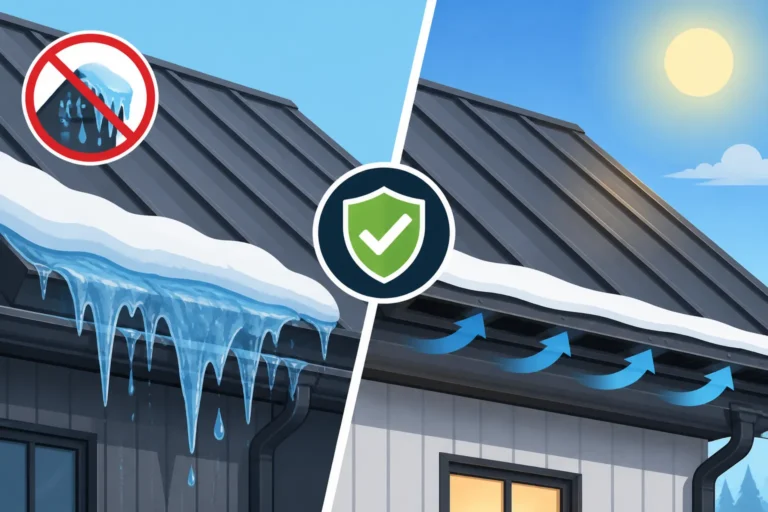
Let's be real, Minnesota winters are no joke. We get significant snowfall, often accumulating feet of it over the season. This isn't just picturesque; it puts immense structural stress on your roof. Imagine thousands of pounds of snow and ice sitting up there for months! Beyond the sheer weight, melting and refreezing cycles are the culprits behind dreaded ice dams. These ridges of ice form at the eaves, preventing melting snow from draining properly. Water then backs up under your roofing panels, even metal ones, and can seep into your attic and walls, causing costly damage, insulation issues, and even mold. While metal roofs shed snow more efficiently than asphalt, they aren't immune to ice dam formation if conditions are right, especially with poor insulation or ventilation.
Freeze-Thaw Cycles and Hail Damage
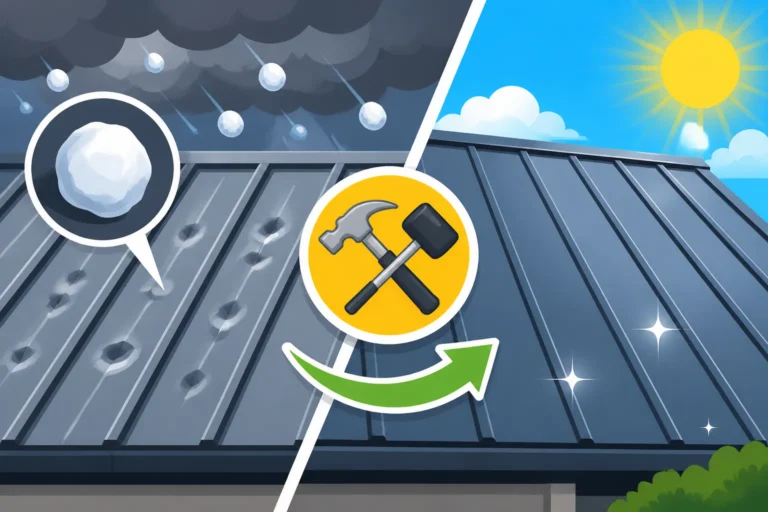
Our springs and falls are notorious for wild temperature swings. One day it's above freezing, melting some of that snow, and the next it's plunging below zero, freezing everything solid again. These constant freeze-thaw cycles can wreak havoc on fasteners, sealants, and even the metal panels themselves through expansion and contraction. Over time, this stress can loosen components or degrade protective coatings. And let's not forget about the hail. Minnesota sees its fair share of severe thunderstorms, and hail, even seemingly small pellets, can impact your metal roof. While metal roofs are incredibly impact-resistant, especially certain gauges and profiles, larger hailstones can still cause dents, cosmetic damage, or compromise coatings, particularly on softer metals like aluminum or copper, or on roofs with exposed fasteners. You might want to understand more about Metal Roof Storm, Hail & Wind Damage.
Intense Summer Sun and Humidity
After surviving winter, your metal roof isn't off the hook. Minnesota summers, while shorter, bring their own challenges. We experience significant UV radiation from the sun, which, over years, can slowly degrade the protective paint coatings on your metal roof. This leads to fading, chalking, and reduced effectiveness against the elements. Coupled with high humidity, especially during those steamy July days, you also run the risk of condensation forming underneath your metal panels if your attic isn't properly ventilated. This unseen moisture can lead to rot in the roof deck, mold growth, and decreased insulation efficiency, all problems that could negate the long-term benefits of your durable metal roof.
Essential Year-Round Maintenance for Minnesota Metal Roofs
Keeping your metal roof in prime condition in Minnesota requires a proactive, seasonal approach. You can’t just wait for problems to arise; you need to anticipate them.
Spring and Fall Inspections and Cleaning
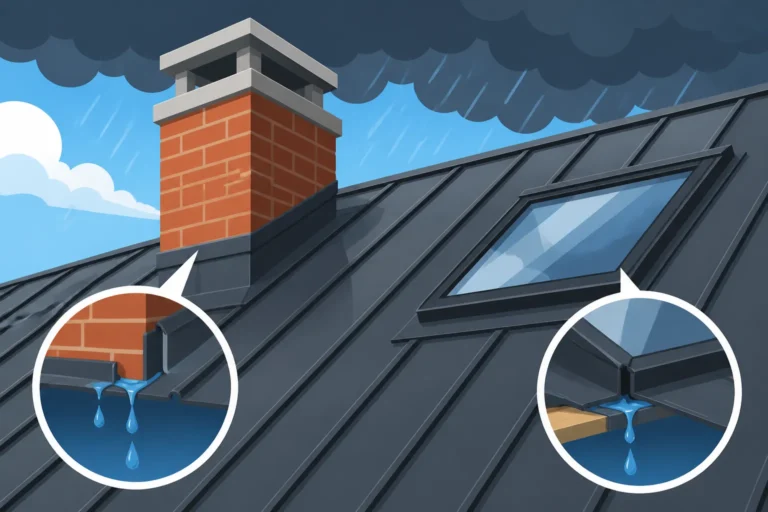
These are your prime seasons for preventative care. After the snow melts in spring and before the leaves fall in autumn, you should perform a thorough visual inspection from the ground. Look for any loose fasteners, signs of rust, bent panels, or compromised flashing around chimneys, skylights, and vents. Any missing caulk or sealant should be noted. Don't forget to check your gutters and downspouts. Clogged gutters can lead to serious water backup issues, contributing to ice dams in winter or directing water improperly in heavy rains.
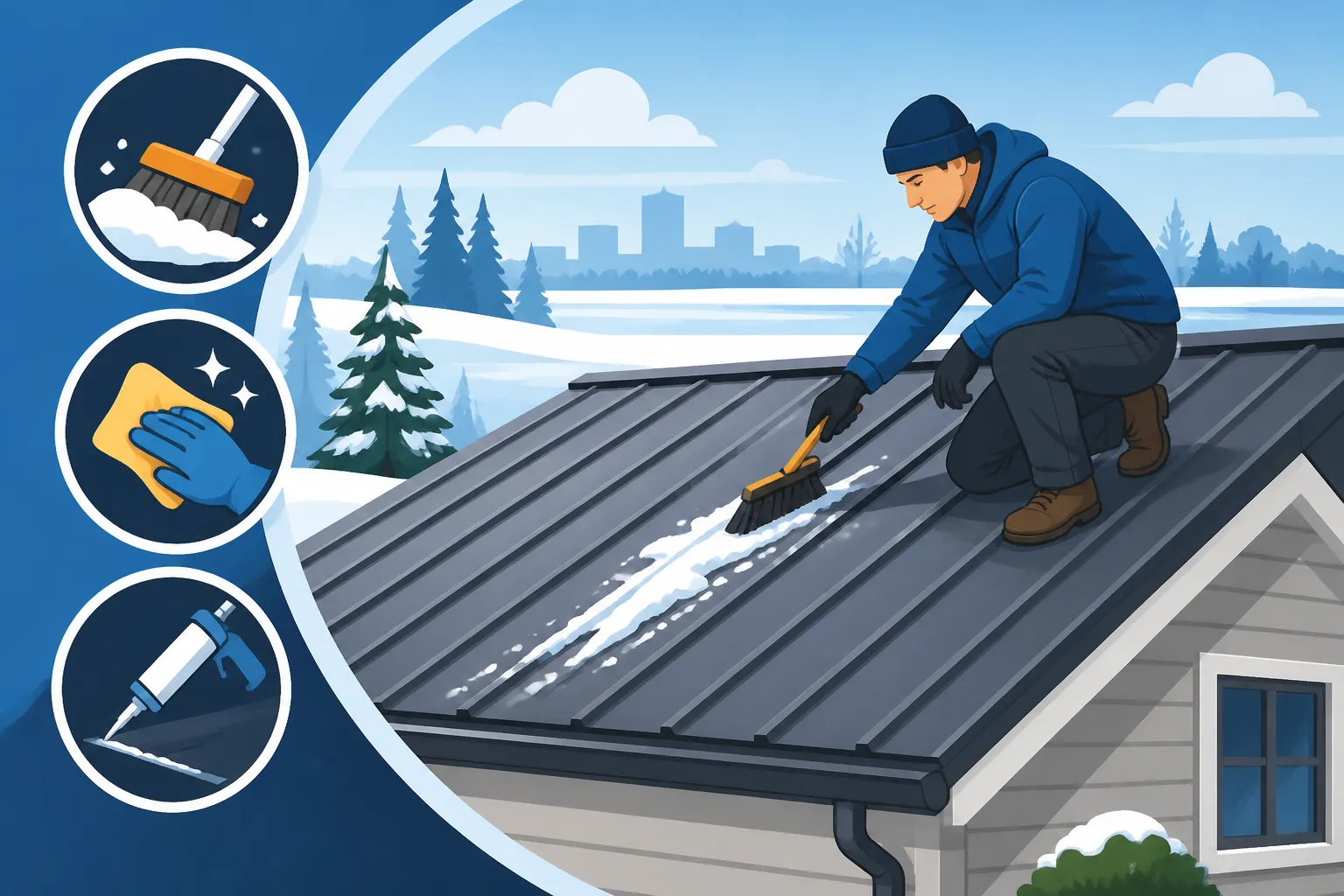
You’ll also want to clear off any accumulated debris. Leaves, pine needles, and small branches might seem harmless, but they can trap moisture, accelerate corrosion, and prevent proper drainage. For general cleaning, a soft brush and a garden hose are usually sufficient for most residential metal roofs. For tougher spots, a mild detergent solution (like dish soap and water) can work, but always rinse thoroughly. Avoid harsh chemicals or pressure washers, as these can damage the paint finish. If you're wondering about a general checklist, our guide on Metal Roof Maintenance Guide offers comprehensive advice.
Addressing Fastener and Sealant Issues
This is a big one for Minnesota, especially with all the expansion and contraction. If your metal roof has exposed fasteners (common on corrugated or R-panel roofs), those screws have neoprene washers that degrade over time due to UV exposure and temperature fluctuations. When these washers fail, they can allow water to seep in, leading to leaks. It's crucial to inspect these regularly and tighten any loose fasteners. If you see signs of degradation, proactive replacement of these screws and washers is a must. Similarly, check all sealant joints, especially around penetrations like pipes and vents. Over time, caulk can crack, peel, or shrink. Applying a high-quality, metal-specific sealant to any compromised areas can prevent leaks before they start. Our article on Best Sealant for Metal Roof Leaks dives deeper into product recommendations.
Snow and Ice Management Strategies
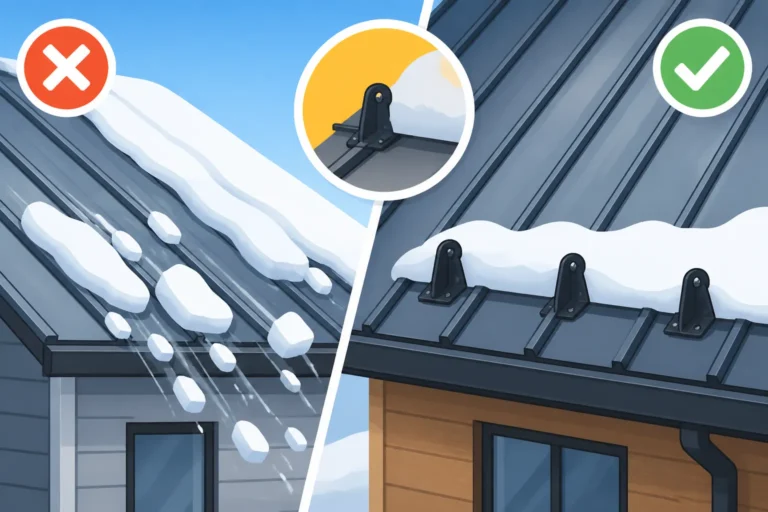
This is arguably the most critical aspect of Minnesota metal roof maintenance. While metal roofs are excellent at shedding snow, sometimes they shed too much too quickly, creating dangerous snow avalanches at ground level. This is where snow guards come in. Installing properly designed snow guards helps retain a thin layer of snow on the roof, allowing it to melt gradually rather than sliding off in a dangerous sheet. This also helps prevent damage to gutters, landscaping, and even people below.
For heavy snow accumulation, gentle snow removal is sometimes necessary, especially if you have a lower-pitched roof or are concerned about extreme loads. Never use harsh tools like shovels directly on the metal panels, as this can scratch or dent them. A roof rake with rollers is a safer option, allowing you to pull snow down from the edges while keeping the tool slightly above the roof surface. However, for significant accumulations or high-pitched roofs, it's often best to consult a professional. Ice dams are another winter foe. Proper attic ventilation and insulation are your best defense, ensuring the roof deck stays cold enough to prevent snow from melting from below. Investing in an effective Ice and Water Shield for Metal Roofs during installation is also a critical preventative measure.
Tackling Common Minnesota Metal Roof Problems
Even with the best maintenance, some issues can pop up, and knowing how to address them quickly is key to your metal roof's longevity in Minnesota.
Rust and Corrosion Prevention
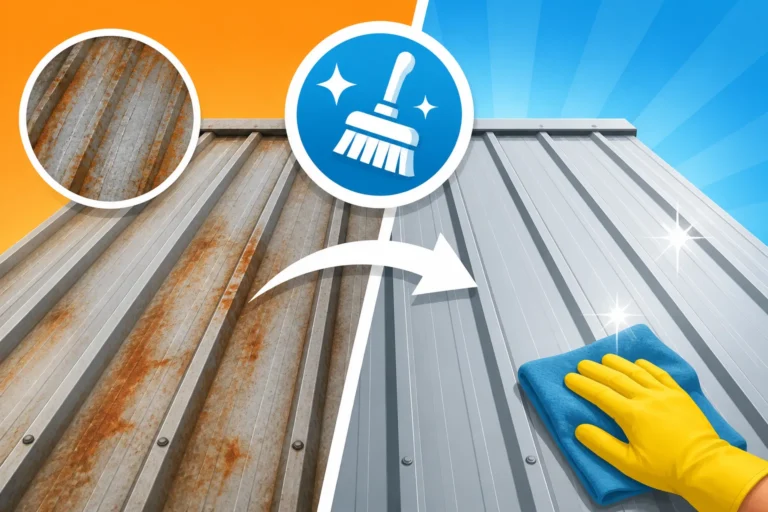
While most modern metal roofs are made from materials like steel coated with Galvalume or aluminum, which are highly resistant to rust, corrosion can still occur, especially at cut edges, scratched areas, or where fasteners have failed. In Minnesota's humid summers and wet winters, any exposed steel is vulnerable. Regularly inspecting for rust spots and addressing them promptly is essential. For minor surface rust, specialized rust converters and protective coatings can be applied. For more severe areas, you might need to clean the area thoroughly, prime it, and then apply a matching touch-up paint. Ignoring rust allows it to spread, compromising the panel's integrity. For specific advice, check out How to Remove Rust Stains From a Metal Roof.
Addressing Condensation and Ventilation
Condensation under your metal roof is a silent killer for your attic and roof deck. It's often caused by warm, moist air from your living space rising into the attic and meeting the cold underside of the metal roof, especially in winter. This moisture then condenses, drips, and causes damage. The solution is effective attic ventilation. This means ensuring you have adequate intake vents (soffit vents) and exhaust vents (ridge vents or gable vents) to create a continuous airflow that removes humid air. Proper insulation is equally vital to prevent heat transfer into the attic in the first place. You might consider a detailed look at Metal Roof Underlayment and Ventilation Guide to optimize your system.
Repainting and Recoating for Longevity
The factory finish on most high-quality metal roofs, often Kynar 500 or SMP coatings, is incredibly durable. However, even the best coatings will eventually fade or chalk over many decades, especially under Minnesota's intense summer sun and temperature extremes. When the original coating starts to show significant wear, it might be time to consider repainting or recoating. This isn't just cosmetic; it restores the protective barrier against UV, moisture, and temperature cycling, significantly extending your roof's lifespan. The process involves thorough cleaning, possibly light sanding, priming, and then applying a high-quality metal roofing paint or elastomeric coating. This can give your metal roof a fresh look and another 10-20 years of robust protection. Be sure to choose a product designed for exterior metal surfaces and suitable for our climate.
When to Call a Professional for Metal Roof Maintenance
While many routine maintenance tasks can be handled by a diligent homeowner, there are times when professional expertise is not just recommended, but essential.
Recognizing Signs Beyond DIY Repair
There are some red flags that signal it's time to bring in the pros. If you notice persistent leaks despite your best efforts at sealing small areas, it could indicate a more complex issue with the underlayment, flashing, or panel installation. Significant storm damage, like widespread denting from hail or bent panels from high winds, typically requires professional repair or replacement. Large areas of rust, especially if they've eaten through the metal, are also beyond a simple DIY fix. Any concerns about structural integrity, like sagging sections of the roof or unusual noises, should immediately prompt a call to a qualified contractor. It's often a case of prevention being better than a cure, and addressing these early can prevent the need for a full Metal Roof Repair vs Replacement discussion.
Finding a Qualified Minnesota Metal Roofing Specialist
This is where local knowledge truly matters. When you're looking for a professional, you want someone who deeply understands Minnesota's specific building codes, weather challenges, and local material availability. Start by asking for recommendations from neighbors, friends, or local hardware stores. Online searches for "metal roofing contractors near me" are also a good starting point. Look for contractors with a strong track record of metal roof installations and repairs, not just asphalt shingles.
It’s crucial to verify their licensing, insurance, and bonding. In Minnesota, while a statewide license isn't always required for roofers, many municipalities do have specific requirements, and general contractors often need state licensing. Always get multiple bids, typically 3-5, and ensure they provide detailed, written estimates. Don't be shy about asking questions about their experience with specific metal roofing types, their warranty offerings, and how they handle Minnesota's unique weather conditions. For assistance in finding reputable contractors, services like Modernize can connect you with pre-vetted local professionals who specialize in metal roofing, making the search much less daunting. You want to feel confident in the team working on your home. For more guidance on vetting, check out Questions to Ask a Metal Roofing Contractor Before You Hire.
The Benefits of Regular Professional Inspections
Even if you're a DIY enthusiast, having a professional perform an annual or biennial inspection can be incredibly beneficial, especially here in Minnesota. They have the training, equipment, and experience to spot subtle issues that an untrained eye might miss. Professionals can safely access and inspect areas of the roof that are difficult or dangerous for a homeowner, such as steep pitches or complex flashing details. They can identify early signs of wear, potential leak points, or developing issues like compromised underlayment or ventilation problems. A small investment in a professional inspection can save you thousands in future repair costs by catching problems before they escalate. It's part of a holistic approach to ensuring your metal roof reaches its maximum potential lifespan, which can be significant, often 40-70 years. Knowing How Long Does a Standing Seam Metal Roof Last? can put into perspective the value of this care.
Here’s a quick overview of essential metal roof maintenance for Minnesota homeowners:
| Season | Key Maintenance Tasks | Minnesota Specific Considerations |
|---|---|---|
| Spring | Post-winter inspection (damage, fasteners, seals), clean gutters/downspouts, debris removal. | Check for ice dam damage, displaced panels from wind, loosened fasteners from freeze-thaw. Ensure proper drainage of melted snow. |
| Summer | General cleaning, inspect for coating degradation, check ventilation. | High UV exposure accelerates paint fading and chalking. Ensure attic ventilation is robust to prevent condensation from high humidity. Monitor for any signs of hail damage from summer storms. |
| Fall | Pre-winter inspection (thorough), secure loose fasteners, repair flashing/sealants, clear gutters. | Critical for preparing for heavy snow. Reinforce snow guards if needed. Ensure all penetrations are sealed against potential water intrusion from ice dams. Clear all leaves before they freeze in gutters. |
| Winter | Monitor snow accumulation, consider safe snow removal (rake), check for ice dams. | Extreme snow loads and pervasive ice dam formation are primary concerns. Use a roof rake if necessary, but prioritize safety. Ensure heating cables (if installed) are functional. Prevent dangerous snow slides with appropriate snow guards. |
Disclaimer
This guide provides general information about metal roof maintenance in Minnesota. Local building codes, climate variations, specific roofing materials, and individual home conditions can vary. Always consult with a qualified, licensed, and insured local metal roofing professional for advice tailored to your specific situation. This information is not a substitute for professional inspection or repair services.