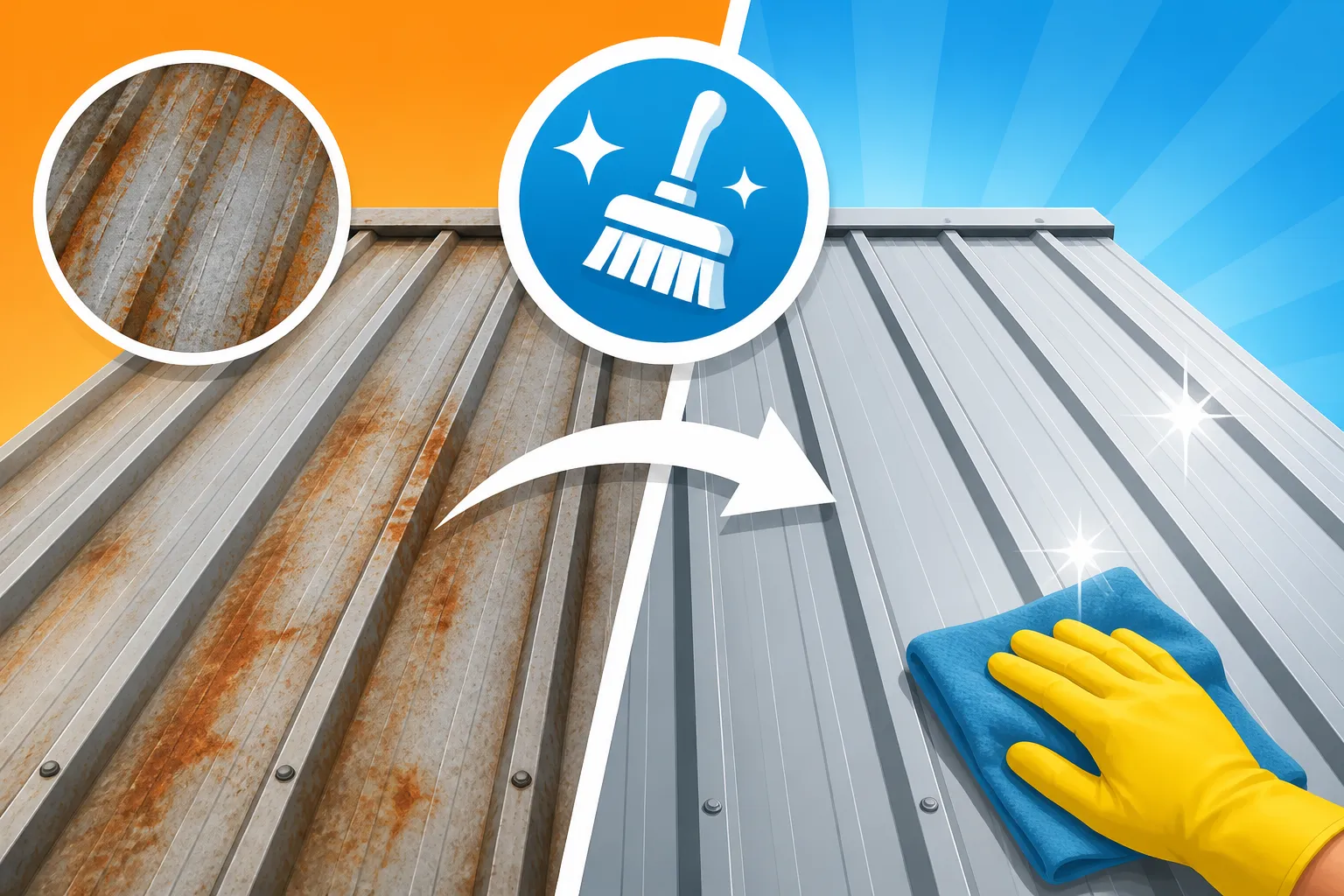
How to Remove Rust Stains From a Metal Roof
Seeing those unsightly rust stains creeping across your otherwise beautiful metal roof can be incredibly frustrating. It feels like such a setback, especially when you've invested in a roofing material known for its longevity and durability. But don't despair! Those reddish-brown marks don't necessarily mean your roof is doomed. This guide is here to walk you through exactly how to tackle and remove rust stains from your metal roof, from the simplest DIY tricks to knowing when to call in the pros, helping you restore its pristine appearance.
Understanding Rust Stains on Metal Roofs
It’s easy to assume that because you have a "metal roof," it should be impervious to rust. After all, isn't that one of the big selling points? The reality, though, is a bit more nuanced. While most modern metal roofs are designed to be highly corrosion-resistant, they're not entirely bulletproof, and surface rust can still pop up, leaving those stubborn stains that detract from your home's curb appeal.
Why Rust Appears on Metal Roofs
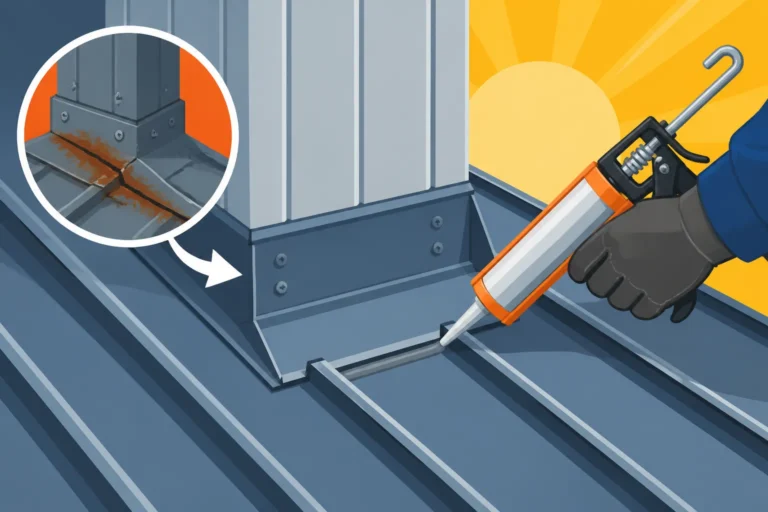
Rust, at its core, is iron oxide, a result of iron or steel reacting with oxygen and water. While your metal roof panels, especially those made of steel, often come with protective coatings like galvanization (zinc coating) or Galvalume (zinc and aluminum alloy coating), these barriers aren't always perfect, and sometimes external factors can introduce iron particles to the surface. One of the most common culprits is what we call "rust bleed" or "rust runoff." This happens when metal fasteners, unpainted steel components, or even nearby metal structures like antennas, satellite dishes, or poorly galvanized flashing begin to rust, and rainwater carries those rust particles onto your roof panels.
Another frequent cause is abrasion during installation or maintenance. If tools, ladders, or even abrasive cleaning methods scratch through the protective coating, the underlying steel can become exposed, making it vulnerable to rust. Even seemingly innocuous things like tiny metal shavings from nearby construction (perhaps from cutting metal gutters or siding) can land on your roof, rust, and then stain the surface. Sometimes, even the quality of the raw material or an incomplete coating application during manufacturing can lead to early rust spots. Knowing the source is often the first step in effective treatment and, more importantly, prevention.
Types of Rust Stains You Might Encounter
Not all rust stains are created equal, and understanding the type you're dealing with can help you choose the right removal method. The most common is surface rust, which often appears as light, reddish-brown discoloration on the coating itself. This is typically from external iron particles resting and rusting on the surface, or a very minor breach in the coating. It usually hasn't deeply penetrated the metal and is the easiest to address. Next, you might encounter streaking rust, which looks like streaks running down the roof panels. This is a classic sign of rust bleed from an external source, like a rusty screw head or a corroded piece of flashing higher up the roof. The water carries the rust particles down, leaving a tell-tale trail.
More concerning are pitting rust and flaking rust. Pitting rust indicates that the corrosion has started to eat into the metal itself, creating small depressions or holes. This usually happens when the protective coating has been severely compromised or completely worn away in a particular spot. Flaking rust, where chunks of the metal appear to be peeling or crumbling, is a sign of advanced corrosion and typically means the structural integrity in that area is significantly compromised. While surface and streaking rust are often treatable with cleaning, pitting and flaking rust often point to a need for more significant interventions, possibly even a repair or panel replacement. If you're seeing signs of severe corrosion, you might want to look into articles like, "Metal Roof Rust and Corrosion Treatment" or "How to Repair a Rusted Metal Roof" to gauge the extent of the damage.
Assessing the Rust Damage
Before you grab a bucket and scrub brush, it’s crucial to take a good, hard look at your roof and understand the scope of the problem. Rushing into a repair or cleaning job without proper assessment can lead to wasted effort or even further damage. This is where a methodical approach truly pays off.
Identifying the Severity of Stains
The first step in assessment is determining how severe the rust stains really are. Is it just a light discoloration, or is the metal itself visibly compromised? Get up on a ladder (safely, of course!) or use binoculars to get a closer look. Pay attention to the color and texture of the rust. Light, orange-red discoloration that feels smooth to the touch is likely surface rust. If you can rub some of it off with your finger (gently, please, don't scratch your roof!), that's a good sign it's not deeply embedded.
However, if the rust is dark brown, flaky, or if you can see actual pits or holes forming in the metal, you’re dealing with more advanced corrosion. Pitting rust is a serious concern, as it means the metal’s protective layers have failed, and the base material is deteriorating. Also, try to identify the source of the rust. Is it originating from a specific fastener? A piece of flashing? Or is it generalized across a panel? Understanding the origin helps determine if you're just cleaning a stain or if there's an underlying issue that needs to be resolved to prevent recurrence. A good guide to consult for identifying issues is "Warning Signs Your Metal Roof Needs Attention".
Safety First: Preparing for Inspection
Working on a roof, especially one that might be slippery with morning dew or loose debris, always carries risks. Prioritizing safety is non-negotiable. Before you even think about stepping onto the roof, ensure you have the right equipment. A sturdy ladder, properly secured, is essential. Wear non-slip shoes with good traction. If your roof has a steep pitch, a safety harness and rope system are a must. Never work alone, and always let someone know you'll be on the roof.
Beyond personal safety gear, consider the roof itself. Clear away any loose branches or debris that might make walking unstable. If the weather forecast calls for rain or strong winds, postpone your inspection. Once you’re safely on the roof, avoid walking on the raised seams of standing seam panels or on areas that look particularly flimsy or damaged. Use a soft brush or leaf blower to clear off any loose dirt before you start examining the rust. Remember, a safe inspection leads to accurate assessment, which then leads to effective and safe stain removal. You don't want to cause more damage or injure yourself trying to fix a problem.
DIY Methods for Removing Light Rust Stains
For those pesky, superficial rust stains, you might be surprised at what you can accomplish with a little elbow grease and some common household items. The key here is to start with the least aggressive methods first and only escalate if necessary. This approach minimizes the risk of damaging your roof's protective coating.
Mild Abrasives and Natural Cleaners
When dealing with light surface rust, your kitchen pantry or local hardware store likely holds the answers. One popular and effective DIY method involves a simple mixture of white vinegar and baking soda. The acidity of vinegar helps dissolve rust, while baking soda provides a gentle abrasive action. Create a paste with baking soda and a little water, apply it to the rust stain, let it sit for 15-30 minutes, and then gently scrub with a soft-bristled brush or a non-abrasive sponge. Follow up with a rinse of clean water. Lemon juice mixed with salt can also act as a similar, natural rust remover due to its acidity.
Another surprisingly effective option for light stains is a simple scrub with a cut potato dipped in salt or baking soda. The oxalic acid in potatoes helps break down the rust. For slightly more stubborn spots, you can try a rust-erasing pad specifically designed for gentle cleaning, such as those from brands like Mr. Clean Magic Eraser. Just make sure to test any product in an inconspicuous area first to ensure it doesn't dull or damage your roof's finish. Always rinse thoroughly after applying any cleaner to prevent residue buildup, which can attract more dirt or even cause new problems over time.
Soft Brushing and Gentle Scrubbing
Once you've applied your chosen natural cleaner or mild abrasive, the next step is the physical removal of the loosened rust. This is where technique really matters. Never use steel wool, abrasive scouring pads, or stiff wire brushes on your metal roof, as these can easily scratch through the protective coating and expose the raw metal underneath, ironically leading to more rust in the long run.
Instead, opt for a soft-bristled brush, like a car washing brush, a nylon-bristled utility brush, or even a sturdy dish brush. Work in small sections, applying gentle, circular motions. The goal is to lift the rust stains, not to aggressively abrade the roof surface. For tricky spots or grooves, a toothbrush can be surprisingly effective. As you scrub, keep rinsing the area with clean water to flush away the loosened rust particles. This prevents them from scratching the surface further or simply redepositing elsewhere. After scrubbing, a final thorough rinse of the entire cleaned section is vital. Pat dry with a soft cloth if possible, or allow it to air dry, especially if you plan to apply any protective finish. Regular, gentle maintenance, as outlined in our "Metal Roof Maintenance Guide", can prevent these minor issues from escalating.
Tackling Moderate to Heavy Rust Stains
When those lighter, DIY methods just aren't cutting it, or you're faced with more significant rust stains, it's time to bring in some more robust solutions. This often involves specialized chemical removers or, in some cases, mechanical techniques, but always with caution and proper preparation.
Chemical Rust Removers and Etching Solutions
For rust stains that have set in deeper, chemical rust removers can be very effective. These products typically contain oxalic acid, phosphoric acid, or other chelating agents that react with and dissolve rust without necessarily damaging the surrounding paint or metal coating, assuming they are used correctly. Brands like Rust-Oleum, CLR (Calcium, Lime, Rust remover), or specifically formulated metal roof rust removers are popular choices. However, extreme caution is necessary. Always read the product label carefully, paying close attention to safety warnings, application instructions, and recommended dwell times. Many of these chemicals are acidic and can be harmful to skin, eyes, and even plants or landscaping below.
Always wear appropriate personal protective equipment (PPE), including gloves, eye protection, and possibly a respirator, especially if working in an enclosed area or with strong fumes. It's also a good idea to perform a patch test in an inconspicuous area first to ensure the product won't discolor or damage your roof's finish. Apply the cleaner as directed, usually with a brush or spray bottle, allow it to sit for the recommended time, and then thoroughly rinse it off with plenty of clean water. Neutralize any acidic residue if instructed by the product manufacturer. In some cases, for very stubborn, deeply embedded stains, a specialized metal etching solution might be needed, but these are often best left to professionals as they can strip protective coatings if not handled expertly.
Mechanical Removal Techniques
For severe, localized rust or areas where chemical removers prove insufficient, mechanical removal might be necessary. This is a more aggressive approach and should be considered a last resort before full panel replacement, as it always carries the risk of damaging the roof's coating. One method involves using a drill attachment with a non-abrasive nylon brush. These brushes are much gentler than wire brushes but can provide more scrubbing power than manual brushing. Again, test in a hidden area first and use minimal pressure. The goal is to remove the rust, not to grind away at the metal.
Another option for localized, small spots of heavy rust, particularly on non-visible areas, could be light sanding with very fine-grit sandpaper (e.g., 220-grit or higher). This should only be done if you plan to immediately clean, prime, and repaint the area to prevent new rust from forming. After any mechanical removal, the exposed metal must be immediately treated. This involves cleaning the area thoroughly, applying a rust-inhibiting primer, and then painting it with a high-quality exterior metal paint that matches your roof's color and finish. If you're considering a more extensive project, an article on "Repainting and Recoating a Metal Roof" could provide useful insights into proper preparation and application techniques. Remember, mechanical removal should only be attempted if you are confident in your ability to properly seal and protect the exposed metal afterward, or if you're engaging a professional.
Professional Rust Removal Services and When to Call Them
While many minor rust stains can be handled as a DIY project, there comes a point where calling in the experts is not just convenient, but essential. Knowing when to wave the white flag and seek professional help can save you time, effort, and prevent costly mistakes.
When to Seek Expert Help
There are several clear indicators that it's time to bring in a professional for metal roof rust removal. Firstly, if the rust stains are widespread, covering a large portion of your roof, the sheer scale of the job might be too much for a single homeowner to tackle effectively and safely. Attempting to clean an entire roof yourself could lead to inconsistent results, missed spots, and potentially hazardous situations if you’re not accustomed to working at heights for extended periods.
Secondly, if you're dealing with advanced corrosion, such as pitting rust or areas where the metal is flaking or deteriorating, professional intervention is critical. These aren't just cosmetic issues; they indicate structural compromise and require specialized treatment that often goes beyond simple cleaning. A professional will be able to properly assess the extent of the damage, determine if the panels need repair or replacement, and apply appropriate rust conversion treatments and protective coatings. For example, if you suspect your roof needs more than just stain removal, a contractor might recommend a full "Metal Roof Repair vs Replacement: How to Decide" assessment.
Finally, if you’re uncomfortable with heights, lack the proper safety equipment, or are unsure about using strong chemical rust removers, it's always best to err on the side of caution and hire a professional. Safety should always be your top priority.
What to Expect from a Professional Service
When you engage a professional metal roofing contractor for rust removal, you're not just paying for their labor; you're investing in their expertise, specialized equipment, and adherence to safety protocols. A reputable contractor will start with a thorough inspection of your roof, identifying the type and source of the rust, and assessing the overall condition of your roofing system. They'll provide you with a detailed estimate outlining the scope of work, the methods they intend to use, and a breakdown of costs. This is also a good opportunity to ask them about their experience with various metal roofing materials compared, such as steel, aluminum, copper, and zinc.
Professionals often have access to industrial-grade cleaning solutions and equipment that are more potent and effective than consumer-grade products, yet designed to be safe for your specific roof material. They’ll also have the necessary safety gear, including harnesses, fall protection systems, and proper ventilation equipment. For severe cases, they might employ techniques like light power washing (at low pressure and with specific nozzles to avoid damage) or abrasive blasting with very fine media, followed by rust conversion, priming, and repainting. They'll also typically address the source of the rust, such as replacing rusty fasteners or adding new flashing to prevent future recurrence. When looking for a contractor, sites like Modernize can help you connect with local, vetted professionals who specialize in metal roofing and rust issues, ensuring you get multiple quotes and find the right fit for your needs. Don't hesitate to ask them about their process for applying protective coatings and what kind of warranty they offer on their work.
Preventing Future Rust Stains on Your Metal Roof
An ounce of prevention is worth a pound of cure, especially when it comes to keeping your metal roof looking pristine. Once you've gone through the effort of removing existing rust stains, the last thing you want is for them to reappear. Proactive measures are key to long-term metal roof health.
Regular Cleaning and Maintenance
The simplest and most effective way to prevent rust stains from forming is through consistent, regular cleaning and maintenance. Don't wait until you see visible rust; incorporate roof checks into your seasonal home maintenance routine. At least twice a year, ideally in spring and fall, visually inspect your roof for any signs of debris buildup, loose fasteners, or early discoloration. Use a leaf blower to clear off leaves, twigs, and other organic matter that can trap moisture and promote corrosion.
For general cleaning, a soft-bristled brush and a solution of mild dish soap and water are usually sufficient. Gently scrub away dirt, grime, and any accumulated pollutants. Pay close attention to areas around chimneys, vents, and valleys where debris tends to collect. A thorough rinse with a garden hose is crucial to remove all soap residue. This not only keeps your roof looking good but also allows you to catch minor issues like loose screws or developing rust spots before they become major problems. Regular cleaning also helps maintain the integrity of your roof's coating, extending its overall lifespan, as discussed in "How Long Do Metal Roofs Last?"
Protective Coatings and Sealants
After cleaning and rust removal, especially if you've had to use more aggressive methods that might have compromised the original finish, applying a protective coating or sealant is a smart preventative step. These specialized coatings add an extra layer of defense against moisture, UV rays, and environmental pollutants, which are all factors that contribute to rust formation. High-quality acrylic or elastomeric coatings can be rolled or sprayed onto your metal roof, creating a seamless, protective barrier. Many of these coatings also offer reflective properties, which can help improve your home's energy efficiency.
For specific areas that are prone to rust, such as around fasteners or flashing, consider applying a high-grade exterior sealant or a rust-inhibiting primer before a final topcoat. Products specifically designed for metal roofing, often with names like "metal roof restoration coating" or "rust-inhibiting paint," are formulated to adhere well and provide long-lasting protection. When selecting a coating, ensure it’s compatible with your existing metal roof material and color. Investing in these coatings can significantly extend the time before you see rust again, and also contributes to the longevity of your roof overall.
Addressing Underlying Issues
Rust stains are often a symptom of a deeper problem. Merely cleaning the rust away without addressing its source is like putting a band-aid on a gaping wound – it might look better temporarily, but the underlying issue will persist. If your rust stains are consistently appearing around fasteners, it might mean the screws themselves are rusting (perhaps they weren't galvanized or the heads' coating wore off), or the rubber washers beneath them have deteriorated. In this case, replacing rusty fasteners with new, high-quality, galvanized or stainless steel fasteners with durable neoprene washers is essential. You might find "Metal Roof Components & Accessories Explained" helpful for understanding these parts.
Similarly, if rust is streaking from a piece of flashing, a vent, or another roof penetration, the issue lies with that component. It might need to be cleaned, repainted, or even replaced if it's severely corroded. Ensure all flashing is properly installed and sealed to prevent water ingress and subsequent rust. Poor drainage, where water pools on certain sections of the roof, can also exacerbate rust. If you notice persistent puddles, you may need to address your roof's pitch or drainage system. Consulting a roofing professional, perhaps through a platform like Modernize, can help identify and rectify these underlying issues, ensuring that your metal roof remains rust-free for years to come.
Common Mistakes to Avoid During Rust Removal
Attempting to remove rust stains from your metal roof can be a rewarding DIY project, but it's also fraught with potential pitfalls. Making the wrong choices, whether in product selection or application technique, can easily turn a simple stain removal task into a more significant and costly repair. Being aware of these common mistakes can save you a lot of headache and expense.
Using the Wrong Products
One of the biggest blunders homeowners make is grabbing the wrong cleaner or abrasive. It's tempting to think that if a cleaner works wonders on rust on a grill, it will do the same for your roof. However, many household rust removers contain harsh chemicals like hydrochloric acid or strong abrasives that are simply too aggressive for the delicate coatings on metal roofing panels. These products can strip away the paint, dull the finish, or even etch the metal itself, leaving a permanent mark worse than the original rust. Once the protective coating is compromised, the exposed metal becomes even more susceptible to future corrosion, potentially leading to much more severe problems like pitting or even holes.
Similarly, using abrasive tools like steel wool, wire brushes, or aggressive sandpaper is a definite no-go. These tools will scratch and abrade the surface, effectively creating new vulnerabilities for rust to attack. Always opt for cleaners specifically labeled as safe for painted metal surfaces or those known to be gentle, like oxalic acid-based products, and pair them with soft-bristled brushes or non-abrasive pads. When in doubt, always test any product on an inconspicuous area first, such as under an overhang or on a scrap piece of similar material, to ensure it won't cause damage.
Ignoring Safety Precautions
Working on a roof is inherently risky, and unfortunately, many homeowners underestimate the dangers involved. Ignoring basic safety precautions can lead to serious injury or even fatalities. One common mistake is working on a wet or slippery roof. Even a slight dampness from morning dew can make metal surfaces incredibly slick. Always choose a dry, calm day for any roof work. Wearing inappropriate footwear, like sneakers with poor grip or even bare feet, is another dangerous oversight. Invest in proper non-slip roofing shoes that provide maximum traction.
Furthermore, failing to use proper fall protection, especially on steep-pitched roofs, is extremely hazardous. Ladders should be securely placed and extend at least three feet above the eave. If your roof is high or steeply sloped, a safety harness anchored to a secure point is not just a suggestion, but a necessity. Many people also neglect to protect their eyes, skin, and respiratory system when using chemical cleaners. Fumes can be irritating, and splashes can cause burns or eye damage. Always wear gloves, safety glasses or goggles, and long-sleeved clothing. By cutting corners on safety, you're not just risking your project; you're risking your well-being. A detailed guide like "DIY Metal Roof Installation: What to Know" often covers safety considerations extensively, even if you're not doing a full install.
When to Consider Professional Inspection for Hidden Issues
Sometimes, what appears to be a straightforward rust stain can be a canary in the coal mine, signaling a deeper, more systemic problem with your metal roofing system. While DIY cleaning is great for superficial issues, there are instances when you really need a professional's discerning eye to uncover hidden vulnerabilities.
Rust Beyond the Surface: What it Means
If you've tackled rust stains only to see them reappear within a short period, or if you're noticing an increasing number of rust spots across different areas of your roof, it’s a strong indication that the issue goes beyond simple surface contamination. Recurring rust, especially if it’s popping up in new places or spreading quickly, could point to a broader degradation of your roof's protective coatings. This might be due to a manufacturing defect, prolonged exposure to harsh environmental conditions, or general wear and tear that has accelerated the breakdown of the galvanized or Galvalume layer.
Another significant concern is if the rust is accompanied by other signs of roof distress, such as warping panels, loose or missing fasteners, or areas where the roof seems unusually soft or spongy underfoot. These could indicate water intrusion, which then creates an environment ripe for corrosion. For instance, if water is routinely getting trapped under the panels due to poor ventilation or damaged underlayment, the underside of the metal could be rusting, and the stains you see on the top are just the visible manifestation of a much larger problem. Understanding "Metal Roof Underlayment and Ventilation Guide" can help you grasp these underlying components.
Preventing Widespread Damage
Ignoring these deeper issues in favor of repeated superficial cleaning is a recipe for widespread and expensive damage down the road. A metal roof is an investment, lauded for its long lifespan, but that longevity relies heavily on the integrity of its protective layers and the structural soundness of its installation. If these are compromised, the entire system is at risk.
A professional roofing contractor can perform a comprehensive inspection that goes beyond what an average homeowner can typically assess. They can identify the true source of persistent rust, whether it's faulty installation, compromised flashing, damaged underlayment, or even an issue with the quality of the metal itself. They use specialized tools and expertise to pinpoint hidden problems that contribute to recurring rust, such as micro-perforations in the coating or areas of galvanic corrosion where dissimilar metals have come into contact. By addressing these underlying causes promptly, you can prevent small rust spots from escalating into major structural damage, leaks, or the premature failure of your entire roof system. This proactive approach saves you money in the long run by avoiding the much higher costs associated with extensive repairs or even a full roof replacement. They can also advise on the proper gauge of metal roofing for your climate, as seen in "What Affects Metal Roof Cost: Gauge, Pitch, Complexity & Tear-Off".
Metal Roof Rust Stain Removal: A Comparative Table
To help you visualize the different approaches to rust stain removal, here’s a quick overview comparing DIY methods with professional services, highlighting their suitability and typical outcomes.
| Feature / Method | DIY Methods (Mild Rust) | Professional Services (Moderate to Severe Rust) |
|---|---|---|
| Rust Severity | Light surface rust, minor streaks, external deposits. | Moderate to heavy rust, pitting, widespread staining, recurring issues. |
| Typical Products Used | Vinegar, baking soda, lemon juice, mild dish soap, commercial rust removers (oxalic acid-based). | Industrial-grade chemical rust removers, specialized etching solutions, rust converters. |
| Tools Used | Soft-bristled brushes, non-abrasive sponges/pads, garden hose. | Power washers (low-pressure), specialized applicators, mechanical cleaning tools, safety gear. |
| Safety Concerns | Heights, slippery surfaces, mild chemical exposure. | Heights, strong chemical exposure, specialized equipment operation. |
| Effectiveness | Excellent for superficial stains. May require repeat applications. | Highly effective for deep and widespread rust; addresses root causes. |
| Cost | Low (cost of household items or basic cleaners). | Moderate to high (depends on severity, roof size, and contractor rates). |
| Time Investment | Variable, but generally moderate for localized spots. | Typically quicker for extensive areas due to professional equipment and crew size. |
| Risk of Damage | Low, if proper, gentle methods are followed. | Low, when performed by experienced, reputable contractors. Higher if DIY attempts fail. |
| Longevity of Fix | Good for surface issues. May recur if underlying cause isn't fixed. | Long-lasting, as underlying causes are usually addressed, and protective coatings applied. |
Disclaimer
Please remember that this article provides general information and recommendations. Metal roofing systems can vary significantly in material, coating, age, and installation. Always exercise caution when working on your roof. If you are unsure about any step or uncomfortable with heights or using certain chemicals, it is always best to consult with a qualified and insured metal roofing professional. They can provide specific advice tailored to your roof’s condition and ensure the work is done safely and effectively.