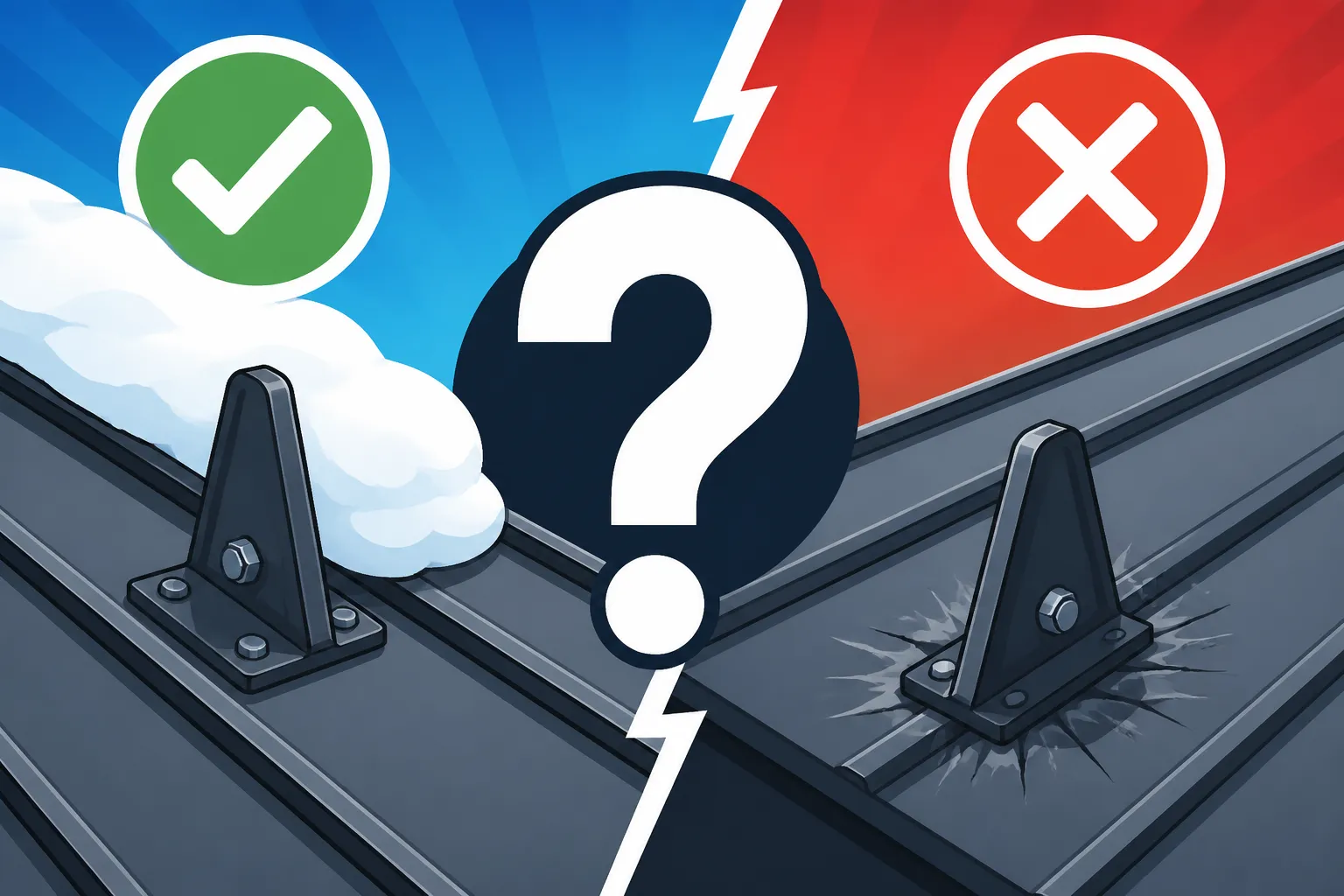
Do Snow Guards Damage a Metal Roof?
If you live in an area that sees its fair share of snow, you know the exhilarating, yet sometimes terrifying, experience of snow sliding off a metal roof. While the thought of a "snow avalanche" clearing your roof might seem efficient, the reality is that it can be incredibly destructive to property and dangerous to people. This often leads homeowners to consider snow guards, but a common worry is: will these necessary additions actually damage the very roof they're meant to protect? This guide will dive deep into the world of metal roof snow guards, separating fact from fear and showing you how to ensure they work for your roof, not against it.
Understanding How Snow Guards Work on Metal Roofs
Metal roofs are fantastic for many reasons, not least their incredible durability and energy efficiency. But for those in snowy climates, one characteristic can be a real headache: their slipperiness. This slick surface, combined with solar gain, often leads to large quantities of snow and ice shedding rapidly, sometimes with dangerous force.
The Problem of "Snow Avalanches"
Imagine waking up to a foot of fresh, heavy snow. On a traditional shingle roof, that snow would likely stay put, slowly melting or sublimating. But on a smooth, low-friction metal roof, especially one exposed to sunlight, that snow can consolidate into a heavy, cohesive mass. When the temperature fluctuates, or enough snow accumulates, that entire mass can suddenly release, sliding off your roof like a giant, icy surfboard. This phenomenon is often dubbed a "snow avalanche" for a very good reason.
The dangers of these uncontrolled snow slides are far from trivial. They can demolish gutters, destroy expensive landscaping, crush outdoor furniture, smash skylights if not properly installed, and even damage parked cars. Worse still, a sudden dump of heavy snow and ice can seriously injure or even be fatal to anyone standing in its path – children playing, pets, or even you trying to clear a path. This very real threat is why so many homeowners in regions from the Rockies to the Northeast find themselves looking for a solution, and that's where snow guards come into play. Your concern about managing this specific hazard is entirely valid; it's a significant functional difference between metal and asphalt roofs that needs careful consideration.
Different Types of Snow Guards
To combat the phenomenon of sudden snow release, various types of snow guards have been developed. Their primary goal is not to stop snow from melting or falling, but to ensure it sheds in a controlled, gradual manner, typically breaking it into smaller, safer chunks, or holding it on the roof until it melts.
Pad-Style Snow Guards
Pad-style snow guards, sometimes called "cleat" or "button" snow guards, are individual units typically spaced in a pattern across the lower portions of the roof. They work by creating friction and impedance, essentially "sticking" into the snowpack and preventing it from sliding en masse. Imagine a series of tiny speed bumps holding back a wave. These guards are often made from durable polycarbonate, cast aluminum, or brass, and come in various colors to match or complement your roof. They are a popular choice for exposed fastener metal roofs, like corrugated or R-panel systems, where they are often screwed directly into the roof panel, ideally through the high ribs to minimize water intrusion points. For standing seam roofs, specialized clamp-on versions are also available, which attach to the standing seams without penetrating the metal panels, preserving the integrity of the roof.
Fence-Style Snow Guards
Fence-style, or "bar-style," snow guard systems create a continuous barrier along the eave of the roof, and sometimes at other key points like above entryways or skylights. Instead of individually disrupting the snow, these systems aim to hold back the entire snow mass, allowing it to melt and shed as water rather than a solid sheet. They consist of a series of vertical posts that clamp to the roof seams (for standing seam roofs) or are fastened to the roof deck (for other profiles), through which one or more horizontal bars are threaded. These systems are particularly effective on standing seam metal roofs, as the clamps can grip the seams without puncturing the roof panels, thus maintaining the roof's watertight seal. They are often preferred for larger roofs or areas with very heavy snow loads, as they offer more robust retention. Brands like S-5! and SnoGem offer comprehensive fence-style systems that can be customized to your roof's specific needs, and a qualified installer might recommend a product from these lines.
Choosing the right type depends heavily on your specific metal roof profile, the average snow load in your area, and aesthetic preferences. While pad-style guards can be more subtle, fence-style systems offer superior retention for significant snow.
Potential Ways Snow Guards Could Damage a Metal Roof and How to Avoid Them
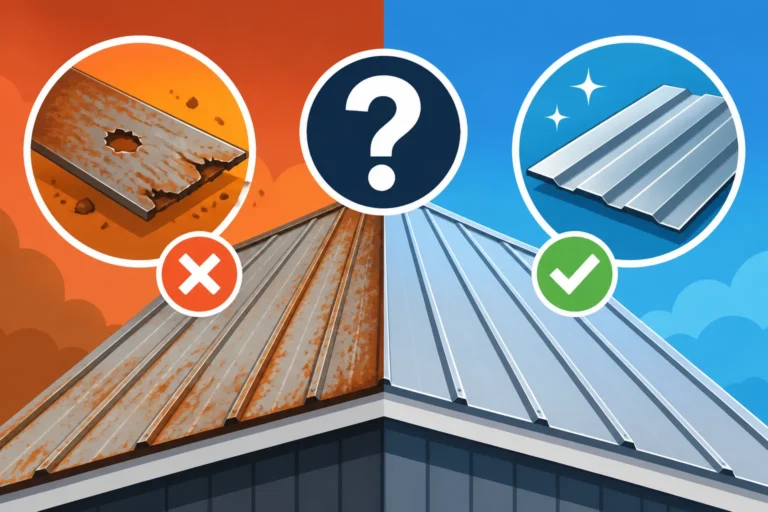
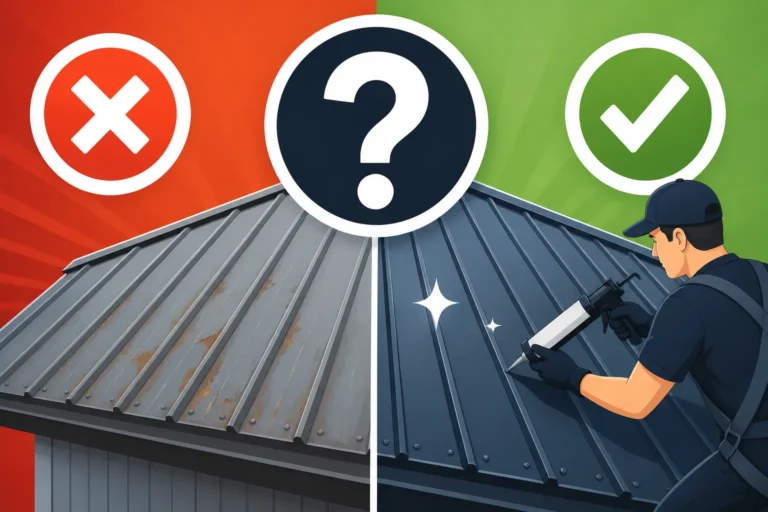
The concern that snow guards might damage a metal roof isn't entirely unfounded, but it's crucial to understand that such damage almost always stems from improper installation, incorrect product selection, or a lack of understanding of the underlying principles. When done right, snow guards protect. When done wrong, they can indeed cause problems.
Improper Installation is the Biggest Culprit
The vast majority of issues attributed to snow guards damaging a metal roof can be traced back to errors made during the installation process. A metal roof is a precise system, and any modification needs to be executed with care and expertise.
Incorrect Fastening
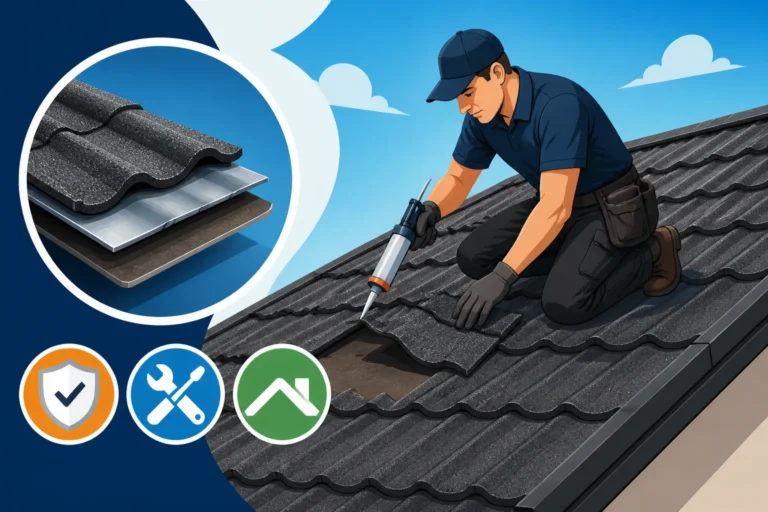
If snow guards are screwed directly into the roof panels, like many pad-style systems on corrugated or exposed fastener roofs, the way they are fastened is paramount. Using the wrong type of screws, overtightening them, or drilling holes in the wrong locations can compromise the integrity of your metal roof. For example, screws that aren't specifically designed for exterior metal applications might rust, leading to staining and eventual leaks. Overtightening can dimple or deform the metal panel, creating weak spots or areas where water can pool. Drilling directly through the low-point of a corrugated panel, instead of the high rib, is a common mistake that guarantees future leaks, as water will naturally flow to that lowest point. Even subtle errors can break the panel's watertight seal, allowing moisture to penetrate beneath the roof, which can lead to rust, rot in the underlying deck, or damage to your home's interior. This is a primary concern and why many homeowners opt for the "no-penetration" solutions for standing seam roofs. For a deeper understanding of the entire roofing process, you might find our guide on the Metal Roof Installation Process: Step by Step helpful.
Wrong Placement and Spacing
Installing snow guards isn't just about screwing them onto the roof; it requires a calculated layout. The number of guards needed, their spacing, and their placement across the roof are critical factors determined by the roof's pitch, local average snow loads, and the specific type of metal roof and guard system. If too few guards are installed, or if they are spaced too far apart, the system may fail under the weight of a heavy snowpack. The snow can simply push past them, or worse, the concentrated load on the few existing guards can cause them to fail, pulling out of the roof panels and potentially damaging them in the process. This can result in bent panels, torn fastener holes, or even structural damage to the roof decking. Conversely, while less common, incorrectly clustering too many guards in one area without proper load distribution across the entire roof slope can also create unnecessary stress points. An experienced contractor will often use specialized software to calculate the optimal layout based on your home's unique specifications, ensuring the system can handle the expected snow load effectively.
Compatibility Issues
Not all snow guards are designed for every metal roof profile. Attempting to force a square peg into a round hole, so to speak, can lead to damage. For instance, some aggressive clamp-on snow guards might scratch the protective coating of a standing seam panel if not properly fitted or tightened, leading to aesthetic blemishes and potentially accelerating corrosion in those compromised areas. Similarly, using an adhesive-mounted snow guard on a roof material or coating it wasn't designed for can result in the guards detaching prematurely, leaving adhesive residue or even peeling off some of the roof's finish. It's vital to ensure that the snow guard system you choose is specifically engineered for your particular metal roof type, whether it's Standing Seam Metal Roof Cost, Corrugated Metal Roof Cost, or Stone-Coated Steel Roof Cost.
Material Incompatibility and Galvanic Corrosion
Another insidious way snow guards can potentially harm your metal roof is through material incompatibility, particularly the risk of galvanic corrosion. This is an electrochemical process where two dissimilar metals come into electrical contact in the presence of an electrolyte (like rainwater or melting snow), causing the more "active" metal to corrode at an accelerated rate.
Imagine having a beautiful aluminum metal roof and installing snow guards made of copper. While both are excellent materials, when they touch, and water bridges the gap, the aluminum would rapidly corrode to protect the copper. This isn't an instant process, but over time, it can lead to pitting, weakening of the metal, and eventual leaks around the snow guard's attachment points. Similarly, using fasteners made of a different metal than both the roof and the snow guard can introduce a third point of corrosion risk. For example, stainless steel fasteners are generally a safe bet for most metal roofing materials as they are relatively noble and corrosion-resistant. However, even within the realm of stainless steel, different grades exist, and choosing the right one is important. Understanding the specific properties of materials, like those discussed in our guide on Metal Roofing Materials Compared: Steel, Aluminum, Copper & Zinc, is key to preventing these issues. Always ensure that the snow guards and their fasteners are made of materials that are compatible with your specific metal roof, often achieved by using materials from the same family or those specifically designed to prevent galvanic reactions.
Overloading and Excessive Stress
While snow guards are designed to withstand significant weight, they are not invincible. If a snow guard system is improperly designed for the maximum snow load your area experiences, or if the distribution of those loads isn't correctly accounted for, the system can fail catastrophically.
Consider a scenario where an unusually heavy snowfall, perhaps a "once-in-a-decade" storm, dumps several feet of wet, heavy snow onto your roof. If your snow guards were specified for average conditions rather than extreme ones, the sheer weight of the snow could overwhelm them. This might cause individual guards or even entire bar systems to bend, break, or, most damagingly, pull out of the roof panels. When a guard pulls out, it can leave behind torn, ripped, or severely deformed metal, creating large holes and compromising the structural integrity of your roof. This isn't just about the immediate damage; it's about the potential for future leaks, panel replacement, and the expense that comes with it. This problem can be exacerbated on roofs with a very low pitch where snow tends to accumulate more, or on very steep roofs where the shearing force of the snow is immense. This underlines why engineering calculations and a thorough understanding of local climate data are absolutely crucial when designing a snow guard system.
Ensuring Snow Guards Protect, Not Harm, Your Metal Roof
The good news is that with proper planning, professional installation, and appropriate material selection, snow guards are an incredibly effective and safe addition to your metal roof. The goal is to leverage their protective capabilities without introducing new vulnerabilities.
Importance of Professional Installation and Design
This cannot be stressed enough: installing snow guards is not a typical DIY project for most homeowners. While some might be comfortable with basic home repairs, metal roofing systems, especially standing seam, are sophisticated. The precision required to maintain the roof's integrity, coupled with the critical engineering needed for proper snow load distribution, demands a professional touch.
Hiring Experienced, Manufacturer-Certified Installers
The single most important step you can take is to hire a contractor who specializes in metal roofing and has extensive experience installing snow guard systems. Look for installers who are manufacturer-certified for the specific metal roofing product on your home. This certification often means they've undergone specialized training and understand the nuances of working with different metal types, coatings, and panel profiles. They'll know the correct fastening methods, appropriate sealants, and how to avoid compromising your roof's warranty. You might use resources like Modernize to find qualified local contractors who understand these specialized needs. Ask potential contractors about their experience with snow guard installations, especially on roofs similar to yours. A great place to start your search is by looking into How to Hire a Metal Roofing Contractor and asking Questions to Ask a Metal Roofing Contractor Before You Hire.
Verifying Credentials and Asking the Right Questions
Don't just take a contractor's word for it. Verify their licensing and insurance. Ask for references specifically related to snow guard installations. Inquire about the engineering calculations they perform to determine the number and placement of guards. A reputable professional will be transparent about their process and able to explain why they recommend a particular system. They should also be familiar with local building codes and snow load requirements. Our article on Manufacturer-Certified Metal Roof Installers Explained can help you understand what to look for in credentials. Remember, this investment is about protecting a much larger investment – your metal roof and your home.
Choosing the Right Snow Guard System
The market offers a wide array of snow guard systems, and selecting the correct one for your specific roof and climate is critical to both effectiveness and preventing damage.
Matching Guards to Roof Type, Material, and Climate
The first consideration is your metal roof's profile. For standing seam roofs, clamp-on systems are often the preferred choice because they attach directly to the vertical seams without penetrating the metal panels. This preserves the roof's watertight seal, which is a major advantage. For exposed fastener systems, like corrugated or R-panel roofs, pad-style guards are typically screwed directly into the high ribs of the panels, requiring careful sealing. The material of your roof also plays a role; ensure the snow guard materials are compatible to avoid galvanic corrosion, as discussed earlier. Finally, your local climate dictates the required robustness. Areas with historically heavy, wet snowfalls will need a more substantial system with closer spacing and stronger guards than regions with lighter, drier snow. Considerations like the amount of sun exposure on your roof, which affects melt rates, can also influence the ideal system design. For more on different roof types, check out Metal Roofing Types Explained: Profiles & Panels.
Benefits of Non-Penetrating and Integrated Systems
Whenever possible, especially on standing seam roofs, opt for non-penetrating snow guard systems. These systems clamp directly onto the standing seams, avoiding any drilling or puncturing of the metal panels. This significantly reduces the risk of leaks associated with fastener holes and helps maintain the manufacturer's warranty. Some modern metal roofing systems even offer integrated snow retention solutions, where the snow guards are designed as part of the roof panel system itself, offering a seamless look and robust protection. While the Metal Roof Cost: Complete 2026 Guide might not always break down snow guard costs, understanding that these specialized systems represent a valuable, long-term investment in safety and roof integrity is crucial.
Regular Maintenance and Inspection
Even with the best installation, regular inspection and maintenance are vital to ensure your snow guards continue to function effectively and don't contribute to roof damage over time. Think of it as preventative care for a critical safety feature.
Periodic Checks for Wear and Tear
Make it a point to visually inspect your snow guards at least once a year, ideally in the fall before winter arrives, and again in the spring after the heavy snow has melted. Look for any signs of loose fasteners, bent or damaged guards, or sections where guards appear to have shifted. Pay close attention to the areas where the guards meet the roof panels; check for any signs of rust, corrosion, or compromised sealant around fastener points. If you have a clamp-on system, ensure the clamps are still securely gripping the seams and haven't slipped. Early detection of minor issues can prevent them from escalating into more significant and costly problems. For a more comprehensive approach to roof care, our Metal Roof Maintenance Guide offers excellent tips, and our Metal Roof Inspection: What to Check article can guide you on what to look for.
Addressing Issues Promptly
Should you discover any issues during your inspection, address them immediately. A loose screw might seem minor, but if left unattended, it can allow water intrusion and eventually lead to rust in the roof deck or even rot. A bent snow guard might indicate an area of high stress that needs reinforcement or adjustment, preventing it from pulling away completely during the next heavy snowfall. Don't hesitate to call your metal roofing contractor if you find anything concerning. They can assess the situation, perform necessary repairs, replace damaged components, or reinforce the system as needed. Proactive maintenance is always less expensive and less disruptive than reactive repairs after significant damage has occurred. This also includes understanding issues like Snow Guards and Winter Metal Roof Issues that are common.
The Benefits Outweigh the Risks When Done Right
When correctly installed and maintained, snow guards are an invaluable addition to a metal roof in snowy regions. The potential for damage is overwhelmingly linked to avoidable errors, meaning the benefits of a well-executed snow guard system far outweigh any perceived risks.
Property and Personal Safety
The most compelling argument for snow guards is the undeniable enhancement of safety. Preventing sudden, uncontrolled avalanches of snow and ice from your roof protects virtually everything below. This includes your home's exterior features like gutters, downspouts, and decorative trim, all of which are vulnerable to being ripped off or crushed by sliding snow. Your landscaping – shrubs, delicate plants, and garden features – will be spared from being buried or flattened. More importantly, cars parked near your home, outdoor furniture, and any pathways or entry points are safeguarded.
Beyond property, the protection of people is paramount. Imagine a child playing in the yard, or a delivery person approaching your front door, just as a huge sheet of ice gives way. The peace of mind that comes from knowing your family, visitors, and belongings are safe from these unpredictable events is priceless. In areas prone to heavy snowfall, snow guards aren't just an accessory; they're a critical safety feature that protects life and limb.
Protecting Your Roof and Investments
While snow guards are primarily thought of for preventing external damage, they also play a crucial role in protecting the metal roof system itself. By controlling snow release, they help prevent the formation of ice dams, which can occur when melting snow refreezes at the colder eaves, causing water to back up under the roof panels and potentially into your home. Ice dams can exert immense pressure on gutters and flashing, leading to leaks and structural damage. Snow guards mitigate this risk by ensuring a more uniform melt and release of water.
Furthermore, by preventing large, heavy sheets of snow and ice from sliding rapidly, snow guards reduce the sheer stress and abrasion on the roof's surface and edges. This helps preserve the integrity of your roof panels and their protective coatings, potentially extending the lifespan of your metal roof. In essence, snow guards contribute to the overall longevity and performance of your entire roofing system, safeguarding your significant investment. This is part of the overall value proposition that makes a metal roof worth it, as discussed in Is a Metal Roof Worth It? ROI, Resale & Payback.
Aesthetic and Value Considerations
Modern snow guard systems are designed with aesthetics in mind. Many manufacturers offer guards in colors that closely match or complement popular metal roof finishes, allowing them to blend seamlessly with your roof's design. For instance, clear polycarbonate guards are virtually invisible on many roofs, while color-matched metal fence-style systems can enhance a contemporary look. When installed correctly, they do not detract from your home's curb appeal.
In fact, for homes in snowy regions, a professionally installed snow guard system can actually add to the home's value and marketability. It signals to potential buyers that the home is well-maintained and equipped to handle local weather conditions safely. It's a practical safety feature that contributes to the functionality and durability of the roof, making your home a more attractive and worry-free prospect for future owners. Just as a metal roof itself can increase home value, as explored in Does a Metal Roof Increase Home Value?, so too can the smart inclusion of essential safety features like snow guards. While calculating How Much Does Snow Guard Installation Cost might factor into your overall budget, the long-term benefits in safety, protection, and potentially home value are clear.
Here's a quick look at the main types of snow guards:
| Snow Guard Type | Installation Method | Ideal Roof Type (Primary) | Pros Related to Damage Prevention | Cons Related to Damage Potential |
|---|---|---|---|---|
| Pad-Style | Screwed into high ribs or clamped onto seams | Exposed Fastener, some Standing Seam | Creates friction points, breaking up snowpack into smaller, safer segments. Low profile. Clamp-on versions for standing seam avoid roof penetration. Can be strategically placed to target specific areas like doorways. | Improper fastening (drilling errors, overtightening) can compromise roof integrity and lead to leaks or panel deformation. Inadequate spacing can lead to guards being ripped off under heavy loads, damaging panels. Material incompatibility can cause galvanic corrosion. |
| Fence-Style | Clamped onto seams (Standing Seam) or fastened to roof deck (other profiles) | Standing Seam, some Exposed Fastener | Provides continuous barrier, retaining entire snow mass until it melts gradually, preventing sudden avalanches. Clamping systems for standing seam roofs eliminate roof penetration, preserving watertightness. Very robust for heavy snow loads. | If not engineered correctly, can put immense concentrated stress on clamp points/fasteners, leading to panel buckling or pull-outs during extreme snow events. Requires precise installation to ensure even load distribution. Aesthetic impact can be more noticeable due to larger profile. |
Disclaimer
Please note that the information provided in this guide is intended for educational and informational purposes only. While we strive to offer accurate and up-to-date advice, building codes, product specifications, and installation best practices can vary significantly by location and specific product. Always consult with a qualified and licensed metal roofing contractor or engineer to assess your specific roofing needs, obtain accurate estimates, and ensure compliance with all local regulations and manufacturer warranties. DIY projects involving roofing can be dangerous and may void warranties; professional installation is highly recommended for safety and optimal performance.