How to Maintain a Metal Roof in New York
Navigating the unique climate of New York can be tough on your home, and your roof bears the brunt of it all. From brutal winters with heavy snowfall and relentless freeze-thaw cycles to humid summers and the occasional coastal salt spray, a metal roof in the Empire State needs more than just a passing glance to stay in top shape. This guide will walk you through everything you need to know about maintaining your metal roof specifically for New York's challenging conditions, helping you protect your investment for decades to come.
Understanding New York's Unique Climate Challenges for Metal Roofs
New York's weather is a true test for any roofing material, and while metal roofs are incredibly durable, they still face specific adversaries in this region. Ignoring these climate-specific challenges can lead to premature wear and costly repairs down the line. It’s not just about surviving a storm; it’s about enduring the constant, subtle stresses that add up over years.
The Freeze-Thaw Cycle and Ice Dams
One of the most insidious threats to metal roofs in New York is the relentless freeze-thaw cycle. Imagine days where temperatures hover around freezing, melting snow and ice, only for them to refreeze solid overnight. This constant expansion and contraction puts immense stress on every part of your roof.
This cycle is a primary driver of ice dam formation, especially common in areas like the Catskills or the Adirondacks where cold snaps are severe and prolonged. Ice dams form when warm air from inside your home escapes into the attic, heating the roof deck and melting snow. This meltwater then runs down to the colder eaves, refreezing and creating a barrier. As more water melts, it backs up behind this dam, seeping under panels, around fasteners, and into your home. This can lead to serious water damage, rot, and even mold growth in your attic and walls. Properly installed underlayment, like the kind discussed in our guide on Metal Roof Underlayment and Ventilation Guide, is critical to combat this. The repeated freezing and thawing can also loosen fasteners and compromise the integrity of sealants, creating pathways for leaks that might not be immediately obvious until the damage is significant.
Heavy Snowfall and Ice Load
From Buffalo's lake-effect snow to the Nor'easters that dump feet of snow on the Hudson Valley and Long Island, heavy snowfall is a given for much of New York. While metal roofs are excellent at shedding snow, the sheer weight of accumulated snow and ice can still be a concern. This is particularly true for low-slope metal roofs or if the snow piles up and becomes saturated with rain.
The immense weight can put stress on the roof’s structure and connections, potentially leading to panel distortion or even structural issues if your home isn't built to handle extreme loads. Additionally, the sudden release of large sheets of snow and ice from a metal roof can be hazardous to people, pets, and property below, including gutters, landscaping, and even parked cars. This is where strategic installation of snow retention systems, also known as snow guards, becomes not just a recommendation but a necessity. Our article on Metal Roof Snow Guards and Winter Metal Roof Issues delves deeper into these crucial protective measures. Without them, you risk damage every winter.
Coastal and Urban Environmental Factors
While heavy snow dominates the upstate narrative, New York's coastal regions, like Long Island and parts of New York City, bring their own set of challenges: salt air corrosion. The saline particles carried by the ocean breeze can accelerate the corrosion process on certain metal roofing materials, particularly if they aren't adequately protected with marine-grade coatings.
Even inland urban environments, such as those found around Albany or Rochester, present unique challenges. Airborne pollutants, acid rain, and general grime can accumulate on your roof's surface, potentially degrading coatings over time and fostering the growth of moss or mildew in shaded areas. This combination of factors requires specific material choices, like aluminum or specialized steel alloys, and diligent cleaning practices to maintain the roof’s aesthetic appeal and protective qualities. Regular rinsing and inspections can help mitigate the effects of these environmental stressors, ensuring your roof remains vibrant and robust.
Essential Annual Metal Roof Maintenance Checklist for New York Homes
Staying on top of your metal roof's maintenance in New York isn't about grand gestures; it's about consistent, methodical attention. A proactive approach will save you considerable time, money, and stress in the long run. Think of it as a seasonal check-up for the most important protective layer of your home.
Seasonal Inspections and Debris Removal
Regular inspections are your first line of defense against minor issues turning into major headaches. In New York, with its distinct seasons, a good rhythm involves inspecting your roof at least twice a year: once in the spring after the snow has melted and once in the fall before winter sets in.
In spring, you're looking for any signs of winter's wrath: shifted or damaged panels, compromised flashing around chimneys or vents, and any areas where ice dams might have caused water ingress. Pay close attention to corners, valleys, and edges. In the fall, focus on clearing away leaves, branches, and other organic debris that can accumulate and trap moisture, leading to corrosion or an environment for moss and algae growth. This is especially true for homes surrounded by deciduous trees in areas like the Finger Lakes or the Hudson Valley. Safely remove any debris from the roof surface and gutters, being careful not to scratch the panels. If walking on your metal roof, always use soft-soled shoes and step only on the flat parts of the panels, never on the ribs, to prevent damage. A damaged panel is much more susceptible to leaks.
Fastener and Sealant Health Check
The fasteners and sealants on your metal roof are critical, often overlooked components, and they are particularly vulnerable to New York's temperature fluctuations. Exposed fastener metal roofs, for instance, rely heavily on the integrity of the screws and their rubber washers to prevent leaks. Over time, UV radiation and the constant expansion and contraction can degrade these washers, causing them to crack or lose their elasticity.
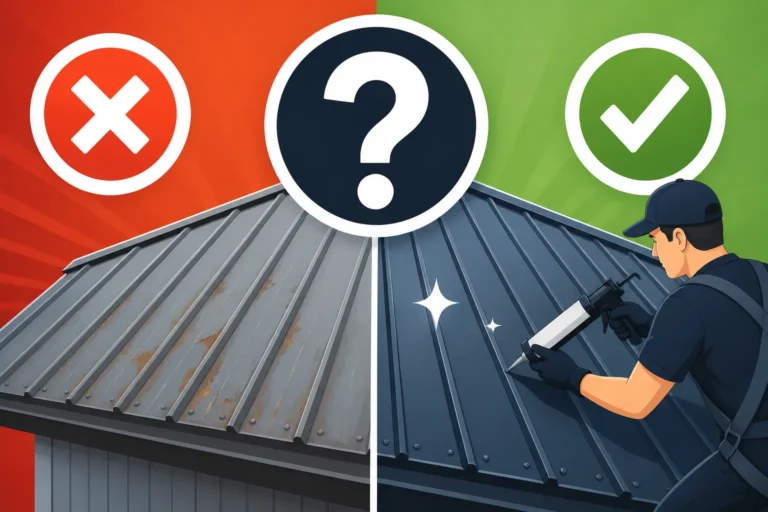
During your inspections, carefully examine all visible fasteners. Look for any screws that appear loose, rusted, or where the rubber washer has deteriorated. It's often a good idea to gently tighten any loose screws – but don't overtighten, as this can strip the threads or damage the panel. For more severe cases, you might need to replace the screws entirely, using new fasteners with fresh, high-quality rubber washers. Likewise, inspect all sealant points around flashing, vents, skylights, and along panel seams. Look for cracking, peeling, or missing sealant. Reapplying a high-grade, UV-resistant sealant as needed can prevent water penetration. Ignoring these small details can lead to significant issues, and our guide on Metal Roof Leak Repair Guide covers how to address these problems effectively.
Gutter and Downspout Cleaning
While not strictly part of the metal roof structure itself, functional gutters and downspouts are absolutely vital for its longevity, especially in New York's climate. With heavy rainstorms and significant snowmelt, your roof generates a lot of water runoff. If gutters are clogged with leaves, pine needles, or other debris, that water has nowhere to go.
Instead of being directed away from your home's foundation, it will overflow, often running down the fascia, siding, and pooling around the base of your house. This can lead to wood rot, foundation problems, and even water intrusion into your basement. Furthermore, clogged gutters can exacerbate ice dam issues in winter. When meltwater backs up in a clogged gutter and refreezes, it creates an even larger ice dam that puts additional stress on the roof edge and can prevent proper drainage, forcing water under your metal panels. Make sure your gutters are clear, properly sloped, and securely attached. Consider investing in gutter guards if you have a lot of trees around your property to minimize future clogs, reducing the frequency of this often-unpleasant chore.
Preventing Common Metal Roof Issues in New York
Preventative maintenance goes beyond simple cleaning; it involves understanding the root causes of common metal roof problems in New York and implementing strategies to avoid them. By being proactive, you can significantly extend the life and performance of your roof.
Mitigating Ice Dam Formation
Ice dams are a homeowner's nightmare in New York, and while we touched on them earlier, actively preventing them is key. It's not just about removing snow from the roof; it's about addressing the underlying causes. The primary culprit is typically inadequate attic insulation and ventilation. Warm air from your living space rises into the attic, heats the roof deck, and causes snow to melt from the bottom up.
To mitigate this, ensure your attic has sufficient insulation to prevent heat transfer to the roof sheathing. The R-value recommended for New York homes is typically quite high due to the cold winters. Secondly, proper attic ventilation is crucial. This includes both intake vents (e.g., soffit vents) and exhaust vents (e.g., ridge vents or gable vents) that allow a continuous flow of cold outdoor air through the attic. This keeps the attic temperature consistent with the outdoor air, preventing the roof deck from becoming warm enough to melt snow. Additionally, installing quality snow guards along the eaves of your metal roof can help manage snowmelt more gradually, reducing the chance of large ice accumulations. You might also consider heat cables in problem areas, though these should be installed by a professional to ensure safety and effectiveness.
Rust and Corrosion Prevention
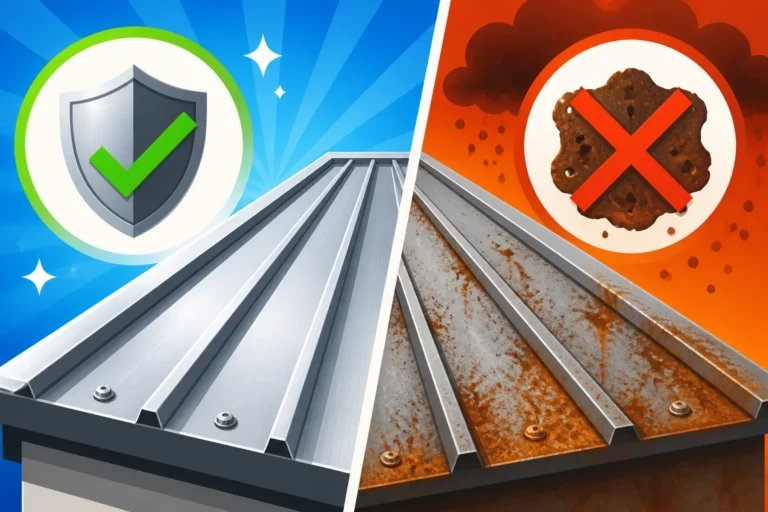
Metal roofs are renowned for their durability, but rust and corrosion are still potential threats, especially in New York's diverse environments. Different metals have different resistances, but proactive prevention is always the best strategy. For coastal properties, specifying an aluminum roof or steel with a robust Galvalume coating (an alloy of zinc and aluminum) and a high-quality Kynar 500 (PVDF) paint finish is highly recommended due to their superior corrosion resistance against salt spray.
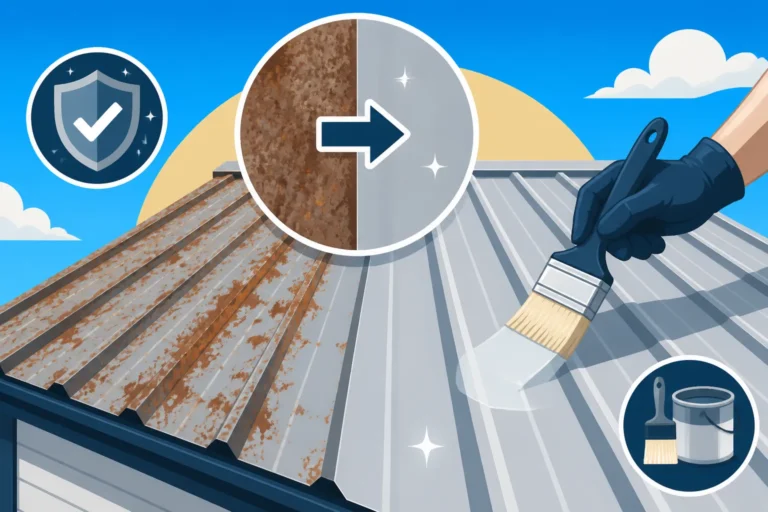
Even inland, stagnant water on the roof, particularly in areas where debris collects, can lead to localized corrosion over time. Regular cleaning to remove leaves, dirt, and other organic matter prevents moisture from lingering and creating corrosive conditions. If you notice any scratches or areas where the protective coating has been compromised, addressing them promptly is vital. Small scratches can be carefully cleaned and touched up with manufacturer-approved repair paint to prevent the spread of rust. Our Metal Roof Rust and Corrosion Treatment guide offers specific advice on dealing with existing rust spots and preventing future issues.
Addressing Scratches and Fading
Over decades of service, even the toughest metal roofs can experience cosmetic wear and tear. Scratches can occur during installation, from falling branches, or simply from heavy use. Fading of the paint finish, while typically slow, can also happen, especially on roofs exposed to intense sun exposure over many years, like those in unshaded open areas of upstate New York.
Minor scratches, if they haven't penetrated the metal's protective layers, are largely cosmetic. However, deeper scratches that expose the metal substrate can become entry points for moisture and lead to rust if not addressed. Most reputable metal roofing manufacturers, like Modernize partners with, offer touch-up paint kits that match your roof's original color. Applying this paint carefully to cleaned, scratched areas can restore the protective barrier and maintain the aesthetic. For more extensive fading or a desire to completely refresh the look of an older roof, a full recoating or repainting might be an option. This is a more involved process that should be undertaken by professionals to ensure proper surface preparation and application of specialized roofing paints designed for metal. Our resource on Repainting and Recoating a Metal Roof offers more details on this process.
When to Call in the Professionals for Your New York Metal Roof
While diligent DIY maintenance can go a long way, there are times when a metal roof problem in New York calls for the expertise of a professional. Knowing when to escalate an issue can save you from more extensive and costly repairs down the line.
Recognizing Signs of Serious Damage
Some roof issues are clearly beyond the scope of a weekend warrior. If you notice large panels that are significantly dented, warped, or detached after a severe storm common to regions like the Finger Lakes or Adirondacks, that's a job for a pro. Similarly, widespread rust, persistent leaks that don't respond to simple sealing, or visible structural damage to the roof decking or trusses are all red flags.
Hail damage, a sporadic but serious threat in parts of New York, can leave significant dents in metal panels. While some cosmetic dents might be tolerable, those that compromise the panel's integrity or coating need immediate attention to prevent future leaks or accelerated corrosion. Any damage that impacts the roof's ability to shed water effectively or compromises its structural integrity should prompt a call to a qualified roofing contractor. Our article on Metal Roof Storm, Hail & Wind Damage provides a detailed overview of what to look for after severe weather.
Finding a Reputable Metal Roofing Contractor in New York
Choosing the right professional for your metal roof in New York is crucial. You need someone who understands the nuances of metal roofing and the specific challenges of the local climate. Start by looking for contractors with a strong track record specifically in metal roof installation and repair, not just general roofing.
Ask for references from past metal roofing projects, particularly those completed in similar climate zones within New York. Verify their licensing, insurance, and bonding – these are non-negotiable protections for you as a homeowner. Platforms like Modernize can connect you with pre-vetted local contractors, helping you streamline the search and get multiple quotes. Don't shy away from asking pointed questions, such as those highlighted in our guide Questions to Ask a Metal Roofing Contractor Before You Hire. Inquire about their experience with specific metal types and profiles (e.g., standing seam versus corrugated), their understanding of local building codes, and the warranties they offer on their workmanship. For instance, contractors working in hurricane-prone coastal areas of Long Island should be familiar with stricter wind-resistance requirements.
Understanding Warranties and Insurance Claims
When a significant issue arises, especially one caused by severe weather, understanding your metal roof's warranties and your homeowner's insurance policy is paramount. Most metal roofs come with a manufacturer's warranty covering the materials and finish, which can range from 20 to 50 years or even lifetime. The contractor typically provides a separate warranty on their workmanship.
It's vital to know what these warranties cover and, just as importantly, what they don't cover. Some manufacturer warranties might be voided if repairs are attempted by uncertified individuals. If the damage is due to an insurable event like a hailstorm or high winds, you'll need to file a claim with your homeowner's insurance. Documenting the damage thoroughly with photos and working with a reputable contractor who can provide detailed estimates for the insurance company is key. Being prepared before disaster strikes can make the process much smoother. For a deeper dive into what to expect, refer to our comprehensive article on Metal Roof Warranties: Workmanship vs Manufacturer.
Common New York Metal Roof Issues and Solutions
To help summarize, here's a quick overview of some common metal roof challenges specific to New York and their practical solutions.
| Issue | Common Locations in NY | Primary Cause | Maintenance Solution |
|---|---|---|---|
| Ice Dam Formation | Upstate NY, Catskills, Adirondacks | Inadequate attic ventilation/insulation | Improve attic airflow, add insulation, consider snow guards |
| Corrosion (Salt Air) | Long Island, NYC Coastal Areas | Salt spray, improper material/coating | Choose aluminum/Galvalume with PVDF coating, regular rinsing |
| Fastener Failure/Leaks | All regions (due to freeze-thaw) | UV degradation, thermal expansion/contraction | Regular inspection, tighten/replace screws with new washers |
| Panel Scratches/Fading | All regions | Abrasion, UV exposure | Touch-up paint, professional recoating for widespread fading |
| Debris Accumulation/Clogged Gutters | Treed areas (Hudson Valley, Finger Lakes) | Leaves, pine needles, organic matter | Seasonal cleaning, consider gutter guards |
| Heavy Snow/Ice Load Stress | Upstate NY, areas of heavy snowfall | Accumulation of snow and ice | Professional snow removal, verify roof structure, install snow retention |
| Urban Pollution Buildup | NYC, Albany, Rochester | Airborne pollutants, acid rain | Regular soft washing with mild detergent |
Regular maintenance and timely repairs are your best friends in ensuring your metal roof stands strong against everything New York weather can throw at it.
Disclaimer
This guide offers general information and recommendations for metal roof maintenance in New York. While we strive for accuracy and realism, it is not a substitute for professional advice. Always consult with a qualified, licensed, and insured metal roofing contractor for specific inspections, repairs, and installations relevant to your home's unique situation and local building codes. Building codes and climate conditions vary even within New York, so always verify local requirements.