Does a Aluminum Roof Rust or Corrode?
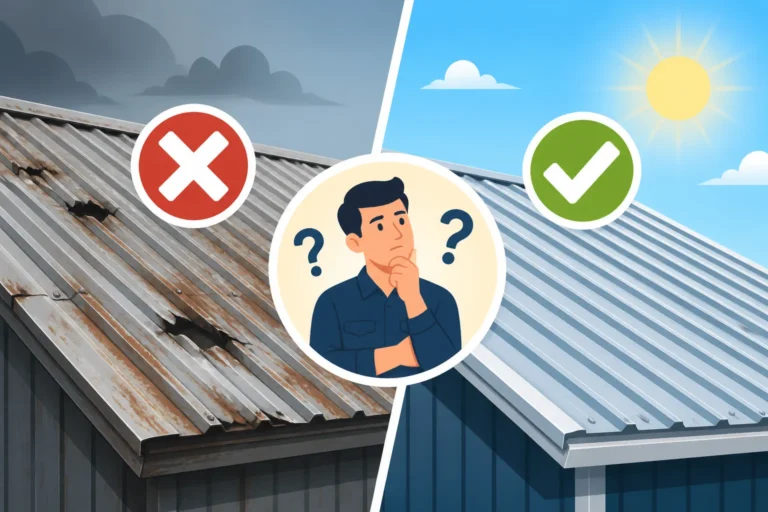
It's a frustrating situation to consider investing in a beautiful, long-lasting metal roof, only to be plagued by concerns about its durability against the elements. Many homeowners worry if their choice of metal, particularly aluminum, will succumb to the relentless forces of rust and corrosion over time, eroding both its appearance and structural integrity. This guide will walk you through the science behind aluminum's exceptional resistance, clarify the differences between rust and corrosion, and explain exactly how an aluminum roof stands up to degradation, ensuring you can make an informed decision for your home.
Understanding Rust vs. Corrosion in Metal Roofing
Before we dive into aluminum specifically, it's crucial to understand the difference between rust and the broader concept of corrosion. These terms are often used interchangeably, but they represent distinct chemical processes, and knowing the difference will help you appreciate why certain metals perform the way they do on your roof.
What is Rust (Oxidation)?
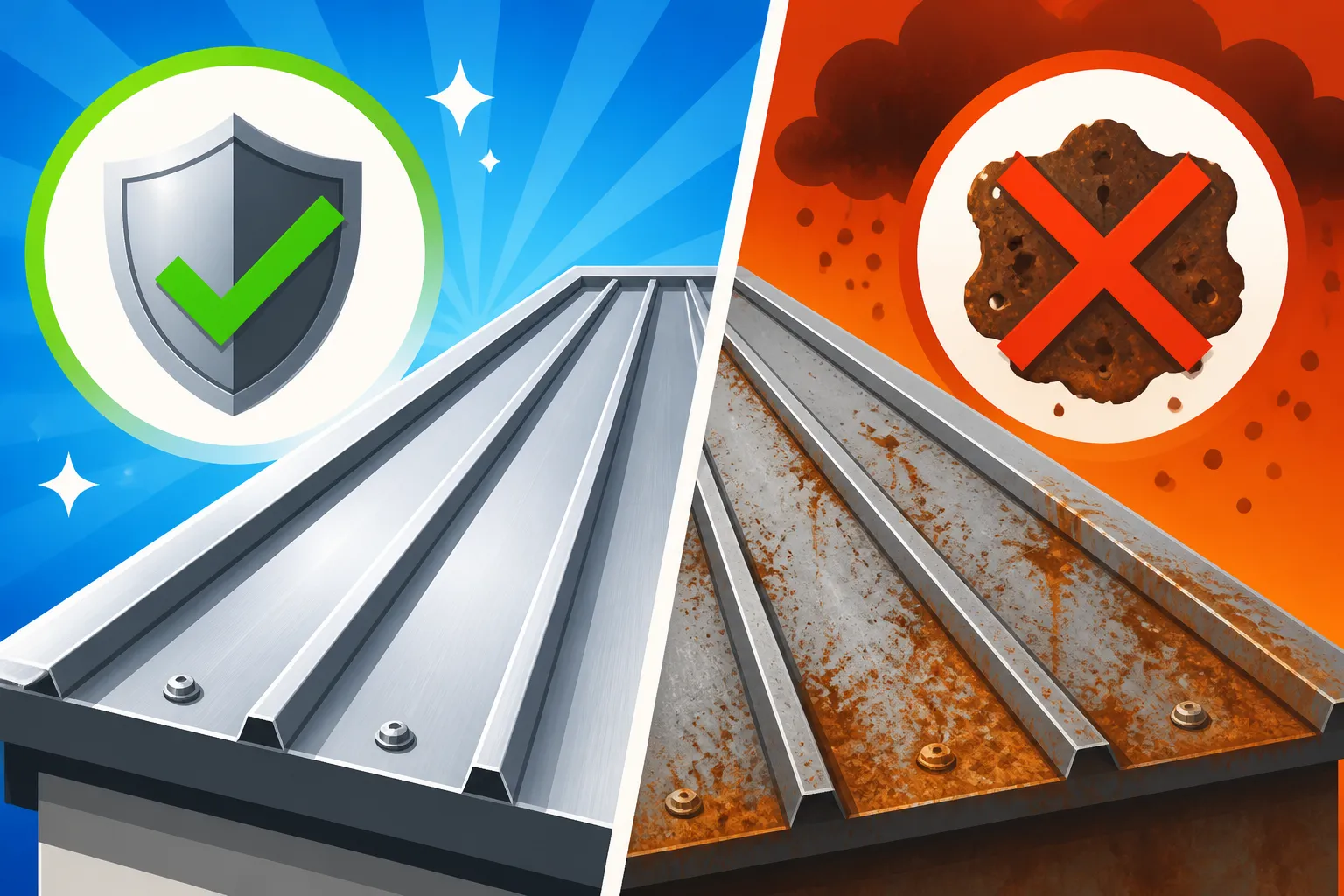
Rust is a very specific type of corrosion that only affects iron and its alloys, like steel. Chemically, rust is iron oxide, typically reddish-brown, and it forms when iron comes into contact with both oxygen and moisture. Think of an old iron fence left out in the rain, or a discarded steel can gradually turning flaky and red. This process, known as oxidation, causes the metal to expand, weaken, and eventually crumble.
The problem with rust is that it's a destructive cycle. Once rust forms, it doesn't create a protective barrier; instead, it's porous and allows more oxygen and moisture to penetrate deeper into the metal, accelerating further decay. This is why when steel roofs are used, they are almost always coated with protective layers like zinc (galvanized steel) or a blend of zinc and aluminum (Galvalume) to prevent the underlying steel from being exposed to the elements and rusting.
What is Corrosion?
Corrosion, on the other hand, is a much broader term. It refers to the gradual degradation of materials, usually metals, due to chemical or electrochemical reactions with their environment. While rust is a form of corrosion, not all corrosion is rust. Metals like copper, zinc, and yes, aluminum, don't rust because they don't contain iron. However, they can still corrode.
Corrosion can manifest in many ways: tarnishing, pitting, general thinning, or even galvanic reactions. The way a metal corrodes determines its longevity and suitability for specific environments. For instance, copper develops a beautiful green patina, which is a form of corrosion that actually protects the underlying metal, unlike rust. Understanding this distinction is key to evaluating any metal roofing material.
The Truth About Aluminum and Rust
This is where aluminum truly shines, especially for homeowners looking for a low-maintenance, long-lasting roofing solution. The simple, direct answer to the question "Does an aluminum roof rust?" is a resounding no.
Why Aluminum Doesn't Rust and What It Does Instead
Aluminum is a non-ferrous metal, meaning it does not contain iron. Since rust is specifically the oxidation of iron, aluminum simply doesn't have the necessary chemical components to rust. You'll never see an aluminum roof turn flaky and reddish-brown like an untreated steel roof might. This inherent quality is one of aluminum's greatest advantages as a roofing material, virtually eliminating one of the biggest concerns homeowners have about metal degradation.
Instead of rusting, when aluminum is exposed to air, it immediately reacts with oxygen to form a thin, transparent layer of aluminum oxide on its surface. This might sound similar to rust, but the key difference lies in the properties of this oxide layer. Unlike rust, which is destructive, aluminum oxide is incredibly tough, stable, and chemically inert. It forms a highly effective barrier that protects the underlying metal from further environmental attack.
How Aluminum Protects Itself: The Passivation Layer
This naturally formed aluminum oxide layer is often referred to as a "passivation layer." It's essentially aluminum's built-in bodyguard, constantly working to shield the metal beneath. Think of it like a superhero's force field. As soon as the bare aluminum surface is exposed to oxygen, this layer forms almost instantaneously, sealing off the metal from the elements.
What's truly remarkable about this passivation layer is its self-healing capability. If the aluminum surface gets scratched or scuffed, exposing fresh metal, the oxide layer will quickly reform in that exact spot, restoring its protective barrier. This self-repairing mechanism is why aluminum roofing remains so durable and resistant to environmental damage even in harsh conditions. This makes aluminum an excellent choice, particularly in coastal regions where salt air would quickly devastate other metals. If you're considering a metal roof for such an environment, exploring options like the Best Metal Roof for Coastal and Salt Air can be very beneficial.
Types of Corrosion Aluminum Roofs Can Experience
While aluminum doesn't rust, it's not entirely immune to all forms of corrosion. It's important for homeowners to understand the specific types of corrosion aluminum can experience, even if they are far less common or severe than the rust found on steel. Knowing these can help in proper installation and maintenance.
Galvanic Corrosion: The Hidden Threat
Galvanic corrosion occurs when two different metals are in electrical contact with each other in the presence of an electrolyte (like moisture, especially saltwater). It's a bit like a tiny battery forming on your roof. The more "active" metal in the pairing will corrode preferentially to protect the less active one. Unfortunately, aluminum is a relatively active metal.
This means if aluminum panels are installed with fasteners, flashing, or other components made from more noble (less active) metals like copper or certain types of steel without proper isolation, the aluminum can corrode. For instance, a copper flashing directly touching an aluminum panel can cause the aluminum to degrade over time, leading to pitting or thinning at the contact point. This is why reputable installers use specific, compatible fasteners and isolation materials, often made of stainless steel with special coatings or nylon washers, to prevent direct metal-to-metal contact. When planning your Metal Roof Installation Process: Step by Step, ensure your contractor prioritizes galvanic isolation.
Pitting Corrosion: Localized Damage
Pitting corrosion is a localized form of corrosion that results in small holes or "pits" on the metal surface. While the overall aluminum surface might appear fine, these tiny, concentrated areas of attack can eventually penetrate the metal. Pitting is typically caused by localized breakdown of the passivation layer due to specific environmental factors.
Common culprits for pitting corrosion on aluminum roofs include:
- Stagnant water: Areas where water consistently pools (e.g., due to poor drainage, accumulated debris like leaves or dirt).
- Chlorides: Exposure to salt spray in coastal areas or de-icing salts can exacerbate pitting.
- Specific contaminants: Certain chemicals or pollutants can locally disrupt the protective oxide layer.
Good design, proper drainage, and regular cleaning are crucial in preventing pitting corrosion. If you notice any unusual spots or localized damage, it’s worth contacting a professional for a Metal Roof Leak Repair Guide.
Crevice Corrosion: Where Moisture Hides
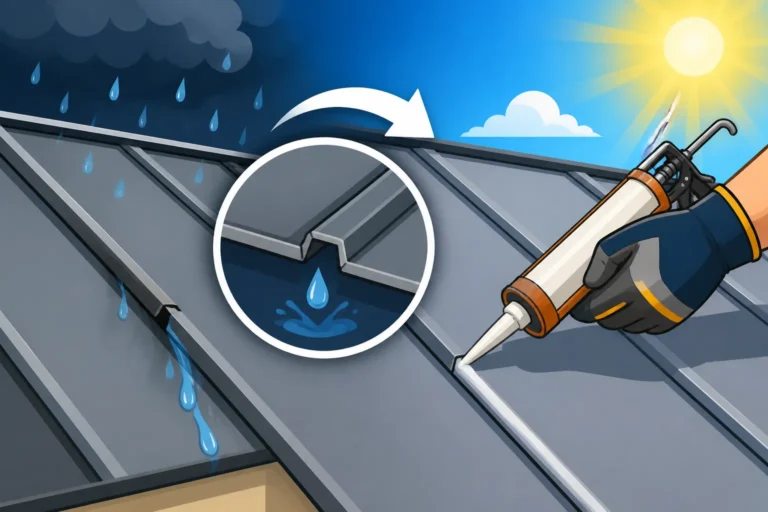
Similar to pitting corrosion, crevice corrosion is also localized but occurs specifically within tight gaps or crevices where oxygen circulation is restricted. These areas might be between two overlapping panels, under a washer, or where dirt and debris accumulate against the metal surface. In these confined spaces, the oxygen level inside the crevice can become depleted, while the outside surface remains oxygen-rich.
This difference in oxygen concentration can create an electrochemical cell, leading to accelerated corrosion within the crevice. This is particularly concerning because crevice corrosion often remains hidden until the damage is significant. Proper installation, ensuring tight seals, and designing for good drainage to prevent moisture from lingering in crevices are vital. Selecting the correct Metal Roof Fasteners and Washers Explained with integrated sealing elements is also a key preventive measure.
Chemical Corrosion: Environmental Exposure
While the aluminum oxide layer is robust, it can be compromised by exposure to certain aggressive chemicals, leading to chemical corrosion. Acid rain, industrial pollutants, or even strong, inappropriate cleaning agents can strip away or dissolve the protective oxide layer, leaving the bare aluminum vulnerable to attack.
For example, prolonged exposure to highly acidic or highly alkaline substances can degrade the aluminum surface. This type of corrosion is less common for residential roofs unless they are located near industrial areas or if harsh chemicals are inadvertently used for cleaning. Using proper Metal Roof Maintenance Guide techniques, including recommended cleaning solutions, is essential to avoid this.
Protecting Your Aluminum Roof from Corrosion
Even with aluminum's natural rust resistance and self-healing oxide layer, taking proactive steps can further extend its lifespan and maintain its aesthetic appeal. The good news is that most of these protective measures are standard best practices for any high-quality metal roof installation.
Proper Installation Techniques
The foundation of a long-lasting, corrosion-resistant aluminum roof lies in its installation. A skilled and experienced contractor understands the specific requirements for working with aluminum. A common mistake is using incompatible materials, especially fasteners and flashing.
- Compatible Fasteners: Always insist on stainless steel fasteners that are specifically rated for aluminum roofing or fasteners with specialized coatings that prevent galvanic corrosion. Never use plain galvanized steel or copper fasteners directly with aluminum panels.
- Isolation Barriers: In situations where aluminum must come into contact with other metals (e.g., steel framing or certain types of flashing), isolation barriers like butyl tape, neoprene washers, or non-conductive shims should be used to prevent direct contact and subsequent galvanic corrosion.
- Ventilation and Drainage: A well-designed roof system includes proper ventilation under the panels and ensures effective water drainage. This prevents moisture accumulation, which can lead to pitting and crevice corrosion. Good ventilation also helps prevent condensation, another potential source of moisture. To understand how critical these elements are, look into a comprehensive Metal Roof Underlayment and Ventilation Guide.
When you're ready to get quotes for an aluminum roof, consider using a service like Modernize to connect with experienced contractors who understand these nuances and can ensure a proper, corrosion-resistant installation.
Regular Cleaning and Maintenance
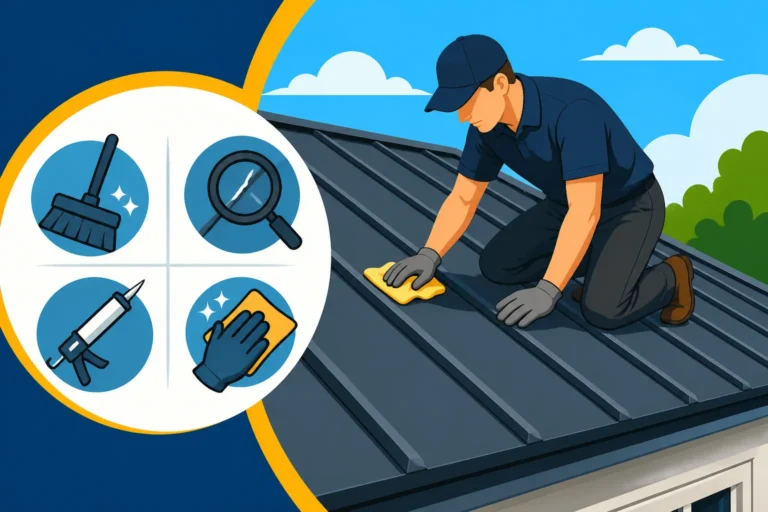
While aluminum roofs are known for their low maintenance, a little regular care goes a long way in preventing localized corrosion. Keeping the roof surface clean and free of debris is paramount.
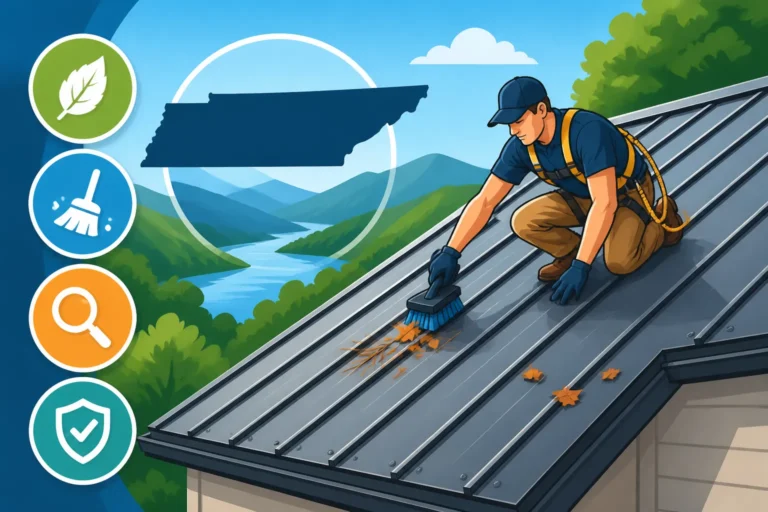
- Remove Debris: Regularly clear leaves, twigs, dirt, and other organic matter from the roof, especially in valleys, around chimneys, and near dormers where debris can accumulate. This prevents stagnant water and organic acids from forming, which can lead to pitting or crevice corrosion.
- Gentle Cleaning: If you notice dirt buildup or mildew, clean the roof with a soft brush and a mild detergent solution, then rinse thoroughly with plain water. Avoid harsh abrasive cleaners or strong chemicals that could damage the factory finish or compromise the passivation layer.
- Inspect Regularly: Perform visual inspections at least once a year, preferably in the spring and fall. Look for any signs of debris buildup, potential water pooling, or unusual discoloration. Early detection of any issues can prevent them from becoming larger problems. A thorough Metal Roof Inspection: What to Check can highlight potential weak spots.
High-Quality Coatings and Finishes
Modern aluminum roofing panels often come with advanced factory-applied coatings that provide an additional layer of protection against environmental elements, UV radiation, and chemical exposure. These coatings also offer a wide range of colors and aesthetic options.
- PVDF (Kynar 500) Coatings: These are considered the gold standard for metal roofing. PVDF coatings are exceptionally durable, color-retentive, and resistant to chalking, fading, and chemical degradation. They significantly enhance the corrosion resistance of the aluminum, ensuring the roof maintains its appearance and integrity for decades. Understanding the benefits of these coatings, especially compared to others, can be found in resources like PVDF vs SMP Paint Coatings for Metal Roofs.
- SMP Coatings: Silicone-modified polyester (SMP) coatings are another popular option, offering good durability and color retention at a more accessible price point. While generally not as long-lasting as PVDF, they still provide excellent protection for aluminum roofing.
- Enhanced Durability: These coatings not only protect the aluminum from UV rays and atmospheric pollutants but also add an extra barrier against moisture and incidental chemical exposure, effectively shielding the natural passivation layer and contributing to the incredible lifespan of aluminum roofs. While the Aluminum Roof Cost can be higher initially, these coatings contribute significantly to its long-term value.
Comparing Aluminum's Corrosion Resistance
To truly appreciate the benefit of aluminum, it's helpful to see how its corrosion resistance stacks up against other common roofing materials.
| Metal Roofing Material | Does it Rust? | Primary Corrosion Type(s) | Protective Mechanism | Environmental Suitability | Typical Lifespan |
|---|---|---|---|---|---|
| Aluminum | No (non-ferrous) | Galvanic, Pitting, Crevice, Chemical | Self-forming, self-healing oxide (passivation) | Excellent in coastal, industrial, and high-moisture areas. Very durable. | 50-70+ years |
| Steel (Galvalume) | No (protected) | Cut-edge rust, localized coating failure | Zinc/Aluminum-zinc alloy coating sacrifices itself | Good for most environments, but watch for scratched coatings or exposed edges. | 40-60 years |
| Copper | No (non-ferrous) | Patina (green/blue), localized pitting | Self-forming, protective patina (copper carbonate) | Excellent, highly durable, and aesthetic in all climates. Develops distinct appearance. | 100+ years |
| Zinc | No (non-ferrous) | Patina (blue-gray), localized pitting | Self-forming, protective zinc carbonate patina | Excellent, very durable, often used in architectural applications. Self-healing scratches. | 80-100+ years |
| Tin (Terne-Coated Steel) | No (protected) | Coating failure, underlying steel rust | Lead-tin alloy coating | Historical material, less common now due to lead concerns. Requires painting for protection. | 50-70 years |
Note: Lifespans are estimates and can vary significantly based on installation quality, specific alloy, coatings, and environmental conditions.
As you can see, aluminum stands out as a top-tier performer in terms of corrosion resistance, especially compared to raw steel. While other metals like copper and zinc also offer superb longevity and resistance, aluminum provides a fantastic balance of durability, lightness, and cost-effectiveness. When comparing the Metal Roof Cost by Material: Steel vs Aluminum vs Copper vs Zinc, aluminum often presents a very compelling value proposition.
Final Thoughts on Aluminum and Your Roof
Hopefully, this deep dive has shed light on why aluminum is such a respected and durable choice for metal roofing, and why you don't need to lose sleep worrying about it rusting. Its inherent resistance to rust, thanks to its non-ferrous nature, combined with its unique, self-healing passivation layer, makes it an incredibly resilient material.
While it's true that aluminum isn't entirely immune to all forms of corrosion – especially if it's improperly installed or neglected – these issues are generally localized and preventable. By choosing a reputable contractor, using proper installation techniques that prevent galvanic corrosion, and performing basic, consistent maintenance, your aluminum roof will perform beautifully for many decades. It truly is one of the most reliable and long-lasting investments you can make for your home's protection and curb appeal. Should you need to find an expert, remember services like Modernize can help you connect with qualified professionals in your area.
Disclaimer
The information provided in this article is for general informational purposes only and does not constitute professional advice. While we strive to offer accurate and up-to-date content, roofing conditions, building codes, and material specifications can vary. Always consult with a qualified and licensed metal roofing contractor or engineer for specific advice related to your individual property and project. We are not liable for any loss or damage arising from reliance on the information presented herein.