Metal Roof Repair Cost in Denver
Experiencing damage to your metal roof in Denver can be incredibly stressful, whether it's from a sudden hail storm, relentless winds, or just the wear and tear that comes with our unique mountain climate. You're probably wondering not only if it can be fixed, but more importantly, how much it’s going to cost to get things back in shape. This comprehensive guide will walk you through the various factors that influence metal roof repair costs in the Mile High City, help you understand what to expect, and provide realistic insights to help you make informed decisions about your home.
Understanding Metal Roof Repair Costs in Denver
Denver's weather patterns are, to put it mildly, unpredictable. One day you're enjoying sunshine, the next you're dodging golf-ball-sized hail or bracing for high winds. This extreme variability makes metal roof repair a common concern for homeowners here. Knowing what typically causes damage and the factors that drive repair costs is the first step in addressing the issue effectively.
Common Damages Requiring Repair in Denver
Our local climate plays a huge role in the types of damage metal roofs commonly sustain. It's rarely just simple wear and tear; often, it's a direct result of Mother Nature's powerful hand.
Denver, like much of Colorado, is no stranger to intense hailstorms, and unfortunately, metal roofs, while incredibly durable, aren't entirely immune. While they typically don't puncture like asphalt shingles, hail can cause significant cosmetic damage, leading to dents and dings across panels. In severe cases, these impacts can compromise the protective coating, potentially exposing the metal to corrosion over time if not addressed. Even if it looks like just a cosmetic issue, these impacts can weaken the panel, making it more susceptible to future damage.
Beyond hail, our strong Front Range winds can be a real menace. Gusts routinely exceed 50 mph, and sometimes much higher, especially during spring and fall. These high winds can lift or loosen metal panels, especially those with exposed fasteners, leading to detachment or tearing around the fasteners. Flashing, the metal strips that seal joints and edges, can also get peeled back or damaged, creating vulnerable spots for leaks to develop. If your roof has an older installation or wasn't properly secured, wind damage can be quite extensive.
While not as common for metal roofs as for other types, heavy snow loads and subsequent ice dams can also lead to issues. If snow guards aren't properly installed or the roof's slope isn't steep enough, accumulated snow can put immense pressure on panels and fasteners. As temperatures fluctuate, ice dams can form along eaves, causing water to back up and seep under panels or flashing, leading to interior leaks. For properties at higher elevations or in specific microclimates within the Denver metro area, this is a more pronounced concern.
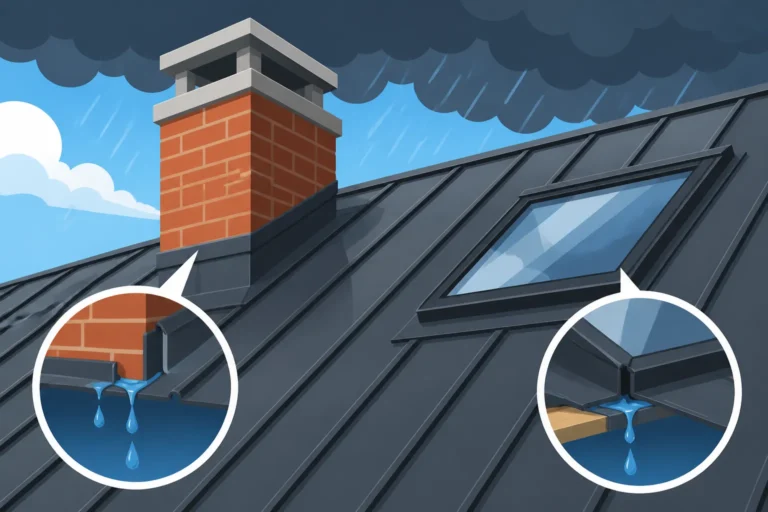
Finally, even without major weather events, issues can arise from the fasteners themselves. Screws can back out over time due to thermal expansion and contraction, or their rubber washers can degrade and crack, creating entry points for water. Similarly, flashing around chimneys, skylights, or vents can deteriorate, corrode, or become dislodged, breaking the critical watertight seal. These smaller, more localized issues might seem minor, but they are often the sneaky culprits behind frustrating leaks.
Factors Influencing Repair Price
When you're trying to figure out the cost of a metal roof repair, it's not a one-size-fits-all answer. Several key factors come into play, and they can swing the price considerably. Understanding these elements will help you decipher quotes and anticipate expenses.
The type of metal roof on your home is a primary cost driver. A standing seam metal roof, for instance, generally costs more to repair than a corrugated metal roof. Standing seam panels are typically larger, heavier, and require specialized tools and expertise to work with, especially when trying to maintain their concealed fastener system. Repairing damage to a complex metal shingle or stone-coated steel roof can also be more labor-intensive due to their intricate design and installation methods, often requiring individual panel removal and replacement. The specific material — whether it's steel, aluminum, copper, or zinc — also impacts the material cost, with copper and zinc being significantly more expensive.
Naturally, the extent and severity of the damage are huge factors. A few loose screws or a small dent in one panel will be far less costly to fix than multiple compromised panels or widespread flashing issues. If the damage has led to water intrusion and affected the underlayment or decking beneath, the repair scope expands significantly, adding to both labor and material costs. Early detection and prompt repair can often prevent minor issues from escalating into major, more expensive problems, which is why regular inspections are so important.
The ease with which roofers can access your roof also impacts labor costs. A single-story ranch house with a gently sloping roof is much easier and safer to work on than a steep, multi-story roof with complex angles or difficult-to-reach sections. Steep pitches, multiple rooflines, dormers, and skylights all add complexity, requiring more safety measures and time for the crew, which translates to higher labor rates. If special equipment like scaffolding or lifts are needed, that will also factor into the overall price.
Material costs fluctuate based on market demand, supply chain issues, and the specific type of metal and coating required. For homeowners in Denver, local availability and shipping costs for specialty panels or colors can also play a role. Reputable contractors usually have established relationships with suppliers like McElroy Metal or Metal Sales, ensuring access to quality materials, but these costs are largely out of their control. For example, replacing a single, custom-bent standing seam panel might involve significant material and fabrication costs beyond just a standard corrugated sheet.
Labor rates in the Denver metropolitan area are generally higher than the national average, reflecting the cost of living and demand for skilled tradespeople. A specialized metal roofing contractor with extensive experience and certifications will naturally command higher rates than a less experienced general roofer. The complexity of the repair, the tools required, and the time it takes to meticulously execute the work all contribute to the overall labor cost.
Lastly, don't forget about permits. In Denver, a permit is typically required for roof replacements and often for significant repairs that involve structural changes or a large percentage of the roof's surface. Your contractor should handle the permit process, but the fees will be part of your total cost. Ensure your chosen contractor is familiar with local building codes, especially related to wind resistance and snow loads, to avoid potential issues down the line. You can learn more about metal roof permits by checking out our guide on Do You Need a Permit for a Metal Roof?.
Average Metal Roof Repair Costs in Denver by Damage Type
Let's get down to the numbers, keeping in mind that these are general estimates. Getting accurate quotes from local Denver contractors is always the best way to determine your specific costs.
Minor Repairs: Leaks, Screws, and Small Dents
For those smaller, nagging issues, metal roof repair can be surprisingly affordable, especially when caught early. Think of these as the quick fixes that prevent bigger headaches.
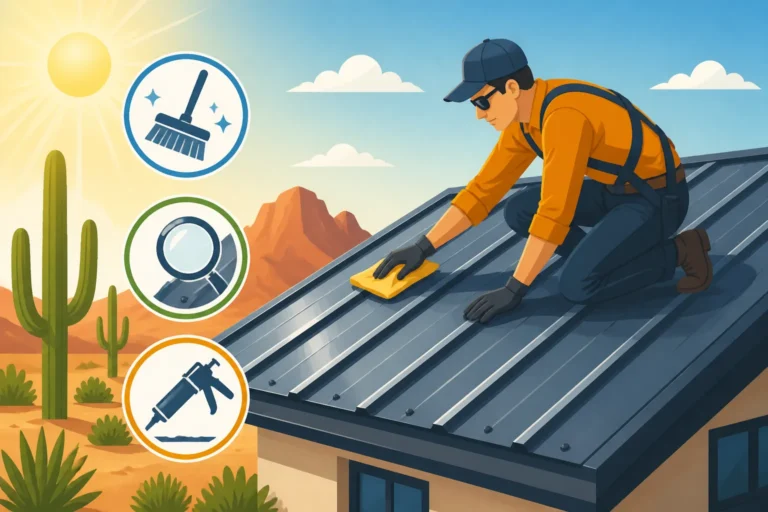
If you've got a pesky leak caused by a loose screw, a failing washer, or a small crack in a sealant, these are generally the most straightforward and least expensive repairs. A skilled technician can typically address these by replacing problematic fasteners, applying new high-grade sealant, or even re-sealing a small seam. You might expect to pay anywhere from $200 to $600 for such isolated repairs. This cost often includes the service call, material, and labor for a few hours of work. It’s a good idea to have your roof inspected periodically to catch these minor issues before they lead to more significant water damage. Our Metal Roof Leak Repair Guide has more detailed information on how these issues are addressed.
Small, localized dents from minor hail events that haven't compromised the panel's coating or integrity may also fall into this category. While purely cosmetic dents might not require immediate repair, if they bother you or you're concerned about future issues, they can often be addressed. Sometimes, a panel might be slightly re-shaped or, if the damage is very isolated, a small section cut out and replaced with a patch, though this is less common with larger panels. The cost for these types of cosmetic fixes could range from $300 to $800, depending on the panel type and accessibility. It's usually combined with other minor repairs during a service visit.
It’s crucial to understand that even seemingly small issues can be complex if not identified correctly. A leak that appears in one spot might originate meters away due to water traveling along the roof deck. This is why a thorough inspection by a professional is so important. Many reputable Denver contractors offer free or low-cost inspections, allowing you to get a clear picture of the problem without immediate financial commitment.
Moderate Repairs: Panel Replacement and Flashing Issues
When the damage goes beyond a simple patch or screw replacement, costs naturally start to climb. These repairs typically involve more significant material and labor.
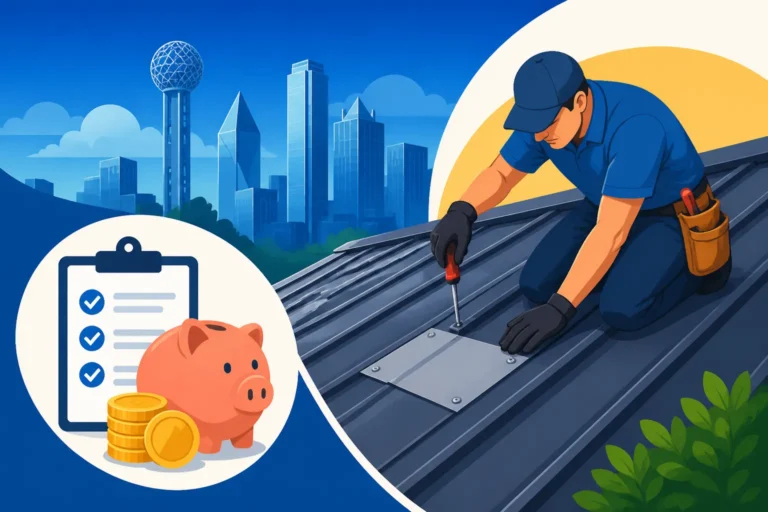
If one or a few metal panels are severely damaged – perhaps from a direct impact, significant wind uplift, or extensive hail deformation – replacement is often the best course of action. This involves carefully removing the damaged panels, ensuring no adjacent panels are disturbed, and installing new, matching ones. This process is more intricate, especially with standing seam systems where panels interlock. The cost for replacing individual panels can vary widely, from $500 to $1,500 per panel, depending on the type of panel (corrugated, R-panel, standing seam), material (steel, aluminum), gauge, and the complexity of the installation. For a common 26-gauge steel corrugated panel, it will be on the lower end, while a custom 24-gauge standing seam panel could be on the higher end.
Flashing issues around critical areas like chimneys, skylights, or valleys are common moderate repairs. Damaged or improperly installed flashing is a prime source of leaks. Repairing or replacing flashing requires precision to ensure a watertight seal. This often involves removing old flashing, preparing the area, and installing new custom-bent metal flashing. Depending on the location and complexity, flashing repairs can cost anywhere from $600 to $2,000. The higher end might involve more extensive work around multiple roof penetrations or specialized flashing for complex architectural features. Getting a full understanding of your metal roof components and accessories can help you identify these areas of concern.
When considering these moderate repairs, it's worth noting that matching existing panels can sometimes be a challenge, especially if your roof is older and the specific panel profile or color is no longer readily available. Experienced contractors, however, often have connections or fabrication capabilities to ensure a seamless match. Brands like Sheffield Metals or Englert offer a wide range of panel profiles and colors, making it easier to find a match for modern installations.
Major Repairs: Extensive Storm Damage or Structural Issues
In some unfortunate cases, the damage is so widespread or severe that it blurs the line between repair and replacement. This is where you really need expert advice. Our guide on Metal Roof Repair vs Replacement: How to Decide can offer more detailed considerations.
If your metal roof has suffered extensive damage from a major hailstorm or high winds, where a significant portion of the panels are dented, creased, or lifted, the cost of individual panel replacement can quickly add up. For example, if 30-40% of your roof panels are compromised, the labor and material costs for individual repairs might approach or even exceed the cost of a full re-roof. For widespread storm damage, you could be looking at costs ranging from $3,000 to $8,000 or more, depending on the size of your roof and the extent of the impact. In such scenarios, your insurance company might even deem it a total loss, making replacement the more logical and often financially sound option.
Sometimes, the damage isn't just to the metal panels themselves, but to the underlying roof deck or structure. This can happen with severe impacts or prolonged water intrusion. If the plywood decking or supporting rafters are compromised, these structural repairs become necessary, significantly increasing the cost and complexity of the project. This could easily push the repair cost into the $5,000 to $15,000+ range, as it involves not just roofing but potentially carpentry work. These kinds of repairs require a contractor with expertise in both roofing and general construction.
It's also important to consider the age of your roof. If your metal roof is nearing the end of its projected lifespan (which can be 40-70 years, but varies by material and gauge), even extensive repairs might be a temporary fix. For a 20-year-old roof, investing heavily in major repairs might not be as wise as putting that money towards a new roof that will last for decades. This is a common dilemma, and a reputable contractor can help you weigh the pros and cons.
Here's a table summarizing estimated metal roof repair costs in Denver:
| Type of Repair | Common Issues | Estimated Cost Range (Denver) | Notes |
|---|---|---|---|
| Minor | Loose screws, small leaks, minor flashing, small dents | $200 – $800 | Quick fixes, often just labor for a few hours, minimal material. |
| Moderate | 1-3 damaged panels, significant flashing, minor underlayment | $500 – $2,500 | Involves replacing components, more specialized labor. Costs vary by panel type. |
| Extensive | Multiple damaged panels, widespread leaks, underlying decking | $3,000 – $8,000+ | Nearing replacement cost; often involves insurance claims. Can include structural repair. |
Getting Accurate Quotes for Your Denver Metal Roof Repair
When your roof is compromised, the last thing you want is a surprise bill. Getting accurate, detailed quotes is paramount to avoiding financial headaches and ensuring quality work.
The Importance of Multiple Estimates
It might seem tedious, but getting several estimates for your metal roof repair is one of the smartest things you can do. Every contractor has a slightly different approach, cost structure, and level of expertise, and seeing a few different bids will give you a much clearer picture of fair market value in Denver.
When you solicit multiple bids, you're not just looking for the cheapest price. You're trying to understand the scope of work proposed by different companies. One contractor might suggest a simple patch, while another might recommend replacing a larger section of panels to ensure long-term integrity, especially if there's subtle underlying damage. This comparison helps you gauge whether the proposed solution is comprehensive and appropriate for the problem. You can explore how to read and compare metal roof quotes in more detail.
Detailed quotes should break down material costs, labor costs, permit fees, and any other associated expenses. They should also clearly outline the specific repairs to be performed, the materials to be used (e.g., 24-gauge Galvalume steel, specific sealants), and the timeline for completion. This level of transparency is essential. Platforms like Modernize can be incredibly helpful here, as they connect homeowners with multiple vetted contractors, making the process of getting comparative estimates much easier without having to individually search for and contact many different companies.
Questions to Ask Potential Contractors
Before you commit to a contractor, arm yourself with a list of essential questions. This isn't about being confrontational; it's about due diligence to protect your investment and ensure a high-quality repair. You can find a more extensive list in our guide on Questions to Ask a Metal Roofing Contractor Before You Hire.
First and foremost, ask about their licensing, bonding, and insurance. In Colorado, while a statewide roofing license isn't required, many municipalities like Denver require contractors to be registered and often bonded. Ensure they carry liability insurance and workers' compensation. This protects you in case of accidents or damage during the repair process. A reputable contractor will be happy to provide proof of these documents.
Next, inquire about their specific experience with metal roofs, particularly the type of metal roof you have. Metal roofing requires specialized knowledge and tools that differ from asphalt shingle installation. Ask how many metal roof repair projects they've completed in the Denver area, and if possible, request references from past clients whose metal roofs they've repaired. A contractor who primarily works with asphalt might not have the nuanced expertise needed for a complex standing seam repair.
Understand the warranty they offer on their repair work. A good contractor will stand behind their craftsmanship. This might be separate from the manufacturer's warranty on the materials. Ask about the duration of the workmanship warranty and what it covers. If they are a manufacturer-certified installer, this can often provide additional assurance and even extend material warranties.
Finally, discuss the timeline for the repair, from getting materials to project completion. While unforeseen circumstances can arise, a good contractor will provide a realistic estimate and keep you informed. Also, ask about their payment schedule; a modest upfront deposit (typically 10-30%) is common, with subsequent payments tied to project milestones, not full payment upfront. If a contractor demands a very large upfront payment, that could be a red flag.
Repair or Replace? Making the Right Decision for Your Denver Home
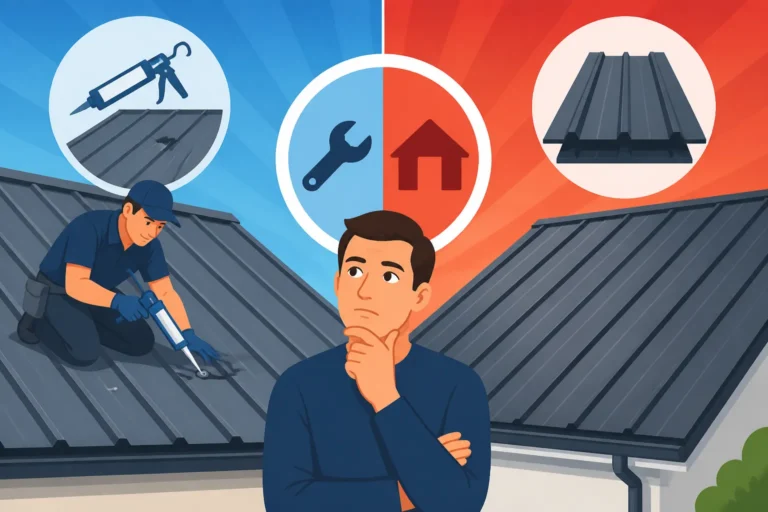
Deciding whether to repair your existing metal roof or invest in a full replacement is a significant financial and practical decision. There are clear situations where one option makes more sense than the other, and it's essential to evaluate your specific circumstances.
When Repair is the Smarter Choice
Sometimes, the answer is clear: a focused repair will get the job done and save you money in the long run. This is often the case when the damage is isolated and hasn't compromised the overall integrity of the roof system.
Minor, isolated issues are prime candidates for repair. If you're dealing with just a few loose fasteners, a single leaking seam, or a small section of flashing that needs attention, a repair is almost always the most cost-effective solution. These problems, while annoying and potentially damaging if left unaddressed, don't indicate a systemic failure of your entire roof. Addressing them promptly prevents them from escalating into larger, more expensive issues down the road. This also applies to minor, purely cosmetic hail dents that haven't broken the paint coating or structurally weakened the panel.
If your metal roof is relatively new – say, less than 20-25 years old – and the damage is localized, opting for repair makes excellent financial sense. Metal roofs are designed to last 40-70 years or even longer, so replacing an entire roof that's only a fraction of the way through its lifespan for a small repair would be a waste of its inherent value. For example, if your 10-year-old standing seam roof suffered damage to a few panels from a falling tree branch, repairing those panels preserves the remaining decades of life on the rest of the roof. Consider the long-term value of your investment.
Ultimately, if the cost of repairing the damage is significantly less than the cost of a full replacement, and the repairs will restore your roof to a good, watertight condition with many years of life left, then repair is the smarter economic choice. You're solving the immediate problem without incurring the much higher expense of a complete overhaul. Remember that a full Metal Roof Cost: Complete 2026 Guide can easily run into the tens of thousands of dollars, so a few hundred or even a couple thousand for a repair is a significant saving.
When Replacement Becomes Inevitable
While repairs can often extend the life of your metal roof, there comes a point where a full replacement is not just advisable, but truly necessary. Ignoring these signs can lead to more severe damage to your home.
Widespread damage is a clear indicator that repair might no longer be feasible or cost-effective. If a significant portion of your metal roof panels has been severely dented, creased, torn, or lifted by a major storm, attempting to repair individual sections can become an endless, piecemeal endeavor. The labor and material costs associated with patching numerous areas across the entire roof surface can quickly approach or even exceed the cost of a full roof replacement. In such cases, replacing the entire roof ensures uniform protection and a consistent aesthetic, rather than a patchwork of old and new sections. This is especially true after a major hail event that affects the majority of your roof panels, where insurance might even dictate a full replacement.
If your metal roof is truly reaching the end of its projected lifespan – typically after 40-70 years, depending on the material, gauge, and quality of installation – then continuous repairs are often just delaying the inevitable. Older roofs, even metal ones, can start to show signs of widespread fatigue, such as degradation of coatings, multiple points of corrosion, or compromised fasteners across many panels. At this stage, throwing good money after bad by repeatedly repairing small issues becomes less economical than investing in a new roof that will provide decades of worry-free protection. Understanding your Metal Roof Lifespan: How Long Do They Last? can help you make this critical decision.
Finally, if you're experiencing repeated leaks or recurring issues in different areas, despite having had previous repairs, it's a strong sign that there might be an underlying systemic problem with your roof. This could be due to original improper installation, significant undetected damage, or simply the roof's overall age and wear. A cycle of constant repairs can be incredibly frustrating and costly, not to mention the ongoing risk of water damage to your home's interior. In these situations, a comprehensive inspection will likely reveal a larger issue that warrants a full replacement to restore your peace of mind and protect your property effectively. For Denver homeowners, considering a full replacement also allows you to upgrade to a metal roof system better suited to withstand our region's specific weather challenges.
Disclaimer
The information provided in this article about metal roof repair costs in Denver is intended for general guidance only. Actual costs can vary significantly based on specific contractor rates, material availability, the precise nature and extent of the damage, current market conditions, and unforeseen challenges encountered during the repair process. Always obtain multiple detailed estimates from licensed and insured local professionals before making any decisions.