How Long Does a Metal Shake Metal Roof Last?
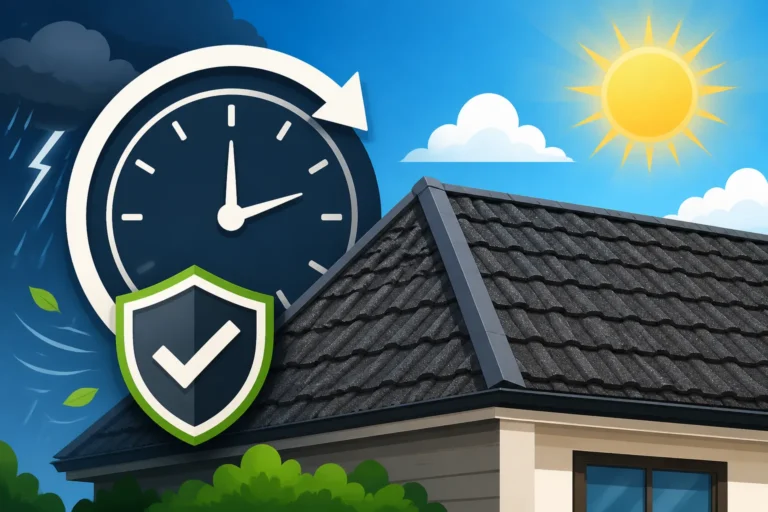
Deciding to invest in a metal shake roof is a big step for any homeowner, often driven by the desire for superior durability and a classic aesthetic. But let's be honest, one of the first questions that pops into everyone's head after seeing the price tag is, "How long will this really last?" It's a completely valid concern; you want to ensure your significant investment will truly protect your home for decades to come. This guide is here to walk you through the real-world expectations for the lifespan of a metal shake roof, diving into what influences its longevity and how you can maximize its years of service.
Understanding What a Metal Shake Roof Truly Is
Before we can talk about how long something lasts, it’s important to understand exactly what we’re discussing. A metal shake roof isn't just any metal roof; it's a specific style designed to mimic the rustic, textured look of traditional wood shakes, but with all the inherent benefits of metal. This isn't your grandma's corrugated barn roof – these systems are engineered for curb appeal and high performance.
The Aesthetics and Appeal of Metal Shakes
The primary draw of metal shake roofing is its stunning appearance. Imagine the charming, dimensional look of cedar or wood shakes, with their varying textures and shadows, but crafted from durable metal. Manufacturers go to great lengths to create panels that replicate this natural beauty, often incorporating deep-drawn stamping processes to give each shake a unique profile and character. This means you get that timeless, sought-after aesthetic without the worries of rot, insects, or fire hazards that plague actual wood. Homeowners are increasingly turning to metal shakes for their ability to blend traditional charm with modern resilience, making them a popular choice in neighborhoods where architectural continuity is valued.
Materials and Manufacturing Behind Metal Shakes
Metal shake roofs are typically made from steel or aluminum, though occasionally other metals like copper or zinc can be formed into shake-like profiles for a truly bespoke look.
- Steel is often coated with a Galvalume or galvanized layer for corrosion resistance, then finished with a multi-layer paint system that includes a primer and a topcoat, often infused with stone granules for added texture and protection. This combination creates a robust, long-lasting surface.
- Aluminum is naturally rust-resistant, making it an excellent choice for coastal areas. It's lighter than steel and typically finished with high-performance paint systems, such as PVDF (Kynar 500 or Hylar 5000), which are renowned for their color retention and resistance to chalking and fading.
The manufacturing process is key; these aren't just flat sheets of metal. They are often pressed and formed into individual shingle-sized panels or interlocking systems that create a tight, weather-resistant seal. This meticulous shaping is what gives them their distinctive "shake" appearance and contributes significantly to their overall structural integrity and ability to withstand the elements. You can learn more about specific types of metal roofing in our guide to Metal Roofing Types Explained: Profiles & Panels.
Key Factors Influencing Metal Shake Roof Lifespan
When you ask how long a metal shake roof will last, the honest answer is, "it depends." It's not a single number but a range influenced by several critical factors. Understanding these will help you set realistic expectations and make informed decisions.
Material Quality and Gauge
The type of metal and its thickness (gauge) play a monumental role in determining longevity.
- Steel vs. Aluminum: As mentioned, both are excellent, but aluminum might have an edge in salt-air environments due to its inherent rust resistance. Steel, especially Galvalume steel, is incredibly durable and widely used. The quality of the metallic coating (zinc or aluminum-zinc alloy) on steel is paramount to preventing rust.
- Gauge: This refers to the thickness of the metal. Lower gauge numbers mean thicker metal, which translates to greater impact resistance and overall durability. For residential metal shakes, you'll typically see gauges ranging from 24 to 29. While 29-gauge might be used for some agricultural buildings, a 24 or 26 gauge is generally recommended for residential applications, offering a better balance of cost and resilience. A thicker gauge means less chance of denting from hail or accidental impacts during maintenance, which directly impacts the long-term appearance and integrity of your roof. For a deep dive into thickness, check out our guide on Metal Roof Gauges Explained: 22, 24, 26 & 29.
Coating Technology and Durability
The protective coating on your metal shake roof is arguably one of the most vital components for its lifespan, especially concerning its aesthetic appeal. This isn't just paint; it's a sophisticated system designed to resist UV degradation, fading, chalking, and corrosion.
- PVDF (Kynar 500/Hylar 5000): These are considered the gold standard for metal roofing coatings. They offer exceptional color retention and resistance to weathering, making them ideal for areas with intense sun or harsh chemicals. Many high-quality metal shake systems feature these coatings.
- SMP (Silicone Modified Polyester): While not as robust as PVDF, SMP coatings offer good durability and are more budget-friendly. They perform well in many climates but may show signs of fading or chalking sooner than PVDF in extreme conditions.
A superior coating not only keeps your roof looking fantastic but also provides a crucial barrier against the elements, preventing the underlying metal from degrading prematurely. Without a high-quality coating, even the toughest metal could eventually succumb to rust or unsightly discoloration.
Quality of Installation
This cannot be stressed enough: a metal roof is only as good as its installation. Even the highest quality materials can fail prematurely if they're not installed correctly.
- Experienced Contractors: Metal shake roofs, with their interlocking panels and precise trim work, require specialized knowledge and experience. A contractor who primarily installs asphalt shingles might not have the specific expertise needed for a flawless metal shake installation. Look for installers who have a proven track record with metal roofing systems, ideally those who are manufacturer-certified. Connecting with experienced professionals is crucial, and platforms like Modernize can help homeowners find reputable contractors in their area.
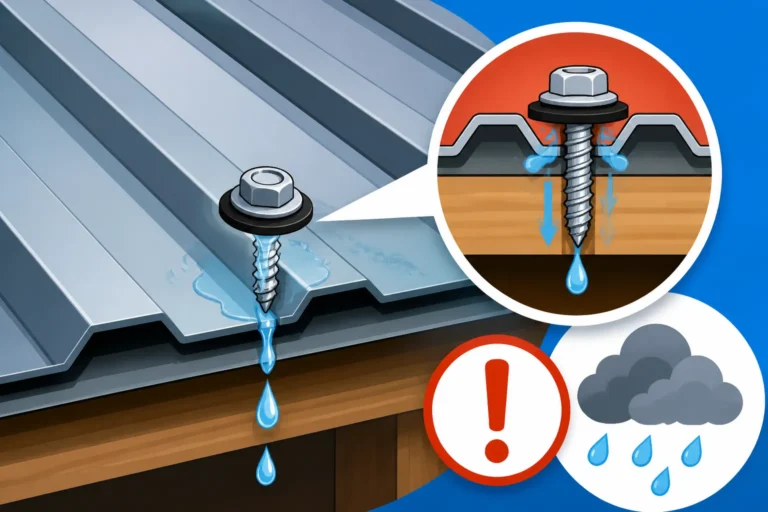
- Proper Flashing and Fasteners: Leaks often originate at critical junctures like chimneys, skylights, and valleys. Proper flashing techniques are essential to prevent water intrusion. Likewise, using the correct fasteners – and ensuring they are correctly applied and sealed – is vital for the roof's structural integrity and watertight performance. Screws that are over-tightened, under-tightened, or improperly sealed can lead to early leaks and panel movement. You can find more details in our Metal Roof Installation Process: Step by Step guide.
Environmental Exposure
Your local climate plays a significant role in how long your metal shake roof will last.
- UV Radiation: Intense sunlight can degrade coatings over time, leading to fading or chalking if a high-quality coating isn't used.
- Hail and Wind: Metal shakes are generally excellent performers against severe weather. However, extreme hail or hurricane-force winds can cause dents or even lift panels if not installed to code. Thicker gauge metal offers better hail resistance.
- Salt Air: For homes near the coast, the corrosive effects of salt spray can accelerate degradation. Aluminum metal shakes or specially coated steel shakes are often recommended in these environments.
- Freeze-Thaw Cycles: In colder climates, repeated freezing and thawing can put stress on seams and fasteners. Proper installation, including appropriate underlayment and ventilation, helps mitigate these effects.
Realistic Lifespan Expectations for Metal Shake Roofs
So, after considering all these factors, what's the magic number? While it’s impossible to give a single definitive answer, we can provide a realistic range based on common materials and best practices.
General Lifespan Range
For a well-installed metal shake roof made from quality materials, you can generally expect a lifespan of 40 to 70 years, and sometimes even longer. This is a significant improvement over traditional asphalt shingles, which typically last 15-30 years.
- Steel metal shakes with a quality Galvalume coating and a high-performance paint system often fall into the 40-60 year range.
- Aluminum metal shakes, especially with PVDF coatings, can easily exceed 50-70 years, particularly in coastal or harsh environments where their natural corrosion resistance shines.
- Even higher-end materials like copper or zinc shakes can last 100 years or more, often outliving the home itself, though their initial cost is considerably higher.
It's important to differentiate between the material itself and its coating. While the metal substrate might last a century, the aesthetic coating may begin to show signs of fading or chalking after 25-40 years, depending on the quality of the paint system and environmental exposure. This doesn't mean the roof is failing, just that its visual appeal might diminish.
Comparison to Other Roofing Materials
To put the metal shake lifespan into perspective, let's look at how it stacks up against other popular roofing options:
| Roofing Material | Average Lifespan (Years) | Key Advantages | Key Disadvantages |
|---|---|---|---|
| Metal Shake Roof | 40-70+ | Exceptional durability, fire-resistant, energy-efficient, aesthetic appeal, low maintenance | Higher upfront cost, specialized installation required |
| Asphalt Shingles | 15-30 | Low initial cost, easy installation, wide availability | Shorter lifespan, prone to wind/hail damage, less energy-efficient |
| Tile (Clay/Concrete) | 50-100+ | Very long lifespan, aesthetic, fire-resistant | Heavy, expensive, fragile (can crack), specialized installation |
| Wood Shakes/Shingles | 20-40 | Natural beauty, good insulation | Requires maintenance, fire risk, prone to rot/insects, costly |
| Slate | 75-150+ | Extremely long lifespan, premium aesthetic | Very expensive, very heavy, specialized installation, fragile |
As you can see, metal shake roofs consistently rank among the longest-lasting options available for residential properties, offering a robust blend of durability, performance, and aesthetic value. This longevity is a major part of why many homeowners consider a metal roof to be a worthwhile investment over its entire lifecycle, often yielding a strong return on investment. Explore more on this topic in Is a Metal Roof Worth It? ROI, Resale & Payback.
Maximizing the Life of Your Metal Shake Roof
Even with a high-quality product and expert installation, a little care and attention can go a long way in ensuring your metal shake roof reaches its maximum potential lifespan. Think of it like a luxury car – it's built to last, but regular maintenance keeps it running smoothly and looking great.
Regular Inspections and Preventative Maintenance
One of the best things you can do for your metal shake roof is to keep an eye on it.
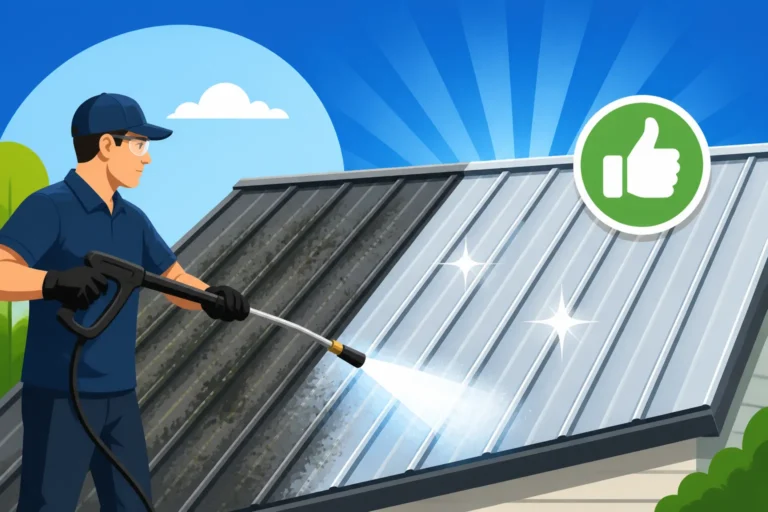
- Annual Visual Checks: Twice a year, ideally in spring and fall, take a look at your roof from the ground with binoculars. Look for any signs of loose fasteners, scratched paint, accumulated debris, or damage from storms. Pay particular attention around flashing details and valleys.
- Gutter Cleaning: Clogged gutters can cause water to back up onto the roof, leading to stagnant water issues, ice dams in winter, and accelerated degradation of edges. Keep them clear.
- Trim Branches: Overhanging branches can scratch your roof's coating, drop leaves and debris, and become a hazard in high winds. Trim them back to avoid damage.
- Professional Inspections: Consider a professional inspection every 3-5 years, especially after severe weather events. A trained eye can spot subtle issues before they become major problems. A comprehensive Metal Roof Maintenance Guide can provide even more detailed steps.
Addressing Minor Issues Promptly
Small problems, if left unattended, can quickly escalate. The beauty of metal roofs is that many minor issues are highly repairable.
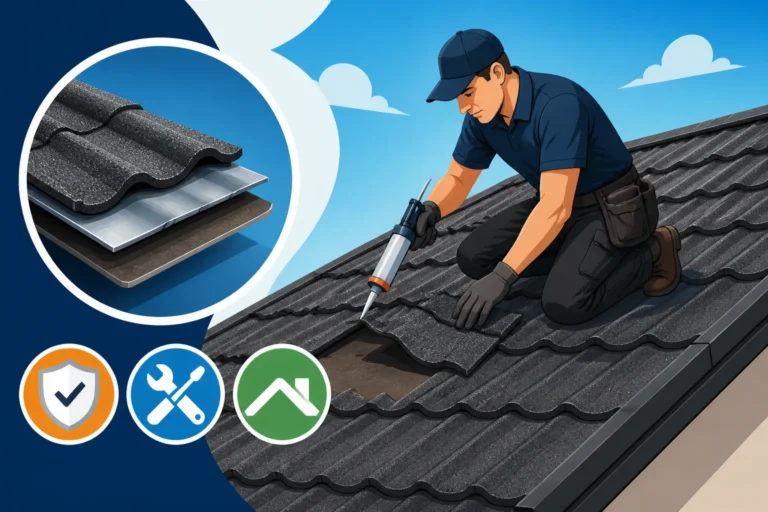
- Scratches: If you notice a scratch in the coating that exposes the underlying metal, touch it up with manufacturer-approved touch-up paint as soon as possible. This prevents rust from forming and spreading.
- Loose Fasteners: If you see any fasteners that appear to be backing out or have compromised washers, they should be replaced or re-secured promptly. This is a common source of leaks on exposed fastener systems.
- Minor Dents: While metal shakes are impact-resistant, severe impacts can cause dents. Minor cosmetic dents usually don't affect performance but can be a point of aesthetic concern. Larger, deeper dents near seams or edges should be assessed by a professional.
- Sealant Degradation: Over time, sealants around penetrations and flashing can dry out and crack. These areas should be inspected and re-sealed as needed to maintain watertight integrity. For identifying potential issues, check our guide on Warning Signs Your Metal Roof Needs Attention.
Professional Repairs When Needed
While some minor maintenance tasks are DIY-friendly, anything involving climbing on the roof, major repairs, or structural concerns should always be left to a qualified metal roofing contractor. They have the right safety equipment, specialized tools, and expertise to perform repairs without causing further damage or putting themselves at risk.
For instance, if you're dealing with a leak, a professional can pinpoint the source and implement an effective repair. Attempting to fix a leak yourself without proper knowledge can often lead to more extensive and costly damage down the line. When it comes to significant damage, understanding the cost implications of repair versus full replacement is key. You can weigh your options further by reading Metal Roof Repair vs Replacement: How to Decide.
By staying proactive and addressing concerns promptly, you're not just preserving the aesthetic appeal of your metal shake roof; you're actively contributing to its exceptional longevity and protecting your home for many, many years to come.
Disclaimer
Please note that the information provided in this article is intended for general guidance and informational purposes only. While we strive to offer accurate and up-to-date content, individual roofing projects and conditions can vary significantly. Always consult with a qualified and licensed metal roofing professional for specific advice tailored to your property, local building codes, and individual needs. Roofing work can be dangerous, and professional installation and repair are highly recommended.