How to Repair a Stone-Coated Steel Metal Roof
It’s incredibly frustrating when you’ve invested in a durable, beautiful stone-coated steel roof, only to find it's showing signs of wear or damage. You chose this roofing material for its longevity and aesthetic appeal, and seeing it compromised can feel like a setback. This guide is here to walk you through the process of assessing and repairing common issues with stone-coated steel metal roofs, helping you understand when a DIY fix is appropriate and when it's definitely time to call in the experts.
Understanding Your Stone-Coated Steel Roof and Common Issues
Stone-coated steel roofs are often hailed as a premium roofing solution, offering a unique blend of durability, energy efficiency, and a stunning aesthetic that mimics traditional materials like tile, shake, or shingle. But even the toughest roofs aren't completely impervious to time and the elements. Knowing what your roof is made of and what usually goes wrong can save you a lot of headache and money down the line.
The Anatomy of Stone-Coated Steel
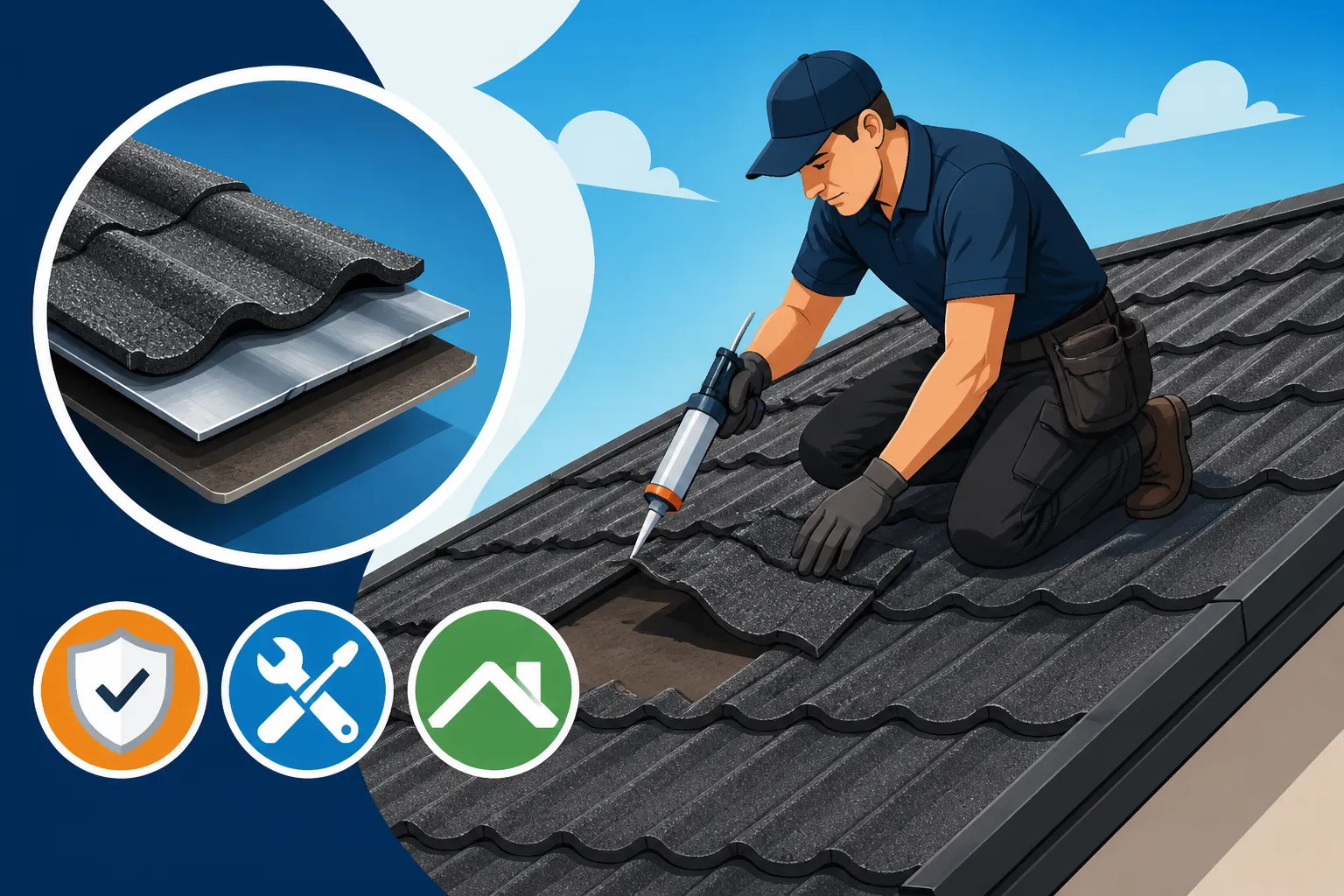
At its heart, a stone-coated steel roof panel begins with a robust steel core, usually galvanized or Galvalume coated for superior corrosion resistance. This steel substrate is then treated with several protective layers. First, an acrylic primer prepares the surface, followed by a layer of adhesive, onto which natural stone granules are embedded. Think of these granules like the sprinkles on a cupcake, but instead of sugar, they're providing a tough, UV-resistant, and aesthetically pleasing surface. Finally, a clear acrylic glaze is applied over the granules, sealing everything in and offering an additional layer of protection against the elements and UV degradation.
This multi-layered construction is what gives stone-coated steel its incredible resilience. It’s significantly lighter than traditional tile, much more durable than asphalt shingles, and boasts excellent fire and wind resistance. Homeowners often appreciate its ability to shrug off heavy hailstorms and its impressive lifespan, which can easily extend beyond 50 years with proper care. However, while incredibly strong, these panels still have specific points of vulnerability. The granule coating, while tough, can be chipped or worn down, and the steel core, while protected, can still dent under extreme impact or if improperly walked on.
Common Culprits Behind Damage
Even with their formidable construction, stone-coated steel roofs face specific challenges that can lead to damage. Understanding these common culprits is the first step in effective repair.
One of the most frequent causes of damage, particularly in regions prone to severe weather, is hail. While a metal roof is far more resistant to hail than, say, an asphalt shingle roof, large or irregularly shaped hailstones can still cause issues. The impact can dislodge the stone granules, leaving small, bald spots where the underlying steel or coating is exposed. In more severe cases, very large hail can even cause minor indentations or dents in the steel substrate itself, which can compromise the panel's integrity and appearance.
Another significant factor is wind damage. Although stone-coated steel panels are designed to interlock and withstand high winds, extreme gusts, especially those seen in hurricanes or strong thunderstorms, can sometimes lift or loosen individual panels. If a panel lifts, it can expose the underlayment, potentially leading to leaks. Over time, constant buffeting can also strain the fasteners, causing them to loosen or fail. For more insights on how these roofs stand up to the elements, you might find our guide on Metal Roof Storm, Hail & Wind Damage helpful.
Beyond natural disasters, human error or simple wear and tear can also take a toll. Improper foot traffic during installation, maintenance, or other roof-related work is a major cause of granule loss, cracking, or bending. Walking on the roof without proper technique or specialized footwear can chip away at the stone coating or even deform the panels. Lastly, while highly durable, even the best acrylic coatings will experience some degree of fading or minor granule erosion over many decades due to constant exposure to UV rays and environmental pollutants. This is usually a cosmetic issue initially but can eventually compromise protection if left unaddressed.
Diagnosing Damage to Stone-Coated Steel Panels
Before you can fix anything, you need to know exactly what you're dealing with. A thorough and safe inspection is paramount. Don't just assume the worst; take the time to really look at your roof's condition.
Visual Inspection for Granule Loss and Fading
The most common and often easiest damage to spot on a stone-coated steel roof is granule loss. When conducting your initial inspection, always start from the ground. Use a good pair of binoculars to scan the entire roof surface. Look for areas where the textured, stone-coated surface appears smoother or has a different color. These "bald spots" are where the protective stone granules have been dislodged, exposing the underlying acrylic coating or, in more severe cases, the steel itself. You might notice these spots more prominently after a hailstorm or strong winds.
Once you’ve done a ground-level inspection, if you feel comfortable and have the proper safety equipment, you can carefully walk the roof. When doing so, use soft-soled shoes and distribute your weight evenly, stepping only on the battens or supporting structures underneath the panels, if visible and accessible, to avoid causing further damage. During this closer inspection, pay attention to the consistency of the granule coating. Are there patches where the color seems duller or lighter? This could indicate fading of the acrylic glaze or minor, widespread granule erosion. While fading is primarily a cosmetic concern, significant granule loss reduces the roof's UV protection and impact resistance. Acting quickly when you notice these issues, even minor ones, can prevent them from escalating into more significant problems down the line.
Checking for Dents, Cracks, and Loose Panels
Beyond granule loss, you'll need to meticulously check for structural damage like dents, cracks, and loose panels. These issues can be more serious and may compromise the roof's waterproofing capabilities.
Hail dents on a stone-coated steel roof can vary in appearance. Unlike asphalt shingles that might show obvious pockmarks or punctures, a metal roof will typically show slight depressions or divots. Sometimes, the dent is subtle, only noticeable from certain angles or when light hits the roof just right. Run your hand over suspected areas if safe to do so; you might feel the depression before you clearly see it. Even a small dent can, over time, create a stress point where the granule coating might eventually chip further, or the panel could warp slightly.
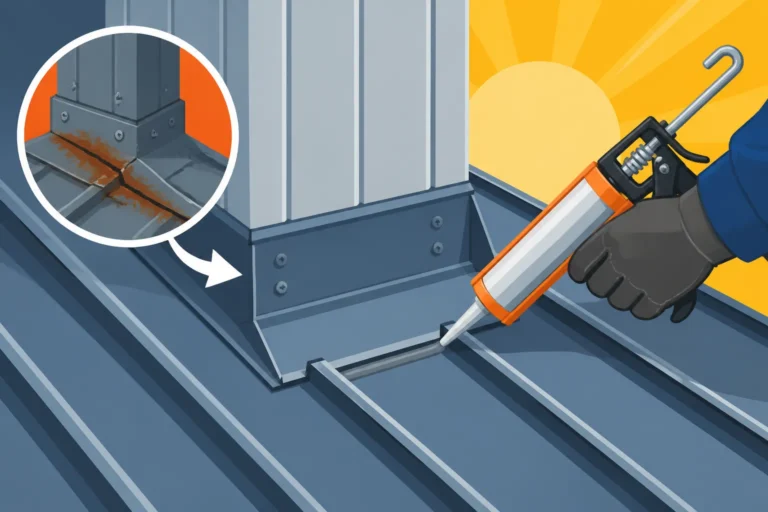
Cracks are another critical indicator of damage. These typically form around stress points, such as near fasteners, along the edges of panels, or where the roof might have experienced flexing due to wind or improper handling during installation. Small hairline cracks in the acrylic coating might not be immediately obvious but can allow moisture to penetrate, leading to corrosion of the steel core over time. Carefully examine the seams and overlaps between panels, as well as around any penetrations like skylights, vents, or chimneys. For detailed information on these vulnerable areas, our article on Common Metal Roof Leak Sources and Fixes can be very helpful.
Finally, keep an eye out for loose panels. Strong winds are the usual culprits here. Signs include a rattling sound during windy conditions, visible gaps between panels that shouldn't be there, or edges that appear slightly lifted. If a panel is loose, it's not properly secured, making it vulnerable to further damage and creating an entry point for water. Pay close attention to the eaves and rake edges, as these are often the first areas to show signs of panel movement.
Step-by-Step Guide to Minor Stone-Coated Steel Roof Repairs
For those smaller issues that don't warrant a full professional overhaul, a DIY approach can be both cost-effective and empowering. However, always prioritize safety and know your limits.
Addressing Minor Granule Loss and Scratches
Minor granule loss and superficial scratches are often the most straightforward repairs you can undertake yourself on a stone-coated steel roof. This type of damage typically occurs from small impacts, light foot traffic, or simply localized wear over time. The key is to address these spots before they expose the underlying steel to moisture and UV rays, which can lead to more significant problems down the future.
To tackle minor granule loss, you'll need a few specific items. First, acquire matching stone granules from your roof’s manufacturer or a reputable supplier. Many manufacturers like Boral or DECRA offer small repair kits specifically for this purpose, containing granules that closely match their product lines. You’ll also need a high-quality, flexible acrylic adhesive or sealant, a small brush or trowel for application, and some rags for cleanup. Begin by thoroughly cleaning the affected area, ensuring it's free of dirt, debris, and any loose granules. A soft brush and gentle rinse can work, but make sure the area is completely dry before proceeding. Next, apply a thin, even layer of the adhesive to the exposed spot, ensuring it covers the entire area. While the adhesive is still wet, generously sprinkle the matching granules over the adhesive. Gently press them into place with a clean, flat object or by lightly tapping, then carefully brush away any excess. Allow the repair to cure completely according to the adhesive manufacturer's instructions, which can take several hours depending on humidity and temperature. For minor scratches where granules aren't completely missing, a simple touch-up paint specifically designed for stone-coated steel can sometimes suffice, but ensuring it properly adheres and provides adequate protection is critical. Remember, these DIY fixes are best for small, superficial areas; larger patches of granule loss might indicate a more systemic issue or require professional attention.
Repairing Small Dents and Resecuring Loose Fasteners
Small dents and loose fasteners are common issues that can often be fixed with careful attention. Dents, usually from hail or accidental impact, can be unsightly and, if deep enough, can stress the panel's coating. Loose fasteners, often screws with rubber washers, are a prime source of leaks if not properly sealed and tightened.
For very minor dents that haven't cracked the granule coating, sometimes gentle pressure from beneath the panel (if accessible and safe) can help to push the dent out. However, this is rarely feasible or recommended due to the interlocking nature of these roofs. More realistically, for subtle indentations, the focus is often on reinforcing the affected area to prevent further deterioration. Some specialists use specialized heat guns very cautiously to very slightly warm the area, which can make the steel more pliable for minor reshaping, but this carries a significant risk of damaging the coating and should only be attempted by experienced professionals. For homeowners, the best approach for minor dents is often to monitor them closely and consider a granule touch-up if any chipping occurs. For deeper dents, particularly those that have cracked the coating or deformed the panel significantly, replacing the entire panel is usually the only truly effective solution to restore aesthetics and structural integrity.
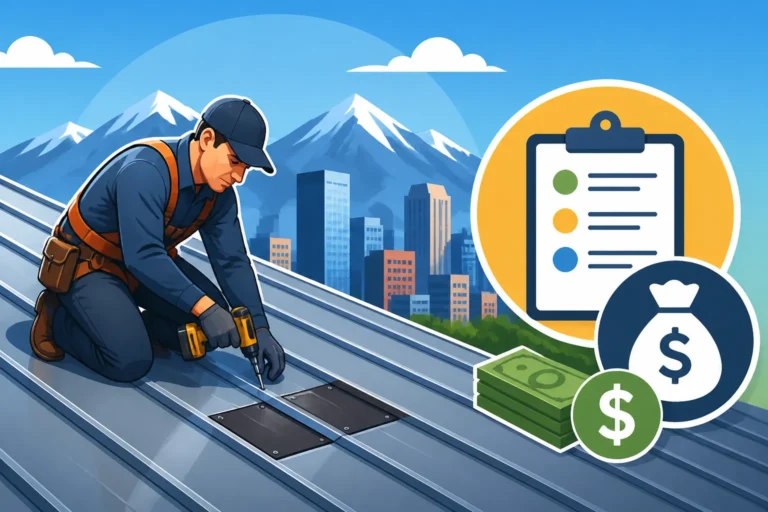
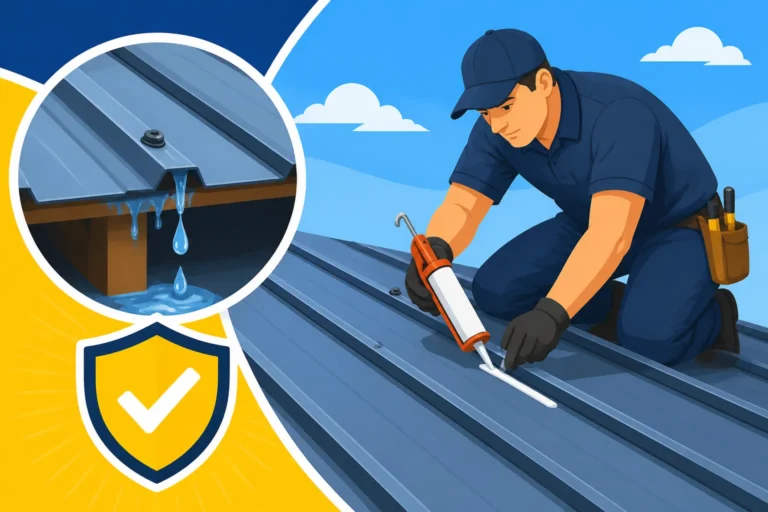
Resecuring loose fasteners is a more common and manageable DIY task. Over time, the rubber washers on exposed fasteners can degrade, or the screws themselves can back out slightly due to thermal expansion and contraction or wind vibration. To fix this, carefully remove the old, loose fastener. Clean the area thoroughly around the screw hole. Apply a high-quality, UV-resistant, flexible sealant (often a clear or color-matched silicone or urethane-based caulk) into the hole and around the new fastener's location. Then, install a new, slightly oversized screw if the hole has widened, ensuring it has a fresh, robust rubber washer. Drive the screw in just enough to compress the washer and create a watertight seal, but avoid overtightening, which can strip the decking or crack the panel. Always use corrosion-resistant screws specifically designed for metal roofing to prevent future rust issues. If you notice a pattern of fasteners backing out across your roof, it might indicate underlying issues with installation or roof movement, which would warrant a more comprehensive inspection. Our guide on Metal Roof Screws Backing Out: How to Fix offers more detailed advice on screw replacement.
Replacing Individual Damaged Panels
Replacing an entire stone-coated steel panel is a more involved repair than simple granule touch-ups or fastener tightening. This is typically necessary when a panel has sustained extensive damage such as large cracks, severe warping, or significant hail damage that has compromised the panel's structure and weatherproofing beyond what minor repairs can fix.
The biggest challenge with panel replacement is often sourcing a perfectly matching new panel. Stone-coated steel roofs come in a variety of profiles (e.g., shake, shingle, tile) and a vast array of colors and granule blends. The exact match might depend on the original manufacturer (like Metro, Gerard, or DECRA) and the age of your roof, as granule blends and coatings can evolve over time. If you don't have spare panels from the original installation, you may need to reach out to your original installer or the manufacturer directly.
The replacement process itself requires careful, precise work. Stone-coated steel panels are designed to interlock, which means removing one often involves disengaging it from the panels around it. This usually entails carefully unscrewing fasteners that might be hidden under the overlaps of adjacent panels. Special tools may be required to gently lift or flex the surrounding panels without damaging them. Once the damaged panel is detached, it can be carefully removed. The new panel is then slid into place, meticulously aligning its interlocks with the existing panels. Finally, new fasteners are installed, ensuring they are properly sealed and tightened to prevent leaks. This process requires a good understanding of the roofing system's specific installation requirements, as well as proper safety gear for working at heights. While theoretically possible for an experienced DIYer, the risk of damaging surrounding panels or improperly installing the new one, thereby voiding warranties or causing future leaks, is high. For most homeowners, this level of repair crosses into the territory where professional expertise is highly recommended.
When to Call in the Professionals for Stone-Coated Steel Roof Repair
While it's satisfying to tackle minor repairs yourself, there comes a point where the damage is too complex, the roof too dangerous, or the repair too specialized for a DIY approach. Knowing when to wave the white flag and bring in the cavalry is crucial for the longevity of your roof and your own safety.
Recognizing Complex Damage and Safety Concerns
There are several clear indicators that your stone-coated steel roof damage is beyond the scope of a homeowner's typical repair capabilities. If your roof has suffered extensive hail damage across a large portion of its surface, leading to widespread granule loss or multiple dents, a professional evaluation is essential. What might look like cosmetic damage could be compromising the integrity of numerous panels, and attempting to spot-repair dozens of areas is often inefficient and ineffective.
Even more critical are signs of structural damage. If you notice sagging, widespread warping of panels, or if an inspection reveals damage to the underlying roof decking or framing, this is definitely a job for experts. Leaks that persist despite your best efforts at minor repairs often point to a more complex issue, such as compromised underlayment, improperly sealed flashing around penetrations, or extensive damage that's not immediately visible. These require a professional's diagnostic tools and experience to pinpoint the source and provide a lasting solution.
Lastly, safety concerns should always be your top priority. If your roof has a steep pitch, is particularly high, or if you simply don't have the proper safety equipment (harness, fall protection, sturdy ladder), it's not worth risking a serious injury. Furthermore, working with delicate interlocking metal panels on a roof can be tricky; improper foot placement can cause more damage, turning a small problem into a larger, more expensive one. Remember, a broken bone or a compromised roof is a far greater cost than hiring a professional.
The Benefits of Professional Expertise
When you're dealing with anything more than a tiny touch-up, it's really best to get a professional evaluation. Platforms like Modernize can help you connect with qualified local roofing contractors who specialize in metal roofs, including stone-coated steel systems. These professionals bring a wealth of benefits to the table that a DIYer simply cannot replicate.
First and foremost, a professional roofing contractor specializing in metal roofs has access to specialized tools, equipment, and materials that are not readily available to the average homeowner. They have the expertise to accurately diagnose complex issues, understanding how different parts of the stone-coated steel system interact. This includes knowing the nuances of various manufacturers' products, whether you have a DECRA, Boral, or Metro roof, and how to properly handle their unique installation and repair requirements. They can quickly identify subtle signs of underlying damage that an untrained eye might miss, preventing minor issues from escalating into major expenses.
Another significant advantage is ensuring your roof's warranty remains valid. Many stone-coated steel roofing manufacturers have strict guidelines that require installation and major repairs to be performed by certified or experienced professionals. Attempting complex DIY repairs could inadvertently void your warranty, leaving you unprotected if future, more significant issues arise. Professional contractors are often manufacturer-certified, meaning they’ve undergone specific training and adhere to the highest standards, ensuring that any work done on your roof maintains its warranty. For advice on what to look for in a contractor, check out our guide on How to Hire a Metal Roofing Contractor. They also work efficiently, minimizing the time your home is exposed during repairs and getting your roof back to optimal condition faster.
Getting a Comprehensive Quote and Understanding Costs
Once you've decided to call in the professionals, the next step is to obtain comprehensive quotes. It's crucial to get at least three quotes from different, reputable roofing contractors. This allows you to compare not just the price, but also the scope of work, the materials proposed, and the professionalism of each company. Companies found through resources like Modernize are typically vetted, helping to ensure you're getting bids from reliable sources.
A detailed professional quote for stone-coated steel roof repair should clearly outline several key components. This includes the cost of materials (new panels, fasteners, sealants, underlayment if needed), labor costs (hourly rates or project fees), and any associated services like tear-off and disposal of damaged materials. Don't be shy about asking for a breakdown of these costs. Understand that the cost will vary significantly based on the extent of the damage, the specific type and profile of your stone-coated steel panels (as some are more specialized and thus pricier), and the complexity of your roof’s design (e.g., steep pitches, multiple valleys, dormers).
For example, a repair involving a few granule touch-ups might be a few hundred dollars, while replacing several extensively damaged panels on a complex roof could run into several thousand. Always inquire about the timeline for the repair, what kind of warranty they offer on their workmanship, and if they handle obtaining necessary permits – which is often overlooked but critical for ensuring the work meets local building codes. Comparing these elements "apples to apples" is key to making an informed decision. For more information on what affects overall pricing, see our article on What Affects Metal Roof Cost: Gauge, Pitch, Complexity & Tear-Off. Understanding these factors will help you make a sound investment in restoring your roof.
| Type of Damage | Severity | Recommended Action |
|---|---|---|
| Minor Granule Loss/Scratches | Low | DIY with repair kit/matching granules and sealant |
| Small Dents (no coating breach) | Low to Medium | Monitor, consider granule touch-up; DIY if confident and safe. |
| Loose Fasteners | Low to Medium | DIY with new screws and sealant |
| Large Cracks/Panel Warping | Medium to High | Professional panel replacement |
| Extensive Hail Damage | High | Professional assessment and repair/replacement |
| Persistent Leaks | High | Professional leak detection and repair |
| Structural Damage (decking) | High | Professional assessment and major repair |
| Damage on Steep/High Roofs | Medium to High | Professional repair (safety concern) |
Disclaimer
Please be advised that the information provided in this guide is intended for general informational purposes only. While we strive to offer accurate and helpful advice, every roofing project is unique, and specific conditions, local building codes, and individual skill levels can vary greatly. Attempting roof repairs can be dangerous and should only be undertaken by individuals with the appropriate training, safety equipment, and expertise. We strongly recommend consulting with a qualified, licensed, and insured metal roofing professional for any significant repairs or concerns related to your stone-coated steel metal roof. They can provide a thorough assessment, ensure compliance with local regulations, and perform work safely and effectively, often preserving your roof's warranty.