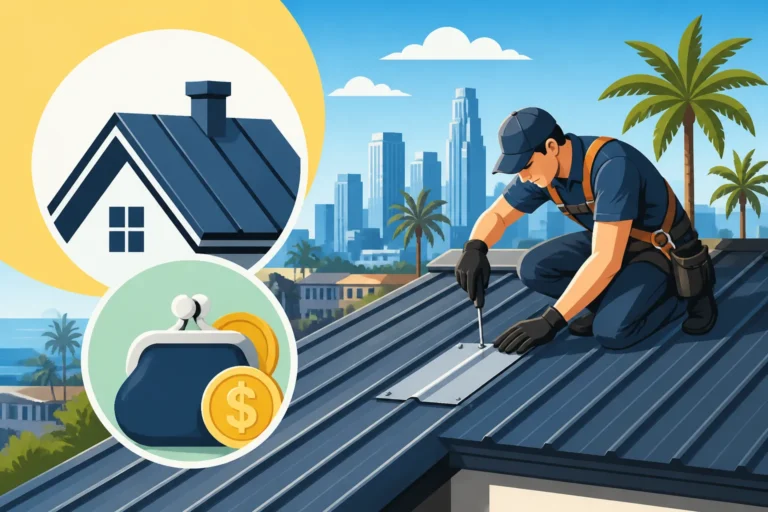
Does a Aluminum Roof Need Special Maintenance?
Choosing a metal roof is a significant investment, and like many homeowners, you might be wondering if your beautiful new aluminum roof will demand a lot of your time and effort to keep it looking great and performing its best. It's a valid concern; nobody wants to sign up for endless weekend chores. This guide is here to walk you through the real talk about aluminum roof maintenance, setting realistic expectations and equipping you with the knowledge to keep your roof in tip-top shape with minimal fuss.
Understanding Aluminum Roofing: More Than Just a Pretty Face
When you opt for an aluminum roof, you're not just getting a pretty facade; you're investing in a material known for its incredible resilience. It’s a common misconception that all metal roofs are high-maintenance, but aluminum really breaks that mold. Its inherent properties make it a standout choice, especially when it comes to longevity and resistance to the elements.
The Nature of Aluminum: Why It Stands Out
Aluminum is lightweight, yet incredibly strong, and perhaps its most celebrated characteristic is its natural resistance to rust and corrosion. Unlike steel, which requires specific coatings like Galvalume or paint to prevent rust, aluminum forms a passive oxide layer when exposed to air. This thin, tough layer acts as a natural barrier, protecting the metal underneath from further oxidation and deterioration. This means you won't be constantly worrying about unsightly rust spots developing, a huge relief for many homeowners who have dealt with older, less resilient roofing materials.
Beyond its rust resistance, aluminum is also highly reflective, which can be a game-changer for your energy bills, especially in sun-drenched climates. It effectively bounces sunlight and heat away from your home, keeping your attic and living spaces cooler. This energy efficiency isn't just a comfort; it's a long-term cost-saving feature. Furthermore, aluminum is incredibly ductile, meaning it can be easily formed into various profiles, from sleek standing seam panels to more decorative metal shingles, offering a wide array of aesthetic choices without compromising its structural integrity. This versatility, combined with its resistance to coastal and salt air, makes it a prime candidate for homes across the country, particularly those in harsh environments. To truly appreciate its longevity, you might want to delve into how long does an aluminum roof last?
Common Misconceptions About Aluminum Roof Maintenance
Many homeowners approach metal roofs with a preconceived notion that they're either bulletproof and require no attention, or that they're finicky and need constant, specialized care. With aluminum, the reality falls comfortably in the middle. It's not a set-it-and-forget-it solution, but it's far from high-maintenance. One myth is that you need special, harsh chemicals to clean it. In truth, mild detergents and water are usually all that’s required. Another concern often revolves around fading or chalking of the finish. While all exterior finishes will eventually show signs of age, modern aluminum roofing often comes with high-quality paint systems, like PVDF (Kynar 500® or Hylar 5000®), that offer exceptional color retention and resistance to chalking for decades. These advanced coatings significantly reduce the need for frequent repainting, making your life much easier in the long run. Understanding these realities helps set proper expectations and allows you to approach your roof care with confidence.
Day-to-Day Maintenance for Your Aluminum Roof
The good news is that "special maintenance" for an aluminum roof mostly boils down to good old-fashioned common sense and a little bit of proactive care. It’s less about doing anything drastically different from other roof types and more about consistent, gentle attention. Think of it like caring for a high-quality outdoor deck – you maintain it to preserve its beauty and function, not because it's inherently fragile.
Regular Cleaning and Debris Removal
One of the easiest and most impactful things you can do for your aluminum roof is simply keep it clean. Over time, leaves, twigs, dirt, and other organic debris can accumulate, especially in valleys, around chimneys, or near dormers. If left unchecked, this debris can trap moisture, promote mildew or moss growth, and in rare cases, even cause localized corrosion or wear on the coating. A gentle sweep with a soft-bristle brush, a leaf blower, or a simple rinse with a garden hose can do wonders.
For stubborn grime, a solution of mild dish soap and water, applied with a soft brush or sponge, and then thoroughly rinsed, is usually sufficient. Avoid pressure washers set to high force, as they can potentially damage the paint finish or loosen fasteners, especially on lighter gauge panels. If you have areas prone to heavy sap or mildew, specific metal-safe cleaning solutions are available, but always test them in an inconspicuous spot first. Regular cleaning not only preserves the aesthetic appeal of your roof but also extends the life of its protective coatings. You can find more practical tips in a comprehensive Metal Roof Maintenance Guide.
Inspection for Minor Issues
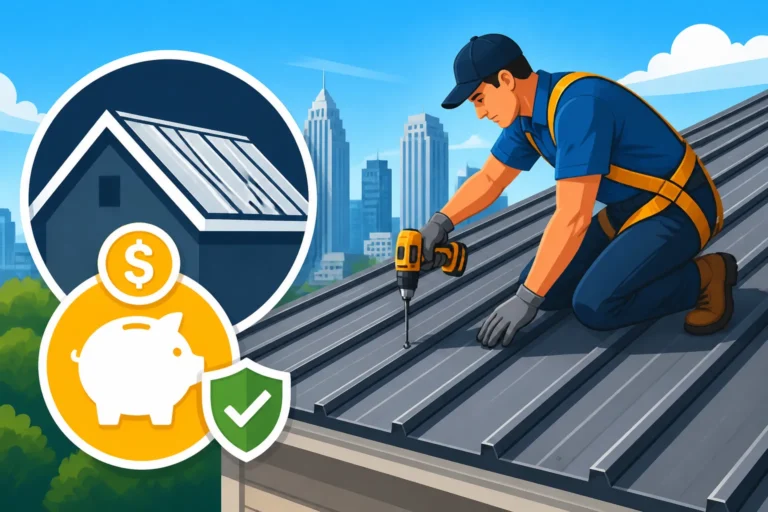
Beyond cleaning, routine inspections are your best friend. Ideally, you should aim to visually inspect your roof at least twice a year – once in the spring after winter’s storms, and again in the fall before heavy snow or rain. If you’re comfortable, you can do this from the ground with binoculars, or by carefully walking on the roof if you know how to walk on a metal roof without damage and have the proper safety equipment.
What are you looking for? Keep an eye out for anything that seems out of place:
- Loose fasteners or screws: These can sometimes back out over time, especially in areas with significant thermal expansion and contraction.
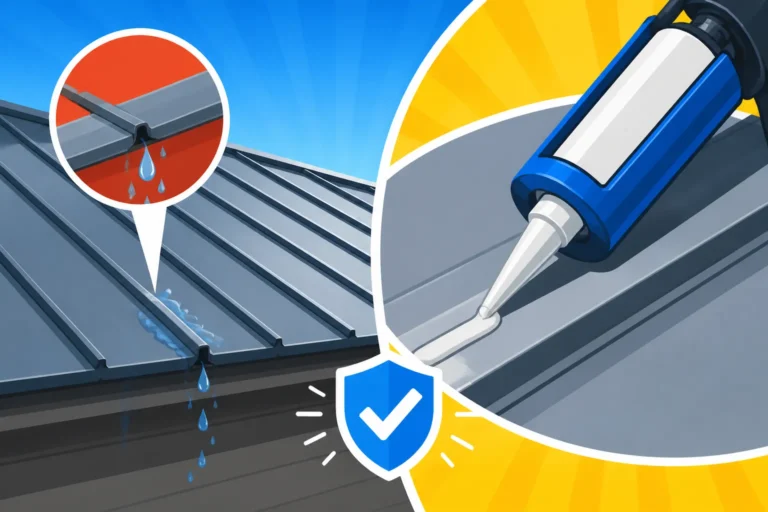
- Damaged sealants around penetrations: Check flashing around chimneys, vents, and skylights for cracks or deterioration.
- Minor scratches or scuffs: While aluminum is tough, sharp impacts can cause cosmetic damage.
- Accumulated debris: As mentioned, clear out any leaves, branches, or other build-up.
- Signs of oil canning: While mostly cosmetic and often unavoidable, severe oil canning could indicate an underlying installation issue.
Catching these small issues early can prevent them from escalating into more significant and costly repairs down the line. If you're not comfortable getting on the roof, consider hiring a professional for these inspections.
Protecting Your Roof's Finish
The factory finish on your aluminum roof is its primary line of defense and its beauty. Maintaining this finish is key to its long life and aesthetic appeal. High-quality paint systems like PVDF are designed to resist fading, chalking, and environmental degradation for many years. To ensure its longevity, avoid abrasive cleaners or harsh chemicals that could strip or damage the coating.
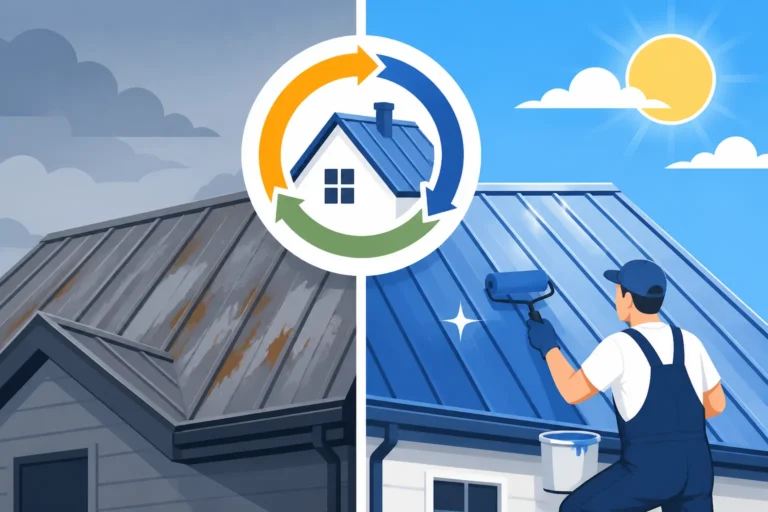
If you notice a small scratch or chip that goes through the paint layer, it's a good idea to touch it up. Most reputable manufacturers offer touch-up paint kits that perfectly match your roof's color. Applying this correctly protects the exposed metal and prevents any potential localized issues. While aluminum itself won't rust, maintaining the coating ensures the entire system performs as intended. In some cases, after several decades, you might consider repainting and recoating a metal roof to refresh its look and extend its protective life.
Addressing Specific Aluminum Roof Concerns
While aluminum is incredibly resilient, it's not entirely immune to every challenge. Knowing how to address specific concerns will help you be a more informed and proactive homeowner.
Preventing Corrosion and Pitting
As discussed, aluminum naturally resists rust. However, it can undergo galvanic corrosion if it comes into direct contact with dissimilar metals (like copper or certain types of steel) in the presence of an electrolyte (like moisture). This is why installers are careful to use compatible fasteners and flashing materials, often stainless steel or aluminum itself, and separate dissimilar metals with appropriate barriers. This is largely an installation consideration, but it's good to be aware of.
Pitting, while rare, can occur under very specific conditions, often in extremely polluted industrial environments or if certain harsh chemicals (like strong acids or bases) are allowed to sit on the surface for extended periods. For most residential applications, in typical urban or suburban environments, this is not a significant concern. The best prevention is regular cleaning to remove any potentially corrosive substances and ensuring proper runoff. If you live near an industrial area or a coast, understanding the best metal roof for coastal and salt air is particularly relevant, and aluminum typically shines in these conditions.
Dealing with Scratches and Dents
Aluminum is strong, but not indestructible. Falling branches, errant tools during maintenance, or even large hail can cause scratches or dents.
- Scratches: For superficial scratches that only affect the topcoat, a gentle cleaning might make them less noticeable. If the scratch goes deeper, exposing the bare aluminum, a touch-up paint kit is your best solution. These kits are formulated to match your roof's color and provide a protective layer over the exposed metal.
- Dents: Small, shallow dents are often cosmetic and don't affect the roof's performance. Deeper dents, however, could potentially compromise a panel's integrity or water shedding ability. For minor dents, you might be able to gently warm the area with a heat gun (on a very low setting, far away from the roof to avoid paint damage) and use a suction cup or specialized dent puller, though this is often best left to a professional. If a panel is significantly dented, especially if it creates a low spot where water might pool, it might need to be replaced. This is where consulting a skilled metal roofing professional becomes crucial.
Managing Expansion and Contraction
Like all metals, aluminum expands in heat and contracts in cold. This thermal movement is completely normal and is accounted for in the design of metal roofing systems. Standing seam roofs, in particular, are engineered with clips that allow the panels to float and move freely, preventing buckling or stress on the fasteners.
However, if a roof isn't installed correctly – perhaps with fixed fasteners where movement is needed, or if panels are installed too tightly – issues can arise. You might notice unusual noises, like creaking or popping, as the metal tries to move but is restricted. In severe cases, this could lead to oil canning, fastener failure, or even panel damage. The best way to manage this is to ensure proper installation from the outset. When getting quotes for your roof, always ask about the installer's experience with the specific metal panel type and how they account for thermal movement. Reputable contractors like those you might find through platforms such as Modernize will emphasize proper installation techniques.
When to Call in the Professionals
While a lot of aluminum roof maintenance is DIY-friendly, there are definitely times when it’s smarter, safer, and more effective to bring in the experts. Don't be afraid to ask for help when the job feels too big or too risky.
Complex Repairs and Panel Replacement
Some issues are simply beyond the scope of typical homeowner maintenance. If you’re facing a significant leak, especially one that’s difficult to pinpoint, or if you have a panel that is extensively damaged, warped, or needs full replacement, it’s time to call in a professional metal roofing contractor. These jobs require specialized tools, specific knowledge of metal panel systems, and the expertise to ensure the repair seamlessly integrates with the existing roof. Trying to fix complex issues yourself can inadvertently lead to more damage or void your warranty.
A professional will know how to properly source replacement panels that match your existing roof, ensure correct fastening techniques, and seal everything up to prevent future issues. They can also offer insights into why a problem occurred and how to prevent recurrence. When dealing with leaks, an expert can perform a thorough Metal Roof Leak Repair Guide inspection, which often involves getting into the attic space to trace the source of the water infiltration accurately.
Advanced Cleaning and Coating Needs
For particularly stubborn stains, extensive mildew, or if your roof is simply showing its age after many decades and could benefit from a refresh, professional services might be warranted. While you can handle most basic cleaning, a professional cleaning service that specializes in metal roofs will use appropriate equipment and solutions to achieve a deeper, safer clean without damaging the finish. They understand how to clean a metal roof safely and effectively.
Furthermore, if you're considering a recoating or repainting project to extend your roof's lifespan or change its appearance, this is definitely a job for the pros. This process involves thorough cleaning, surface preparation, and the correct application of specialized metal roof coatings, often requiring specific environmental conditions and equipment for proper adhesion and longevity. Trying to DIY a roof recoating can lead to uneven finishes, premature peeling, and inadequate protection. Always verify that any contractor you hire for these types of jobs has experience with aluminum roofs and is properly licensed and insured. Don't hesitate to check out resources on how to hire a metal roofing contractor to ensure you pick the right professional for the job.
| Maintenance Task | Frequency | DIY Potential | When to Call a Pro |
|---|---|---|---|
| Visual Inspection | Bi-annually | High | Unsure about safety, cannot identify issues, need detailed report |
| Debris Removal | As needed (Bi-annually at minimum) | High | Large amounts of debris, inaccessible areas, steep pitch |
| General Cleaning | Annually or as needed | High | Stubborn stains, large roof area, risk of damage |
| Fastener Check | Bi-annually | Medium | Loose fasteners requiring replacement, multiple issues, leaks |
| Sealant Inspection | Annually | Medium | Cracks/deterioration, signs of leakage, unsure of product to use |
| Touch-up Scratches | As needed | High | Extensive damage, deep scratches affecting panel integrity |
| Panel Replacement | Rarely, as needed | Low | Any panel replacement or significant repair, complex leaks |
| Roof Recoating | Every 20-30+ years | Low | Requires specialized equipment, material, and expertise |
Conclusion
So, does an aluminum roof need special maintenance? The honest answer is "no," not in the way you might think. It requires smart maintenance – consistent, proactive care that leverages the material's inherent strengths. By understanding its unique properties, performing regular inspections and gentle cleaning, and knowing when to call in the experts for more complex tasks, you can ensure your aluminum roof remains a durable, beautiful, and high-performing asset for your home for many, many decades to come. It's an investment that truly pays off with a little informed attention.
Disclaimer
Please remember that this article provides general information and recommendations. Every roofing project is unique, and local building codes, weather conditions, and specific product warranties can vary. Always consult with a qualified and licensed metal roofing professional for advice tailored to your specific situation and before undertaking any significant repairs or installations.