Metal Roof Dent Repair From Hail
Oh, the sinking feeling when you step outside after a hailstorm, look up at your beautiful metal roof, and see those tell-tale dimples and dents. It’s absolutely disheartening, especially when you invested in a metal roof for its durability and longevity, and now it looks like it took a beating. You might be wondering if your sturdy roof is ruined, if those dents will lead to leaks, or how on earth you're going to fix them without breaking the bank. This guide is here to walk you through everything you need to know about metal roof dent repair from hail, from assessing the damage to understanding your repair options and navigating insurance claims, so you can restore your roof's integrity and appearance.
Understanding Hail Damage to Metal Roofs
When a hailstorm hits, the size, density, and velocity of the hailstones determine the extent of the damage to your metal roof. It’s not just about the visible dents; hail can compromise your roof in ways you might not immediately see, affecting its performance and longevity.
How Hail Impacts Different Metal Roof Types
The way hail damages a metal roof isn't a one-size-fits-all scenario, largely because different metal roofing types respond to impact in unique ways. A robust standing seam metal roof, with its hidden fasteners and strong seams, might show damage differently than a corrugated panel or a metal shingle system.
For instance, a standing seam metal roof, often made from steel or aluminum, tends to experience distinct indentations. These panels are typically thicker (lower gauge, like a 24 gauge metal roof or even 22 gauge) and have smooth, wide flats, making dents quite visible. The larger, flatter surface area can sometimes act like a drum, amplifying the impact of hail and leaving obvious depressions. While the hidden fasteners usually protect the integrity of the connection points, the panels themselves are susceptible to cosmetic damage.
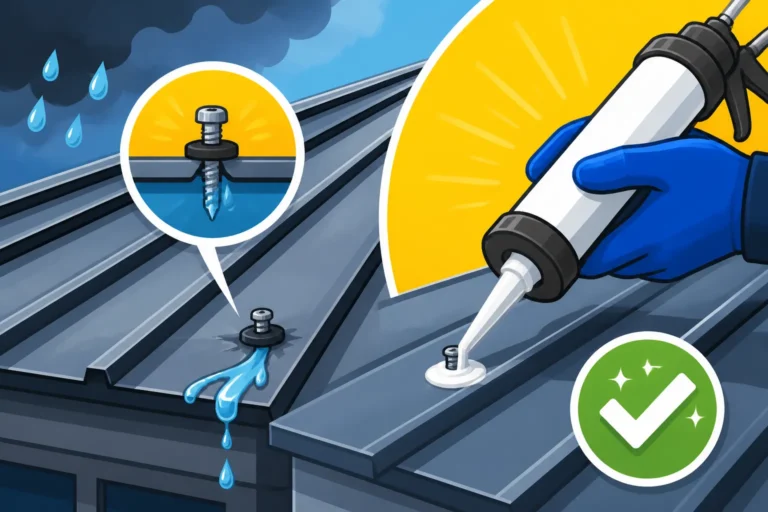
Corrugated metal roofs, or R-panel metal roofs, with their characteristic ridges and valleys, can sometimes fare a bit better cosmetically against smaller hail. The profile itself provides some structural rigidity. However, larger hailstones can flatten the ridges or create dents in the valleys, potentially affecting water runoff. The exposed fasteners on these roofs are also vulnerable; hail can damage the washers, leading to potential future leaks if not addressed. Similarly, metal tile or metal shake roofing systems, designed to mimic traditional roofing materials, might experience dents that compromise their protective coating or even crack the panels if they are stone-coated steel roof. The coating on stone-coated steel is a critical defense, and once compromised, the underlying steel can be exposed to the elements, increasing the risk of rust.
Beyond Cosmetic Damage: Hidden Issues
It’s easy to focus solely on the visible dents, but hail damage can extend far beyond what meets the eye, potentially impacting the structural integrity and protective layers of your roof. The impact of large hailstones can transmit significant force through the metal panels. This force can cause micro-fractures in the paint or coating, which might not be immediately apparent but can accelerate corrosion over time. These tiny cracks allow moisture to penetrate, eventually leading to rust, especially with a steel roof. Even with a highly corrosion-resistant material like Galvalume, compromising the coating can expose the underlying steel.
Furthermore, the impact can damage the underlayment beneath your metal panels. The underlayment is a critical secondary barrier against water intrusion, and if it's bruised, punctured, or torn by the force transmitted through the dents, you could face hidden leaks down the line. This is particularly concerning if you have a metal roof over shingles, where the underlying asphalt shingles might also be damaged, creating a double layer of compromised protection. The fasteners themselves can be affected too, even on a standing seam system. The constant vibration and impact can loosen screws or compromise the seal around them, creating avenues for water infiltration. That's why a thorough inspection by a professional who understands the intricacies of metal roofing is absolutely crucial after any significant hailstorm.
Assessing the Severity of Hail Dents
After a hailstorm, the first step is always to assess the damage. This isn't just about spotting dents; it's about understanding the scope and severity so you can make informed decisions about repair versus replacement. Safety is paramount here; never get on a roof without proper safety equipment and training. If you're unsure, call a professional.
Distinguishing Minor Dings from Significant Damage
When you're looking at your metal roof after a hailstorm, it can be tough to tell if you're dealing with purely cosmetic blemishes or something more serious. Minor dings are typically small, shallow indentations that affect only the surface appearance of the metal panel. They don't usually compromise the panel's coating, its ability to shed water, or the integrity of the seams. You might see these on a relatively new roof or after a less severe hailstorm. Often, they look like small divots, perhaps the size of a pea or a dime, that are mostly noticeable when the light hits them just right.
On the other hand, significant damage goes deeper. This includes larger, deeper dents that might show signs of creasing, especially on standing seam panels, or even tear the metal at the point of impact. If the paint or protective coating (like the PVDF or SMP coatings) is chipped, cracked, or peeled away around the dent, that's a red flag. This exposes the raw metal underneath, making it vulnerable to rust and corrosion, which can significantly shorten your roof's lifespan. Also, look for damage to the panel seams, especially if the hail was large enough to impact the raised seams themselves. If the seam is bent or separated, it's no longer performing its function of preventing water intrusion. Any damage that causes a crease or sharp bend in the panel is also a concern, as it can weaken the metal and create stress points.
The Role of Professional Inspection and Assessment Reports
While a homeowner can do an initial visual check from the ground, a professional inspection is absolutely non-negotiable for hail damage. Qualified metal roofing contractors have the experience and tools to safely get on your roof and conduct a thorough, detailed assessment that goes beyond surface-level observations. They're trained to spot subtle signs of damage that an untrained eye might miss, like hairline fractures in coatings, compromised seam integrity, or subtle indentations that could worsen over time.
A reputable contractor will provide you with a comprehensive assessment report. This report should include detailed descriptions of the damage, often with photographic evidence, noting the type, size, and location of dents, as well as any coating breaches or seam issues. They'll also evaluate potential damage to other roof components, such as flashings, gutters, and even the underlayment, which can be affected by the impact. This professional assessment is incredibly valuable, not only for understanding the true scope of repairs needed but also as crucial documentation for your insurance claim. Companies like Modernize can help connect you with vetted professionals in your area who specialize in metal roof assessments and repairs, ensuring you get an accurate and unbiased evaluation.
Repairing Minor Metal Roof Dents
For purely cosmetic, minor dents that haven't compromised the roof's coating or integrity, there are a few approaches. It’s important to manage expectations here, as achieving a perfectly smooth, unblemished surface can be challenging, even for professionals.
DIY Solutions for Small, Superficial Dents
If you're dealing with very minor dings and you’re comfortable working safely on your roof, there are a few DIY methods homeowners sometimes attempt for small, superficial dents. These methods typically involve gentle persuasion or temperature changes to encourage the metal to revert to its original shape.
One common technique involves using heat and cold. The idea is to heat the dented area gently with a heat gun (on a low setting, keeping it moving to avoid scorching the paint) and then rapidly cool it with a can of compressed air held upside down, or even dry ice carefully applied. The sudden temperature change can cause the metal to expand and contract, sometimes "popping" the dent out. This method is often more effective on thinner metals or panels with minimal creasing. However, you must be extremely careful not to overheat the metal, which can damage the paint finish and coating, or to cause thermal shock that creates new problems.
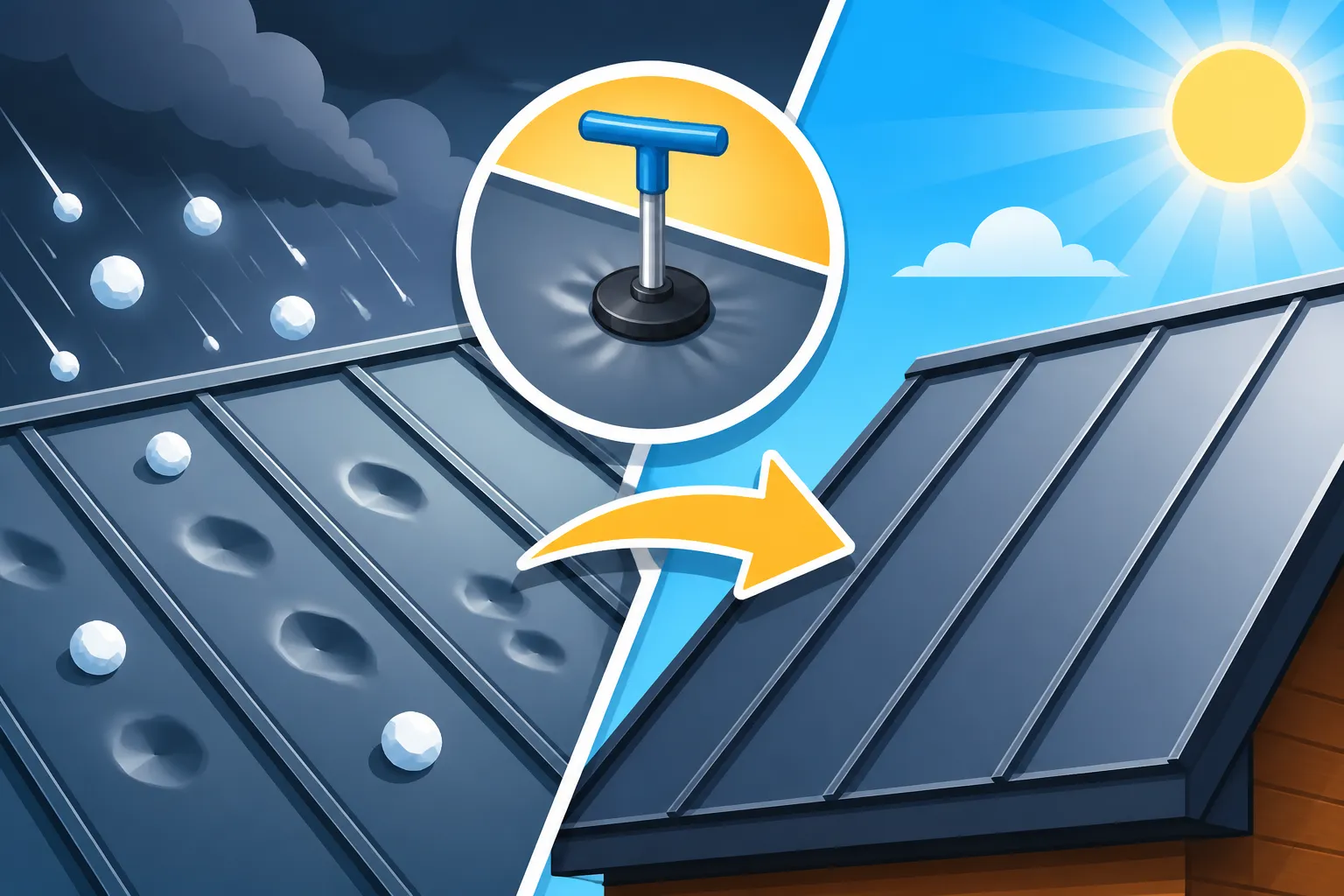
Another approach, for very shallow dents, might involve a suction-cup dent puller, similar to those used on car bodies. These are typically handheld devices that create a vacuum over the dent, allowing you to gently pull the metal outwards. Again, the success of this method depends heavily on the dent's depth and severity, and it's less effective if there's a sharp crease in the metal. Always ensure the roof surface is clean and dry before attempting any DIY repair, and remember that these are primarily for aesthetic fixes, not for damage that has compromised the roof's weatherproofing. If there's any doubt about the integrity of your roof, it's always best to consult with a professional.
When to Call a Professional for Minor Dents
While DIY fixes might seem appealing for small dents, there are many situations where calling in a professional, even for seemingly minor damage, is the smartest move. If the dents are numerous, widely spread, or located on a steep or difficult-to-access roof section, it's time to step back and let the pros handle it. Roofing work, especially on metal roofs, can be dangerous, and safety should always come first.
Beyond safety, a professional can offer repair techniques that go beyond simple pop-out methods. They have access to specialized tools and techniques, such as specific metalworking tools designed to gently massage dents out without damaging the surrounding material or coating. More importantly, they can accurately assess if a "minor" dent has actually caused hidden issues, like a hairline crack in the protective coating that could lead to rust, or micro-damage to the underlayment. A professional assessment can determine if a localized panel repair or even a targeted panel replacement is a better long-term solution than attempting to fix an aesthetic dent that might have underlying structural weaknesses. They can also ensure that any repairs maintain your roof's warranty. Many manufacturers' warranties can be voided by improper repairs, so it’s essential to have a certified metal roof installer perform the work.
Professional Metal Roof Dent Repair Techniques
When hail damage goes beyond superficial dings, professional repair techniques become essential. These methods require specialized tools, expertise, and a deep understanding of metal properties to restore both the appearance and the protective function of your roof.
Paintless Dent Repair PDR for Metal Roofing
Paintless Dent Repair (PDR) is a highly skilled technique that, while more commonly associated with automotive repair, can sometimes be adapted for certain types of hail damage on metal roofs. The core principle of PDR involves meticulously massaging the metal from the underside of the panel using specialized tools, without disturbing the existing paint finish. This method is most effective on smooth, uncreased dents where the paint is still intact and hasn't been chipped or cracked.
For metal roofing, PDR is typically employed on standing seam metal roof panels where there is clear access to the underside of the panel, often requiring careful removal of sections of the roof deck or working from attic spaces. It's a precise, time-consuming process that demands a highly trained technician with a keen eye for detail. The goal is to gradually push the metal back into its original shape, relieving the stress of the dent without causing further damage to the coating. This technique is particularly valuable because it preserves the original factory finish and avoids the need for repainting, which can sometimes be difficult to match perfectly and may not last as long as the original coating. However, PDR isn't suitable for all metal roofing types or all types of hail damage. If the metal is creased, stretched too severely, or the coating is compromised, other repair methods will be necessary.
Panel Replacement for Severe Damage
When hail damage is extensive, deeply creased, or has severely compromised the integrity of the metal panel or its protective coating, individual panel replacement often becomes the most practical and effective solution. This is especially true if you have a Standing Seam Metal Roof, where individual panels can often be unseamed, removed, and replaced without disturbing the entire roof system.
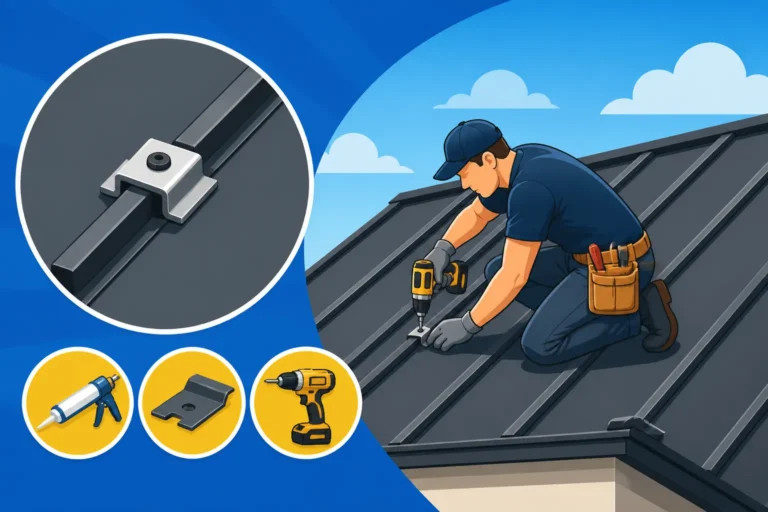
The process involves carefully disengaging the damaged panel from its neighboring panels and the underlying clips. The new panel, which should be an exact match in terms of material, gauge (e.g., a 24 gauge vs 26 gauge metal roof), color, and profile, is then installed and re-seamed. This method ensures that the roof's weatherproofing is fully restored and its aesthetic consistency is maintained. For exposed fastener systems like corrugated or R-panel roofs, individual sheets can also be replaced, though care must be taken to ensure proper alignment and sealing around the new fasteners. While panel replacement might seem like a more drastic step than dent repair, it’s often the best long-term solution for severe damage, ensuring the roof continues to perform as intended and maintains its long lifespan. It's also critical for maintaining warranty validity, as a compromised panel, even with a repaired dent, might not be covered if it fails later due to the original damage.
Recoating and Painting After Repair
Sometimes, hail damage doesn't just dent the metal; it also chips, scratches, or compromises the protective coating and paint finish. In such cases, even if the dent can be pulled out or a panel replaced, the aesthetic and protective layers need attention. Recoating or repainting can be a vital step in restoring the roof's appearance and shielding the metal from environmental elements.
This process typically involves thorough cleaning of the affected area, followed by sanding or priming if necessary to ensure proper adhesion. Then, a specialized exterior metal paint or elastomeric coating designed for metal roofs is applied. These coatings are often formulated to resist UV radiation, extreme temperatures, and moisture, extending the life of the roof and preventing rust. For a truly seamless look, some professionals may recommend recoating a larger section or even the entire roof, especially if the original paint color is difficult to match or if there's widespread minor cosmetic damage. Companies like Sherwin-Williams and PPG offer high-quality industrial coatings specifically for metal roofs. Choosing the right coating is crucial, as it needs to be compatible with the existing material and able to withstand local weather conditions. A professional will be able to advise on the best product and application method to ensure long-lasting results.
When to Consider Partial or Full Metal Roof Replacement
While repairs are often viable, there comes a point where the extent of hail damage makes a full or partial metal roof replacement a more sensible and cost-effective long-term solution. This decision often hinges on a balance of repair costs, remaining roof lifespan, and the potential for recurring issues.
Extensive Damage and Structural Compromise
If your metal roof has suffered extensive damage across a large portion of its surface, or if there's evidence of structural compromise, replacement should be strongly considered. "Extensive damage" here means widespread, deep dents, significant creasing in multiple panels, widespread coating breaches, or damage to critical components like flashing and vents that can't be easily isolated and repaired. Imagine a scenario where more than 30-40% of your panels have severe dents with compromised coatings; at that point, replacing individual panels might be almost as costly and labor-intensive as a full replacement, and you'd still have an older, partially damaged roof.
Structural compromise goes even deeper. If the hail was exceptionally large and accompanied by high winds, it could have potentially impacted the underlying roof deck or framing, even through the metal panels. While rare, this kind of extreme damage would certainly necessitate a full replacement to ensure the safety and stability of your home. A professional inspection will definitively determine if structural issues are present. In such cases, the overall integrity of the roof system has been jeopardized, and patching up individual panels may only offer a temporary fix while leaving your home vulnerable. This is where a comprehensive assessment, often facilitated by a service like Modernize, connecting you to contractors who can give you clear, honest advice, becomes invaluable. They can help you determine the most economical path forward.
Balancing Repair Costs with Remaining Roof Lifespan
Making the repair-or-replace decision also involves a crucial financial calculation: comparing the cost of extensive repairs against the cost of a new roof, especially when considering the remaining lifespan of your current metal roof. Metal roofs are renowned for their longevity, often lasting 40-70 years, far outstripping asphalt shingles. However, even a metal roof has a finite life, and significant hail damage can dramatically shorten it.
Consider this: if your metal roof is already 25-30 years old, and a major hailstorm causes widespread damage requiring extensive panel replacement and recoating, you might be looking at repair costs that approach a substantial percentage of a new roof installation. For example, if repairs cost $10,000, but a new metal roof costs $20,000 and will last another 50 years, pouring money into an aging roof might not be the best return on investment. Furthermore, even after extensive repairs, an older roof may be more prone to other issues in the near future. A new roof, on the other hand, comes with fresh warranties on both materials and workmanship, giving you peace of mind for decades to come. This is a great time to evaluate your Metal Roof Cost vs Lifespan Value. A detailed breakdown of the Metal Roof Cost: Complete 2026 Guide or specifically the Cost to Replace Shingles With a Metal Roof can help you compare potential expenses more accurately.
| Repair Type | Severity of Damage | Typical Cost Range (per square foot) | Pros | Cons | When to Choose |
|---|---|---|---|---|---|
| DIY Dent Removal | Minor, purely cosmetic dings | $0 – $50 (materials) | Low cost, immediate action | Limited effectiveness, risk of coating damage, safety concerns | Very small, shallow dents with intact coating on accessible areas |
| Professional PDR | Minor to moderate dents | $75 – $150 | Preserves original finish, no repainting needed | Not suitable for creased or coated-damaged metal, limited availability | Intact coating, accessible panels, minimal creasing |
| Individual Panel Repair | Moderate to severe dents | $150 – $300 | Targeted fix, maintains roof integrity | Color matching issues possible, labor intensive | Isolated, severe dents on a few panels, coating compromised |
| Individual Panel Replacement | Severe, widespread dents | $300 – $600 | Full restoration of damaged section, new warranty on panel | Higher cost, potential for slight color variation | Large, deep dents with compromised coating or structural issues on specific panels |
| Full Roof Replacement | Extensive, widespread damage | $600 – $1,500+ | Brand new roof, full warranty, optimal longevity | Highest initial cost, disruptive | Widespread severe damage, aging roof, structural compromise, when Is a Metal Roof Worth It? ROI, Resale & Payback makes sense |
Note: Costs are estimates and can vary significantly based on location, roof complexity, material type, and contractor rates.
Navigating Insurance Claims for Hail-Damaged Metal Roofs
Dealing with insurance companies after hail damage can feel like another storm entirely. Understanding the process, what your policy covers, and how to effectively communicate with your insurer is key to a smooth resolution.
Understanding Your Policy: Deductibles and Cosmetic Damage Clauses
Before you even pick up the phone to call your insurance company, it's absolutely vital to understand the specifics of your homeowner's insurance policy, particularly regarding hail damage to your metal roof. Most standard policies cover sudden and accidental damage from perils like hail. However, the devil is in the details, especially concerning deductibles and "cosmetic damage" clauses.
Your deductible is the amount you're responsible for paying out-of-pocket before your insurance coverage kicks in. This amount can vary widely, from a flat dollar amount to a percentage of your home's insured value, especially in areas prone to hail or wind events. Knowing your deductible upfront will help you determine if filing a claim is financially worthwhile for minor damage. For instance, if you have a $2,500 deductible and the repair estimate is $3,000, you might decide to absorb the difference yourself.
More critically, pay close attention to any "cosmetic damage" or "aesthetic damage" clauses. Some policies, particularly those for metal roofs, may exclude coverage for damage that is deemed purely aesthetic and doesn't affect the roof's functionality or weather-tightness. This means if your metal roof has numerous minor dents but no breach in the coating or structural compromise, your insurer might deny the claim for repair, arguing it's cosmetic. This can be incredibly frustrating when you've invested in a premium roof, and its appearance is now marred. If you’re unsure about these clauses, now is the time to review your policy documents or speak directly with your insurance agent for clarification. This knowledge will empower you as you proceed with your claim and help you understand what Is Hail Damage to a Metal Roof Covered by Insurance? in your specific situation.
The Insurance Claim Process Step by Step
Filing an insurance claim for hail damage to your metal roof involves several steps, and being prepared can make the process less stressful.
- Document the Damage: As soon as it's safe, take photos and videos of the damaged areas from various angles. Include close-ups of dents, scratches, and any other visible issues. Note the date and time of the storm.
- Contact Your Insurance Company: Report the damage promptly. Provide them with your initial documentation and the date of the hailstorm. They will typically assign an adjuster to your case.
- Get a Professional Roof Inspection and Estimates: This is a crucial step. Engage a reputable metal roofing contractor to conduct a thorough inspection. They can identify damage that isn't immediately visible to an untrained eye and provide a detailed estimate for repairs or replacement. It’s wise to get multiple estimates; services like Modernize can help you find qualified local contractors. This detailed report, including photos and a scope of work, will be essential for your claim.
- Meet with the Insurance Adjuster: When the adjuster comes to inspect your roof, have your contractor's estimate and documentation ready. Be present during the inspection and be prepared to point out the damage you've observed and discuss your contractor's findings. A good contractor can often speak directly with the adjuster to explain the nuances of metal roof damage. The adjuster will make their own assessment and may use specialized tools like gauge meters to measure metal thickness or impact.
- Review the Adjuster's Report: Once the adjuster completes their assessment, they will provide a report detailing the estimated damage and the proposed settlement. This report should outline what they are willing to cover and the associated costs. Compare this against your contractor’s estimate.
- Negotiate and Agree on Scope of Work: It’s not uncommon for the initial adjuster's estimate to be lower than your contractor’s. If there's a significant discrepancy, don't hesitate to negotiate. Your contractor's detailed estimate and their willingness to advocate for the necessary repairs can be invaluable here. You may need to provide additional evidence or request a re-inspection if you disagree with the adjuster's findings. This is also where understanding whether your policy is Actual Cash Value (ACV) or Replacement Cost Value (RCV) becomes critical. ACV accounts for depreciation, meaning you might not get enough to cover a full replacement of your Metal Roof Cost by Material: Steel vs Aluminum vs Copper vs Zinc, whereas RCV typically covers the full cost to repair or replace without deduction for depreciation.
- Choose a Contractor and Begin Repairs: Once you've agreed on the scope of work and the settlement with your insurance company, select your preferred contractor. Ensure they provide a clear contract that details the work, timeline, and payment schedule. Remember, you're in charge of choosing your contractor, not the insurance company.
Throughout this process, patience and persistence are your allies. Don't rush into accepting the first offer if it doesn't fully cover your damages. Understanding the nuances of a Metal Roof Insurance Claim After a Storm is key to protecting your investment.
When to Seek Expert Help or Legal Advice
While many homeowners can navigate insurance claims on their own, there are specific situations where seeking expert help or even legal advice becomes a smart, and sometimes necessary, move. If your insurance claim is denied outright, or if the settlement offer is significantly lower than the actual cost of repairs and seems unreasonable, it might be time to bring in reinforcements.
A public adjuster, for example, is an independent insurance professional who you hire to work on your behalf to negotiate with your insurance company. They understand policy language, damage assessment, and negotiation tactics, and their goal is to secure the maximum possible settlement for you. They typically work on a contingency basis, taking a percentage of the final settlement, so it’s important to weigh that cost against the potential increase in payout.
If negotiations with your insurer or their appointed adjuster reach an impasse, or if you suspect bad faith practices, consulting with a lawyer specializing in insurance claims might be necessary. This is especially true if you believe your policy is being misinterpreted, or if the insurance company is unduly delaying or denying your claim. Legal intervention can ensure your rights are protected and that you receive the fair compensation you're entitled to under your policy. Knowing when to escalate your claim to these professionals can save you significant time, money, and stress in the long run.
Disclaimer
Please remember that the information provided in this guide is for general informational purposes only and does not constitute professional advice. Metal roof repair and replacement are complex processes that should ideally be handled by qualified and licensed professionals. Always consult with a certified metal roofing contractor and your insurance provider to assess your specific situation and obtain accurate recommendations and estimates. Safety should always be your top priority when dealing with roof damage.