How to Maintain a Metal Roof in Florida
Living in Florida means dealing with beautiful sunshine, but also relentless heat, humidity, and the constant threat of severe weather, all of which can be tough on your home, especially your roof. If you've invested in a metal roof, you already know its superior durability, but even these champions of the roofing world need specific care to truly thrive in the Sunshine State's unique climate. This guide will walk you through everything you need to know about maintaining your metal roof in Florida, ensuring it provides decades of worry-free protection.
Understanding Florida's Unique Challenges for Metal Roofs
Florida isn't just a state; it's an ecosystem of elements that constantly test the limits of building materials. For metal roofs, this means facing a unique combination of environmental stressors that roofs in other parts of the country simply don't encounter with the same intensity. Understanding these challenges is the first step to developing an effective maintenance strategy.
The Relentless Sunshine and UV Exposure
Florida boasts an average of 237 sunny days a year, a statistic that sounds lovely for beachgoers but poses a significant challenge for roofing materials. The sun's ultraviolet (UV) rays are relentless, and over time, they can break down the protective coatings and paint finishes on your metal roof. This isn't just about aesthetics; a compromised coating can lead to faster material degradation and expose the metal substrate to other elements.
The fading and chalking you might see on older metal roofs are direct consequences of prolonged UV exposure. While high-quality paint systems like Kynar 500 (PVDF) are designed to resist these effects far better than traditional paints, even they require attention. Regular cleaning can help remove surface contaminants that might accelerate this process, and knowing what to look for during inspections can signal when a recoating might be beneficial to extend the roof's vibrant life.
Humidity, Salt Air, and Corrosion Risks
The Sunshine State is also the Humidity State, and for coastal areas, the Salt Air State. High humidity means a constant presence of moisture in the air, creating an ideal environment for mold, mildew, and algae to flourish on any surface, including your roof. Beyond the unsightly green or black streaks, these organic growths can trap moisture against the roof surface, potentially accelerating localized corrosion if left unchecked.
Even more aggressive is the salt air found near Florida's extensive coastline. Airborne salt particles can settle on your roof, and when combined with high humidity or rain, they become highly corrosive. This is a critical factor when choosing materials; aluminum and certain types of coated steel like Galvalume offer superior resistance to salt corrosion, making them popular choices in regions like the Florida Keys or along the Gulf Coast. Without proper maintenance, including regular rinsing for coastal homes, even these resilient materials can show signs of wear. For a deeper dive into how different materials perform, check out our guide on Metal Roof Cost by Material: Steel vs Aluminum vs Copper vs Zinc.
Hurricane Season and Extreme Weather
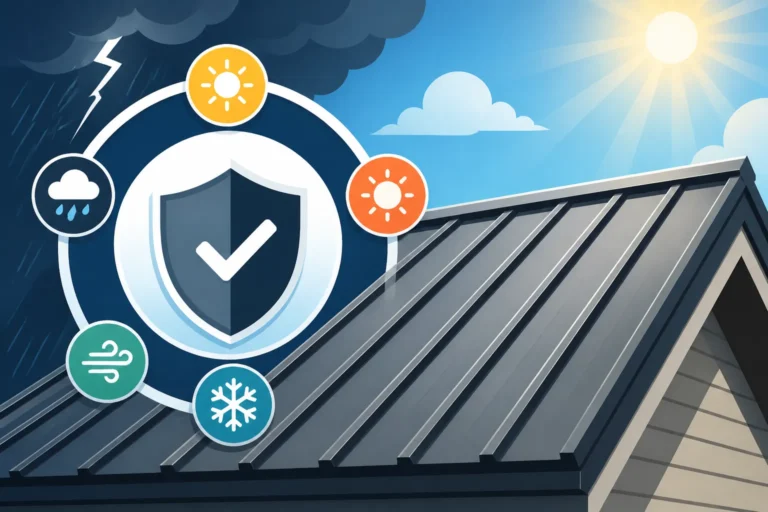
No discussion of Florida's challenges would be complete without mentioning hurricane season, which runs from June 1st to November 30th. While metal roofs are renowned for their wind resistance, boasting some of the highest wind uplift ratings in the industry, they aren't impervious to the forces of a Category 3 hurricane or above. High winds can test the integrity of every fastener, every seam, and every piece of flashing.
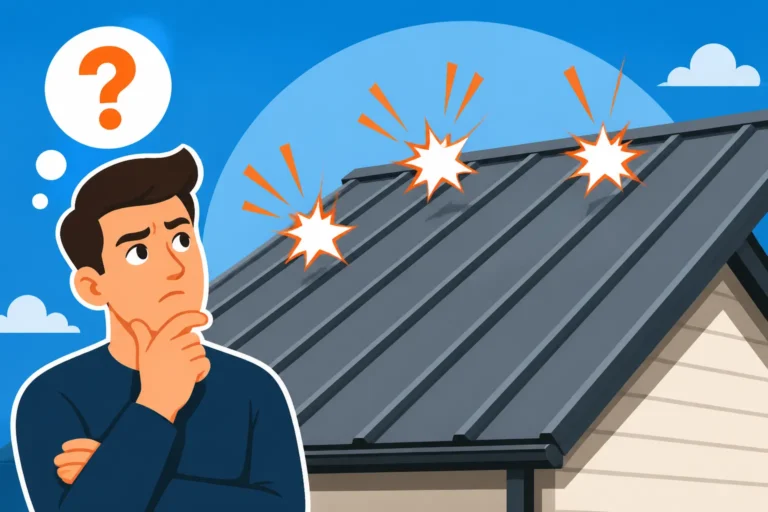
Beyond hurricanes, Florida also experiences frequent severe thunderstorms, often accompanied by strong winds, heavy rain, and sometimes hail. Flying debris from these storms can dent panels or scratch protective coatings, creating vulnerable spots. This emphasizes the need for not just robust installation practices, but also diligent post-storm inspections and timely repairs to prevent minor issues from escalating into major problems. Understanding the specific Florida Metal Roof Codes: FBC, HVHZ & Approvals can give you an idea of the stringent standards roofs must meet here.
Essential Routine Maintenance Practices
Maintaining your metal roof in Florida isn't about expensive, complicated procedures. It's mostly about consistent, proactive habits that address the unique challenges of the climate. Think of it like taking care of your car – regular oil changes and tire rotations keep it running smoothly and extend its life, preventing bigger issues down the road.
Regular Cleaning to Prevent Buildup
The combination of Florida's humidity, abundant vegetation, and frequent rainfall makes roofs a prime target for biological growth like algae, moss, and mildew, along with dirt and debris. While a metal roof won't typically develop mold into the material like asphalt shingles, these growths can cling to the surface and cause a host of problems. They trap moisture, creating localized conditions ripe for corrosion or even staining the roof's finish. Furthermore, accumulated leaves, pine needles, and other debris can hold water, blocking proper drainage and potentially leading to issues at seams or flashing.
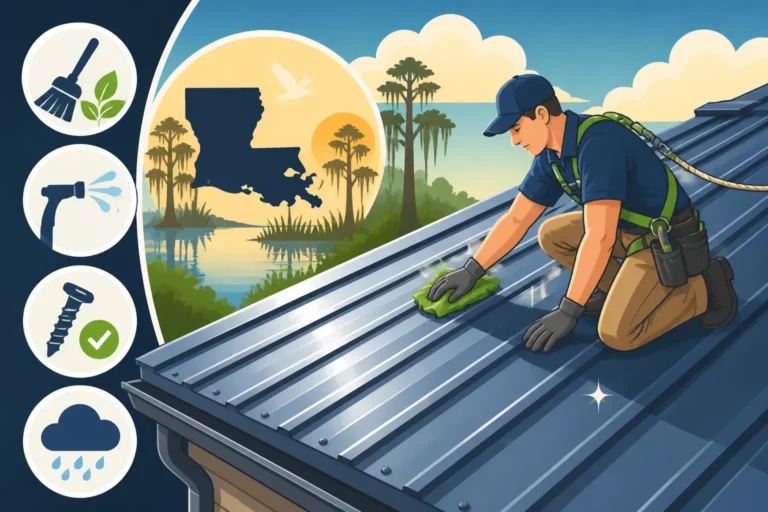
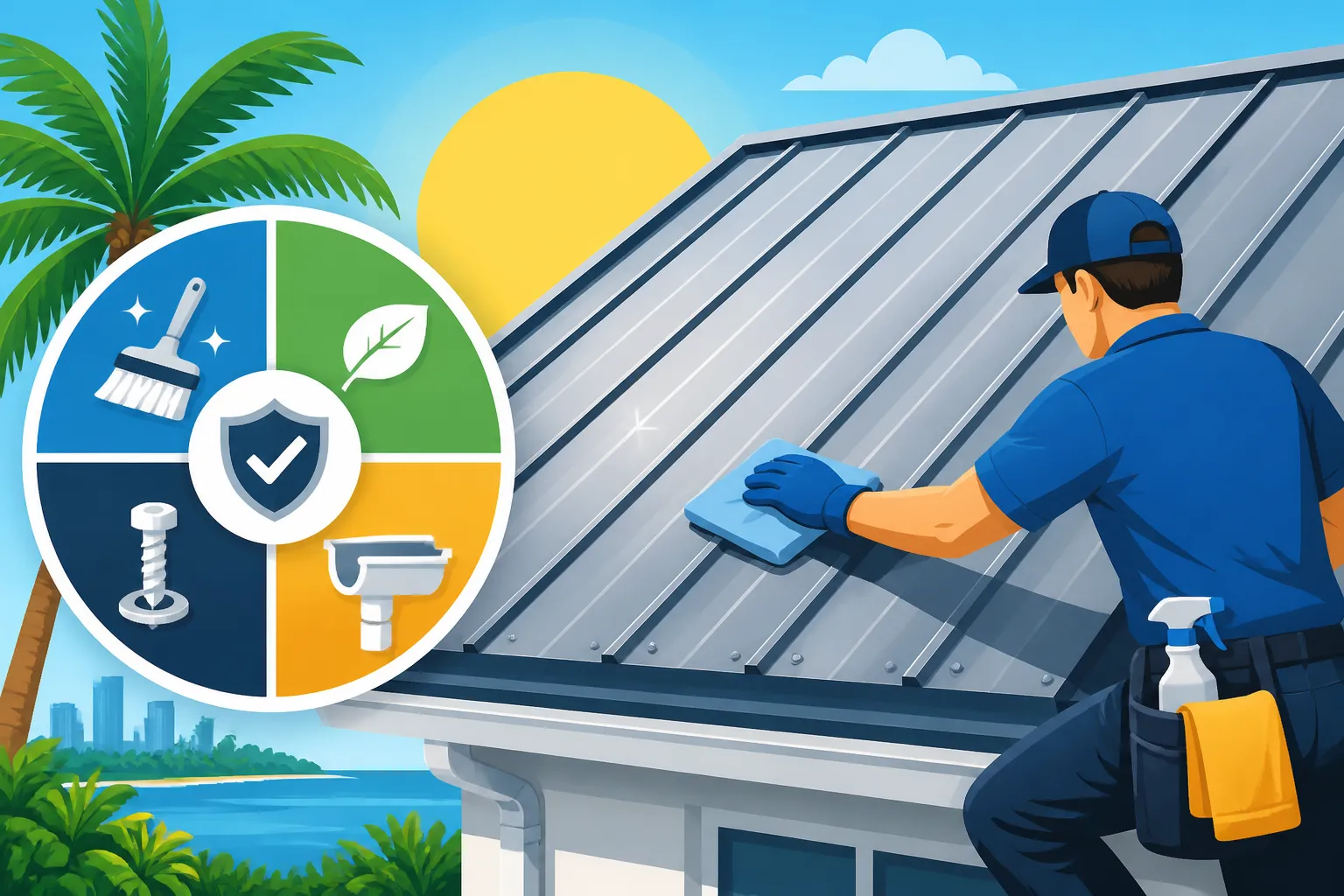
Aim to clean your roof at least once or twice a year, or more frequently if you live in a heavily treed area or a particularly humid spot like Gainesville or Orlando. Use a soft-bristle brush and a mild cleaning solution—a mixture of water and a small amount of dish soap or a specialized roof cleaner is usually sufficient. Avoid harsh chemicals, pressure washers (which can damage coatings and force water under panels), and wire brushes. Always work safely from a ladder or, if walking on the roof, wear soft-soled shoes and step on the ribs or seams of the panels to distribute your weight and prevent dents. For comprehensive advice on keeping your roof pristine, our guide on Metal Roof Maintenance Guide offers more universal tips.
Fastener and Sealant Inspections
Unlike concealed fastener systems like standing seam, many metal roofs, especially corrugated or R-panel profiles, use exposed fasteners that penetrate the metal panels. Each screw has a washer (usually neoprene) designed to create a watertight seal. Over time, Florida's intense UV radiation and extreme temperature fluctuations can cause these washers to degrade, dry out, crack, or become brittle. When this happens, the seal fails, making the fastener a potential entry point for water.
During your routine inspections, pay close attention to every fastener. Look for any signs of rust around the screws, which can indicate water intrusion, or visible degradation of the washers. Similarly, inspect all sealants around roof penetrations—like skylights, chimneys, vent pipes, and wall flashings. These areas are prone to cracking or shrinking due to thermal expansion and contraction, especially with the wide temperature swings Florida can experience, even if mild compared to other states. Promptly replacing any worn fasteners or re-sealing compromised areas with a high-quality, compatible sealant is crucial. Catching these issues early can prevent a small leak from becoming a much larger, more expensive problem, as detailed in our Metal Roof Leak Repair Guide. If you're not comfortable on a ladder or inspecting your roof, a local professional contractor can perform these checks. You can use services like Modernize to connect with experienced roofers in your area.
Gutter and Downspout Clearing
It might seem obvious, but clogged gutters and downspouts are an Achilles' heel for any roof, including metal ones. In Florida, heavy rainfall is a regular occurrence, and if your gutters are full of leaves, pine needles, or debris, water has nowhere to go. Instead of flowing safely away from your home, it can back up and pool along the edges of your roof.
This pooling water poses several threats. First, prolonged standing water can accelerate corrosion, particularly on the edges of panels or where protective coatings might be thinner. Second, it can seep under fascia boards, leading to wood rot and potential structural damage. Third, during heavy rains, overflowing gutters can dump water directly onto your home's foundation, potentially causing issues there. Regularly clearing your gutters, especially before and after hurricane season or any major storm, ensures proper drainage and protects both your roof and your home's exterior.
Proactive Measures for Longevity and Protection
Beyond the routine cleaning and inspections, there are proactive steps you can take to significantly extend the life of your metal roof in Florida. These measures focus on enhancing its inherent strengths and mitigating the specific environmental pressures it faces, ensuring it lives up to its long-lasting reputation.
The Role of High-Quality Coatings and Finishes
The coating on your metal roof isn't just for color; it's the first line of defense against the elements. In Florida's harsh climate, the quality of this coating is paramount. Premium coatings, like those made with Kynar 500 or Hylar 5000 resins (both types of PVDF), offer exceptional resistance to UV radiation, fading, chalking, and corrosion. They maintain their color and integrity for decades, significantly outperforming cheaper alternatives like Silicone Modified Polyester (SMP) in terms of long-term performance and aesthetic retention, especially under Florida's sun.
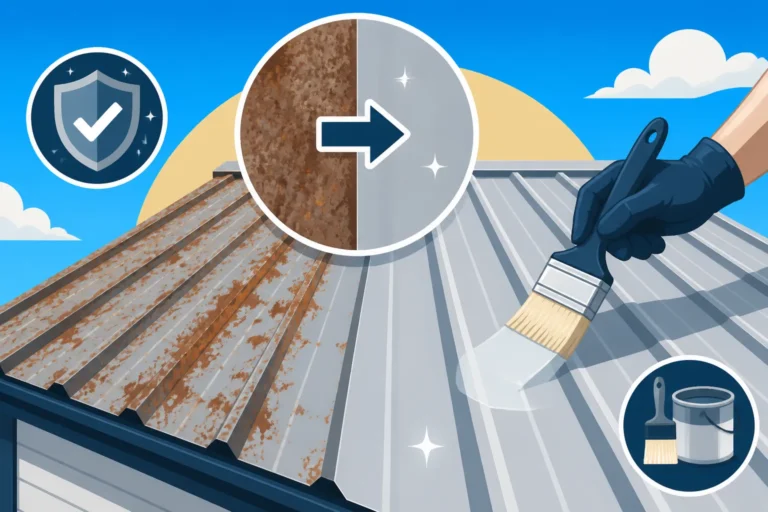
While these factory-applied coatings are incredibly durable, even they have a lifespan. After many years, typically 20-40 depending on the specific product and exposure, you might notice some fading or chalking. At this point, you have options. Repainting or recoating your metal roof with a high-performance elastomeric coating can revitalize its appearance and restore its protective qualities, adding many more years to its functional life. This is a significant investment that should only be done with professional-grade materials and application by experienced contractors. Our comparison of PVDF vs SMP Paint Coatings for Metal Roofs can help you understand the differences in coating performance.
Ventilation and Condensation Management
Given Florida's high humidity, managing condensation is a critical, yet often overlooked, aspect of metal roof maintenance. When warm, humid air from your home's interior or attic space meets the cooler underside of your metal roof panels, condensation can form. This accumulated moisture, if not properly addressed, can lead to several problems: it can drip down, damaging insulation and ceilings, and over time, it can even cause corrosion on the underside of your metal panels or rot of the roof decking.
Proper attic ventilation is key to preventing this. A well-designed ventilation system, including continuous ridge vents and soffit vents, allows warm, moist air to escape the attic, drawing in cooler, drier air from outside. This constant airflow helps equalize the temperature and humidity levels, drastically reducing the chances of condensation. Ensuring that insulation isn't blocking your soffit vents and that your attic has adequate exhaust ventilation is a proactive step that can save you from significant headaches and costly repairs down the line. Our detailed guide on Metal Roof Underlayment and Ventilation Guide provides more insights into creating a healthy roof system.
Professional Inspections and Preventative Maintenance Plans
While DIY inspections are helpful, nothing beats the keen eye of an experienced metal roofing professional. They know exactly what to look for, from subtle signs of fastener wear to potential flashing issues that an untrained eye might miss. A professional inspection, ideally performed every 3-5 years or after any significant storm, can catch small problems before they escalate. They can assess the condition of your coatings, check for proper drainage, inspect all flashing, and identify any areas that might need proactive attention.
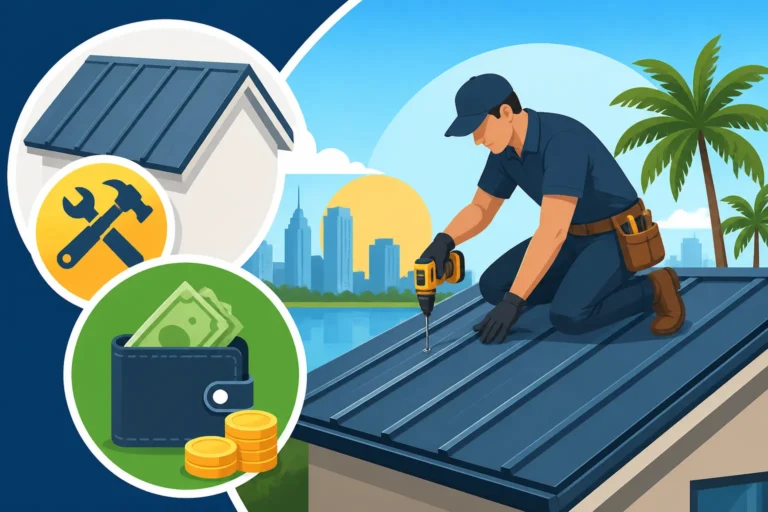
Many roofing companies offer preventative maintenance plans tailored to metal roofs, which can include periodic cleaning, minor repairs, and comprehensive inspections. Investing in such a plan, or at least scheduling regular check-ups with a reputable contractor, is a smart way to protect your investment and ensure your roof's longevity. When searching for qualified pros, services like Modernize can be incredibly useful for connecting you with local, vetted contractors who specialize in metal roofing in Florida, making the process of finding reliable help much smoother. This ensures your roof receives the expert care it needs to withstand Florida's unique environmental challenges for its impressive How Long Do Metal Roofs Last? lifespan.
Addressing Common Florida-Specific Metal Roof Issues
Florida's climate creates a perfect storm for certain roofing issues. Knowing how to identify and address these specific problems can save you a lot of grief and expense. From unsightly biological growth to the insidious threat of salt corrosion, proactive steps are your best defense.
Dealing with Algae, Mold, and Mildew
The high humidity and warm temperatures across Florida make roofs a veritable petri dish for algae, mold, and mildew. These growths manifest as green, black, or even reddish streaks or patches on your roof panels. While they generally don't damage the metal itself in the same way they might deteriorate asphalt shingles, they are unsightly and can trap moisture, leading to premature breakdown of coatings or localized staining.
For removing these biological growths, a gentle approach is always best. A mixture of equal parts household bleach and water, or a specialized roof cleaner designed for metal roofs, applied with a low-pressure sprayer, can effectively kill and remove these organisms. Let the solution sit for 15-20 minutes, then rinse thoroughly with clean water. Remember, never use high-pressure washers, as they can lift paint, compromise sealants, and force water into hidden areas. For persistent issues, some homeowners explore zinc strips installed near the ridge, as zinc ions are toxic to algae and can prevent regrowth. Always ensure your chosen cleaning method is safe for your roof's specific coating and for surrounding landscaping.
Saltwater Corrosion Prevention and Treatment
For homes hugging Florida's coastline, from the Gulf shores of Naples to the Atlantic beaches of Jacksonville, saltwater corrosion is a constant enemy. Microscopic salt particles carried by the sea breeze settle on your roof, and when moistened by dew or rain, they create an electrolyte solution that can accelerate the corrosion process, especially if the protective coating is compromised.
The best defense against saltwater corrosion begins with material selection. Aluminum and specialized Galvalume steel panels, often with enhanced marine-grade coatings, are highly recommended for coastal environments. However, even with the right materials, preventative measures are crucial. Regular rinsing of your roof with fresh water, especially after windy days or storms, can wash away accumulated salt. This is particularly important for areas that don't get natural rainfall regularly. If you spot signs of localized corrosion or rust (though rare on properly coated metal), specialized rust converters and protective coatings can be applied, but this is a job best handled by a professional to ensure the repair is effective and doesn't compromise the existing roof warranty. For selecting the most resilient options for your seaside abode, consult our guide on the Best Metal Roof for Coastal and Salt Air.
Post-Storm Inspection and Damage Assessment
Living in Florida means being prepared for hurricane season and frequent severe thunderstorms. While metal roofs are robust, even the toughest can sustain damage from high winds, flying debris, or hail. A thorough post-storm inspection is not just recommended, it's essential for maintaining the integrity of your roof.
After any significant weather event, start by visually inspecting your roof from the ground with binoculars. Look for obvious signs of damage: missing or loose panels, dents (especially from hail), uplifted edges, scratched or chipped paint, and damage to flashing around chimneys, vents, and skylights. Also, check your gutters for excessive debris or any unusual items. If you suspect damage or see anything concerning, hire a qualified metal roofing contractor to perform a detailed inspection. They can safely access the roof, assess the extent of the damage, and recommend appropriate repairs. Documenting any damage with photos is crucial for insurance claims. Understanding Metal Roof Storm, Hail & Wind Damage and the process of filing an insurance claim is vital for Florida homeowners.
| Maintenance Task | Frequency | Why It's Crucial in Florida | Recommended Action |
|---|---|---|---|
| Surface Cleaning | 1-2 times/year (more in leafy/humid areas) | Prevents algae, mold, and mildew growth that trap moisture and degrade coatings. Removes salt in coastal areas. | Use mild soap and water with a soft brush or low-pressure sprayer. Rinse thoroughly. Avoid harsh chemicals or high-pressure washing. |
| Fastener/Sealant Check | Annually & after major storms | UV and thermal expansion degrade washers/sealants, leading to leaks. | Inspect all exposed fasteners for tight seals and intact washers. Check sealants around penetrations for cracks or gaps. Replace as needed. |
| Gutter/Downspout Clearing | Quarterly & after major storms | Prevents water backup and pooling, which can cause localized corrosion and fascia damage. | Remove all debris to ensure clear water flow away from the roof. |
| Professional Inspection | Every 3-5 years or after severe storms | Identifies hidden issues, assesses coating integrity, and ensures structural soundness. | Hire a reputable metal roofing contractor for a comprehensive evaluation. |
| Vegetation Trimming | Annually or as needed | Prevents branches from scratching the roof or dropping debris that can clog gutters. | Trim overhanging branches to maintain clearance from the roof surface. |
| Condensation Management | Ongoing (via ventilation) | High humidity can lead to condensation on the underside, causing damage and mold. | Ensure proper attic ventilation (soffit/ridge vents) is unobstructed and functional. |
Disclaimer
The information provided in this article is intended for general guidance and informational purposes only. While we strive to offer accurate and up-to-date advice, local building codes, environmental factors, and specific product specifications can vary. Always consult with a qualified and licensed metal roofing professional for personalized recommendations and before undertaking any significant repairs or maintenance on your roof. This content does not constitute professional advice.