How to Extend the Life of a Metal Roof
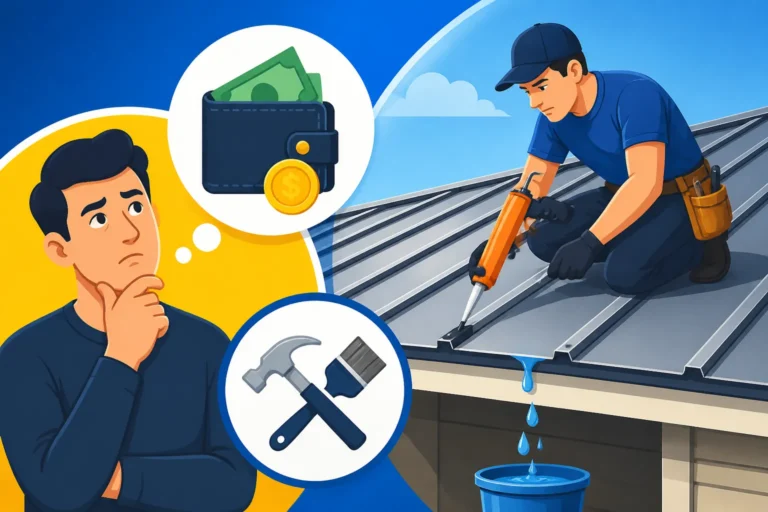
One of the biggest investments you'll make in your home is your roof, and when you choose metal, you're looking for longevity. It's frustrating to think about that investment not reaching its full potential due to preventable issues. This guide is here to walk you through exactly how to extend the life of your metal roof, ensuring it provides decades of reliable protection and keeps your home looking great.
Understanding Your Metal Roof's Lifespan Potential
When you invest in a metal roof, you're not just buying a covering; you're buying peace of mind for decades. Unlike traditional asphalt shingles that might give you 15-20 years, a well-maintained metal roof can easily last 40 to 70 years, sometimes even longer! That's a huge difference, and it speaks to the incredible engineering and material science behind these robust systems. But that long life isn't guaranteed by just installation; it's a partnership between the quality of the roof and your commitment to its care.
The Incredible Durability of Metal
Metal roofing materials are inherently durable. We're talking about steel, aluminum, copper, and zinc – all materials known for their strength and resilience. Steel, often coated with Galvalume or galvanized finishes, is incredibly resistant to impact, fire, and pests. Aluminum is lightweight and naturally corrosion-resistant, making it perfect for coastal areas. Copper and zinc offer unparalleled longevity, often outliving the homes they cover, and they develop beautiful patinas over time. This inherent strength means your roof isn't just sitting there; it's actively resisting the elements day in and day out.
Think about the extreme weather events roofs face: scorching summer sun, torrential downpours, heavy snow loads, and even hailstorms. A quality metal roof, particularly something like a standing seam system, is designed to withstand these challenges with minimal fuss. The way the panels interlock and expand/contract, coupled with advanced paint finishes like PVDF (Kynar 500) that resist fading and chalking, all contribute to this impressive durability. It's a system built for the long haul, ready to protect your sanctuary for generations. For more in-depth information, check out our guide on Metal Roof Lifespan: How Long Do They Last?.
Key Factors Influencing Longevity
While metal roofs are built tough, several factors play a significant role in determining whether your roof hits the 40-year mark or sails past 70. The initial quality of materials, for instance, is paramount. A 24-gauge standing seam panel, for example, is inherently more robust and less prone to oil canning or denting than a lighter 29-gauge agricultural panel. The type of coating on steel roofs, like Galvalume, also greatly affects its resistance to corrosion and how long it maintains its aesthetic appeal.
Beyond materials, installation quality is arguably the most critical factor. Even the highest quality panels can fail prematurely if installed incorrectly. Proper fastening techniques, correct flashing details around chimneys and skylights, and careful handling of panels to avoid scratches are all non-negotiable. Environmental factors also play a part: homes in harsh coastal environments or areas with frequent severe storms will naturally face more stress than those in milder climates. However, even with these challenges, diligent maintenance and smart material choices can help your metal roof defy the odds.
Proactive Maintenance: Your First Line of Defense
You wouldn't buy a luxury car and never change the oil, right? The same principle applies to your metal roof. Consistent, proactive maintenance isn't about fixing problems as they arise; it's about preventing them from ever becoming major headaches. This approach not only saves you money on costly repairs down the line but also ensures your roof looks fantastic and performs optimally for its entire projected lifespan. Think of it as an ongoing relationship with your roof, where a little attention goes a very long way.
The Power of Regular Inspections
Regular inspections are hands-down the most powerful tool in your maintenance arsenal. We're not talking about climbing up there with a magnifying glass every weekend, but a thorough visual check-up at least once or twice a year, ideally in the spring and fall. After any significant storm, an inspection is absolutely critical. What are you looking for? Keep an eye out for any loose fasteners, signs of rust, peeling paint, or accumulation of debris. Pay special attention to areas around flashing, valleys, and skylights, as these are common culprits for leaks.
If you're comfortable and have the right safety gear, a ground-level inspection with binoculars can often reveal a lot. For a closer look, especially after a decade or so, considering a professional inspection is a smart move. A trained eye can spot subtle issues you might miss, like compromised sealant or early signs of galvanic corrosion where different metals meet. Catching these small problems early can prevent them from escalating into expensive, damaging leaks. Our comprehensive Metal Roof Maintenance Guide offers a full checklist for what to look for.
Simple Cleaning Techniques
Believe it or not, keeping your metal roof clean is a huge part of its longevity. Over time, leaves, pine needles, dirt, and even moss or algae can accumulate, especially in shaded areas or valleys. This organic matter holds moisture against the roof surface, which can lead to premature wear of coatings, paint degradation, and even localized rust spots if left unchecked. These accumulations also impede proper drainage, potentially causing water to back up and find its way into your home.
The good news is that cleaning a metal roof is usually quite straightforward. For light debris, a leaf blower or a simple garden hose with a spray nozzle is often enough. For tougher grime or algae, a soft-bristle brush and a mild, non-abrasive cleaning solution (like a diluted dish soap or specific roof cleaner approved for metal) can work wonders. Always rinse thoroughly to remove all cleaning agents. When working on a roof, always prioritize safety: wear non-slip shoes, use a sturdy ladder, and consider hiring a professional if the pitch is steep or you're uncomfortable. Avoid harsh chemicals or pressure washers, as these can damage the protective coatings on your panels.
Addressing Minor Issues Promptly
One of the biggest mistakes homeowners make is procrastinating on small repairs. A loose screw, a tiny scratch, or a piece of bent flashing might seem insignificant, but these are often the starting points for much larger, more expensive problems. A loose screw can allow water intrusion, eventually leading to rot in your decking or attic. A small scratch in the paint coating exposes the metal substrate to the elements, making it vulnerable to rust.
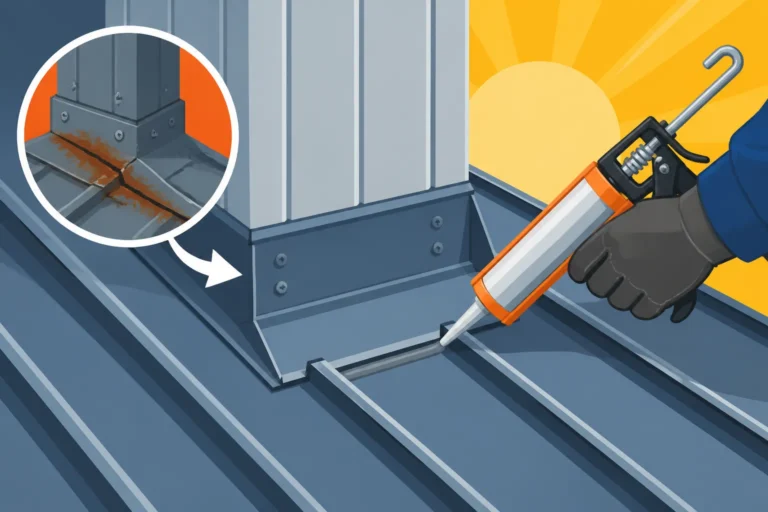
The key is to act quickly. If you spot a loose fastener, gently tighten it and consider adding a dab of compatible sealant around the washer. For minor scratches, touch-up paint specifically designed for metal roofing can prevent rust from taking hold. Bent flashing should be carefully reshaped or, if severely damaged, replaced. These seemingly minor fixes are critical to maintaining the roof's integrity and preventing widespread damage. For persistent leaks, learning How to Fix a Leaking Metal Roof can be invaluable, or knowing when to call a professional for more serious repairs.
Protecting Against Common Threats
Your metal roof is a champion, but it's not invincible. It constantly battles against rust, the unpredictable fury of storms, and the relentless assault of the sun's UV rays. Understanding these common threats and implementing targeted protection strategies is essential to ensuring your roof stands strong for many decades to come.
Battling Rust and Corrosion
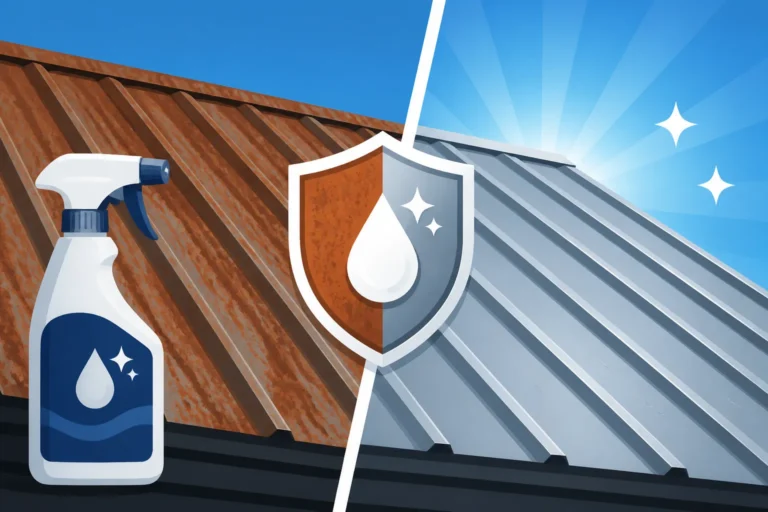
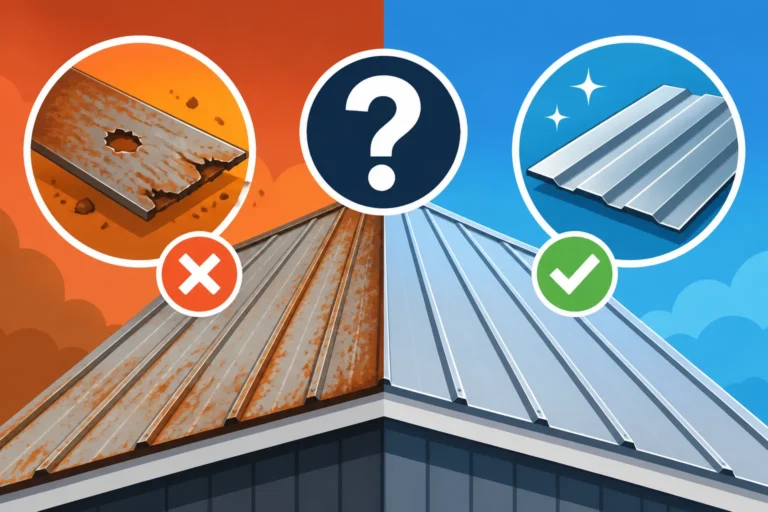
Rust is the archenemy of many metal roofs, particularly those made of steel without proper coatings. While modern Galvalume and galvanized steel roofs are highly resistant, superficial rust can still occur in areas where the coating is compromised, such as deep scratches, cut edges that weren't sealed, or around fasteners where washers have degraded. Corrosion can also happen with certain chemicals or if incompatible metals are in direct contact (galvanic corrosion).
The best defense against rust is prevention through maintaining the protective coating. Regularly inspect for any bare metal spots or significant paint chips. For minor rust spots, a wire brush can remove loose rust, followed by an application of a rust-inhibiting primer and matching touch-up paint. For more widespread issues, a dedicated Metal Roof Rust and Corrosion Treatment might be necessary, sometimes involving specialized primers and coatings. If you live in a coastal area, consider aluminum or zinc roofs which offer superior natural corrosion resistance.
Guarding Against Storm Damage
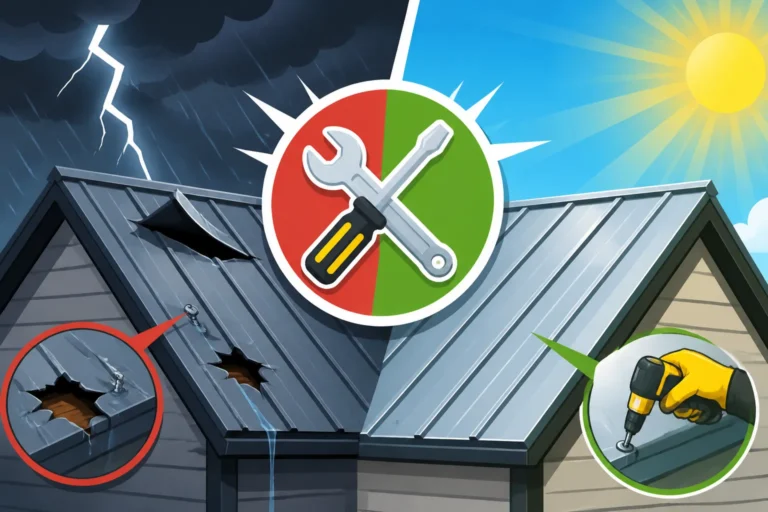
Metal roofs are renowned for their durability against severe weather, but they're not impervious. High winds can lift unsecured panels or peel off trim pieces. Hail, especially large hailstones, can cause dents, known as cosmetic damage, which while not always affecting the roof's functional integrity, can certainly impact its appearance and potentially future resale value. Falling tree branches are also a significant threat, capable of puncturing or severely bending panels.
To protect against storm damage, start by regularly trimming overhanging tree branches that could fall onto the roof. Ensure your roof's fasteners are tight and, if you live in a high-wind zone, ensure the panels were installed with adequate clips and fasteners for the anticipated wind loads. After any major storm, conduct a visual inspection for damage. While most metal roofs boast excellent wind and impact ratings, comprehensive homeowner's insurance with appropriate coverage is crucial for unforeseen events. For more details on what to look for, refer to our guide on Metal Roof Storm, Hail & Wind Damage.
The Sun's Impact and How to Mitigate It
The sun, while providing light and warmth, is also a relentless force that can degrade your roof over time. The sun's ultraviolet (UV) rays are the primary culprits, causing the paint coating on your metal roof to fade, chalk, and eventually degrade. This isn't just an aesthetic issue; the paint coating is the first line of defense against rust and corrosion. As it breaks down, the underlying metal becomes more vulnerable.
The good news is that modern metal roofing finishes are incredibly advanced. High-performance coatings, especially those with Kynar 500 (PVDF) resins, are specifically designed to resist UV degradation, fading, and chalking for decades. Choosing a lighter color metal roof can also help reflect more sunlight and keep your home cooler, reducing thermal stress on the roof itself. If your roof's finish is starting to look dull or chalky after many years, consider a professional recoating. This process can restore your roof's protective layer and significantly extend its aesthetic and functional lifespan.
Smart Upgrades and Professional Care
Sometimes, keeping your metal roof in top shape for the long haul means going beyond basic maintenance. This could involve strategically upgrading components or knowing when to call in the experts. These smart investments and professional interventions can dramatically enhance your roof's performance and significantly extend its life.
High-Performance Coatings and Sealants
As discussed, the factory finish on your metal roof is its primary protector. But over time, even the best coatings will eventually show wear. When this happens, rather than replacing the entire roof, you might consider a high-performance recoating or the application of specialized sealants. These products can essentially give your roof a "new skin," restoring its protective qualities and even enhancing its energy efficiency. Elastomeric coatings, for example, can seal tiny cracks, reflect sunlight, and create a seamless, waterproof barrier.
Choosing the right coating depends on your roof's material, its current condition, and your climate. It's not a DIY project for most homeowners; professional application ensures proper surface preparation, adhesion, and uniform coverage. These coatings can rejuvenate an aging metal roof, providing another 10-20 years of robust protection against UV rays, moisture, and temperature fluctuations. This is often a much more cost-effective solution than a full replacement. You can learn more about this process in our article on Repainting and Recoating a Metal Roof. Additionally, if you find areas needing extra sealing, using the Best Sealant for Metal Roof Leaks can prevent future problems.
Fastener and Flashing Integrity
The unsung heroes of your metal roof are often the fasteners and flashing. Fasteners (screws, clips) hold the panels securely in place, and their integrity is crucial for resisting wind uplift and preventing leaks. Flashing – the metal strips installed around penetrations like chimneys, vents, and valleys – diverts water away from vulnerable areas. If either of these components fails, your entire roof system is compromised.
Over decades, UV exposure and thermal expansion/contraction can degrade the rubber washers on exposed fasteners, leading to loosening and potential leaks. Regularly checking and replacing worn washers or backing-out screws is a simple yet vital task. Similarly, flashing can bend, pull away, or become brittle over time. Any gaps or compromises in flashing create direct pathways for water intrusion. Ensuring these critical components are intact and properly sealed is non-negotiable for maximizing your roof's lifespan. Consider reviewing our guide on How to Replace Metal Roof Screws and Fasteners for practical tips.
The Value of Professional Expertise
While regular homeowner maintenance is important, there comes a time when professional expertise is invaluable. Annual professional inspections can catch subtle issues that an untrained eye might miss, such as the early signs of galvanic corrosion, minor seam separation, or hidden water damage. Professionals also have the specialized tools and knowledge to safely access and repair areas that might be difficult or dangerous for a homeowner.
When it's time for more significant repairs, a comprehensive inspection, or a recoating project, finding the right contractor is absolutely key. Services like Modernize can help connect you with pre-vetted local professionals who specialize in metal roofing, ensuring you get qualified help. A reputable contractor will provide detailed quotes, explain necessary repairs, and ensure all work meets local building codes. Investing in professional care every few years can truly add decades to your metal roof's life, validating your initial investment. For more advice, check out Metal Roof Inspection: What to Check.
Here’s a quick overview of key maintenance actions and their benefits:
| Maintenance Action | Frequency | Primary Benefit | Impact on Lifespan |
|---|---|---|---|
| Visual Inspection | Bi-annually | Early detection of issues | Significant extension |
| Debris Removal & Cleaning | Annually/As needed | Prevents coating degradation & water backup | Moderate extension |
| Fastener Check/Tightening | Every 2-5 years | Prevents leaks & panel detachment | High extension |
| Flashing Inspection/Repair | Bi-annually | Prevents water intrusion at critical points | Critical for longevity |
| Minor Rust Treatment | As needed | Stops corrosion spread | Moderate extension |
| Professional Roof Assessment | Every 5-10 years | Comprehensive issue identification & expert advice | Long-term assurance |
| Protective Recoating (if needed) | Every 15-25 years | Restores UV protection & weather resistance | Major extension |
This table illustrates that consistent, multi-faceted attention across various aspects of your metal roof's condition contributes to its extraordinary lifespan.
Disclaimer
Please remember that this article provides general information and recommendations. Metal roofing systems can vary significantly in material, installation, and specific maintenance requirements. Always consult with a qualified, local metal roofing professional for advice tailored to your specific roof and local climate conditions. While metal roofs are durable, improper maintenance or DIY repairs can lead to damage or void warranties. Prioritize safety when performing any roof maintenance.