Is a R-Panel Metal Roof Good for a House?
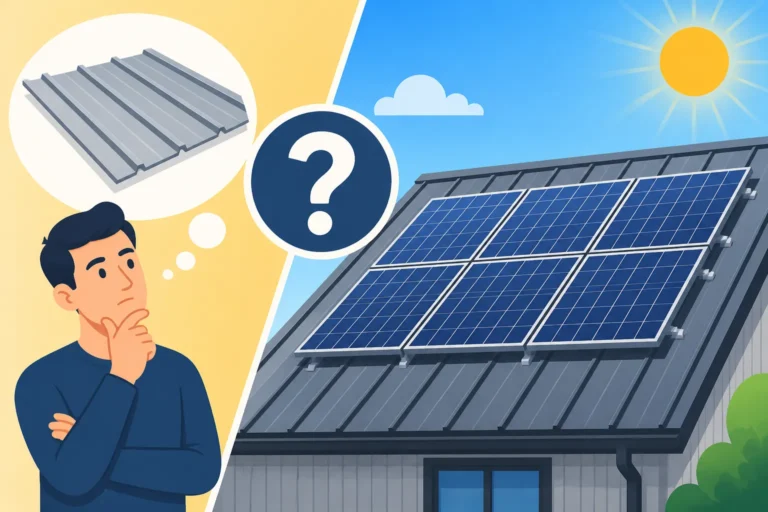
Choosing a new roof for your home is a huge decision, and it’s easy to feel overwhelmed by all the options out there. Many homeowners find themselves curious about metal roofing, specifically R-panel, but they often associate it more with commercial buildings or barns than with a cozy family home. You might be wondering if this durable, often more budget-friendly option is truly suitable for your residential property. This guide is here to walk you through everything you need to know about using R-panel metal roofing on a house, helping you decide if it’s the right fit for your unique needs and aesthetic preferences.
Understanding R-Panel Roofing for Residential Use
When you start diving into metal roofing, you quickly learn there's a whole world beyond just "metal." R-panel is one of those distinct types that catches a lot of attention, usually for its robustness and straightforward appeal. But what exactly makes an R-panel roof tick, and how does it translate from an industrial setting to a residential one?
What Exactly is R-Panel?
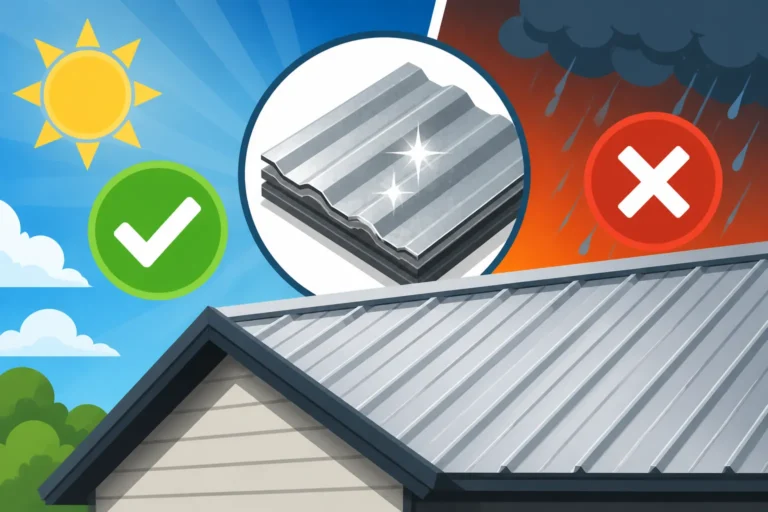
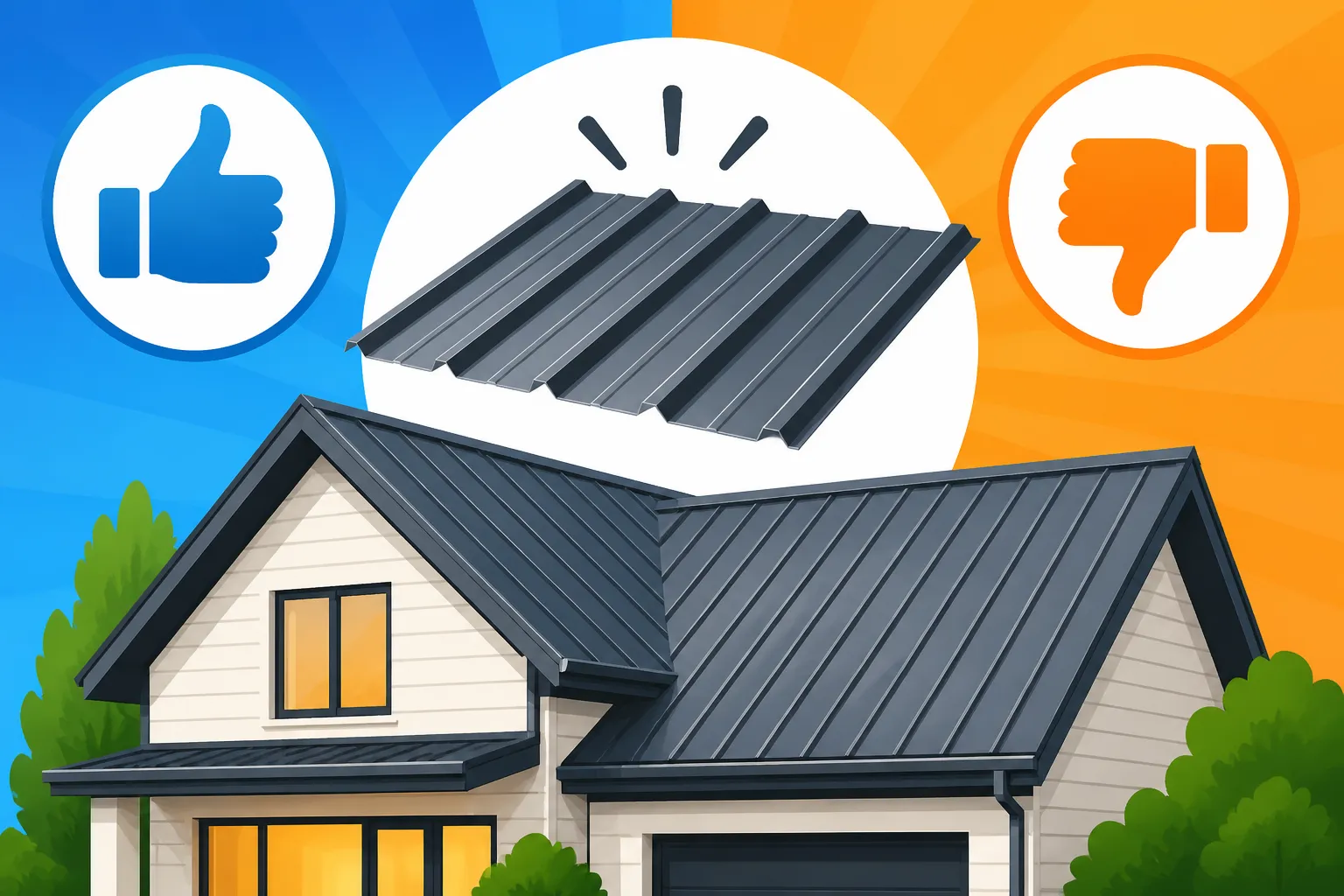
R-panel roofing is characterized by its deep, high ribs and flat areas between them, forming a strong, rigid panel. Unlike some other metal roof profiles, R-panel is an exposed fastener system, meaning the screws that attach the panels to the roof deck are visible on the surface. These panels are typically made from steel, often with a Galvalume coating – a fantastic blend of aluminum and zinc that offers superior corrosion resistance compared to traditional galvanized steel. This durable coating is a big reason why these roofs last so long, resisting rust and weathering over decades.
Historically, R-panel has been a go-to for commercial buildings, warehouses, and agricultural structures because of its strength, cost-effectiveness, and ease of installation. Its robust nature makes it ideal for large spans and demanding environments. However, in recent years, designers and homeowners have started to appreciate its utilitarian aesthetic and practical benefits for residential projects, especially for modern, industrial-style homes or properties where durability is paramount. While it's common to see it on a commercial building, don't let that fool you into thinking it can't enhance a home.
Key Characteristics and Appearance
The defining feature of R-panel roofing is its bold, industrial look. The pronounced ribs create strong shadow lines, giving the roof a distinctive texture that can be quite striking on the right architectural style. If your home has clean lines, a contemporary design, or a rustic farmhouse appeal, R-panel can actually complement it beautifully. Think about those modern homes with large windows and minimalist landscaping – an R-panel roof can really tie that look together.
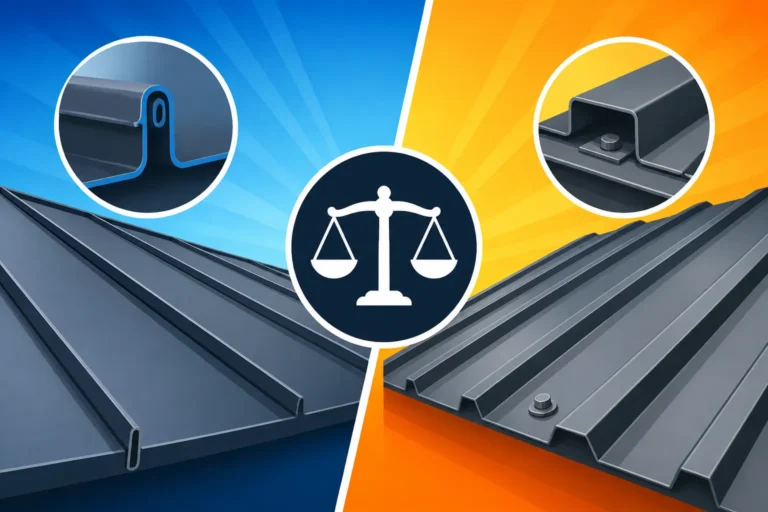
These panels come in a wide array of colors, from classic grays and browns to vibrant blues and reds, often with energy-efficient "cool paint" finishes that reflect more sunlight and reduce heat absorption. This means you can often find a color that fits your home's exterior palette perfectly, even if the profile itself is more functional than ornate. It's also worth noting how R-panel differs from other popular metal roofing types. For instance, a Standing Seam Metal Roof Cost typically has concealed fasteners and a much smoother, sleeker appearance, often at a higher price point. Corrugated metal, while also having exposed fasteners, usually features shallower, wavier ribs. The choice largely comes down to the specific aesthetic you're aiming for and your budget.
The Benefits of Choosing an R-Panel Roof for Your Home
When homeowners consider metal roofing, they're often looking for a combination of longevity, protection, and value. R-panel delivers on these fronts in spades, bringing a host of advantages that make it a compelling choice for many residential properties.
Durability and Longevity
One of the absolute biggest draws of R-panel roofing is its incredible durability. These panels are built tough. Made from sturdy steel, they can stand up to some seriously harsh weather conditions that would send traditional asphalt shingles packing. We're talking high winds, heavy rain, and even hail. Many R-panel systems carry excellent wind resistance ratings, often able to withstand gusts over 100 mph, which is a huge peace of mind for those in storm-prone areas.
Beyond just weather, metal roofs are inherently resistant to fire, a significant safety benefit, especially in regions susceptible to wildfires. Unlike organic materials that can fuel a blaze, metal panels are non-combustible. This robust construction means an R-panel roof isn't just a short-term fix; it's a long-term investment. You can realistically expect an R-panel roof to last anywhere from 40 to 60 years, or even longer with proper care. That's two to three times the lifespan of a typical asphalt shingle roof, meaning fewer replacements and less hassle over the decades. You can learn more about Metal Roof Lifespan: How Long Do They Last? to truly appreciate the long-term value.
Cost-Effectiveness
Let's be real, price is a major factor for any home improvement project, and roofing is no exception. While metal roofing, in general, has a higher upfront cost than asphalt shingles, R-panel often presents one of the more budget-friendly entry points into the metal roof market. The material cost for R-panel is typically lower than that of its sleek cousin, standing seam, largely due to its simpler manufacturing process and exposed fastener design.
Installation can also be more straightforward and quicker for R-panel compared to complex hidden fastener systems. This can translate to reduced labor costs, helping to bring down the overall project expense. When you look at the Metal Roof Cost Per Square Foot, R-panel frequently offers a very attractive price point. But the cost-effectiveness isn't just about the initial outlay. When you factor in the extended lifespan and minimal maintenance requirements, the long-term return on investment is substantial. You’ll spend less on repairs and replacements over the roof’s lifetime, which can amount to significant savings. Some homeowners even find that their homeowner's insurance premiums decrease with a durable metal roof, adding another layer of savings over time.
Energy Efficiency and Maintenance
Modern R-panel roofs are often coated with special "cool paint" technology, which incorporates reflective pigments. These coatings are designed to reflect a significant portion of the sun's radiant heat away from your home, rather than absorbing it. This can lead to a noticeable reduction in your attic temperature, and consequently, lower cooling costs during hot summer months. Many R-panel products meet ENERGY STAR guidelines, making your home more environmentally friendly and potentially saving you a good chunk of change on your utility bills.
As for maintenance, it's remarkably low. Unlike shingles that can crack, curl, or blow off, R-panel roofs are incredibly resilient. General maintenance typically involves periodic inspections – perhaps once a year – to check for any debris buildup, ensure fasteners are still secure, and clean out gutters. You might need to reseal or replace a few exposed fasteners every 10-20 years, but this is a minor task compared to the continuous upkeep or eventual replacement an asphalt roof demands. Understanding a good Metal Roof Maintenance Guide can help you keep your roof in top shape with minimal effort.
Potential Drawbacks and Considerations for Homeowners
While R-panel roofing boasts impressive advantages, it's not a one-size-fits-all solution. There are specific characteristics and potential concerns that homeowners should be fully aware of before committing to this style of metal roof.
Aesthetic Concerns and HOA Restrictions
The industrial aesthetic of R-panel, while appealing to some, can be a deal-breaker for others. Its bold ribs and exposed fasteners give it a distinctly utilitarian look that might not blend seamlessly with every architectural style. If your home has a traditional, colonial, or highly ornate design, an R-panel roof might look out of place, creating a visual disconnect rather than enhancing its curb appeal. This is a common frustration for homeowners who love the idea of a metal roof but struggle with finding a style that truly complements their existing home.
Beyond personal taste, homeowners associations (HOAs) can pose significant challenges. Many HOAs have strict guidelines regarding roofing materials, styles, and colors to maintain a consistent neighborhood aesthetic. An R-panel roof, with its exposed fasteners and distinct profile, could potentially violate these rules. Before you get too far into planning, it’s absolutely critical to check your HOA's covenants and restrictions. You might need to submit plans for approval, or you could find that R-panel is simply not permitted. Navigating HOA Rules and Metal Roofs: What's Allowed can be a complex process, so be sure to do your homework early.
Exposed Fastener System Implications
The exposed fastener system is both a strength and a potential weakness of R-panel roofing. While it contributes to the ease and speed of installation, making it more cost-effective, it also introduces more points of potential failure over the very long term. Each screw penetrates the metal panel and the underlayment, and each of these points relies on a rubber washer to create a watertight seal. Over decades, these washers can degrade due to UV exposure and temperature fluctuations, leading to cracks or loss of elasticity.
When these washers fail, they can allow water to seep through the screw holes, causing leaks. This doesn't mean R-panel roofs are inherently leaky, but it does mean they require more vigilant maintenance compared to hidden fastener systems like What Is a Standing Seam Metal Roof?. Homeowners will need to periodically inspect their roof, typically every 10-20 years, and potentially replace or reseal these fasteners. While this maintenance is relatively simple, it's an added consideration that owners of standing seam roofs, which hide their fasteners beneath interlocking panels, typically don't have to worry about to the same extent.
Noise and Installation Nuances
One common concern homeowners have about metal roofs in general is noise, particularly during heavy rain or hail. While R-panel roofs can sometimes be louder than asphalt shingles, especially if not properly installed, this issue is often overstated and largely mitigated with modern installation techniques and proper underlayment. A solid roof deck, adequate insulation in the attic, and a high-quality Metal Roof Underlayment and Ventilation Guide can significantly dampen any sound. However, if your home has minimal attic space or very little insulation, you might notice more noise than you're accustomed to.
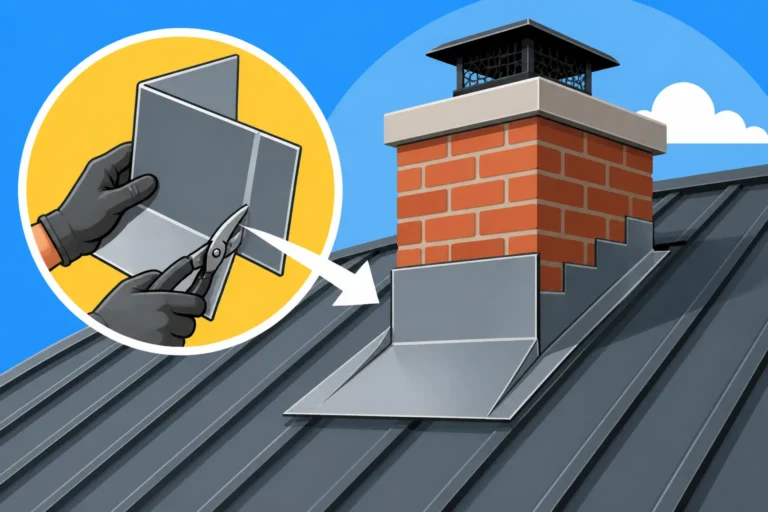
The installation of any metal roof, including R-panel, requires specialized knowledge and skill. While R-panel is considered simpler to install than standing seam, it still demands precision. Improper installation, such as overtightening or undertightening screws, incorrect panel alignment, or inadequate flashing, can lead to serious problems like leaks, oil canning, or reduced longevity. It's crucial to hire a roofing contractor with specific experience in metal roof installation, especially with exposed fastener systems. A general roofer might not possess the nuanced expertise required to ensure a perfect, long-lasting R-panel roof. Don't hesitate to use resources like Modernize to find qualified professionals who can provide detailed, accurate estimates.
Making the Right Decision for Your Home
Deciding on a new roof is a big commitment, and when it comes to R-panel metal roofing, there are specific scenarios where it shines brightest for residential applications. It's all about matching its strengths to your home's needs and your personal preferences.
When R-Panel Makes Sense
R-panel is a fantastic choice for homeowners who prioritize extreme durability, long-term cost savings, and a distinctive aesthetic. If your home has a modern, minimalist, or industrial architectural style, the bold lines of an R-panel roof can perfectly complement its design. Think about those sleek, contemporary houses with clean lines or even rustic-modern farmhouses—R-panel can truly enhance these looks. It's also an excellent option for homes in regions prone to severe weather, offering superior protection against high winds, hail, and fire. The robust nature of the panels provides incredible peace of mind when storms roll in.
Furthermore, if budget is a significant factor but you still desire the benefits of a long-lasting metal roof, R-panel offers a more accessible entry point compared to standing seam. Its lower material and installation costs can make the dream of a metal roof a reality without completely breaking the bank. It's also a superb choice for secondary structures like detached garages, workshops, sheds, or pole barns where functionality and resilience are key. Many homeowners find it to be an ideal solution for their primary residence and their outbuildings, creating a cohesive, durable property.
Getting Professional Advice and Quotes
Ultimately, the best way to determine if an R-panel roof is right for your home is to consult with experienced metal roofing professionals. They can assess your specific roof pitch, existing structure, local building codes, and aesthetic preferences. They can also advise on the best materials, coatings, and installation techniques for your climate. It’s imperative to get multiple quotes, ideally from contractors who specialize in metal roofing, to compare not just prices but also the scope of work, warranty offerings, and their experience with R-panel residential projects. You can explore how to effectively How Many Metal Roof Quotes Should You Get to ensure you're making an informed decision.
When you're ready to start gathering quotes, services like Modernize can be incredibly helpful. They can connect you with local, vetted roofing contractors who are experienced with metal roofing systems, simplifying the often-daunting process of finding reliable professionals. Don't be shy about asking questions about their experience with R-panel specifically, their installation process for Exposed vs Hidden Fastener Metal Roofing, and what kind of warranties they offer on both materials and workmanship. A good contractor will be transparent, patient, and provide you with all the information you need to feel confident in your decision.
R-Panel vs. Standing Seam: A Quick Comparison
To help clarify the differences between two popular metal roofing options for residential use, here's a quick comparison of R-panel and Standing Seam:
| Feature | R-Panel Metal Roof | Standing Seam Metal Roof |
|---|---|---|
| Appearance | Industrial, bold ribs, visible fasteners | Sleek, clean lines, concealed fasteners |
| Fastener Type | Exposed fasteners (screws visible) | Concealed fasteners (clips and seams hide screws) |
| Cost | Generally lower material and installation cost | Generally higher material and installation cost |
| Maintenance | Periodic checking/replacement of fastener washers required | Very low, minimal fastener-related maintenance |
| Lifespan | 40-60+ years | 50-70+ years |
| Leak Risk | Potential at fastener points if washers degrade | Very low due to concealed fasteners, fewer penetration points |
| Ideal For | Modern, industrial, rustic homes; budget-conscious; outbuildings | Contemporary, traditional, high-end homes; premium investment |
Disclaimer
Please remember that the information provided in this article is intended for general guidance and informational purposes only. Roofing projects are complex and require professional expertise. Always consult with a qualified and licensed metal roofing contractor in your area for specific advice tailored to your property, local building codes, and individual needs. Material costs, labor rates, and local regulations can vary significantly.