What Is the Best Metal Roof for Oklahoma Weather
Dealing with Oklahoma's notoriously unpredictable and often severe weather patterns can be a constant headache for homeowners, especially when your roof bears the brunt of it all. From brutal hail storms and powerful winds to scorching summers and icy winters, finding a roofing solution that truly stands up to the challenge is paramount. This comprehensive guide is here to walk you through the very best metal roofing options specifically designed to weather Oklahoma's unique climate, helping you make an informed decision that protects your home for decades to come.
Understanding Oklahoma's Unique Weather Challenges
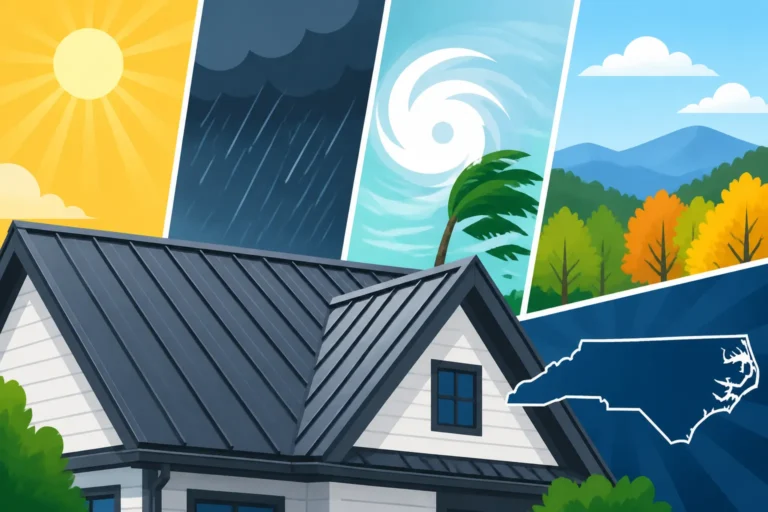
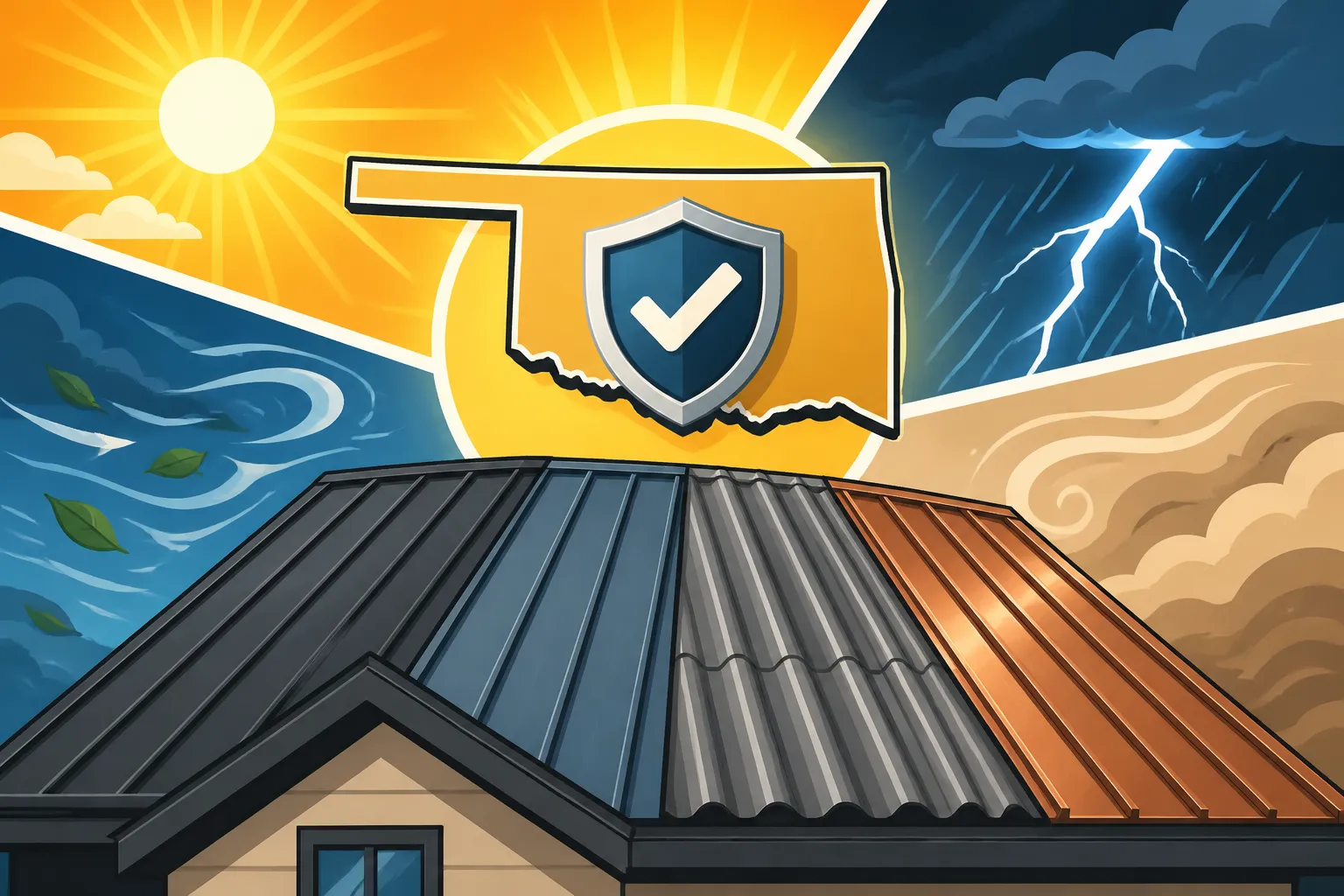
Oklahoma isn't called "Tornado Alley" for nothing, but the state's weather woes extend far beyond just twisters. Homeowners here face a brutal combination of elements that can rapidly degrade a lesser roof, leading to frequent repairs and replacements. It's crucial to understand these specific challenges to appreciate why metal roofing is such a superior choice.
The Tornado Alley Effect
When we talk about Oklahoma, tornadoes are often the first thing that comes to mind, and for good reason. The state experiences some of the most intense and frequent tornadic activity in the United States, particularly during spring and early summer. These events bring not only the terrifying rotational force of the tornado itself but also incredibly strong straight-line winds, often exceeding 70-80 mph even outside of a direct hit. A roof needs to be anchored exceptionally well and designed to resist uplift, which is the force that tries to rip the roof off the structure. Conventional roofing materials like asphalt shingles are often no match for such extreme forces, frequently tearing, lifting, and creating widespread debris that can then become damaging projectiles.
Extreme Temperature Swings
Another significant, yet often overlooked, challenge in Oklahoma is the dramatic fluctuation in temperatures. Summers can be relentlessly hot, with days consistently hitting triple digits, while winters can plunge well below freezing, bringing ice and snow. These extreme and rapid temperature swings cause materials to expand and contract, a process that can stress and crack less durable roofing over time. For instance, asphalt shingles can become brittle in the cold and soft in the heat, accelerating their degradation. A metal roof must be able to handle this constant thermal cycling without warping, cracking, or developing leaks due to fastener fatigue or panel separation. This thermal movement is a critical design consideration, and quality metal roofing systems incorporate features like floating clips in standing seam panels to accommodate it seamlessly.
Hail, Wind, and Heavy Rainfall
Beyond tornadoes and temperature shifts, Oklahoma also frequently experiences intense thunderstorms that bring a trifecta of destructive forces: large hailstones, high winds, and torrential rainfall. Hail can range from pea-sized to golf ball-sized or even larger, causing significant impact damage that can crack or dent traditional roofing materials. Wind speeds in these storms can easily reach levels that strip shingles from a roof, while the sheer volume of rain can quickly expose any weak points, leading to leaks and water damage. Choosing a metal roof that boasts high impact resistance and superior wind uplift ratings is essential. Furthermore, the design of the roof needs to manage water effectively, preventing pooling or infiltration even during the heaviest downpours. Many homeowners are surprised to learn that a metal roof can often qualify for Metal Roof Insurance Savings & Discounts due to its superior resistance to these common hazards.
Top Metal Roofing Materials for Oklahoma's Climate
When considering a metal roof for your Oklahoma home, the material choice is paramount. Each type offers a different balance of durability, aesthetics, and cost, all of which should be weighed against the specific demands of the local climate.
Steel Roofing Options
Steel is arguably the most popular and versatile metal roofing material in Oklahoma, primarily due to its strength, durability, and cost-effectiveness. The most common types you'll encounter are galvanized steel and Galvalume steel. Galvanized steel is coated with zinc, offering good corrosion resistance, while Galvalume steel combines zinc with aluminum, providing even better protection against rust and corrosion, especially in areas with potential salt exposure or industrial pollutants.
One of the significant advantages of steel is its inherent robustness against impact. A 24-gauge or 26-gauge steel roof can withstand substantial hail impact much better than asphalt shingles, often earning it a Class 4 impact resistance rating. This is a huge benefit in hail-prone Oklahoma, potentially reducing insurance premiums. Steel roofs are also excellent at resisting wind uplift when properly installed, making them a formidable barrier against the strong gusts common in the region. Brands like McElroy Metal and Metal Sales offer a wide range of steel panel options suitable for residential applications. You can explore more about material differences in our guide on Metal Roof Cost by Material: Steel vs Aluminum vs Copper vs Zinc.
Aluminum Roofing Benefits
For homeowners seeking maximum corrosion resistance, particularly if your home is near a body of water or in an area with slightly higher humidity, aluminum roofing is an excellent choice. Aluminum naturally forms a protective oxide layer that prevents rust, making it virtually immune to corrosion. While it's generally a softer metal than steel, modern aluminum roofing panels are often thicker (e.g., .032 or .040 gauge) or designed with specific profiles to enhance their rigidity and impact resistance.
Aluminum is also significantly lighter than steel, which can be an advantage for certain roof structures and can make installation somewhat easier. Its reflectivity helps keep homes cooler in Oklahoma's intense summer heat, which can lead to energy savings. The inherent flexibility of aluminum also means it handles thermal expansion and contraction very well, a crucial factor given Oklahoma's temperature extremes. While typically more expensive than steel, aluminum's longevity and minimal maintenance requirements often justify the initial investment. Companies like Englert and PAC-CLAD are well-known for their high-quality aluminum roofing systems.
Copper and Zinc Considerations
While less common for entire residential roofs in Oklahoma due to their higher price point, copper and zinc are premium metal roofing materials that offer unparalleled longevity and unique aesthetic appeal. Copper roofs are renowned for their incredible durability and distinctive patination process, where the metal develops a beautiful greenish-blue patina over time. Zinc roofing, similarly, offers extreme longevity and a sophisticated, matte finish that evolves with age.
Both copper and zinc are incredibly resistant to corrosion and boast impressive lifespans, often exceeding 100 years. They are also highly resistant to fire and can withstand significant wind forces. However, their softness means they can dent more easily from large hail compared to steel, though the dents are often considered part of their character and don't compromise the roof's integrity. For homeowners in Oklahoma looking for an accent roof, a high-end custom home, or specific architectural details, copper and zinc can be a stunning, long-term investment. Just be prepared for the higher initial Copper Roof Cost compared to other metal options.
Best Metal Roof Profiles for Oklahoma Homes
Choosing the right metal roofing material is only half the battle; the profile of the panels themselves plays a huge role in how well your roof performs against Oklahoma's challenging weather. Different profiles offer varying levels of strength, water shedding, and aesthetic appeal.
Standing Seam Panels
Standing seam metal roofing is widely considered the gold standard for residential applications, especially in areas with severe weather like Oklahoma. This system features panels with raised interlocking seams that run vertically up the roof, effectively shedding water and preventing leaks. The fasteners are hidden beneath these seams, protecting them from UV degradation, moisture, and wind uplift. This concealed fastener system significantly enhances the roof's durability and lifespan.
For Oklahoma, standing seam panels offer exceptional protection against strong winds and heavy rain. The interlocking design creates a monolithic barrier that is incredibly resistant to uplift. When paired with a robust steel or aluminum material, standing seam can achieve superior hail impact ratings. The smooth, continuous surface also helps snow and ice shed cleanly, though in areas with heavy snowfall, considering How Much Does Snow Guard Installation Cost might be wise to protect ground-level features. While the initial Standing Seam Metal Roof Cost might be higher than other options, its long-term performance, minimal maintenance, and extended lifespan often make it the most cost-effective choice over time.
Stone-Coated Steel Shingles
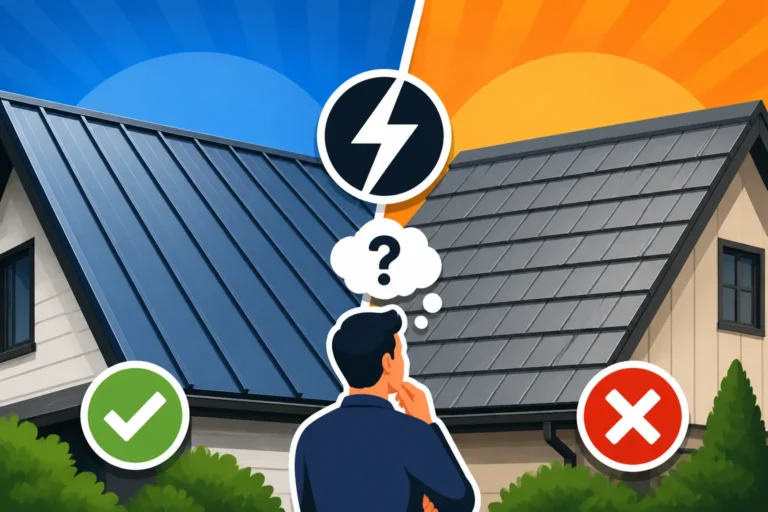
If you love the look of traditional shingles, tile, or shake but want the unbeatable durability of metal, stone-coated steel shingles are an outstanding hybrid solution. These panels are typically made from 26-gauge or 24-gauge steel and then coated with an acrylic base and ceramic-coated stone granules. The granules provide a textured, attractive finish that mimics traditional roofing materials while offering an additional layer of protection.
For Oklahoma's climate, stone-coated steel shingles excel in hail resistance. The stone coating helps to absorb impact, often preventing the visible denting that might occur on smooth metal panels. Their interlocking design and robust steel core provide excellent wind resistance, and their varied profiles help diffuse wind forces. Brands like DECRA and Boral are leaders in this segment, offering a wide array of styles and colors. These roofs also offer good energy efficiency, reflecting solar heat to help keep your home cooler in the summer. When weighing Stone-Coated Steel vs Standing Seam Cost, consider the balance between traditional aesthetics and sleek modernism, alongside performance benefits.
Corrugated and Ribbed Panels
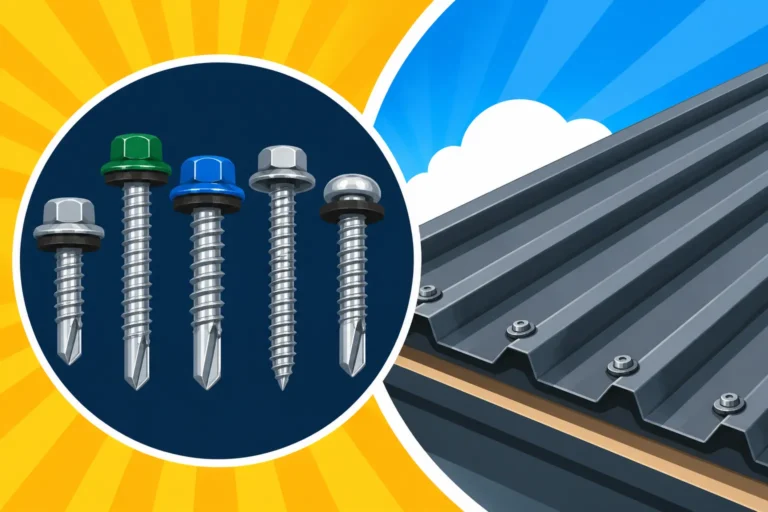
Corrugated metal roofing and ribbed panels (like R-panels or PBR panels) are exposed fastener systems, meaning the screws penetrate directly through the metal panels into the roof deck. These profiles are generally more economical and are very common on agricultural buildings, commercial structures, and sometimes residential homes, particularly those with a more rustic or industrial aesthetic.
In Oklahoma, these panels offer good performance against wind and rain, especially when installed correctly with high-quality fasteners that have durable washers. The corrugations or ribs add rigidity to the panels, allowing them to withstand some impact. However, the exposed fasteners are the primary point of vulnerability. Over time, the rubber washers on these screws can degrade from UV exposure, leading to potential leaks. Regular maintenance, including periodic inspection and potential replacement of fasteners, is more critical for these types of roofs compared to standing seam. While the initial Corrugated Metal Roof Cost is lower, the longer-term maintenance needs should be factored into the overall Metal Roof Cost: Complete 2026 Guide. For areas where strong winds are a constant threat, ensuring the installer uses an ample number of high-quality, corrosion-resistant fasteners is crucial.
Key Features and Considerations for Oklahoma Metal Roofs
Beyond material and profile, several other factors significantly influence a metal roof's performance and longevity in Oklahoma's challenging environment. Paying attention to these details can make a world of difference in protecting your investment.
Impact Resistance and Hail Ratings
Given Oklahoma's frequent and sometimes severe hailstorms, the impact resistance of your chosen metal roof is paramount. Roofing materials are rated on a Class 1 to Class 4 scale, with Class 4 being the highest resistance. Most quality metal roofs, especially 24-gauge steel standing seam or stone-coated steel, achieve a Class 4 rating. This means they have been tested to withstand the impact of a 2-inch steel ball dropped from 20 feet without cracking.
Choosing a Class 4 rated metal roof can not only provide superior protection against hail damage but can also lead to significant savings on your homeowner's insurance premiums. Many insurance companies offer discounts for Class 4 roofs, as they are less likely to sustain damage that results in costly claims. Always ask your contractor about the specific impact rating of the products they recommend and verify it with the manufacturer's documentation. Don't shy away from asking pointed questions about Metal Roof Hail Damage and Insurance Claims to understand your policy benefits.
Coatings and Paint Systems
The surface coating on your metal roof does more than just determine its color; it's a critical layer of protection against UV radiation, corrosion, and fading. High-quality paint systems like Kynar 500 (also known as PVDF) or Sherwin-Williams' WeatherXL (SMP) are designed to withstand extreme weather and maintain their aesthetic appeal for decades. These coatings resist chalking and fading, keeping your roof looking new even after years of intense Oklahoma sun.
Beyond aesthetics, these coatings also contribute to the roof's energy efficiency. Lighter colors and special reflective pigments can bounce solar radiation away from your home, significantly reducing attic temperatures and lowering cooling costs during Oklahoma's scorching summers. Many metal roofing manufacturers offer "cool roof" certified products, which are designed to meet specific solar reflectivity and thermal emittance standards. Discuss these options with your chosen contractor to find a coating that offers both durability and energy savings.
Proper Installation and Ventilation
Even the highest quality metal roofing material and profile will fail prematurely if not installed correctly. Proper installation is critical for a metal roof's performance, especially in a state like Oklahoma where wind uplift and water infiltration are constant threats. This means selecting a contractor with specific experience in metal roofing, not just asphalt shingles. They should understand the nuances of metal panel fastening, flashing details around chimneys and skylights, and how to properly accommodate thermal expansion and contraction. A trusted service like Modernize can help connect you with experienced, local metal roofing professionals who understand the regional demands.
Ventilation is another often-overlooked aspect that ties directly into the roof's longevity and your home's energy efficiency. Proper attic ventilation, combined with a quality underlayment, prevents heat and moisture buildup under the metal panels. This helps to mitigate condensation issues, reduces stress on the roof deck, and can prevent ice dams in winter. A well-ventilated attic works synergistically with the reflective properties of metal roofing to keep your home comfortable and your energy bills manageable. For a deep dive, check out our guide on Metal Roof Underlayment and Ventilation Guide.
Here's a quick comparison of some popular metal roof types suitable for Oklahoma:
| Feature/Roof Type | Standing Seam (Steel/Aluminum) | Stone-Coated Steel Shingles | Corrugated/Ribbed Panels (Steel) |
|---|---|---|---|
| Durability (Overall) | Excellent | Excellent | Good to Very Good |
| Hail Resistance | Excellent (Class 4 often) | Excellent (Class 4 often) | Good (depends on gauge) |
| Wind Resistance | Excellent | Excellent | Good to Very Good |
| Corrosion Resistance | Very Good (Galvalume/Aluminum) | Very Good | Good (Galvanized/Galvalume) |
| Thermal Expansion Mgmt. | Excellent (Hidden clips) | Good (Interlocking) | Fair (Exposed fasteners) |
| Aesthetics | Modern, Sleek | Traditional (Mimics shingle) | Rustic, Industrial |
| Average Cost (per sq ft installed) | $10 – $18 | $10 – $16 | $6 – $12 |
| Lifespan | 50-70+ years | 40-70+ years | 30-50 years |
| Maintenance | Low | Low | Moderate (Fastener checks) |
Ultimately, for Oklahoma's demanding weather, investing in a high-quality metal roof is one of the smartest decisions you can make for your home. Prioritize materials and profiles known for their resilience, ensure proper installation, and consider the long-term benefits of energy efficiency and reduced maintenance. Modernize can connect you with reputable local contractors who can provide tailored advice and competitive quotes for your specific needs. Choosing a metal roof means choosing peace of mind, knowing your home is protected against whatever Mother Nature throws its way.
Disclaimer
Please note that this guide provides general information about metal roofing for Oklahoma weather. Specific building codes, local regulations, and product availability may vary. Always consult with a qualified, licensed metal roofing contractor and your local authorities to ensure compliance and to get personalized advice for your home. Roofing costs and lifespans are estimates and can fluctuate based on material, complexity, and installer.