Metro vs DECRA Metal Roofing
Deciding on a new metal roof is already a big step, and when you start comparing premium options like stone-coated steel, the choices can feel overwhelming. Many homeowners find themselves wrestling with the nuances between top manufacturers, wondering if there's a real difference or if it's just marketing. This guide aims to clear up the confusion by providing a deep dive into two prominent brands in the stone-coated steel market: Metro Roof Products and DECRA Metal Roofing, helping you understand their distinct features, benefits, and what might make one a better fit for your home.
Understanding Stone-Coated Steel Roofing
Before we dive into the specifics of Metro and DECRA, let's talk about what makes stone-coated steel such a compelling roofing choice in the first place. It's not your traditional corrugated metal panel; it's an entirely different beast designed to mimic the aesthetics of conventional roofing materials while offering the superior performance of steel.
The Allure of Stone-Coated Steel
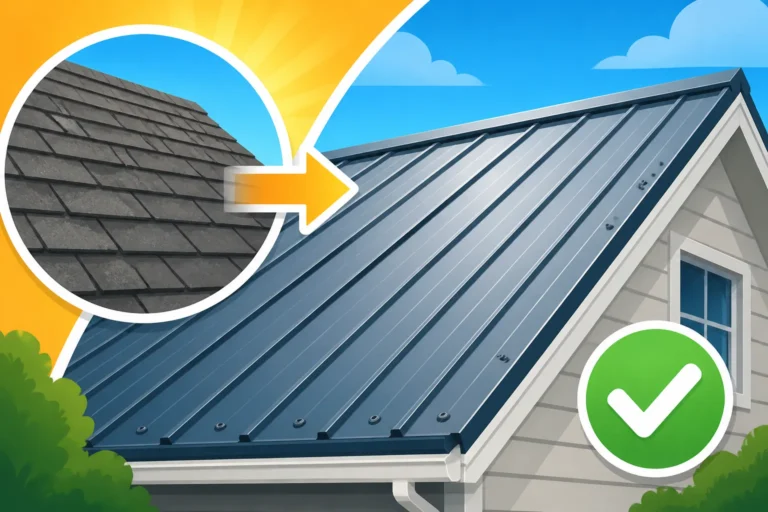
Imagine having a roof that looks exactly like a Mediterranean tile, a rustic wood shake, or even a classic asphalt shingle, but beneath that beautiful exterior lies the strength and longevity of steel. That's the magic of stone-coated steel. It's essentially a steel panel, often 26-gauge, that's covered with an acrylic or epoxy base coat, then coated with natural stone granules, and finally sealed with an acrylic overglaze. This multi-layered approach gives it incredible durability and an aesthetic versatility that few other roofing materials can match. It’s a fantastic way to get the best of both worlds: beauty and brawn.
Key Benefits of Stone-Coated Steel
Homeowners flock to stone-coated steel for a myriad of reasons, and it's easy to see why. First and foremost is its incredible resilience. These roofs are known for their Class 4 impact resistance, meaning they can stand up to serious hail, a common concern in many parts of the country. They also boast impressive wind ratings, often capable of withstanding winds well over 120 mph, making them a wise choice for coastal areas or regions prone to severe storms. If you're looking for a roof that offers peace of mind against the elements, stone-coated steel certainly delivers.
Beyond durability, there's the aesthetic factor. Unlike typical exposed fastener metal panels, stone-coated steel systems are designed to hide their fasteners, creating a clean, cohesive look. They are available in a wide array of profiles and colors, allowing you to perfectly match your home's architectural style. From the look of heavy cedar shakes to elegant clay tiles, the options are surprisingly vast. Homeowners are also interested in the long-term value, often asking, "Is a Metal Roof Worth It? ROI, Resale & Payback" and these systems typically provide excellent returns. Moreover, these roofs are often fire-resistant, offer good energy efficiency by reflecting solar radiation, and can even qualify for Metal Roof Insurance Savings & Discounts. The sound dampening properties of the stone coating also mean they are much quieter during rain or hail than a standard metal roof, addressing a common concern many people have.
A Deep Dive into DECRA Metal Roofing
DECRA has long been considered a pioneer in the stone-coated steel roofing industry, often synonymous with quality and innovation. They were one of the first to introduce this technology to North America, and their reputation has been built on decades of reliable performance.
DECRA's Legacy and Offerings
DECRA has a rich history, being part of the international AHI Roofing group, which introduced stone-coated steel back in the 1950s. Their longevity in the market speaks volumes about their product quality and commitment to homeowner satisfaction. When you choose DECRA, you're investing in a product backed by years of research, development, and real-world performance. They offer a diverse range of roofing profiles designed to mimic traditional materials beautifully.
Their product lines include DECRA Shingle XD, which provides the look of architectural shingles with enhanced dimension; DECRA Tile, mimicking the classic barrel tile look; DECRA Shake XD, which replicates the deep-cut beauty of hand-split wood shakes; and DECRA Roman Tile, offering a bold, distinct Mediterranean aesthetic. They also have DECRA Cottage and DECRA Slate for different architectural preferences. Each product is engineered with their proprietary Zincalume-protected steel, which is known for its superior corrosion resistance compared to traditional galvanized steel. This attention to core material quality is a significant factor in their roofs' impressive lifespan.
Distinctive Advantages of DECRA
What truly sets DECRA apart in many homeowners' eyes is its proven track record and meticulous engineering. Their commitment to using high-quality Zincalume steel ensures a strong, durable core that resists rust and corrosion, even in harsh climates. This is particularly important for those living in coastal regions where salt air can accelerate deterioration. DECRA also uses a unique fastening system designed to withstand extreme weather conditions, minimizing the risk of uplift during high winds.
Furthermore, DECRA’s stone chip coating is often praised for its consistency and adherence, which not only contributes to the aesthetic appeal but also provides an extra layer of protection against UV rays and physical impact. The company places a strong emphasis on rigorous testing, ensuring their products meet or exceed industry standards for fire, wind, and hail resistance. Many homeowners who prioritize a brand with a long-standing reputation for quality and innovation often lean towards DECRA, viewing it as a safe and reliable investment for their home’s protection and curb appeal. They also often provide some of the best Metal Roof Warranties: Workmanship vs Manufacturer.
Exploring Metro Roof Products
Metro Roof Products, often simply referred to as Metro, is another highly respected name in the stone-coated steel roofing sector. They bring their own set of unique features and benefits to the table, making them a strong contender for any homeowner considering this type of roofing.
Metro's Approach to Metal Roofing
Metro has established itself by focusing on combining robust performance with appealing aesthetics, offering a range of styles that cater to various architectural designs. They emphasize advanced manufacturing techniques and a commitment to producing durable, high-performance roofing solutions. Like DECRA, Metro understands that homeowners want the benefits of metal without sacrificing the traditional look they love, and they deliver on that promise with a variety of profiles.
Their product line includes Metro Shingle, mimicking asphalt shingles; Metro Tile, offering a classic tile look; Metro Shake, providing the texture of wood shakes; Metro Roman, for a more distinct Mediterranean style; Metro Wood Shake, which offers a deeper, more pronounced wood shake profile; and Metro Slate, designed to replicate the elegant appearance of natural slate. Metro also utilizes a similar high-quality steel substrate, typically Galvalume steel, known for its excellent corrosion resistance and strength. This ensures that beneath the beautiful stone coating, you have a foundation built to last, offering homeowners confidence in their investment for decades to come. Many people considering Metal Roof Cost by Profile: Standing Seam vs Corrugated vs Stone-Coated will find stone-coated options like Metro appealing for their blend of aesthetics and durability.
Why Homeowners Choose Metro
Homeowners often choose Metro for its exceptional aesthetic versatility and robust performance. Metro's profiles are meticulously designed to emulate their traditional counterparts, making it incredibly difficult to distinguish them from real shingles, shakes, or tiles from the ground. This makes Metro an excellent choice for those who are particularly sensitive to maintaining a specific architectural look for their home or adhering to neighborhood aesthetic guidelines. Their range of colors and textures allows for significant customization to truly complement any home's exterior.
Beyond aesthetics, Metro roofs are built to withstand severe weather. They consistently achieve high ratings for wind uplift, fire resistance, and impact resistance, similar to DECRA. This makes them a smart choice for homeowners in areas prone to harsh weather events, including heavy winds, hailstorms, and wildfires. Metro also prides itself on using quality materials and manufacturing processes to ensure the longevity of its products. Homeowners value the combination of beautiful design, superior protection, and a warranty that provides long-term peace of mind. When looking for a qualified installer, utilizing a platform like Modernize can connect you with experienced contractors familiar with Metro products in your area.
Head-to-Head Comparison: Metro vs DECRA
When you put Metro and DECRA side-by-side, you'll find more similarities than differences, which can make the choice even tougher! Both are excellent stone-coated steel manufacturers, but there are subtle distinctions that might sway your decision.
Material and Manufacturing
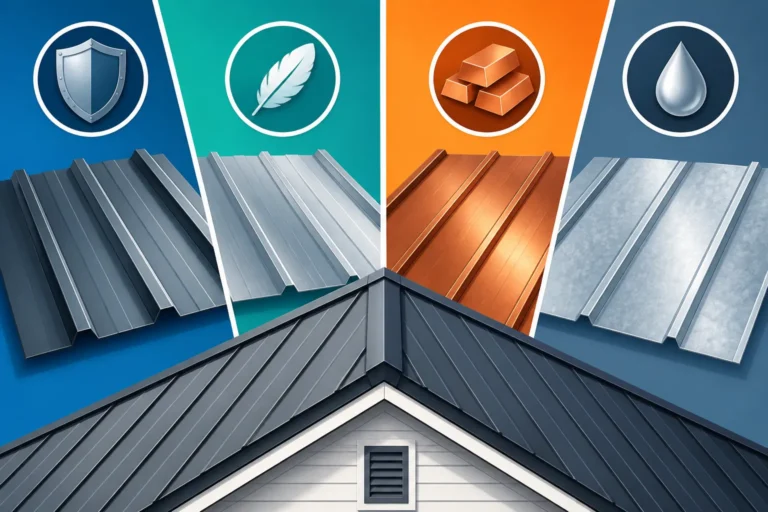
Both Metro and DECRA utilize high-quality steel cores, typically 26-gauge, which is the industry standard for residential stone-coated steel. DECRA often highlights its Zincalume-protected steel, a specific alloy of zinc and aluminum, known for its superior resistance to corrosion. Metro also uses a premium Galvalume steel, which is essentially the same high-performance coating. In practical terms, both offer excellent rust protection and strength. The manufacturing processes for applying the stone chips and acrylic finishes are also very similar, involving multiple layers and heat curing to ensure maximum adhesion and durability. Ultimately, you're getting a top-tier product in terms of foundational materials from either brand. The underlying Metal Roofing Materials Compared: Steel, Aluminum, Copper & Zinc are critical, and both use highly effective steel variations.
Aesthetic Options and Profiles
This is where you might start to see some nuanced differences that could influence your personal preference. Both brands offer a wide array of profiles designed to mimic traditional roofing materials.
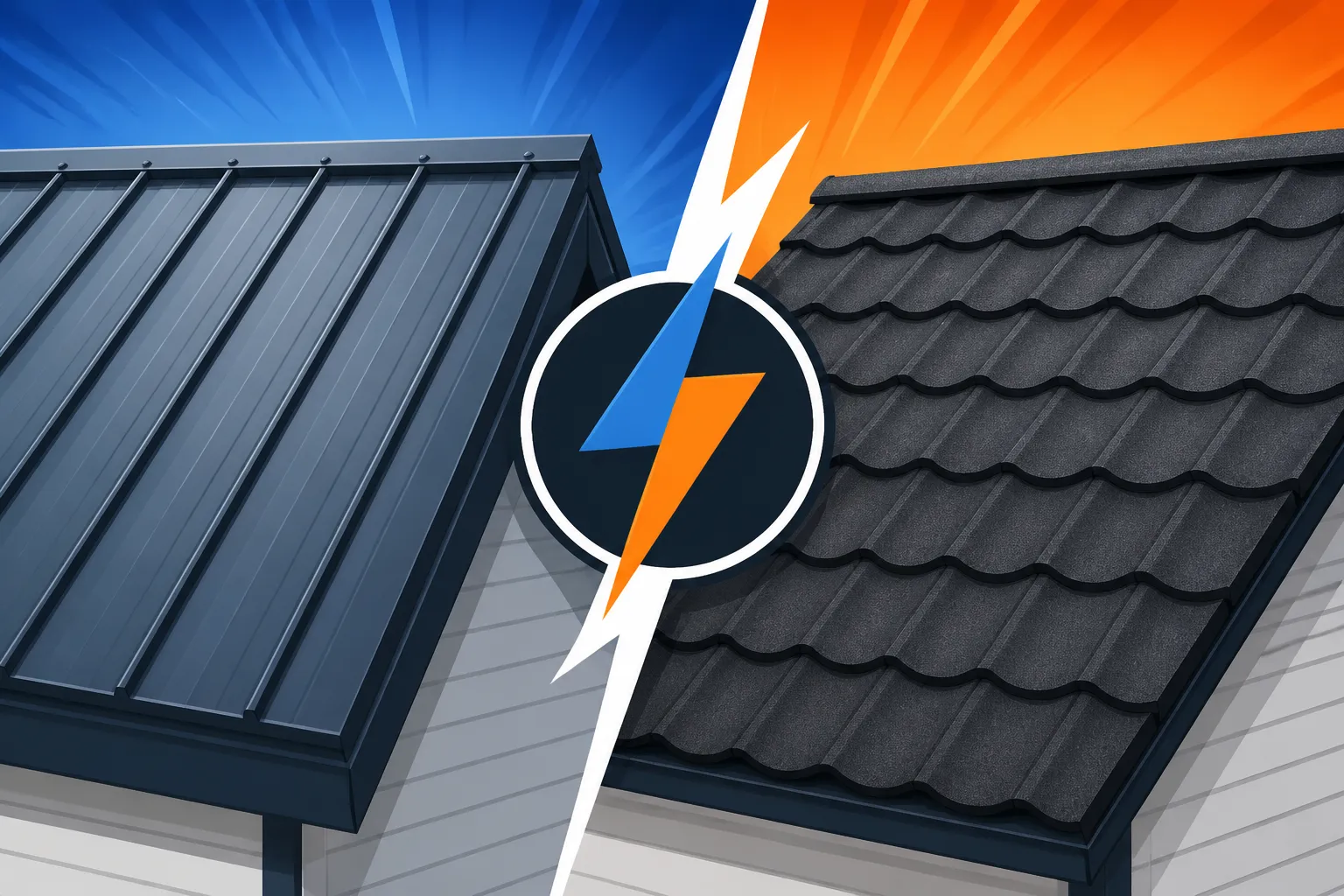
- DECRA: Known for its classic Shingle XD, Tile, Shake XD, and Roman Tile, DECRA’s profiles often have a slightly more defined or angular appearance in some styles, providing a very crisp and clean look. Their color palettes are typically sophisticated and timeless, focusing on earthy tones and blends that perfectly replicate natural materials.
- Metro: Metro also offers similar profiles like Shingle, Tile, Shake, and Roman, but some homeowners feel that Metro’s profiles can sometimes offer a slightly softer, more subtle texture, especially in their shake and shingle lines. Their color options are equally diverse, with various blends and solid colors available to suit contemporary or traditional home designs.
The best way to differentiate here is to see samples of both brands' products in person. What looks good in a brochure might have a different feel in direct sunlight against your home's exterior.
Performance and Durability
In terms of raw performance, both Metro and DECRA are powerhouses. They consistently achieve:
- Class 4 Impact Resistance: This is the highest rating for hail resistance, offering significant protection against damage and potentially leading to Does a Metal Roof Increase Home Value? and insurance savings.
- High Wind Ratings: Both are engineered to withstand hurricane-force winds, often rated for 120 mph or more, providing critical protection in severe weather zones.
- Class A Fire Rating: This is the highest fire resistance rating, an essential safety feature, especially in wildfire-prone regions.
The key differences in performance are often negligible and come down to specific product lines or localized testing results. Both companies have invested heavily in engineering and testing to ensure their products stand up to the most challenging conditions. You won't go wrong with either in terms of protective capabilities.
Warranty and Longevity
Both Metro and DECRA offer excellent warranties, which is a testament to the expected lifespan of their products. Typically, stone-coated steel roofs come with limited lifetime warranties that cover manufacturing defects, often prorated after a certain period. They usually guarantee against blistering, cracking, flaking, or perforating due to manufacturing flaws.
- DECRA: Their warranties often extend for 50 years or more, frequently transferable to a new homeowner within a certain timeframe, which is a significant selling point for resale value. They stand by their materials and manufacturing processes.
- Metro: Metro offers comparable warranties, also often 50 years or even longer, with similar transferability clauses.
It's crucial to read the fine print of any warranty, as exclusions for improper installation, natural wear and tear, or "acts of God" are common. Always ask your prospective contractor to explain the full details of both the manufacturer's warranty and their own workmanship warranty. Knowing How Long Does a Stone-Coated Steel Metal Roof Last? is essential for long-term planning.
Cost Considerations: Making Your Investment
Let's be real, price is a major factor for almost every homeowner. Investing in a metal roof, especially a stone-coated steel system, is a significant financial decision. While both Metro and DECRA are premium products, their costs can vary based on several factors.
Factors Influencing Price
The exact cost of your stone-coated steel roof from either Metro or DECRA isn't just a simple per-square-foot calculation. Many variables come into play. The specific profile you choose will impact the price – for instance, a more intricate tile or shake profile might cost more than a simpler shingle design due to additional material and installation complexity. The overall size and complexity of your roof also play a huge role; roofs with multiple valleys, hips, dormers, and skylights require more labor and specialized flashing, driving up the total Metal Roof Labor Cost.
Location is another critical element. Installation costs can vary significantly depending on where you live, reflecting regional labor rates and material shipping costs. For example, a homeowner in Miami, Florida might face different pricing than someone in Denver, Colorado. The need for a tear-off of your existing roof versus installing over your old shingles will also affect the overall Cost to Replace Shingles With a Metal Roof. Don't forget accessories like snow guards, special ventilation, or enhanced underlayment, all of which add to the final cost. It's why getting multiple detailed quotes from reputable contractors is always recommended. For a general overview, you might look into How Much Does a Stone-Coated Steel Metal Roof Cost.
Long-Term Value and ROI
While the initial investment for a Metro or DECRA stone-coated steel roof is higher than traditional asphalt shingles, the long-term value and return on investment (ROI) are compelling. These roofs boast an impressive lifespan, often lasting 50 to 70 years or even more, far outstripping the 15-30 year life of asphalt shingles. This extended durability means you're likely to install only one roof for the lifetime of your home, avoiding multiple replacement costs down the line. This long-term perspective is crucial when considering the Metal Roof Cost vs Lifespan Value.
Furthermore, the superior weather resistance of stone-coated steel can lead to lower maintenance costs and fewer repairs after storms. Their energy efficiency can also translate into reduced heating and cooling bills, especially for lighter colored roofs that reflect more sunlight. Many homeowners also find that a high-quality metal roof increases their home's resale value and curb appeal, making it a wise investment for both immediate protection and future financial benefits. Don't forget the potential for reduced homeowners insurance premiums due to their Class A fire rating and Class 4 impact resistance.
Comparative Overview: Metro vs DECRA
To help you visualize the key distinctions, here's a comparative table summarizing the important aspects of Metro and DECRA stone-coated steel roofing:
| Feature | Metro Roof Products | DECRA Metal Roofing |
|---|---|---|
| Material Substrate | High-quality Galvalume steel (26 gauge typical) | High-quality Zincalume steel (26 gauge typical) |
| Core Strength | Excellent corrosion resistance, strong and durable | Superior corrosion resistance, strong and durable |
| Aesthetic Profiles | Shingle, Tile, Shake, Roman, Wood Shake, Slate | Shingle XD, Tile, Shake XD, Roman, Cottage, Slate |
| Visual Texture | Often described as slightly softer, subtle | Often described as crisp, defined, or angular |
| Color Palette | Diverse blends and solid colors for varied designs | Sophisticated, timeless earthy tones and blends |
| Impact Resistance | Class 4 (Highest residential rating) | Class 4 (Highest residential rating) |
| Wind Resistance | Excellent (often 120+ mph ratings) | Excellent (often 120+ mph ratings) |
| Fire Rating | Class A (Highest residential rating) | Class A (Highest residential rating) |
| Typical Warranty | 50+ year limited, often transferable | 50+ year limited, often transferable |
| Longevity | 50-70+ years | 50-70+ years |
| Fastener System | Concealed fastener system | Concealed fastener system |
| Noise Reduction | Excellent due to stone coating | Excellent due to stone coating |
| Price Point (relative) | Premium | Premium |
Choosing the Right Fit for Your Home
The decision between Metro and DECRA often comes down to personal preference and specific project needs, as both offer outstanding products. It's not about which one is inherently "better," but which one is a "better fit" for you.
Assessing Your Priorities
Start by thinking about what truly matters most to you. Are you prioritizing a specific aesthetic, perhaps one that leans more traditional or has a particular texture? If so, getting samples of both Metro and DECRA's corresponding profiles (e.g., both brands' "shake" options) and holding them up to your home in different lighting conditions is invaluable. You might find a subtle difference in the stone granule blend or the panel's stamping that speaks to you more.
Is your climate a major concern? While both perform exceptionally well against wind, hail, and fire, sometimes local contractors might have more experience or a preference for one brand's installation specifics in certain extreme conditions. What about your budget? While both are premium, there can be slight variations in cost depending on the specific product line, installer, and regional pricing. Don't forget about the warranty – while similar, carefully review the details of each to ensure it meets your long-term expectations. Consider Metal Roof Cost by Material: Steel vs Aluminum vs Copper vs Zinc if you're still weighing material types, though these two are firmly in the steel camp.
The Importance of Professional Installation
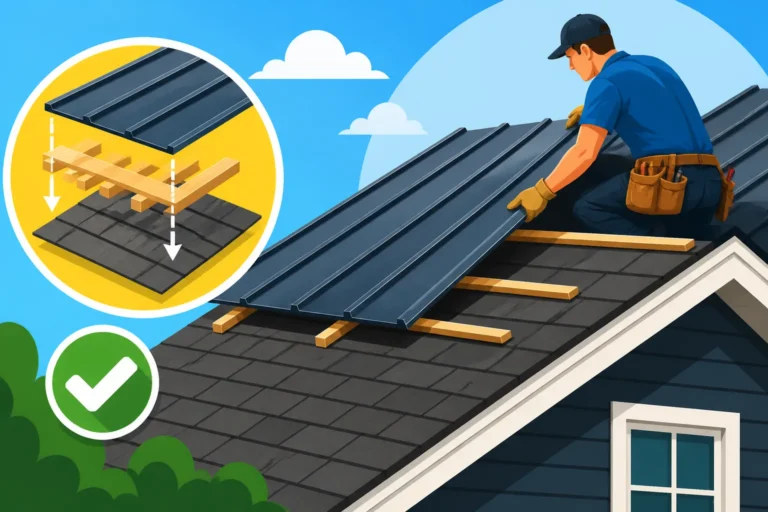
Regardless of whether you choose Metro or DECRA, the quality of installation is paramount. A metal roof, especially a stone-coated steel system, is a precision product that requires specialized knowledge and tools to install correctly. An improperly installed roof, even with the best materials, can lead to leaks, premature wear, and voided warranties.
Always seek out highly experienced and reputable metal roofing contractors. Look for installers who are certified by the manufacturer (either Metro or DECRA), as this demonstrates their expertise and often ensures that your warranty will be honored. Ask for references, check their licensing and insurance, and scrutinize their past work. You can use platforms like Modernize to find qualified local contractors who are experienced with these premium brands. They can provide detailed quotes and help you understand the nuances of each system as it applies to your specific home and local building codes. Remember, a great roof is only as good as the team that puts it on your home.
Disclaimer
Please note that the information provided in this article is intended for general guidance and informational purposes only. Roofing material specifications, warranties, and local building codes can change, and it is always recommended to consult with local, certified roofing professionals and refer to the most current manufacturer documentation for precise details pertaining to your specific project.