Standing Seam vs Metal Shingles: Which to Choose
Choosing a new roof for your home is a huge decision, and let's be honest, it can feel overwhelming with all the different options out there. You're not just picking a color; you're investing in your home's protection, curb appeal, and long-term value. If you've narrowed it down to metal roofing but are now caught between the sleek lines of standing seam and the familiar charm of metal shingles, you're in good company. Many homeowners find themselves in this very dilemma, wondering which system truly offers the best balance of performance, aesthetics, and cost for their unique situation. This comprehensive guide is here to break down the ins and outs of both standing seam and metal shingle roofing, helping you understand their differences so you can confidently choose the best fit for your beloved home.
Understanding Standing Seam Metal Roofing
Standing seam metal roofing is often seen as the gold standard in the metal roofing world, known for its distinct, clean lines and exceptional durability. It's a premium product, and for good reason, offering a blend of modern aesthetics and robust protection that few other roofing materials can match.
The Aesthetics and Construction of Standing Seam
When you look at a standing seam roof, what you'll notice first are the vertical panels that run from the ridge to the eave, joined by raised seams. These seams are "standing" above the flat panels, creating a very characteristic, linear look. This isn't just for show, though; the design is highly functional. These panels are typically custom-fabricated for each roof, ensuring a precise fit. The fasteners that hold the panels in place are completely concealed beneath these raised seams, which is a major aesthetic and performance advantage. No visible screws mean a much cleaner look, and it eliminates a common point of failure for leaks.
These systems come in various panel widths and seam heights, which can subtly alter the overall appearance. For instance, a wider panel with a taller seam might give a bolder, more industrial feel, while narrower panels with lower seams can offer a more refined, traditional look. You'll find a vast array of colors and finishes too, from subtle earth tones to vibrant hues, and even finishes that mimic other materials like slate or copper, but with the inherent benefits of metal. Reputable manufacturers like McElroy Metal or Englert are known for their quality standing seam products, offering a range of profiles and coatings designed for longevity and curb appeal.
Advantages of Standing Seam for Homeowners
Homeowners often gravitate towards standing seam for a multitude of compelling reasons. One of the biggest draws is its incredible lifespan. When installed correctly, a quality standing seam roof can last 50 to 70 years, sometimes even longer. Think about that: it could be the last roof you ever need to install on your home! This longevity is a key factor in its overall value, especially when you consider the Metal Roof Cost vs Lifespan Value.
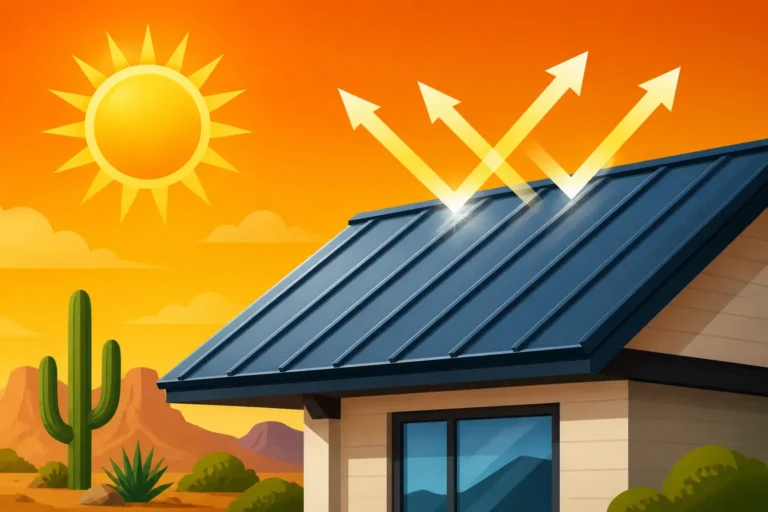
Another significant advantage is its superior weather resistance. The concealed fastener system and interlocking panels make it exceptionally resistant to wind uplift, heavy rain, and even hail. Since there are no exposed fasteners to back out or washers to degrade, the risk of leaks is dramatically reduced. This robust construction also often translates to lower homeowners insurance premiums, as these roofs are recognized for their resilience. Furthermore, standing seam roofs are remarkably energy- efficient. Their reflective coatings can significantly reduce heat absorption, keeping your home cooler in the summer and potentially lowering your energy bills. This is a huge benefit, particularly in warmer climates. They are also virtually maintenance-free, requiring little more than occasional inspection and cleaning.
Potential Drawbacks to Consider
While standing seam metal roofing boasts many advantages, it's essential to consider its potential drawbacks. The most significant one for many homeowners is the upfront cost. Installing a Standing Seam Metal Roof Cost is generally higher than most other roofing materials, including metal shingles, due to the specialized materials, custom fabrication, and the skilled labor required for proper installation. This isn't a DIY project for the faint of heart, and attempting to install it yourself could void warranties and lead to costly mistakes.
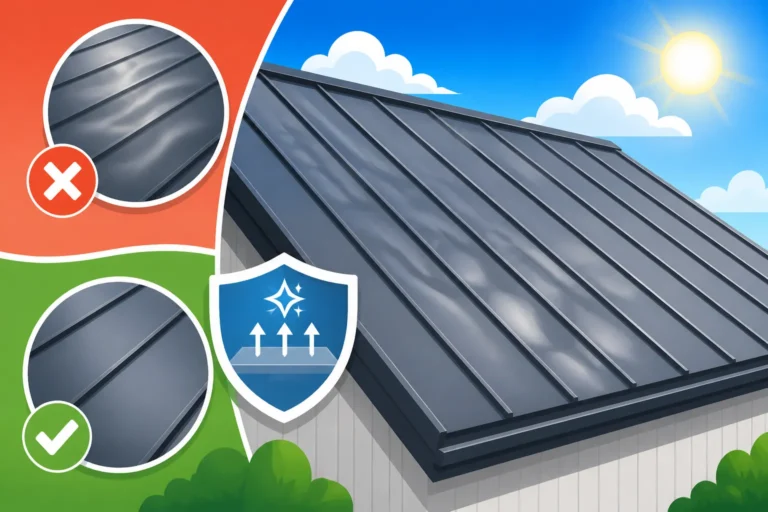
Another consideration is the potential for oil canning, which is a visual distortion or waviness that can appear in the flat panels. While it doesn't affect the performance of the roof, it can be an aesthetic concern for some homeowners. This is more common with wider, thinner panels and certain colors, but a skilled installer can take measures to minimize its appearance. Finally, while standing seam is incredibly durable, repairing individual panels can sometimes be more complex than with other roofing types. If a single panel is significantly damaged, it might require specialized tools and expertise to replace it without disturbing adjacent panels.
Exploring Metal Shingles for Your Home
Metal shingles offer a fantastic alternative to traditional asphalt shingles, providing the superior durability and longevity of metal while often mimicking the familiar appearance of conventional roofing materials like asphalt, wood shake, or slate. This makes them a popular choice for homeowners who want the benefits of metal without a drastically different look.
The Look and Feel of Metal Shingles
Unlike the continuous panels of standing seam, metal shingles are individual pieces, much like traditional shingles, designed to overlap and interlock. This design allows them to replicate a wide range of aesthetic styles. You can find metal shingles that look exactly like dimensional asphalt shingles, slate tiles, cedar shakes, or even clay tiles. This versatility in appearance is a major selling point, especially for homes in neighborhoods with strict HOA guidelines or for those who simply prefer a more traditional aesthetic. The surface textures and colors available are incredibly diverse, often featuring multi-tone finishes that add depth and realism to their appearance.
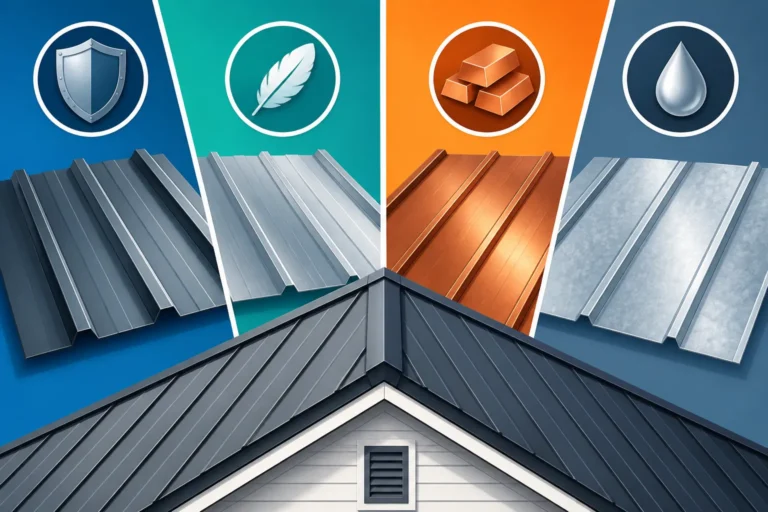
These shingles are typically made from steel, aluminum, or sometimes copper, and are stamped or formed into their desired shape. Brands like Decra, Gerard, and MetroRoof Products are well-known for their stone-coated steel shingle options, which offer exceptional durability and a beautiful, textured finish that resists fading and chipping. The installation method also tends to be more familiar to general roofing contractors, which can sometimes lead to broader availability of installers and slightly different labor costs.
Why Homeowners Choose Metal Shingles
Homeowners choose metal shingles for a compelling combination of reasons that blend performance with aesthetics. First and foremost is their impressive durability and longevity, far surpassing that of asphalt shingles. A quality metal shingle roof can last 40 to 60 years or more, providing long-term peace of mind. They are highly resistant to fire, wind, and hail, making them an excellent choice for regions prone to severe weather. Many metal shingle systems carry a Class A fire rating and Class 4 impact resistance, which can often lead to Metal Roof Insurance Savings & Discounts.
The ability to mimic other roofing materials is also a huge draw. If you love the look of slate or wood shake but want the low maintenance and extended lifespan of metal, metal shingles provide that perfect bridge. This allows homeowners to upgrade their roof's performance without compromising their home's architectural style. They are also often lighter than traditional tile or slate, which can be beneficial for older home structures that might not be able to support heavier materials. Moreover, like standing seam, metal shingles offer good energy efficiency, reflecting solar heat and contributing to a cooler home in warm weather.
Downsides of Metal Shingle Systems
While metal shingles offer fantastic benefits, they do come with their own set of considerations. Just like standing seam, the Metal Shingle Cost is generally higher than traditional asphalt shingles, though often less than standing seam systems. The cost can vary significantly depending on the material (steel vs. aluminum vs. copper) and the complexity of the shingle profile.
Another point to consider is that while the fasteners for metal shingles are typically hidden, the individual shingle design means there are more seams and overlaps compared to a standing seam system. While designed for excellent weather resistance, the sheer number of interlocking parts can theoretically present more potential points of entry for water if not installed perfectly or if seals degrade over many decades. It's crucial to have a highly skilled installer who understands the specific system being used. Additionally, while the textures and finishes are excellent, some homeowners might still prefer the unbroken, continuous aesthetic of a standing seam panel, especially on modern or minimalist architectural styles.
A Head-to-Head Comparison: Standing Seam vs. Metal Shingles
Now that we've explored each option individually, let's put them side-by-side to highlight their key differences and help you decide which is the true hero for your home.
Installation Complexity and Cost Implications
When it comes to installation, there are some pretty significant differences that directly impact both the complexity of the job and, naturally, the overall cost. Standing seam systems, with their long, continuous panels and specialized seaming tools, require a very particular skillset and often take longer to install than metal shingle systems. The panels are typically site-formed or factory-formed to exact measurements, and precision is paramount. This means you're often looking at higher labor costs, as the installers need to be highly experienced metal roofing specialists. For instance, in areas like Denver, where skilled labor can be at a premium, this difference might be even more pronounced. This careful, methodical installation is a big part of why a Standing Seam Roof Cost is often at the higher end of the spectrum for metal roofing.
Metal shingles, on the other hand, often have an installation process that more closely resembles traditional shingle roofing, even though they're made of metal. The individual pieces are lighter and easier to handle, and while precision is still key, the method of overlapping and fastening might be more familiar to a broader range of roofing contractors. This can sometimes lead to slightly lower labor costs compared to standing seam, though it's still a specialized installation compared to asphalt. When considering the Cost to Install Metal Roof Yourself (DIY) vs Hiring, both options really scream for professional installation. It's not just about getting the job done, but getting it done right to ensure your warranty remains valid and your roof performs as expected.
Durability, Lifespan, and Maintenance
Both standing seam and metal shingles are incredibly durable and boast much longer lifespans than traditional asphalt shingles. However, there are nuances. Standing seam, with its minimal exposed fasteners and continuous panels, generally has a slight edge in ultimate longevity, often reaching 60-70 years. The fewer seams and hidden fasteners mean fewer potential points of wear and tear or water intrusion over time. Its solid, monolithic surface is incredibly resistant to the elements.
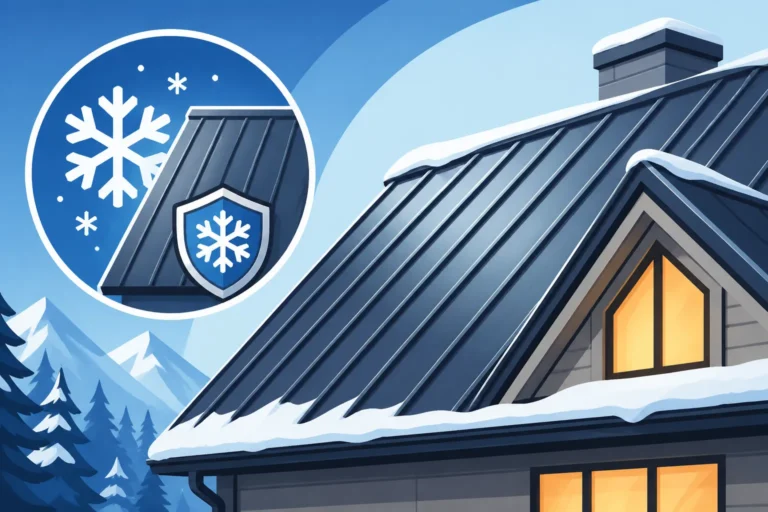
Metal shingles also offer impressive longevity, typically lasting 40-60 years. Their design, while robust, involves more individual pieces and overlapping seams, which, while engineered to protect, can theoretically introduce more opportunities for wear over a very long timeline. In terms of maintenance, both are remarkably low-maintenance. They don't require the frequent repairs or granule replacement that asphalt shingles do. Regular inspections, especially after severe weather, and clearing debris from gutters are usually sufficient. For areas with heavy snow, considering how to prevent Metal Roof Snow Slides is important for both types.
Aesthetic Versatility and Home Styles
This is often where the choice really comes down to personal taste and architectural style. Standing seam offers a sleek, modern, and often industrial aesthetic. Its clean lines and continuous panels lend themselves beautifully to contemporary homes, mid-century modern designs, or even barns and commercial buildings where a striking, minimalist look is desired. The uninterrupted surface can also make a statement, especially in a bold color.
Metal shingles, conversely, are the chameleons of the metal roofing world. They excel at blending in while still offering all the benefits of metal. If your home has a traditional colonial, Victorian, or craftsman style, or if you simply prefer the familiar texture of slate, wood shake, or asphalt, metal shingles can achieve that look flawlessly. They provide curb appeal without screaming "metal roof." This makes them particularly appealing in communities where strict HOA rules might dictate a certain aesthetic, though many HOAs are becoming more open to metal. You might want to check if your HOA rules and Metal Roofs: What's Allowed before making a final decision.
Energy Efficiency and Environmental Impact
Both standing seam and metal shingles are excellent choices for energy efficiency and environmental sustainability. Metal roofs, in general, are highly reflective, especially lighter-colored options, which can significantly reduce solar heat gain in your home. This means less reliance on air conditioning during hot months, leading to lower energy bills. Coatings like cool roof paints further enhance this effect.
From an environmental standpoint, metal roofs are typically made from a high percentage of recycled content, and they are 100% recyclable at the end of their very long life. This dramatically reduces landfill waste compared to asphalt shingles, which are a major contributor to construction debris. The extended lifespan also means fewer roof replacements over the life of the home, further reducing resource consumption. So, whether you choose standing seam or metal shingles, you're making a green choice for your home and the planet.
Making the Right Choice for Your Property
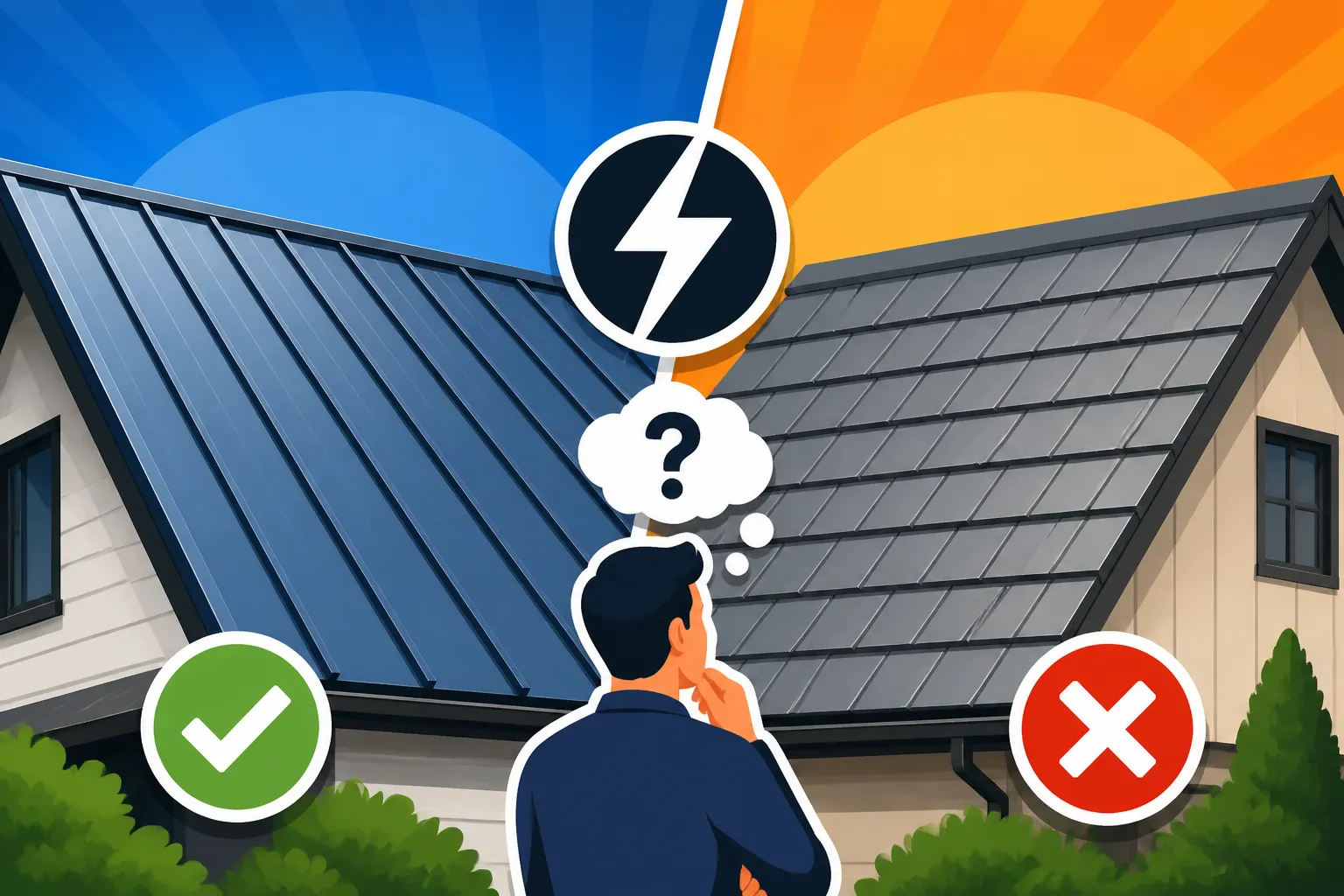
Deciding between standing seam and metal shingles truly boils down to balancing your priorities: budget, aesthetics, and long-term performance. There's no single "best" option for everyone, only the best option for your specific home and lifestyle.
Factors to Weigh for Your Specific Needs
To help you make an informed decision, let's break down the key factors to weigh.
- Budget: Be realistic about what you can afford. Standing seam will almost always have a higher upfront cost than metal shingles, though both are more expensive than asphalt. Remember that the initial investment often pays off in terms of longevity and energy savings. Don't forget to consider Metal Roof Financing Options if the upfront cost is a concern.
- Aesthetics and Architectural Style: Do you love the modern, linear look of standing seam, or do you prefer the traditional, textured appearance that metal shingles can emulate? Walk around your neighborhood, look at different homes, and consider what style best complements your home's architecture. What look will you be happy to see every day for the next 50+ years?
- Climate and Local Regulations: While both are highly durable, specific climate considerations might nudge you one way or the other. For instance, in areas with extreme wind or snow loads, the robustness of standing seam's hidden fastener system can be particularly appealing. Always check local building codes and HOA rules, as some might have restrictions on appearance or material.
- Maintenance Expectations: Both are low maintenance, but if you want the absolute minimum, standing seam's seamless design often requires even less fuss than metal shingles over the decades.
- Resale Value: A metal roof, regardless of type, is generally seen as a significant upgrade that enhances home value and curb appeal. You can learn more about how a metal roof impacts your property by reading Does a Metal Roof Increase Home Value?.
To summarize, here's a quick comparison:
| Feature | Standing Seam | Metal Shingles |
|---|---|---|
| Appearance | Sleek, modern, continuous panels, raised seams | Traditional, textured, mimics asphalt, slate, shake |
| Fasteners | Hidden, concealed within seams | Mostly hidden, interlocking design |
| Cost (Installed) | Higher (often $10-$18+ per sq ft) | Moderate-High (often $8-$15+ per sq ft) |
| Lifespan | 50-70+ years | 40-60+ years |
| Durability | Exceptional (wind, hail, fire, leaks) | Excellent (wind, hail, fire) |
| Installation Skill | Highly specialized, precise | Specialized, but often more familiar |
| Architectural Fit | Modern, contemporary, industrial | Traditional, classic, historical |
| Oil Canning Risk | Possible on flat panels, but manageable | Less common due to smaller panel size |
Getting Professional Advice and Quotes
Once you've considered these factors, the next crucial step is to connect with experienced professionals. Don't try to go it alone! This is where platforms like Modernize can be incredibly helpful. They can assist you in finding reputable local roofing contractors who specialize in metal roofing. I always recommend getting at least three detailed quotes for both standing seam and metal shingle options. This allows you to compare not just the price, but also the specific materials, warranties, and proposed installation methods.
When you're talking to contractors, make sure to ask them about their experience with both types of metal roofs, their specific product recommendations, and what kind of Metal Roof Warranties: Workmanship vs Manufacturer they offer. A good contractor should be able to walk you through the pros and cons for your specific home and help you visualize the final look. Don't hesitate to ask for references or to see examples of their past work. Taking the time to do your homework and consult with experts will ensure you make the best long-term investment for your home.
Disclaimer
Please remember that this article provides general information and recommendations. Roofing projects are complex and depend on many variables unique to your home, location, and local building codes. Always consult with qualified, licensed, and insured local metal roofing professionals to assess your specific situation and obtain accurate estimates. Never rely solely on online information for critical construction decisions.