HOA Rules and Metal Roofs: What’s Allowed
One of the biggest headaches for homeowners interested in a beautiful, durable metal roof isn't always the cost or the installation itself, but the often-complex maze of rules and regulations set by their homeowners' association (HOA). It can feel incredibly frustrating to want to make a smart, long-term investment in your home, only to hit a brick wall of seemingly arbitrary restrictions. This guide is here to help you understand what your HOA can and cannot dictate when it comes to metal roofs, how to prepare your case, and what steps you can take if you face resistance.
Understanding Your HOA's Authority Over Roofs
Before you even think about picking out colors or contacting contractors, the first crucial step is to understand the legal framework that gives your HOA its power. This isn't just about reading a few lines in a pamphlet; it's about digging deep into the foundational documents that govern your community.
The Legal Basis of HOA Power
When you bought your home in an HOA community, you likely signed documents that legally bind you to a set of rules and guidelines. These aren't suggestions; they're legally enforceable agreements designed to maintain the community's standards and property values.
At the heart of an HOA's power are the Covenants, Conditions, and Restrictions, or CC&Rs. These are the governing documents that dictate what you can and cannot do with your property, including external modifications like roofing. Think of them as the constitution of your neighborhood. They outline everything from fence heights and landscaping rules to the types of materials and colors allowed for your home's exterior. Alongside the CC&Rs, you'll find the HOA's bylaws, which detail how the association is run, including election procedures, meeting protocols, and how decisions are made. Many HOAs also have an Architectural Review Committee (ARC) or similar body. This committee is typically tasked with reviewing and approving all exterior changes to homes within the community, ensuring they adhere to the established architectural guidelines. Understanding the specific powers and processes of this committee is paramount, as they will be your primary point of contact for any roofing project.
Common Restrictions on Roofing Materials and Appearance
It's common for HOAs to have specific ideas about what your roof should look like, and these can range from very general to incredibly precise. These restrictions are often aimed at maintaining a consistent aesthetic throughout the neighborhood, which HOAs believe helps preserve property values.
One of the most common restrictions you might encounter directly targets the type of roofing material. Some HOAs might explicitly forbid metal roofs, opting instead for traditional asphalt shingles, clay tiles, or wood shakes. Others might permit certain types of metal roofs, like stone-coated steel, which mimics the look of more traditional materials, but prohibit visible standing seam panels. Beyond material, color palettes are almost universally regulated. Many HOAs provide a pre-approved list of colors, often natural, subdued tones, to ensure uniformity. They might be wary of the reflectivity of certain metal roof finishes, even though modern coatings are designed to minimize glare. You might also find limitations on the profile or style of the roofing. For instance, an HOA might allow metal shingles or metal tiles but strictly prohibit a visible fastener corrugated metal roof, perceiving it as too industrial or "barn-like" for a residential neighborhood. These rules are usually laid out in excruciating detail within the architectural guidelines, often with diagrams or examples of approved and non-approved styles.
Why HOAs Restrict Metal Roofs: Common Concerns
While it can feel like your HOA is just trying to make your life difficult, there are usually underlying reasons, or at least perceived reasons, behind their restrictions on metal roofs. Understanding these concerns can help you frame your argument for approval more effectively.
Aesthetic Consistency and Property Values
Many HOAs operate on the principle that a uniform appearance helps to maintain or even boost property values across the community. A metal roof, especially if it's a visible standing seam profile, can sometimes be perceived as a radical departure from the traditional aesthetic.
The fear is often that a metal roof will "stick out" and disrupt the visual harmony of the neighborhood, potentially lowering the curb appeal for other homes. This perception often stems from outdated ideas about metal roofs, conjuring images of old farm buildings rather than the sleek, modern, or even classic designs available today. For example, if every home in the subdivision has a dark gray asphalt shingle roof, a bright silver standing seam roof might indeed be seen as an eyesore by some, regardless of its inherent benefits. This concern is less about the quality of the metal roof and more about a subjective preference for a particular style that has been historically established within the community. HOAs want to avoid anything that could be viewed as a negative outlier, even if the homeowner sees it as an upgrade. They often believe that by enforcing a cohesive architectural style, they are protecting everyone's investment.
Noise and Glare Concerns
Another common set of objections HOAs raise about metal roofs revolves around perceived noise levels during rain or hail, and potential glare issues. These are often based on myths or experiences with older, less sophisticated metal roofing systems.
It's a persistent myth that metal roofs are incredibly noisy when it rains. While it's true that a metal roof on an uninsulated barn might create a din, a properly installed residential metal roof with adequate decking and underlayment is often no louder than an asphalt shingle roof, and sometimes even quieter due to superior insulation. Many homeowners who've made the switch report no noticeable increase in noise. Similarly, concerns about glare causing a nuisance for neighbors are often overblown. Modern metal roofing panels come with advanced finishes and paint systems, such as Kynar 500® or Hylar 5000®, that are designed to minimize reflectivity while offering a wide range of attractive, fade-resistant colors. These coatings often have a matte or low-gloss finish that blends beautifully into residential settings, reflecting sunlight no more than, and often less than, traditional materials or even windows. It's rarely like looking into a mirror.
Durability and Safety Misconceptions
Outdated information can also lead HOAs to question the durability and safety of metal roofs, viewing them as inferior or more hazardous than traditional options. They might not be aware of how far metal roofing technology has come.
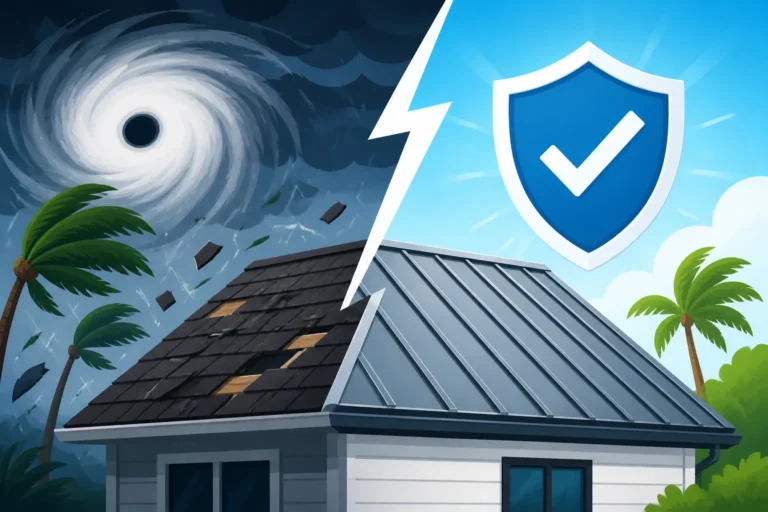
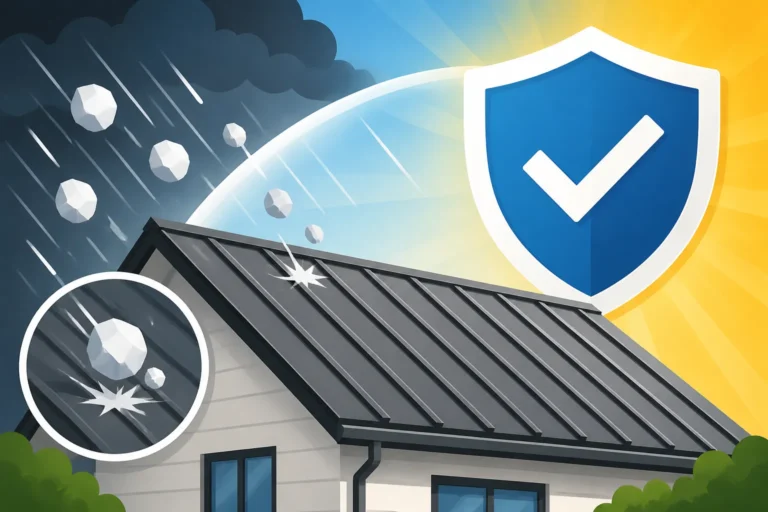
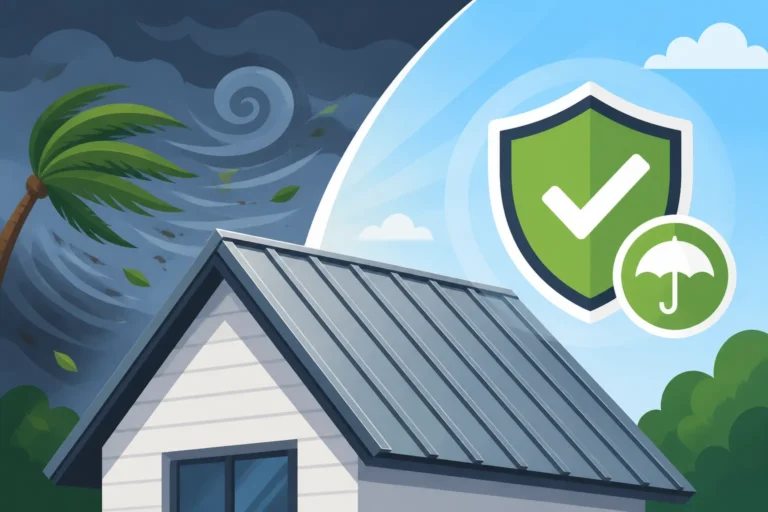
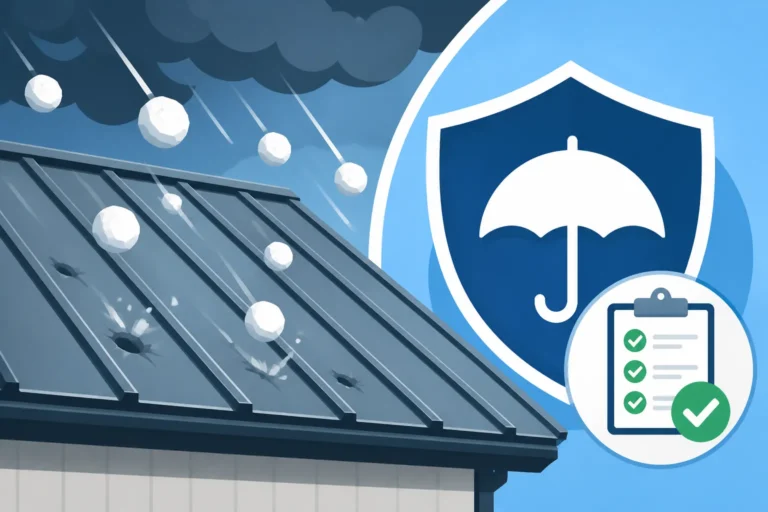
The perception that metal roofs are flimsy or prone to damage is a significant misconception. In reality, modern metal roofs are incredibly robust. They boast superior resistance to fire, often carrying a Class A fire rating, which means they are non-combustible and won't ignite from flying embers. This is a huge safety advantage, especially in areas prone to wildfires. When it comes to extreme weather, metal roofs shine. They are known for their exceptional wind resistance, often rated to withstand hurricane-force winds up to 140-180 mph, far exceeding what many asphalt shingle roofs can handle. You can learn more about specific wind and fire ratings here: Metal Roof Wind and Fire Ratings Explained. They are also highly resistant to impact, with many systems, particularly stone-coated steel or heavier gauge standing seam panels, earning a Class 4 impact resistance rating, which is the highest available and can even lead to Metal Roof Insurance Savings & Discounts. This makes them far less susceptible to damage from hail than conventional shingles. The image of a "tin roof" that dents easily from a small pebble is simply not applicable to the high-performance steel and aluminum roofs used in contemporary residential construction.
How to Navigate HOA Metal Roof Restrictions
Facing HOA restrictions can feel daunting, but with a strategic approach and thorough preparation, you can significantly increase your chances of getting your metal roof approved. It's all about playing by their rules and presenting a compelling case.
Reviewing Your Governing Documents Thoroughly
Before you do anything else, you absolutely must become intimately familiar with your HOA's governing documents. This is your bible in this process. Without a clear understanding of the rules, you're essentially walking into a negotiation blindfolded.
Start by locating your community's complete set of CC&Rs, bylaws, and especially the architectural guidelines. Most HOAs provide these documents to homeowners, often digitally through a community portal or upon request. Don't skim them; read them carefully, specifically searching for sections related to exterior modifications, roofing materials, color restrictions, and the architectural review process. Look for keywords like "roofing materials," "shingles," "tiles," "metal," "color palette," "reflectivity," and "architectural changes." Pay close attention to any clauses that explicitly forbid metal roofs or narrowly define approved materials. If metal is not explicitly forbidden, but also not explicitly permitted, that's often a good sign, as it leaves room for interpretation and potential approval. Understanding the specific approval process, including deadlines for submissions, required forms, and the timeline for a decision, is also critical. Missing a deadline or submitting incomplete paperwork can lead to automatic denial and unnecessary delays.
Preparing Your Architectural Review Application
Once you understand the rules, the next step is to prepare an impeccable application for architectural review. This is where you make your first impression, and a well-researched, professional application can go a long way.
Your application should be comprehensive and leave no room for questions or assumptions. Start by filling out any required forms completely and accurately. Then, gather detailed product specifications for the exact metal roofing system you intend to install. This should include manufacturer brochures, technical data sheets that specify material composition (e.g., steel, aluminum, Galvalume), gauge (e.g., 24-gauge or 26-gauge), coating types (e.g., Kynar 500), and fire and wind ratings. Providing actual samples of the panel material and color chips is highly recommended, as it allows the ARC to see and feel the product directly, dispelling any misconceptions about its appearance. For a visual representation, include clear photos or renderings of your home with the proposed metal roof, especially if you can get examples of similar homes with the same roofing style. Finally, ensure you include a copy of the manufacturer's warranty information, which highlights the longevity and performance of the product, and any relevant third-party certifications (e.g., Energy Star, Class 4 impact rating).
Building a Strong Case for Metal Roofing
A strong application is not just about ticking boxes; it's about making a compelling argument for why a metal roof is a superior choice that benefits not only your home but potentially the entire community.
Focus on the tangible benefits that align with common HOA goals, such as property value and community aesthetics. Highlight the exceptional longevity of metal roofs, often lasting 50 years or more, significantly longer than traditional asphalt shingles. This means less frequent roof replacements, fewer disruptions to the neighborhood, and a long-term investment that minimizes future maintenance needs. Emphasize energy efficiency: many metal roofs are Energy Star certified and can significantly reduce cooling costs by reflecting solar radiant heat. Mention their superior storm resistance, including high wind ratings and impact resistance against hail, which protects your home and can even lead to lower insurance premiums for you and potentially other residents. If your proposed color and style are similar to existing approved roofs, or if you're choosing a profile like Stone-Coated Steel Roof Cost that mimics traditional materials, highlight how it will blend seamlessly. Crucially, research if your state has any specific laws that protect homeowners' rights to install energy-efficient or storm-resilient improvements, as these laws can sometimes supersede HOA rules. For example, some states have "solar access" laws that prevent HOAs from banning solar panels, and in some cases, certain energy-efficient roofing might fall under similar protections.
Challenging an HOA Denial or Seeking Amendments
Even with a perfect application, you might face a denial. Don't despair! Many HOAs have an appeal process, and in some cases, state laws or a community-wide amendment can offer a path forward.
Understanding the Appeal Process
If your metal roof application is denied, the first thing to do is carefully review the denial letter. It should typically state the reasons for denial and outline the formal appeal process. Most HOAs have a structured system for challenging decisions.
The appeal process usually involves submitting a written appeal to the architectural review committee or the HOA board within a specified timeframe, often 30 days. Your appeal should directly address each reason for the denial, providing additional information or clarification that counters their points. For instance, if they denied your application due to "excessive glare," you could submit detailed specifications from the manufacturer on the reflectivity of the coating and offer to install a specific low-gloss finish. If "aesthetic inconsistency" was cited, perhaps you could provide more examples of similar metal roofs in other high-end communities or even propose a slightly different profile or color that still meets your needs but is closer to the HOA's established palette. Sometimes, meeting directly with the ARC or the board to present your case in person can be highly effective. This allows you to answer questions, address concerns in real-time, and show your commitment to finding a solution that works for everyone. Remember to remain professional and respectful throughout the process, even if you feel frustrated.
Leveraging State Laws and Legal Precedent
In some fortunate situations, state laws can provide a powerful tool to challenge an HOA's restrictive rules, especially concerning improvements related to energy efficiency or storm resilience.
It's absolutely worth researching your state's specific laws regarding homeowners' rights within HOAs. Some states, like Florida, have enacted legislation (such as HB 293) that explicitly prohibits HOAs from preventing homeowners from installing certain roofing materials like metal or tile, especially if they meet specific building codes and performance standards. These laws are often driven by a desire to promote more resilient housing in hurricane-prone regions. In Texas, for instance, a homeowner might be able to argue that a metal roof, with its Metal Roof Wind and Fire Ratings Explained, significantly enhances the property's storm readiness, which aligns with public safety interests. Furthermore, if you can find instances where other homes in your community, or in similar nearby communities managed by the same HOA, have been approved for metal roofs, you can use this as a legal precedent. This demonstrates inconsistency in rule enforcement, which can be a strong argument for your appeal. While consulting with an attorney specializing in HOA law might seem extreme, it can be a wise investment if the stakes are high, especially if you believe the HOA is acting outside its legal bounds or in violation of state statutes.
Proposing Rule Amendments
If all else fails, or if the HOA's rules are unequivocally against metal roofs, you might consider the long game: proposing an amendment to the governing documents themselves. This is a significant undertaking, but it can pave the way for you and your neighbors in the future.
Proposing an amendment typically involves following the formal procedures outlined in your HOA's bylaws for modifying the CC&Rs. This often requires drafting specific language for the proposed change, which could be as simple as adding "metal roofing" to the list of approved materials or updating the architectural guidelines to include modern metal roof profiles and finishes. The key to success here is building community support. Talk to your neighbors, especially those who might also be interested in the benefits of a metal roof (like durability or energy savings). Gather signatures on a petition, present information at community meetings, and educate your fellow homeowners on the advantages of metal roofing, perhaps even sharing information about the overall Metal Roof Cost: Complete 2026 Guide and its long-term value. Amendments usually require a supermajority vote (e.g., 60-75%) of all homeowners, not just those who attend a meeting, so widespread support is essential. This is a marathon, not a sprint, but a successful amendment can permanently change the landscape for metal roofs in your community.
Specific Scenarios and Considerations
Beyond the general process, there are specific situations and factors that can influence your HOA's stance on metal roofs, and understanding these can further inform your strategy.
Existing Metal Roofs in an HOA Community
One of the strongest arguments you can make is if there are already metal roofs in your community. If your HOA has approved metal roofs for other properties, even just a few, it sets a powerful precedent.
This situation often indicates that the HOA's rules may not explicitly forbid metal roofs, or that they have made exceptions in the past. If you find existing metal roofs, document them with photos and addresses. This can show that metal roofs are not inherently "out of character" for the community. You can then argue that denying your application would be inconsistent and discriminatory. Sometimes, older metal roofs might have been installed before the current HOA rules were put in place, leading to "grandfathering" clauses where existing structures are exempt from new regulations. While this doesn't guarantee your new roof will be approved, it does demonstrate that the material has been accepted within the community at some point. It's worth investigating the history of these roofs and if any specific conditions were applied to their approval. Even if they are different styles (e.g., an older exposed fastener corrugated roof versus your desired standing seam), their presence proves that a metal roof isn't an alien concept in your neighborhood.
HOA Rules and Insurance Implications
It's a frustrating irony when HOA rules prevent you from installing a roof that could actually save you money on homeowners insurance and better protect your home. Many metal roofs qualify for significant discounts, especially in storm-prone areas.
Many insurance carriers offer substantial premium reductions for homes with metal roofs, particularly those with a Class 4 impact resistance rating. This is because metal roofs are far less likely to be damaged by hail, high winds, and fire, reducing the insurer's risk. If your HOA's rules restrict you to a less resilient material, like certain types of asphalt shingles, you could be missing out on these savings. In areas prone to hurricanes, like Florida or coastal Texas, a metal roof's high wind rating can also make you eligible for wind mitigation credits, which can lead to even more significant savings. It's a valid point to bring up with your HOA: by restricting robust metal roofing, they are indirectly costing homeowners money and potentially making homes more vulnerable to damage during severe weather events. You can even mention that these discounts reflect the industry's recognition of the superior durability and safety of metal roofing compared to many conventional options.
The "25% Rule" in Certain States (e.g., Florida)
In some states, particularly Florida, specific building codes known as the "25% rule" can interact with HOA regulations in complex ways, especially when it comes to roof replacement. This rule can be a powerful lever in your favor.
The Florida Building Code's "25% Rule" generally states that if more than 25% of your roof needs to be repaired or replaced due to damage or wear, the entire roof must be brought up to current building code standards. This is a critical point because current codes, especially in High-Velocity Hurricane Zones (HVHZ) like Miami-Dade and Broward counties, often require much more stringent roofing materials and installation methods than older codes. If your current roof is severely damaged and falls under this rule, your HOA might find it much harder to deny a metal roof if it's the most code-compliant, resilient, and insurable option available. Even if the HOA has an explicit ban on metal, the mandate to comply with current building codes can sometimes supersede those restrictions, particularly if the chosen metal roofing system meets or exceeds the most robust Florida Metal Roof Codes: FBC, HVHZ & Approvals. This is a technical area, so it’s wise to have your contractor or a local building code expert weigh in if you suspect this rule applies to your situation.
Working with Your Contractor on HOA Approvals
Your metal roofing contractor can be an invaluable ally in navigating HOA approvals. Their expertise, documentation, and experience can make a significant difference in the success of your application.
Choosing an Experienced Contractor
Selecting the right contractor is crucial, not just for a quality installation, but for effectively dealing with your HOA. Look for a contractor who has a proven track record of working with HOAs in your area.
An experienced Metal Roofing Contractors Near Me: How to Find & Vet who regularly works in HOA communities will understand the common pitfalls and requirements. They should be able to provide detailed product specifications, architectural drawings, color samples, and any other documentation your HOA might demand. They might even have pre-filled forms or templates that have been successfully used with your specific HOA or similar ones. They can help you articulate the technical benefits of metal roofing in a way that resonates with the ARC or board members, addressing concerns about aesthetics, noise, or durability with factual data. Before hiring, make sure to ask them specifically about their experience with HOAs and how they assist clients with the approval process. A good contractor acts as a partner, not just an installer. You can ask them Questions to Ask a Metal Roofing Contractor Before You Hire to gauge their expertise in this area.
Ensuring Compliance During Installation
Once your metal roof application is approved, the work isn't over. It's paramount that your chosen contractor adheres strictly to the approved plans and specifications during the actual installation. Any deviation could lead to problems with the HOA down the line.
Your HOA's architectural review committee or property management might perform periodic inspections during or after the installation to ensure compliance. If the installed roof differs from what was approved—even in subtle ways like a slightly different color shade, trim detail, or an unapproved fastener type—it could result in fines, demands for modifications, or even requiring you to remove and replace the roof, which would be a nightmare scenario. Ensure your contract with the roofing company explicitly states that they will follow the HOA-approved plans. A reputable contractor will understand this and be meticulous about staying within the guidelines. They should also handle obtaining any necessary building Do You Need a Permit for a Metal Roof? from the local municipality, which is a separate but equally important approval process. Regular communication between you, your contractor, and, if necessary, the HOA, throughout the project can help prevent misunderstandings and ensure a smooth, compliant installation.
Disclaimer
This article is for general informational purposes only and does not constitute professional advice. Laws, prices and regulations vary by location and change over time. Consult a qualified professional for guidance on your specific situation.