What Is the Best Underlayment for Standing Seam?
Choosing the right underlayment for your standing seam metal roof can feel like navigating a maze. It's one of those hidden components that you don't see every day, but its importance is absolutely monumental for the longevity and performance of your entire roofing system. Don't worry, you're not alone if you've felt overwhelmed by the options and technical jargon. This guide is here to walk you through everything you need to know about selecting the best underlayment to protect your significant investment in a standing seam roof.
Understanding Standing Seam Metal Roofs and Their Unique Needs
When you think about a standing seam metal roof, what often comes to mind are those sleek, clean lines and the modern aesthetic they bring to a home. It's a truly beautiful and durable roofing choice, but its elegance isn't just skin deep. The way these panels are joined together, typically with hidden fasteners that interlock or are mechanically seamed, means that the entire system behaves a little differently than traditional asphalt shingles. This difference significantly impacts what goes underneath.
What Makes Standing Seam Different?
Unlike asphalt shingles, which are individual pieces overlapped and nailed down, standing seam roofs consist of large, continuous metal panels. These panels are typically fastened to the roof deck through clips that are then covered by the adjacent panel, creating a raised seam. This design minimizes the number of exposed fasteners, which is fantastic for preventing leaks and extending the roof's life. However, metal expands and contracts much more noticeably with temperature fluctuations than other roofing materials. This thermal movement is a critical factor for the underlayment. If the underlayment isn't designed to handle this subtle but constant movement, it can tear, shift, or lose its protective qualities over time, leading to significant problems.
Why Every Layer Matters, Especially Underneath
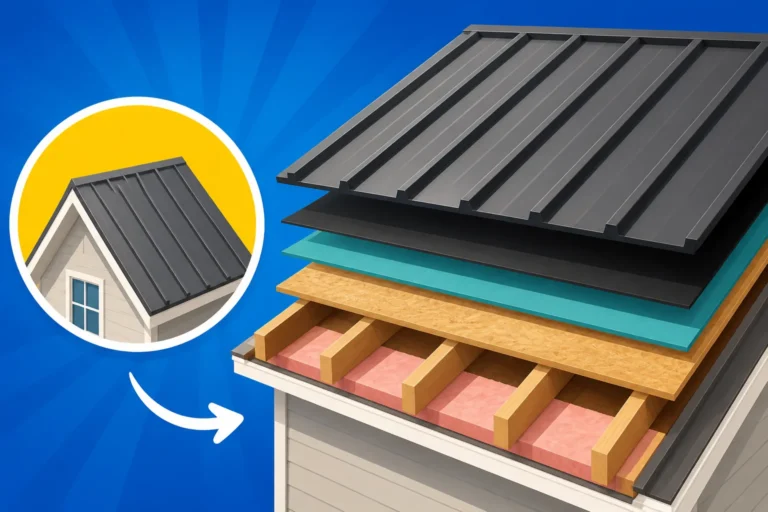
Think of your roof as a multi-layered shield for your home. Each layer plays a vital role, and the underlayment is arguably one of the most unsung heroes in a metal roofing system. While the metal panels are the primary defense against the elements, the underlayment acts as a crucial secondary barrier. It's there to catch any moisture that might somehow get past the main panels—whether from wind-driven rain, ice dams, or even condensation forming on the underside of the metal. Without a robust and appropriate underlayment, any breach in your metal panels, no matter how small, could lead directly to water damage in your attic and home. This is why when you're considering a new roof, understanding all the components is key, and an excellent resource to help you visualize this entire process is our guide on the Metal Roof Installation Process: Step by Step.
The Critical Role of Underlayment in Standing Seam Systems
Choosing a standing seam roof means you're investing in decades of protection and curb appeal. To truly maximize that investment, you simply cannot skimp on the underlayment. It's not just a thin layer of paper; it's an engineered component designed to work in harmony with the metal panels above it.
Protecting Against Moisture Intrusion and Condensation
The most obvious, and perhaps most important, job of the underlayment is to act as a reliable barrier against water. While standing seam metal roofs are incredibly resistant to leaks due to their design, no roofing system is absolutely impenetrable over its entire lifespan. Underlayment provides that vital "last line of defense" should a panel get damaged, a seam fail due to extreme stress, or a fastener work its way loose. More commonly, though, it protects against condensation. Metal surfaces can get quite cold, especially at night or in colder climates. When warmer, humid air from your attic comes into contact with the cold underside of the metal, condensation can form. If this moisture isn't properly managed and dried out, it can lead to mold, mildew, and rot in your roof deck, insulation, and even structural components. A proper underlayment helps manage this moisture, often allowing it to dissipate harmlessly. Our dedicated piece on the Metal Roof Underlayment and Ventilation Guide delves even deeper into this topic.
Providing a Smooth, Stable Surface for Installation
Beyond moisture protection, the underlayment serves another crucial purpose during installation: it creates a clean, smooth, and uniform surface for the metal panels to rest upon. Metal panels, particularly the long, flat sections of standing seam, are very unforgiving of imperfections. If there are bumps, dips, or debris on the roof deck, these will telegraph through the metal, creating visible distortions known as "oil canning." While primarily an aesthetic issue, severe oil canning can sometimes indicate underlying structural inconsistencies. A good quality underlayment acts as a cushion and a buffer, smoothing out minor irregularities in the roof deck and ensuring the metal panels lie flat and true. This isn't just about looks; a consistent surface also ensures the panels can expand and contract freely without undue stress points, which is vital for the Metal Roof Lifespan: How Long Do They Last?.
Enhancing Energy Efficiency and Sound Dampening
While not its primary function, a high-quality underlayment can offer some surprising secondary benefits. Certain types of underlayment, particularly those with a fibrous composition or thicker, self-adhering membranes, can contribute a small amount to your roof's overall insulation value. This can translate into marginal improvements in energy efficiency, helping to keep your home warmer in winter and cooler in summer. Moreover, one common concern people have about metal roofs is the noise of rain or hail. While standing seam roofs are generally much quieter than exposed fastener corrugated panels, a robust underlayment can help absorb some of the impact sound, making those heavy rainstorms a bit more peaceful inside your home. It creates an additional layer between the metal and the deck, dampening vibrations and reducing noise transmission.
Exploring the Best Underlayment Options for Standing Seam
When it comes to underlayment for standing seam metal roofs, you'll generally encounter a few main types. Each has its own characteristics, benefits, and drawbacks, and understanding these differences is key to making an informed decision.
Synthetic Underlayments: The Modern Standard
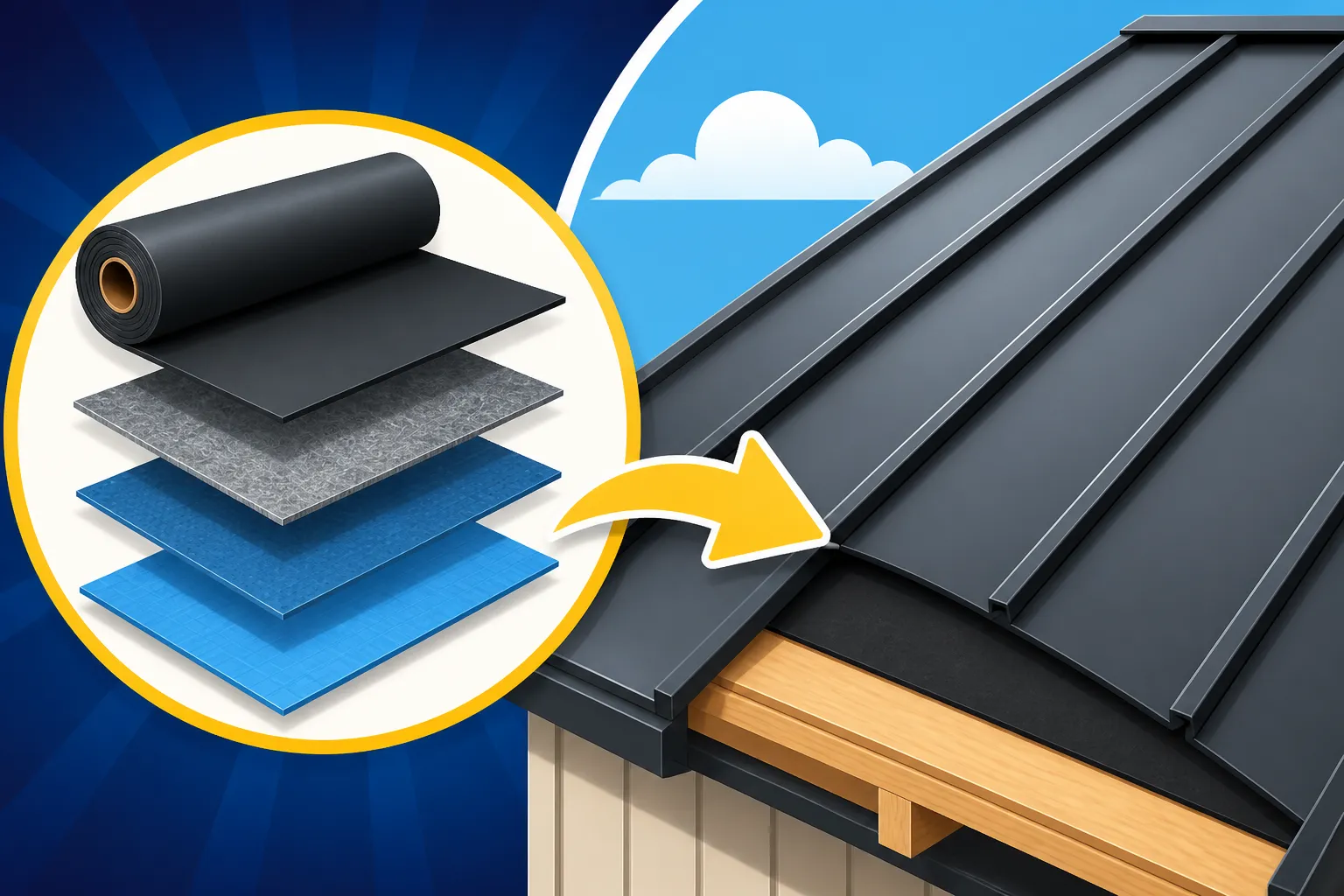
Synthetic underlayments have become the go-to choice for most modern metal roofing installations, and for very good reason. These advanced materials are typically made from woven polypropylene or polyester fabrics, coated with polymers to enhance water resistance. They are incredibly durable, lightweight, and tear-resistant—far more so than traditional felt.
One of their biggest advantages is their superior water resistance. Many synthetic underlayments are hydrophobic, meaning they shed water instead of absorbing it. They often feature a non-skid surface, which is a major safety benefit for installers and helps prevent the metal panels from shifting during installation. They also tend to be more resistant to mold and mildew growth and can withstand UV exposure for longer periods during the construction phase without degrading. Because they are typically lighter and come in larger rolls, synthetic underlayments can be installed much faster than felt, potentially saving on labor costs. While the upfront cost per square foot might be a bit higher than felt, their long-term performance, durability, and ease of installation often make them a more economical choice in the grand scheme of things.
High-Temperature Self-Adhered Underlayments: The Premium Choice
For the ultimate in protection, especially in challenging climates or for premium metal roofing materials like copper or zinc, high-temperature self-adhered underlayments are the gold standard. These are sticky-backed membranes, usually made from rubberized asphalt or specialized polymers, that adhere directly to the roof deck. Their self-adhering nature creates a watertight seal across the entire roof surface, including around fasteners and penetrations.
The "high-temperature" designation is critical for metal roofs. Because metal roofs can get incredibly hot under direct sunlight (reaching temperatures well over 180°F, even over 200°F in some areas), traditional asphalt-based self-adhered membranes can sometimes melt, creating a messy situation and losing their adhesive properties. High-temperature versions are engineered to withstand these extreme temperatures without failing. They are exceptional at preventing ice dams, sealing around fasteners, and providing a robust secondary water barrier. For low-slope roofs, complex roof designs with many valleys or dormers, or in areas prone to severe weather like hurricanes, this type of underlayment offers unparalleled peace of mind. The downside, as you might expect, is cost. These underlayments are generally the most expensive option, both in material and often in labor due to the meticulous installation required. However, for a roofing system designed to last 50+ years, like a Standing Seam Metal Roof Cost, this added investment can be well worth it.
Asphalt-Saturated Felt: The Traditional, Yet Limited, Option
Asphalt-saturated felt, often called "tar paper" or "builder's felt," has been a traditional roofing underlayment for decades. It's essentially paper or fiberglass matting saturated with asphalt. It comes in different weights, typically 15-pound or 30-pound. While it's significantly cheaper upfront than synthetic or self-adhered options, its use with standing seam metal roofs is increasingly discouraged, especially for residential applications.
The main issue with felt underlayment under metal is its susceptibility to degradation under high temperatures. The asphalt in felt can "bake" and dry out under a hot metal roof, causing it to become brittle, crack, and lose its water resistance. It's also prone to tearing during installation or from thermal movement of the metal panels. Felt can absorb moisture, which can lead to wrinkling or buckling, potentially telegraphing through the metal. While it might offer some temporary protection and is certainly better than no underlayment, it simply doesn't provide the long-term, high-performance protection that a modern standing seam metal roof demands. It's truly a case where you get what you pay for, and the potential for premature failure is too high for such a durable roofing system. If you're wondering, Do You Need Underlayment Under a Metal Roof?, the answer is unequivocally yes, and felt is generally not the best choice.
Here's a quick comparison of these underlayment types:
| Feature | Synthetic Underlayment | High-Temp Self-Adhered Underlayment | Asphalt-Saturated Felt (15/30#) |
|---|---|---|---|
| Material | Woven polypropylene/polyester, polymer coated | Rubberized asphalt/polymer, adhesive backing | Paper/fiberglass saturated with asphalt |
| Water Resistance | Excellent, sheds water, tear-resistant | Superior, watertight seal, seals around fasteners | Fair, can absorb water, prone to cracking |
| Temperature Tolerance | Good, stable under UV and heat | Excellent, designed for extreme heat (up to 250°F+) | Poor, can dry out, crack, and melt under high heat |
| Durability | Very good, tear-resistant, long-lasting | Excellent, seals deck, highly robust | Poor, tears easily, degrades over time |
| Cost (Material) | Moderate (e.g., $0.20 – $0.50 per sq ft) | High (e.g., $0.75 – $1.50 per sq ft) | Low (e.g., $0.05 – $0.15 per sq ft) |
| Installation | Lightweight, easy to handle, faster install | More labor-intensive, requires careful surface prep | Heavy, prone to tearing, slower install than synthetic |
| Best Use | Most standing seam residential applications, moderate slopes | Low-slope roofs, severe weather, premium metals, ice dam protection | Minimal use for standing seam, often avoided |
Making the Right Choice for Your Home and Climate
Deciding on the best underlayment isn't a one-size-fits-all answer. Your home's specific location, roof characteristics, and budget all play a role. It's a decision that benefits greatly from expert input, which is where professionals found through services like Modernize can be incredibly helpful in guiding you.
Climate Considerations: Heat, Cold, and Humidity
Your local climate is a huge factor in underlayment selection.
- Hot Climates (e.g., Florida, Texas, Arizona): In regions with intense sun exposure and high temperatures, like those in Florida or Arizona, metal roofs can become extremely hot. This is where high-temperature self-adhered underlayments truly shine. Their ability to withstand extreme heat without melting or degrading is paramount. These materials are often chosen to meet stringent local building codes, such as the Florida Building Code, which emphasizes hurricane resistance.
- Cold Climates (e.g., Northeast, Midwest): In areas prone to heavy snow and ice, ice damming is a serious concern. Ice and water shield products, which are essentially self-adhered membranes, are critical along eaves, valleys, and around penetrations. Many homeowners in these regions opt to cover the entire roof deck with a high-temperature self-adhered underlayment to provide maximum protection against water intrusion from backed-up ice.
- Humid Climates (e.g., Southeast): High humidity can exacerbate condensation issues. While a proper ventilation system is key, a breathable synthetic underlayment can help manage any moisture that forms under the metal panels, allowing it to escape rather than getting trapped.
Roof Pitch and Design Complexity
The slope and design of your roof also influence the underlayment choice.
- Low-Slope Roofs: If your standing seam roof has a low pitch (say, 3:12 or less), water will shed more slowly, increasing the risk of pooling or wind-driven rain penetration. For these scenarios, a fully adhered, high-temperature underlayment is highly recommended to provide a robust, watertight barrier. You might also want to explore if Can You Put a Metal Roof on a Low-Slope Roof? is the right choice for your specific situation.
- Steep-Slope Roofs: While steep roofs shed water efficiently, they still benefit from high-quality underlayment. Synthetic underlayments are generally excellent for most steep-slope applications, providing ample protection and a stable surface.
- Complex Roofs: Roofs with multiple valleys, dormers, skylights, or intricate angles create more opportunities for potential leaks. In these areas, it's often wise to use a self-adhered ice and water shield even if you're using synthetic underlayment for the main field of the roof. This provides an extra layer of protection where water is most likely to concentrate.
Balancing Cost with Long-Term Performance
It's tempting to look for the cheapest option, but with underlayment, this is truly a false economy. A standing seam metal roof is a significant investment designed to last 50 years or more. Skimping on the underlayment, a component that will be permanently sealed beneath the metal, is short-sighted and can lead to costly repairs down the line.
Consider the lifespan of the entire system. A high-quality underlayment, while more expensive upfront, helps ensure your metal roof reaches its full potential. The cost difference between a premium synthetic underlayment and a top-tier self-adhered product might add a few hundred to a couple of thousand dollars to your overall project, depending on roof size. When spread over the decades of protection you'll receive, this extra investment is minimal compared to the potential cost of repairing leaks, structural damage, or premature roof failure. Always think about the total cost of ownership, not just the initial sticker price. If you want to understand the full picture, our guide on the Metal Roof Cost: Complete 2026 Guide can provide a detailed breakdown.
Proper Installation and Common Pitfalls to Avoid
Even the best underlayment in the world won't perform as expected if it's not installed correctly. This is where the expertise of your roofing contractor becomes absolutely vital.
The Foundation of a Flawless Roof
Proper installation of underlayment starts with a clean, dry, and structurally sound roof deck. Any old fasteners, debris, or damaged sections of plywood need to be addressed before the underlayment goes down. The underlayment itself should be installed smoothly, without wrinkles or buckles, and with appropriate overlaps according to the manufacturer's specifications. For synthetic and self-adhered products, this usually means starting at the eaves and working upwards, ensuring proper drainage.
For self-adhered underlayments, surface preparation is even more critical. The deck must be free of dust, grease, and moisture to ensure proper adhesion. The membrane needs to be pressed firmly to the deck to eliminate air pockets, which can compromise the seal. Any penetrations, like pipe boots or vents, must be meticulously sealed and flashed over the underlayment to prevent leaks. This attention to detail is what makes the difference between a roof that performs flawlessly and one that causes headaches. If you're pondering a DIY approach, remember that this hidden layer is where many crucial details can be missed; it's why we always recommend professional installation.
Working with Professional Installers
Choosing the right underlayment is only half the battle; having it installed correctly is the other, equally important half. A reputable metal roofing contractor will be intimately familiar with different underlayment products and their specific installation requirements for standing seam roofs. They'll understand the nuances of working with metal, including thermal expansion and contraction, and how the underlayment plays into that.
When you're gathering bids, don't just ask about the metal panels; inquire specifically about the underlayment they plan to use and why. Ask them to explain the installation process for that particular underlayment. A good contractor will be transparent about their materials and methods. They should also be able to provide you with a comprehensive warranty that covers both the materials and their workmanship. Many manufacturers offer enhanced warranties if their products are installed by certified professionals. If you're looking for qualified contractors, services like Modernize can help connect you with local professionals who understand the intricacies of metal roofing. Be sure to check out our guide on How to Hire a Metal Roofing Contractor to ensure you're working with the best.
Ultimately, the underlayment is a relatively small part of your overall metal roofing cost, but its impact on the system's performance and longevity is immense. Don't overlook this crucial component. Invest in quality, and ensure it's installed by professionals, and your standing seam metal roof will protect your home beautifully for many, many years to come.
Disclaimer
Please remember that this information is intended for general guidance only. Building codes, product specifications, and installation best practices can vary significantly based on your specific location, local regulations, and the unique characteristics of your property. Always consult with a qualified, licensed, and insured local metal roofing professional to discuss your specific needs and ensure compliance with all applicable codes and manufacturer requirements for your project. They can provide tailored advice and accurate estimates.