How Often Should a Metal Roof Be Inspected?
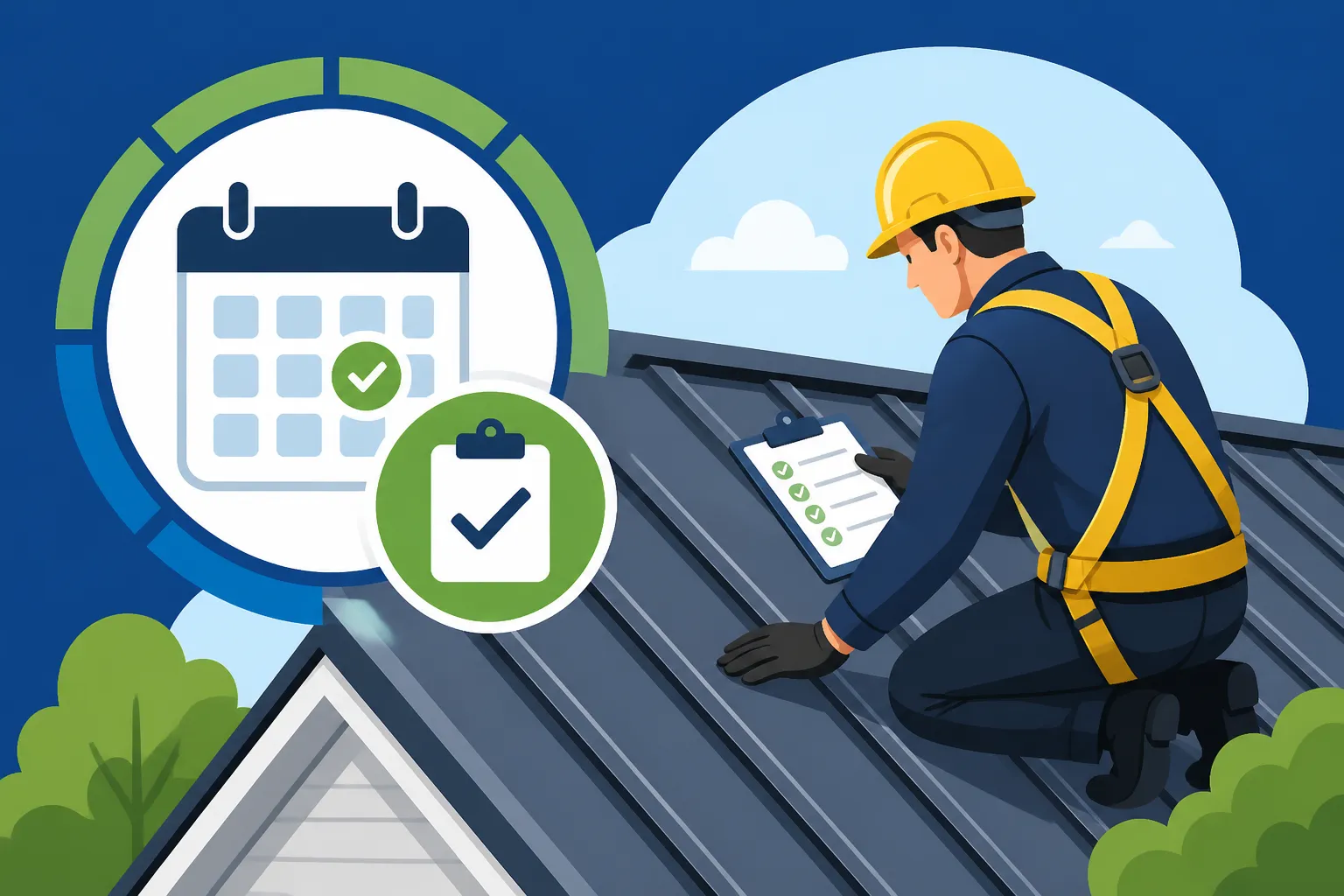
It’s a common trap to fall into: you’ve invested in a robust metal roof, known for its incredible durability and long lifespan, and you think, "Great, one less thing to worry about!" But neglecting your roof can lead to costly surprises down the line, especially if small issues fester unnoticed. This guide will dive deep into how often your metal roof should be inspected, ensuring you catch minor issues before they become major headaches and truly protect your significant investment.
Why Regular Metal Roof Inspections Matter Beyond Just Leaks
Many homeowners understandably think of roof inspections only when a leak appears. But waiting for that tell-tale drip or water stain is like waiting for your car's engine to seize before checking the oil. Metal roofs, while incredibly resilient, are not entirely "set it and forget it." They are complex systems constantly battling the elements, and proactive maintenance, including regular inspections, is key to maximizing their lifespan and performance. It’s about more than just preventing immediate water intrusion; it’s about preserving your home's entire protective envelope and ensuring you get the full value out of your premium roofing choice.
Catching Small Issues Before They Become Big Headaches
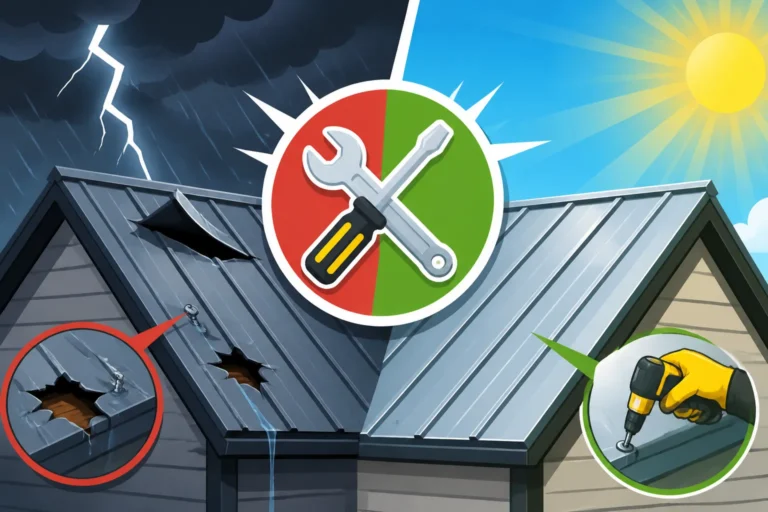
Think about those tiny, almost invisible problems that start innocently enough. A single fastener might slowly back out due to thermal expansion and contraction, or a small piece of flashing could shift just slightly in a strong gust of wind. On its own, this isn't a crisis. But over time, that loose fastener can create a tiny entry point for moisture, or that shifted flashing might allow wind-driven rain to creep underneath. What begins as a minor adjustment could, if left unchecked, lead to corrosion, rot in your decking, or even significant structural damage. A diligent inspection can spot these fledgling issues—a worn washer, a bit of sealant peeling, a hairline scratch in the coating—and address them quickly and cheaply, preventing a far more expensive repair later.
It’s about being observant. For instance, in a place like Dallas, Texas, where hail can be an issue, even small dents can compromise a coating over time, leading to future rust if not noticed. A proper inspection will catch these subtle signs, giving you the chance to reseal a vulnerable spot or tighten a loose screw before a major weather event turns it into a full-blown emergency. It’s a bit like getting a regular dental check-up; you're not waiting for a toothache, you're preventing cavities and gum disease that would be far more painful and costly down the road. These small proactive steps make all the difference in the long run.
Maintaining Warranty Validity and Longevity
One of the biggest perks of a metal roof is its impressive warranty, often spanning 30 to 50 years, or even a lifetime for some components. But here's the catch: many manufacturers' warranties have clauses that require regular maintenance and inspections. If you skip these routine checks and a problem arises, the manufacturer might argue that the damage was due to neglect, potentially voiding your coverage. Imagine investing in a high-quality standing seam metal roof, expecting decades of protection, only to find your warranty isn't valid because you didn't keep up with the suggested inspections. That would be a truly frustrating and costly realization, leaving you on the hook for repairs you thought were covered.
Beyond the warranty, regular inspections directly contribute to the actual lifespan of your roof. While a metal roof is rated to last 50+ years, that's assuming it's properly installed and maintained. Think of it as preventative medicine for your house. By addressing minor wear and tear, reinforcing vulnerable points, and ensuring all components are performing as they should, you’re not just meeting warranty requirements; you’re actively extending the functional life of your roof, truly getting every penny's worth out of your initial investment. You can learn more about specific clauses in Metal Roof Warranties: Workmanship vs Manufacturer to understand your coverage better.
Protecting Your Investment and Home Value
Your roof is arguably the most critical component of your home's exterior, safeguarding everything within. A healthy, well-maintained metal roof isn't just about protection; it's a significant asset that adds curb appeal and boosts your home’s resale value. When you decide to sell, a potential buyer's inspector will scrutinize the roof. A clean bill of health, backed by a history of professional inspections and maintenance records, provides immense peace of mind and justifies a higher asking price. Conversely, a roof showing signs of neglect or unresolved issues can be a major red flag, leading to lower offers or forcing you to undertake expensive repairs before closing.
Consider the long-term perspective. The initial cost of a metal roof, while higher than traditional shingles, is offset by its incredible durability and minimal maintenance needs over its lifetime. However, this return on investment (ROI) is only fully realized if you protect that investment. Regular inspections are a small, ongoing cost that prevents much larger, unforeseen expenses, preserving both your financial outlay and the overall value of your property. It helps ensure that your metal roof continues to be a premium feature for your home for years to come, reflecting pride of ownership and solid financial planning.
Factors Influencing Inspection Frequency: It's Not One-Size-Fits-All
While a general guideline exists for metal roof inspections, it's crucial to understand that there's no single magic number that applies to every home. The ideal frequency for your metal roof depends on a variety of unique factors specific to your property, your local environment, and even the type of metal roof you have. Ignoring these variables can mean either unnecessary inspections or, worse, not inspecting often enough when critical conditions warrant more attention, leaving your home vulnerable.
Age and Type of Your Metal Roof
A brand-new metal roof, fresh off installation, will likely require less frequent scrutiny than one that's been weathering storms for a couple of decades. For newer roofs, say in their first 5-10 years, a once-a-year inspection might suffice, primarily to ensure everything settled correctly and no installation-related issues are cropping up. However, as your roof approaches the middle and latter stages of its expected lifespan, the frequency should increase. After 15-20 years, components like sealants and fasteners may start to show their age and wear, making bi-annual or even more frequent checks advisable. The material itself might also become more brittle or susceptible to environmental factors as it ages.
Furthermore, the type of metal roof makes a difference. A high-end Standing Seam Metal Roof Cost system with concealed fasteners tends to be more robust and less prone to issues than an exposed fastener corrugated metal roof. The latter, with hundreds of screws exposed to the elements, will naturally require closer attention to those fasteners and their washers, which can degrade over time. Similarly, a Stone-Coated Steel Roof Cost, while incredibly durable, might require different inspection points than a smooth aluminum roof due to its granular surface. Knowing the specifics of your roof's materials and design is key to tailoring an effective inspection schedule that truly meets its needs.
Local Climate and Weather Patterns
The weather your home faces is perhaps the most significant determinant of how often your roof needs a once-over. Homes in regions prone to extreme weather conditions, such as the frequent hail storms in Oklahoma City, the hurricanes in Miami, Florida, or the heavy snow loads in Denver, Colorado, will undoubtedly require more frequent inspections. These conditions put immense stress on even the most durable metal roofs, accelerating wear and tear.
- High Winds & Storms: If you live in an area known for strong winds or frequent thunderstorms, a quick visual inspection after every significant weather event is a wise precaution. High winds can lift panels, loosen fasteners, or damage flashing. Even if no obvious damage is visible from the ground, minor issues could be brewing. You'll want to check specifically for Metal Roof Storm, Hail & Wind Damage.
- Hail: Hail can dent panels, chip coatings, and compromise the protective layer, especially on painted steel roofs. After a hailstorm, an immediate inspection is critical to assess damage and prevent rust from forming where the protective coating has been breached.
- Heavy Snow & Ice: In colder climates, repeated cycles of freezing and thawing, along with heavy snow loads, can put immense stress on a metal roof. Ice dams can form, and the expansion/contraction can wear on sealants and seams. Inspections before and after winter are highly recommended to ensure no damage occurred during the harsh months.
- Coastal Environments: Salt spray in coastal areas accelerates corrosion. Homes near the ocean should have more frequent inspections to catch any signs of rust or degradation early, even if the metal is traditionally resistant to salt.
Your Home's Specific Vulnerabilities
Every home is unique, and so are its roof's potential weak spots. Factors like the complexity of your roofline, the presence of many penetrations (chimneys, skylights, vents), nearby trees, or even the quality of the original installation can create specific vulnerabilities that warrant extra attention. These details are often overlooked but can become prime sources of problems.
A roof with multiple valleys, dormers, or skylights inherently has more seams, flashing, and points of potential water entry than a simple, single-pitch roof. These areas are notoriously tricky to seal perfectly during installation and are often the first places to develop leaks. Similarly, if your home is surrounded by mature trees, fallen branches or abrasive debris can scuff or dent your roof panels. Regular inspections should specifically target these high-risk areas. If you suspect any issues around these features, understanding Metal Roof Leak Repair Guide can be very helpful. Even a previous history of minor repairs can indicate a potential trouble spot that needs closer monitoring. A reputable contractor, like those found through services like Modernize, will often point out these specific areas during their initial assessment or during subsequent maintenance visits, helping you focus your attention where it’s most needed.
What a Comprehensive Metal Roof Inspection Entails: More Than a Quick Look
A truly effective metal roof inspection goes far beyond just glancing up from the driveway. It requires a meticulous, systematic approach, often involving getting up on the roof (safely!) to examine every critical component. This thoroughness is what separates a superficial check from an inspection that genuinely identifies potential problems and ensures the long-term health of your roofing system. It's about taking a proactive, detailed look at all the elements working together to protect your home.
Checking Fasteners, Sealants, and Flashing
These are the unsung heroes and often the weakest links in any metal roofing system. Their proper function is non-negotiable for a watertight roof.
- Fasteners: For exposed fastener systems (like many corrugated or R-panel roofs), every single screw needs to be checked. Are the washers compressed properly? Are any screws backed out, stripped, or rusted? Degraded washers are a primary cause of leaks in these systems because once they fail, water can easily penetrate the screw hole. For concealed fastener systems (like standing seam), the focus shifts to ensuring the clips and seams are secure and not showing signs of separation or fatigue, which could lead to panels lifting.
- Sealants: Sealants are used extensively at transitions, penetrations, and panel laps. Over time, UV radiation and thermal cycling (the constant expansion and contraction of metal) can cause sealants to dry out, crack, or pull away from the surfaces they are meant to protect. A good inspection involves visually checking all sealant lines for these signs of deterioration and noting any areas that need reapplication. Pay particular attention to the sealants around vent pipes, skylights, and along the eaves, as these are common failure points.
- Flashing: Flashing is sheet metal used to divert water away from critical areas like chimneys, skylights, valleys, and wall abutments. It must be perfectly integrated with the roof panels to be effective. Inspectors will look for bent, damaged, loose, or improperly installed flashing. Any gaps, rust, or sealant failures around flashing are immediate red flags that demand attention. These issues are common Warning Signs Your Metal Roof Needs Attention and should never be ignored.
Assessing Panel Integrity and Coating Condition
The metal panels themselves are the primary protective barrier, and their condition is paramount to the roof's overall performance and longevity.
- Panel Integrity: Safely walking the roof (with extreme caution and proper safety gear, or, ideally, by hiring a professional) allows for a close examination of physical damage. This includes dents from hail or falling debris, punctures, creases from walking on panels incorrectly, or any signs of warping. While metal roofs are tough, they aren't impervious to impact. Even small dents, if deep enough, can affect drainage or compromise coatings. Visible rust or corrosion on the panels themselves also warrants immediate investigation, as it indicates a breach in the protective layers.
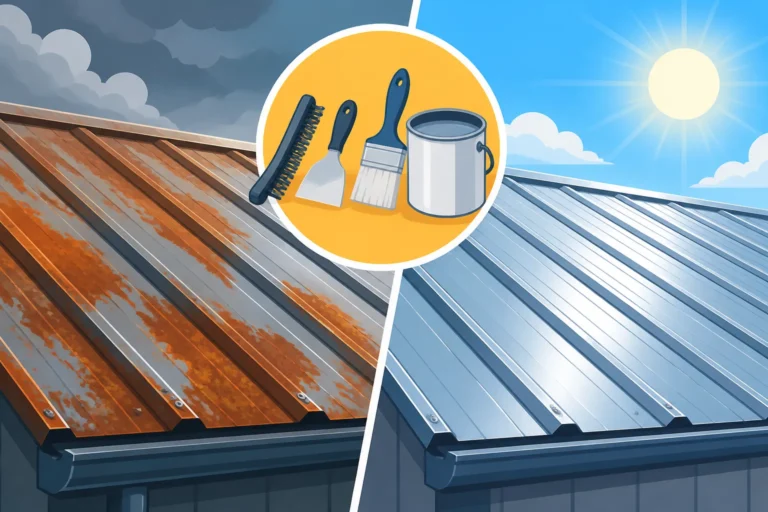
- Coating Condition: Most metal roofs have a protective coating (like Kynar 500, often found on premium brands such as McElroy Metal or Englert, or SMP) that provides color, UV protection, and corrosion resistance. The inspection should include a close look at the coating. Is it fading unevenly? Are there areas of chalking (a powdery residue)? Are there scratches or chips that expose the base metal? Significant coating degradation can lead to premature rusting, especially on steel roofs. For example, a scratched galvanized steel roof might begin to rust quickly if the zinc layer is compromised. Addressing these issues promptly can involve minor touch-ups or, in more severe cases, a full repainting or recoating.
Inspecting Gutters, Vents, and Penetrations
The roof isn't just the panels; it's a complete system that includes many other components, each playing a vital role in preventing water intrusion and maintaining overall structural integrity. Neglecting these seemingly minor elements can have major consequences.
- Gutters and Downspouts: While not strictly part of the roof structure, gutters and downspouts are crucial for proper water drainage. Clogged gutters can lead to water backing up, potentially seeping under the roof panels or causing fascia damage, rotting soffits, and even foundation issues. The inspection should ensure they are clear of debris, properly sloped, securely fastened, and not leaking at the seams. Any pooling water indicates a problem that needs immediate attention.
- Vents and Penetrations: Every opening in your roof—for plumbing vents, attic vents, exhaust fans, or even solar panel mounts—is a potential leak point. The rubber boots around plumbing vents can degrade and crack over time due to UV exposure, plastic vent covers can become brittle and crack, and flashing around solar stanchions can loosen. An inspector will meticulously check the seals and integrity of all these penetrations, ensuring they are watertight and that their caps are intact. These are critical Metal Roof Components & Accessories Explained that often get overlooked.
- Underlayment and Ventilation (where visible): If parts of the underlayment are visible (e.g., at eaves or during a partial repair), its condition should be noted. Proper attic ventilation is also crucial for preventing condensation buildup under the metal roof, which can lead to rust and other issues on the underside of the panels and the roof deck. While a full assessment of your Metal Roof Underlayment and Ventilation Guide isn't always possible during a standard visual inspection, signs of inadequate ventilation (like excessive heat in the attic, visible moisture, or a musty smell) should be noted and investigated further.
DIY vs. Professional Inspections: Knowing Your Limits
When it comes to inspecting your metal roof, there's a balance to strike between being a proactive homeowner and recognizing when it's time to call in the experts. While some aspects of a roof inspection are perfectly suitable for a DIY enthusiast, others demand the specialized knowledge, tools, and safety protocols of a professional. Understanding this distinction is key to ensuring your roof gets the attention it needs without putting yourself at unnecessary risk or missing critical issues that could lead to extensive damage.
When You Can Do It Yourself And What to Look For
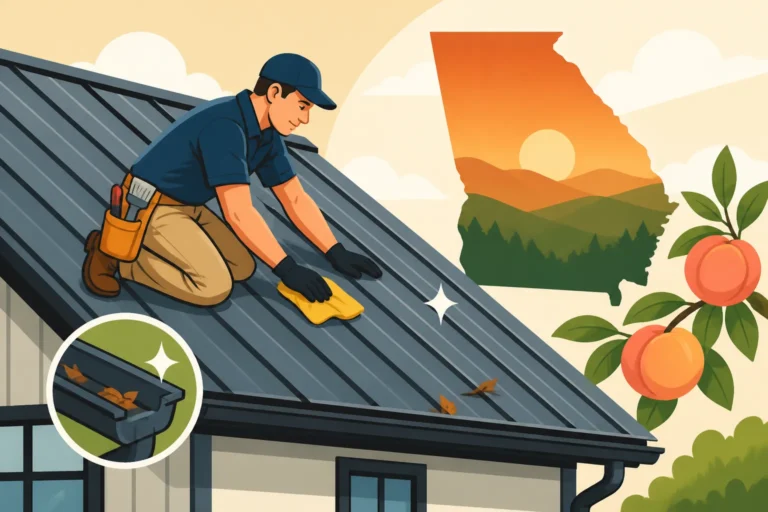
For the average homeowner, a ground-level visual inspection, perhaps supplemented by a good pair of binoculars, is a great starting point and something you should do at least once or twice a year, and definitely after any significant storm. This accessible approach allows you to catch obvious problems without putting yourself in danger.
Here’s what you can look for safely from the ground or a sturdy ladder:
- Debris: Are there leaves, branches, or other debris accumulated on the roof, especially in valleys or near chimneys? This can trap moisture and accelerate degradation.
- Gutters: Are gutters clear and functioning? Look for overflow during rain or visible blockages of leaves and sediment.
- Visible Damage: Are there any obvious loose panels, bent flashing, or significant dents? Look for rust streaks, which often indicate a leak source or a compromised coating, or any discoloration that seems out of place.
- Discoloration: Are there any unusual streaks or patches of discoloration, which could signal algae, mildew, or even metal runoff staining that suggests corrosion or an improperly routed drainage.
- Overall Appearance: Does the roof look uniform? Are there any panels that appear to be sagging or out of alignment, which could indicate structural issues or loose fasteners?
For those comfortable and equipped with proper safety gear (harness, sturdy ladder, non-slip shoes), a walk-around on a low-slope roof might be possible. If you do go up, remember to walk carefully along the ribs or seams to distribute weight and avoid damaging the panels. Focus on checking easily accessible fasteners and sealant lines. However, if your roof is steep, exceptionally high, or you're simply not confident, it's always best to stay on the ground. When in doubt, call a professional.
The Value of a Certified Metal Roofing Professional
There comes a point where DIY simply isn't enough. Professional metal roofing contractors and specialized inspectors bring a level of expertise, experience, and equipment that most homeowners don't possess. They are trained to see beyond the obvious and identify potential problems before they escalate into costly repairs.
- Expert Eye: Professionals are trained to spot subtle signs of wear, potential installation flaws, or developing issues that an untrained eye would easily miss. They know the common failure points for different types of metal roofs and can interpret small details, like a specific type of sealant degradation, that hint at a larger underlying problem.
- Safety: Navigating a metal roof can be dangerous, especially if it's wet, steep, or has complex features. Professionals have the necessary safety gear and protocols to inspect the entire roof safely and thoroughly, reducing the risk of injury or further damage to your roof.
- Specialized Tools: They might use moisture meters to detect hidden leaks, thermal imaging cameras to identify insulation issues or water intrusion behind walls, or drones for inspecting hard-to-reach areas without climbing on the roof itself.
- Comprehensive Assessment: A pro won't just look for leaks; they'll assess the entire system, from the underlayment (where accessible) to the ventilation, ensuring all components are working harmoniously. They can provide detailed reports, complete with photos, and offer expert recommendations for repairs or maintenance. This is crucial for truly understanding Metal Roof Inspection: What to Check.
For example, a professional might notice that the sealant around a skylight in a standing seam metal roof has begun to shrink, even though it's not yet leaking. They could recommend proactive re-sealing, preventing an inevitable leak and extending the life of that critical junction. This kind of preventative insight is priceless and truly highlights the value of their expertise. Services like Modernize can help connect you with reputable local professionals who specialize in metal roofing.
How to Find a Reputable Inspector
Choosing the right professional for your metal roof inspection is just as important as the inspection itself. You wouldn't trust just anyone with your car's engine, and your roof deserves the same consideration. A bad contractor can do more harm than good, so due diligence is key.
Here are key things to look for:
- Experience with Metal Roofs: Ensure they specialize in or have extensive experience with metal roofing systems. Metal roofs have different inspection points and potential issues than asphalt shingles, requiring a different skillset.
- Licensing and Insurance: Always verify that the contractor or inspector is properly licensed (if required in your state/city) and carries adequate liability insurance and worker's compensation. This protects you in case of accidents or damage during the inspection. You can learn more by checking How to Verify a Roofing License by State.
- References and Reviews: Ask for references and check online reviews on platforms like Google, Yelp, or industry-specific sites. Look for consistent positive feedback regarding their professionalism, thoroughness, and honesty. Pay attention to how they handle customer concerns.
- Detailed Reports: A good inspector will provide a written report with photos, detailing their findings, and offering clear recommendations. They should be able to explain everything in plain language and answer all your questions thoroughly.
- No Pressure Sales: Be wary of inspectors who immediately jump to expensive replacement recommendations without a clear, detailed explanation of the issues. A reputable professional will prioritize repair where possible and provide objective advice, giving you options.
- Manufacturer Certifications: Some manufacturers offer certifications for installers, which can indicate a higher level of training and adherence to best practices. While not always strictly necessary for an inspection, it can be a good sign of a quality company that stays up-to-date with industry standards.
By taking the time to vet your inspector, you're not just getting a roof check-up; you're gaining a trusted advisor for your home's most important protective element. These same principles apply when trying to figure out How to Tell If Your Metal Roof Needs Replacing or during the entire process of How to Hire a Metal Roofing Contractor.
Recommended Metal Roof Inspection Frequency Guide
| Factor | New Roof (0-5 years) | Mid-Life (5-20 years) | Older Roof (20+ years) | After Severe Weather |
|---|---|---|---|---|
| General Recommendation | Annually | Bi-Annually | Annually + Spot Checks | Immediately |
| Low-Risk Climate (Mild/Dry) | Every 1-2 years | Annually | Bi-Annually + Spot | Post-Storm |
| High-Risk Climate (Hurricanes, Hail, Heavy Snow) | Annually | Bi-Annually | Every 6-9 months | Immediately & Post-Season |
| Complex Roofline (Many dormers, valleys, penetrations) | Annually | Bi-Annually | Every 6-9 months | Post-Storm |
| Nearby Trees | Annually | Bi-Annually | Every 6-9 months | After High Winds |
| Exposed Fastener Systems | Annually | Bi-Annually | Every 6-9 months | Post-Storm |
| Concealed Fastener Systems | Every 1-2 years | Annually | Bi-Annually | Post-Storm |
| Coastal Proximity | Annually | Bi-Annually | Every 6-9 months | Post-Storm |
Note: This table provides general guidelines. Always consult with a qualified metal roofing professional for recommendations specific to your roof and local conditions, as your individual situation may vary.
Disclaimer
This article is intended for informational purposes only and does not constitute professional advice. Always consult with a qualified and licensed metal roofing contractor for specific recommendations regarding your roof's inspection, maintenance, or repair needs. Roofing work can be dangerous and should only be attempted by individuals with proper training, safety equipment, and expertise.