What License Does a Roofer Need in South Carolina
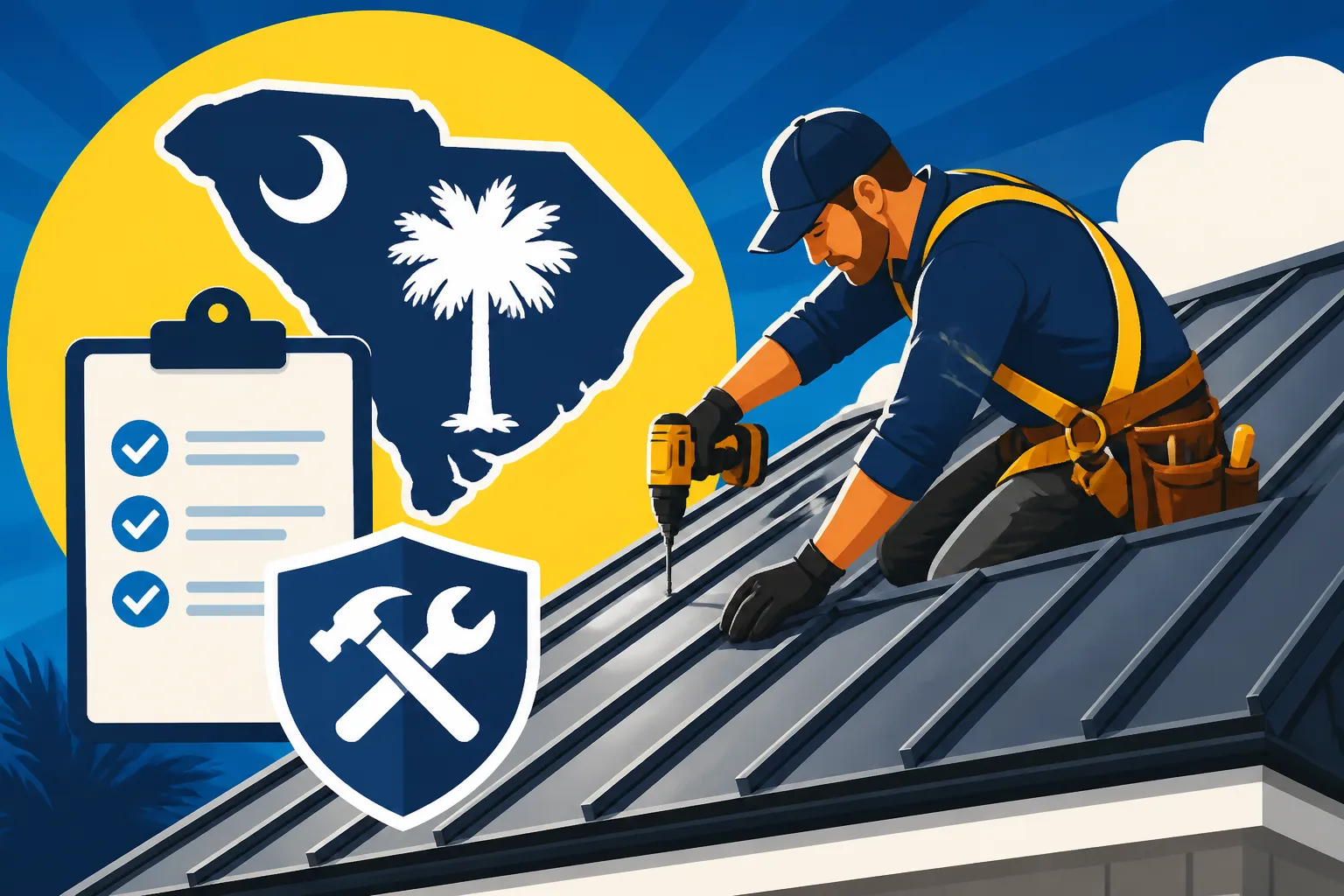
Navigating the world of home improvement can sometimes feel like trying to solve a puzzle with half the pieces missing, and figuring out what license a roofer needs in South Carolina is a perfect example. It's incredibly frustrating when you just want to protect your biggest asset, your home, but you're met with confusing regulations and conflicting advice. This guide is here to untangle that knot for you, breaking down exactly what licensing requirements exist for roofing contractors in the Palmetto State, so you can hire with confidence and peace of mind.
The South Carolina Licensing Landscape for Roofers
When you're looking to get a new metal roof installed or an existing one repaired in South Carolina, one of the most critical steps, often overlooked in the initial excitement, is ensuring your chosen contractor is properly licensed. It’s not just about a piece of paper; it’s about consumer protection, quality assurance, and making sure your project adheres to all local and state regulations.
Why Licensing Matters in South Carolina
In a state like South Carolina, where weather can range from scorching summers to sudden, severe thunderstorms and even occasional hurricanes along the coast, a strong, properly installed roof isn't just a luxury—it's an absolute necessity. Hiring an unlicensed contractor, no matter how charming they seem or how low their bid, is a massive gamble. An unlicensed roofer might not carry the necessary insurance, leaving you personally liable if a worker gets injured on your property or if something goes wrong with the installation. They often cut corners on materials or installation techniques, which can lead to premature roof failure, costly repairs down the line, and even potential issues with your homeowner's insurance claims.
Furthermore, unlicensed work often means non-compliance with building codes. This can create a significant headache when it comes time to sell your home, as inspectors will flag unpermitted or non-code-compliant work, potentially requiring you to tear off and redo sections of your roof, which is a financial nightmare no one wants to face. It's vital to protect yourself and your investment by always opting for a properly licensed professional.
State-Level vs. Local-Level Licensing
One of the common points of confusion for homeowners is understanding that licensing requirements can exist on different levels. In South Carolina, the primary body overseeing contractor licensing is the Department of Labor, Licensing and Regulation (LLR). Specifically, the South Carolina Residential Builders Commission (RBC) and the South Carolina Contractors' Licensing Board handle different classifications of construction professionals, including those who work on roofs.
However, while the state sets the overarching rules, individual cities or counties in South Carolina might have their own supplementary requirements. For instance, a roofer working in Charleston might need to meet specific city-level permitting and licensing standards in addition to state mandates. These local requirements usually involve registering with the city, sometimes paying local fees, or adhering to specific zoning or historical district rules. It’s always a good idea to confirm with your local building department in addition to checking state licenses. This multi-layered approach can make it tricky to sort through, but knowing which agencies to check helps tremendously in vetting a potential contractor.
Specific Licensing Requirements for South Carolina Roofers
So, what exactly is required for a roofer to be legally operating in South Carolina? It largely depends on the scope and nature of the project. The LLR distinguishes between different types of contractors based on the value and complexity of the work they perform.
Residential Builders Commission (RBC) Licenses
For most residential roofing projects in South Carolina, the relevant licensing typically falls under the South Carolina Residential Builders Commission (RBC). The RBC issues licenses for:
- Residential Builders: This license is required for anyone undertaking residential construction, remodeling, or repair projects where the total cost of construction for the project exceeds a specific threshold, currently set at $5,000 for labor and materials. A roofer operating independently as a general contractor for a residential roof replacement would typically need this license. To obtain it, contractors must meet certain experience requirements (often one year of experience), pass a trade exam and a business and law exam, and demonstrate financial responsibility.
- Specialty Contractors (Roofing): This is often the most direct and crucial license for roofers focusing solely on residential roofing work. A Specialty Contractor license, specifically endorsed for "Roofing," is required for contractors whose work on residential structures exceeds the $5,000 threshold, but they are only performing the roofing portion of a larger project or if their business solely focuses on roofing. This license ensures that the individual or company has demonstrated competency specifically in roofing practices. Similar to the residential builder license, applicants must typically pass a technical exam related to roofing and a business and law exam, and provide proof of financial stability. It's designed to ensure specialized expertise, which is exactly what you want when entrusting someone with your home's most critical protective layer.
For smaller repair jobs below the $5,000 threshold, a state license might not be technically required, though a reputable contractor will often carry one anyway as a sign of professionalism and insurance coverage. Even for these smaller jobs, always ask for proof of insurance!
General Contractor Licenses
While the Residential Builder and Specialty Contractor licenses cover the vast majority of residential roofing work, there are instances where a General Contractor license might be necessary. This usually applies to larger, more complex projects that might involve commercial properties or residential projects where the roofing is part of a much larger structural overhaul.
General Contractor licenses in South Carolina are issued by the South Carolina Contractors' Licensing Board, separate from the RBC. These licenses are typically tiered (e.g., General Contractor, Mechanical Contractor, Electrical Contractor) and also involve different "groups" (Group 1, Group 2, etc.) based on the monetary value of projects the contractor is qualified to undertake. For instance, a Group 1 license might be for projects up to $50,000, while a Group 5 license could cover projects up to $10,000,000. If your roofing project is part of a massive renovation or new construction, particularly on a commercial building, you'd be looking for a General Contractor with the appropriate group classification. However, for a standard residential roof replacement, the Residential Builder or Specialty Contractor (Roofing) license is usually what you'll encounter.
It’s important not to confuse these, as a general contractor might subcontract roofing work to a specialty roofing contractor. In such a scenario, both the general contractor and the specialty roofer should be properly licensed for their respective scopes of work. Understanding this hierarchy helps clarify who is responsible for what and ensures all parties are qualified.
Verifying a Roofer's License in South Carolina
Okay, so you know what licenses to look for. Now comes the crucial step: how do you verify them? Don't just take a contractor's word for it or glance at a printed certificate. With modern technology, verifying a license is straightforward and should be a non-negotiable part of your hiring process.
Using the LLR Website
The South Carolina Department of Labor, Licensing and Regulation (LLR) provides a fantastic online tool that allows you to easily search for and verify licenses for various professionals, including residential builders and specialty contractors. This is your go-to resource.
Here's how to do it:
- Visit the SC LLR Website: Go to the official South Carolina LLR website. Look for a section dedicated to "Licensee Search" or "Online Services."
- Select the Board/Commission: You'll typically need to select the relevant board. For residential roofing, you'll likely choose the "Residential Builders Commission" or "Contractors' Licensing Board" if it's a larger commercial project.
- Enter Search Criteria: You can usually search by the contractor's name (company or individual), license number, or even location. It's often best to use the company name or license number if you have it from their quote or business card.
- Review the Results: The search results will show the licensee's name, license number, license type (e.g., Residential Builder, Specialty Contractor – Roofing), the date the license was issued, and its expiration date. Crucially, it will also indicate the license status (e.g., "Active," "Inactive," "Expired," "Suspended"). You want to see "Active" and ensure the expiration date is well into the future.
This process gives you direct, authoritative information. If a contractor claims to be licensed but you can't find them on the LLR website, that's a huge red flag. Even if they provide a license number, always cross-reference it with the LLR database to ensure it's valid and belongs to them. Checking licenses is just one part of doing your due diligence; you should also look into How to Check Online Reviews for Roofers.
Other Verification Steps (Insurance, Bonding)
Beyond simply checking the license, a truly reputable and professional roofing contractor in South Carolina will also carry proper insurance and, often, be bonded. These are critical layers of protection for you, the homeowner.
- Liability Insurance: This covers damages to your property or a neighbor's property that might occur during the roofing project. Imagine a stray piece of metal panel hitting your window or damaging your landscaping; liability insurance covers those costs. A good rule of thumb is to look for at least $1 million in coverage.
- Workers' Compensation Insurance: This is paramount. If a worker gets injured on your property during the job, workers' comp covers their medical expenses and lost wages. Without it, you, as the homeowner, could be held responsible for those costs, which can be devastating. Always ask for a certificate of insurance directly from the insurance carrier, not just a copy from the contractor, to confirm it's current and valid.
- Bonding: While not always legally required for every type of roofing license in SC, a contractor might be bonded. A bond acts as a financial guarantee that the contractor will complete the work as agreed upon and pay their subcontractors and suppliers. If they default, the bond can provide recourse for the homeowner. For example, some jurisdictions might require bonding for specific projects, or a reputable company might simply choose to be bonded to demonstrate their financial stability and commitment.
When collecting bids, make sure each contractor provides proof of these coverages. A reputable contractor will be transparent and happy to provide current certificates. Platforms like Modernize can help connect you with vetted professionals who should already meet these fundamental requirements, streamlining your initial search. For more comprehensive vetting, learn about Metal Roof Contractor Licensing, Bonding & Insurance.
What to Watch Out For and How to Choose Wisely
Even with all the right information, the process of selecting a roofing contractor can still feel overwhelming. It’s a significant investment, and you want to make sure you’re making the best decision for your home. Knowing common pitfalls can save you a lot of grief.
Red Flags and Common Scams
Unfortunately, the roofing industry, particularly after severe weather events, attracts its share of less-than-reputable characters. Being aware of the red flags can help you steer clear of potential scams:
- Door-to-Door Solicitors Immediately After a Storm: While some legitimate contractors do canvass neighborhoods, be wary of anyone pressuring you to sign a contract on the spot, especially after hail or wind damage. These "storm chasers" often do shoddy work, take your money, and disappear. For more on this, check out Storm-Chaser and Door-Knocker Roofing Scams.
- No Physical Address or Local Presence: A legitimate business will have an established office and a local track record. Be cautious of contractors operating solely out of a truck with no verifiable local presence.
- Cash-Only Deals and Large Upfront Payments: While a reasonable deposit is normal (often 10-30%), be highly suspicious of contractors demanding 50% or more upfront, especially in cash. This is a common tactic for scammers who take your money and never return. Familiarize yourself with a Normal Deposit and Payment Schedule for a Roof.
- Unsolicited Offers of "Free" Inspections with High-Pressure Sales: While a reputable roofer will offer free inspections as part of their quoting process, be wary if it's accompanied by aggressive sales tactics and demands for an immediate decision.
- Lack of Proper Documentation: If they can't provide proof of license, insurance, bonding, or references, walk away. Period.
It’s always worth getting multiple quotes—aim for at least three—and comparing them carefully. Don't let a low price be the only factor in your decision. Often, a significantly lower bid is a warning sign of corners being cut.
The Benefits of a Licensed Professional
Choosing a properly licensed and insured professional isn't just about avoiding trouble; it's about securing genuine benefits and peace of mind.
- Adherence to Building Codes: Licensed contractors are knowledgeable about and required to follow current South Carolina building codes. This means your roof will be installed to meet safety standards and perform effectively against the elements, which is crucial for Metal Roof Building Codes Explained.
- Quality Workmanship: To obtain and maintain a license, contractors typically demonstrate a certain level of knowledge and experience. This translates to higher quality work and a greater likelihood of a long-lasting, problem-free roof.
- Warranty Protection: Reputable, licensed roofers will offer comprehensive warranties on both materials and workmanship. This protects your investment should any issues arise after installation. Always ask about Metal Roof Warranties: Workmanship vs Manufacturer.
- Accountability: If something does go wrong, you have recourse. A licensed contractor is accountable to the state's licensing board, providing an avenue for dispute resolution that you simply don't have with an unlicensed individual.
- Permit Handling: Most significant roofing projects require a permit in South Carolina. A licensed contractor will know how to navigate the permitting process, ensuring all necessary inspections are performed. This saves you the headache of figuring out Do You Need a Permit for a Metal Roof? and dealing with local bureaucracy.
In essence, a licensed professional offers expertise, protection, and a commitment to quality that an unlicensed individual simply cannot match. It’s an investment in your home's future and your own peace of mind.
South Carolina Roofing Contractor License Requirements at a Glance
To simplify the different types of licenses discussed, here's a quick overview of what you'll typically encounter when hiring a roofer in South Carolina:
| License Type | Issuing Body | Project Scope | Key Requirements |
|---|---|---|---|
| Residential Builder | SC Residential Builders Commission (RBC) | Residential construction, remodeling, or repair projects (including roofing) where total cost exceeds $5,000. Acts as general contractor for the entire residential project. | Experience (1 year), Trade Exam, Business & Law Exam, Financial Responsibility. |
| Specialty Contractor (Roofing) | SC Residential Builders Commission (RBC) | Residential roofing projects exceeding $5,000 in value, where roofing is the primary or sole scope of work on a residential structure. | Experience, Roofing Trade Exam, Business & Law Exam, Financial Responsibility. |
| General Contractor | SC Contractors' Licensing Board | Larger commercial projects or complex residential projects exceeding specified monetary thresholds (e.g., $50,000+), often involving multiple trades. Will likely sub-contract residential roofing. | Experience, Trade Exam (various classifications), Business & Law Exam, Financial Responsibility, Group Classification (monetary limit). |
| No State License Required | N/A | Residential roofing repairs or installations where the total cost (labor & materials) is under $5,000. | Local permits/registrations may still apply. Proof of insurance highly recommended. |
Remember, this table provides a general guide. Always verify with the SC LLR and your local municipal building department for the most current and specific requirements for your area and project. When comparing options, ensure you know How to Read and Compare Metal Roof Quotes thoroughly.
Disclaimer
Please note that licensing requirements can change, and it is always advisable to consult the official South Carolina Department of Labor, Licensing and Regulation (LLR) website and your local municipal building department for the most current and specific information regarding roofing contractor licenses and permits in your area. This article provides general information and should not be considered legal or professional advice.