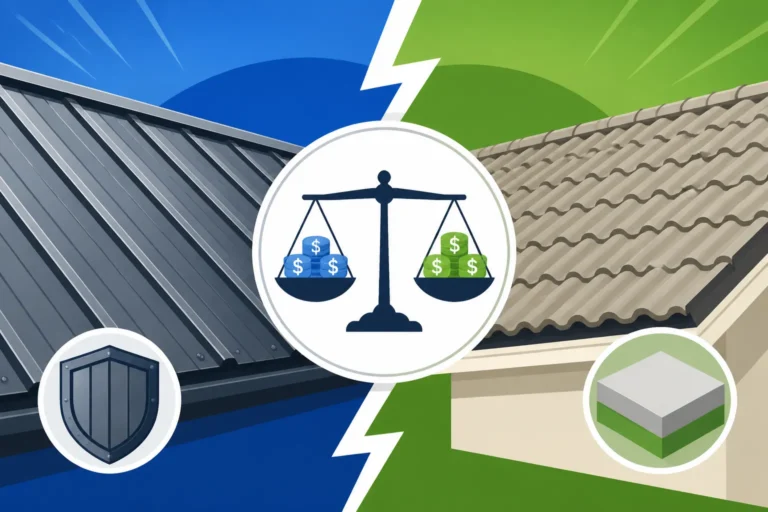
Metal Roof Cost in Tennessee
Tennessee homeowners face a unique set of challenges, from the sticky humidity of the Mississippi Delta in Memphis to the heavy snow loads and wind in the Great Smoky Mountains. Choosing a roof that can handle these extremes while fitting into a realistic budget is a stressful balancing act. This guide breaks down the actual costs of installing a metal roof in Tennessee, covering materials, labor, and local variables.
Understanding Metal Roof Costs Across Tennessee
When you start looking at the price of a new roof in the Volunteer State, the first thing you will notice is the massive range in quotes. For most residential properties in Tennessee, you are looking at a total project cost that typically falls between $9,500 and $35,000. This wide gap exists because the "metal" category covers everything from basic barn tin to high-end architectural copper. If you are comparing this to traditional materials, looking at a Metal Roof vs Asphalt Shingle Cost is often the first step in realizing that while the entry price is higher, the value proposition changes over time.
In cities like Nashville or Franklin, where the housing market has surged, labor rates tend to be higher than in more rural parts of West or East Tennessee. However, regardless of where you live, the bulk of your quote is driven by the specific material you choose and the complexity of your roof’s design. If your home has multiple gables, dormers, or a very steep pitch, the installation time increases significantly. It is helpful to look at the Metal Roof Cost Per Square Foot as a baseline, but remember that the "boots on the ground" reality in Tennessee includes local permit fees and disposal costs for your old shingles.
The local climate also dictates certain "non-negotiable" costs. In Middle Tennessee, where spring storms often bring heavy rain and hail, the quality of the underlayment and the gauge of the metal are not areas where you want to cut corners. Investing in a higher-quality system up front can prevent the frequent leak repairs that plague cheaper installations after a few seasons of Tennessee’s volatile weather.
The Impact of Materials and Gauges on Your Budget
The thickness of the metal, known as the gauge, is one of the most significant factors in your final bill. In Tennessee, most residential contractors recommend 26-gauge or 24-gauge steel. A 29-gauge metal might be cheaper, but it is often too thin to stand up to the fallen branches and high winds we see during tornado season. Choosing the right thickness is a balance between protection and price, and you can see more details in our Metal Roof Cost: Complete 2026 Guide to understand how these specs affect long-term durability.
Steel vs Aluminum in the Tennessee Humidity
For the vast majority of Tennessee homes, Galvalume-coated steel is the standard. It offers an excellent balance of corrosion resistance and strength. However, if you live near one of Tennessee’s large lakes or in areas with high standing humidity, you might consider aluminum. Aluminum is naturally rust-resistant, but it comes with a higher price tag—often 20% to 35% more than steel. Most homeowners find that high-quality steel with a Kynar 500 or PVDF paint finish is more than enough to handle the local climate without the premium cost of aluminum.
Choosing Between Paint Finishes and Coatings
Don't overlook the paint system when reviewing your quote. Tennessee’s sun can be brutal in July and August. A "Siliconized Modified Polyester" (SMP) finish is the budget-friendly option, but it is prone to chalking and fading over a decade or two. If you want your roof to look as good in year thirty as it did on day one, paying the extra $0.50 to $1.00 per square foot for a PVDF finish is almost always worth it. It reflects more heat, which can lead to noticeable savings on your TVA or Nashville Electric Service bills during the summer months.
Comparing Costs for Common Metal Roofing Profiles
The "look" of your roof is determined by the profile, and this is where the price can double or even triple. In Tennessee, you will generally see three main styles: corrugated panels, standing seam, and stone-coated steel. Each has a very different impact on your curb appeal and your wallet.
The Budget-Friendly Corrugated Option
Commonly seen on farmhouses and workshops across rural Tennessee, corrugated or "exposed fastener" panels are the most affordable entry point. These panels are screwed directly through the metal into the roof deck. While the material is inexpensive, the labor is also faster. However, because the screws are exposed to the elements, the rubber washers can degrade in the Tennessee heat, leading to potential leaks every 10 to 15 years. This is a solid choice for those looking for the Average Metal Roof Replacement Cost 2026 without breaking the bank.
The Gold Standard Standing Seam
If you are looking for a lifetime solution, standing seam is the way to go. This system uses hidden fasteners and interlocking ribs that allow the metal to expand and contract as the temperature swings from 20 degrees in January to 95 degrees in August. Because the fasteners are protected, the risk of leaks is nearly zero. However, the Standing Seam Metal Roof Cost is significantly higher due to the specialized equipment and skilled labor required for the install. In neighborhoods like Belle Meade or West Knoxville, this is the profile that adds the most significant resale value.
Stone-Coated Steel and Metal Shingles
For homeowners who want the durability of metal but live in an HOA that requires the look of traditional shingles, stone-coated steel is a popular Tennessee middle ground. These panels are embossed to look like wood shakes, clay tiles, or architectural shingles. They are incredibly tough against hail, which is a major concern in Middle Tennessee. While the material cost is high, they often qualify for the best insurance discounts available.
| Metal Roof Profile | Estimated Cost (Installed) per Sq. Ft. | Expected Lifespan | Fastener Type |
|---|---|---|---|
| Corrugated (Exposed) | $5.50 – $8.50 | 30 – 40 Years | Exposed Screws |
| Standing Seam | $12.00 – $18.00 | 50 – 75 Years | Hidden Cleats |
| Stone-Coated Steel | $10.00 – $16.00 | 50+ Years | Interlocking |
| Metal Shingles | $9.00 – $14.00 | 40 – 60 Years | Concealed |
Regional Price Differences and Local Labor Markets
Labor isn't a flat rate across the state. If you are hiring a crew in the Nashville metro area, including Murfreesboro and Hendersonville, you should expect to pay a premium. The demand for skilled trades in Middle Tennessee is currently outstripping supply, which has pushed the Metal Roof Labor Cost up by about 15% to 20% compared to the Tri-Cities or Jackson.
In Memphis, the cost is often influenced by the age of the housing stock. Many historic homes in areas like Midtown require additional structural reinforcement to handle a new roof system, or they may need specialized flashing for old masonry chimneys. Meanwhile, in Knoxville and Chattanooga, the steepness of the terrain and the "mountainous" lots can make getting materials to the job site more expensive, as heavy delivery trucks struggle with narrow, winding driveways.
When vetting contractors, it is vital to ask Questions to Ask a Metal Roofing Contractor Before You Hire specifically regarding their experience with Tennessee-specific codes. For example, some counties have specific requirements for ice and water shield barriers that might not be standard in the southern part of the state but are essential in the north.
Factoring in Secondary Expenses and Long-Term Value
The price on the bottom of the estimate is rarely the final cost of the project. There are several "hidden" or secondary expenses that Tennessee homeowners often overlook during the planning phase. One of the biggest is the underlayment. In our humid climate, a cheap felt paper underlayment can trap moisture and lead to deck rot. Most experts recommend a high-temperature synthetic underlayment, which might add $500 to $1,500 to the total but is critical for a metal system. You can find a full breakdown of these components in the Metal Roof Underlayment Cost guide.
Another factor is the removal of your old roof. While some contractors suggest installing metal over existing shingles to save money, this can lead to heat being trapped and may even void your manufacturer's warranty. Tearing off old shingles and disposing of them in a Tennessee landfill typically adds between $1.50 and $3.00 per square foot to your quote.
Insurance and Energy Savings
The "silver lining" of the high upfront cost is the potential for ongoing savings. Many insurance providers in Tennessee offer a Metal Roof Insurance Discounts & Discounts for homes with UL 2218 Class 4 impact-resistant roofs. Given how common hail damage claims are in our state, this can save you 10% to 25% on your annual premiums. Additionally, because metal roofs reflect solar radiant heat rather than absorbing it like asphalt, your cooling costs in the summer can drop by as much as 25%. When you look at the total picture, the question Is a Metal Roof Worth It? ROI, Resale & Payback becomes much easier to answer.
Investment Summary for Tennessee Homeowners
Choosing a metal roof in Tennessee is about more than just picking a color; it is about protecting your largest investment from the state's erratic weather patterns. While the initial quote for a standing seam roof might feel overwhelming, the reality is that it will likely be the last roof you ever buy. By contrast, an asphalt roof in the humid Tennessee climate may only last 15 to 18 years before the granules begin to shed and the shingles start to curl.
To get the best price, we recommend getting at least three quotes from local contractors who specialize specifically in metal. General roofers who primarily do shingles often overbid metal jobs because they aren't as efficient with the material. Look for a team that has a permanent office in the state and offers a solid workmanship warranty to complement the manufacturer’s material warranty.
Disclaimer
The cost estimates provided in this guide are based on regional averages in Tennessee for the year 2026 and are intended for informational purposes only. Actual prices vary significantly based on home size, roof complexity, local permit fees, and fluctuating material market rates. Always obtain a written contract and a detailed professional estimate before starting any home improvement project.