How Much Does a 5V Crimp Metal Roof Cost
The thought of replacing your roof can be daunting, especially when you're trying to figure out the real cost of a specialized option like a 5V Crimp metal roof. It's not just about the sticker price of the panels; there are so many variables that can swing the final bill, leaving many homeowners feeling overwhelmed. This comprehensive guide will peel back the layers, breaking down exactly what influences the cost of a 5V Crimp metal roof, so you can approach your roofing project with confidence and a clear understanding of your investment.
Understanding 5V Crimp Metal Roofing
Before we dive into the numbers, it’s crucial to understand what makes 5V Crimp metal roofing a unique and increasingly popular choice. This isn't just another metal panel; it boasts a distinctive aesthetic and performance profile that sets it apart.
What Exactly is 5V Crimp?
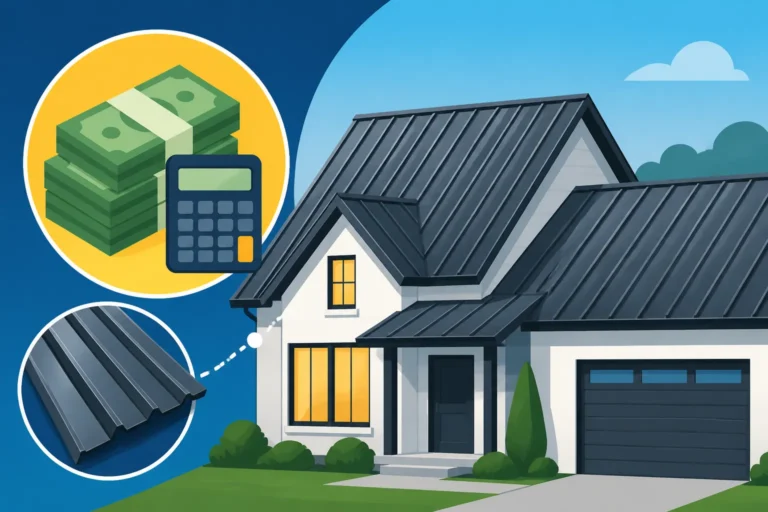
5V Crimp metal roofing gets its name from its unique profile: five inverted "V" shaped crimps or ribs that run down the length of each panel. These V-shaped ribs are typically spaced evenly across the panel, usually around 9 inches apart, creating a clean, symmetrical, and often traditional look that harks back to classic agricultural buildings and coastal homes. Unlike some other metal roofing profiles that might have taller, more industrial-looking ribs, 5V Crimp offers a more understated and refined appearance, often preferred for residential properties seeking a blend of durability and curb appeal.
The panels are typically applied with exposed fasteners, meaning the screws used to attach the panels to the roof decking are visible. While some homeowners prefer the sleek, fastener-free look of a standing seam roof, the exposed fastener system of 5V Crimp is a testament to its robust, straightforward installation and inherent strength. The fasteners are usually color-matched to the panels, helping them blend in visually while providing a secure attachment that can withstand significant wind uplift. This profile is renowned for its excellent water-shedding capabilities, making it a fantastic choice for areas that experience heavy rainfall, though it's generally best suited for roofs with a minimum pitch of 3:12 or greater to ensure proper drainage.
Why Choose 5V Crimp for Your Home?
Many homeowners are drawn to 5V Crimp for a multitude of reasons, beyond just its distinctive looks. One of its primary benefits is its exceptional durability. Made from strong materials like galvanized steel or Galvalume, these roofs are incredibly resistant to extreme weather conditions, including high winds, heavy snow loads, and even hail. For instance, in hurricane-prone regions like Florida, properly installed 5V Crimp roofs can often meet stringent wind resistance requirements, offering homeowners peace of mind when storms roll in. This inherent strength means a 5V Crimp roof can last significantly longer than traditional asphalt shingles, often exceeding 40-60 years with proper maintenance. This extended lifespan contributes to a fantastic long-term value, as you won't be looking at another roof replacement for decades. You can explore more about this in our guide on Metal Roof Lifespan: How Long Do They Last?.
Beyond durability, the aesthetic appeal of 5V Crimp is a major draw. Its classic, clean lines can complement a wide range of architectural styles, from rustic farmhouses to modern coastal bungalows. Available in a variety of colors and finishes, you can often find options that perfectly match your home’s exterior and personal taste. Think about a vibrant coastal blue on a beach house or a classic charcoal gray on a more traditional home; the options are quite versatile. Moreover, metal roofs are known for their energy efficiency, reflecting solar radiant heat and helping to reduce cooling costs in warmer climates, which can lead to significant savings on your utility bills over time. This combination of longevity, aesthetics, and efficiency makes 5V Crimp a compelling choice for many looking to upgrade their home's protection and curb appeal.
Key Factors Influencing 5V Crimp Metal Roof Cost
Understanding the average cost is a good starting point, but the "average" can hide a lot of nuance. Several critical factors will directly impact the final price you pay for your 5V Crimp metal roof. These aren't just minor fluctuations; they can cause the cost to vary by thousands of dollars.
Material Type and Gauge
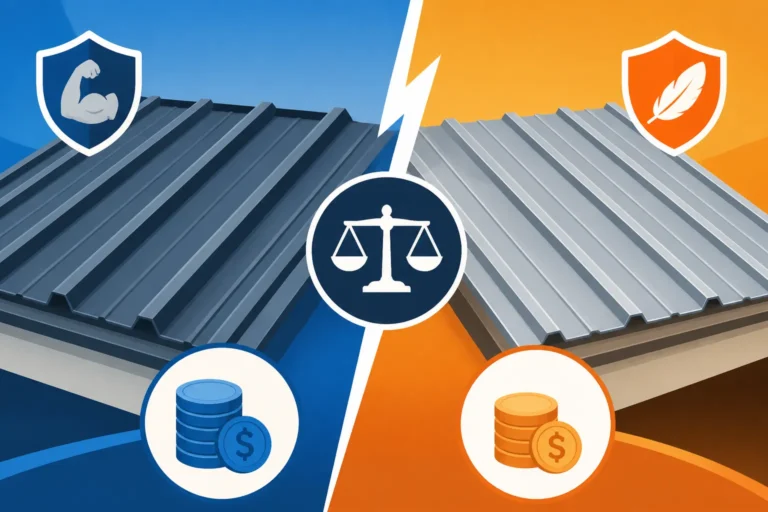
The type of metal and its thickness, or gauge, are perhaps the most significant cost drivers for any metal roof, and 5V Crimp is no exception. While 5V Crimp panels are typically made from steel, it's the specific coating and gauge that really differentiate them.
- Galvanized Steel: This is steel coated with zinc for corrosion protection. It's generally a more budget-friendly option but might not offer the same longevity or advanced corrosion resistance as other types, especially in harsh coastal environments.
- Galvalume Steel: A step up from galvanized, Galvalume steel is coated with a mixture of aluminum and zinc. This alloy provides superior corrosion resistance, better heat reflectivity, and often comes with longer warranties, making it a very popular choice for residential metal roofing. This enhanced performance, naturally, comes with a slightly higher price point.
- Aluminum: While less common for 5V Crimp profiles compared to steel, aluminum is an excellent choice for coastal areas due to its inherent resistance to rust and saltwater corrosion. It's lighter than steel and can be a premium option, often at a higher cost.
The gauge refers to the thickness of the metal panel. A lower gauge number indicates a thicker piece of metal. For residential 5V Crimp, you'll typically see 26-gauge or 29-gauge steel.
- 29-gauge: This is thinner and more economical. It's often used for agricultural buildings or homeowners on a tighter budget. It can be more susceptible to denting from heavy hail or foot traffic.
- 26-gauge: This is a thicker, more robust option, offering better durability, impact resistance, and a more substantial feel. It's generally preferred for residential applications and provides superior longevity. As you might expect, 26-gauge panels will cost more than 29-gauge. For a deeper dive, you can check out our comparison on 24 vs 26 Gauge Metal Roof: Cost Difference.
Roof Size and Complexity
It probably goes without saying, but the larger your roof, the more materials and labor it will require, directly increasing your overall cost. A 2,000 square foot roof will naturally cost more to cover than a 1,000 square foot roof. However, it's not just about the raw square footage; the complexity of your roofline plays a massive role.
A simple, gable-style roof with a consistent pitch will be far less expensive to install than a roof with multiple peaks, valleys, dormers, skylights, or chimneys. Each of these architectural features requires precise cutting, custom flashing, and more intricate labor, all of which add time and material waste, driving up the cost. For example, installing panels around a complex chimney or dormer requires meticulous sealing and flashing work to prevent leaks, which demands skilled craftsmanship. The pitch or slope of your roof also matters. Extremely steep roofs require additional safety equipment, more labor time, and specialized installation techniques, leading to higher labor costs. A low-slope metal roof might also present its own challenges and specific installation requirements. You might find our article on What Affects Metal Roof Cost: Gauge, Pitch, Complexity & Tear-Off helpful for further insights.
Installation Labor and Location
The cost of labor is a significant component of any roofing project, and it can vary wildly depending on your geographic location and the experience of your chosen contractor. Highly skilled metal roofing installers, especially those specializing in 5V Crimp and its specific fastening techniques, command higher rates. In regions with a high cost of living or high demand for skilled trades, such as California or parts of the Northeast, labor costs will naturally be higher than in, say, rural Oklahoma or parts of the Midwest.
For instance, installing a metal roof in bustling urban centers like Los Angeles or Miami will almost certainly be more expensive than in smaller towns. Contractors in these areas face higher operating costs, including wages, insurance, and permits. The average hourly rate for a skilled roofing crew can range significantly, impacting the overall cost per square foot for installation. Always ensure your contractor is licensed, insured, and has a proven track record with metal roofing, specifically 5V Crimp if possible. Asking for references and checking reviews for metal roofing contractors near you is always a smart move.
Additional Costs to Consider
Beyond the core materials and labor, several other costs can sneak up on you if you're not prepared.
- Underlayment: A high-quality underlayment is crucial beneath your metal roof, providing an extra layer of protection against moisture and acting as a vapor barrier. Synthetic underlayments are common for metal roofs due to their durability and resistance to rot, but they cost more than traditional felt. The type and quality of underlayment you choose will add to the material budget. For more details, explore our guide on Metal Roof Underlayment Cost.
- Fasteners and Accessories: 5V Crimp panels use exposed fasteners, which are specialized screws with neoprene washers designed to create a watertight seal. The quantity and quality of these fasteners, along with other accessories like trim, flashing, and ridge caps, will add to the material cost. These components are essential for the integrity and aesthetics of the roof.
- Old Roof Tear-Off and Disposal: If you currently have an asphalt shingle roof, or any other type of roofing material, it will likely need to be torn off before the new 5V Crimp panels are installed. This tear-off process involves labor for removal, costs for dumpster rental, and fees for disposal at a local landfill. This can add a significant amount to your project, often ranging from $1 to $5 per square foot, depending on the number of existing layers and local disposal fees. Sometimes, it's possible to install a metal roof over existing shingles, which saves on tear-off costs, but this isn't always recommended or permitted, so always check local codes and your contractor's advice.
- Permits and Inspections: Nearly every roofing project requires a permit from your local municipality to ensure it meets building codes and safety standards. The cost of a permit varies widely by location, from a few hundred dollars to over a thousand in some areas. There will also be associated inspection fees at various stages of the installation. Don't skip this step; it protects you and ensures your roof is installed correctly and safely. You can learn more in our article Do You Need a Permit for a Metal Roof?.
Average Cost Breakdown for 5V Crimp Metal Roofs
Now, let's talk numbers. Giving an exact price is impossible without specific project details, but we can provide some solid averages and ranges to help you budget for your 5V Crimp metal roof. These figures typically include both materials and installation.
Material Costs per Square Foot
The cost of the 5V Crimp metal panels themselves, without installation, varies based on the type of steel, its coating, and the gauge.
- 29-Gauge Galvalume Steel 5V Crimp: You might expect to pay roughly $1.50 to $3.00 per square foot for the panels alone. This is the most economical option and is commonly available from manufacturers like Metal Sales or McElroy Metal.
- 26-Gauge Galvalume Steel 5V Crimp: For thicker, more durable panels, the material cost typically ranges from $2.50 to $4.50 per square foot. This is often the preferred choice for residential applications due to its enhanced performance and longevity.
- Aluminum 5V Crimp: While less common, if you opt for aluminum, which is fantastic for coastal resilience, expect material costs to be higher, potentially in the range of $4.00 to $7.00+ per square foot, reflecting its premium properties.
These prices are for the panels themselves and do not include the necessary trim, flashing, fasteners, or underlayment, which can add another $0.50 to $1.50 per square foot to your material budget.
Installation Costs per Square Foot
Labor costs for installing a 5V Crimp metal roof are generally lower than for standing seam roofs because the exposed fastener system is less labor-intensive. However, it still requires skilled professionals.
- Basic Installation (low complexity, easy access): Expect labor costs to range from $3.00 to $6.00 per square foot. This would apply to a straightforward, moderately pitched roof with minimal penetrations.
- Complex Installation (steep pitch, multiple features, difficult access): For roofs with significant architectural complexities, labor costs could climb to $6.00 to $9.00+ per square foot. This includes the extra time for intricate cuts, custom flashing, and enhanced safety measures on steeper slopes.
Remember, these are just labor figures. The total installed cost will combine these with the material costs mentioned above, plus any additional expenses like tear-off and permits.
Total Project Cost Estimates
When you put it all together, the total installed cost for a 5V Crimp metal roof typically falls within a broad range, depending heavily on the factors we've discussed.
For an average home (1,500 to 2,000 square feet) with a moderately complex roof, you can expect an overall installed cost, including materials, labor, underlayment, and basic accessories, to be between $7.00 and $12.00 per square foot. This range typically includes a tear-off of a single layer of old shingles.
Let's look at a hypothetical breakdown for a 1,800 square foot home:
| Component | Low End (per sq ft) | High End (per sq ft) | Total Low End (1,800 sq ft) | Total High End (1,800 sq ft) |
|---|---|---|---|---|
| 26-Gauge 5V Crimp Materials | $2.50 | $4.50 | $4,500 | $8,100 |
| Underlayment & Accessories | $0.50 | $1.50 | $900 | $2,700 |
| Installation Labor | $3.00 | $6.00 | $5,400 | $10,800 |
| Tear-Off & Disposal | $1.00 | $3.00 | $1,800 | $5,400 |
| Permits & Contingency (est.) | $0.25 | $0.75 | $450 | $1,350 |
| Total Estimated Cost | $7.25 | $15.75 | $13,050 | $28,350 |
This table gives you a general idea. A simpler 1,000 sq ft house with minimal complexity could certainly fall on the lower end, while a very large, complex 3,000 sq ft home with premium materials could easily exceed these high-end estimates. You can compare this to a Metal Roof Cost for a 2,000 Sq Ft House or even a Metal Roof Cost for a 1,000 Sq Ft Cabin for specific size estimations.
Saving Money on Your 5V Crimp Metal Roof
Investing in a metal roof is a big decision, and it’s natural to want to ensure you’re getting the best value for your money. While 5V Crimp is generally more affordable than some other metal roof types, there are still smart ways to manage costs without compromising quality too much.
Smart Material Choices
One of the most impactful ways to influence the cost of your 5V Crimp roof is by making educated choices about materials. As we discussed, 29-gauge Galvalume steel will be your most budget-friendly option compared to 26-gauge or aluminum. If you're roofing a barn, shed, or a home where extreme durability against impacts isn't the absolute top priority, 29-gauge can be a perfectly viable and cost-effective solution. However, for a primary residence in an area prone to hail or with heavy foot traffic, upgrading to 26-gauge is often a worthwhile investment for its added strength and longevity.
Consider the paint finish as well. Most metal panels come with a high-quality paint system, often PVDF (Kynar 500) or SMP (Siliconized Modified Polyester). PVDF coatings are generally considered superior in terms of fade resistance and chalking, and they often come with longer warranties, but they also cost more. SMP coatings are a great mid-range option, offering good performance at a more attractive price point. Choosing an SMP finish over a PVDF one can trim down material costs without necessarily sacrificing too much on aesthetics and protection, especially if you plan to repaint the roof down the line. You can also explore options like a Galvalume-plus finish, which offers enhanced corrosion resistance directly from the material rather than relying solely on a thick paint layer.
Getting Multiple Quotes
This is perhaps the simplest yet most effective strategy for ensuring you get a fair price on your 5V Crimp metal roof. Don't settle for the first estimate you receive. Contact at least three to five reputable metal roofing contractors in your area. Provide them with the exact same project specifications—panel type, gauge, color, desired underlayment, and details about your roof's size and complexity. This allows you to compare bids "apples to apples" and get a true sense of the market rate for your specific project.
When comparing quotes, don't just look at the bottom line. Carefully examine what each quote includes. Are all materials specified? Is tear-off included? What about disposal fees, permits, and warranties (both material and labor)? A significantly lower bid might indicate that certain crucial elements have been left out or that the contractor is cutting corners. Look for contractors who are transparent about their pricing and willing to explain every line item. You can also read our guide on How to Read and Compare Metal Roof Quotes for a more in-depth approach to vetting estimates.
Potential Long-Term Savings
While the upfront cost of a 5V Crimp metal roof might be higher than traditional asphalt shingles, it's essential to look at the long-term return on investment. Metal roofs last significantly longer—often 2 to 3 times longer than asphalt—meaning you'll avoid the cost and hassle of multiple re-roofing projects over the decades. This longevity translates directly into savings over the roof's lifespan.
Furthermore, metal roofs are incredibly energy efficient. Their reflective surfaces can significantly reduce heat gain in your attic, leading to lower air conditioning bills in warm climates. Some metal roof colors and finishes are specifically designed to meet "cool roof" standards, reflecting even more solar radiation. Many homeowners also find that a metal roof can lead to Metal Roof Insurance Savings & Discounts because of its superior durability and fire resistance. Plus, the robust nature of metal roofing means less frequent repairs and maintenance compared to other materials. Over 30 years or more, these ongoing savings can more than offset the initial investment, making a 5V Crimp metal roof a financially savvy choice in the long run.
Disclaimer
Please remember that all cost estimates provided in this guide are averages and general approximations. Actual costs for your specific 5V Crimp metal roof project will vary significantly based on your geographic location, the specific materials chosen, the complexity of your roof, local labor rates, and the contractor you select. Always obtain multiple detailed quotes from qualified local professionals before making any financial decisions.