How Much Does a Metal Tile Metal Roof Cost
Deciding on a new roof is a huge deal, and if you're like many homeowners, you're probably wrestling with the sheer number of options out there, all while trying to figure out how much this major investment will actually set you back. Metal tile roofing, with its appealing blend of classic aesthetics and modern durability, often catches the eye, but the big question always boils down to cost. This comprehensive guide is here to demystify the expenses associated with a metal tile metal roof, helping you understand the factors that drive its price and what you can expect to pay for this beautiful and long-lasting roofing solution.
Understanding Metal Tile Roofing
Before we dive deep into the numbers, let's get a clear picture of what we're talking about when we say "metal tile roof." It's not just a metal panel pretending to be a tile; it's a sophisticated roofing system designed to mimic the look of traditional clay, slate, or wood shake tiles, but with all the inherent advantages of metal.
What Exactly is a Metal Tile Roof?
A metal tile roof, at its core, is a roofing system composed of individual metal panels or shingles that are pressed or formed to resemble traditional roofing materials like terracotta tiles, natural slate, or even wood shakes. Unlike large, continuous standing seam panels, these systems are designed in smaller, often interlocking sections that create a distinct, textured aesthetic. This allows homeowners to achieve that classic, high-end look without the weight, fragility, or maintenance demands of traditional materials. Think about the charming clay tiles you might see on a Mediterranean-style home, or the rugged beauty of cedar shakes on a rustic cabin; metal tiles can replicate these styles with impressive accuracy, offering a wide array of profiles and colors. They come in various metals, each with its own properties and cost implications, which we'll explore shortly.
Why Choose Metal Tiles?
Homeowners gravitate towards metal tile roofing for a multitude of compelling reasons that go beyond just aesthetics. First and foremost is the incredible durability. These roofs are built to last, often boasting lifespans of 50 years or more, significantly outperforming asphalt shingles. They can withstand severe weather, from heavy snow loads and fierce winds to intense hail, making them an excellent choice for regions prone to extreme conditions. Many metal tile systems carry a Class 4 impact resistance rating, which can even lead to Metal Roof Insurance Savings & Discounts.
Beyond toughness, metal tile roofs offer fantastic energy efficiency. Their reflective surfaces can significantly reduce heat absorption, helping to keep your home cooler in hot climates and potentially lowering your air conditioning bills. Plus, many are made from recycled content and are fully recyclable at the end of their very long life, aligning with eco-conscious building practices. The aesthetic versatility is another huge draw; whether you're aiming for a Spanish villa look, a timeless slate appearance, or a rustic shake vibe, there's a metal tile profile and color to match, enhancing your home's curb appeal and potentially increasing its resale value. While the initial investment might be higher than some alternatives, the long-term benefits in durability, energy savings, and minimal maintenance often make a metal tile roof a wise choice for the discerning homeowner.
Key Factors Influencing Metal Tile Roof Cost
Understanding what goes into the pricing of a metal tile roof can help you make more informed decisions and prepare for the investment. It’s rarely a one-size-fits-all number, as several variables play significant roles.
Material Type
The type of metal used for your tiles is arguably the biggest cost driver. You have a few excellent options, each with its own price point and characteristics.
- Steel: Often the most common and budget-friendly option, steel tiles are typically galvanized (coated with zinc) or Galvalume (a mix of zinc and aluminum) for corrosion resistance. They are strong, durable, and come in a vast array of colors and finishes. While Steel Roof Cost Per Square Foot might be lower initially, it still offers incredible performance.
- Aluminum: A lighter and naturally corrosion-resistant material, aluminum is an excellent choice for coastal areas where salt spray is a concern. It won't rust, making it incredibly long-lasting even in harsh environments. However, this superior resistance comes with a higher price tag. If you're near the ocean, the Aluminum Roof Cost Per Square Foot might be worth the investment for its longevity.
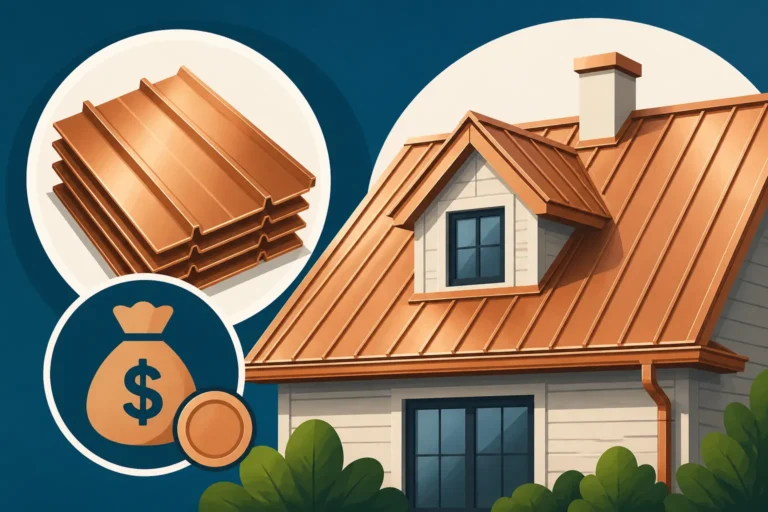
- Copper: For those seeking unparalleled beauty and longevity, copper tiles are the ultimate luxury. They develop a stunning patina over time, transitioning from a shiny new penny look to a rich, deep green. Copper is extremely durable and virtually maintenance-free, but its premium price reflects its aesthetic and performance. Expect a much higher Copper Roof Cost Per Square Foot.
- Zinc: Another premium metal, zinc is incredibly pliable, allowing for unique architectural designs, and boasts an exceptional lifespan. Like copper, it develops a beautiful patina and offers superior corrosion resistance. Zinc roofs are a high-end investment, known for their distinctive look and incredible durability. Zinc Roof Cost Per Square Foot is typically at the higher end of the spectrum, similar to copper.
Finish and Coating
Beyond the base metal, the finish and coating applied to your metal tiles dramatically affect both their appearance and cost. Most metal tiles, especially steel and aluminum, come with a protective paint system.
- PVDF (Polyvinylidene Fluoride) Coatings: Often referred to by brand names like Kynar 500 or Hylar 5000, these are considered the gold standard for metal roofing finishes. They offer exceptional fade resistance, chalk resistance, and durability against harsh UV rays and pollutants. This premium coating ensures your roof maintains its vibrant color for decades, but it adds to the overall cost.
- SMP (Silicone Modified Polyester) Coatings: A more economical option than PVDF, SMP coatings provide good color retention and weather resistance, but typically not to the same degree as PVDF. They are a popular choice for homeowners looking for a balance between cost and performance.
- Stone-Coated Finishes: These tiles are steel panels coated with an acrylic base and then embedded with ceramic-coated stone granules. This gives them the appearance of traditional asphalt shingles, clay tiles, or wood shakes while retaining the benefits of steel. Stone-Coated Steel Roof Cost is often a bit higher than plain painted steel tiles due to the additional manufacturing process and aesthetic appeal. These finishes offer enhanced texture and depth, making them highly desirable for certain architectural styles.
Roof Complexity and Pitch
The design of your roof itself plays a significant role in the installation cost. Simple, straightforward rooflines with minimal interruptions are always less expensive to install than complex designs.
- Pitch (Steepness): A very steep roof (high pitch) requires more safety precautions, specialized equipment, and slower work, all of which increase labor costs. Rooftop workers will need harnesses, scaffolding, and more deliberate movements to ensure safety and quality.
- Complexity: Features like multiple valleys, dormers, skylights, chimneys, and intricate roof sections all add to the installation time and require more specialized flashing and cutting of individual tiles. Each angle, bend, and penetration point means more material waste and more meticulous labor to ensure a watertight seal. This intricate work drives up the overall price because it demands higher skill and more hours on the job. For example, a sprawling ranch house with a simple gable roof will invariably cost less to roof than a two-story home with numerous gables and dormers, even if they have the same square footage.
Installation Labor
Labor costs are a substantial portion of any roofing project, and metal tile installation is no exception. These costs vary widely based on several factors.
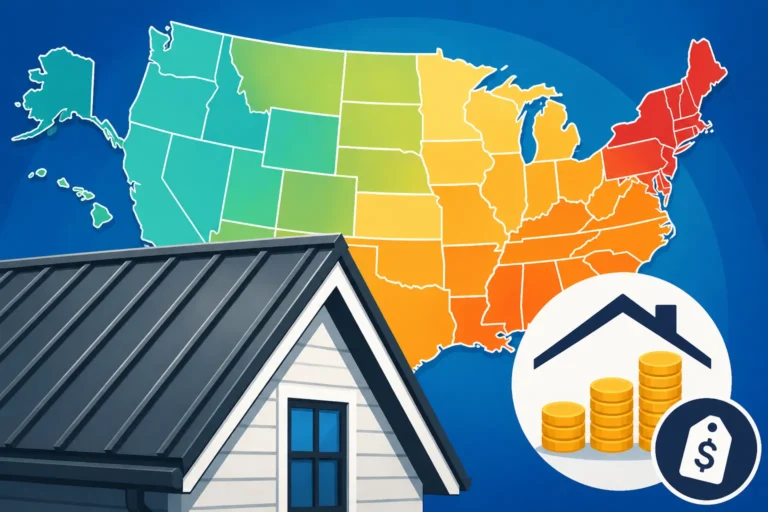
- Geographic Location: Labor rates fluctuate significantly by region and even by specific cities. A metal roofing contractor in a high cost-of-living area like Los Angeles or New York City will naturally charge more than one in a more rural or less expensive state. Local demand for skilled installers also impacts pricing.
- Contractor Experience and Expertise: Installing metal tile roofs requires specialized skills and experience that differ from traditional asphalt shingle installation. Highly experienced and reputable contractors who specialize in metal roofing will typically charge more, but their expertise often translates to a higher quality, longer-lasting installation and a valid warranty. It's often worth paying a bit more for a seasoned professional to avoid future issues. When hiring, always ask Questions to Ask a Metal Roofing Contractor Before You Hire.
- Crew Size and Efficiency: The size of the crew and how efficiently they work can impact the total labor hours. A larger, well-coordinated crew might finish faster, but may also have a higher daily rate. Reputable contractors typically have established crews who are proficient in metal roof installation, ensuring a smooth and timely project completion.
Tear-Off and Disposal
If you're replacing an existing roof, you'll almost certainly incur additional costs for removing the old roofing material and disposing of it properly.
- Number of Layers: If your home has multiple layers of old asphalt shingles, the tear-off process becomes more laborious and costly. Each layer adds to the weight and volume of debris that needs to be removed.
- Material Type: Removing heavy materials like old clay tiles or slate is significantly more labor-intensive and expensive than tearing off lightweight asphalt shingles. These materials require more careful handling and often specialized disposal methods.
- Disposal Fees: Landfill and recycling fees for construction debris vary by municipality. These fees are typically passed on to the homeowner. The contractor will also need to account for the labor involved in hauling away the old materials. Sometimes, homeowners explore options like Tear-Off vs Metal Over Shingles: Cost Difference to save on these costs, but it’s crucial to understand the implications of installing a metal roof directly over existing shingles, as it’s not always recommended or code-compliant.
Breaking Down the Average Costs
Let's get down to the numbers. While prices can fluctuate based on your specific project and location, we can provide a general idea of what to expect for a metal tile roof. Remember, these are averages, and local quotes will be your most accurate source.
Material Costs Per Square Foot
The material cost is typically quoted per square foot, and it can vary quite a bit based on the metal, gauge, and finish.
- Steel Metal Tiles: For steel tiles (often Galvalume with a high-quality PVDF coating), you're generally looking at a range of $3.00 to $8.00 per square foot for the materials alone. Stone-coated steel tiles tend to be on the higher end of this range, often closer to $5.00 to $9.00 per square foot. The gauge also plays a role, with thicker, more durable panels like 24-gauge costing more than thinner 26-gauge options. Understanding the 24 vs 26 Gauge Metal Roof: Cost Difference can help you make an informed decision here.
- Aluminum Metal Tiles: Due to aluminum's natural corrosion resistance and lighter weight, its material costs are higher. Expect to pay around $4.00 to $10.00 per square foot for aluminum tile materials. This cost reflects its premium performance, especially in coastal environments.
- Copper and Zinc Metal Tiles: These are luxury materials, and their cost reflects that. Copper and zinc tiles typically start around $8.00 per square foot and can easily go up to $20.00 per square foot or more for the materials alone, depending on the specific profile, finish, and current market prices for these precious metals. They are an investment in both aesthetics and extreme longevity.
Installation Costs
Installation costs include labor, fasteners, underlayment, flashing, and other accessories. This component can significantly add to the overall project price.
- Labor: As mentioned, labor varies, but for metal tile roofing, it’s a specialized skill. Expect labor to add anywhere from $4.00 to $12.00 per square foot to your overall cost. Complex roofs and premium materials that require more intricate handling will push labor costs higher.
- Underlayment: While seemingly minor, the underlayment is crucial for a metal roof's performance, providing an extra layer of protection against moisture. High-quality synthetic underlayments or ice and water shield can add $0.50 to $1.50 per square foot. You can learn more about Metal Roof Underlayment Cost.
- Accessories and Flashing: Drip edge, ridge caps, valley flashing, sealant, and fasteners are all essential components that contribute to the integrity and watertightness of your roof. These materials typically add another $1.00 to $3.00 per square foot to the total. The Metal Roof Trim and Flashing Cost can be a hidden expense if not clearly itemized in a quote.
- Permits and Fees: Don't forget the necessary permits, which can range from a few hundred dollars to over a thousand, depending on your municipality. Always check if Do You Need a Permit for a Metal Roof? in your area.
Total Installed Cost Range
Bringing it all together, here’s a general range for the total installed cost of a metal tile roof, including materials, labor, and basic accessories. These figures assume a professional installation on a moderately complex roof, and typically include tear-off and disposal if required.
| Metal Tile Material | Average Installed Cost Per Square Foot (with tear-off) | Average Cost for 2,000 Sq Ft Roof |
|---|---|---|
| Steel (Galvalume) | $8.00 – $18.00 | $16,000 – $36,000 |
| Stone-Coated Steel | $9.00 – $20.00 | $18,000 – $40,000 |
| Aluminum | $10.00 – $25.00 | $20,000 – $50,000 |
| Copper | $18.00 – $40.00+ | $36,000 – $80,000+ |
| Zinc | $18.00 – $40.00+ | $36,000 – $80,000+ |
So, for an average 2,000 square foot home, a steel metal tile roof might cost between $16,000 and $36,000 installed. For a premium material like copper or zinc, that cost could easily climb to $36,000 to $80,000 or even more, depending on the intricacies of the roof and local labor rates. These figures do not include any potential structural repairs, extensive decking replacement, or custom design elements, which would further increase the overall metal roof cost. Keep in mind that these are rough estimates, and getting detailed quotes from several local contractors is always the best approach for an accurate project cost.
Getting Accurate Quotes for Your Project
Navigating the world of roofing estimates can feel like deciphering a foreign language, but it's crucial for ensuring you get a fair price and a quality installation. Don't rush this part of the process!
What to Look for in an Estimate
When you receive a quote for your metal tile roof project, it shouldn't just be a single number. A truly comprehensive and professional estimate will break down the costs in detail. Here’s what you should expect to see itemized:
- Material Costs: This section should specify the exact type of metal tile (e.g., stone-coated steel, 24-gauge aluminum), the manufacturer (like DECRA or Gerard, both popular brands for stone-coated steel), the color, and the quantity needed. It should also include pricing for all associated components like underlayment, fasteners, flashing, vents, and any specialized trim.
- Labor Costs: This might be a flat fee or broken down by man-hours, but it should be clearly separated from material costs.
- Tear-Off and Disposal: If your old roof needs to be removed, this should be a distinct line item, detailing the cost for removal and proper disposal of the old materials.
- Permit Fees: Any necessary permits should be listed, though sometimes these are paid directly by the homeowner.
- Warranty Information: The quote should clearly state what warranties are offered – both manufacturer warranties on the materials and the contractor's warranty on workmanship. For metal roofs, a good manufacturer warranty on the finish should be 30-50 years, and a workmanship warranty should be at least 5-10 years. You should definitely ask Questions to Ask About Metal Roof Warranty.
- Payment Schedule: A clear schedule outlining deposit requirements, progress payments, and final payment terms. Be wary of contractors demanding a very large upfront payment. A normal deposit is typically 10-30%.
- Scope of Work: A detailed description of exactly what work will be performed, including preparation, installation steps, and cleanup.
- Insurance and Licensing Details: While not a cost, the quote or accompanying documents should provide proof of the contractor's licensing, bonding, and insurance. Never work with an uninsured contractor. You can often check their license by searching online for How to Verify a Roofing License by State.
An estimate that is vague or lumps everything into one "total" figure is a major red flag. Don't be afraid to ask for clarification on any line item you don't understand.
Questions to Ask Potential Contractors
Engaging with contractors is your chance to vet their expertise and commitment to quality. Don't hold back on asking tough questions.
- Experience with Metal Tile Roofs: How many metal tile roofs have they installed? Can they provide references for similar projects they’ve completed? Metal tile installation is specialized, so experience here is key.
- Certifications: Are they certified by any metal roofing manufacturers (e.g., a "DECRA Certified Installer")? Manufacturer certifications often mean they've undergone specific training and can offer enhanced warranties. Do You Need a Certified Installer for Warranty Coverage? is a critical question to consider.
- Insurance and Licensing: Can they provide current proof of liability insurance and worker's compensation insurance? Are they properly licensed for roofing work in your state or city?
- Project Timeline: What is their estimated start date and completion time for the project?
- Cleanup Process: How will they manage debris during the project, and what does the final cleanup entail?
- Subcontractors: Will they be using subcontractors for any part of the job? If so, what are their qualifications, and are they also insured? It's good to understand the difference between Subcontractors vs In-House Roofing Crews.
- Protection for Your Property: How will they protect your landscaping, siding, and other property during the installation?
Asking these questions helps you gauge their professionalism, experience, and attention to detail, which are all crucial for a successful roofing project.
The Importance of Multiple Bids
Getting just one quote is like buying the first car you see on the lot – you might get lucky, but you're probably missing out on better options or a more competitive price. Always, always aim to get at least three detailed bids from different, reputable metal roofing contractors. This practice offers several key advantages:
- Price Comparison: You'll quickly see the range of prices for the same scope of work in your area, helping you identify if a quote is too high or, conversely, suspiciously low. Be wary of bids that are significantly lower than others, as this can sometimes indicate cutting corners on materials, labor, or insurance.
- Scope Comparison: Different contractors might propose slightly different approaches or materials. Comparing bids allows you to see these variations and ask questions to understand why one contractor's plan differs from another's. This also helps you compare How to Compare Metal Roof Bids Apples to Apples.
- Contractor Assessment: The process of getting bids gives you a chance to interact with multiple contractors, assess their communication style, professionalism, and knowledge. This interaction is invaluable in choosing someone you feel comfortable working with and trust to be on your property.
Don't just look at the bottom line. Scrutinize each quote, compare the details, and make sure you're getting a fair price for the quality of materials and workmanship you expect. This due diligence is your best defense against unexpected costs and ensures a successful metal tile roofing investment.
Disclaimer
Please note that all cost estimates and figures provided in this guide are approximations based on current market trends and general industry averages. Actual costs for your metal roofing project can vary significantly due to factors such as your specific geographic location, the chosen materials, the complexity of your roof, local labor rates, and the individual contractor. We highly recommend obtaining multiple detailed quotes from qualified, licensed, and insured metal roofing professionals in your area for the most accurate pricing tailored to your project. This guide is for informational purposes only and should not be considered a substitute for professional advice.