Cost to Put a Metal Roof Over Existing Shingles
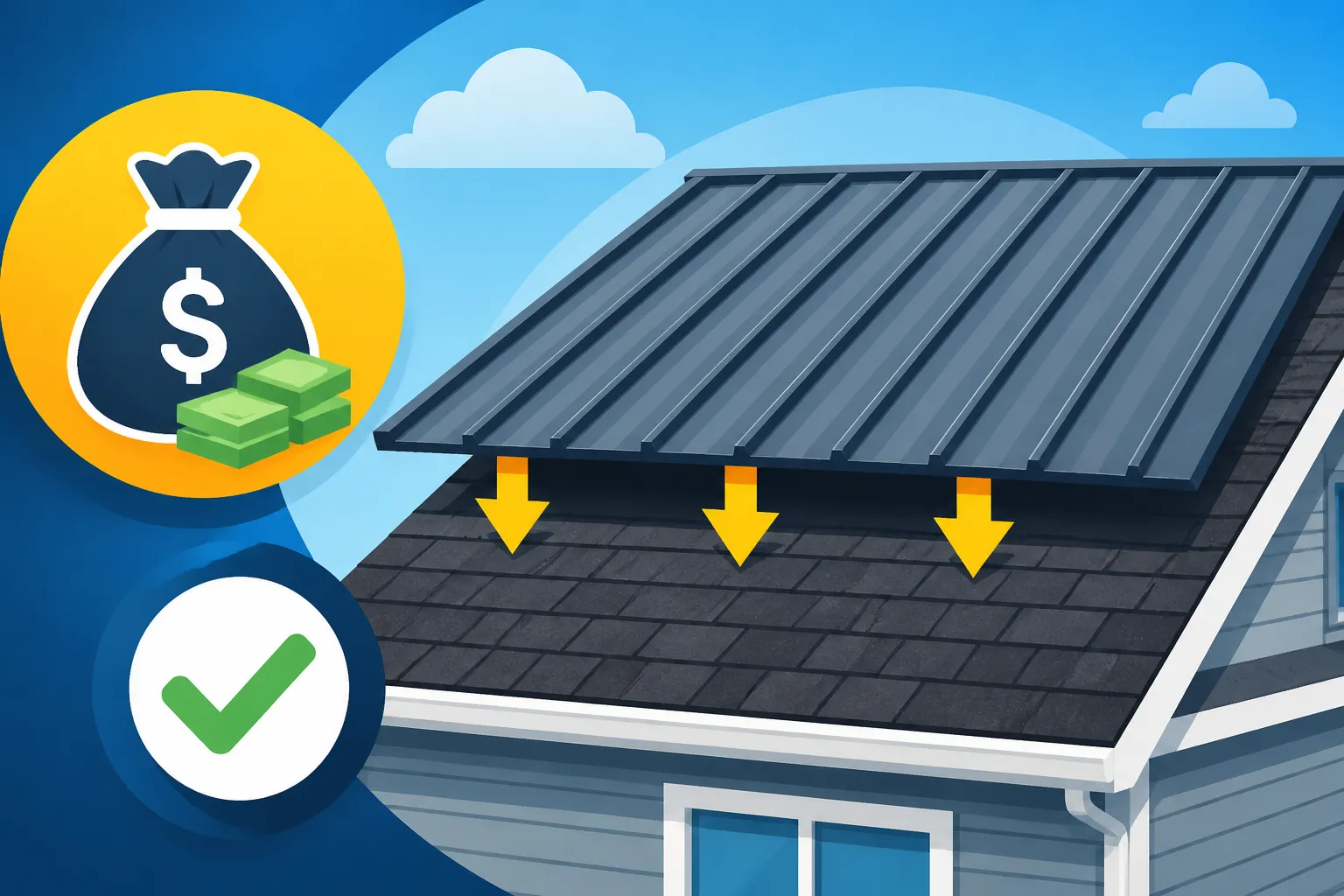
Deciding to upgrade your home with a metal roof is a fantastic step, but the thought of tearing off your old shingles can bring on a whole new level of stress – and cost. Many homeowners wonder if there's a simpler, more budget-friendly path: putting a new metal roof right over the existing shingles. This guide is designed to walk you through the real costs, benefits, and potential pitfalls of installing a metal roof over existing asphalt shingles, helping you figure out if this is the right move for your home and your wallet.
Understanding the "Why" and "How Much" of Roofing Over Shingles
The allure of a metal roof is strong, offering incredible durability, energy efficiency, and a sleek, modern aesthetic that lasts for decades. But the traditional route often involves a full tear-off of your old roof, which adds significantly to the overall project timeline, labor, and disposal costs. Installing a metal roof directly over existing shingles can seem like a brilliant workaround, promising savings and a faster installation. It’s a solution many homeowners explore to mitigate the immediate financial impact and logistical headache of a full roof replacement.
The Appeal of a Metal Roof Overlay
For many, the primary driver behind choosing a metal roof overlay is the cost savings. When you don't have to pay for the demolition, debris removal, and landfill fees associated with tearing off old shingles, those savings can really add up. Think about it: a crew doesn't need to spend days ripping up layers of old roofing, which means less labor time on site. This approach also reduces the amount of waste generated, which is a nice environmental bonus, if that's something important to you. Beyond the immediate financial relief, this method often means a quicker installation, getting your home protected sooner. Imagine not having your yard filled with noisy dumpsters and constant foot traffic for an extended period!
Another practical benefit is the added layer of insulation. Those old shingles, while not a robust insulator, do add a marginal thermal barrier. This can contribute to slightly better energy performance for your home, especially if you live in a climate with fluctuating temperatures. It’s not a primary insulation strategy, but every little bit helps, right? Plus, the existing shingles provide a smooth, consistent surface, which can sometimes make the installation of certain metal roof profiles, like metal shingles or standing seam panels, a bit more straightforward for an experienced crew. They essentially become a sacrificial layer, ready to be covered by the long-lasting protection of metal.
Initial Cost Considerations for This Project
When we talk about the initial costs, it's really a balancing act between the material itself, the labor involved, and any specific preparations needed. While you save on tear-off, you're still looking at significant investments in high-quality metal roofing materials. The type of metal you choose – steel, aluminum, or even copper – will dramatically impact your Metal Roof Cost by Material: Steel vs Aluminum vs Copper vs Zinc. Steel, particularly galvanized or Galvalume steel, is a popular and more economical choice, offering a great balance of durability and cost. Aluminum is lighter and fantastic for coastal areas due to its corrosion resistance, but generally costs more.
The specific profile of the metal panels also plays a huge role in the final price tag. Are you leaning towards the sleek, modern look of a Standing Seam Metal Roof Cost, or perhaps the more traditional and often more budget-friendly Corrugated Metal Roof Cost or R-Panel? Each of these options has different manufacturing costs and installation complexities, which directly affect both the material price and the labor required. For instance, a standing seam roof, with its hidden fasteners and precise interlocking panels, often commands a higher installation cost due to the specialized skills and equipment needed compared to an exposed fastener corrugated panel.
Beyond the visible metal panels, you'll also need to consider the underlayment. Even with existing shingles as a base, a high-quality synthetic underlayment is crucial for proper moisture management and as a secondary water barrier. This material protects your roof deck from any condensation that might form and provides a smooth surface for the metal panels. The condition of your existing roof deck also comes into play; if there are any soft spots or significant damage, those repairs will need to happen before the metal goes on, adding to the total project cost.
Decoding the Cost Components of Your Metal Roof Overlay
Understanding where your money goes is key to budgeting for a metal roof overlay. It’s not just the price of the metal; there’s a whole ecosystem of costs from materials to labor and sometimes, those pesky unforeseen expenses.
Material Costs: What You're Really Paying For
The lion's share of your budget will typically go towards the metal roofing materials themselves. This encompasses the panels, but also all the necessary trim, flashing, fasteners, and underlayment. Let's break it down:
- Metal Panels: The type of metal is the biggest influencer. Steel is often the most common and affordable, ranging from roughly $3.00 to $6.00 per square foot for the material alone, depending on the gauge and coating. Aluminum tends to be pricier, often $4.00 to $8.00 per square foot, while premium options like copper or zinc can easily exceed $10-$20+ per square foot. The profile also matters, with standing seam panels generally costing more per square foot than exposed fastener panels like corrugated or R-panel.
- Coatings and Finishes: Most modern metal roofs, especially steel and aluminum, come with advanced coatings that offer protection, color, and energy efficiency. Finishes like PVDF (Kynar 500) are highly durable, fade-resistant, and can add to the material cost but are well worth it for longevity. Less expensive SMP (Silicone Modified Polyester) coatings are also available. These coatings not only protect the metal but also determine the aesthetic appeal and how well the roof reflects solar heat.
- Underlayment: Even with existing shingles, a proper synthetic underlayment is non-negotiable. This adds around $0.20 to $0.50 per square foot. This material provides an essential layer of protection against moisture, acts as a slip sheet allowing for thermal movement of the metal, and can even contribute to sound dampening. Choosing a high-quality, breathable underlayment like those offered by manufacturers such as GAF or Carlisle SynTec Systems is critical for the long-term health of your roof system.
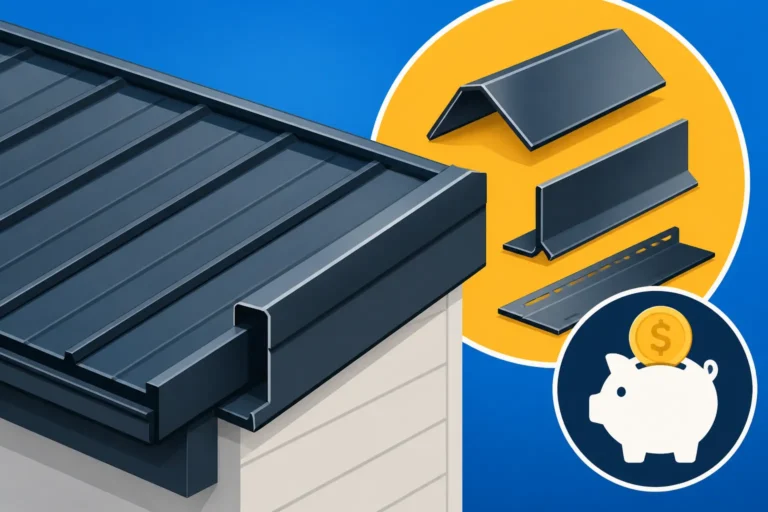
- Accessories and Components: Don't forget the smaller, but equally vital, components. This includes drip edge, ridge caps, valley flashing, sealant, and fasteners. These elements ensure a watertight seal and proper drainage, preventing issues like leaks and water damage. These items can collectively add another $0.50 to $1.50 per square foot to your material budget. Think about specialized items like snow guards, particularly if you live in a snowy region, which would be an additional expense.
Labor and Installation: The Human Element
Labor costs are the other significant piece of the puzzle. Even without a tear-off, installing a metal roof is a specialized skill that requires experienced professionals. The complexity of the roof, local labor rates, and the specific metal profile chosen all play a role in the final labor cost. Generally, labor accounts for about 40-60% of the total project cost for a metal roof. For an overlay, this might be slightly less than a full tear-off, but it's still a substantial portion. You can find more details on this in our guide to Metal Roof Labor Cost.
- Geographic Location: Labor rates vary widely by region. You'll likely pay more for installation in a major metropolitan area like Los Angeles or New York than in a smaller town in the Midwest.
- Roof Complexity: A simple, single-story ranch home with a straightforward gable roof will naturally be less labor-intensive than a multi-level home with dormers, valleys, and steep pitches. The more cuts, bends, and custom flashing required, the higher the labor cost will be.
- Installer Experience and Certification: Hiring a reputable contractor with experience in metal roofing, especially manufacturer-certified installers, often means paying a premium. However, this investment typically translates to a higher quality installation and better warranty coverage. Don't underestimate the value of skilled craftsmanship when it comes to a roof designed to last 50+ years. If you're wondering how to find such experts, check out our guide on How to Hire a Metal Roofing Contractor.
Hidden Costs and Unexpected Expenses
While an overlay project aims to minimize costs, there are still potential "hidden" expenses that can pop up. Being aware of these can help you better prepare your budget and avoid unwelcome surprises.
- Decking Repairs: Before the metal roof goes on, your contractor will inspect the existing roof deck. If there are any soft, rotten, or damaged sections, they must be repaired or replaced. This can add $3 to $7 per square foot for plywood replacement, plus additional labor. It's crucial not to skimp here, as the integrity of your roof deck is fundamental to the entire system.
- Permit Fees: Nearly all roof replacement projects, even overlays, require a building permit from your local municipality. The cost of a permit varies widely depending on your location, but it's a mandatory expense that can range from a few hundred dollars to over a thousand. Skipping this step can lead to fines and potential issues with insurance or resale later on. Our article, Do You Need a Permit for a Metal Roof?, covers this in detail.
- Disposal of Existing Shingles (if partially removed): While the goal is to leave shingles in place, sometimes localized damage or specific structural needs might require a partial tear-off. If this happens, you'll incur disposal costs, albeit on a smaller scale than a full replacement.
- Ventilation Upgrades: Proper attic ventilation is critical for the longevity of any roof system, including metal. If your current ventilation is inadequate, your contractor might recommend upgrades, such as adding more soffit vents or a ridge vent. This can improve energy efficiency and prevent moisture buildup, but it's an added cost. Our guide to Metal Roof Underlayment and Ventilation Guide can provide more insight into this.
Here’s a simplified breakdown of potential costs for a metal roof overlay project, based on an average 1,500 square foot roof. Keep in mind these are broad estimates and will fluctuate significantly based on your choices and location.
| Cost Component | Typical Range (per sq ft) | Estimated Cost for 1,500 sq ft (Low) | Estimated Cost for 1,500 sq ft (High) |
|---|---|---|---|
| Material Costs: | |||
| Metal Panels (Steel) | $3.00 – $6.00 | $4,500 | $9,000 |
| Underlayment | $0.20 – $0.50 | $300 | $750 |
| Accessories & Trim | $0.50 – $1.50 | $750 | $2,250 |
| Labor Costs: | |||
| Installation | $3.00 – $8.00 | $4,500 | $12,000 |
| Contingency/Misc.: | |||
| Decking Repair (if needed) | $3.00 – $7.00 (localized) | $0 (if none) / $1,500 (20% of deck) | $0 (if none) / $3,500 (20% of deck) |
| Permit Fees | $200 – $1,000 | $200 | $1,000 |
| Total Estimated Range | $7.00 – $16.00+ | $10,250 | $28,500+ |
Note: This table provides broad estimates. Actual costs will vary based on specific material choices, contractor rates, and your geographic location.
The Pros and Cons Beyond the Price Tag
While the cost savings of an overlay are attractive, it's essential to look at the bigger picture. There are distinct advantages and disadvantages to installing a metal roof over existing shingles that go beyond the immediate financial outlay.
Advantages of Installing Over Shingles
The benefits of a metal roof overlay often extend beyond just saving money on the tear-off. These advantages can significantly impact your home’s performance and your overall project experience.
- Reduced Project Time and Disruption: This is a big one for homeowners. Without the messy, time-consuming process of tearing off old shingles, the entire installation can be much faster. This means less disruption to your daily life, fewer days with a partially exposed roof, and less noise and debris around your property. For a typical residential roof, skipping the tear-off could shave days off the project timeline.
- Lower Disposal Costs: As mentioned, avoiding tear-off means no large dumpsters filling up with asphalt shingles. This saves you money on dumpster rental fees and the often-steep landfill tipping fees associated with roofing debris. Environmentally conscious homeowners also appreciate the reduced waste sent to landfills. This is a primary factor in the cost difference between a full replacement and an overlay, as explored in Tear-Off vs Metal Over Shingles: Cost Difference.
- Added Insulation Value: The existing layer of asphalt shingles, while not a dedicated insulating material, does provide a small additional thermal barrier. This can contribute to a slight improvement in your home's energy efficiency, potentially helping to lower heating and cooling costs over time. It helps dampen some outdoor noises too, offering a bit more peace and quiet.
- Enhanced Fire Resistance (with proper materials): Metal roofs are inherently non-combustible. When installed over existing shingles, the combined system can offer excellent fire resistance, often earning a Class A fire rating, the highest available. This can be a significant advantage, especially in areas prone to wildfires, and might even lead to Metal Roof Insurance Savings & Discounts.
- Potential for a Smoother Substrate: If your existing shingle roof is relatively flat and in good condition, it can provide a uniform surface for the new metal panels. This can sometimes simplify the installation process and ensure the metal panels lay flatter, reducing issues like oil canning, which is the visual distortion or waviness in flat metal panels.
Potential Drawbacks and Long-Term Implications
However, it's not all sunshine and savings. There are some important considerations and potential drawbacks to an overlay that you need to be aware of. Ignoring these could lead to bigger problems down the line.
- Weight Load on Structure: Adding a metal roof over existing shingles increases the overall weight on your home's framing. While most residential structures are designed to handle significant roof loads (especially snow loads), it's crucial to ensure your framing can support the additional weight. A typical asphalt shingle roof weighs about 2-4 pounds per square foot, and a metal roof can add another 1-3 pounds per square foot, depending on the material and profile. While often acceptable, it’s always wise to have a professional assess this, especially for older homes.
- Concealed Problems: The biggest risk with an overlay is that you're covering up the existing roof deck. If there are any hidden issues like rotten plywood, active leaks, or structural damage beneath the shingles, these problems won't be addressed and could worsen over time, leading to more expensive repairs later. A thorough inspection before installation is paramount. If you don't discover these issues now, they could compromise the integrity of your new metal roof and even your home's structure.
- Reduced Fastener Holding Power: The fasteners used to secure the metal roof panels must penetrate through the shingles and into the solid roof deck below. In some cases, the layers of shingles can reduce the direct holding power of the fasteners, potentially impacting the roof’s wind resistance over its long Metal Roof Lifespan: How Long Do They Last?. This is less of an issue with standing seam roofs that use clips, but it's still a consideration for exposed fastener systems.
- Warranty Concerns: While many manufacturers permit installation over one layer of shingles, it's absolutely critical to verify this with your chosen metal roofing manufacturer. Failing to follow their specific guidelines could void your material warranty. Always read the fine print and discuss this with your contractor.
- Potential for Unevenness or "Bumps": If the underlying shingle roof is old, has multiple layers, or is uneven, the new metal roof panels might not lie perfectly flat. This can lead to a less aesthetically pleasing finish and, in some cases, could create minor issues with water runoff or fastener tension. While installers strive for a smooth surface, the quality of the existing roof is a limiting factor.
Getting an Accurate Estimate for Your Project
Navigating the world of roofing estimates can feel like deciphering a secret code. To ensure you’re getting a fair and accurate quote for your metal roof overlay, it’s important to understand what influences the price and how to approach the estimation process.
Key Factors Influencing Your Specific Quote
Every roof is unique, and so too will be every estimate. While we've discussed general cost components, several factors will specifically tailor the quote to your home.
- Roof Size and Complexity: This is perhaps the most obvious factor. A larger roof means more materials and more labor. But complexity—the number of valleys, hips, dormers, skylights, and overall pitch—also significantly drives up costs. A roof with many intricate features requires more cuts, custom flashing, and careful installation, increasing both material waste and labor hours. A steep pitch also makes installation more challenging and time-consuming. You can learn more about how these factors influence costs in our What Affects Metal Roof Cost: Gauge, Pitch, Complexity & Tear-Off guide.
- Type of Metal and Profile: As mentioned earlier, steel is generally the most economical, followed by aluminum, then copper or zinc. Within steel, a corrugated or R-panel system will typically be less expensive than a standing seam system. The gauge (thickness) of the metal also matters; a heavier gauge (like 24-gauge steel) will cost more than a lighter gauge (like 29-gauge) but offers greater durability. Our article on Metal Roof Cost by Profile: Standing Seam vs Corrugated vs Stone-Coated elaborates on these differences.
- Geographic Location and Local Labor Rates: Construction costs, including labor, vary dramatically by region and even by specific cities. Metropolitan areas usually have higher labor costs than rural ones. Local building codes and permit requirements can also influence the total price. For example, a metal roof installation in Florida, particularly in hurricane-prone zones, might involve specific reinforced building requirements that add to the cost compared to a project in a less demanding climate.
- Additional Work and Customizations: Are you adding new skylights? Installing snow guards? Do you need new gutters designed for metal roofs? Any additional features or custom work will contribute to the final price. Even seemingly small additions can add up. For instance, the installation of snow guards to prevent dangerous snow slides off your new metal roof will be an extra expense.
Tips for Saving Money Without Cutting Corners
Everyone wants to save a buck, but with something as critical as your roof, "cutting corners" isn't an option. Instead, focus on smart strategies to optimize your investment.
- Get Multiple Detailed Quotes: This is non-negotiable. Always get at least three, but ideally five, detailed quotes from reputable local metal roofing contractors. Ensure each quote specifies exactly what's included: materials (type, gauge, finish), labor, underlayment, trim, flashing, permits, and any warranty information. Compare them line by line, not just the bottom number. Our guide on How to Read and Compare Metal Roof Quotes can help you with this process. Be wary of quotes that are significantly lower than others – they might be cutting corners or using inferior materials.
- Consider Off-Season Installation: Depending on your climate, scheduling your roof installation during the off-peak season (often late fall or early spring) might give you a bit more leverage for negotiation. Contractors might have more availability and be more willing to offer slight discounts during slower periods.
- Be Flexible with Material Choices: While you might have a dream metal roof in mind, being open to alternatives can yield savings. For example, opting for a high-quality galvanized steel over aluminum, or an R-panel instead of standing seam, could significantly reduce costs while still providing a durable, long-lasting metal roof.
- Thorough Pre-Inspection: Before getting quotes, consider having an independent roof inspector assess the condition of your existing shingle roof and decking. Knowing exactly what's underneath can help you get more accurate quotes and avoid surprises (and arguments) during the project. This ensures your contractor is bidding on the actual condition of your roof, not just a guess. This upfront investment in a professional assessment can save you from costly mid-project discoveries.
- Understand Warranties: A comprehensive warranty protects your investment. Ensure you understand both the manufacturer's warranty on the materials and the contractor's warranty on workmanship. A strong warranty can prevent future out-of-pocket expenses. This is covered in more detail in our article on Metal Roof Warranties: Workmanship vs Manufacturer.
Remember, a metal roof is a significant investment designed to last 40-70 years. While an overlay can offer upfront savings, ensuring a quality installation and a thorough understanding of the underlying conditions are paramount for long-term success.
Disclaimer
Please note that the cost estimates and information provided in this guide are general and intended for informational purposes only. Actual costs can vary significantly based on your specific location, the chosen materials, contractor rates, roof complexity, and current market conditions. It is always recommended to obtain multiple detailed quotes from qualified local professionals and consult with them to discuss the specific requirements and conditions of your property before making any decisions.