Metal Roof Cost for a 1,000 Sq Ft Cabin
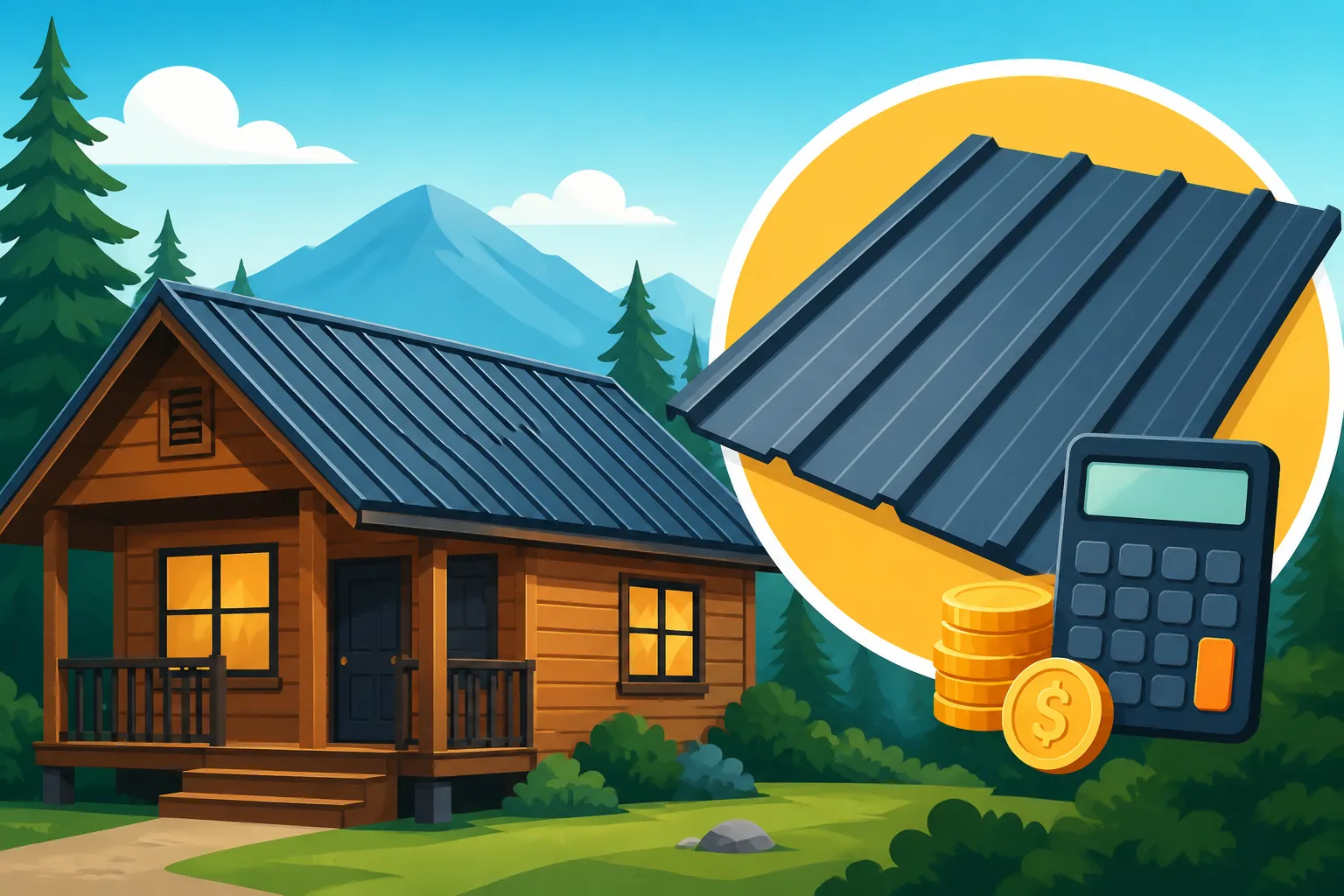
Figuring out the exact cost of a new metal roof for your 1,000 square foot cabin can feel like trying to hit a moving target – there are so many variables, and it's easy to get overwhelmed. You're probably wondering if it's truly affordable, or if you're looking at a budget-buster for your cozy retreat. This comprehensive guide will walk you through all the elements that influence the final price tag, helping you understand what to expect and how to budget effectively for a durable, long-lasting metal roof on your cabin.
Understanding the Factors Influencing Metal Roof Cost for a Cabin
When you start to explore metal roofing, you quickly realize it's not a one-size-fits-all situation. The choices you make regarding materials, profiles, and even the unique characteristics of your cabin's roof will dramatically sway the total cost. It’s like picking out a new car; a compact sedan is a different beast entirely from a luxury SUV, even if both get you from point A to point B.
Material Choices and Their Impact
The type of metal you choose is arguably the biggest cost driver for your cabin's roof. Each material comes with its own set of properties, aesthetics, and, of course, price point. For a 1,000 sq ft cabin, these differences can add up significantly.
- Galvanized Steel: This is often one of the most budget-friendly options. Steel panels are coated with zinc to prevent rust, making them quite durable. If your cabin is in a non-coastal area and you're looking for a reliable, no-frills option, galvanized steel might be perfect. Think of a rustic hunting cabin or a simple weekend getaway – galvanized steel offers excellent protection without breaking the bank. It's a workhorse material, readily available, and generally easy to install, which also keeps labor costs down compared to more specialized metals.
- Galvalume Steel: A step up from galvanized, Galvalume steel combines zinc with aluminum in its coating, offering superior corrosion resistance, especially in harsher environments. If your cabin is nestled near a lake or in an area with more frequent rain and humidity, Galvalume offers enhanced longevity. It looks quite similar to galvanized steel but provides that extra layer of protection, which translates to a slightly higher material cost, but potentially a much longer lifespan and less maintenance down the road.
- Aluminum: Lightweight, rust-proof, and excellent for coastal cabins or areas prone to heavy rain, aluminum is a fantastic choice. It naturally resists corrosion, meaning it holds up incredibly well against salt air and moisture. However, this superior resistance and lighter weight come at a higher price than steel. If your cabin is a beachfront property or in a humid, storm-prone region like Florida, investing in an aluminum roof can save you massive headaches and repair costs in the future. The initial outlay might be more, but the peace of mind and lack of corrosion issues are often well worth it.
- Copper: Ah, copper. This is the luxury option, the Rolls-Royce of metal roofing. Known for its incredible longevity (100+ years!), stunning aesthetic that develops a beautiful patina over time, and unmatched corrosion resistance, copper is truly in a league of its own. It's also the most expensive material by far. For a 1,000 sq ft cabin that's designed to be a showpiece or a family heirloom, copper can transform it into something truly spectacular. However, you'll need a substantial budget to make this dream a reality. The installation also often requires specialized contractors, further adding to the overall Metal Roof Labor Cost.
- Zinc: Another premium option, zinc shares many of copper's desirable traits, including extreme durability, self-healing properties (it forms a protective patina that can "heal" minor scratches), and a unique matte finish that mellows over time. It's also incredibly sustainable. Zinc roofs are less common in residential applications than steel or aluminum but are gaining popularity for their unique look and impressive lifespan. Similar to copper, zinc comes with a high price tag and requires skilled installers. If you're building an architecturally significant cabin or want a roof that will last for generations with minimal intervention, zinc is a strong contender.
To get a more granular view, you can delve into the specifics of Metal Roof Cost by Material: Steel vs Aluminum vs Copper vs Zinc.
Profile Types and Installation Complexity
Beyond the material itself, the style or "profile" of your metal roof panels greatly influences both material cost and installation labor. Different profiles offer distinct looks and functional benefits, but they also vary in how easy or difficult they are to install, directly impacting your bottom line.
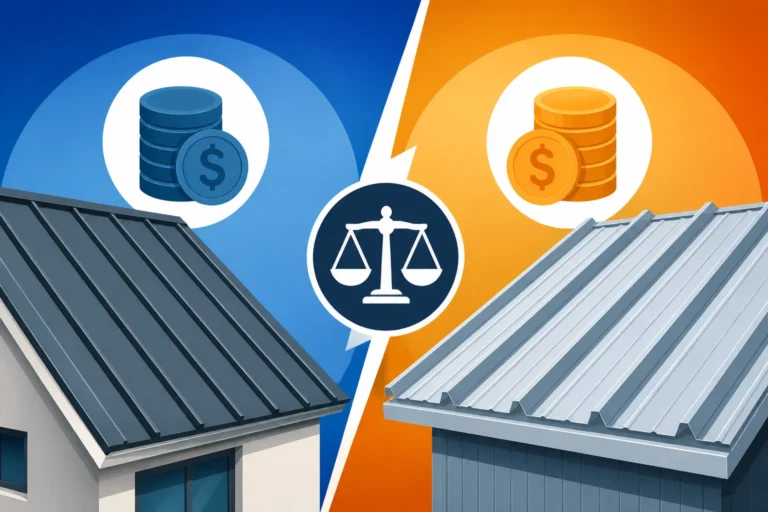
- Exposed Fastener Panels (Corrugated, R-Panel, 5V Crimp): These are often the most economical choice for cabins. Profiles like corrugated metal or R-panels feature fasteners (screws) that are visible on the surface of the roof, attaching the panels directly to the purlins or decking. They are relatively simple to manufacture and quicker to install, which helps keep both material and labor costs down. Many cabin owners appreciate the rustic, industrial look these panels offer. For a 1,000 sq ft cabin, using a corrugated or R-panel system is often the cheapest metal roof option and can be installed relatively quickly, making it a popular choice for utility buildings, sheds, and more modest cabins.
- Concealed Fastener Panels (Standing Seam, Snap-Lock): These systems, most notably standing seam, hide the fasteners beneath the panels, creating a sleek, continuous look. This method offers superior weather resistance because there are no exposed screws to potentially back out or allow water intrusion over time. However, the manufacturing process for these panels is more complex, and installation requires specialized tools and highly skilled labor. For a 1,000 sq ft cabin, choosing a Standing Seam Metal Roof Cost will be significantly higher than exposed fastener options, but it provides unparalleled durability, aesthetic appeal, and long-term performance. The interlocking seams expand and contract more freely, reducing stress on the panels and extending the roof's lifespan considerably.
- Metal Shingles, Shakes, and Tiles: If you love the traditional look of asphalt shingles, wood shakes, or clay tiles but want the benefits of metal, these options are fantastic. Stone-coated steel roofs, for instance, mimic the look of traditional materials while offering the strength and longevity of metal. Stone-Coated Steel Roof Cost can be a bit higher than exposed fastener panels but generally less than standing seam, depending on the specific product. They offer a refined aesthetic that blends seamlessly into many neighborhoods or cabin styles, providing excellent hail and wind resistance. Installation can be more labor-intensive than large panels, as individual shingles or tiles need to be applied, but it’s often less complex than mechanically seamed standing seam.
You can learn more about the various options in Metal Roof Cost by Profile: Standing Seam vs Corrugated vs Stone-Coated.
Roof Structure and Pitch Considerations
The geometry of your cabin's roof plays a significant role in the overall cost. A simple, low-pitched gable roof is far less expensive to metal roof than a complex roof with multiple dormers, valleys, hips, and varying pitches.
- Simple Roof Design: A basic A-frame or simple gable roof on a 1,000 sq ft cabin will be the most cost-effective to roof. Fewer cuts, less flashing, and straightforward panel runs mean less material waste and significantly lower labor hours. The installer can work more efficiently, translating directly into savings for you.
- Complex Roof Design: If your cabin has multiple roof planes, dormers, skylights, chimneys, or a very steep pitch, expect to pay more. Each interruption requires precise cutting, custom flashing, and careful sealing to prevent leaks. This dramatically increases both material waste and the labor time involved. Working on a steep pitch also presents safety challenges, often requiring specialized equipment and more careful maneuvers, which can lead to higher labor costs. Think about a quaint cabin with several small dormers; while charming, each dormer adds intricate cutting and sealing, pushing up the total installation time and material needs.
- Accessibility: Is your cabin easy to access for equipment and crew? If it’s deep in the woods with no paved road, or on a difficult-to-navigate hillside, expect additional charges for material delivery and logistics. These "soft costs" can sometimes be overlooked but are very real when dealing with remote properties.
Breaking Down the Costs: Materials, Labor, and Additional Expenses
To truly understand the cost of a metal roof for your 1,000 sq ft cabin, it's essential to dissect the primary components: the materials themselves, the labor to install them, and all those often-forgotten auxiliary expenses. It’s never just the price per panel; there are always other pieces to the puzzle.
Material Costs Per Square Foot for a 1,000 Sq Ft Cabin
Let's talk numbers. The material cost will be a substantial part of your overall investment. Remember, these are averages, and actual prices can fluctuate based on market conditions, manufacturer, and your specific location. For a 1,000 sq ft cabin, this means you're generally looking at 1,000 square feet of roof surface, though complex roofs can have a slightly larger "actual" square footage of material needed due to cuts and overlaps.
Here's a general breakdown of material costs per square foot, and what that might look like for your 1,000 sq ft cabin:
| Metal Type (Gauge) | Typical Material Cost Per Square Foot | Estimated Material Cost for 1,000 Sq Ft Cabin | Notes |
|---|---|---|---|
| Galvanized Steel (29-26 ga) | $1.50 – $3.50 | $1,500 – $3,500 | Most economical, rustic look, good durability. |
| Galvalume Steel (26-24 ga) | $2.00 – $4.50 | $2,000 – $4,500 | Better corrosion resistance than galvanized, still affordable. |
| Aluminum (0.027 – 0.032") | $3.50 – $7.00 | $3,500 – $7,000 | Lightweight, rust-proof, great for coastal areas. |
| Standing Seam Steel (26-24 ga) | $3.50 – $8.00 | $3,500 – $8,000 | Premium aesthetic, superior weather resistance, hidden fasteners. |
| Stone-Coated Steel (26 ga) | $4.00 – $10.00 | $4,000 – $10,000 | Mimics shingles/tiles, excellent impact resistance, high curb appeal. |
| Copper (16-20 oz) | $15.00 – $30.00+ | $15,000 – $30,000+ | Luxurious, extremely long-lasting, unique patina, highest cost. |
| Zinc (0.7 mm – 1.0 mm) | $12.00 – $25.00+ | $12,000 – $25,000+ | Very long-lasting, self-healing, unique aesthetic, high cost. |
Remember, these figures are just for the main roofing material. They don't include accessories like fasteners, clips, sealants, or specialized trim pieces, which can add another 10-20% to the material bill. You can investigate Metal Roof Cost Per Square Foot for a general understanding of these numbers.
Labor and Installation Costs
This is where the human element comes in. Labor costs can vary widely, often equaling or even exceeding the material cost, especially for more complex installations like standing seam.
- Geographic Location: A metal roofing crew in rural Arkansas will likely charge less than one in, say, Aspen, Colorado, or Napa Valley, California. The cost of living and local market demand heavily influence labor rates. For example, Metal Roof Cost in Texas might differ significantly from Metal Roof Cost in Florida due to varying labor markets and specific building codes.
- Roof Complexity: As mentioned earlier, a simple gable roof requires fewer hours than a multi-faceted roof with numerous valleys, hips, and penetrations. Each cut, bend, and custom flash takes time and skill. A highly experienced crew can make quick work of a straightforward cabin roof, but even they will need more time on a complicated design.
- Contractor Experience and Reputation: Reputable, experienced metal roofing contractors who specialize in metal will command higher rates, and for good reason. Their expertise ensures a proper, leak-free installation that maximizes your roof's lifespan and warranty. Don't be tempted to go with the cheapest bid if it means sacrificing quality, especially for a roof that's meant to last 50+ years. Finding a seasoned professional is key to a successful project. You can explore topics like How to Hire a Metal Roofing Contractor to ensure you're making the right choice.
- Project Size: While your cabin is 1,000 sq ft, smaller projects can sometimes have a higher "per square foot" labor cost because the fixed costs (mobilization, setup, permits) are spread over fewer square feet.
- Typical Labor Cost Range: For a 1,000 sq ft cabin, labor for exposed fastener panels might range from $3.00 to $6.00 per square foot, totaling $3,000 to $6,000. For standing seam or metal shingles, this could jump to $5.00 to $12.00 per square foot, or $5,000 to $12,000, due to the specialized nature of the installation.
Hidden and Auxiliary Costs to Anticipate
Don't let these catch you by surprise! Several additional costs are almost always part of a roofing project.
- Old Roof Tear-Off and Disposal: If your cabin has an existing roof (like old asphalt shingles) that needs to be removed, this adds to the cost. Expect to pay anywhere from $1.00 to $5.00 per square foot for tear-off and disposal, depending on the number of layers and material. For a 1,000 sq ft cabin, that's an extra $1,000 to $5,000. While some metal roofs can be installed over existing shingles, it's often best practice to remove the old roof to inspect the decking and ensure a proper, warrantied installation.
- Underlayment: A crucial protective layer beneath your metal roof, underlayment provides an extra barrier against moisture. Synthetic underlayments are common and durable, costing around $0.50 to $1.50 per square foot. For a 1,000 sq ft cabin, budget $500 to $1,500 for quality underlayment. Don't skimp here; it's cheap insurance against leaks. Metal Roof Underlayment Cost can give you more specific details.
- Flashing and Trim: This includes all the necessary components around chimneys, vents, skylights, eaves, and gables. These pieces are critical for sealing the roof and preventing water intrusion. Custom flashing can be expensive, adding another $500 to $2,000+ to the total, depending on the complexity of your cabin's roofline. Consider the importance of Metal Roof Trim and Flashing Cost to ensure a watertight installation.
- Permits and Inspections: Most local jurisdictions require permits for roof replacements to ensure the work meets current building codes. Permit fees can range from a few hundred dollars to over a thousand, depending on your county or city. Don't skip this step – it protects you and ensures the work is up to snuff.
- Decking Repairs: If, after the old roof is removed, your contractor finds damaged or rotten plywood or OSB decking, it will need to be replaced. This is an unforeseen cost, but necessary. Expect $50-$100 per sheet of plywood, plus labor for replacement. For an older cabin, this is a real possibility to factor into a contingency budget.
Estimating Your Total Metal Roof Investment for a 1,000 Sq Ft Cabin
Bringing all these pieces together, let's look at what a total metal roof investment might entail for a 1,000 sq ft cabin, from the most budget-conscious to a more premium installation. It's about balancing your desires with your financial reality.
Low-End vs. High-End Scenarios
To give you a clearer picture, let's consider a couple of typical scenarios for a 1,000 sq ft cabin.
-
Budget-Friendly Scenario (Corrugated Galvalume Steel):
- Material: Simple corrugated Galvalume panels (26 gauge) at roughly $2.50/sq ft = $2,500.
- Underlayment: Synthetic underlayment at $0.75/sq ft = $750.
- Labor: Basic installation at $3.50/sq ft = $3,500.
- Tear-off/Disposal: One layer of old asphalt shingles at $1.50/sq ft = $1,500.
- Flashing/Accessories: Standard off-the-shelf trim = $600.
- Permits/Contingency: $500.
- Total Estimated Cost: $9,350. This would be a very practical, durable roof that offers excellent protection for a rustic cabin, a significant upgrade over asphalt shingles. This is usually among the Cheapest Metal Roof Options.
-
Mid-Range Scenario (Standing Seam Galvalume/Aluminum):
- Material: 24-gauge Galvalume standing seam panels at $5.50/sq ft = $5,500 (or aluminum at $6.50/sq ft = $6,500).
- Underlayment: High-quality synthetic underlayment at $1.00/sq ft = $1,000.
- Labor: Specialized standing seam installation at $7.00/sq ft = $7,000.
- Tear-off/Disposal: One layer of old asphalt shingles at $1.50/sq ft = $1,500.
- Flashing/Accessories: Custom bent trim and high-quality sealants = $1,500.
- Permits/Contingency: $1,000.
- Total Estimated Cost: $17,500 – $18,500. This provides a premium, long-lasting roof with exceptional aesthetics and weather performance, suitable for a more modern or upscale cabin.
-
High-End Scenario (Copper Standing Seam):
- Material: Copper standing seam panels (16 oz) at $20.00/sq ft = $20,000.
- Underlayment: Premium self-adhering underlayment at $1.50/sq ft = $1,500.
- Labor: Highly specialized copper installation at $15.00/sq ft = $15,000.
- Tear-off/Disposal: Two layers of old shingles at $2.50/sq ft = $2,500.
- Flashing/Accessories: Custom copper flashing and components = $3,000.
- Permits/Contingency: $1,500.
- Total Estimated Cost: $43,500. A truly breathtaking and heirloom-quality roof that will last a century or more, offering unmatched curb appeal and durability for a luxury cabin.
For a comprehensive overview of general costs, refer to the Metal Roof Cost: Complete 2026 Guide.
Geographic Variations and Their Role
Where your cabin is located can have a surprising impact on your total roofing cost. It's not just about labor rates, but also about local building codes, transportation costs for materials, and regional demand.
- Regional Pricing: Major metropolitan areas often have higher labor and material costs compared to rural or less populated regions. For example, a metal roof in Los Angeles will likely be more expensive than the same roof in a small town in Oklahoma. This is due to higher operating costs for businesses, increased demand for skilled labor, and often stricter permitting and code requirements.
- Climate Zones and Building Codes: In areas prone to hurricanes (like Florida) or heavy snow (like Colorado), specific building codes might require higher gauge metals, more robust fastening systems, or specialized installation techniques. These requirements, while ensuring a safer and more resilient roof, naturally increase costs. For instance, coastal areas demand high-wind rated systems, which are inherently more expensive to install.
- Accessibility and Logistics: As previously touched upon, if your cabin is in a remote, difficult-to-access location, expect higher transportation costs for materials and potentially longer travel times for the crew, which will be factored into their labor rates.
Is a Metal Roof Worth It for a Cabin?
Despite the potentially higher upfront cost compared to traditional asphalt shingles, a metal roof for your 1,000 sq ft cabin often proves to be an incredibly wise investment in the long run.
- Longevity: Metal roofs typically last 40-70 years, and some even longer, significantly outperforming asphalt shingles (15-30 years). This means fewer roof replacements over the lifetime of your cabin, saving you substantial money and hassle.
- Durability: They stand up exceptionally well to harsh weather, including high winds, heavy snow, hail, and fire. This resilience can reduce maintenance and repair costs, especially if your cabin is in a challenging environment.
- Energy Efficiency: Many metal roofs are energy-efficient, reflecting solar radiant heat and potentially lowering cooling costs in warmer months. Special coatings can further enhance this benefit.
- Increased Property Value: A metal roof is a significant upgrade that can boost your cabin's resale value and appeal. Buyers appreciate the durability, low maintenance, and aesthetic qualities. For more on this, check out Is a Metal Roof Worth It? ROI, Resale & Payback.
- Insurance Savings: In some regions, particularly those prone to severe weather, homeowners insurance companies offer discounts for homes with metal roofs due to their superior resistance to fire, hail, and wind. You can learn more about potential savings in Metal Roof Insurance Savings & Discounts.
Maximizing Value and Saving Money
Investing in a metal roof for your cabin is a big decision, and it's natural to want to ensure you're getting the best value for your money. There are smart strategies you can employ to make sure your investment is sound and sustainable.
Choosing the Right Contractor
This step cannot be overstated. The quality of your metal roof installation is just as important as the materials themselves. A poorly installed premium roof will cause more problems than a well-installed economical one.
- Specialization is Key: Look for contractors who specialize in metal roofing, not just those who occasionally install it. Metal roofing requires different techniques, tools, and expertise compared to asphalt shingles. An experienced metal roofer will understand the nuances of panel expansion and contraction, proper fastening, and intricate flashing details.
- Check Credentials and References: Always verify licensing, insurance, and bonding. Ask for references and don't hesitate to call past clients to inquire about their experience. A reputable contractor will be transparent and happy to provide this information. You can use resources like Questions to Ask a Metal Roofing Contractor Before You Hire to guide your selection process.
- Get Multiple Quotes: Don't settle for the first estimate you receive. Obtain at least three detailed quotes from different contractors. This allows you to compare pricing, materials, and proposed installation methods. Just make sure you're comparing "apples to apples" – ensure each quote specifies the same material type, gauge, and scope of work. Understanding How to Read and Compare Metal Roof Quotes is a critical skill here.
- Warranty Details: Discuss both the manufacturer's warranty on the materials and the contractor's warranty on their workmanship. A strong workmanship warranty (typically 5-10 years) provides peace of mind that any installation issues will be addressed.
DIY vs. Professional Installation
The idea of saving a substantial amount on labor by tackling the project yourself might be tempting, especially for a smaller cabin. However, metal roof installation is not a beginner-friendly DIY project.
- DIY Pros:
- Significant Cost Savings: You can eliminate labor costs, which can be 50% or more of the total project.
- Sense of Accomplishment: There's pride in doing it yourself.
- DIY Cons:
- Steep Learning Curve: Metal roofing requires specialized knowledge, tools, and techniques. Mistakes can be costly, leading to leaks, voided warranties, or even damage to the materials.
- Safety Risks: Working on a roof, especially a potentially steep one, is inherently dangerous. Falls are a serious concern.
- Time Commitment: It will almost certainly take a DIYer far longer than a professional crew, especially if you have to rent specialized equipment.
- Warranty Issues: Many manufacturers' material warranties are voided if the roof is not installed by a certified professional. This is a huge risk to take.
- Permit Challenges: Some municipalities require a licensed contractor to pull a roofing permit.
- Waste and Rework: Inexperience often leads to more material waste and the need for expensive rework.
For the vast majority of homeowners, especially for a roof that's expected to last decades, hiring a professional is the recommended course of action. However, if you are an experienced builder or highly skilled DIYer, you can look into DIY Metal Roof Installation: What to Know. For most, it's safer and more cost-effective in the long run to hire a professional.
Maintenance and Longevity
One of the great advantages of metal roofing is its low maintenance requirements. However, a little preventative care can go a long way in ensuring your investment lasts its full intended lifespan.
- Regular Inspections: Periodically (e.g., once a year or after major storms), inspect your roof from the ground (or safely from a ladder) for any signs of damage, loose fasteners, or debris accumulation. Look for scratched coatings, dents, or signs of oil canning.
- Keep it Clean: Clear leaves, branches, and other debris from the roof surface, especially in valleys and around penetrations like chimneys and skylights. This prevents moisture from pooling and potential corrosion.
- Check Fasteners and Sealants: For exposed fastener roofs, occasionally check that screws are still tight and that the rubber washers are intact. For all metal roofs, inspect sealant around flashings for cracks or deterioration. Minor issues caught early are much cheaper to fix than major leaks down the line.
- Prompt Repairs: If you notice any damage, address it quickly. A small scratch can be touched up, but if left unattended, it could lead to rust and a much larger, more expensive repair. Learning about basic Metal Roof Maintenance Guide can save you headaches and money in the future.
By being informed, choosing wisely, and providing a bit of ongoing care, your metal roof on your 1,000 sq ft cabin will be a source of pride and protection for decades to come.
Disclaimer
Please remember that all costs and figures provided in this guide are estimates and can vary significantly based on your specific location, chosen materials, contractor, and current market conditions. It is crucial to obtain multiple detailed quotes from qualified local professionals for an accurate assessment of your metal roofing project. This guide is for informational purposes only and should not be considered professional financial or construction advice.