How Much Does It Cost to Metal Roof a Garage
Thinking about metal roofing your garage can feel like you're staring at a big, shiny spreadsheet of numbers and choices, and it's easy to get overwhelmed. You want something durable, long-lasting, and perhaps even aesthetically pleasing, but figuring out the actual cost can be a real head-scratcher. This guide aims to break down exactly what goes into the cost of putting a metal roof on your garage, so you can make an informed decision without the guesswork.
Factors Influencing Metal Roof Cost for a Garage
The price tag on a metal roof for your garage isn't a one-size-fits-all number. It's a dynamic figure that dances with several key factors, from the physical characteristics of your garage to the specific materials you choose. Understanding these variables is the first step in getting a realistic budget in place.
Size and Pitch of Your Garage Roof
Let's be honest, a tiny one-car garage with a low-slope roof is going to be a lot less expensive to re-roof than a sprawling three-car garage with a steep, complex pitch. The size of your garage roof, measured in square feet, is the most obvious cost driver. More square footage means more materials and more labor. A standard two-car garage might have a roof surface area ranging from 300 to 500 square feet, but a larger workshop or detached garage could easily double that.
Beyond sheer size, the roof's pitch—how steep it is—plays a significant role. A low-slope roof is generally easier and quicker for installers to work on, reducing labor costs. However, very low-slope roofs might require specific panel types and sealing techniques to prevent leaks, which can add complexity. On the other hand, a steep pitch, while perhaps making for a more dramatic look, increases the difficulty and hazard for installers. They might need specialized safety equipment, more scaffolding, and the work will simply take longer, all of which will bump up your overall labor costs. If your garage roof has multiple valleys, hips, dormers, or other penetrations like skylights or vents, that's another layer of complexity. Each of these features requires custom cutting, flashing, and sealing, adding both material waste and installation time.
Metal Roofing Material and Profile Choices
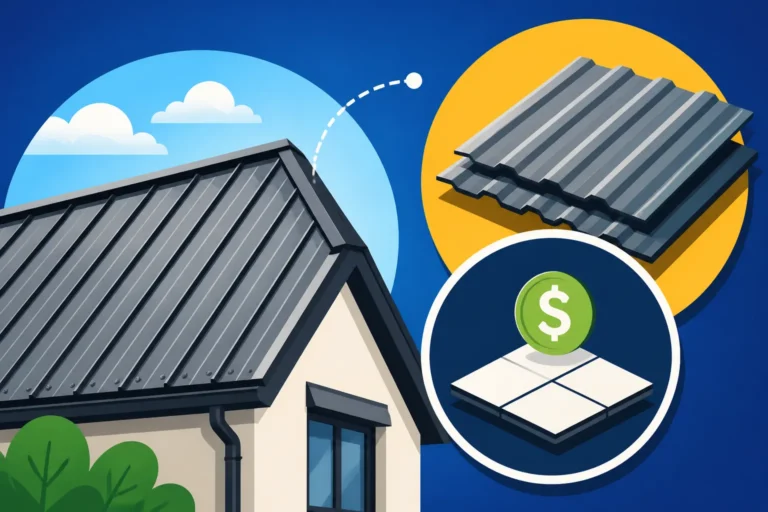
This is where you have a lot of control over the final cost. Metal roofing isn't just one thing; it comes in a vast array of materials and profiles, each with its own price point and performance characteristics. The cheapest metal roof options for a garage might include corrugated or R-panel systems made from galvanized or Galvalume steel. These are often used for utility buildings, barns, and some residential garages because they are incredibly durable and cost-effective.
Steel is the most common metal roofing material, typically available as galvanized steel (steel coated with zinc) or Galvalume steel (steel coated with aluminum and zinc). Galvalume offers superior corrosion resistance compared to galvanized steel, which is often a worthwhile upgrade, especially in humid or coastal areas. Aluminum is another popular choice, particularly for coastal regions, as it's naturally rust-proof, but it tends to be more expensive than steel. Other, more premium options like copper or zinc are rarely used for standard garages due to their significantly higher cost, often reserved for high-end custom homes or architectural statements. For a deeper dive, you can explore the nuances of Metal Roofing Materials Compared: Steel, Aluminum, Copper & Zinc.
When it comes to profiles, you're usually looking at exposed fastener systems versus concealed fastener systems. Exposed fastener panels, like corrugated metal roofs or R-panels, are typically the most budget-friendly. Their panels are secured directly to the roof deck with screws that are visible from the outside. While economical, the exposed fasteners' washers can degrade over time, potentially leading to leaks if not properly maintained. Concealed fastener systems, such as standing seam metal roofs, hide their fasteners beneath the panels, creating a sleek, unbroken look and offering superior weather protection. However, the manufacturing and installation of these panels are more intricate, making them a more significant investment. If you're curious about this difference, check out Exposed vs Hidden Fastener Metal Roofing.
Labor and Installation Complexity
Even with the perfect materials, the cost of installing a metal roof on a garage can vary wildly based on labor. A reputable, experienced metal roofing contractor will command a fair price, but their expertise is invaluable. Expect labor costs to be a substantial portion of the total project. You can usually calculate the Metal Roof Labor Cost Per Square to get an idea.
The complexity of the installation directly influences labor hours. If your garage roof is easy to access, with minimal obstructions or height challenges, installation will be smoother and quicker. However, if installers need to navigate landscaping, fences, or have limited space for material delivery and staging, it can add time and effort. Another major factor is whether your existing roof needs to be torn off. If you're replacing an old asphalt shingle roof that's in poor condition, a tear-off is almost always necessary. This involves additional labor for removal, disposal fees for the old materials, and potentially an extra layer of protection, like new underlayment, before the metal roof goes on. While sometimes you can install a metal roof over shingles, this isn't always advisable or permitted, and it's essential to understand the Tear-Off vs Metal Over Shingles: Cost Difference. The condition of your roof decking, any necessary repairs, and the need for new flashing or ventilation components will also add to the labor cost.
Breakdown of Typical Costs for a Garage Metal Roof
Now that we've covered the general factors, let's get into some numbers. Remember, these are estimates, and local market conditions, specific product choices, and contractor rates can cause significant variations. It's always best to get multiple, detailed quotes from local professionals.
Material Costs by Type
The material itself is often the largest single component of your metal roof cost. Here's a general breakdown of common choices for garage applications:
- Corrugated Steel Panels: These are typically the most economical option. Made from galvanized or Galvalume steel, they offer decent durability and a classic look often associated with utility buildings.
- Estimated Material Cost: $1.50 – $4.00 per square foot. This price can vary based on gauge (thickness) and coating. For example, Galvalume Roof Cost Per Square Foot tends to be on the higher end of this range.
- R-Panel or PBR-Panel: Similar to corrugated but with more robust ribs, offering greater strength and often easier installation due to wider coverage. These are also frequently made from Galvalume steel.
- Estimated Material Cost: $2.00 – $5.00 per square foot. Like corrugated, gauge and coating will impact the price.
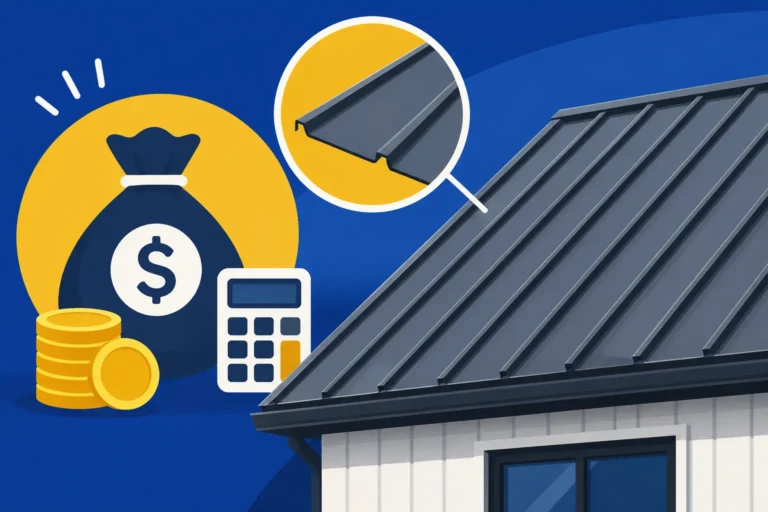
- Standing Seam Steel Panels (Exposed Fastener Look-Alikes or Snap-Lock): While true mechanically seamed standing seam is expensive, there are many "snap-lock" or panel-rib systems that mimic the standing seam look but are simpler and less costly to install. These are made from Galvalume or sometimes aluminum.
- Estimated Material Cost: $3.50 – $8.00 per square foot. This range captures the difference between simpler snap-lock designs and more premium concealed fastener options. If you're considering a full standing seam, be aware that the Standing Seam Metal Roof Cost is usually higher.
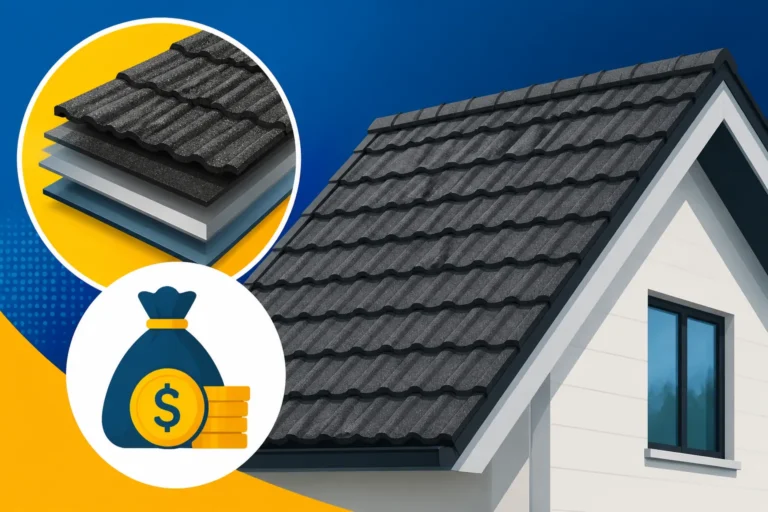
- Metal Shingles or Tiles: These systems are designed to mimic the look of traditional asphalt shingles, slate, or tile but are made from steel or aluminum. They are more aesthetically driven and generally more expensive.
- Estimated Material Cost: $4.00 – $10.00+ per square foot. The variety here is huge, from basic stamped steel shingles to elaborate stone-coated steel tiles, which can be quite a bit more, as seen in Stone-Coated Steel Roof Cost.
- Aluminum Panels: If you're in a coastal area or just want superior rust resistance, aluminum is an excellent choice. It's lighter than steel but more expensive.
- Estimated Material Cost: $3.00 – $8.00 per square foot. Aluminum Roof Cost Per Square Foot can vary based on the specific alloy and panel profile.
Installation Labor Estimates
Labor costs are highly regional and depend on the complexity of your garage roof. As a general rule of thumb, labor can account for 40-60% of the total project cost.
- Simple, Low-Slope Garage Roof: For a straightforward, easily accessible garage with a low pitch, using exposed fastener panels, labor might range from $2.00 – $5.00 per square foot. This assumes a relatively quick installation process without extensive prep work.
- Moderate Pitch or Average Complexity: If your garage has a moderate pitch, a few simple features, or requires a basic tear-off, labor could be $4.00 – $8.00 per square foot. This range often applies to standard two-car garages getting a corrugated or R-panel roof.
- Steep Pitch, Complex Design, or Standing Seam: For garages with high pitches, intricate designs (multiple angles, valleys), or if you choose a concealed fastener standing seam system, labor could easily run $7.00 – $12.00+ per square foot. The precision and specialized tools required for standing seam systems significantly increase labor time.
These figures often include the setup, installation of underlayment, metal panels, trim, and flashing. However, they might not include tear-off and disposal of the old roof, which is often a separate line item.
Additional Costs to Consider
Beyond the core materials and labor, several other expenses can creep into your budget:
- Old Roof Tear-Off and Disposal: If your existing roof needs to go, factor in an additional $1.00 – $3.00 per square foot for removal and waste disposal. This can really add up, especially for larger roofs.
- Underlayment: Essential for most metal roofs, especially for standing seam or in areas with heavy rain or snow. Synthetic underlayment is popular for its durability. Plan on $0.50 – $1.50 per square foot for quality material and installation. Getting the right Metal Roof Underlayment Cost can make a big difference in long-term performance.
- Fasteners, Sealants, and Accessories: Screws, clips, sealant, pipe boots, and other small but critical components are often bundled into material costs, but sometimes appear as a separate line item. These can add $0.50 – $1.50 per square foot.
- Trim and Flashing: These are crucial for weatherproofing edges, gables, eaves, and penetrations. While part of the material cost, custom flashing for complex areas can increase expenses. The Metal Roof Trim and Flashing Cost will vary based on the extent and complexity.
- Permits: Most localities require a permit for roof replacement, even on a garage. Permit costs typically range from $50 to $500, depending on your city or county. It's always best to check with your local building department.
- Structural Reinforcement: In rare cases, especially with very heavy materials like certain tile profiles or if your garage's framing is old or undersized, you might need to reinforce the roof structure. This is an extra engineering and carpentry cost that can be significant.
- Insulation or Ventilation Upgrades: While not strictly part of the roof itself, many homeowners choose to upgrade garage insulation or ventilation when replacing the roof. This can improve comfort and energy efficiency, but it's an added expense.
Here's a simplified table to give you a quick idea of typical material costs for garage metal roofing:
| Metal Roof Type | Material Cost (per sq ft) | Key Characteristics | Common Gauge Range |
|---|---|---|---|
| Corrugated Steel | $1.50 – $4.00 | Wavy profile, exposed fasteners, economical | 26-29 |
| R-Panel / PBR-Panel | $2.00 – $5.00 | Deeper ribs than corrugated, exposed fasteners, strong | 24-26 |
| Snap-Lock Standing Seam | $3.50 – $8.00 | Hidden fasteners, sleek look, good weather resistance | 24-26 |
| Metal Shingles/Tiles | $4.00 – $10.00+ | Mimics traditional roofing, often stone-coated, hidden fasteners | 24-26 |
| Aluminum Panels | $3.00 – $8.00 | Lightweight, rust-proof, various profiles | .032-.040 inch |
Note: These ranges are for materials only and do not include labor or additional costs.
Is a Metal Roof a Smart Investment for Your Garage?
Beyond the upfront cost, it's crucial to consider the long-term value and benefits a metal roof can bring to your garage. For many homeowners, a metal roof isn't just an expense; it's an investment that pays dividends over its lifetime. To really dig into this, you might want to consider Is a Metal Roof Worth It? ROI, Resale & Payback.
Durability and Lifespan Benefits
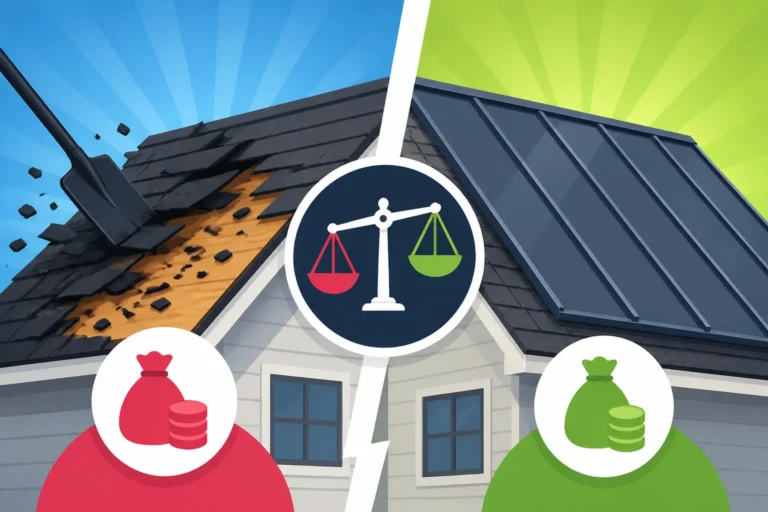
One of the biggest selling points of metal roofing is its incredible durability. Unlike asphalt shingles that might need replacing every 15-20 years, a properly installed metal roof can last 40-70 years, sometimes even longer. This means that while the initial Metal Roof Cost vs Asphalt Shingle Cost might be higher, you're looking at fewer replacements over the lifespan of your garage, saving you money and hassle in the long run.
Metal roofs are exceptionally resilient against various weather conditions. They stand up well to high winds, often rated to withstand gusts of 140 mph or more, making them ideal in areas prone to storms. They are also highly resistant to fire, earning excellent fire ratings. Hail can be a concern, but many metal roofs, especially stone-coated steel or certain standing seam profiles, have a Class 4 impact resistance rating, which can even lead to Metal Roof Insurance Savings & Discounts. This means your garage, and whatever you store inside it, will be better protected for decades.
Energy Efficiency and Maintenance
While a garage isn't typically climate-controlled to the same degree as your home, its roofing can still impact energy efficiency, especially if you use it as a workshop or office. Metal roofs, particularly those with lighter colors or specialized coatings, are excellent at reflecting solar radiant heat. This can significantly reduce heat absorption, keeping your garage cooler in the summer. For many, this can make a tangible difference in comfort and might even slightly impact the temperature of an attached home.
In terms of maintenance, metal roofs are remarkably low-fuss. They generally don't crack, split, or rot like other roofing materials. Occasional cleaning to remove debris and a visual inspection for any loose fasteners or damaged areas is often all that's needed. Unlike shingles, you won't find granules washing off and clogging your gutters. This minimal maintenance requirement translates to less time and money spent on upkeep over the roof's long life.
Potential Return on Investment
While a garage isn't the main house, improving it can still contribute to your property's overall value. A new metal roof on your garage can enhance its curb appeal, making the entire property look more polished and modern. Should you ever decide to sell your home, a durable, long-lasting metal roof on the garage can be a significant selling point, signaling to potential buyers that the property is well-maintained and requires less future investment.
Furthermore, the robust protection a metal roof offers can prevent costly damage to the garage structure and its contents. Preventing leaks, rot, or wind damage means you're not spending money on repairs down the line, essentially preserving your investment in the garage itself. So, while the initial cost might give you pause, thinking of it as a 50+ year solution that protects, performs, and potentially adds value, makes it a very compelling choice for many homeowners.
Disclaimer
Please remember that all cost estimates provided in this guide are general averages and can vary significantly based on your specific location, the contractor you choose, the exact materials and profiles selected, and the unique characteristics of your garage and roof. It is always recommended to obtain multiple detailed quotes from licensed and insured local roofing professionals to get an accurate estimate for your specific project.