How to Prevent Oil Canning on a Metal Roof
Imagine investing in a sleek, modern metal roof for your home, only to notice an unwelcome wavy or ripple effect across the flat surfaces of the panels soon after installation. This visual distortion, known as oil canning, doesn't typically impact the structural integrity or performance of your roof, but it can certainly be an eyesore that detracts from its overall beauty and leaves homeowners feeling a bit deflated. This comprehensive guide is here to demystify oil canning, explain why it happens, and arm you with the crucial knowledge and actionable strategies to prevent it on your metal roof from the outset.
Understanding Oil Canning in Metal Roofs
It’s completely understandable to be concerned when you see imperfections on a brand-new roof. Oil canning is one of those frustrating realities that, while largely cosmetic, can really get under your skin. Let’s break down what it actually means and why it tends to occur.
What Exactly Is Oil Canning?
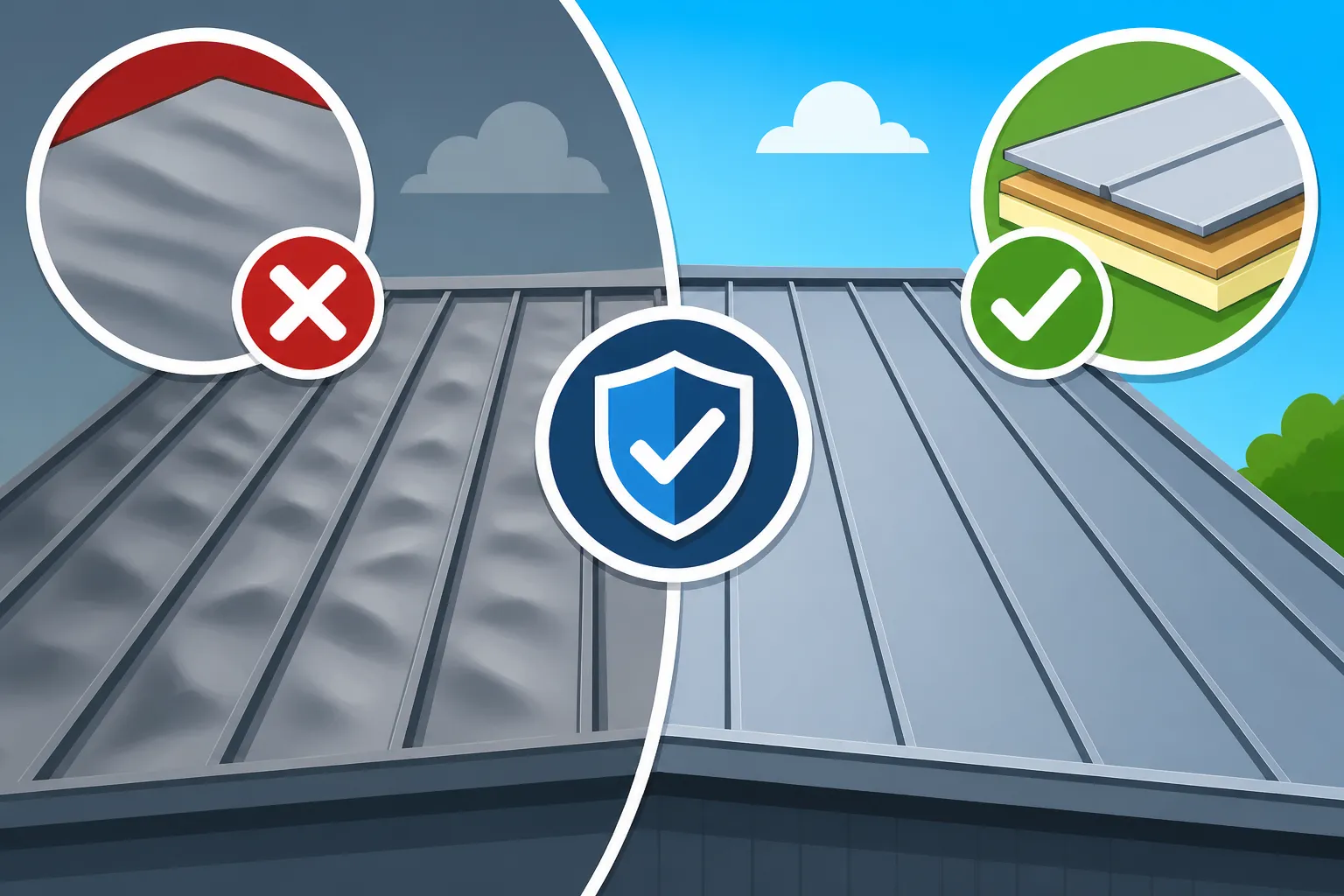
At its core, oil canning refers to the visible waviness or buckle that appears in the broad, flat areas of metal roofing panels. Think of it like a thin sheet of metal that’s not perfectly taut; when light hits it, you see these gentle undulations or ripples. It’s not a manufacturing defect in the same way a scratch or a dent would be, but rather a characteristic of thin-gauge, wide, flat metal panels. These waves are often more noticeable in certain lighting conditions, particularly when the sun is low in the sky, casting long shadows that accentuate the subtle variations in the panel's surface. It's less about the roof failing and more about the metal reacting to various stresses, resulting in this optical phenomenon.
It's important to differentiate oil canning from actual structural damage. Your roof isn't about to collapse, nor is it necessarily going to leak because of oil canning. Its weather resistance, durability, and lifespan remain largely unaffected. However, for many homeowners, the aesthetic appeal of their roof is a significant factor, especially with the clean lines and modern look often associated with metal roofing systems like a . The presence of oil canning can, for some, detract significantly from the perceived quality and value of their investment.
Why Does Oil Canning Happen?
The causes of oil canning are multifactorial, often stemming from a combination of material properties, manufacturing processes, and installation techniques. It's rarely a single culprit but rather a perfect storm of conditions that lead to its appearance. Understanding these root causes is the first step in effective prevention.
One major factor is material stress during manufacturing. When metal coils are produced and slit into narrower strips for roofing panels, internal stresses can be locked into the material. Even minor variations in the rolling process, or imperfections in the initial metal coil, can contribute to panels that aren't perfectly flat. This "coil set" or "memory" in the metal can manifest as waviness once the panels are installed. Think of trying to flatten a piece of paper that's been rolled up for a long time – it wants to spring back to its original shape.
Another significant contributor is thermal expansion and contraction. Metal, by nature, expands when heated and contracts when cooled. If roofing panels are installed in a way that restricts this natural movement, internal stresses build up within the panel, forcing the flat surfaces to buckle or wave. This is particularly true for longer panels and in regions with significant temperature swings. Improper installation, where fasteners are overtightened or panels are too rigidly locked down, can exacerbate this issue. You can learn more about how metal roofs handle expansion and contraction to better understand this phenomenon.
Finally, uneven substrate or improper support can also play a huge role. If the roof deck, purlins, or furring strips underneath the metal panels aren't perfectly flat and uniformly spaced, the metal panels will conform to these irregularities. Even a slight dip or rise in the underlying structure can cause the overlying metal to ripple. This is why a perfectly prepared substrate is absolutely critical, especially for architectural panels where aesthetics are paramount.
Proactive Measures Before Installation
The best defense against oil canning is a good offense. Many of the most effective prevention strategies happen long before the first panel is ever lifted onto your roof. Careful planning and material selection are paramount.
Choosing the Right Materials
The type and quality of the metal panels you select can significantly impact the likelihood of oil canning. This is where a little extra investment upfront can save a lot of frustration down the road.
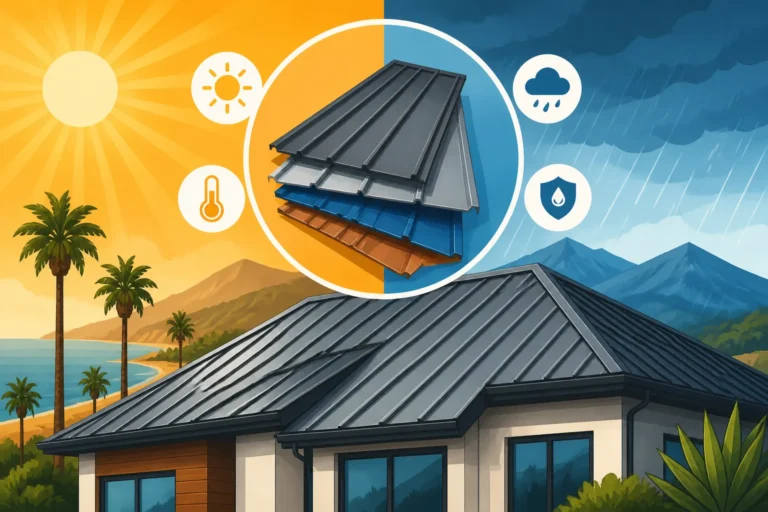
Firstly, consider the gauge of the metal. Generally, thicker gauges of metal are less prone to oil canning because they have greater inherent stiffness. While 26 gauge is common, opting for a 24 gauge metal roof can provide noticeable improvements in panel flatness and rigidity. While it might add to your , the aesthetic benefits can be well worth it. Materials like steel, aluminum, copper, and zinc each have unique properties that affect their susceptibility. For instance, aluminum is generally less prone to oil canning than steel due to its lower modulus of elasticity, making it more flexible and less likely to show surface variations. You can dive deeper into these choices by exploring . This also factors into .
Secondly, pay attention to panel width. Wider panels have more unsupported flat surface area, making them more susceptible to visible waviness. Narrower panels, especially those under 16-18 inches wide, tend to exhibit less oil canning because the unsupported spans are smaller. When ordering panels, discuss this with your supplier or contractor.
Lastly, the quality of the coil itself matters immensely. Look for manufacturers who use "tension-leveled" coils. This process applies tension to the metal during manufacturing to remove internal stresses, resulting in a much flatter, more stable panel when unrolled. Reputable manufacturers understand this and invest in quality processes. Some top-tier brands like Englert or PAC-CLAD are known for their quality control in this area.
Importance of Proper Design and Planning
Even the best materials can fall victim to oil canning if the underlying design and planning are neglected. This phase sets the stage for a successful, flat roof.
The flatness of the roof deck or substrate is absolutely non-negotiable. Whether you're installing over plywood, OSB, or purlins, the surface must be as flat and consistent as possible. Any humps, dips, or misaligned sheeting will transfer directly to the metal panels, creating visible undulations. A qualified contractor will spend time ensuring the deck is smooth and properly installed before the roofing process even begins. This might involve shimming low spots or addressing protruding fasteners. You can also explore to understand the full system.
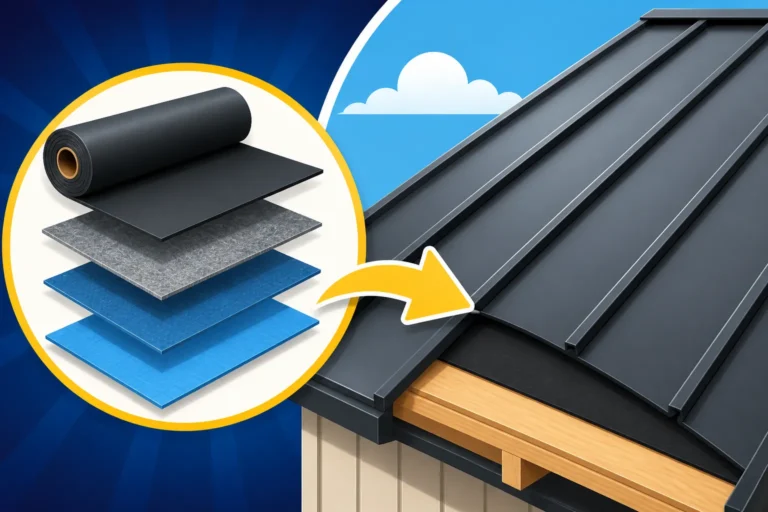
Furthermore, proper purlin spacing and support are crucial for exposed fastener systems. Ensure that the supports are uniformly spaced according to the manufacturer's specifications. Inadequate support can lead to panels sagging or flexing between fastening points. Ventilation also plays a subtle role; a well-ventilated attic or air space under the roof can help moderate temperature swings, reducing thermal stress on the panels. Consider consulting a guide on metal roof underlayment and ventilation to ensure you're covering all your bases. Knowing the specifics of what goes under a metal roof? Layers Explained can also provide valuable insight.
Installation Techniques to Minimize Oil Canning
Even with the best materials and planning, the execution during installation is where many oil canning issues are born or prevented. This stage requires precision, patience, and expertise.
Handling and Storage of Panels
The journey from the factory to your roof is fraught with potential for panel damage that can contribute to oil canning. Proper care is essential.
Careful handling is critical from the moment panels arrive on site. Metal panels should always be lifted and carried by at least two people, supported evenly along their length, to prevent bending or creasing. Dropping or dragging panels can introduce permanent distortions. Avoid walking on panels before or during installation, as even small amounts of pressure can create subtle waves.
Appropriate storage on site is also key. Panels should be stored on a flat, level surface, ideally elevated off the ground to prevent moisture accumulation, and covered to protect them from direct sunlight, rain, and construction debris. Storing them improperly, especially leaning against an uneven surface for extended periods, can induce a permanent set that will translate into oil canning once installed. Ensure they are kept in a way that minimizes thermal cycling before they are fully secured to the roof.
Fastening and Seaming Best Practices
This is perhaps the most critical stage where experienced installers shine. How the panels are secured dictates much of their long-term flatness.
For , which are revered for their clean appearance and hidden fasteners, the use of floating clips is paramount. These clips allow the panels to expand and contract freely with temperature changes, preventing the buildup of internal stress that leads to buckling. If panels are rigidly fixed at both ends, the metal has nowhere to go but up or down, creating those tell-tale waves. The metal roof installation process: step by step for standing seam systems often highlights this crucial detail. When securing these clips, care must be taken not to overtighten them, allowing just enough give for movement.
For exposed fastener systems, like ribbed or corrugated panels, overtightening screws is a common cause of oil canning. Screws should be snug enough to hold the panel securely but not so tight that they deform the metal around the fastener, creating stress points. Installers must also ensure panels are laid perfectly square and plumb. Any misalignment can twist the panels and induce waviness. Proper lap and seam techniques are also important to avoid creating tension where panels overlap.
Professional Installation
While it might be tempting to save money by going the DIY route, hiring an experienced, reputable metal roofing contractor is often the single most important step in preventing oil canning. This is where platforms like Modernize can be incredibly helpful in finding skilled professionals in your area. Modernize offers a way to connect with pros who understand the complexities of metal roof installation.
A contractor specializing in metal roofing understands the nuances of different metal types, panel profiles, and installation techniques required to minimize oil canning. They will know how to properly prepare the substrate, handle materials, and install panels to allow for thermal movement. They're also equipped with the right tools, like panel crimpers and seaming machines, which contribute to a smoother, more professional finish. When considering your options, make sure to ask them questions to determine their experience with specific metal roof types. For example, knowing can help you gauge their expertise.
A good contractor will also discuss oil canning with you upfront, managing expectations and explaining the inherent nature of metal. They'll also be transparent about the material choices and installation methods that best mitigate its occurrence. Seeking manufacturer-certified metal roofers is another excellent way to ensure your chosen professional has received specific training and adheres to the highest installation standards, further reducing the risk of issues like oil canning. Utilizing resources from Modernize can streamline this search for certified professionals.
Post-Installation Considerations and Maintenance
Even with the best preventative measures, sometimes minor oil canning can still occur. Understanding how to address it or simply live with it is part of being a metal roof owner.
Addressing Minor Oil Canning
It's important to set realistic expectations. Eliminating oil canning entirely is almost impossible due to the inherent properties of metal. Most manufacturers consider it a characteristic, not a defect, provided it doesn't affect performance.
If minor oil canning appears, often the best approach is to simply accept it as a natural aesthetic characteristic of metal roofing. In many cases, it becomes less noticeable over time as the eye adjusts, or as the roof weathers and the reflective properties change slightly. For some architectural projects, designers even embrace the subtle undulations as part of the material's natural beauty.
There are limited "fixes" for existing oil canning, especially severe cases that stem from manufacturing or major installation errors. Sometimes, very minor issues can be visually mitigated by strategic lighting or landscaping that doesn't highlight the reflections. In rare, severe cases where panels are significantly buckled due to extreme installation errors, a contractor might need to carefully remove and reinstall or replace the affected panels. However, this is an extensive and costly undertaking. If you suspect significant installation errors, revisiting your contract and consulting an expert is crucial. You might find some ideas in .
Long-Term Care
Maintaining your metal roof generally involves ensuring its longevity and preventing issues that could cause new stresses to emerge, potentially exacerbating or creating new instances of oil canning.
Regular inspections are key. Periodically, (or after severe weather) examine your roof for any signs of fasteners backing out, loose seams, or anything that could compromise the panel's ability to expand and contract. Loose fasteners, for example, could create new stress points or allow panels to shift unevenly. Keeping the roof surface clean of debris can also prevent localized heating that might contribute to stress.
Ensuring that your roof’s ventilation remains unblocked and efficient helps maintain a more stable temperature environment for the metal panels. This minimizes the extreme thermal cycles that can stress the metal. While oil canning is mostly about initial installation, preventing future damage from heavy impacts or improper maintenance can keep existing issues from worsening. Always be careful when walking on your metal roof, and consider wearing soft-soled shoes to avoid creating new dents or distortions that could mimic or worsen oil canning.
| Prevention Stage | Key Strategy | Benefit | Considerations |
|---|---|---|---|
| Material Selection | Choose thicker gauge metal (e.g., 24 gauge over 26 gauge) | Increased stiffness, less prone to buckling | Higher material cost |
| Opt for narrower panel widths | Less unsupported surface area, reduced visible waviness | May increase installation time/labor | |
| Select tension-leveled coils from reputable manufacturers | Minimizes internal stress in the metal | May limit color/profile options, higher cost | |
| Design & Planning | Ensure perfectly flat and uniform substrate/deck | Prevents panel from conforming to irregularities | Requires careful deck preparation |
| Plan for proper ventilation and purlin spacing | Reduces thermal stress, provides even support | May require specific underlayment or insulation | |
| Installation Techniques | Gentle handling and proper storage of panels | Prevents accidental bending, creasing, or setting | Requires attentive crew and organized job site |
| Use floating clips for standing seam systems | Allows for thermal expansion and contraction | Essential for hidden fastener longevity | |
| Avoid overtightening fasteners on exposed panels | Prevents localized stress and deformation | Requires installer skill and attention | |
| Professional Expertise | Hire a reputable, experienced metal roofing contractor | Deep understanding of best practices, proper tools | Higher labor cost, but reduces risk of errors |
Disclaimer
The information provided in this article is intended for general informational purposes only and does not constitute professional advice. Metal roofing projects are complex, and it is always recommended to consult with qualified and licensed metal roofing professionals for specific advice tailored to your property and local building codes. While we strive to provide accurate and up-to-date information, individual results may vary, and we cannot guarantee the absence of oil canning or other issues. Always prioritize safety and professional guidance when undertaking any roofing project.