Can You Paint a Metal Roof a Different Color?
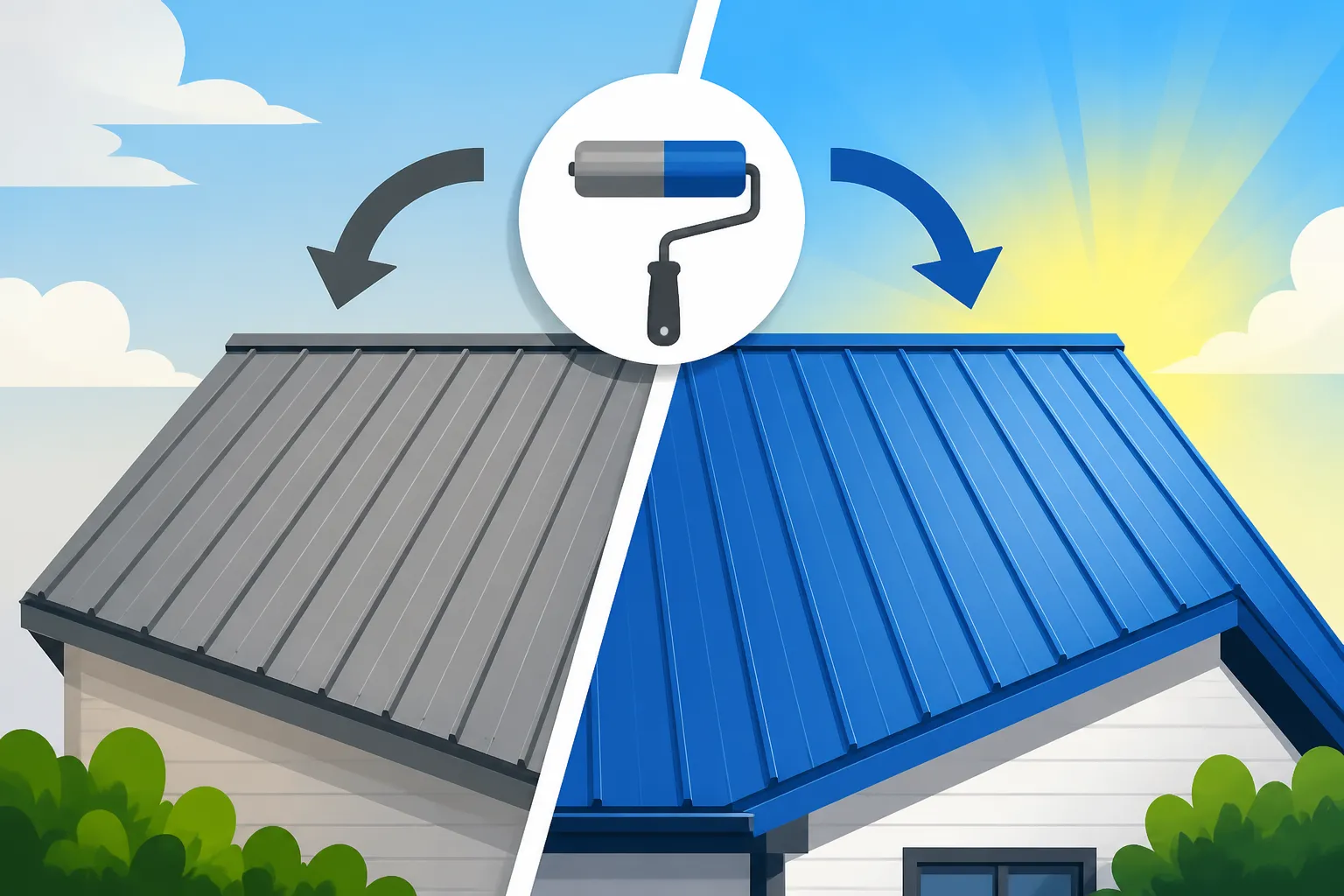
It's completely understandable to look at your metal roof and think, "I wish it were a different color!" Maybe it's faded and dull after years of weathering the elements, or perhaps your home's aesthetic has evolved, and the current roof color just doesn't quite fit the vibe anymore. The good news is, yes, you absolutely can paint a metal roof a different color, and this guide is here to walk you through everything you need to know to achieve a stunning, long-lasting transformation.
Why Homeowners Consider Repainting Their Metal Roofs
The decision to repaint a metal roof often stems from a combination of practical needs and a desire for a fresh look. It's not just about aesthetics; there are tangible benefits that come with a fresh coat of paint.
Faded or Worn Appearance
Over the years, even the most durable metal roofs can show signs of wear and tear. Constant exposure to UV rays, harsh weather, and environmental pollutants can cause the original factory finish to fade, chalk, or become discolored. This isn't just an eyesore; it can also be a subtle indicator that the protective coating is degrading.
Think about a car that sits in the sun all day – eventually, its paint loses its luster. The same principle applies to your metal roof. That once vibrant red might now look pinkish, or a deep bronze could appear dull and patchy. This kind of fading naturally detracts from your home's curb appeal, making the entire property look older than it is. Repainting offers an opportunity to not only restore its vibrant look but also add another layer of protection against the elements, extending the life of your roof. It's a proactive step that can save you money on more extensive Metal Roof Repair vs Replacement: How to Decide down the line if the protective layer continues to degrade.
Aesthetic Update and Curb Appeal
Sometimes, there's nothing inherently "wrong" with your metal roof's current color, but it just doesn't align with your vision for your home anymore. Perhaps you've recently renovated the exterior, changed your siding, or simply want to refresh your home's overall appearance. A new roof color can dramatically alter your home's curb appeal, making it feel brand new without the expense of a full roof replacement.
Choosing a new color can complement new landscaping, blend seamlessly with a contemporary design, or even make your home stand out in the neighborhood. For instance, if you're thinking of selling your home, a fresh, appealing roof color can significantly boost its market value and attract more buyers. This is especially true if the existing color is outdated or highly specific to a previous trend. It's an investment in the look and feel of your property, often yielding a strong return, similar to how a well-maintained roof can influence Does a Metal Roof Increase Home Value?. Many homeowners consult with design professionals or use online tools from companies like Modernize to visualize different color schemes before committing to such a significant change.
Enhancing Energy Efficiency
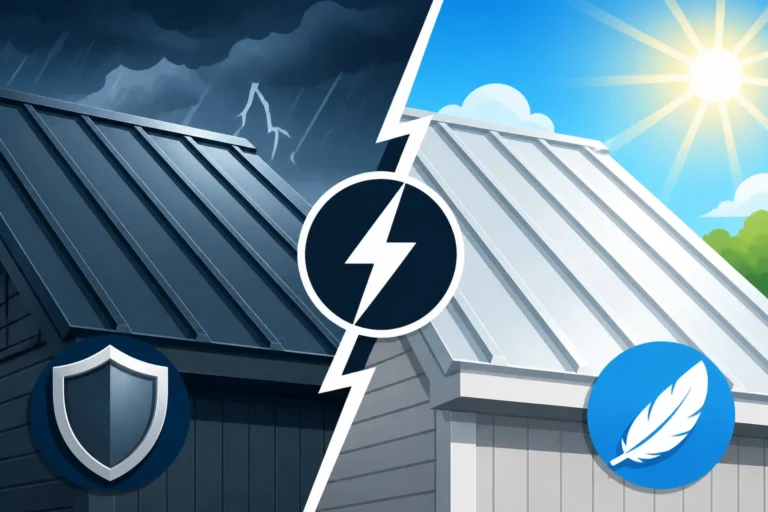
Beyond aesthetics, the color of your metal roof plays a crucial role in your home's energy efficiency. Lighter colors tend to reflect more sunlight and absorb less heat, which can lead to cooler indoor temperatures during hot summer months and reduced air conditioning costs. Conversely, darker colors absorb more heat, which can be beneficial in colder climates for passive solar heating, but might make your home warmer in the summer.
This phenomenon is often referred to as a roof's "solar reflectivity" or "emissivity." Many modern paints designed for metal roofs come with cool roof technology, incorporating pigments that reflect a higher percentage of the sun's energy. By strategically choosing a lighter, highly reflective color for your repaint project, you could see a noticeable difference in your energy bills. For example, a crisp white or light gray roof can reflect up to 80% of solar radiation, whereas a dark black roof might reflect only 5-10%. This is an often-overlooked benefit that can provide ongoing savings long after the paint has dried.
The Essential Steps to Successfully Paint a Metal Roof
Painting a metal roof isn't just about slapping on a new coat of color. It's a multi-step process that requires careful attention to detail, especially during preparation, to ensure the paint adheres properly and lasts for decades. Skimping on these steps is a common mistake that leads to premature peeling and frustration.
Thorough Cleaning and Preparation
This is arguably the most critical stage of the entire repainting process. Without a meticulously clean and properly prepared surface, even the highest quality paint won't adhere correctly, leading to early failure, peeling, and wasted effort. You’re essentially building a new surface for the paint to bond to.
First, you'll need to remove any loose paint, dirt, grime, mildew, or chalking. Chalking is a powdery residue that forms on weathered paint and absolutely must be removed for new paint to stick. A heavy-duty power washer is usually the tool of choice, but be careful not to use too high a pressure setting, which can damage the metal or force water into unwanted areas. Start with a lower PSI and increase as needed. For stubborn grime or mildew, a commercial-grade cleaning solution specifically designed for exterior surfaces or a simple bleach and water mixture can be highly effective. Rinse thoroughly to ensure no residue from cleaners remains.
Next, you need to address any rust. Even small spots of rust can quickly spread under a new coat of paint, bubbling up and ruining your finish. Any visible rust should be removed with a wire brush, sandpaper, or an abrasive grinding wheel. After mechanical removal, apply a rust-inhibiting primer or a rust converter. Our guide on Metal Roof Rust and Corrosion Treatment dives deeper into the different options for tackling rust. Finally, degrease the entire surface. Metal roofs can accumulate oils and greases over time, especially if near a BBQ or exhaust vent. A dedicated degreaser will ensure a completely clean surface for maximum adhesion.
Priming for Adhesion and Longevity
Once your metal roof is sparkling clean and free of rust, applying the correct primer is your next non-negotiable step. Primer acts as a crucial bonding agent between the metal substrate and the topcoat, ensuring superior adhesion and durability. Think of it as the handshake that makes the paint and roof truly connect.
The type of primer you choose will largely depend on the specific metal your roof is made from and whether it's bare metal or has an existing, well-adhered paint finish. For bare galvanized steel or Galvalume roofs, you'll typically need a self-etching or direct-to-metal (DTM) primer that provides excellent adhesion to non-porous surfaces. These primers often contain chemicals that slightly etch the metal, creating a better mechanical bond. If your roof has an existing, sound paint coating, a high-quality bonding primer may suffice. It's essential to follow the manufacturer's recommendations for application, including temperature ranges and drying times, as rushing this step can compromise the entire project. This primer layer is also key in preventing future rust and corrosion from developing underneath the topcoat, significantly extending the life of your new paint job.
Choosing the Right Paint and Application Method
With the preparation and priming complete, you're finally ready for the fun part: selecting and applying your new roof color! But don't just grab any exterior paint; metal roofs require specific formulations designed to withstand extreme temperatures, UV radiation, and expansion and contraction.
When it comes to paint types, you'll encounter a few main options:
- Acrylic Elastomeric Paints: These are highly flexible, water-based coatings that expand and contract with the metal, making them excellent for preventing cracking and peeling. They also offer superb waterproofing and UV protection. They are a popular choice for their durability and protective qualities.
- High-Performance Architectural Coatings (like Kynar 500 or PVDF): Often used in factory finishes, these paints offer exceptional color retention, fade resistance, and chalk resistance. While more expensive, they provide superior long-term performance. You can read more about these in our article on PVDF vs SMP Paint Coatings for Metal Roofs.
- Urethane or Epoxy-based Paints: These are incredibly tough and resistant to abrasion and chemicals, but they can be less flexible than elastomeric options. They're often used in industrial settings or for specific protection needs.
For application, spraying is generally the preferred method for metal roofs. It provides a smooth, even finish and allows for faster coverage of large areas and intricate profiles. However, it requires proper equipment and masking to prevent overspray. Rolling is also an option, especially for smaller roofs or areas where overspray is a concern, but it might take longer and result in a slightly different texture. Regardless of the method, multiple thin coats are always better than one thick coat, allowing for proper drying and curing between applications. This staggered approach builds durability and ensures a flawless finish.
Factors to Consider Before You Start Painting
Before you even think about buying paint, there are some critical factors you absolutely need to weigh. Ignoring these can lead to costly mistakes, voided warranties, or a less-than-stellar result.
Roof Condition and Existing Coatings
Before any painting can begin, you need to conduct a thorough inspection of your metal roof. This isn't just a casual glance; it's a detective mission. Are there any existing leaks? Check out our Metal Roof Leak Repair Guide for common issues. Are the panels dented, warped, or severely corroded beyond surface rust? If your roof has significant structural damage, missing fasteners, or widespread deep pitting from rust, painting might not be the most effective long-term solution. In such cases, repairing individual panels or even a full replacement could be more sensible.
You also need to identify the type of existing coating on your roof, if any. Is it a factory finish, or has it been painted before? If there's an old, peeling paint job, you'll need to remove as much of it as possible to ensure proper adhesion for the new paint. Sometimes, compatible paints can be applied over existing, well-adhered coatings, but mixing incompatible paint types can lead to immediate peeling and flaking. Testing a small, inconspicuous area first is always a smart move. If you're unsure about the integrity of your existing roof, getting a professional assessment from a reputable metal roofing contractor through platforms like Modernize can give you peace of mind.
Climate, Weather, and Timing
The weather conditions during and immediately after painting are crucial for a successful and durable finish. Painting a metal roof is not a job you can rush, especially when Mother Nature has other plans.
First, temperature is key. Most paints have a specific temperature range for application (e.g., 50-90°F or 10-32°C). Applying paint when it's too cold can prevent it from curing properly, leading to poor adhesion and a weak finish. Too hot, and the paint can dry too quickly, causing brush marks, streaks, or blistering. Ideal conditions usually involve mild temperatures with low humidity.
Second, avoid rain, dew, or heavy fog. Moisture on the surface can prevent proper adhesion and cause the paint to streak or peel. Check the forecast carefully and ensure there's a clear window of at least 24-48 hours (or longer, depending on the paint's cure time) after application before any precipitation is expected. Strong winds are also a concern, as they can carry dust and debris onto your wet paint or lead to excessive overspray if you're using a sprayer.
Spring and fall are often the best seasons for painting in many regions, offering more moderate temperatures and generally lower humidity. Early mornings or late afternoons can sometimes provide ideal conditions during hotter months, avoiding the peak heat of midday.
Cost, DIY vs. Professional, and Warranties
Understanding the financial and practical implications is essential before committing to a metal roof painting project. This isn't a cheap weekend DIY job for most homeowners.
Cost: The cost to paint a metal roof can vary widely based on the roof's size, pitch, accessibility, the extent of prep work needed (especially rust treatment or extensive cleaning), the type of paint chosen, and whether you hire a professional. Expect to pay anywhere from $1.50 to $5.00 per square foot, or even more for premium coatings and complex roofs. This cost includes materials and labor. While a full metal roof replacement costs significantly more – often between $10,000 and $40,000 for an average home, repainting is a substantial investment that can still total several thousand dollars. You can get a better idea of overall roofing expenses by looking into Metal Roof Cost: Complete 2026 Guide.
DIY vs. Professional: While theoretically possible for a handy homeowner, painting a metal roof is a demanding and potentially dangerous job. It involves working at heights, often on steep and slick surfaces, using specialized equipment like power washers and paint sprayers. Safety gear, fall protection, and experience are paramount. A professional roofing or painting contractor has the right equipment, expertise, and insurance to do the job safely and effectively. If you're considering the DIY route, seriously evaluate the risks and your skill level. Our guide, Should You Hire a Contractor or DIY Your Metal Roof?, offers an in-depth comparison.
Warranties: This is a crucial point. Many metal roof manufacturers offer long-term warranties (20-50 years) on their finishes. Repainting your metal roof with a non-approved paint or by an uncertified contractor could potentially void your existing manufacturer's warranty. Always check with your roof's original manufacturer before proceeding. Some manufacturers offer specific touch-up paints or approved coatings, and others may require the work to be done by a certified applicator to maintain warranty coverage. It's vital to understand the nuances of Metal Roof Warranties: Workmanship vs Manufacturer before making any decisions. Don't risk a significant investment for an aesthetic change without understanding the potential impact on your roof's protection.
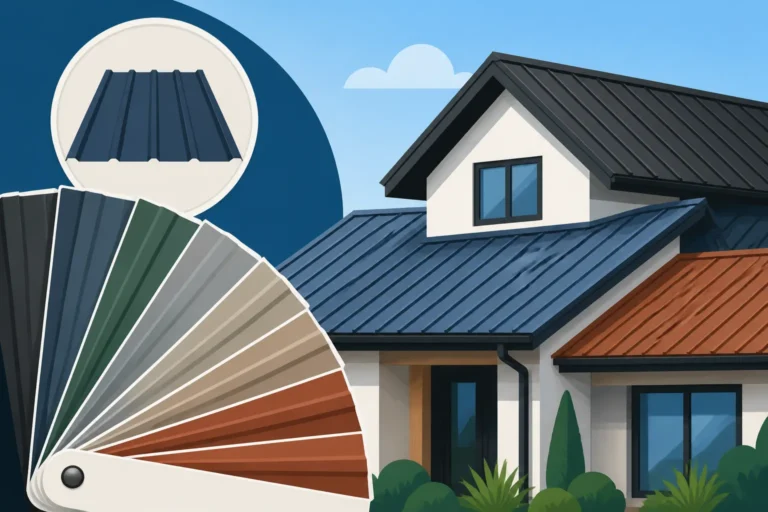
Popular Metal Roof Colors and Their Benefits
The aesthetic impact of a new metal roof color cannot be overstated, but the choice goes beyond just what looks good. It also has a tangible effect on your home's energy performance.
Light Colors for Heat Reflection
If you live in a warm climate like Florida, Arizona, or Texas, or if you simply want to minimize your cooling costs, lighter metal roof colors are an excellent choice. Colors like white, light gray, beige, and even pale blues or greens have high solar reflectivity, meaning they bounce a significant portion of the sun's energy away from your home rather than absorbing it.
This reflection directly translates to a cooler attic and, consequently, cooler indoor temperatures. This reduces the workload on your air conditioning system, leading to lower energy bills and a more comfortable living environment. Many light-colored metal roof paints are also specifically formulated as "cool roof" coatings, often carrying ENERGY STAR ratings, which signifies their superior thermal performance. Over the lifespan of your roof, these energy savings can add up significantly, making the initial investment in a quality paint job even more worthwhile. Choosing from the Best Metal Roof Colors and How to Choose for energy efficiency means considering the Solar Reflectance Index (SRI) of the paint.
Darker Colors for Aesthetic Impact
While lighter colors offer superior heat reflection, darker metal roof colors definitely have their place and appeal. Shades like charcoal gray, deep bronze, rich brown, or even black can provide a striking aesthetic contrast that highlights architectural features and gives your home a sophisticated, grounded look. They can perfectly complement certain exterior materials like brick, stone, or specific siding colors.
In colder climates, darker roofs can also offer a subtle benefit by absorbing more solar radiation, which can help melt snow and ice more quickly, potentially reducing snow load and preventing ice dams. However, this benefit is generally less pronounced than the cooling benefits of light roofs in warm climates. The trade-off is that darker roofs will absorb more heat, which might increase your cooling costs in summer. If you love a darker color but are concerned about heat absorption, look for paints that incorporate "cool pigment" technology. These special pigments allow for darker hues while still offering some level of solar reflectivity, mitigating the heat absorption to a degree.
Metal Roof Color & Energy Performance Comparison
Here's a quick look at how color choices can impact energy performance:
| Color Category | Solar Reflectance | Primary Benefit | Potential Drawback | Best For |
|---|---|---|---|---|
| White | High (0.7-0.8+) | Maximum Heat Reflection, Energy Savings | Can Show Dirt More, Glare | Hot Climates, Energy-Conscious |
| Light Gray/Tan | Medium-High (0.5-0.7) | Good Heat Reflection, Versatile Aesthetic | Less Reflective than White | Mixed Climates, Balanced Appeal |
| Medium Colors (Blue/Green) | Medium (0.3-0.5) | Moderate Reflection, Good Aesthetic | Less Energy-Efficient than Light | Moderate Climates, Specific Styles |
| Dark Gray/Brown | Low-Medium (0.15-0.3) | Strong Aesthetic Impact, Blends Well | Higher Heat Absorption | Colder Climates, Bold Design |
| Black | Very Low (0.05-0.15) | Dramatic Aesthetic | Highest Heat Absorption, Higher AC Bills | Colder Climates, Architectural Statement |
Ultimately, the best color for your painted metal roof will depend on your climate, your home's architectural style, and your personal aesthetic preferences. Don't forget that a professional can help you navigate these choices and ensure you get a durable, beautiful finish that you'll love for years to come. Services that help you find reliable contractors, like Modernize, can connect you with experienced roof painters who understand these nuances.
Disclaimer
Please note that the information provided in this article is for general guidance and informational purposes only. While we strive to offer accurate and up-to-date content, professional advice should always be sought for specific roofing projects. Metal roof painting involves risks, and adherence to local building codes, manufacturer specifications, and safety guidelines is crucial. The author and publisher are not responsible for any actions taken based on the information presented herein.