Is a Ribbed Panel Metal Roof Good for a House?
It’s completely understandable to feel overwhelmed when staring down the barrel of a major home improvement project like a roof replacement. You want something durable, efficient, and good-looking, but the sheer number of options can be dizzying. Ribbed panel metal roofs often pop up as a choice, but many homeowners scratch their heads, wondering if these "industrial-looking" panels truly belong on a residential home. This comprehensive guide is here to shed light on whether a ribbed panel metal roof is indeed a good and practical choice for your beloved house, breaking down the pros, cons, and essential considerations.
Understanding Ribbed Panel Metal Roofs for Residential Use
When you think of a metal roof, chances are a ribbed panel profile is one of the first images that comes to mind. These are often seen on commercial buildings, barns, and sheds, but their benefits are increasingly appealing to homeowners. Understanding what makes them unique is the first step to deciding if they're right for your residence.
What Defines a Ribbed Panel System?
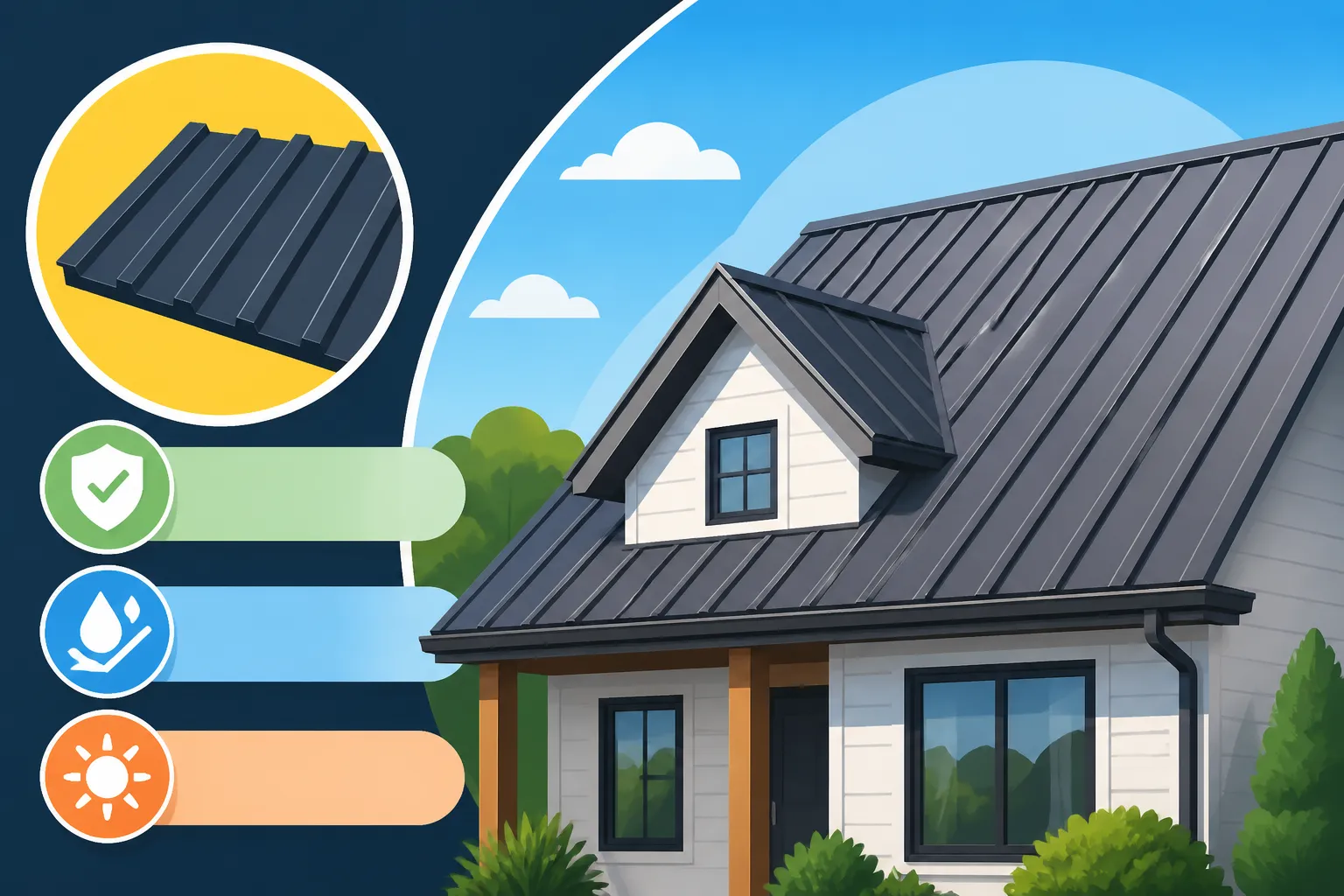
At its core, a ribbed panel metal roof is characterized by its distinct, raised ribs that run vertically along the panel, interspersed with flat sections (the "flats" or "valleys"). These ribs provide structural integrity, allowing for long spans and efficient water shedding. Typically, these panels are made from steel, often coated with a Galvalume or Galvanized finish for enhanced corrosion resistance, though aluminum is also an option, particularly in coastal areas. What truly sets them apart from more upscale options like standing seam is their fastening method: they use exposed fasteners. This means the screws that attach the panels directly to the roof deck are visible on the surface of the roof. While this design choice contributes to their cost-effectiveness and ease of installation, it also introduces specific considerations we'll dive into later. For a more detailed breakdown of their construction, you might want to read our article on What Is a Ribbed Panel Metal Roof?.
Common Profiles and Their Appearance
Ribbed panel metal roofs come in a few common profiles, each with a slightly different aesthetic. The R-panel and PBR-panel are popular choices, featuring taller, more pronounced ribs that give a strong, linear look. The "P" in PBR stands for "Purlin Bearing Leg," an extra leg that sits on the purlin or decking, offering additional support and a better sealing surface. Then there’s the 5V Crimp, which has shallower, V-shaped ribs that create a classic, almost agricultural appearance, often evoking a charming farmhouse or cabin vibe.
While these panels have an industrial heritage, their growing residential appeal is undeniable. Manufacturers now offer them in a vast array of colors, from subdued earth tones and classic grays to bolder blues and greens, along with various finishes. These choices allow homeowners to adapt the "industrial" aesthetic to complement a wide range of architectural styles, from modern farmhouses to rustic cabins and even some contemporary designs. The visual impact of the exposed fasteners is part of their charm for some, while others might prefer a more seamless look.
The Tangible Benefits of Ribbed Panel Roofing for Homes
Choosing a ribbed panel metal roof for your house isn't just about appearance; it comes with a host of practical advantages that can make it a very smart investment for many homeowners. From durability to cost and even energy savings, these roofs offer significant long-term value.
Exceptional Durability and Longevity
One of the primary reasons homeowners consider metal roofing, regardless of profile, is its incredible durability. Ribbed panel metal roofs are no exception. They are designed to withstand decades of abuse from Mother Nature, often boasting a lifespan of 40 to 70 years, significantly outlasting traditional asphalt shingles. Imagine not having to worry about your roof for half a century! This extended lifespan means fewer replacements over the life of your home, saving you substantial money and hassle in the long run.
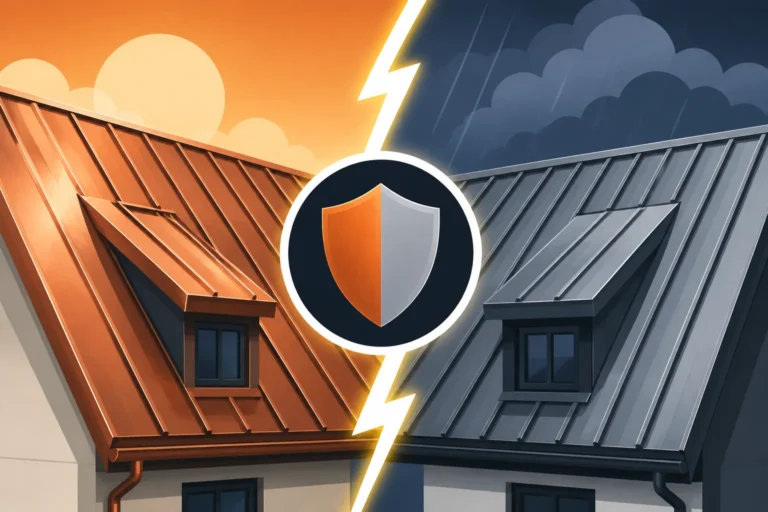
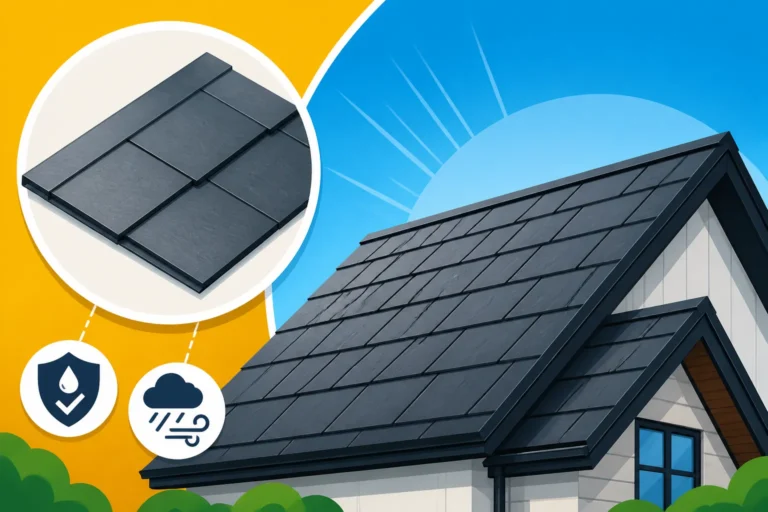
These robust panels are highly resistant to severe weather conditions. They stand up exceptionally well to high winds, often rated to resist gusts up to 140 mph or more when properly installed. Hail bounces off them, typically leaving little to no damage, unlike shingles that can be pitted and compromised. Snow and ice slide off easily, reducing the risk of heavy snow loads and ice dams. Furthermore, metal is non-combustible, offering superior fire protection compared to organic roofing materials. The peace of mind that comes with a roof built to last through nearly anything is truly invaluable, and such resilience can even lead to savings, as explored in articles like Metal Roof Insurance Savings & Discounts.
Cost-Effectiveness and Installation Efficiency
Let's be real, cost is a huge factor in any home renovation. While a metal roof is a bigger upfront investment than asphalt shingles, ribbed panel systems offer one of the most budget-friendly entry points into the metal roofing world. They are generally more affordable than their standing seam counterparts or more decorative options like stone-coated steel. This is primarily due to the simpler manufacturing process and the exposed fastener installation method, which requires less specialized labor and fewer complex components.
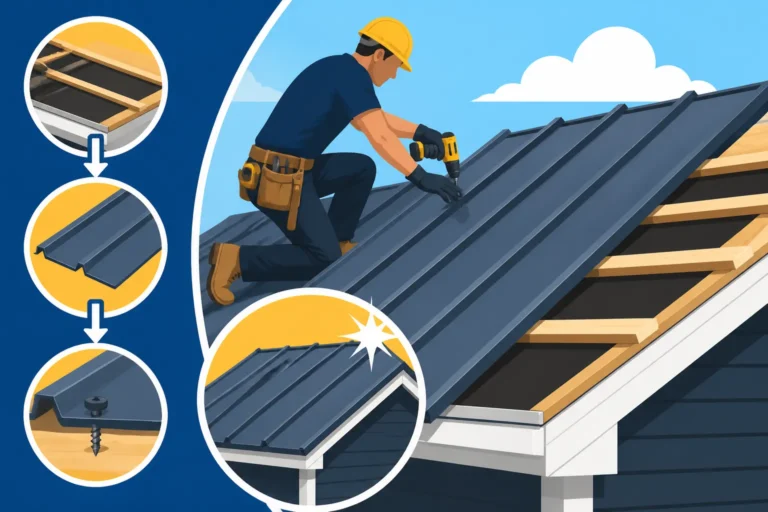
The installation process for ribbed panels is also typically faster and more straightforward. Their larger panel sizes mean fewer pieces to install, and the exposed fastening system simplifies alignment and attachment. This efficiency often translates directly into reduced labor costs, making the overall project more economical. If you're comparing options, take a look at our comprehensive Metal Roof Cost: Complete 2026 Guide and specifically consider the insights from Metal Roof Labor Cost. While DIY is an option for some, for most homeowners, finding a skilled installer through services like Modernize can ensure a smooth, efficient, and correct installation.
Energy Efficiency and Environmental Impact
In today's world, energy efficiency and environmental responsibility are more important than ever. Ribbed panel metal roofs shine in both these areas. Many metal roofing products, especially those with lighter colors and advanced paint coatings, are considered "cool roofs." They are highly reflective, meaning they bounce a significant portion of the sun's radiant energy away from your home instead of absorbing it. This reflectivity can lead to a cooler attic and, consequently, lower air conditioning costs during those sweltering summer months.
Beyond energy savings, metal roofs are also an environmentally conscious choice. The steel and aluminum used in these panels often contain a high percentage of recycled content, and at the end of their exceptionally long life, they are 100% recyclable, unlike most asphalt shingles that end up in landfills. The gauge of the metal, often 26 or 29 gauge for ribbed panels, also influences its long-term performance and material footprint, which you can learn more about in our guide on Metal Roof Gauges Explained: 22, 24, 26 & 29. Choosing a metal roof means making a choice that benefits both your wallet and the planet.
Important Considerations Before Installing Ribbed Panels
While the benefits of ribbed panel metal roofs are compelling, it's equally important to go into the decision-making process with your eyes wide open. There are specific characteristics and potential drawbacks that might influence whether this style is the right fit for your particular home and preferences.
Aesthetic Preferences and Curb Appeal
The "look" of a roof is incredibly personal and subjective, but it's a huge component of your home's curb appeal and resale value. Ribbed panel metal roofs inherently have a more utilitarian or industrial aesthetic compared to, say, a sleek standing seam system or traditional asphalt shingles. While this look is celebrated in certain architectural styles like modern farmhouses, barndominiums, or rustic homes, it might clash with others, such as a Victorian or a classic colonial.
The visible lines of the ribs and the exposed fasteners create a distinct visual texture. While manufacturers offer a broad palette of colors and durable paint coatings (like PVDF or SMP), which can soften the overall impression, it's crucial to visualize how it will look on your specific home. Consider driving around neighborhoods with metal roofs, looking at online galleries, and perhaps even using visualization tools provided by roofing companies. Understanding that the exposed fasteners will be a prominent feature is key – for some, this adds character; for others, it's a deal-breaker.
Exposed Fastener Maintenance and Potential Issues
Here's the main distinction and potential challenge with ribbed panel metal roofs: the exposed fasteners. Unlike standing seam roofs where the fasteners are hidden beneath the panels, ribbed panels are secured by screws that pass directly through the face of the panel and into the decking or purlins below. Each screw head has a rubber washer designed to create a watertight seal. Over time, these rubber washers are exposed to harsh UV rays, extreme temperatures, and moisture, causing them to degrade, crack, and lose their elasticity.
When these washers fail, they can become prime entry points for water, leading to leaks. This means that a ribbed panel metal roof requires periodic maintenance, typically every 10-15 years, to inspect these fasteners and potentially replace any screws with deteriorated washers. This is an added long-term maintenance consideration that isn't present with concealed fastener systems. For more on this common issue, check out Why Is My Metal Roof Leaking at the Screws?. Proper installation is paramount here; a skilled contractor will use high-quality, long-lasting screws and correctly tighten them to prevent premature failure. Services like Modernize can help you connect with qualified installers who understand these critical details.
Noise, Expansion, and Contraction
Another common concern homeowners have with metal roofs, including ribbed panels, is noise. While modern advancements in underlayment and installation techniques have largely mitigated the "pitter-patter" sound of rain, it’s still a valid consideration. Heavy rain or hail can, in some cases, produce more discernible noise than on a shingled roof, especially if the roof deck isn't fully solid or if inadequate insulation is present.
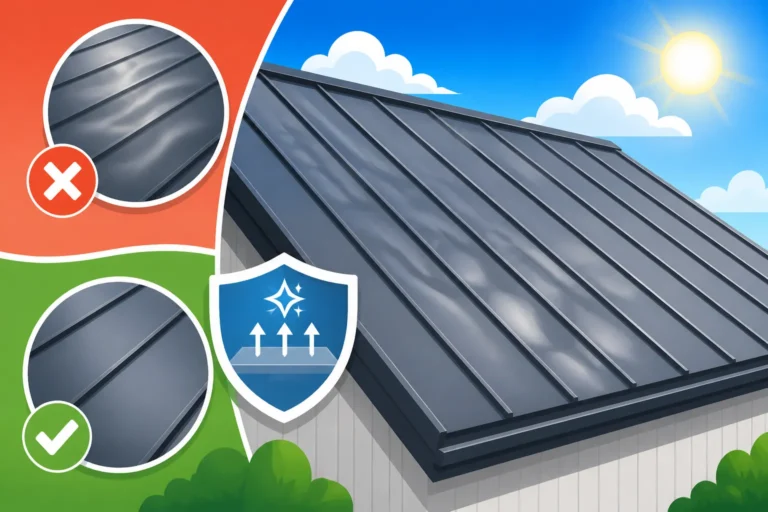
Metal also expands and contracts with temperature fluctuations. This thermal movement needs to be accommodated during installation to prevent buckling (known as oil canning) or loosening of fasteners. With exposed fastener systems, the panels are essentially "locked down" at each screw point, which can restrict movement and place stress on the panels and fasteners over time. While the screws themselves are designed to allow some movement, if not installed correctly, this can lead to issues. Proper installation techniques, including leaving appropriate gaps and using the right fasteners, are crucial to managing this. Our article on the Metal Roof Installation Process: Step by Step offers further insights into how these challenges are typically addressed by professionals.
Ideal Scenarios for a Ribbed Panel Metal Roof
Despite the considerations, a ribbed panel metal roof is an excellent choice for many homes, offering a unique combination of performance, aesthetics, and value. Knowing when it’s the best fit can help you make an informed decision.
Homes with Specific Architectural Styles
If your home leans towards a modern farmhouse, a rustic cabin, an industrial-inspired design, or even certain contemporary builds, a ribbed panel metal roof can be an incredibly fitting and attractive choice. The clean lines and robust appearance of R-panels or the classic V-crimp profile perfectly complement these aesthetics, providing a sense of authenticity and durability. Imagine a dark bronze R-panel roof on a white farmhouse with black trim – it's a classic, striking look that homeowners actively seek out.
Beyond the main house, ribbed panels are often the go-to for accent roofs over porches, detached garages, workshops, or sheds. Their cost-effectiveness and durability make them ideal for these ancillary structures where a premium standing seam might be overkill, but you still want the longevity and performance of metal. It's about finding the right balance between style, budget, and function for each part of your property.
Prioritizing Budget and Performance
For homeowners who are eager to reap the benefits of a metal roof – its incredible lifespan, resistance to severe weather, and energy efficiency – but are working within a more constrained budget, ribbed panels present a compelling solution. They offer many of the core advantages of metal roofing at a lower upfront cost than standing seam systems or premium metal shingles. This allows you to invest in a long-lasting, high-performance roof without breaking the bank.
It's about making a smart, long-term investment. While the initial outlay might be more than asphalt shingles, the extended lifespan and minimal maintenance of a metal roof often lead to a lower cost over the roof's lifetime. When comparing overall value, consider how a metal roof compares to other options over decades, as explored in articles like Metal Roof vs Asphalt Shingle Cost. If your goal is to gain the strength and longevity of metal without the absolute highest price tag, a ribbed panel roof is an outstanding choice that delivers on performance.
Climate Considerations
The climate you live in plays a significant role in roof choice, and ribbed panel metal roofs excel in several challenging environments. For instance, if you live in an area prone to hail, the robust nature of metal panels makes them an excellent defense, often earning them a Class 4 impact resistance rating. This can be a huge relief, especially after witnessing the devastation hail can wreak on less durable roofing materials.
Similarly, in regions experiencing high winds, such as those near the coast or in tornado alleys, a properly installed ribbed metal roof can offer superior protection. Many systems are rated to withstand very high wind speeds, providing a crucial layer of defense against severe storms. You can explore this further in our guide on the Best Metal Roof for High Wind Areas. And if you're battling scorching summers, the reflective properties of metal roofs, particularly lighter-colored panels, can significantly reduce heat absorption, keeping your home cooler and potentially lowering your air conditioning bills. This is a topic we dive deeper into in Best Metal Roof for Hot Climates and Heat Reflection. In essence, a ribbed panel metal roof is a workhorse that performs admirably in a wide range of challenging climates.
Ribbed Panel vs. Other Roofing Options: A Quick Comparison
To help put ribbed panel metal roofs into perspective, here's a quick comparison with some other popular roofing materials.
| Feature | Ribbed Panel Metal Roof | Standing Seam Metal Roof | Asphalt Shingles |
|---|---|---|---|
| Appearance | Industrial/Modern Rustic | Sleek, Contemporary | Traditional, Varied |
| Fasteners | Exposed (visible) | Concealed (hidden) | Concealed (nails) |
| Typical Lifespan | 40-70 years | 50-75 years | 15-30 years |
| Initial Cost (Material + Install) | Mid-range | High | Low |
| Maintenance Needs | Moderate (fastener checks) | Low | Moderate (granule loss, cracking) |
| Wind Resistance | Very Good | Excellent | Good |
| Weather Resistance | Excellent | Excellent | Good |
| Energy Efficiency | Good (reflective coatings) | Excellent (cool roof) | Moderate |
This table highlights why ribbed panels strike a good balance, offering many of the high-performance attributes of metal roofing at a more accessible price point than standing seam, while significantly outperforming asphalt shingles in durability and longevity.
Final Thoughts on Ribbed Panel Metal Roofs
So, is a ribbed panel metal roof good for a house? The resounding answer is yes, absolutely! For the right home and the right homeowner, it's an excellent choice that delivers exceptional durability, long-term cost savings, and impressive energy efficiency. While the aesthetic might not appeal to everyone, and the exposed fasteners introduce a specific maintenance consideration, these factors are often outweighed by the robust performance and value proposition.
Ultimately, the best roof for your home is one that aligns with your budget, architectural style, local climate, and personal preferences. If you appreciate a more rugged or modern aesthetic, prioritize long-term performance over initial cost, and live in an area prone to harsh weather, a ribbed panel metal roof could be the perfect crowning glory for your home. Don't hesitate to gather multiple quotes and consult with experienced roofing professionals who can help you weigh all your options and ensure a proper, lasting installation.
Disclaimer
Please note that this article provides general information and recommendations. Roofing projects can be complex, and local building codes, climate conditions, and individual home specifications can vary widely. Always consult with a qualified, licensed, and insured metal roofing contractor in your area for personalized advice, accurate estimates, and professional installation services. They can provide specific guidance tailored to your unique situation.