What Is a Metal Slate Metal Roof?
The dream of a beautiful, long-lasting roof often comes with images of classic materials like natural slate, but the reality of its weight, cost, and fragile nature can be a significant deterrent for many homeowners. If you've been yearning for that timeless aesthetic without the traditional headaches, you're in the right place. This guide is dedicated to shedding light on metal slate metal roofs, exploring what they are, how they work, and why they might just be the perfect blend of elegance and practicality for your home.
Understanding Metal Slate Roofing
For generations, natural slate has been synonymous with luxury, durability, and a distinctive aesthetic that truly stands the test of time. But let's be honest, the idea of hauling tons of heavy, brittle rock onto your roof can be a bit daunting, not to mention the specialized installation and the hefty price tag. That's where metal slate roofing steps in, offering a clever solution that marries that beloved look with modern performance.
What Exactly is Metal Slate?
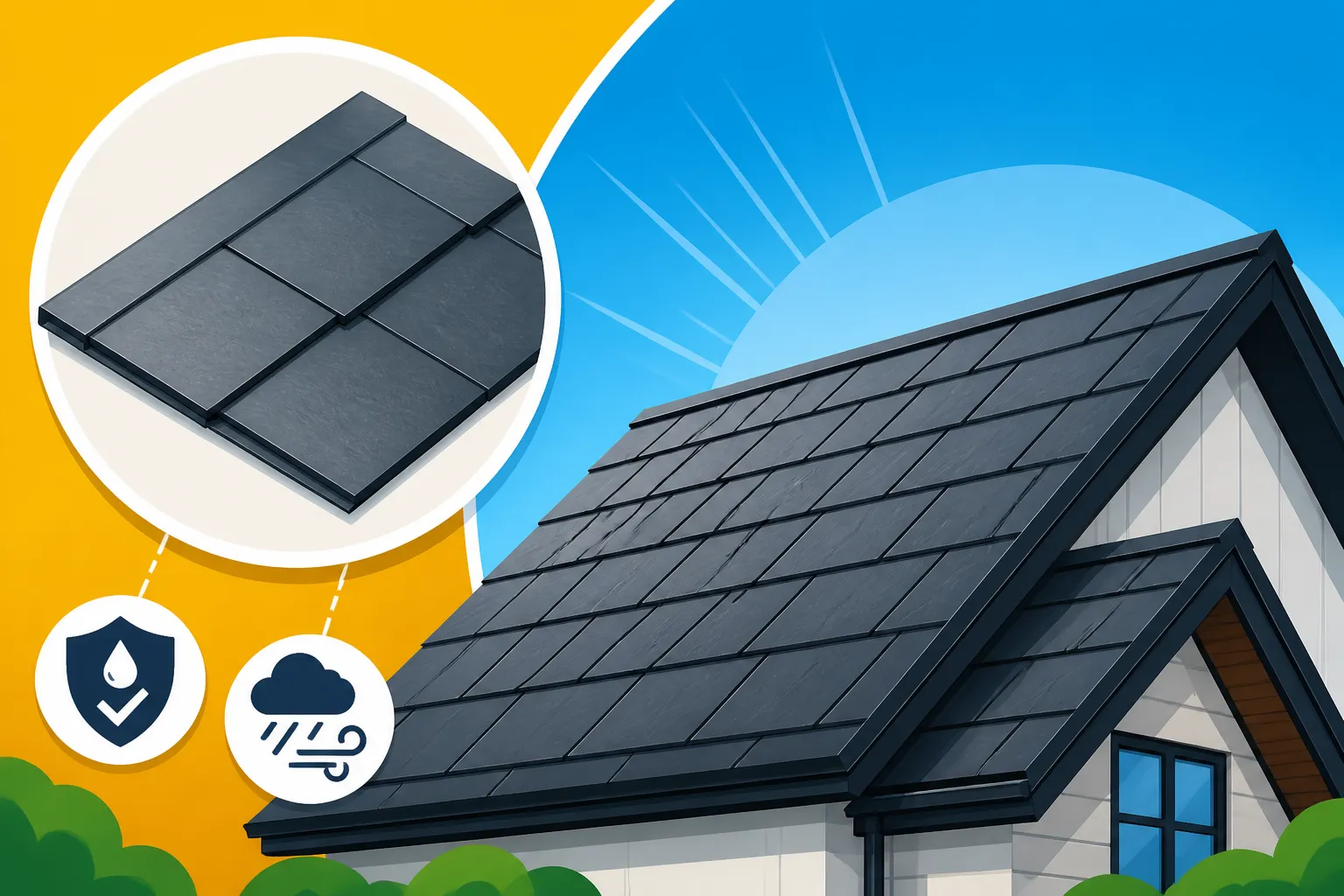
Imagine all the charm and sophisticated texture of natural slate tiles, but instead of quarried stone, they're crafted from robust, lightweight metal. That's the essence of a metal slate roof. These aren't just flat metal sheets; they're meticulously engineered panels, often stamped or formed to perfectly replicate the granular texture, varied edges, and classic sizing of genuine slate shingles. From a distance, and even up close, it can be incredibly difficult to tell the difference, giving you that high-end curb appeal without the inherent drawbacks of traditional slate. It's a fantastic way to capture the essence of a bygone era with 21st-century materials.
The Allure of Natural Slate vs. Metal's Practicality
Traditional natural slate roofing is undeniably stunning. Its unparalleled longevity, fire resistance, and distinct appearance have made it a prized roofing material for centuries, often seen on historic homes and grand estates. However, its major downsides are well-known: it's incredibly heavy, requiring significant structural reinforcement; it's extremely fragile, making installation and maintenance tricky; and it comes with a premium price tag that can be out of reach for many. Furthermore, finding skilled artisans who can properly install and repair natural slate can be a challenge.
Metal slate, on the other hand, provides a compelling alternative. It addresses nearly all of natural slate's practical drawbacks while retaining its visual appeal. You get the desired aesthetic without the monumental weight, the susceptibility to breakage, or the exorbitant cost. This blend of form and function makes it a practical choice for a much wider range of homes and budgets, offering an accessible route to an otherwise aspirational look.
Common Materials and Coatings for Metal Slate
The secret behind metal slate's success lies not just in its clever forming but also in the advanced materials and protective coatings used. The two most common base metals for these systems are steel and aluminum, each bringing its own set of advantages. Steel, often galvanized (coated with zinc) or Galvalume (a mix of zinc and aluminum), is known for its strength and cost-effectiveness. Aluminum, while typically a bit more expensive upfront, offers superior corrosion resistance, making it an excellent choice for coastal areas or regions with high humidity.
Beyond the base metal, the real magic happens with the multi-layer protective coatings. The most premium and durable coatings are often made from Kynar 500 or Hylar 5000 resins, commonly referred to as PVDF (polyvinylidene fluoride) coatings. These offer exceptional fade resistance, chalk resistance, and long-term color retention, ensuring your roof looks vibrant for decades. Other options include SMP (silicone-modified polyester) coatings, which provide a good balance of performance and cost. These coatings are not just about color; they are crucial for protecting the metal from UV degradation, harsh weather, and even minor abrasions, extending the roof's life significantly.
Key Benefits of Choosing a Metal Slate Roof
Opting for a metal slate roof is more than just a stylistic choice; it's an investment in a roofing system that delivers a remarkable array of practical advantages. Homeowners often find themselves weighing the pros and cons of various materials, and metal slate consistently shines through for its robust performance and enduring beauty.
Durability and Longevity That Rivals the Best
One of the most compelling reasons to choose a metal slate roof is its incredible durability and impressive lifespan. Unlike traditional roofing materials that might need replacement every 15-20 years, a properly installed metal slate roof can easily last 40 to 70 years, often outliving the home's original owners. These systems are engineered to withstand extreme weather conditions, including high winds that can tear off asphalt shingles, heavy snow loads, and torrential rain. They are also highly resistant to fire, rot, mildew, and insect infestations, which can plague other roofing types. You might be interested in comparing the Metal Roof vs Shingles Over 30 Years to see the long-term savings. The interlocking panel designs used in many metal slate systems also provide enhanced protection against moisture penetration, offering superior leak prevention compared to conventional shingles.
Consider a home in a hail-prone region like Oklahoma. While severe hail might damage an asphalt shingle roof beyond repair, causing homeowners countless headaches with insurance claims and replacements, a well-made metal slate roof, especially those with Class 4 impact resistance ratings, can often shrug off significant hail, preserving its integrity and appearance. This resilience translates directly into peace of mind and fewer repair hassles over the decades.
Lightweight Design and Installation Advantages
The sheer weight of natural slate is a major hurdle for many homes, often requiring costly structural reinforcements to the roof decking and framing. A single square (100 square feet) of natural slate can weigh anywhere from 800 to 1,500 pounds! In stark contrast, metal slate roofing is incredibly lightweight, typically weighing just 50 to 150 pounds per square. This dramatic reduction in weight means that most existing residential structures can accommodate a metal slate roof without any need for expensive and disruptive structural upgrades.
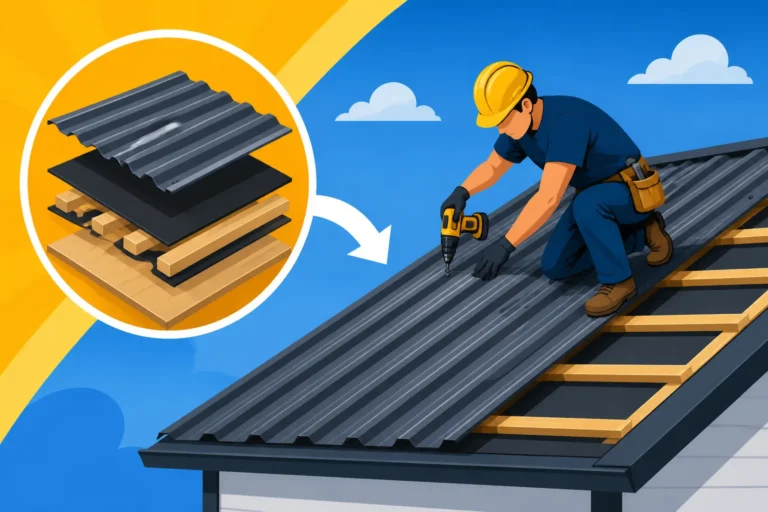
This lightweight nature also streamlines the installation process. Less weight means easier handling for contractors, faster installation times, and reduced labor costs. Furthermore, in many cases, metal slate can even be installed directly over an existing asphalt shingle roof, avoiding the mess and expense of a full tear-off. However, it's always critical to consult with a qualified contractor to ensure your specific roof structure and local building codes allow for a metal-over-shingle installation. Understanding the Cost to Put a Metal Roof Over Existing Shingles can help you plan your project budget.
Energy Efficiency and Eco-Friendliness
In today's world, where energy costs and environmental impact are top concerns, metal slate roofs offer significant advantages. Many metal slate panels are factory-finished with highly reflective "cool roof" coatings, often incorporating pigments that reflect solar radiant heat. This means less heat is absorbed into your attic and home, leading to a cooler interior during warm months and potentially substantial savings on air conditioning bills. In some cases, these roofs can reduce cooling costs by 15-25%.
Beyond energy savings, metal roofing materials are inherently sustainable. Steel and aluminum, the primary metals used, contain a high percentage of recycled content, often 25% or more, and are 100% recyclable at the end of their exceptionally long life. This circularity dramatically reduces waste in landfills compared to asphalt shingles, which contribute millions of tons of waste annually. Choosing a metal slate roof is a conscious step towards a more sustainable home. If you're looking for professional advice on energy efficiency, consider reaching out to a company like Modernize to connect with contractors who specialize in sustainable solutions.
Aesthetic Versatility and Curb Appeal
Homeowners fall in love with metal slate because it delivers on both performance and looks. The manufacturing process allows for incredible detail, mimicking the authentic variations in texture, thickness, and even the subtle imperfections that give natural slate its character. You're not limited to a single "slate gray" either. Modern metal slate systems come in a vast array of colors, from deep charcoal and earthy browns to vibrant greens and subtle reds, all designed to emulate different types of natural stone found across the globe.
The ability to achieve this upscale aesthetic with the practical benefits of metal significantly enhances your home's curb appeal and, by extension, its market value. A metal slate roof can become a standout feature, distinguishing your property in the neighborhood and appealing to future buyers who appreciate both beauty and low maintenance. This enduring beauty, combined with longevity, makes it a wise investment that pays dividends in pride of ownership and potential resale value. Learning about Does a Metal Roof Increase Home Value? can provide more insights into this aspect.
Potential Considerations Before You Invest
While metal slate roofs offer an impressive list of advantages, it's important for any savvy homeowner to look at the full picture. Like any major home improvement, there are factors to consider that go beyond the initial appeal. Understanding these can help you make an informed decision and ensure a smooth project.
Initial Cost vs. Long-Term Value
Let's be upfront: a metal slate roof will almost always have a higher upfront installation cost than a traditional asphalt shingle roof. While it's significantly less expensive than natural slate, it typically falls into the mid-to-high range of roofing materials. This initial investment can be a sticking point for some homeowners. However, it's crucial to view this through a long-term lens. When you factor in the exceptional lifespan of 50+ years, minimal maintenance requirements, potential energy savings, and insurance discounts, the overall "cost per year" often proves to be very competitive, if not superior, to cheaper alternatives that need frequent replacement.
Think about it this way: over a 50-year period, you might replace an asphalt shingle roof two or three times. Each replacement comes with material costs, labor costs, and disposal fees that add up. With a metal slate roof, you make one investment and reap the benefits for half a century or more. For a comprehensive look at the financial aspects, explore Is a Metal Roof Worth It? ROI, Resale & Payback. Sometimes, homeowners utilize financing options to make the upfront cost more manageable, which you can learn more about in Metal Roof Financing Options.
Installation Expertise and Contractor Selection
Installing a metal slate roof is not a job for just any roofer. While the process might be faster than natural slate, it requires specialized skills, tools, and experience with metal roofing systems. The precision involved in forming, sealing, and interlocking the panels is crucial for both aesthetic appeal and watertight performance. An inexperienced installer could lead to issues like oil canning, improper sealing, or panels that don't align correctly, compromising the roof's durability and appearance.
Therefore, selecting the right contractor is paramount. Look for roofers who specialize in metal roofing, have a strong portfolio of completed metal slate projects, and are factory-certified by the specific metal roofing manufacturer whose product you're considering. Don't be afraid to ask for references and check their licensing and insurance. A reputable contractor will be transparent about their experience and provide a detailed quote. Services like Modernize can help you find pre-vetted contractors in your area, simplifying the search for a qualified professional. Ensure you ask Questions to Ask a Metal Roofing Contractor Before You Hire to ensure they are the right fit.
Sound Performance and Maintenance
One common concern homeowners express about metal roofs, including metal slate, is the potential for increased noise during rain or hail storms. While it's a valid concern, modern metal slate roofs are surprisingly quiet. The solid roof deck underneath, combined with insulation and the often multi-layered design of the panels, significantly dampens sound. It's often reported that a properly installed metal roof is no louder, and sometimes even quieter, than an asphalt shingle roof during a typical rain shower. Heavy hail might be more noticeable, but the roof's durability means it can handle such events with ease.
In terms of maintenance, metal slate roofs are wonderfully low-fuss. They don't typically require the granular upkeep of asphalt shingles or the delicate handling of natural slate. Regular inspections (perhaps once a year) to check for debris, clear gutters, and ensure all fasteners are secure are usually sufficient. Any minor repairs, such as addressing a loose panel or a scratched coating, are relatively straightforward for a qualified metal roofing professional. This low maintenance aspect is a huge relief for busy homeowners and contributes significantly to the roof's overall value. For a more detailed guide, check out the Metal Roof Maintenance Guide.
Types of Metal Slate Profiles and Styles
The beauty of metal slate roofing truly lies in its versatility, offering a broad spectrum of profiles and finishes that allow homeowners to achieve almost any architectural vision. It's not a one-size-fits-all product; rather, it's a carefully crafted system designed to meet diverse aesthetic demands.
Different Profiles That Mimic Natural Slate
Manufacturers have gone to great lengths to replicate the varied appearances of natural slate from different regions and historical periods. You'll find metal slate profiles that mimic:
- Traditional Slate: These panels often have a uniform, rectangular shape with clean lines, replicating the classic appearance of finely cut natural slate. They provide a refined, orderly look that suits many architectural styles, from colonial to contemporary.
- Staggered or Varied Length Slate: To create a more rustic or aged appearance, some metal slate profiles feature panels of slightly different lengths or widths, installed in a way that creates a charming, irregular pattern. This look is popular for homes seeking a more organic or historical feel, reminiscent of hand-split slate.
- European or Diamond-Patterned Slate: For a truly unique and sophisticated look, some metal slate options are designed with a more intricate, often diamond or fish-scale pattern. These are less common but offer an exceptionally distinctive aesthetic, drawing inspiration from European roofing traditions.
The engineering behind these profiles ensures that while they mimic the look, they maintain the structural integrity and weather resistance inherent in metal roofing. This attention to detail means you can customize your roof's appearance to perfectly complement your home's architecture, whether it's a cozy cottage or a sprawling modern estate.
Color Options and Finishes
Beyond the physical profile, the color and finish of your metal slate roof play a pivotal role in achieving the desired aesthetic. Modern metal roofing technology allows for an astonishing range of colors, many of which are specifically formulated to replicate the rich, earthy tones of natural stone. You can find shades of deep charcoal, vibrant forest green, warm terracotta, subtle grays, and even variations with multi-tonal effects that further enhance the illusion of natural slate.
The finishes are equally important. Beyond the standard smooth finish, many metal slate panels come with textured coatings that mimic the natural granularity and slight unevenness of real slate. This texture not only adds to the visual authenticity but can also provide an additional layer of protection and durability. High-quality PVDF coatings ensure that these colors remain vibrant and fade-resistant for decades, standing up to harsh UV rays without losing their luster. When selecting a color and finish, it's often wise to view samples in different lighting conditions and consider how the chosen hue will interact with your home's exterior colors, landscaping, and the surrounding environment to ensure a harmonious overall look.
Natural Slate vs. Metal Slate: A Quick Comparison
Choosing a new roof is a significant decision, and understanding the core differences between options can really help. Here’s a quick rundown of how natural slate stacks up against its metal counterpart:
| Feature | Natural Slate | Metal Slate |
|---|---|---|
| Material | Natural stone | Steel or aluminum with advanced coatings |
| Weight | Very heavy (800-1500 lbs/square) | Lightweight (50-150 lbs/square) |
| Longevity | 75-150+ years | 40-70+ years |
| Cost (Installed) | Very High (often $1000-$3000+/square) | High (typically $500-$1000+/square) |
| Durability | Extremely durable, but brittle | Highly durable, flexible, impact-resistant |
| Maintenance | Low, but specialized repair if broken | Very low, minimal upkeep |
| Fire Resistance | Excellent | Excellent (Class A rated) |
| Energy Efficiency | Moderate, heat absorption depends on color | High (cool roof coatings reflect heat) |
| Installation | Very specialized, time-consuming | Specialized, faster, can often go over old roof |
| Structural Needs | Often requires reinforcement | Rarely requires reinforcement |
| Recyclability | Not typically recycled at end of life (landfill) | 100% recyclable at end of life |
Disclaimer
The information provided in this article is intended for general informational purposes only and does not constitute professional advice. Roofing projects are complex and should always be undertaken by qualified and licensed professionals. Costs, materials, and regulations can vary significantly based on location, specific product choices, and contractor fees. Always consult with a certified roofing contractor and local building authorities before making any decisions related to your roof.