Do You Need Furring Strips for a Metal Roof?
The thought of installing a brand-new metal roof on your home is exciting, promising durability, energy efficiency, and a sleek modern look. But then you start delving into the nitty-gritty details of the installation process, and suddenly you hit a snag: furring strips. Do you really need them? Is it just an extra cost, or a critical component? This guide is here to cut through the confusion and give you a clear, empathetic understanding of when furring strips are essential for your metal roofing project, when they might be overkill, and what factors truly matter for a long-lasting, problem-free roof.
Understanding What Furring Strips Are (and Aren't!)
When we talk about roofing, especially metal roofing, there are so many specialized terms flying around that it’s easy to get lost. "Furring strips" is one of those terms that can sound intimidating, but it's actually quite simple. These are not some mystical, high-tech component, but rather a practical, often overlooked, part of a robust roofing system. Understanding their role is key to deciding if they belong on your roof.
The Basic Definition and Purpose
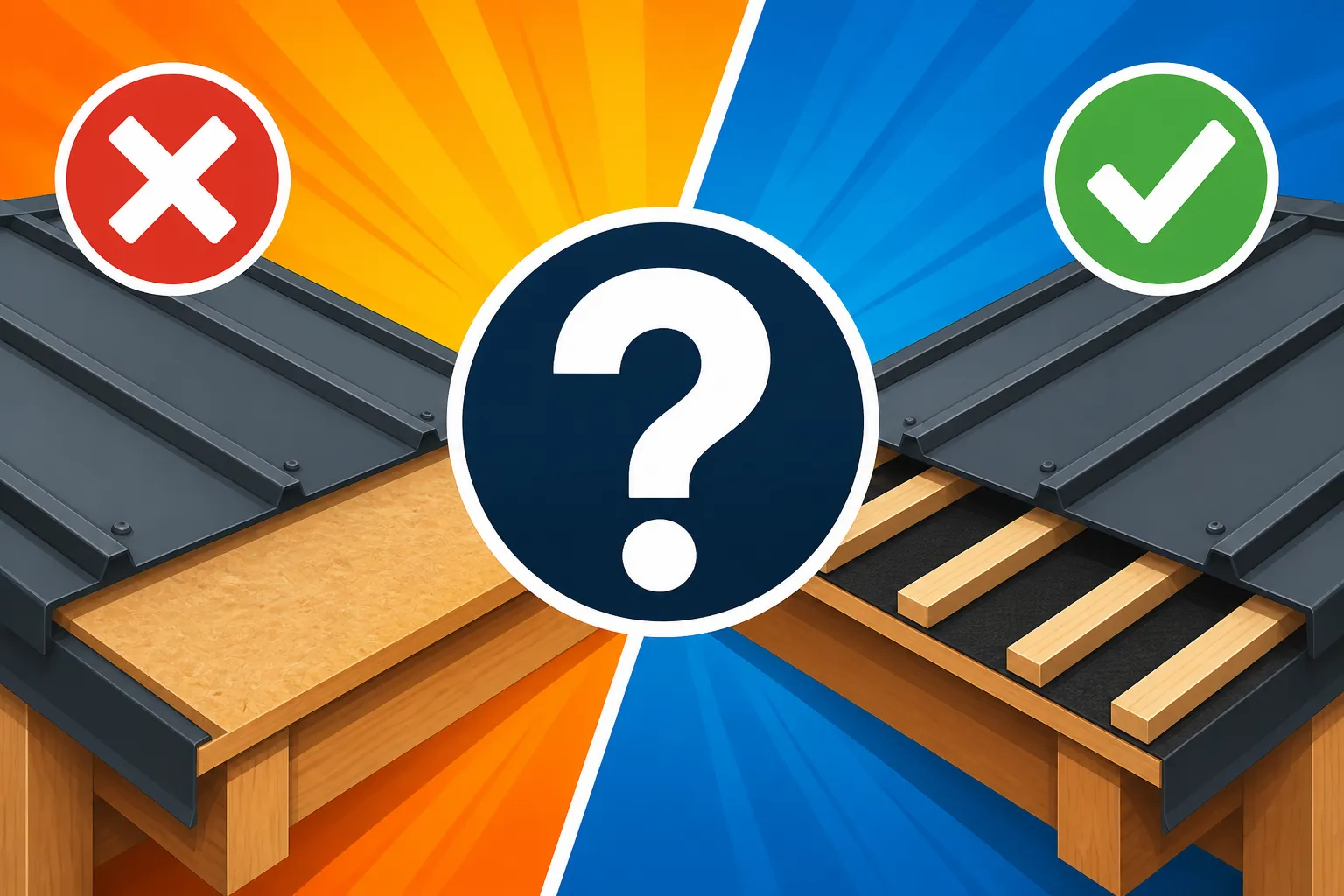
At their core, furring strips are strips of wood (or sometimes metal) that are installed perpendicular to your existing roof deck or even over an old roof. Think of them as a system of raised battens or purlins that create a space between your new metal roofing panels and the substrate beneath. This air gap is crucial for several reasons, primarily promoting ventilation and drainage, and providing a level, consistent surface for the metal panels to attach to. They essentially "fur out" the surface, adding a small amount of height. Without this understanding, it’s easy to dismiss them as unnecessary, but their function can be vital for the health and longevity of your entire roofing system. They act as a foundational layer, ensuring that the expensive metal panels you're about to install have the best possible base.
Common Materials and Types
Furring strips typically come in a few common materials, each with its own advantages. The most prevalent are treated lumber, usually 1x3s or 2x4s, which are cost-effective and readily available. The "treated" aspect is important here, as these strips will be exposed to moisture and temperature fluctuations, making resistance to rot and insects a priority. You might also find metal furring strips, often made from galvanized steel, which offer superior resistance to moisture and pests, and can be particularly advantageous in certain climates or for specific metal panel systems.
The choice of material often depends on the specific requirements of the roof, the local climate, and the type of metal roofing being installed. For instance, a coastal home battling salt air and humidity might benefit more from metal furring strips, while a home in a drier, temperate climate might find treated wood perfectly adequate. The profile of the strip can also vary, from simple rectangular boards to more complex hat channels or Z-bars, designed to interlock or provide specific attachment points for different metal panel types, especially those with hidden fasteners like standing seam systems.
Scenarios Where Furring Strips Become Your Best Friend
While not every metal roof project demands furring strips, there are very specific situations where they move from being a "nice-to-have" to an absolute necessity. Ignoring their benefits in these contexts can lead to costly problems down the road, from moisture issues to an aesthetically unpleasing roof. Let's dive into those crucial scenarios where furring strips truly shine.
Installing Over Existing Shingles (Roof-Over Applications)
One of the most common reasons homeowners consider a metal roof is its ability to be installed directly over existing asphalt shingles. This method, often called a "roof-over" or "re-roof," can save a significant amount on labor and disposal costs associated with tearing off the old roof. However, installing metal panels directly onto shingles without an intermediate layer can create problems. Shingles aren't perfectly flat; they have varying thicknesses and can create an uneven surface. This unevenness can lead to "oil canning" in metal panels, where the flat areas of the metal appear wavy or distorted due to uneven stress.
This is where furring strips become invaluable. When you install furring strips (often 1x4s or 2x4s, depending on the panel type and desired air gap) over the existing shingles, you create a flat, consistent plane for the metal panels. This provides a solid, even substrate for fasteners, preventing the panels from deforming or stressing unevenly. Moreover, the air gap created by the furring strips helps ventilate the space between the old shingles and the new metal roof, which is critical for moisture management. Trapped moisture between the two roof layers can lead to mold, mildew, and premature deterioration of the underlying structure. For a deeper dive into this process, you might want to read about Installing a Metal Roof Over Shingles.
Enhancing Airflow and Ventilation
Ventilation is the unsung hero of a healthy roof system. Proper airflow can dramatically impact the lifespan of your roof, the energy efficiency of your home, and even prevent structural issues like rot. Metal roofs, while durable, still benefit immensely from a well-ventilated system. Furring strips create that vital air gap between the metal panels and the roof deck.
This continuous air channel allows for constant air movement, effectively mitigating moisture buildup from condensation. In warmer climates, this air gap helps dissipate heat that would otherwise transfer into your attic, reducing your cooling costs. The air acts as an insulating layer, keeping your home cooler in summer and warmer in winter. Furthermore, in regions with heavy snowfall, this air gap can help prevent ice dams by keeping the roof deck temperature more consistent, preventing snow from melting and refreezing at the eaves. Essentially, furring strips contribute to a smart, energy-efficient roofing solution by leveraging natural convection. This benefit alone makes them a serious consideration for anyone looking to maximize their roof’s performance and reduce their energy bills. If you’re curious about more ways to optimize your roof’s airflow, exploring a Metal Roof Underlayment and Ventilation Guide could offer further insights.
Creating a Level Substrate for Optimal Installation
Let's be real, very few existing roofs are perfectly flat and plumb. Over years of weather exposure, settling, and perhaps less-than-perfect initial construction, your roof deck can develop undulations, dips, and humps. Even new construction can have minor imperfections. When you're installing precise, rigid metal panels, these imperfections become glaringly obvious and can severely compromise the aesthetic and structural integrity of your new roof. A crooked panel isn't just an eyesore; it can create points of stress, make fasteners more likely to fail, and even compromise watertight seals.
Furring strips offer a brilliant solution to this challenge. By strategically shimming or installing furring strips, a skilled installer can effectively "level" the roof surface, creating a perfectly flat and consistent plane. This is especially important for standing seam metal roofs, where the clean lines and precise seams are a major part of their appeal. A level substrate ensures that each panel lays flat, that all seams align perfectly, and that the entire system functions as intended, providing maximum weather resistance and a flawless appearance. This meticulous preparation during the Metal Roof Installation Process: Step by Step is what separates a good metal roof from a great one.
When You Might Not Need Furring Strips
While furring strips offer significant advantages in many scenarios, it's equally important to understand that they aren't always a required component for a metal roof installation. Sometimes, adding them can be an unnecessary expense or even introduce complications if not truly needed. Knowing when to skip them can save you time, money, and simplify the project.
Direct-to-Deck Installation on New Construction
For homes undergoing new construction, or older homes receiving a full roof deck replacement, the situation is often different. In these cases, you’re usually working with a brand-new, freshly installed roof deck, typically made of plywood or OSB sheathing. If this deck is properly installed, it should be uniformly flat, level, and free from the imperfections that often plague older roof substrates.
When the substrate is already perfect, the primary need for furring strips – creating a level surface – is diminished. In such instances, metal roofing panels can often be installed directly onto the underlayment, which is applied directly to the deck. This method is simpler, faster, and saves on the cost of materials and labor for the furring strips themselves. It still requires a high-quality underlayment, which acts as a secondary barrier against moisture and helps protect the roof deck. However, even in new construction, some contractors might still opt for a minimal furring system, especially with certain panel types or for enhanced ventilation benefits, which we discussed earlier. It truly comes down to the specific project, the climate, and the type of metal roof chosen.
The Importance of a Solid and Even Substrate
The fundamental principle behind deciding on furring strips is the quality of your existing roof substrate. If you have a solid, structurally sound, and consistently even roof deck, whether it's new plywood, an existing layer of rigid insulation, or even a properly prepared concrete slab, then furring strips might not be necessary. The key phrase here is "consistently even."
This means there are no significant dips, humps, or structural movements that could cause the metal panels to warp or stress. A thorough inspection by a qualified roofing professional is crucial to make this determination. They’ll assess the deck for water damage, rot, sagging, and fastener holding power. If the existing substrate can provide a perfectly flat plane for the metal panels and doesn't trap moisture, a direct attachment (over a high-quality underlayment, of course) can be a perfectly viable and cost-effective option. However, if there's any doubt about the evenness or structural integrity, err on the side of caution. An uneven substrate will directly impact the aesthetic appeal and long-term performance of your metal roof.
The Advantages and Disadvantages of Using Furring Strips
Like almost every decision in home renovation, there are trade-offs to consider when it comes to furring strips. While they can offer substantial benefits, they also come with their own set of considerations, primarily revolving around cost and labor. Understanding both sides of the coin will help you make an informed decision for your specific project and budget.
Benefits: Longevity, Energy Efficiency, Sound Dampening
The upsides of incorporating furring strips into your metal roofing system are quite compelling, especially when looking at the long-term performance and comfort of your home.
Firstly, they can significantly contribute to the longevity of your entire roof system. By creating that crucial air gap, furring strips allow for continuous airflow beneath the metal panels. This helps prevent condensation from forming on the underside of the metal, which, over time, can lead to corrosion on less protected materials and moisture damage to the underlying roof deck. It also isolates the metal from the heat and moisture fluctuations of the attic, protecting the roofing components and the structure itself. This enhanced ventilation helps extend the life of both your new metal roof and any existing materials underneath it.
Secondly, furring strips can lead to noticeable improvements in energy efficiency. The air gap acts as an additional layer of insulation. In warmer months, it helps to block radiant heat transfer from the hot metal panels to the attic space below, reducing the load on your air conditioning system. In colder months, it can help retain heat, though its primary benefit is usually in cooling. This passive ventilation and thermal break can translate into real savings on your utility bills over the decades that a metal roof is expected to last. Many homeowners find that the initial investment pays off through these long-term savings.
Finally, while metal roofs are generally quiet when properly installed, some homeowners express concerns about noise during heavy rain or hail. Furring strips can offer a subtle but effective degree of sound dampening. The air gap created by the strips, along with the resilient wood or metal material, helps to decouple the metal panels from the roof deck. This separation can reduce the transmission of impact noise into the living space, making heavy downpours a little less jarring. While it's not a complete soundproofing solution, it certainly contributes to a quieter interior, adding to the overall comfort of your home.
Drawbacks: Cost, Labor, Added Height
Of course, nothing is without its downsides, and furring strips are no exception. The primary concerns usually revolve around the added expense and complexity they introduce to a metal roofing project.
The most immediate drawback is the increased cost. You're adding another layer of material to your roof, and furring strips aren't free. The price of treated lumber or galvanized metal strips will add to your overall material budget. Furthermore, there's the cost associated with the additional fasteners needed to secure these strips to the existing roof and then to secure the metal panels to the strips. While not astronomical, these costs can add up, especially on larger roofs. When estimating your Metal Roof Cost: Complete 2026 Guide, you need to factor in these extra materials.
Beyond material costs, there's the significant factor of added labor. Installing furring strips is an extra step in the roofing process. Each strip needs to be measured, cut, aligned, and securely fastened. This takes time, and time equals labor costs. Depending on the complexity of your roof (multiple angles, dormers, valleys), the labor involved can increase significantly. A good contractor will factor this into their quote, but it's important for you, the homeowner, to understand why their quote might be higher if they recommend furring strips. It’s not just a quick add-on; it’s a dedicated stage of the installation.
Lastly, furring strips add extra height to your roof profile. While usually only an inch or two, this can sometimes be a consideration, particularly if your home is in a community with strict HOA rules regarding roof height or aesthetic changes. While a couple of inches might seem negligible, it can impact the precise fit of fascia boards, gutters, and other roof edge details, potentially requiring adjustments or custom work in those areas. This can further complicate the installation and add to costs. Before committing to furring strips, it’s always wise to consider these aesthetic and practical implications for your specific home.
Practicalities of Installing Furring Strips for Metal Roofing
Deciding to use furring strips is one thing; understanding how they're properly installed is another. The success of this extra layer hinges on meticulous attention to detail. Improper installation can negate all the potential benefits and even create new problems. This is where the expertise of your metal roofing contractor truly comes into play.
Proper Spacing and Alignment
The effectiveness of furring strips, particularly for ventilation and providing a true plane, relies heavily on their proper spacing and alignment. Typically, furring strips are installed vertically, running from the eaves to the ridge of the roof. This vertical orientation is crucial because it aligns with the natural flow of water and air. When they run vertically, any moisture that gets between the metal panels and the underlayment can drain down and off the roof. More importantly, it creates continuous channels for air to flow from the eaves (intake vents) up to the ridge (exhaust vents), driving that essential ventilation.
The spacing of these strips is equally important. They must be spaced appropriately to support the specific metal roofing panels you're installing. For instance, most residential metal panels require support every 12 to 24 inches on center, sometimes closer, depending on the panel profile and gauge. If the strips are too far apart, the metal panels might flex or develop oil canning between supports. If they are too close, it’s an unnecessary expense and doesn’t add significant benefit.
Achieving perfect alignment is also key. Each strip must be installed straight and parallel to its neighbors, creating a consistent grid across the entire roof surface. This ensures that the metal panels lay flat and that all fasteners engage securely. Professional installers often use laser levels and chalk lines to ensure precision, shimming as necessary to correct any existing dips or humps in the original roof deck. This methodical approach is critical for the long-term performance and visual appeal of your metal roof.
Fastening Techniques and Considerations
Just as important as spacing and alignment is the way the furring strips themselves are attached to the roof. The fastening techniques must be robust enough to withstand high winds, thermal expansion and contraction, and the weight of the metal roof panels. Standard roofing nails or screws are typically used, but the length and type of fastener are critical. They need to penetrate through the furring strip, any existing roofing material (like shingles), and deep into the structural decking or rafters to provide a secure hold.
If you’re installing over existing shingles, the fasteners for the furring strips must be long enough to go through the shingles, the old underlayment, and into the solid wood deck beneath. This prevents the strips from loosening or shifting over time. Using corrosion-resistant fasteners, such as galvanized or stainless steel screws, is also highly recommended, especially since they will be in a potentially moist environment within that air gap.
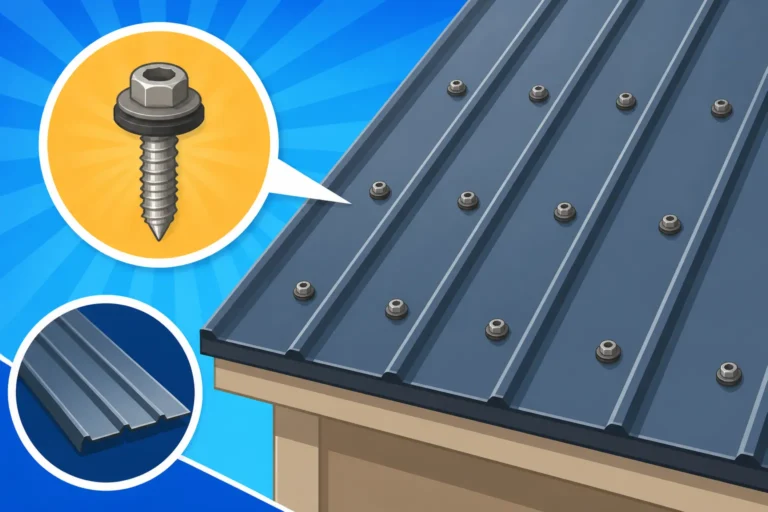
The type of metal roofing panel you choose also influences how the furring strips are used for fastening. For exposed fastener systems, the furring strips provide the direct attachment point for the screws that go through the metal panels. For hidden fastener systems, like standing seam, the clips that hold the panels in place are secured directly to the furring strips. This creates an extremely secure system, as the furring strips essentially become part of the new roof’s structural foundation. Proper fastening at this stage is non-negotiable for the safety, durability, and warranty compliance of your metal roof. Neglecting proper fastening here could lead to premature failure and costly repairs.
Alternatives to Furring Strips and Key Installation Best Practices
While furring strips offer a fantastic solution in many situations, they are not the only way to achieve a high-quality metal roof installation. There are alternative approaches, and regardless of the method chosen, certain best practices are universally important for ensuring your metal roof lasts for decades.
Synthetic Underlayments and Battens
One common alternative or complementary component to furring strips is a high-quality synthetic underlayment. Modern synthetic underlayments are a far cry from the old asphalt felt paper. They are typically made from woven polypropylene or polyester, are highly resistant to tearing, water, and UV degradation, and can contribute to a smoother surface for the metal panels. When installed directly over a clean, even roof deck, a premium synthetic underlayment can provide an excellent separation layer and secondary water barrier without the added height of furring strips. For more details, explore Do You Need Underlayment Under a Metal Roof.
In some cases, particularly with certain exposed fastener metal panel systems, installers might use metal battens or "hat channels" instead of wood furring strips. These metal battens offer similar benefits to wood furring strips, such as creating an air gap and a level substrate, but they are completely impervious to rot and insects. They can be particularly useful in very damp climates or for commercial applications where longevity and minimal maintenance are paramount. However, metal battens can be more expensive than treated wood and may require specialized fasteners and installation techniques.
Sometimes, for ventilation, particularly in regions prone to extreme heat, an enhanced insulation system might be used in conjunction with a direct-to-deck metal roof. This could involve rigid insulation boards installed directly over the deck, followed by the underlayment and metal panels. While not creating the same kind of ventilated air gap as furring strips, this approach focuses on reducing heat transfer through a different thermal barrier. The choice between these alternatives largely depends on your specific climate, roof type, and budget.
General Tips for a Durable Metal Roof
Regardless of whether you use furring strips, some overarching best practices are crucial for the overall success and longevity of your metal roof.
First and foremost, always prioritize quality materials. This isn't just about the metal panels themselves, but also the underlayment, fasteners, sealants, and any flashing. Cutting corners on these components is a false economy and can lead to premature failures. Look for materials with appropriate wind, fire, and impact ratings for your region. Choosing the right metal roofing material, whether it's steel, aluminum, copper, or zinc, is also a critical decision, as detailed in Metal Roof Cost by Material: Steel vs Aluminum vs Copper vs Zinc.
Secondly, hire a reputable, experienced contractor. Metal roof installation is a specialized skill. An inexperienced crew can make mistakes that compromise the roof's integrity, lead to leaks, or cause aesthetic issues like oil canning, which you can learn more about in How to Prevent Oil Canning on a Metal Roof. Look for contractors who specialize in metal roofing and have a strong track record. Ask for references and check their licensing and insurance. A knowledgeable contractor will guide you on whether furring strips are necessary for your specific project. If you're wondering How to Hire a Metal Roofing Contractor, there are plenty of resources to help you vet potential candidates.
Finally, don't neglect proper roof ventilation for your entire attic system. Even with an air gap created by furring strips, your attic needs to breathe. Ensure you have adequate intake vents (at the eaves) and exhaust vents (at the ridge or gables) to allow hot, moist air to escape. This works in conjunction with any air gap under your metal roof to create a comprehensively healthy and energy-efficient roofing system. A well-ventilated attic combined with a properly installed metal roof will contribute significantly to your home's comfort, energy savings, and the impressive Metal Roof Lifespan: How Long Do They Last?.
Making informed decisions at every stage of your metal roofing project, from the initial planning to the final installation details, will ensure you enjoy the benefits of this exceptional roofing material for many decades to come. Don't hesitate to ask your potential contractors detailed questions, and if you're looking for guidance to connect with trusted professionals, services like Modernize can help streamline that process.
Disclaimer
Please remember that roofing is a complex field that requires professional expertise. The information provided in this article is for general informational purposes only and does not constitute professional advice. Always consult with a qualified and licensed roofing contractor or building professional before making any decisions related to your roof or home. Building codes and best practices can vary significantly by location and specific project requirements.