Metal Roof Cost for a 1,000 Sq Ft House
Figuring out the exact cost of a new metal roof for your 1,000 sq ft home can feel like trying to hit a moving target. You're likely seeing a huge range of numbers online and wondering what applies to your specific situation and cozy home. This guide is here to cut through the noise, validate those frustrations, and give you a realistic breakdown of what you can expect to pay for a metal roof on a smaller footprint, covering everything from materials and labor to those sneaky hidden costs.
Understanding the Baseline Costs for a 1,000 Sq Ft Metal Roof
When you're considering a metal roof for a 1,000 sq ft house, it's easy to assume it'll be a straightforward, low-cost affair because of the smaller size. While it's true that a smaller roof means less material and generally less labor, the per square foot costs still apply, and a lot of variables come into play. It's not just a simple multiplication sum of area times a generic price. We're talking about a significant home improvement, and getting a clear picture of the baseline costs is step number one.
Average Material Costs Per Square Foot
The material you choose is often the biggest driver of your overall metal roof cost. For a 1,000 sq ft roof, your material choices can lead to wildly different final figures. Let's break down some of the most common options homeowners lean towards:
- Steel (Galvanized/Galvalume): This is probably the most popular and budget-friendly option for many homeowners. Galvanized steel has a zinc coating, while Galvalume uses a mix of zinc and aluminum, offering superior corrosion resistance. For a 1,000 sq ft house, installed costs for steel roofing typically fall between $8,000 and $18,000. This wide range accounts for differences in panel types (like corrugated or R-panel versus standing seam), gauge thickness, and specific coatings. You might find corrugated panels on the lower end, while a premium standing seam steel roof would push towards the higher end of that spectrum.
- Aluminum: If you live in a coastal area or a region prone to salt spray, aluminum is often recommended because it naturally resists rust and corrosion without needing special coatings. It's lighter than steel, which can sometimes reduce labor costs slightly, but the material itself is generally more expensive. For a 1,000 sq ft home, an aluminum metal roof could range from $12,000 to $25,000 installed. Think about it as paying a bit more upfront for that unparalleled corrosion resistance, which is a huge peace of mind if you're battling the elements near the ocean.
- Copper and Zinc: Now, these are the luxury materials in the metal roofing world. They offer incredible longevity, a distinct aesthetic that develops a beautiful patina over time, and a serious boost to curb appeal. However, their cost reflects that premium quality. For a 1,000 sq ft roof, a copper installation could set you back anywhere from $30,000 to $60,000 or even more, with zinc coming in a similar, albeit slightly lower, range. These materials are often chosen for historic homes or homeowners seeking a truly unique, heirloom-quality roof. When you look at the Copper Roof Cost, you'll see why it's considered a long-term investment.
Average Labor Costs for Installation
Ah, labor. This is where things can get particularly tricky to pin down, as it varies significantly based on your location, the complexity of your roof, and the specific contractor you choose. On average, metal roof installation labor can run anywhere from $4 to $9 per square foot. So, for a 1,000 sq ft house, you're looking at roughly $4,000 to $9,000 just for the hands-on work.
- Geographical Differences: A contractor in, say, Los Angeles or Miami will likely charge more per hour or per square foot than one in a more rural part of the country. This isn't just about higher wages; it reflects the higher cost of living and doing business in those areas.
- Roof Complexity: A simple gable roof on a ranch house is much easier and quicker to install than a roof with multiple dormers, valleys, or a steep pitch. Each cut, each bend, and each flashing detail adds time and skill requirements, which translates directly to higher labor costs.
- Contractor Experience: Reputable, experienced metal roofing contractors, especially those specializing in standing seam or other intricate systems, often command higher rates. However, paying for expertise here is crucial. A poorly installed metal roof, even with the best materials, can lead to leaks and headaches down the line. You can learn more about how to vet these professionals in our guide on How to Hire a Metal Roofing Contractor.
The "Hidden" Costs You Need to Budget For
Just like buying a new car, the sticker price of the materials isn't the final price. There are several other components that are absolutely essential for a proper, long-lasting metal roof installation, and they all add to your total Metal Roof Cost. Skipping these details in your budget is a common mistake that can lead to unwelcome surprises.
- Old Roof Tear-Off and Disposal: Unless you're installing your metal roof directly over existing shingles (which isn't always recommended, and you should check out our guide on Installing a Metal Roof Over Shingles), your old roof needs to come off. This involves labor for removal and fees for disposal at a landfill. For a 1,000 sq ft roof, this can add anywhere from $1,000 to $3,000, depending on the number of existing layers and local disposal rates.
- Underlayment: This vital layer goes between your roof deck and the metal panels. It provides an extra barrier against moisture and helps protect your home. High-quality synthetic underlayment, which is often preferred for metal roofs, can add $0.50 to $1.50 per square foot. So, for 1,000 sq ft, that's an additional $500 to $1,500. This isn't a place to cut corners, as a good underlayment is crucial for preventing leaks. Our Metal Roof Underlayment and Ventilation Guide delves deeper into why this is so important.
- Flashing and Trim: These are the unsung heroes of a leak-proof roof. Flashing is used around chimneys, skylights, vents, and valleys to prevent water intrusion. Trim pieces finish the edges and eaves, giving the roof a clean, professional look and protecting vulnerable areas. These components are typically included in the overall quote but represent a significant material and labor cost, often several hundred to a few thousand dollars depending on the roof's features.
- Permits and Inspections: You absolutely need a permit for a new roof installation in most areas. This isn't just a formality; it ensures your new roof meets local building codes and safety standards. Permit costs vary widely by municipality, usually ranging from $150 to $500, but can be higher in some metropolitan areas. Plus, there will be inspections at various stages of the project to ensure everything is up to code. It's always a good idea to clarify "Who Pulls the Permit: Contractor or Homeowner?".
Here's a quick overview of potential costs for a 1,000 sq ft metal roof, showcasing the wide range:
| Component | Low-End Estimate (1,000 sq ft) | High-End Estimate (1,000 sq ft) |
|---|---|---|
| Steel Material (Installed) | $8,000 | $18,000 |
| Aluminum Material (Installed) | $12,000 | $25,000 |
| Copper Material (Installed) | $30,000 | $60,000+ |
| Labor (Overall) | $4,000 | $9,000 |
| Tear-Off & Disposal | $1,000 | $3,000 |
| Underlayment | $500 | $1,500 |
| Permits & Inspections | $150 | $500 |
| Total (Example Steel) | $13,650 | $32,000 |
| Total (Example Aluminum) | $17,650 | $39,500 |
| Total (Example Copper) | $35,650 | $74,500+ |
Note: These are general estimates. Actual costs will vary based on your specific location, chosen materials, contractor, and roof complexity.
Factors That Significantly Influence Your Total Metal Roof Investment
It’s easy to get caught up in just the material price per square foot, but as we’ve seen, that’s only one piece of the puzzle. For your 1,000 sq ft home, several other factors can really swing the final price tag. Understanding these will help you make more informed decisions and budget more accurately.
Choosing Your Metal Roofing Material and Profile
We touched on the basic material types earlier, but let's dig a little deeper into how the profile or style of metal roofing can impact cost, even for the same base material like steel or aluminum.
- Standing Seam Metal Roof: This is often considered the gold standard for residential metal roofing. It features panels with raised, interlocked seams that run vertically up the roof, effectively hiding fasteners and creating a sleek, modern look. The installation is more specialized and labor-intensive, leading to a higher cost. For a 1,000 sq ft home, a standing seam roof could easily be on the higher end of the steel or aluminum price ranges mentioned, often starting around $10-$15 per square foot installed. Homeowners often ask, "Is a Standing Seam Roof Worth the Extra Cost?" due to its superior durability and aesthetic.
- Corrugated Metal Roof (Exposed Fastener): These are the classic wavy panels you often see on barns or commercial buildings, but they're gaining popularity for residential use, especially for a more rustic or industrial aesthetic. They're typically much more affordable because they use exposed fasteners (screws with rubber washers) that go directly through the panel into the roof deck. Installation is quicker and less specialized. For a 1,000 sq ft home, a corrugated metal roof could be as low as $6-$10 per square foot installed. If you're looking for a more budget-friendly option, exploring the Corrugated Metal Roof Cost is a good start.
- Metal Shingles, Shakes, or Tiles: These panels are designed to mimic the look of traditional asphalt shingles, wood shakes, or clay tiles, but with the durability of metal. They are typically made from stamped steel or aluminum and can be quite beautiful. However, the manufacturing process is more complex, and installation can be more intricate than simple corrugated panels. This often puts them in a mid-to-high price range, sometimes comparable to standing seam, for a 1,000 sq ft home. If you're interested in aesthetics, you might want to learn more about a Stone-Coated Steel Roof Cost.
- Gauge Thickness: This refers to the thickness of the metal. Lower gauge numbers mean thicker, stronger, and typically more expensive metal. For residential use, you'll commonly see 29-gauge (thinnest), 26-gauge, and 24-gauge (thickest for homes). While 29-gauge might save you a little upfront, 24 or 26 gauge offers better dent resistance and longevity, especially in areas prone to hail or heavy snow. This choice directly affects the Metal Roof Cost: Gauge, Pitch, Complexity & Tear-Off.
Roof Complexity and Pitch
Your roof's geometry plays a huge role in installation difficulty and, therefore, cost. For a 1,000 sq ft roof, a simple, low-pitch rectangular roof will be significantly cheaper to install than a complex roof of the same square footage with multiple features.
- Pitch (Steepness): A steeper roof requires more safety equipment, more labor-intensive material handling, and often slower progress for the crew. Imagine trying to work on a 12/12 pitch (a very steep roof) versus a 4/12 pitch (a gentle slope). The steeper it is, the higher the labor cost. Many contractors will add surcharges for roofs above a certain pitch.
- Cut-ups and Valleys: Every dormer, every skylight, every chimney, and every valley or hip in your roof adds complexity. These areas require meticulous cutting, bending, and flashing of metal panels to ensure a watertight seal. More "cut-ups" mean more labor, more specialized skills, and potentially more material waste, all contributing to a higher overall cost for your Metal Roof Trim and Flashing Cost. A simple 1,000 sq ft ranch home with a basic gable roof will be much cheaper than a 1,000 sq ft Victorian home with turrets and multiple roof planes.
Geographical Location and Local Market Rates
As with almost any home improvement project, where you live significantly impacts the cost. Labor rates, material availability, local regulations, and even the general economic climate in your city or state will influence your metal roof quote for a 1,000 sq ft house.
- Higher Cost of Living Areas: Cities with a high cost of living, like many in California or parts of Florida, will naturally have higher labor costs. Everything from fuel to insurance for contractors is more expensive, and those costs are passed on to the consumer. For example, getting a metal roof in Los Angeles will likely cost more than in a small town in Oklahoma.
- Local Material Suppliers: If metal roofing materials need to be transported long distances, that will add to the freight costs. A region with multiple local metal roofing manufacturers or suppliers might see slightly more competitive material pricing.
- Demand: In areas where metal roofing is highly popular or frequently chosen due to weather (like hail-prone regions or hurricane zones), there might be more competition among installers, potentially leading to more competitive bids. Conversely, if there are very few specialized metal roofing contractors, their prices might be higher due to limited supply and high demand. It's always a good idea to get multiple Metal Roof Quotes to compare.
Breaking Down the ROI: Is a Metal Roof Worth the Upfront Cost?
Looking at the numbers for a 1,000 sq ft metal roof can feel daunting, especially compared to the seemingly lower upfront cost of traditional asphalt shingles. However, it's crucial to look beyond that initial investment and consider the long-term return on investment (ROI). For many homeowners, a metal roof isn't just an expense; it's a smart financial decision that pays dividends over time.
Long-Term Savings and Durability
One of the biggest arguments for metal roofing is its incredible longevity and low maintenance requirements. This translates directly into significant long-term savings for you.
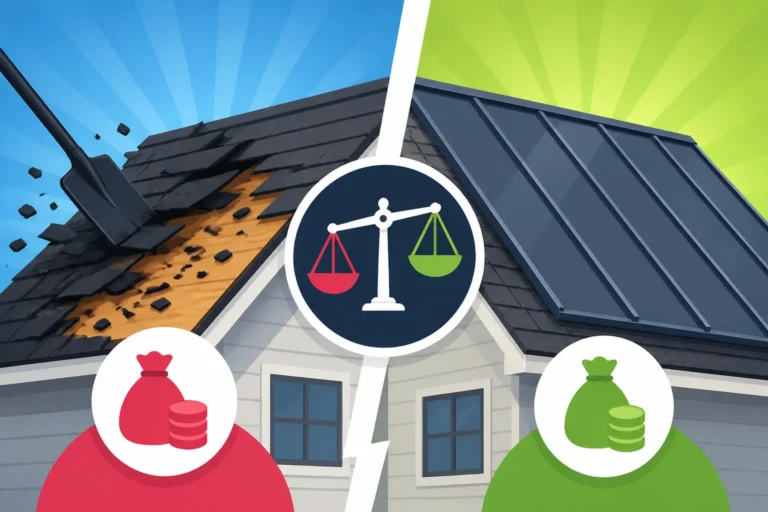
- Lifespan: Metal roofs are renowned for their durability, often lasting 40 to 70 years, and some even longer, like copper roofs which can exceed 100 years. Compare that to asphalt shingles, which typically need replacement every 15-30 years. Over the lifespan of your home, you might replace an asphalt roof two or even three times, while your metal roof keeps performing. This single factor often makes a metal roof cheaper in the long run. We explore this in depth in our guide, "Metal Roof vs Asphalt Shingle Cost".
- Energy Efficiency: Many modern metal roofs, especially those with reflective coatings (like ENERGY STAR rated options), can reflect a significant amount of solar radiant heat. This reduces heat gain in your attic and, consequently, inside your home, leading to lower air conditioning bills in hot climates. In cooler climates, metal roofs can also be designed with insulation to improve overall thermal performance. For a 1,000 sq ft home, these energy savings, while perhaps small on a monthly basis, add up year after year.
- Lower Maintenance: Metal roofs require very little maintenance compared to other roofing materials. They don't absorb water, they resist moss and algae growth, and they're less susceptible to damage from pests. While occasional inspections and clearing of debris are good practice, you won't be dealing with crumbling shingles or constant repairs. This reduces your ongoing costs and frees up your time, something that our Metal Roof Maintenance Guide often highlights.
Potential Increase in Home Value
Beyond the direct savings, a metal roof can also be a significant asset when it comes time to sell your home.
- Curb Appeal and Modernity: Metal roofs, particularly standing seam, offer a clean, contemporary aesthetic that can significantly boost your home's curb appeal. Even metal shingles or tiles that mimic traditional materials provide an upscale look and feel. This visual appeal can make your 1,000 sq ft house stand out in a competitive real estate market.
- Durability as a Selling Point: Homebuyers are increasingly educated and appreciate low-maintenance, long-lasting features. A new metal roof with a 40-year plus lifespan is a huge selling point, as it tells prospective buyers that they won't have to worry about a major roof replacement expense for decades. This can often be factored into the selling price.
- Insurance Discounts: In many regions, especially those prone to severe weather like hail or hurricanes, a metal roof can qualify you for homeowners insurance discounts due to its superior resistance to impact, wind, and fire. These savings, which can be hundreds of dollars a year, are appealing to potential buyers and can contribute to a faster sale at a higher price. Our article on Metal Roof Insurance Savings & Discounts has more details. The question, "Does a Metal Roof Increase Home Value?", is often answered with a resounding yes due to these combined benefits.
Ultimately, while the initial Metal Roof Cost for a 1,000 Sq Ft House might seem high compared to other options, the combination of extended lifespan, energy savings, low maintenance, and increased home value often makes it a very wise long-term investment.
Disclaimer
Please remember that all cost estimates provided in this article are generalized and intended for informational purposes only. Actual costs for your metal roofing project can vary significantly based on your specific location, chosen materials, roof complexity, contractor rates, and market conditions. We strongly recommend obtaining multiple detailed quotes from local, reputable metal roofing contractors to get the most accurate pricing for your unique situation.