Standing Seam vs Corrugated Metal Roof
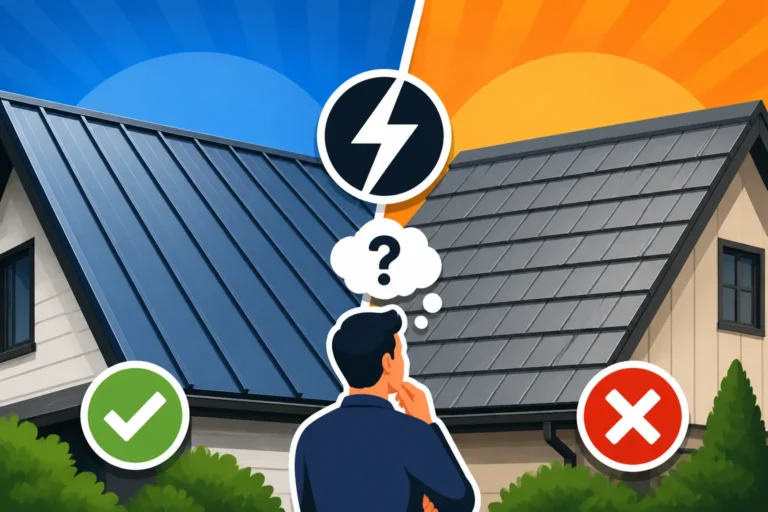
Deciding on a new roof is one of the biggest home improvement decisions you'll make, and it's easy to feel overwhelmed by all the choices out there. You've heard amazing things about metal roofing – its durability, its longevity – but then you dive into the specifics, and suddenly you're faced with terms like "standing seam" and "corrugated," and it all starts to sound like a foreign language. Don't worry, you're not alone in feeling this way! This comprehensive guide is here to demystify the differences between standing seam and corrugated metal roofs, breaking down their pros, cons, costs, and aesthetics so you can confidently choose the best option for your home.
Understanding Standing Seam Metal Roofs
When you hear "metal roof," many people automatically picture the rustic barn-style panels, but standing seam is an entirely different beast. It's the sophisticated, often high-end choice that brings a sleek, modern look to residential and commercial buildings alike.
What Exactly is Standing Seam?
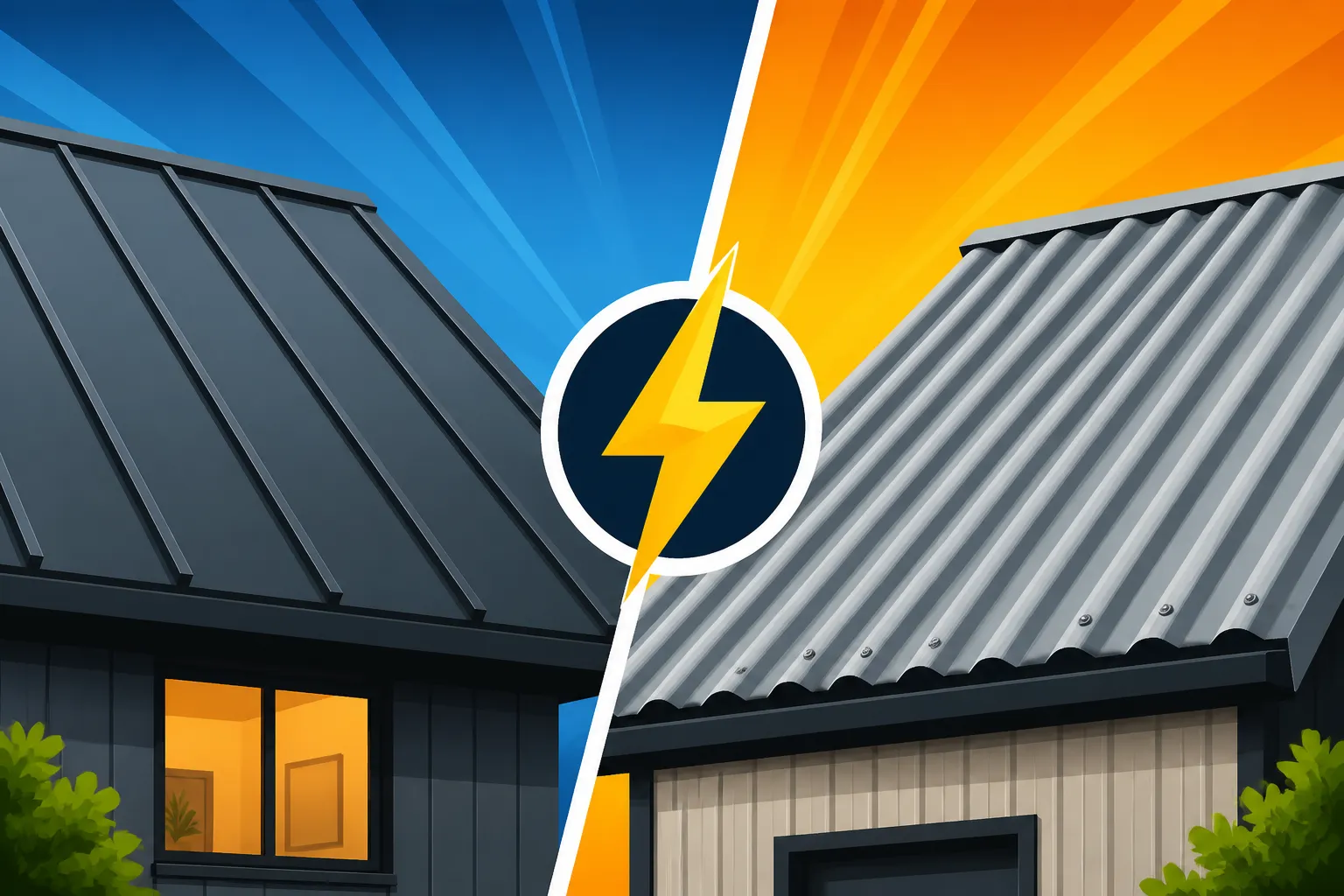
A standing seam metal roof is characterized by its distinct, raised seams that run vertically up the roof panels from the eave to the ridge. These seams, typically between 1 to 2 inches high, are formed by the interlocking edges of adjacent panels, creating a watertight seal. The real magic of a standing seam roof lies in its fastening system: it's a "hidden fastener" system. This means that the clips or fasteners used to secure the panels to the roof deck are completely concealed beneath the panels themselves, protecting them from the elements.
These panels are usually custom-fabricated on-site or in a shop to precise dimensions, ensuring a perfect fit for your specific roof. Common materials include steel (often Galvalume or galvanized), aluminum, copper, and zinc, each offering different aesthetics, durability, and price points. The smooth, flat surface between the raised seams gives a very clean, contemporary appearance that many homeowners find incredibly appealing. If you're looking for an in-depth explanation of this specific style, our guide on what is a standing seam metal roof provides even more detail.
The Benefits of Going Standing Seam
There's a reason standing seam metal roofs are often considered the crème de la crème of metal roofing. The advantages they offer are substantial, especially for homeowners looking for a long-term investment.
One of the most significant benefits is their exceptional longevity and durability. Because the fasteners are hidden, they're not exposed to UV rays, rain, snow, or wind, which are typically the primary culprits for roof degradation and leaks in other roofing types. This protection means the roof itself is less prone to wear and tear, and the fasteners won't back out over time, leading to a much longer effective lifespan. These roofs can easily last 50-70 years, often outliving the homeowners themselves.
Beyond durability, the aesthetic appeal of standing seam is undeniable. It offers a sleek, clean, and modern look with crisp, linear lines that complement a wide range of architectural styles, from contemporary to even some traditional homes where a subtle update is desired. You won't see unsightly screw heads disrupting the smooth planes of the roof. This clean aesthetic can significantly boost your home's curb appeal and, consequently, its resale value.
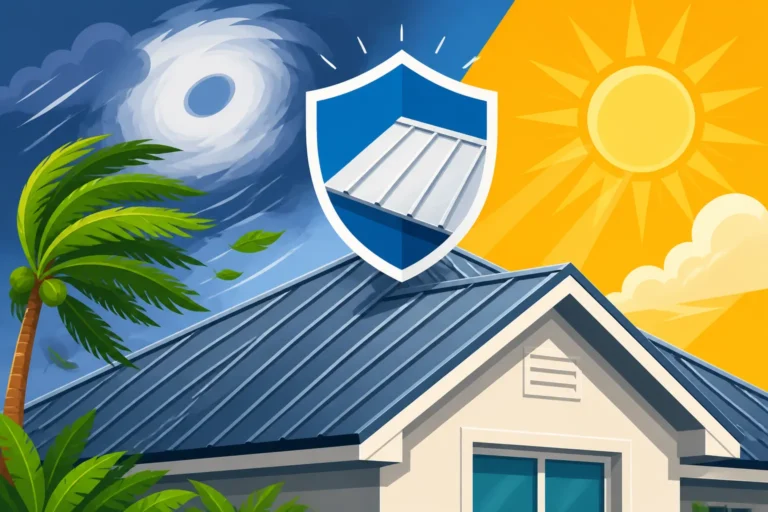
Finally, standing seam roofs offer excellent weather resistance. The interlocking seams are designed to prevent water penetration, making them highly effective against heavy rain and snow melt. The panels also allow for thermal expansion and contraction, which is crucial for metal in fluctuating temperatures, preventing warping or buckling that can compromise the roof's integrity. Their robust attachment system also means they often boast superior wind uplift ratings, making them a top choice for areas prone to severe storms. If you live in a region that experiences intense weather, exploring the Best Metal Roof for High Wind Areas can provide valuable insights.
Potential Drawbacks and Considerations
While standing seam roofs are fantastic, they're not without their considerations, and it’s important to be realistic about these before making a decision.
The most common concern for many homeowners is the higher upfront cost. Standing seam materials are more expensive to produce due to their specialized profiles, and the installation is significantly more labor-intensive and requires highly skilled, specialized contractors. This isn't a DIY-friendly project, and trying to cut corners here can lead to costly mistakes down the line. Our article on Metal Roof Cost: Complete 2026 Guide delves into this in more detail, but generally, you can expect to pay a premium.
The complex installation process also means it takes longer to install compared to other roofing types. Each panel needs to be perfectly aligned and seamed, a meticulous job that can add days, or even weeks, to a project timeline depending on the roof's size and complexity. Finding qualified installers is crucial; you'll want to make sure your contractor has a proven track record with standing seam. This is where resources like our guide on How to Hire a Metal Roofing Contractor can be invaluable.
Lastly, there's a phenomenon called "oil canning." This isn't a structural defect but rather a visual wavy distortion in the flat parts of the metal panels, caused by stress in the metal during manufacturing or installation. While it doesn't affect the performance of the roof, it can be an aesthetic concern for some homeowners, especially on large, flat sections of roof. Reputable manufacturers and installers take steps to minimize oil canning, but it's something to be aware of with this type of roofing.
Delving Into Corrugated Metal Roofs
Moving from the sleek, hidden elegance of standing seam, we arrive at corrugated metal roofing – a tried-and-true workhorse that has been protecting homes and buildings for generations. This style offers a different set of advantages, particularly for those on a budget or seeking a specific aesthetic.
The Basics of Corrugated Panels
Corrugated metal roofing is instantly recognizable by its distinctive wave-like or ribbed profile. These panels are typically manufactured in large sheets and are characterized by their repeating pattern of ridges and grooves, which give them structural rigidity and allow for efficient water runoff. Unlike standing seam, corrugated roofs use an "exposed fastener" system. This means that screws, often with rubber washers, are drilled directly through the face of the metal panels and into the roof decking or purlins, holding the panels in place.
These panels are commonly made from galvanized steel, Galvalume steel, or aluminum. Galvanized steel is hot-dipped in zinc to provide a protective layer against rust, while Galvalume adds aluminum to the zinc coating for enhanced corrosion resistance. Aluminum is naturally corrosion-resistant, making it a good choice for coastal areas. The ribbed nature of the panels gives them a rustic, industrial, or even traditional farmhouse look, depending on the specific profile and color chosen. For a deeper dive into this profile, our article What Is a Corrugated Metal Roof? offers more comprehensive details.
Why Homeowners Choose Corrugated
The popularity of corrugated metal roofing stems from several compelling factors, making it a solid choice for many different types of projects and properties.
First and foremost, affordability is a huge draw. Corrugated metal is generally one of the most cost-effective metal roofing options available. The materials themselves are less expensive to produce than standing seam, and the installation process is typically less labor-intensive. This makes it a very attractive option for homeowners working with tighter budgets, or for those looking to roof secondary structures like sheds, garages, barns, or even cabins where a high-end aesthetic isn't the primary concern.
Another significant advantage is the ease and speed of installation. Because the panels are lightweight and fastened directly with exposed screws, the installation process is more straightforward and often quicker than standing seam. While professional installation is always recommended for primary residences, corrugated roofing is more amenable to skilled DIY enthusiasts. This simplicity in installation contributes directly to lower labor costs, further enhancing its affordability.
Beyond cost, corrugated roofing offers a classic, often rustic aesthetic that many homeowners adore. It evokes a sense of tradition and durability, fitting perfectly with farmhouses, industrial-chic designs, or even modern homes looking for a contrasting texture. The availability of various colors and finishes allows for a degree of customization to match specific home styles.
Challenges and Downsides to Corrugated
While corrugated roofing boasts affordability and a classic look, it's crucial to understand its limitations, particularly when considering it for your primary residence.
The biggest challenge with corrugated metal roofs lies in their exposed fastener system. Every screw that penetrates the panel creates a potential entry point for water. Over time, the rubber washers under these screws can degrade due to UV exposure and temperature fluctuations, leading to leaks. This means that a corrugated roof typically requires more maintenance, including regular inspections and the replacement of failing fasteners every 10-15 years, which adds to the long-term cost. Our Metal Roof Maintenance Guide offers valuable advice on keeping all metal roofs in top shape, including how to address these fasteners.
Because of these exposed fasteners and the potential for their degradation, corrugated metal roofs generally have a shorter lifespan compared to standing seam. While the metal panels themselves can last for decades, the integrity of the roof system often depends on the longevity of its fasteners. This can mean a practical lifespan of 25-45 years, which is still excellent compared to asphalt shingles, but not quite as long as the 50-70+ years of a well-installed standing seam roof.
Additionally, the ribbed profile, while providing strength, can be a bit noisier during heavy rain or hail compared to standing seam, which often has a more solid backing and better insulation. While underlayment can help mitigate this, it's a factor to consider if quietness is a high priority. Lastly, while the rustic aesthetic is appealing to many, it might not suit every home's architectural style, especially very formal or minimalist designs.
Head-to-Head Comparison: Standing Seam vs. Corrugated
Now that we've looked at each type individually, let's put them side-by-side on some key performance and cost metrics. This direct comparison will help highlight where each truly shines and where its limitations might lie.
Cost Analysis: Initial Investment and Long-Term Value
When it comes to the bottom line, this is often the deciding factor for many homeowners. There's a noticeable difference in cost between standing seam and corrugated metal roofs, both in upfront expenses and long-term value.
Initial Investment:
- Standing Seam: Expect to pay significantly more upfront. The material costs are higher due to the specialized manufacturing and custom-cut panels. The installation is also more complex, requiring highly skilled labor, specialized tools, and more time, which drives up labor costs. Generally, standing seam can range from $9 to $16 per square foot installed, and sometimes even higher for premium materials like copper.
- Corrugated: This is typically the more budget-friendly option. Material costs are lower, and the exposed fastener system makes installation less complex and quicker, resulting in lower labor expenses. Corrugated roofs usually cost between $4 to $9 per square foot installed, making them considerably more accessible for many budgets.
Long-Term Value:
While corrugated roofs are cheaper initially, it's crucial to consider the total cost of ownership over their lifespan.
- Standing Seam: Its superior durability and minimal maintenance requirements translate into lower long-term costs. You're less likely to face leak repairs, and the roof will last for decades without major interventions. When factoring in the lifespan, standing seam often proves to be a more cost-effective choice in the long run. Plus, it generally adds more to a home's resale value.
- Corrugated: The lower initial cost is appealing, but remember the exposed fasteners. These will need periodic inspection and potential replacement, which are maintenance costs that add up over time. While the panels themselves are durable, the fastener system is the weak link, potentially leading to earlier, more significant repairs.
For a deeper understanding of all factors affecting your final bill, our comprehensive Metal Roof Labor Cost and Metal Roof Cost Per Square Foot articles provide detailed breakdowns.
Durability and Lifespan: Which Lasts Longer?
The longevity of a roof is a primary concern for any homeowner. Both standing seam and corrugated metal roofs offer impressive lifespans compared to traditional asphalt shingles, but there's a clear winner in the durability contest.
Standing Seam:
- Lifespan: With proper installation and maintenance, a standing seam metal roof can last anywhere from 50 to 70 years, and sometimes even longer. Premium materials like copper or zinc can last 100 years or more.
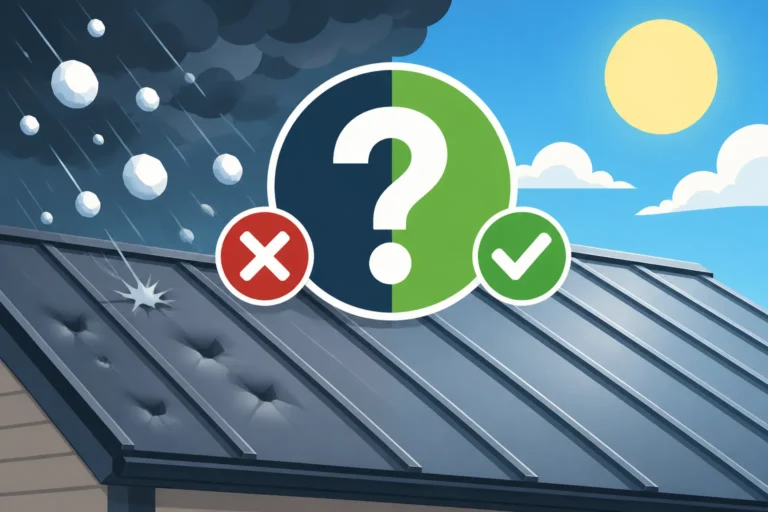
- Durability: The hidden fastener system is its key to longevity. Protecting fasteners from UV degradation and weather exposure drastically reduces the chances of leaks and structural compromise. The robust interlocking panels are also highly resistant to wind uplift, impacts from hail (though deep dents can occur with very large hail), and fire. The panels are also designed to accommodate thermal expansion and contraction, preventing stress that could lead to buckling or warping.
Corrugated:
- Lifespan: A corrugated metal roof typically lasts between 25 to 45 years. While the metal panels themselves are very durable, the exposed fasteners are the limiting factor.
- Durability: Corrugated panels are strong and can withstand significant weather events. However, the reliance on exposed fasteners means that these points are vulnerable. Over time, the rubber washers beneath the screw heads can dry out, crack, and fail, allowing water to penetrate. This often necessitates fastener replacement within 10-15 years, which, if neglected, can lead to widespread leaks and potentially shorten the overall effective lifespan of the roof.
To truly understand how long your investment will serve you, our detailed guide on Metal Roof Lifespan: How Long Do They Last? provides a comprehensive overview of factors influencing roof longevity.
Aesthetic Appeal: Modern vs. Traditional
The look of your roof can dramatically change the entire character of your home. Standing seam and corrugated roofs offer distinct aesthetics that appeal to different tastes and architectural styles.
Standing Seam:
- Aesthetic: This style offers a very clean, contemporary, and often minimalist look. The straight, crisp lines and smooth, flat panels create a sleek profile that enhances modern, industrial, and even some transitional architectural designs. With no visible fasteners, the roof surface appears seamless and refined. It's available in a wide array of colors and finishes, allowing for significant customization to match your home's exterior.
- Best for: Modern homes, luxury residences, commercial buildings, designs that emphasize clean lines and sophisticated finishes.
Corrugated:
- Aesthetic: Corrugated roofing exudes a more traditional, rustic, or even industrial charm. The wave-like ridges create texture and depth, lending a classic farmhouse or barn-like appearance. While still available in various colors, the aesthetic is inherently less formal than standing seam. It's also often seen on secondary structures like workshops and detached garages.
- Best for: Farmhouses, rustic cabins, industrial-style architecture, workshops, barns, and homes where a more informal, textured roof is desired.
Ultimately, the choice here comes down to personal preference and how well the roof style integrates with your home's existing design and landscaping.
Installation Complexity and Time
The installation process is a critical factor influencing both cost and project duration. The differences between standing seam and corrugated roofs in this regard are substantial.
Standing Seam:
- Complexity: Installation is highly complex and requires specialized knowledge, tools, and experience. Each panel must be precisely measured, cut, and mechanically seamed or snapped together. Flashing details around penetrations (chimneys, skylights, vents) are intricate to maintain the watertight, hidden fastener system. This is not a project for an inexperienced roofer or a DIY enthusiast.
- Time: Due to the precision and labor-intensive nature, standing seam installation takes considerably longer than corrugated roofing. Depending on the roof's size and complexity, it can add several days to weeks to the project timeline.
- Contractors: You absolutely need to hire a contractor specializing in standing seam metal roofing. Look for certifications and a portfolio of completed standing seam projects.
Corrugated:
- Complexity: Installation is relatively straightforward. Panels are typically cut to size, laid over the roof deck or purlins, and then fastened directly with screws through the face of the panel. While precision is still important for proper alignment and water shedding, the process is less intricate than standing seam.
- Time: Corrugated roofs are generally quicker to install because the fastening method is simpler and requires less specialized labor. Large sections can be covered efficiently.
- Contractors: While a skilled metal roofing contractor is always recommended, the pool of professionals capable of installing corrugated panels is larger, and the work can sometimes be handled by a general roofing crew with experience in metal. For those who are handy, it's even a more feasible DIY project for smaller structures like sheds or lean-tos, though we always recommend professional installation for primary residences.
Our guide on the Metal Roof Installation Process: Step by Step outlines the general procedures, but it's important to recognize that the specifics differ significantly between these two types.
Weather Performance: Rain, Wind, Snow
A roof's primary job is to protect your home from the elements. Both metal roof types excel in weather resistance compared to many other materials, but their design impacts their performance in specific conditions.
Rain:
- Standing Seam: Exceptional. The hidden fastener system and interlocking seams create a continuous, watertight surface. Water simply runs down the smooth panels and off the roof, with minimal points of entry. This design makes standing seam highly resistant to leaks, even in torrential downpours.
- Corrugated: Good, but with a caveat. The ribbed profile is effective at shedding water quickly. However, the exposed fasteners are potential leak points. If screws are over-tightened, under-tightened, or if their rubber washers degrade, water can seep in. Proper sealing and regular inspection of fasteners are crucial to maintain its leak-proof integrity.
Wind:
- Standing Seam: Excellent. The robust interlocking panel system and hidden fasteners provide superior wind uplift resistance. Many standing seam systems are rated to withstand very high wind speeds, making them ideal for hurricane-prone areas or regions with frequent strong winds. The design distributes wind load more effectively across the entire roof plane.
- Corrugated: Very Good. When properly installed with an adequate number of fasteners and correct sequencing, corrugated roofs are quite wind-resistant. However, extreme uplift in very high winds could potentially pull fasteners through the panels, especially if the panels are of lighter gauge or if the fasteners are compromised. Choosing a heavier gauge metal can improve its performance in windy conditions.
Snow:
- Standing Seam: Excellent. The smooth, slick surface of a standing seam roof allows snow and ice to shed efficiently. This can prevent heavy snow loads from accumulating, which is a major advantage in snowy climates. However, this also means you need to consider snow guards to prevent large sheets of snow from suddenly sliding off and posing a hazard to people or property below.
- Corrugated: Good. Corrugated panels also shed snow well due to their slick surface. The ridges can sometimes provide a slight bit more friction than a perfectly flat standing seam panel, but snow shedding is still a significant characteristic. Again, snow guards are a wise investment to manage snow slides.
For those in hurricane-prone regions or areas experiencing strong gusts, understanding the specific Metal Roof Wind and Fire Ratings Explained is essential for informed decision-making.
Practical Considerations for Your Home
Beyond the direct comparison, there are several practical aspects that homeowners need to weigh before committing to either standing seam or corrugated metal roofing. These factors influence not just the lifespan of your roof but also your daily living and the long-term value of your property.
Maintenance Requirements
No roof is entirely maintenance-free, but the level of care required can vary significantly between standing seam and corrugated systems. Understanding these differences can save you headaches and unexpected costs down the road.
Standing Seam:
- Low Maintenance: Generally considered very low maintenance. The hidden fasteners are protected from the elements, meaning you don't typically need to worry about them failing. The main maintenance tasks involve periodic visual inspections (perhaps once a year, or after severe storms) to check for any debris accumulation, ensure gutters are clear, and look for any signs of damage from falling tree limbs or other impacts. If a panel does get damaged, it requires a skilled professional for repair or replacement to maintain the system's integrity.
- Longevity: This low maintenance contributes directly to its long lifespan, reducing the need for costly interventions over several decades.
Corrugated:
- Moderate Maintenance: Requires more proactive maintenance, primarily focused on its exposed fasteners. The rubber washers beneath the screw heads are prone to degradation from UV radiation and temperature fluctuations over time.
- Fastener Checks: It's recommended to inspect the fasteners every 5-10 years and replace any that show signs of cracking, drying out, or backing out. This often involves unscrewing the old fasteners, applying a sealant, and installing new, high-quality screws and washers.
- Leak Potential: Neglecting fastener maintenance is the most common cause of leaks in corrugated roofs. Early detection and replacement of failing fasteners are key to preventing widespread water damage.
- Cleaning: Both types benefit from occasional cleaning, especially if in areas with heavy tree cover, to prevent moss or algae growth and keep them looking their best. However, for corrugated, ensuring water doesn't pool due to debris can be even more critical around fastener points.
Staying on top of your roof's health is paramount, regardless of type. Our Metal Roof Maintenance Guide offers more universal tips for extending the life of your metal roof.
Energy Efficiency and Insulation
Many homeowners choose metal roofing partly for its energy efficiency benefits. Both standing seam and corrugated roofs can contribute to a more energy-efficient home, but there are nuances.
Energy Efficiency:
- Both Types: Metal roofs are inherently energy-efficient. They reflect a significant portion of the sun's radiant heat, rather than absorbing it like asphalt shingles. This reflective quality, especially with lighter colors and special cool-roof coatings (like Kynar 500 or Hylar 5000), can dramatically reduce heat gain in your attic, leading to lower air conditioning costs in warmer climates. They also allow for excellent attic ventilation, further enhancing energy performance.
- Cool Roofs: Many metal panels, regardless of profile, are considered "cool roofs" by the EPA's Energy Star program, meaning they have high solar reflectance and thermal emittance values.
Noise Considerations:
- Standing Seam: Generally quieter during rain or hail. The panels are often installed over a solid substrate (plywood deck) with underlayment, and their hidden fastener system provides a more rigid, less resonant surface. This typically results in a muffled sound that many find quite soothing.
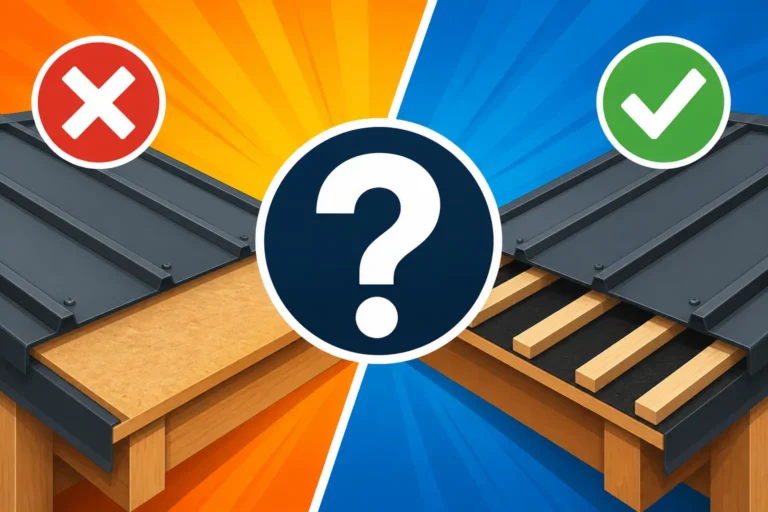
- Corrugated: Can be noisier during heavy rain or hail. The ribbed profile, especially when installed directly over purlins rather than a solid deck, can vibrate more, creating a distinct "pitter-patter" or drumming sound. This can be mitigated by installing over a solid roof deck with proper underlayment or adding insulation, but it's a factor to consider if noise sensitivity is an issue.
Insulation and Underlayment:
Proper underlayment is crucial for both types.
- Underlayment: A high-quality synthetic underlayment or ice and water shield provides an extra layer of protection against moisture and acts as a thermal break, preventing heat transfer and reducing condensation. This is especially important for corrugated roofs where fasteners penetrate the panels, giving you an added layer of defense against leaks if a fastener fails.
- Ventilation: Good attic ventilation is also key for overall energy efficiency, regardless of roof type. It helps exhaust hot air in summer and prevents moisture buildup in winter.
Our comprehensive Metal Roof Underlayment and Ventilation Guide dives deep into these topics, ensuring you understand how to maximize your roof's performance.
Resale Value and ROI
When investing in a new roof, it's natural to think about how it will impact your home's value and your return on investment (ROI). Both metal roof types can boost home value, but standing seam often takes the lead in this category.
Standing Seam:
- Higher Resale Value: Generally, standing seam metal roofs significantly increase a home's resale value. Appraisers and potential buyers often recognize the premium quality, exceptional durability, and extended lifespan of a standing seam roof as a major asset. It signals a high-quality, long-lasting component that won't need replacing for decades, which is a huge selling point. The modern aesthetic also appeals to a broader range of buyers.
- Strong ROI: While the initial cost is higher, the ROI is often very strong. The combination of longevity, low maintenance, and energy savings means the roof pays for itself over its lifetime, and you recoup a substantial portion of the investment when you sell. Our article Is a Metal Roof Worth It? ROI, Resale & Payback explores this concept in greater detail.
- Insurance Discounts: Many insurance companies offer discounts for metal roofs due to their superior fire, wind, and impact resistance, further improving the long-term financial picture.
Corrugated:
- Good Resale Value: Corrugated metal roofs also add value to a home, particularly compared to asphalt shingles. Their durability and longer lifespan are attractive to buyers. However, they might not command the same premium as standing seam, especially in upscale neighborhoods where the aesthetic might be considered less refined.
- Solid ROI: The ROI is still positive, especially given the lower upfront cost. If maintained properly, a corrugated roof will provide decades of protection and energy savings. Its rustic appeal can be a selling point for specific architectural styles or properties, such as rural homes or those with an industrial design.
- Insurance Discounts: Like standing seam, corrugated metal roofs can also qualify for insurance discounts, although the specifics can vary depending on the material's gauge, panel profile, and specific insurer.
Understanding the potential financial benefits is just as important as the practical ones. For more specifics on how a new roof impacts your home's worth, be sure to check out Does a Metal Roof Increase Home Value?.
Making the Right Choice for Your Property
So, after all this information, how do you decide which one is right for your home? It really comes down to balancing your priorities: budget, aesthetic preferences, desired lifespan, and local climate.
When Standing Seam is Your Best Bet
Standing seam metal roofing is a stellar choice for homeowners who:
- Prioritize Longevity and Durability: If you're looking for a "forever roof" that will likely outlast you and requires minimal maintenance, standing seam is the clear winner. Its hidden fastener system ensures maximum protection and a longer lifespan, often exceeding 50-70 years.
- Seek a Modern or Upscale Aesthetic: The sleek lines, smooth panels, and absence of visible fasteners provide a contemporary, sophisticated look that significantly enhances curb appeal. This makes it perfect for modern architectural designs, luxury homes, or even traditional homes where you want to introduce a clean, updated element.
- Have the Budget for a Premium Investment: Understand that standing seam comes with a higher upfront cost for both materials and specialized labor. However, if you view your roof as a long-term investment that will save you money on maintenance and energy bills over decades, the initial outlay is often justified.
- Live in Harsh Weather Climates: Its superior wind uplift ratings, excellent leak resistance, and efficient snow shedding make it an ideal choice for areas prone to hurricanes, heavy snow, or frequent severe storms. For instance, homeowners in coastal Florida often opt for standing seam due to its robustness against high winds and heavy rains.
- Value Energy Efficiency: While both metal roofs are good, standing seam, especially with cool-roof coatings, often offers slightly better thermal performance due to its continuous surface and potential for better underlayment integration.
When Corrugated Makes More Sense
Corrugated metal roofing is a fantastic option for those who:
- Are Working with a Tighter Budget: If the upfront cost is a major constraint but you still want the benefits of a metal roof, corrugated is a much more affordable choice. Its lower material and installation costs make it accessible to a wider range of homeowners.
- Prefer a Rustic or Traditional Look: The classic wave-like profile lends itself beautifully to farmhouses, cabins, industrial-chic designs, or even outbuildings like barns and sheds. It offers a charming, time-honored aesthetic that some find more appealing than the modern look of standing seam.
- Are Looking for a Reliable Roof for Secondary Structures: For a detached garage, workshop, pool house, or agricultural building, corrugated metal is often the go-to choice. It provides excellent protection without the premium price tag, and the maintenance requirements are often more acceptable for these types of structures.
- Are Comfortable with Moderate Maintenance: While it requires more attention than standing seam (primarily checking and replacing exposed fasteners), the maintenance is relatively straightforward and can often be managed by a homeowner or a general handyman. If you're okay with periodic fastener inspections, it's a very viable option.
- Prioritize Speed of Installation: Because it's simpler to install, corrugated roofing projects typically have shorter timelines, which can be beneficial if you're on a tight schedule.
Consulting with Professionals
No matter how much research you do, there's no substitute for professional advice. Metal roofing is a significant investment, and local expertise is invaluable.
It's highly recommended to get quotes from at least three different roofing contractors who specialize in metal roofs. Ask them which type they recommend for your specific home, climate, and budget, and have them explain why. They can assess your roof pitch, structural requirements, and local building codes, which can all influence the best choice. For instance, some extremely low-slope roofs might require specific standing seam systems or membrane roofing, while others can easily accommodate corrugated.
When seeking out contractors, look for those with a strong track record and positive reviews for metal roofing installations. A service like Modernize can help you connect with vetted local professionals who specialize in metal roofing, ensuring you get reliable quotes from qualified installers in your area. Don't be afraid to ask for references or to see examples of their past work. A good contractor will be transparent about costs, timelines, and the pros and cons of each system for your particular situation. Our guide on How to Read and Compare Metal Roof Quotes can also help you navigate this crucial step.
Standing Seam vs. Corrugated: Quick Comparison Table
To summarize the key differences, here's a handy table comparing standing seam and corrugated metal roofs at a glance:
| Feature | Standing Seam Metal Roof | Corrugated Metal Roof |
|---|---|---|
| Fastener Type | Hidden (concealed beneath panels) | Exposed (screws drilled through panel face) |
| Average Installed Cost | $9 – $16+ per square foot | $4 – $9 per square foot |
| Lifespan | 50-70+ years (can exceed 100 years for premium metals) | 25-45 years (limited by fastener integrity) |
| Aesthetic | Sleek, modern, clean lines, seamless | Rustic, traditional, industrial, textured, ribbed |
| Leak Resistance | Excellent (watertight seams, no exposed holes) | Good (but exposed fasteners are potential leak points) |
| Wind Resistance | Superior (robust interlocking system) | Very Good (if properly fastened and good gauge) |
| Maintenance | Very Low (periodic inspections) | Moderate (regular fastener checks/replacement) |
| Installation | Complex, specialized skills required, longer | Simpler, quicker, more DIY-friendly for small projects |
| Noise in Rain/Hail | Generally Quieter | Can be Louder (more resonant) |
| Resale Value Impact | Significant Increase (premium quality) | Good Increase (durable, but less high-end) |
| Best For | Modern homes, luxury, long-term investment, harsh climates | Budget-conscious, rustic aesthetic, outbuildings, DIY |
Disclaimer
Please remember that the information provided in this article is intended for general guidance and informational purposes only. Roofing costs, material availability, installation processes, and local building codes can vary significantly based on your specific location, the complexity of your project, and current market conditions. Always consult with qualified and licensed metal roofing professionals in your area for accurate estimates, tailored advice, and to ensure compliance with all local regulations. They can provide a thorough assessment of your specific roofing needs and help you make the best decision for your home.