How to Repair a Metal Roof Without Replacing It
It’s incredibly frustrating when you start noticing issues with your metal roof—a small drip, a patch of rust, or a panel that just doesn't look right. Your first thought might be, "Oh no, a full roof replacement!" and the idea of that massive expense and disruption can be overwhelming. But here's the good news: many common metal roof problems don't require ripping off everything and starting from scratch. This comprehensive guide is here to walk you through how to pinpoint those issues and effectively repair your metal roof without the need for a costly full replacement, helping you save money and extend its already impressive lifespan.
Understanding Common Metal Roof Problems That Are Repairable
Metal roofs are renowned for their durability, but like anything exposed to the elements year after year, they can develop issues. The key to avoiding a full replacement is identifying these problems early and understanding that many are quite amenable to repair. Knowing what to look for can turn a potentially expensive disaster into a manageable fix.
Identifying the Source of Leaks and Drips
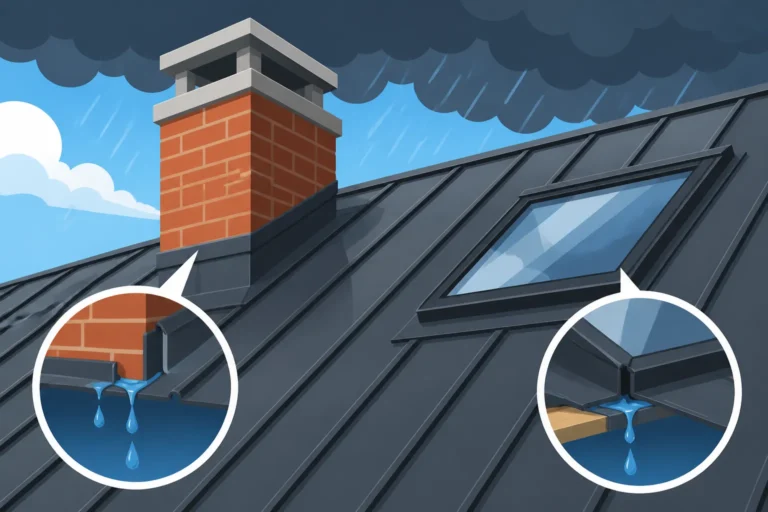
A leak is probably the most alarming problem any homeowner can face, and with a metal roof, it can feel especially perplexing since the material itself is supposed to be watertight. However, leaks almost always originate from specific weak points rather than a general failure of the entire roof. Often, the culprit is something as simple as a loose fastener, compromised sealant, or damaged flashing. For example, if you have an exposed fastener metal roof, the rubber washers under the screw heads can degrade over time due to UV exposure and temperature fluctuations, allowing water to seep through. Similarly, seams, especially on corrugated or ribbed panels, can sometimes separate or be improperly sealed during installation, creating a pathway for water. Areas around roof penetrations like chimneys, skylights, and vent pipes are also prime spots for leaks if the flashing isn't installed correctly or has deteriorated. Even a tiny crack in a sealant bead can lead to significant water intrusion during a heavy downpour, slowly damaging your attic or interior ceilings. Sometimes, it's not even a visible leak inside, but rather condensation forming under the panels that can mimic a leak. This can often be fixed with proper ventilation and underlayment. For a deeper dive into pinpointing these issues, our guide on Metal Roof Leak Repair Guide offers invaluable insights.
Addressing Rust Spots and Corrosion
While many modern metal roofs boast impressive corrosion resistance thanks to advanced coatings like Galvalume or specialized paint systems (like those from reputable brands such as Sherwin-Williams or AkzoNobel), rust can still become an issue, particularly on cut edges, scratches, or areas where the protective coating has been compromised. If you notice small reddish-brown spots, don't panic immediately. This doesn't usually mean your entire roof is failing. Often, it's superficial surface rust caused by metal filings from installation that weren't properly cleaned off, or it could be tiny areas where the coating was scratched during a tree trimming or other maintenance activity. However, if left unchecked, these small spots can spread and eventually compromise the panel's integrity. Coastal homes are particularly susceptible to rust and corrosion due to salt in the air, requiring materials like aluminum or specific corrosion-resistant coatings. Even in less harsh environments, prolonged exposure to moisture and lack of proper care can exacerbate rust issues. Catching these early can prevent the need for more extensive repairs or panel replacements. You might find our article on Metal Roof Rust and Corrosion Treatment helpful if you're battling these specific issues.
Dealing with Loose Fasteners and Panels
Loose fasteners are a very common and repairable issue, especially with exposed fastener metal roof systems. Over years of thermal expansion and contraction, coupled with wind uplift and general wear, screws can back out slightly or their rubber washers can deteriorate. This not only creates potential leak points, as mentioned earlier, but also compromises the secure attachment of the panels to the roof deck. A loose panel, even if just slightly lifted, can become a hazard in high winds, creating excessive noise, and even tearing away from the roof, potentially causing further damage. You might notice panels rattling during windy conditions, or see visible gaps where panels should be flush. On standing seam roofs, which use concealed fasteners, the locking mechanisms can sometimes become dislodged or damaged, leading to panels that aren't fully secured. These issues are often a result of improper installation techniques or using low-quality fasteners that weren't designed to withstand decades of exposure. Regularly checking these components as part of your overall Metal Roof Maintenance Guide can make a huge difference in preventing small problems from escalating.
Step-by-Step Guide to DIY Metal Roof Repairs (When Safe and Feasible)
Taking on some metal roof repairs yourself can be incredibly satisfying and save you a significant amount of money. However, safety should always be your top priority. Ensure you have the right safety gear, including a sturdy ladder, fall protection, and non-slip shoes. If you're uncomfortable with heights or the roof pitch is steep, it's always best to call a professional.
Sealing Leaks Around Fasteners and Seams
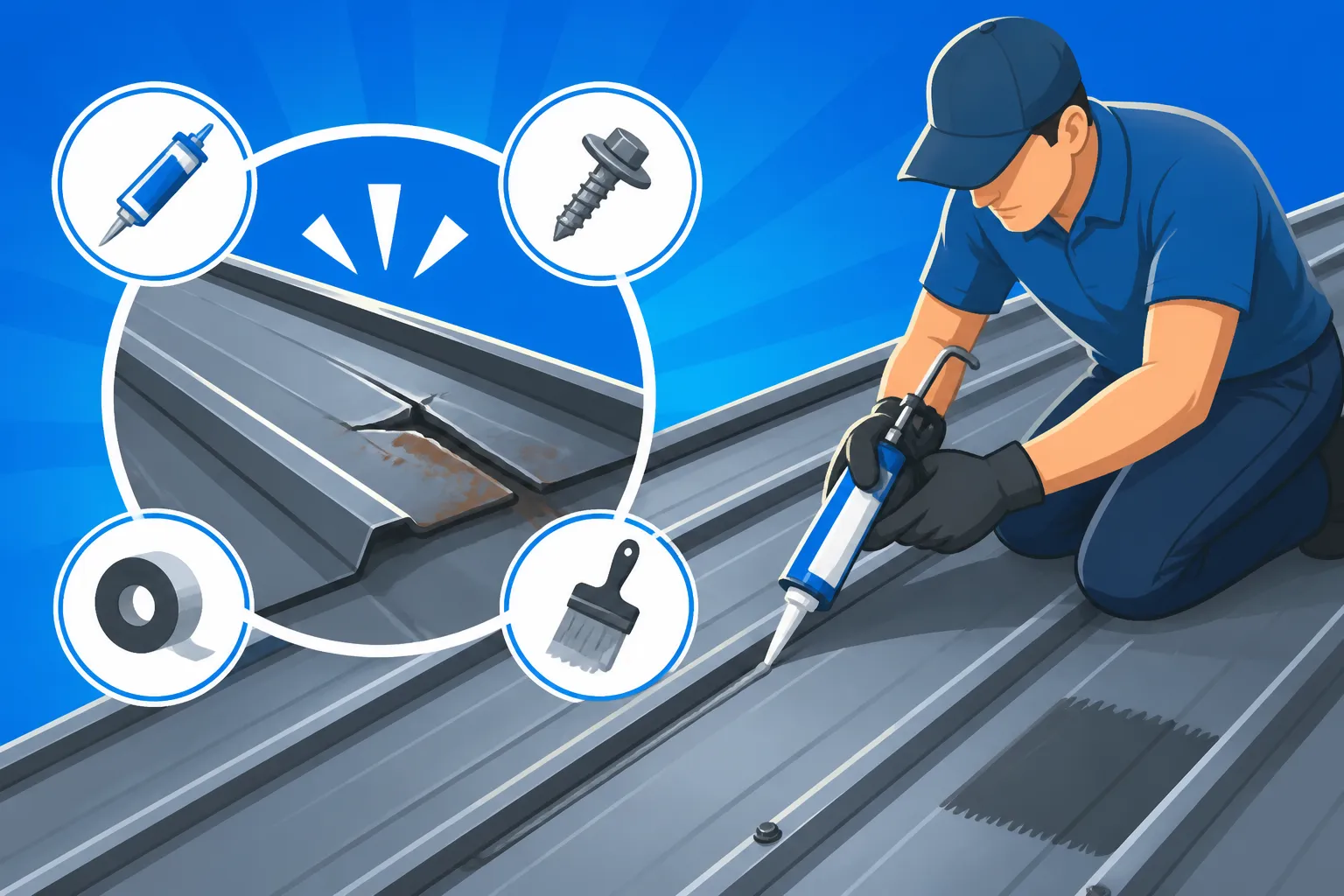
Addressing leaks originating from fasteners or seams is one of the most common and often straightforward DIY metal roof repairs. For exposed fastener roofs, the process involves inspecting each suspect screw. If the rubber washer beneath the screw head is cracked, dry, or missing, it needs attention. Carefully remove the old screw, ensuring not to strip the metal. Apply a high-quality, exterior-grade metal roof sealant, like an elastomeric caulk or urethane sealant, directly into the hole, then drive in a new, slightly larger gauge screw if possible, ensuring it's equipped with a durable EPDM rubber washer. Don't over-tighten, as this can crush the washer. For leaks at seams, especially on corrugated or R-panel roofs, you'll need to clean the area thoroughly. Remove any old, degraded sealant. Apply a generous bead of the appropriate sealant along the seam, pressing it firmly into place. For longer seams, using a butyl tape or a compatible self-adhering repair tape specifically designed for metal roofing can offer a more robust and lasting solution. Ensure the surface is dry and free of debris for optimal adhesion. Our guide on How to Fix a Leaking Metal Roof provides more in-depth instructions.
Treating and Preventing Further Rust
Rust treatment is crucial for the longevity of your metal roof. For minor surface rust, start by thoroughly cleaning the affected area with a wire brush or sandpaper to remove all loose rust and debris. Once clean, wipe it down to ensure no dust or oils remain. Next, apply a rust-inhibiting primer specifically formulated for metal surfaces. Brands like Rust-Oleum or Corroseal offer effective rust converters and primers that can encapsulate existing rust and prepare the surface for a topcoat. After the primer dries according to manufacturer instructions, apply a high-quality exterior metal paint that matches your roof's existing color as closely as possible. This two-step process not only stops the rust from spreading but also restores the aesthetic appeal and protective layer of your roof. For areas with scratches that haven't yet rusted, a simple paint touch-up kit from your roof panel manufacturer can often prevent future issues. Remember, prevention is key, so regularly cleaning your roof to remove organic debris and checking for potential damage can significantly reduce the incidence of rust.
Tightening and Replacing Loose Components
Loose fasteners are not just a source of leaks; they can compromise the structural integrity of your metal roof panels. To fix this, carefully inspect each loose screw. If the existing screw is merely backed out, you can often re-tighten it, but be careful not to overtighten, which can strip the threads or crush the washer. It’s often best to replace any screw that appears loose with a new, slightly larger gauge screw, especially if the old one has stripped its pilot hole. This ensures a fresh bite into the purlin or decking below. Always use screws designed for metal roofing, featuring a robust EPDM washer and a self-drilling tip. If you have an abundance of loose screws or older, less reliable fasteners, considering a full replacement of your Metal Roof Screws and Fasteners might be a wise proactive step. For standing seam roofs, loose clips or panels usually indicate an installation error or significant wind damage. While some minor clip adjustments can be made, if the panel is severely compromised or detaching, it's usually a job for a professional to ensure the seam is properly re-engaged and waterproof.
When to Call in the Professionals: Advanced Repairs and Damage
While many minor issues can be tackled by a diligent homeowner, there are certain situations where the complexity, scale, or safety risks involved necessitate calling in experienced metal roofing contractors. It's not a sign of failure to know your limits; it's a sign of good judgment and a commitment to protecting your home. Services like Modernize can be incredibly helpful in finding vetted professionals who specialize in these more intricate metal roof repairs.
Repairing Significant Dents, Punctures, or Panel Damage
Large dents, punctures, or severely bent panels are generally beyond the scope of DIY repair. A significant dent from, say, a fallen tree limb or severe hail can compromise the panel's coating, lead to water pooling, or even create stress points that eventually crack. While small hail dents might sometimes be considered cosmetic and not impact performance, larger, deeper dents can be a serious concern. Punctures, whether from falling debris or accidental foot traffic (if someone wasn't careful walking on a metal roof), obviously create direct entry points for water. Repairing these often involves carefully removing and replacing the entire damaged panel, a process that requires specialized tools, expertise in panel cutting and shaping, and a deep understanding of how to seamlessly integrate the new panel to maintain the roof's waterproofing and aesthetic appeal. Incorrect panel replacement can lead to new leaks or even structural issues. This isn't a job you want to learn on the fly, especially if your roof is a more complex profile like a Standing Seam Metal Roof Cost. If your roof has suffered from severe weather, it’s also important to understand Metal Roof Storm, Hail & Wind Damage to determine the full extent of the issue.
Complex Flashing and Trim Repairs
Flashing and trim pieces are critical components of a metal roof, designed to direct water away from vulnerable areas like valleys, eaves, gables, and around chimneys and skylights. When these components fail, leaks are almost guaranteed. Repairing complex flashing, especially around intricate roof features or on unusually shaped roofs, demands precision and experience. It often involves custom metal fabrication, meticulous sealing, and careful bending and fitting to ensure a watertight seal that can withstand years of weather exposure. For instance, valley flashing, which directs a large volume of water during rain, must be installed with proper overlap and sealant to prevent leaks. Similarly, chimney and skylight flashing systems are multi-layered and require exact cuts and seals. Trying to fix complex flashing issues without the proper techniques can lead to repeated leaks and frustration. A professional metal roofer understands the nuances of different flashing types and materials and can execute these repairs to code, ensuring your roof performs as it should. If you're seeing persistent leaks around these areas, don't hesitate to reach out to a local expert. For more insights on specific repair types, consider our guide on Metal Roof Flashing Repair.
Assessing Structural Issues and Major Wear
Sometimes, what appears to be a localized roof problem can actually stem from underlying structural issues or indicate widespread wear that's nearing the end of your roof's serviceable life. Sagging sections of the roof deck, compromised purlins, or extensive corrosion across multiple panels that indicates a systemic failure of the protective coating are all red flags. These aren't cosmetic issues; they directly impact the safety and integrity of your entire roofing system and potentially your home's structure. During a professional Metal Roof Inspection: What to Check, contractors can identify these deeper problems, assess the extent of the damage, and provide a realistic evaluation of whether targeted repairs are truly feasible or if a replacement is becoming necessary. They can determine if the original installation was flawed, if your underlayment has failed, or if decades of harsh weather have simply taken their toll. For instance, while some rust spots are minor, widespread rust across many panels might suggest that the coating has degraded to a point where spot repairs are no band-aid on a larger problem. In such cases, a professional can offer an honest assessment and help you weigh the cost-effectiveness of extensive repairs versus a new roof, potentially helping you avoid throwing good money after bad. If you're looking for professionals to evaluate your roof, Modernize can connect you with qualified local contractors.
Here's a quick look at common metal roof repair types and who typically handles them:
| Problem Type | Typical Signs | DIY Feasibility | When to Call a Pro | Estimated Difficulty |
|---|---|---|---|---|
| Loose Fasteners | Screws backing out, rattling sounds, small leaks | High (for simple re-tightening/replacement) | Widespread issue, stripped holes, difficult access | Easy to Moderate |
| Minor Surface Rust | Small reddish-brown spots, scratches | High (if caught early) | Widespread corrosion, deep rust, structural concerns | Easy |
| Minor Panel Leaks | Drips near fasteners/seams (single points) | Moderate | Persistent leaks, multiple sources, complex flashing involvement | Moderate to Hard |
| Degraded Sealant | Cracks in caulk, small gaps at seams or penetrations | Moderate | Extensive sealant failure, leaks persist after DIY efforts | Moderate |
| Significant Dents/Punctures | Large indentations, holes in panels, bent panels | Low | Any substantial damage affecting panel integrity or aesthetics | Hard |
| Damaged Flashing/Trim | Leaks around chimneys, skylights, valleys, edges | Low | Complex repairs, custom fabrication, multiple failure points | Hard |
| Structural Issues | Sagging roof deck, widespread panel deformation | Very Low | Any suspicion of underlying structural damage | Expert Only |
Preventative Maintenance to Avoid Future Major Repairs
The best repair is often the one you never have to make. A proactive approach to metal roof maintenance can drastically reduce the need for significant repairs, extending your roof's life well beyond its warranty period. Think of it as investing a little time now to save a lot of money and headache later. Regular attention to your roof's condition is paramount.
Regular Inspections and Cleaning
Performing regular inspections and keeping your metal roof clean are perhaps the most effective ways to prevent minor issues from becoming major problems. Aim for at least two inspections per year—once in the spring after winter weather, and again in the fall before the cold sets in. During these inspections, pay close attention to:
- Fasteners: Are any screws backing out? Are the washers intact? Tighten or replace as needed.
- Seams and Sealants: Look for any cracks, gaps, or signs of deterioration in sealant beads.
- Flashing: Check around chimneys, skylights, vents, and in valleys for signs of damage or dislodgement.
- Panel Condition: Scan for scratches, dents, or signs of surface rust.
- Debris Buildup: Clear leaves, branches, and other organic matter from the roof surface, especially from valleys and gutters, as prolonged moisture can lead to corrosion and moss growth.
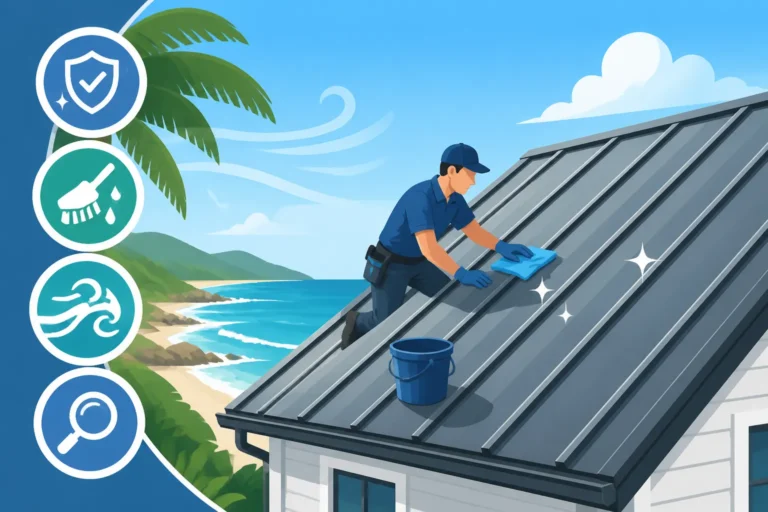
Cleaning your metal roof isn't just about aesthetics; it’s about protecting its coatings. Use a soft-bristle brush and a mild, non-abrasive detergent, rinsing thoroughly with a garden hose. Avoid pressure washers unless specifically recommended by your roof manufacturer and used with extreme caution, as they can damage protective coatings. If you’re unsure about climbing on your roof for these inspections, consider hiring a professional. They can spot subtle Warning Signs Your Metal Roof Needs Attention that an untrained eye might miss.
Proactive Coating and Sealing
The coatings on your metal roof are its first line of defense against the elements. Over time, even the most durable coatings can begin to weather. Proactive re-coating and re-sealing can significantly extend the life of your roof and prevent rust and leaks. If you notice your roof's color fading or chalking, it might be a sign that the protective coating is degrading. Depending on the type of coating (e.g., Kynar 500/PVDF or SMP), it may have a lifespan of 20-40 years, but environmental factors can accelerate wear.
- Re-coating: For older roofs or those showing significant wear, a full re-coating with an elastomeric or acrylic coating designed for metal roofs can restore its protective layer, improve energy efficiency, and refresh its appearance. This is a complex process that usually involves thorough cleaning, priming, and then applying multiple coats, and it's best handled by professionals. Companies like Modernize can help you find contractors experienced in metal roof restoration and coating.
- Re-sealing: Focus on critical areas. Regularly inspect and re-apply high-quality exterior-grade sealants around all penetrations, flashing, and vulnerable seams. These sealants act as flexible barriers, preventing water intrusion as the roof expands and contracts with temperature changes. Don't wait until you see a leak; if sealants look dry, cracked, or brittle, it’s time to replace them. This proactive approach ensures that the most vulnerable points of your roof remain watertight. Regular maintenance, including these sealing practices, contributes significantly to answering the question of How Long Do Metal Roofs Last.
By staying on top of these maintenance tasks, you're not just performing repairs; you're actively ensuring your metal roof continues to protect your home for decades to come, delaying or even eliminating the need for a full replacement for a very long time.
Disclaimer
The information provided in this article is intended for general guidance and informational purposes only, and does not constitute professional advice. Metal roof repairs can be complex and dangerous. Always prioritize safety, and if you are unsure about any repair, consult with a qualified and licensed metal roofing professional. Undertaking repairs yourself may void manufacturer warranties.