Cost to Replace Shingles With a Metal Roof
That moment you realize your asphalt shingle roof, once a reliable guardian, is starting to look a little… tired. Maybe you're seeing granule loss, curling shingles after a rough summer, or worse, those tell-tale streaks indicating algae growth or even leaks. It’s frustrating, isn't it? You know a new roof is a big investment, and the idea of tackling yet another shingle replacement in 15-20 years probably doesn't thrill you. This comprehensive guide is here to walk you through exactly what's involved, and more importantly, what it truly costs to replace those old shingles with a durable, beautiful metal roof.
The Allure of Metal: Why Make the Switch from Shingles?
Let's be honest, nobody wakes up dreaming of roof replacement. But when the time comes, many homeowners find themselves pondering a big upgrade from traditional asphalt shingles. It’s not just about aesthetics, though a sleek metal roof certainly adds curb appeal. It’s often driven by a deeper desire for long-term peace of mind and performance that shingles just can’t deliver.
Beyond Just a New Look: Key Benefits
Think about what really matters in a roof: protection, longevity, and often, how much you'll pay over its lifetime. Metal roofs shine in these areas. For starters, they're incredibly durable. While an asphalt shingle roof might last 15-30 years, depending on the quality and climate, a metal roof can easily last 50-70 years, sometimes even longer with proper maintenance. That's a huge difference! This means you might install a metal roof once and never have to think about it again for the rest of your time in that home, which is a powerful draw for many.
Beyond lifespan, metal roofs offer fantastic weather resistance. They stand up to high winds, often rated to withstand gusts of 140 mph or more, making them a popular choice in hurricane-prone regions like Florida or coastal areas. They're also non-combustible, offering superior fire resistance compared to shingles. And let’s not forget energy efficiency. Many metal roofs feature cool pigments that reflect solar radiant heat, which can significantly reduce cooling costs in warmer climates, leading to tangible savings on your utility bills. This is a huge benefit, especially during those scorching summer months when your air conditioner is working overtime.
Common Shingle Woes That Prompt a Change
If you're reading this, chances are you've experienced some of the common frustrations that lead homeowners away from asphalt shingles. The most frequent culprit? Leaks. Whether it's due to cracked, missing, or improperly installed shingles, water intrusion is a homeowner's worst nightmare. And let's not forget the sheer annoyance of having to repair or replace individual shingles after every significant storm, or the tell-tale signs of aging like granule loss, which not only looks bad but also reduces the shingle’s protective qualities.
Another common pain point is maintenance. While shingles are often touted as "low maintenance," the reality is that algae and moss can thrive in damp, shaded areas, requiring cleaning or treatment. And as they age, they become brittle, making them susceptible to damage from falling branches, hail, or even just heavy foot traffic during repairs. For many, the cycle of shingle repair and eventual replacement feels endless and expensive. The prospect of investing in a solution that largely eliminates these recurrent headaches is incredibly appealing.
Decoding the Price Tag: Average Costs for Metal Roof Replacement
Alright, let's get down to the brass tacks: the money. You've weighed the pros and cons, and you're leaning towards metal. But what's the actual cost to replace shingles with a metal roof? This is where things get a bit more complex than just a single number, as various factors come into play. However, we can provide some solid averages to give you a clearer picture.
National Averages and Regional Differences
Nationally, the average cost to replace an existing shingle roof with a new metal roof typically falls between $12,000 and $40,000, with many homeowners spending in the $18,000 to $30,000 range. This is a broad spectrum, I know, but it accounts for different roof sizes, types of metal, and regional labor costs. For a more detailed breakdown, you might want to look into Metal Roof Cost: Complete 2026 Guide.
Remember that "national average" is just that—an average. Where you live plays a significant role in the final price. For instance, labor costs in a bustling metropolitan area like Los Angeles or New York City will generally be higher than in a more rural part of the Midwest. Similarly, shipping costs for materials can impact prices in remote areas. States prone to extreme weather, like Florida or Texas, often have more stringent building codes for roofing, which can necessitate stronger materials or specialized installation techniques, adding to the overall cost. For specific regional figures, exploring resources like Metal Roof Cost by State and City can provide localized estimates.
What to Expect for Different Home Sizes
The size of your home, or more accurately, the square footage of your roof, is arguably the biggest single determinant of cost. It directly impacts the amount of material needed and the labor hours required for installation.
Let's look at some typical scenarios:
- Smaller Homes (1,000-1,500 sq ft roof): For a cozy 1,000 to 1,500 square foot roof, you might expect to pay somewhere between $8,000 and $18,000. These are often simpler roofs, which helps keep labor costs down.
- Medium-Sized Homes (1,500-2,500 sq ft roof): This is a very common range, and for a roof of this size, expect to see costs in the $15,000 to $30,000 ballpark. Most homes fall into this category, and contractors are well-versed in pricing these projects. You can check out specific details for a Metal Roof Cost for a 2,000 Sq Ft House.
- Larger Homes (2,500-3,500+ sq ft roof): For bigger homes, or those with complex rooflines, costs can range from $25,000 to $50,000 or more. The sheer volume of material and the increased complexity of cutting and fitting panels add up quickly.
Keep in mind that these figures are rough estimates. To get a precise understanding of your potential investment, it's always best to get personalized quotes from local roofing professionals.
Key Factors Influencing Your Metal Roof Replacement Cost
So, why such a wide range in prices? It all comes down to a handful of critical factors that every roofing contractor will consider when putting together your estimate. Understanding these can help you better interpret quotes and make informed decisions.
Material and Profile Choices
This is a big one. Just like asphalt shingles come in different grades, metal roofs boast a variety of materials and profiles, each with its own price point and performance characteristics.
- Steel (Galvanized and Galvalume): Steel is the most common and often the most budget-friendly option. Galvalume, a zinc-aluminum alloy coated steel, offers excellent corrosion resistance and is a popular choice for residential applications. You'll often find steel in corrugated, R-panel, and standing seam profiles. Galvalume Roof Cost is generally more affordable than some other metals.
- Aluminum: Lighter than steel and naturally rust-resistant, aluminum is fantastic for coastal areas where salt spray is a concern. It's often available in standing seam or shingle styles. While pricier than steel, its longevity and corrosion resistance can make it a worthwhile investment. You can learn more at Aluminum Roof Cost.
- Copper: Ah, copper. The Rolls-Royce of metal roofing. It's stunning, incredibly durable, and develops a beautiful patina over time. However, it's also the most expensive option by a significant margin. If you’re looking for a truly unique, long-lasting, and high-end aesthetic, and your budget allows, copper is unparalleled. Dive deeper into Copper Roof Cost if this piques your interest.
- Zinc: Another premium option, zinc is known for its incredible longevity (often exceeding 100 years!), self-healing properties (it forms a protective patina), and unique aesthetic. Like copper, it comes with a higher price tag but offers exceptional durability and a distinct look. Check out Zinc Roof Cost for more information.
Beyond the material, the profile matters.
- Exposed Fastener Panels (Corrugated, R-Panel, 5V-Crimp): These are typically the most economical metal roof options. The panels are attached directly to the roof deck with screws that are visible from the outside. While cost-effective, the exposed fasteners' rubber washers can degrade over time, potentially requiring more maintenance.
- Hidden Fastener Panels (Standing Seam): This is the premium choice for residential metal roofing. Standing seam panels have raised seams that interlock, concealing the fasteners underneath. This creates a much cleaner look, superior weather resistance, and generally a longer lifespan with less maintenance because the fasteners aren't exposed to the elements. However, they are significantly more expensive to purchase and install. For specific cost differences, you might want to read up on Standing Seam Metal Roof Cost.
- Metal Shingles/Tiles/Slates: These mimic the appearance of traditional shingles, tiles, or slate but offer all the benefits of metal. They are typically made from steel or aluminum and can be a great option for homeowners who love the metal roof benefits but prefer a more conventional aesthetic. Their cost generally falls between exposed fastener panels and standing seam.
Roof Complexity and Pitch
Your roof's unique characteristics play a huge role in the labor costs. A simple, low-slope gable roof is far easier and quicker to install than a multi-faceted roof with numerous valleys, dormers, chimneys, and skylights. Each cut, each bend, and each flashing detail adds time and requires more skill from the installers.
- Pitch: The steeper your roof's pitch (or slope), the more challenging and hazardous the installation becomes. Steep pitches often require specialized safety equipment, more intricate scaffolding, and slower work, all of which translate to higher labor costs.
- Complexity: Think of it like this: a simple rectangular roof is a breeze. A roof with multiple peaks, valleys, gables, dormers, and other features is like a puzzle. Each interruption requires careful cutting, bending, and sealing of the metal panels and flashing. This precision work takes skilled labor and more time, inevitably increasing the overall cost. For a more in-depth look at this, consult What Affects Metal Roof Cost: Gauge, Pitch, Complexity & Tear-Off.
The All-Important Tear-Off Process
This is a crucial, often overlooked, cost factor in replacing shingles with a metal roof. Unless you’re planning to install metal directly over existing shingles (which is sometimes possible but has its own considerations), your old shingle roof will need to be removed. This "tear-off" process involves:
- Labor: Removing shingles, felt paper, and sometimes old decking takes significant labor.
- Disposal: The old roofing material needs to be hauled away and disposed of properly. Landfill fees can add up, especially for larger roofs.
- Inspection and Repair: Once the old roof is off, the underlying roof deck (usually plywood or OSB) can be inspected. It's common to find sections of damaged or rotted decking that need to be replaced. These repairs are essential for a sound new roof but will add to your costs.
Deciding between a tear-off and installing metal over shingles can significantly impact your budget. Tear-Off vs Metal Over Shingles: Cost Difference breaks down the financial implications of each approach. While installing over shingles can save on tear-off costs, it adds weight, can complicate future repairs, and might not allow for a full roof deck inspection. Most reputable contractors will recommend a full tear-off to ensure the best foundation for your new metal roof.
Breaking Down the Components: What Your Quote Includes
When you receive a quote for your metal roof replacement, it's not just a single number. It's a detailed breakdown of various components, each contributing to the final price. Understanding these elements will help you evaluate bids and ensure you're getting a comprehensive service.
Materials: Panels, Fasteners, and Underlayment
The bulk of your material cost will, of course, be the metal panels themselves. As discussed earlier, the type of metal (steel, aluminum, copper, zinc) and the profile (standing seam, corrugated, shingle) will dictate this cost significantly. For instance, Steel Roof Cost Per Square Foot will be much lower than Copper Roof Cost Per Square Foot.
Beyond the main panels, several other critical materials contribute to the overall cost:
- Fasteners: Whether exposed or hidden, the screws, clips, and other fastening components are vital. For exposed fastener systems, the quality of the rubber washers on the screws is crucial for preventing leaks.
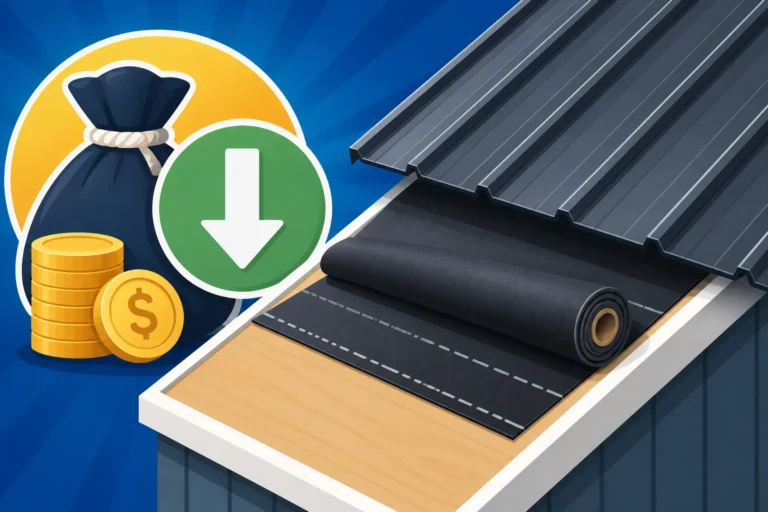
- Underlayment: This is the protective layer installed directly over your roof deck, beneath the metal panels. It acts as a secondary water barrier, protecting your home from moisture, especially during heavy rains or if a panel is compromised. Synthetic underlayments are common and offer excellent durability. Ice and water shield membranes are often used in colder climates or critical areas like valleys and eaves to prevent water backup from ice dams. Choosing a high-quality underlayment is essential for the long-term performance of your metal roof. You can learn more in our Metal Roof Underlayment and Ventilation Guide.
- Flashing and Trim: These are crucial for sealing the edges of your roof, around chimneys, skylights, valleys, and wall junctions. Custom flashing ensures a watertight seal and contributes to the roof's aesthetic finish.
- Sealants: High-quality sealants are used to seal joints, seams, and around penetrations, adding another layer of moisture protection.
Labor: The Craftsmanship Behind the Installation
Labor costs can account for a significant portion, often 40-60%, of your total metal roof replacement expense. Installing a metal roof, especially a standing seam system, is a specialized skill that requires precision, experience, and attention to detail. This isn't a job for just any roofer; you want a crew that truly understands metal. Our Metal Roof Labor Cost article goes into more depth on this.
Here’s why labor costs for metal can be higher than for shingles:
- Specialized Skills: Metal roofing requires a different set of skills and tools than shingle installation. Panels need to be precisely cut, bent, and crimped, and flashing details are often custom fabricated on-site.
- Time Investment: Metal roof installation, particularly for standing seam, can be more time-consuming than laying down shingles, especially on complex roofs.
- Safety Equipment: Working with large metal panels, especially on steep pitches, requires extensive safety precautions and equipment, which factors into labor costs.
- Quality Assurance: A reputable metal roofing contractor employs skilled craftsmen who take pride in their work, ensuring a flawless and watertight installation that will last for decades. This expertise comes at a price, but it’s an investment in the longevity and performance of your roof.
Additional Costs: Permits, Disposal, and Enhancements
Beyond the main materials and labor, there are often several "hidden" costs that can pop up, so it's good to be aware of them upfront.
- Permits: Nearly all major roof replacements require a building permit from your local municipality. The cost varies by location but is essential to ensure your roof meets local building codes and passes inspection. Failing to get a permit can lead to fines or require you to tear off and redo work. For more information, check out Do You Need a Permit for a Metal Roof?.
- Disposal Fees: As mentioned with the tear-off, disposing of your old shingles and other debris will incur costs. Your contractor will typically include this in their quote, but it's worth confirming.
- Decking Repair/Replacement: If the underlying roof deck is found to be damaged during the tear-off, repairing or replacing plywood or OSB sections will be an additional charge. This is a common occurrence, especially on older roofs.
- Ventilation Upgrades: While not always mandatory, upgrading your roof's ventilation system (e.g., adding ridge vents or improving soffit ventilation) can greatly improve your home's energy efficiency and prevent moisture issues. This is a smart investment that can add to the total.
- Snow Guards: If you live in an area with significant snowfall, snow guards might be a worthwhile addition to prevent large sheets of snow from suddenly sliding off your smooth metal roof, which can be dangerous for people, landscaping, or anything below. How Much Does Snow Guard Installation Cost can give you an idea of these expenses.
Here's a simplified table illustrating how these components might break down for a typical 2,000 square foot roof replacement:
| Component | Typical Percentage of Total Cost | Estimated Cost Range (for 2,000 sq ft) | Notes |
|---|---|---|---|
| Metal Materials | 35-50% | $7,000 – $15,000 | Varies widely by metal type (steel, aluminum, copper) and panel profile |
| Underlayment | 3-5% | $600 – $1,500 | Critical for secondary water barrier; synthetic is common |
| Flashing & Trim | 5-10% | $1,000 – $3,000 | Custom fabrication for valleys, eaves, walls, chimneys |
| Fasteners/Sealants | 1-2% | $200 – $600 | Essential for watertight integrity |
| Labor | 40-60% | $8,000 – $18,000 | Includes tear-off, installation, cleanup. Highly skilled work for metal. |
| Disposal Fees | 2-4% | $400 – $1,200 | Varies by local rates and volume of old shingles |
| Permits | 1-2% | $200 – $500 | Local municipal fees, typically non-negotiable |
| Contingency/Repairs | 5-10% (add-on) | $1,000 – $3,000+ | For unexpected decking repairs, ventilation upgrades, or unforeseen issues |
Note: These are illustrative ranges. Actual costs will vary based on location, contractor, material choices, and specific roof characteristics.
The Financial Equation: Metal vs. Asphalt Shingles
Now that we’ve delved into the immediate costs, let’s talk about the broader financial picture. It's easy to look at the higher upfront cost of a metal roof and feel a bit of sticker shock compared to shingles. But that's only part of the story.
Upfront Costs vs. Long-Term Savings
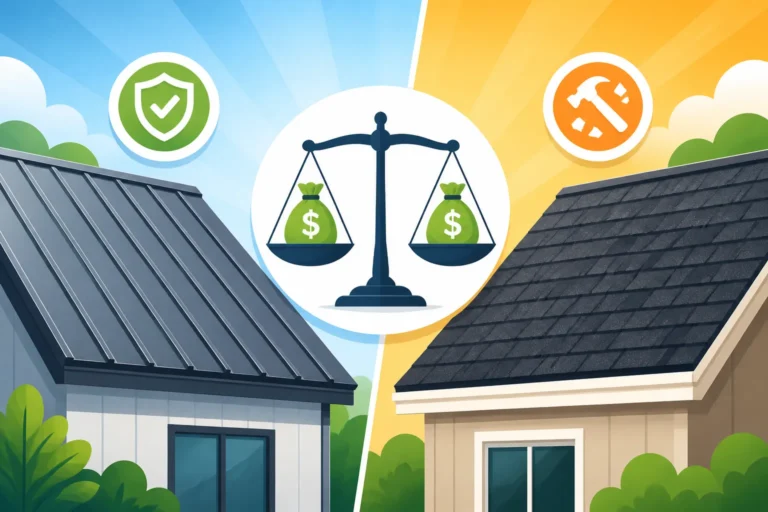
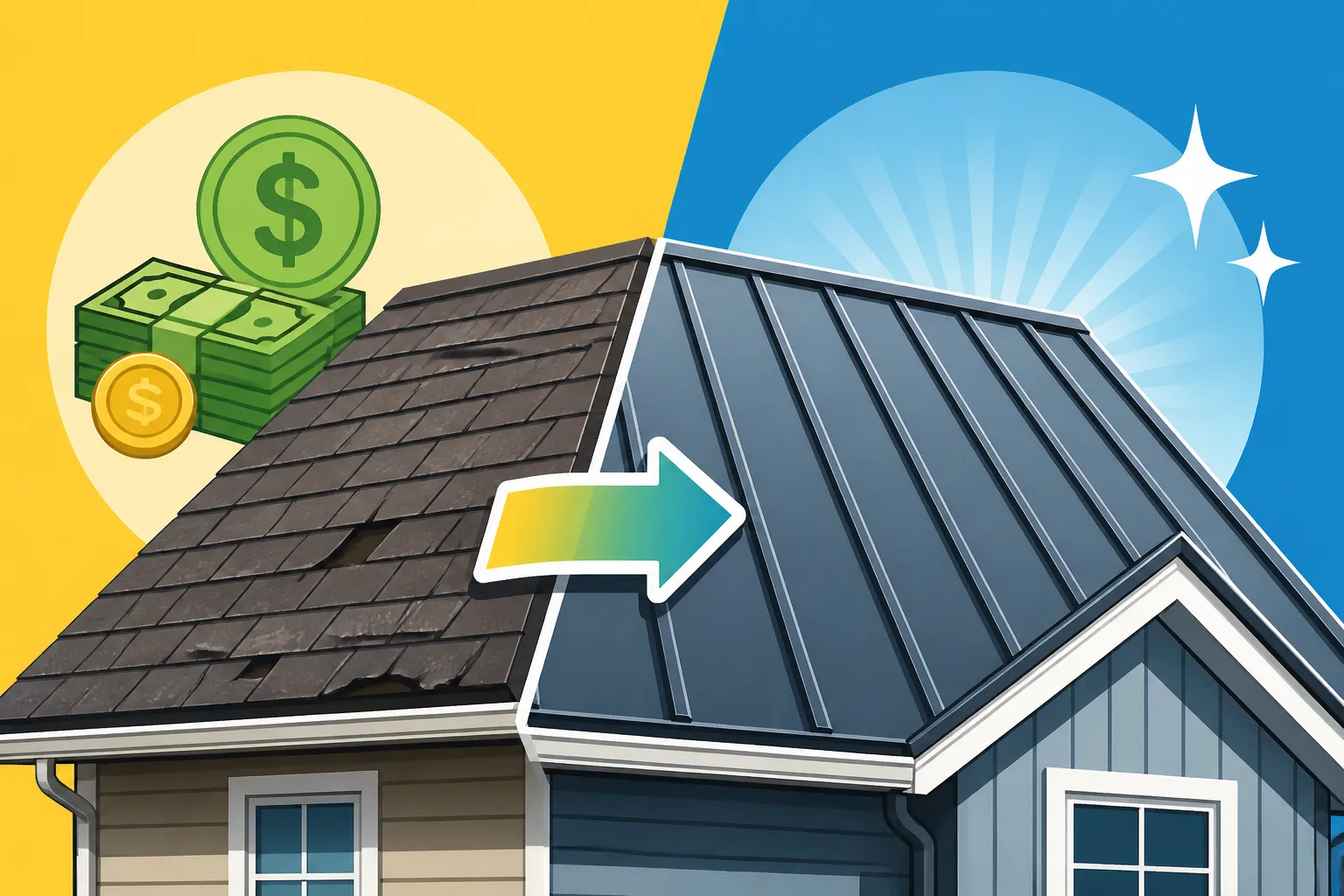
Yes, replacing your shingles with a metal roof is almost always more expensive upfront. A new asphalt shingle roof might cost anywhere from $7,000 to $15,000 for a typical home, while the metal counterpart could be $15,000 to $30,000 or more. That's a significant difference. However, consider the lifespan. You might replace your shingle roof two or even three times within the expected 50-70 year lifespan of a single metal roof.
When you factor in multiple shingle replacements, each with its own material, labor, and disposal costs over the decades, the long-term cost of shingles often exceeds that of a metal roof. Add to that the potential for reduced energy bills, lower maintenance, and the peace of mind that comes with a robust, long-lasting roof, and the long-term value proposition of metal becomes incredibly compelling. Many homeowners find that a metal roof is cheaper than shingles in the long run.
Understanding ROI and Resale Value
Beyond direct cost savings, a metal roof can offer excellent return on investment (ROI). While the exact figures vary by region and home value, studies and real estate trends consistently show that metal roofs are highly valued by homebuyers. They perceive them as an upgrade that signals quality, durability, and lower future maintenance.
- Appraisal Value: A new metal roof can often increase your home's appraisal value by 1% to 6%, depending on your local market and the roof's aesthetic appeal.
- Energy Savings: The energy efficiency benefits translate into lower utility bills, which is a tangible financial gain year after year.
- Insurance Discounts: Many insurance companies offer discounts for metal roofs due to their superior fire, wind, and impact resistance. This can lead to noticeable savings on your homeowners' insurance premiums over time. It's definitely worth checking out Metal Roof Insurance Savings & Discounts.
- Quicker Sale: Homes with desirable upgrades like metal roofs often sell faster in competitive markets, which can save you time and stress when it’s time to move.
- Payback Period: While the payback period for the higher upfront cost can vary, the combined savings from energy efficiency, insurance discounts, and avoided future roof replacements often make metal roofs a wise financial decision over the life of the home. This makes the question "Is a Metal Roof Worth It? ROI, Resale & Payback" a resounding yes for many.
Smart Strategies to Manage Your Metal Roof Budget
Considering the investment, it's natural to want to ensure you're getting the best value for your money. There are definitely smart ways to approach this significant home improvement project without breaking the bank.
Getting Multiple Quotes and Understanding Bids
This is perhaps the single most important step in managing your budget. Never settle for just one estimate! You should aim to get at least three, if not more, detailed quotes from different reputable metal roofing contractors in your area. This allows you to compare not just the bottom-line price, but also the scope of work, material specifications, warranty information, and timelines.
When comparing bids, make sure you're truly comparing "apples to apples." Don't just look at the price. Ask questions like:
- What specific metal material and gauge are they proposing (e.g., 26 gauge steel vs. 24 gauge steel)? The gauge impacts durability and cost; for instance, 24 vs 26 Gauge Metal Roof: Cost Difference can be significant.
- What type of underlayment is included?
- Does the quote include tear-off and disposal?
- Are permits included in the price?
- What are the payment terms?
- What kind of warranties are offered (both on materials and workmanship)?
- How experienced is their crew with metal roof installations?
A thorough comparison will help you identify the best value and avoid unpleasant surprises down the line. Our guide on How to Read and Compare Metal Roof Quotes offers even more tips on this crucial step.
Exploring Financing and Insurance Savings
The upfront cost of a metal roof can be a hurdle, but there are several ways to make it more manageable.
- Contractor Financing: Many roofing companies partner with lenders to offer financing options, sometimes with deferred interest or low-interest rates. It's always worth asking about these.
- Home Equity Loans or Lines of Credit: If you have equity in your home, a home equity loan or HELOC can provide a lower-interest way to finance your new roof, as the interest may be tax-deductible.
- Personal Loans: While typically having higher interest rates, personal loans can be an option for those who don't want to use their home as collateral.
- Government Programs & Tax Credits: Occasionally, federal or local government programs offer incentives or tax credits for energy-efficient home improvements, which a metal roof might qualify for. These programs change, so it's always good to check what's available in your area.
- Insurance Discounts: As mentioned earlier, metal roofs often qualify for significant discounts on homeowners' insurance due to their superior resistance to fire, wind, and hail. Be sure to contact your insurance provider before the project begins to inquire about potential savings. Some policies might even offer premium reductions based on the type of roof you choose. Investigating Metal Roof Financing Options and Metal Roof Insurance Savings & Discounts can uncover opportunities to soften the financial impact.
By proactively investigating these avenues, you can often make the investment in a metal roof much more affordable and less daunting than it initially appears.
Disclaimer
Please remember that the information provided in this article is intended for general informational purposes only and does not constitute professional advice. Roofing costs can vary significantly based on your specific location, chosen materials, contractor, and the unique characteristics of your home. It is always recommended to consult with multiple qualified, licensed, and insured local metal roofing contractors to obtain accurate estimates and personalized advice for your project. Always verify local building codes and permitting requirements before beginning any roofing work.