Standing Seam vs Snap-Lock Metal Roof
Choosing a metal roof for your home is a big decision, and it’s easy to feel overwhelmed by all the options out there. Many homeowners find themselves weighing the pros and cons of different panel styles, especially when it comes to the popular concealed fastener systems. This guide is here to walk you through the key differences between standing seam and snap-lock metal roofs, helping you understand their unique features, installation processes, costs, and long-term performance so you can make an informed choice for your property.
Understanding Standing Seam Metal Roofing
Standing seam metal roofing has been a go-to choice for homeowners seeking durability and a sleek, modern aesthetic. It’s a premium roofing system, and understanding what sets it apart is the first step in deciding if it’s the right fit for your home.
What Exactly Is Standing Seam?
At its heart, a standing seam metal roof is characterized by its distinctive raised seams, or ribs, that stand vertically above the flat panel sections. These seams are where the panels are joined together, and crucially, they completely conceal the fasteners beneath the metal. This means you won’t see any screws or clips on the surface of your roof, which not only gives it a very clean, continuous look but also significantly enhances its weather resistance. With no exposed fasteners, there are fewer points of entry for water, making it incredibly resilient against leaks.
The panels themselves are typically formed from heavy-gauge steel or aluminum, often coated with a durable paint finish like Kynar 500 (PVDF) or SMP (Siliconized Modified Polyester) that resists fading, chalking, and corrosion for decades. These panels are custom-cut to the length of your roof, minimizing horizontal seams and further boosting its protective qualities. The clean lines and architectural appeal of standing seam roofing make it a popular choice for contemporary homes, but it also looks fantastic on traditional and even historic properties, adding a touch of sophisticated elegance that lasts.
The Installation Process and Considerations
Installing a true standing seam metal roof is a precise and specialized process, definitely not a job for the average DIYer. It requires skilled professionals who understand the nuances of metal fabrication and roofing. There are two main types: mechanically seamed and snap-lock (which we'll discuss in detail later). For traditional mechanically seamed systems, individual panels are laid out, and then a specialized seaming machine is used to fold and crimp the edges of adjacent panels together, creating a watertight, interlocking seam. This process ensures a robust connection that can withstand extreme weather conditions.
Because of the specialized tools and expertise required, the installation tends to be more labor-intensive and, consequently, more expensive than other roofing types. However, this meticulous process is what contributes to the system's exceptional longevity and performance. Proper installation also accounts for thermal expansion and contraction, which is a critical aspect of metal roofing. Panels are typically attached using clips that allow for slight movement as temperatures fluctuate, preventing buckling or warping over time. It’s a sophisticated system that, when installed correctly, offers unparalleled protection and beauty for your home. If you're curious about the full process, you can find a detailed breakdown in our guide on the Metal Roof Installation Process: Step by Step.
Diving into Snap-Lock Metal Roofing
While often grouped under the umbrella of standing seam, snap-lock metal roofing is a distinct system with its own advantages, primarily revolving around its simplified installation method. It aims to deliver many benefits of standing seam with greater ease.
The Simplicity of Snap-Lock Panels
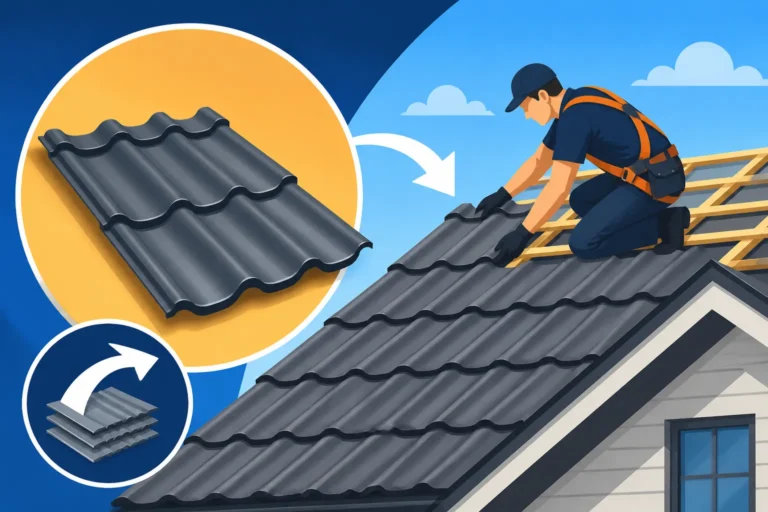
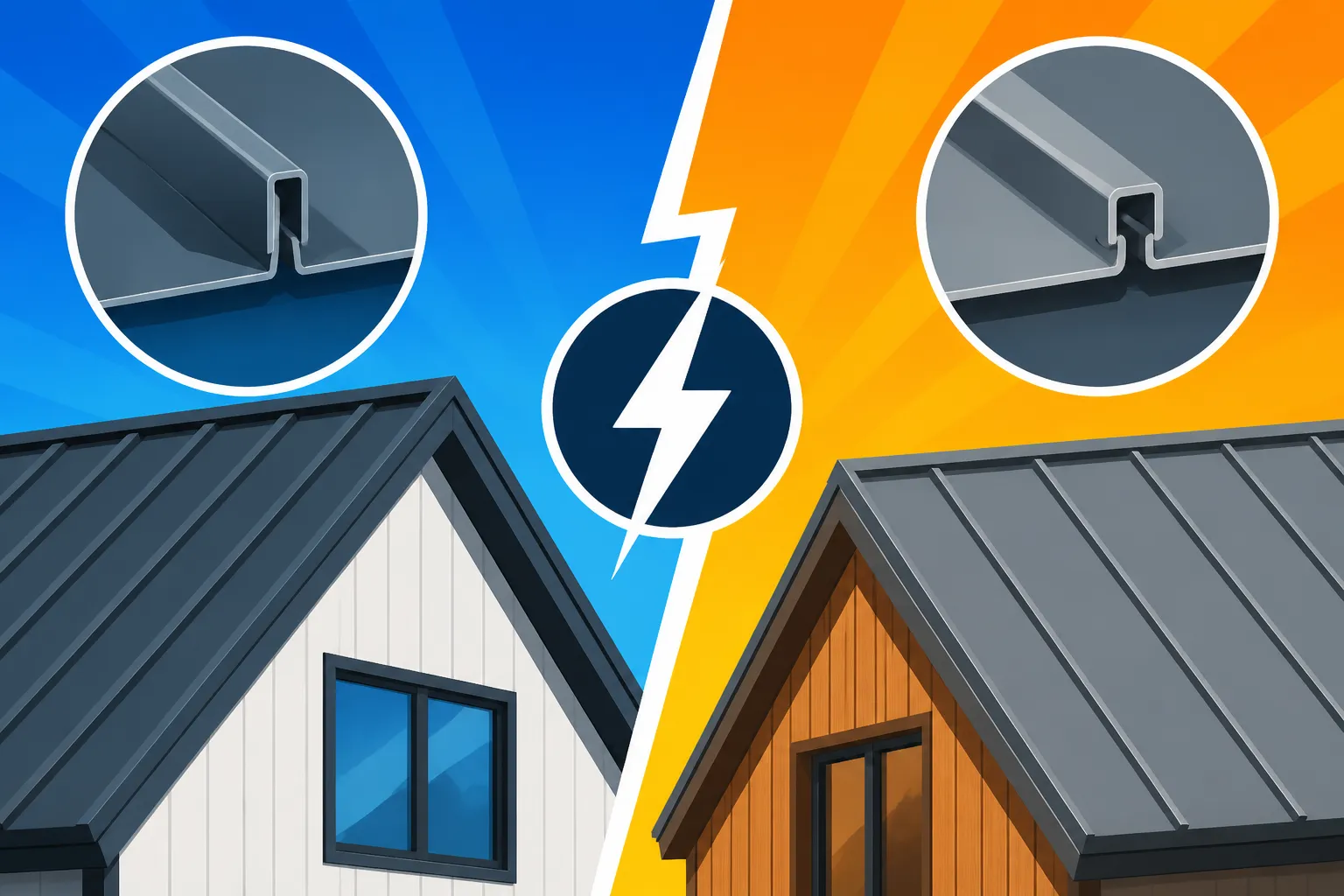
Snap-lock metal roofing, much like traditional standing seam, features concealed fasteners and raised ribs. However, the key difference lies in how these panels are joined together. Instead of requiring a mechanical seamer to crimp the seams, snap-lock panels are designed with an integral locking mechanism. One edge of the panel has a raised profile, and the adjacent panel has a complementary receptor channel. When installed, these two edges are simply pressed together until they "snap" or "click" into place, forming a secure and weather-tight seam.
This ingenious design makes installation significantly less complex and often quicker than a mechanically seamed system. You still get the clean, fastener-free look and excellent durability, but without the need for specialized seaming equipment on site. The panels are still typically fabricated from robust materials like Galvalume steel or aluminum, offering the same long-lasting performance and aesthetic appeal as other high-quality metal roofs. For homeowners and installers looking for a blend of premium aesthetics and a more streamlined installation, snap-lock systems present a compelling option.
Installation Without the Complex Seaming
The simplified installation process is arguably the biggest selling point for snap-lock metal roofing. Since there's no need for a mechanical seamer, the tools required are more standard, and the learning curve for installers can be less steep. This doesn't mean it's a job for amateurs – proper panel alignment, flashing details, and handling of the material still demand skill and experience – but it does open up the possibility for a broader range of experienced roofing contractors to install it efficiently. The panels are typically secured to the roof deck using clips that are hidden beneath the male leg of the panel, allowing the female leg to snap over it.
This "snapping" action reduces the labor time involved in the project, which can translate into cost savings for the homeowner. For those who are exceptionally handy and have a good understanding of roofing principles, some smaller snap-lock projects might even be considered for DIY Metal Roof Installation: What to Know, though for a full house roof, professional installation is always recommended for warranty and performance reasons. The speed and relative simplicity of installation make snap-lock an attractive option for both residential and light commercial applications where a traditional standing seam look is desired without the higher installation complexity.
Key Differences: Standing Seam vs. Snap-Lock
While both standing seam and snap-lock systems fall under the category of concealed fastener metal roofing, their fundamental differences in joining mechanisms lead to variations in installation, performance, and aesthetic nuances. Understanding these distinctions is crucial when making your final decision.
Installation Complexity and Labor Costs
This is perhaps the most significant divergence between the two systems. Traditional standing seam, particularly the mechanically seamed variety, requires a high level of technical expertise and specialized equipment. The process of forming the seams by crimping them together with a seaming machine on-site is an art form. It demands experienced installers who are intimately familiar with the material and the machinery. This specialized labor and the time it takes to meticulously seam each panel contribute to higher Metal Roof Labor Cost. You're paying for precision, craftsmanship, and a robust, mechanically locked connection.
Snap-lock systems, on the other hand, are designed for efficiency. The self-locking mechanism means installers simply align and "snap" panels into place. While skill is still vital for accurate measurements, proper alignment, and critical flashing details, the labor-intensive seaming step is eliminated. This typically results in a faster installation timeline and, consequently, lower labor costs. It's important to note that a quicker installation doesn't necessarily mean lower quality, but it does mean a different approach to labor. Contractors who might be experts in other roofing types can transition to snap-lock with less specialized training than required for mechanically seamed systems.
Performance and Durability in the Long Run
Both standing seam and snap-lock roofs offer superior performance and durability compared to many other roofing materials. Their concealed fastener design protects screws and clips from the elements, significantly reducing the risk of leaks and fastener corrosion, which are common issues with exposed fastener metal roofs. However, there are subtle differences in their long-term resilience, especially under extreme conditions.
Mechanically seamed standing seam roofs, with their double-folded or single-folded crimped seams, generally offer the highest level of wind resistance and watertightness. This robust, permanently locked connection is incredibly difficult to compromise, making it an excellent choice for regions prone to high winds, hurricanes, or heavy snowfall. They are often considered the gold standard for longevity, with lifespans often exceeding 50-70 years. Snap-lock systems are also very durable and perform exceptionally well, particularly against rain and typical wind loads. However, in the most extreme wind uplift scenarios, a mechanically seamed roof typically offers a slightly higher degree of resistance due to its physically locked seams. While rare, a snap-lock seam could potentially be forced open under extreme uplift if not installed perfectly or if the panel's design isn't robust enough. Both types are excellent at handling thermal expansion and contraction, which is critical for preventing issues like oil canning, where panels can appear wavy. To truly appreciate the longevity, consider exploring our article on Metal Roof Lifespan: How Long Do They Last?.
Aesthetic Appeal and Design Versatility
When it comes to looks, both standing seam and snap-lock offer a sleek, modern aesthetic characterized by clean lines and the absence of visible fasteners. This makes them highly desirable for contemporary architectural styles, but they can also complement traditional homes beautifully, providing a timeless look. The primary difference in appearance is often subtle and depends largely on the specific panel profile chosen.
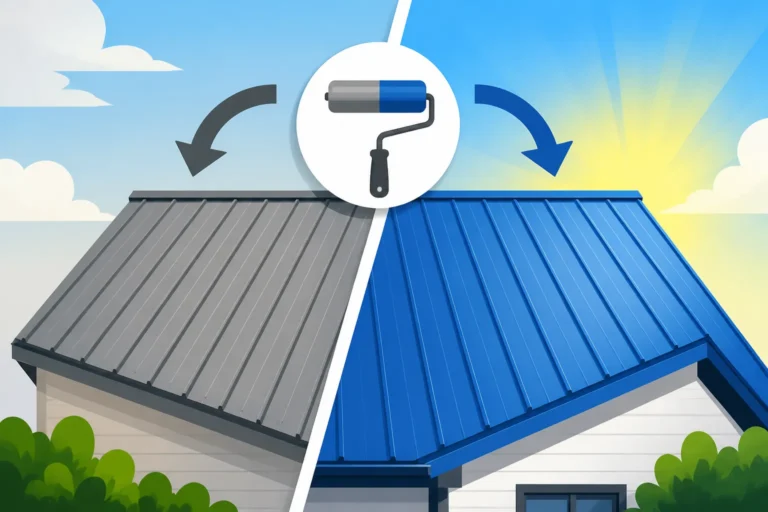
Traditional mechanically seamed panels tend to have very crisp, angular seams, as the metal is precisely folded. This can create a sharper, more defined appearance on the roof. Snap-lock panels also offer a refined look, but some profiles might have a slightly softer or more rounded seam profile depending on the manufacturer's design for the interlocking mechanism. Both systems offer a vast array of color options, from classic grays and bronzes to vibrant reds and blues, often with high-performance paint coatings that retain their hue for decades. The choice of color and finish can dramatically impact the curb appeal of your home. You can dive deeper into selecting the perfect shade with our guide on Best Metal Roof Colors and How to Choose. Ultimately, for most homeowners, the aesthetic difference between the two might be negligible, with both providing that coveted clean metal roof look.
Cost Comparison: Where Do They Stack Up?
When budgeting for a new roof, cost is almost always a primary concern. Metal roofs, in general, represent a significant investment, and understanding how standing seam and snap-lock compare financially is crucial for planning your project.
Material Costs: The Panels Themselves
The material cost for both standing seam and snap-lock panels can vary widely based on the type of metal, gauge (thickness), and paint finish. Generally, both systems utilize high-quality metals like Galvalume steel or aluminum, and the base material cost per square foot for the panels themselves is quite comparable, assuming similar specifications. For example, a 24-gauge Galvalume steel standing seam panel might have a similar base material cost to a 24-gauge Galvalume steel snap-lock panel. Higher quality coatings, like PVDF (Kynar 500), will inherently increase material costs compared to SMP finishes. Exotic metals like copper or zinc will naturally be far more expensive for either profile.
However, sometimes the manufacturing process for mechanically seamed panels, especially those custom-fabricated on-site by a mobile roll-forming machine, can lead to slight variations. Snap-lock panels, being designed for easier manufacturing and often produced in high volumes, might sometimes be marginally less expensive on a per-square-foot material basis, though this isn't a hard and fast rule. It's always best to get specific quotes for the exact material and gauge you're considering. For more detailed breakdowns, you can refer to our article on Metal Roof Cost Per Square Foot.
Total Installed Costs and ROI
The real difference in cost between standing seam and snap-lock becomes apparent when you factor in installation. Because traditional mechanically seamed standing seam roofs require more specialized labor, equipment, and time, their total installed cost is typically higher. You might see mechanically seamed systems costing anywhere from $10 to $18+ per square foot installed, while snap-lock systems generally range from $8 to $16 per square foot installed. These are rough averages, and actual prices will depend heavily on your location, roof complexity, and the specific contractor you choose.
While the initial outlay for either system is higher than, say, asphalt shingles, both offer exceptional long-term value and return on investment (ROI). Metal roofs are known for their incredible durability, lasting 50 to 70 years or more, often outliving several asphalt shingle roofs. This longevity means you won't be paying for roof replacements as frequently, saving you money over the decades. Additionally, metal roofs can offer significant energy savings due to their reflective properties, especially lighter colors, which can lead to lower cooling costs. Many insurance companies also offer discounts for metal roofs due to their superior fire, wind, and impact resistance. This can further improve your long-term financial picture. For a complete understanding of the investment, check out our Metal Roof Cost: Complete 2026 Guide and our article on Metal Roof Insurance Savings & Discounts. When considering the total cost of ownership, both standing seam and snap-lock prove to be very wise investments.
Maintenance and Repair Considerations
Even the most durable metal roofs require some attention over their long lifespan. Understanding the maintenance routines and potential repair scenarios for both standing seam and snap-lock systems can help you anticipate future needs and costs.
Routine Upkeep for Both Systems
The good news is that both standing seam and snap-lock metal roofs are relatively low-maintenance compared to many other roofing materials. The primary maintenance task for both involves keeping the roof clean and free of debris. Leaves, twigs, and dirt can accumulate in valleys or behind chimneys, potentially trapping moisture and accelerating wear on the coating. Regular inspections, especially after severe weather, are highly recommended. Look for any signs of damage, such as dents from hail, scratches that expose the metal underneath, or any unusual changes in appearance. Pay close attention to areas around flashing, vents, and other penetrations, as these are common points where issues can begin.
For both systems, maintaining gutters and downspouts is also crucial to ensure proper water drainage away from the roof and foundation. While the robust nature of metal means less frequent professional cleaning, a soft wash to remove grime and algae every few years can help maintain its aesthetic appeal and coating integrity. It's always wise to consult with your installer or a metal roofing professional for specific cleaning recommendations to avoid damaging the finish. Our comprehensive Metal Roof Maintenance Guide offers even more tips for keeping your roof in top shape.
Addressing Damage and Leaks
Despite their exceptional durability, metal roofs can occasionally sustain damage or develop leaks, particularly if installation wasn't flawless or if extreme events occur. The repair process can differ slightly between standing seam and snap-lock due to their distinct seam mechanisms. For both, a key advantage is that individual panels can often be replaced if severely damaged, which is a more sustainable and cost-effective approach than replacing an entire roof section.
If a leak occurs on a mechanically seamed standing seam roof, it's often due to faulty flashing, punctures from falling debris, or issues at penetrations like skylights or vents. Seam integrity is typically very high due but can be compromised by severe impact. Repairing these often involves resealing flashing, patching small holes, or replacing a damaged panel. This can be complex, as the seamed connections are very tight and may require partial unseaming and reseaming, which is a job for a specialist. For snap-lock systems, while equally robust, a leak might occasionally stem from a seam that didn't fully engage during installation or has been dislodged by unusual forces, though this is uncommon. Repairs would similarly focus on penetrations and flashing, but if a seam needs attention, it might be simpler to re-engage or reinforce compared to a mechanically seamed counterpart. Regardless of the system, addressing leaks promptly is vital to prevent more extensive damage. Our detailed Metal Roof Leak Repair Guide can help you understand common leak sources and their fixes.
Making the Right Choice for Your Home
Deciding between a standing seam and snap-lock metal roof comes down to balancing your priorities: budget, aesthetics, long-term performance expectations, and even the complexity of your roofline. Both are fantastic choices that offer superior protection and longevity compared to traditional asphalt.
When Standing Seam is the Superior Choice
For homeowners who prioritize the absolute highest level of protection, uncompromising durability, and a truly architectural aesthetic, a mechanically seamed standing seam roof often comes out on top. This system is truly built for the long haul, often boasting a lifespan that can reach 70 years or more with proper care. Its robust, double-folded seams create an incredibly resilient barrier against the elements, making it an ideal choice for regions that experience severe weather conditions, such as high winds, heavy snow loads, or frequent hailstorms. The mechanical seaming creates a watertight seal that is exceptionally difficult for water to penetrate, even under pooling conditions on low-slope areas.
Aesthetically, the crisp, clean lines of a mechanically seamed standing seam roof offer a premium, sophisticated look that enhances the curb appeal of any home. It's a favorite among architects and custom home builders for its ability to create a visually striking roofscape that complements modern and minimalist designs, but also provides a distinguished finish on more traditional properties. If your budget allows for the higher initial investment, and you're seeking the ultimate in performance, longevity, and a high-end appearance, then mechanically seamed standing seam is likely your superior option. It's a choice that reflects a commitment to quality and lasting value.
When Snap-Lock Offers a Smarter Solution
Snap-lock metal roofing shines as an incredibly smart solution for homeowners who want the benefits of a concealed fastener metal roof—durability, energy efficiency, and a clean aesthetic—but are also mindful of their budget and installation timeline. This system offers an excellent balance between cost-effectiveness and high performance, making it a very popular choice for a wide range of residential projects. Its easier installation process means lower labor costs and a quicker completion time compared to mechanically seamed systems, which can be a significant advantage, especially if you're on a tight schedule or need to get your roof replaced before a specific season.
Snap-lock roofs provide exceptional protection against rain, snow, and typical wind loads, easily outperforming most traditional roofing materials. They offer the same sleek, fastener-free appearance as mechanically seamed roofs, providing that sought-after modern look without the added complexity of on-site seaming. If your home has a relatively straightforward roof design, or if you're looking to upgrade to metal roofing without the absolute top-tier price tag of mechanically seamed, snap-lock is an incredibly practical and durable choice. It's a testament to how innovative design can deliver premium benefits in a more accessible package, offering fantastic value and peace of mind for decades to come.
Consulting Professionals and Getting Quotes
No matter which system piques your interest, the most critical step is to engage with experienced metal roofing professionals. They can assess your specific roof, local climate, and aesthetic preferences to provide tailored recommendations. Don't settle for just one estimate; it's always wise to get multiple quotes from different contractors to compare pricing, materials, and proposed scopes of work. Make sure these quotes are detailed and specify whether they are for mechanically seamed or snap-lock systems, the gauge and type of metal, and the brand of coating being used.
When vetting contractors, ask about their experience specifically with metal roofing installations. Look for companies with a strong reputation, proper licensing, insurance, and positive references. Don't hesitate to ask about their warranties – both for materials and workmanship. Services like Modernize can be incredibly helpful in connecting you with pre-vetted local roofing contractors who specialize in metal roofing. They can simplify the process of gathering competitive bids, ensuring you find a qualified installer who can expertly handle either a standing seam or snap-lock system. You'll want to review our guide on How to Hire a Metal Roofing Contractor and also learn How to Read and Compare Metal Roof Quotes to ensure you're making a truly informed decision. Taking the time to do your homework and consult with experts will ensure your new metal roof, whether standing seam or snap-lock, is a wise and lasting investment for your home.
| Feature | Standing Seam (Mechanically Seamed) | Snap-Lock Metal Roof |
|---|---|---|
| Seaming Method | Panels mechanically folded/crimped together on-site | Panels "snap" or "click" together via integral lock |
| Fasteners | Fully concealed | Fully concealed |
| Installation | More complex, requires specialized tools/skill | Simpler, faster, less specialized tools required |
| Labor Cost | Generally higher due to specialized skill & time | Generally lower due to reduced complexity & time |
| Material Cost (Panels) | Comparable to snap-lock (for similar specs) | Comparable to standing seam (for similar specs) |
| Total Installed Cost | Typically higher | Typically lower than mechanically seamed |
| Wind Resistance | Highest (strongest mechanically locked seams) | Excellent (very good resistance for most applications) |
| Watertightness | Excellent (superior for low-slope applications) | Excellent |
| Aesthetic | Crisp, highly defined seams, premium look | Clean, sleek look, slightly softer seam profile possible |
| Longevity | 50-70+ years (often considered the gold standard) | 40-60+ years (very durable, long-lasting) |
| Ideal For | Extreme climates, architectural homes, ultimate durability | Budget-conscious, faster installation, great all-around performance |
Disclaimer
Please remember that the information provided in this guide is for general informational purposes only and should not be considered professional advice. Roofing costs, material availability, installation processes, and local regulations can vary significantly based on your specific location, roof characteristics, and contractor. Always consult with qualified and licensed metal roofing professionals for accurate estimates, personalized recommendations, and to ensure compliance with all local building codes and warranty requirements before undertaking any roofing project.