Tin vs Steel Metal Roof: Which Is Better?
Many homeowners find themselves scratching their heads when they hear terms like "tin roof" and "steel roof," often wondering if they're interchangeable or if there's a significant difference. It's a common point of confusion, especially since "tin" has historical roots but isn't quite what it seems in modern roofing. This guide is here to clear up that mystery, detailing the real distinctions between tin and steel metal roofing so you can make an informed decision for your home.
Understanding "Tin" Roofing: More History Than Modern Reality
Let's get one thing straight from the start: true tin roofs, in the way most people imagine them, are incredibly rare today for residential use. The term "tin roof" largely comes from historical practices and has become a colloquialism that often misrepresents the actual materials being used.
The Reality of Modern "Tin" Roofs
When someone refers to a "tin roof" in the 21st century, they are almost invariably talking about a steel roof that has been coated with some form of metal to prevent corrosion. Most commonly, this refers to galvanized steel (steel coated with zinc) or Galvalume steel (steel coated with a blend of aluminum, zinc, and silicon). Historically, true tin roofs were made of steel panels that were dipped in molten tin. Tin is a softer, more expensive metal than steel, and while it offers excellent corrosion resistance, it lacks the structural rigidity and widespread availability that modern steel roofing boasts.
The old "tin roofs" of yesteryear, particularly prevalent in the late 19th and early 20th centuries, were valued for their relatively lightweight nature and how easily they could be formed and installed compared to other roofing materials of the time. However, their longevity was heavily reliant on regular painting and maintenance to prevent rust once the thin tin coating eventually wore through or was scratched. Without that diligent care, they'd quickly succumb to the elements. So, if a contractor talks about a "tin roof" today, it's crucial to clarify what kind of metal they're actually referring to. Don't be shy about asking for specifics on the base metal and its coating!
Pros and Cons of Actual Tin Plating (Historical Context)
While pure tin roofing isn't a common contemporary option, understanding its historical characteristics helps illuminate why modern steel alternatives became dominant. True tin-plated steel offered several benefits that made it popular in its heyday.
First, tin is naturally resistant to rust and corrosion, providing a decent protective layer for the underlying steel. It’s also a non-toxic metal, which was a plus for rainwater collection back when that was a more primary concern for households. The malleability of tin-plated steel also meant it could be easily cut, formed, and seamed by roofers with basic tools, making installation simpler in a less industrialized era. Visually, it provided a bright, silvery finish that would weather to a dull gray over time, a look some still appreciate today in historic restorations.
However, the downsides were significant. Tin is a relatively soft metal. This means true tin roofs were prone to denting, scratching, and other forms of physical damage. Once the thin tin coating was compromised, the exposed steel beneath would rapidly rust, leading to leaks and degradation. Furthermore, tin is an expensive metal, making it cost-prohibitive for large-scale roofing projects, even historically. These limitations, combined with advancements in steel manufacturing and coating technologies, paved the way for the robust and long-lasting steel roofs we see today.
Diving Deep into Steel Metal Roofing
When people talk about metal roofing that truly stands the test of time and offers incredible performance, they are almost always talking about steel. Steel is the workhorse of the metal roofing world, offering a fantastic balance of strength, durability, and cost-effectiveness.
Types of Steel Roofing
Steel, on its own, would rust relatively quickly when exposed to the elements. That's why modern steel roofing relies heavily on sophisticated protective coatings to ensure its longevity. The type of coating is a major differentiator in steel roofing products.
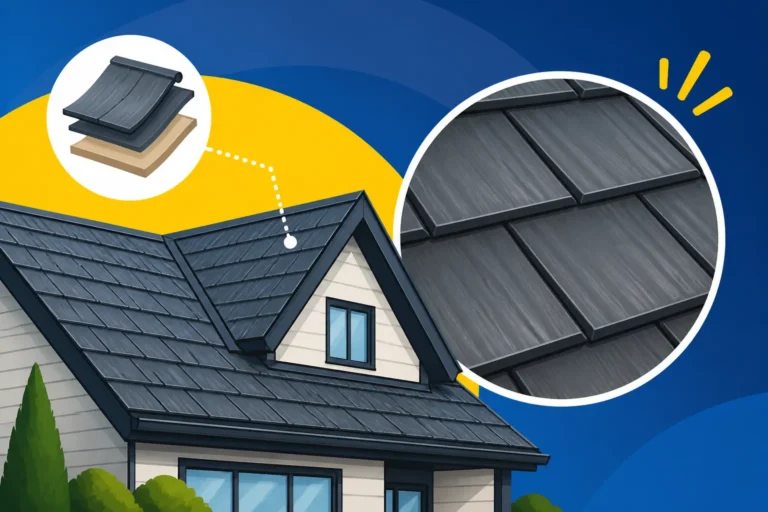
One of the most common types is galvanized steel. This is steel that has been hot-dipped in molten zinc. The zinc acts as a sacrificial layer, corroding before the steel does, effectively protecting it from rust. Galvanized steel is widely used for corrugated panels and R-panels, often found on agricultural buildings, but increasingly in residential applications for its rustic aesthetic and durability. Another popular choice is Galvalume steel. This innovative coating consists of aluminum, zinc, and a touch of silicon. The aluminum provides excellent barrier protection against corrosion, while the zinc offers galvanic protection similar to galvanized steel. The silicon helps the coating adhere better during the manufacturing process. Galvalume is renowned for its superior corrosion resistance, often outperforming galvanized steel in many environments, especially coastal areas where salt spray is a concern. Finally, we have stone-coated steel. This involves steel panels (usually galvanized or Galvalume) that are then covered with an acrylic-bonded granular stone chip coating. This gives the roof the look of traditional shingles, tile, or shake, while retaining the underlying strength and durability of steel. These roofs are highly resistant to impact, fire, and extreme weather. Each of these coatings offers distinct advantages, impacting everything from the roof's lifespan to its suitability for specific climates and aesthetic preferences.
Advantages of Modern Steel Roofing
The benefits of choosing a modern steel roof are truly compelling, making it a standout option for homeowners looking for long-term value and performance.
Firstly, durability and longevity are huge selling points. Properly installed steel roofs, especially those with advanced coatings like Galvalume or stone-coating, can last 50 years or even longer. This far surpasses the typical lifespan of asphalt shingles, which often need replacement after 15-30 years. This long life means fewer replacements and significant savings over the lifetime of your home. You can learn more about Metal Roof Lifespan: How Long Do They Last? to understand the full scope of this benefit.
Secondly, steel roofs offer superior strength and resistance to harsh weather conditions. They are highly resistant to fire, often carrying a Class A fire rating, which can even lead to insurance discounts. Their robust nature means they can withstand high winds, heavy snow loads, and even hail much better than softer roofing materials. Many manufacturers like McElroy Metal or Metal Sales offer panels specifically engineered for extreme weather, giving homeowners peace of mind.
Thirdly, energy efficiency is a major advantage. Many steel roofing panels come with cool roof coatings that reflect solar radiant heat, rather than absorbing it. This can significantly reduce cooling costs in warmer climates. The air space between the metal panels and the roof deck also provides an additional layer of insulation. For homeowners in hot regions like Florida or Texas, this can lead to substantial savings on utility bills.
Finally, the aesthetic versatility of steel roofing is truly impressive. Gone are the days when metal roofs only meant plain, industrial-looking panels. Today, steel is available in a vast array of profiles, including classic Standing Seam Metal Roof Cost, Corrugated Metal Roof Cost, Metal Shingle Cost, and the popular Stone-Coated Steel Roof Cost. These come in countless colors and finishes, allowing homeowners to achieve almost any architectural style, from rustic farmhouse to ultra-modern. The options are virtually endless, making it easy to find a look that complements your home's unique character.
Considerations for Steel Roofing
While steel roofing offers a wealth of benefits, it's also important to consider a few potential aspects to ensure it's the right choice for your specific situation. Understanding these can help you better prepare and ask the right questions when getting quotes.
One primary consideration is the initial upfront cost. While steel roofs offer significant long-term savings due to their durability and energy efficiency, the initial investment is typically higher than that of traditional asphalt shingles. For example, a Metal Roof Cost Per Square Foot can be several times more than shingles, though this difference often pays for itself over decades. However, it’s not just the material cost; installation requires specialized skills and tools, contributing to a higher labor cost. This is why getting multiple detailed quotes is essential.
Another factor is weight, although this is often misunderstood. While steel is denser than asphalt, metal roofing systems are generally lighter per square foot than asphalt shingle roofs. This can be a huge advantage, as it often means you can install a metal roof over your existing shingles without needing a full tear-off, provided your roof structure can handle it. However, proper structural assessment is still crucial, especially for older homes.
Finally, while steel is incredibly durable, the integrity of its protective coating is paramount. If the coating (zinc, Galvalume, or stone) is significantly scratched or damaged during installation or over time, the underlying steel can become exposed and susceptible to rust. This is why professional installation is critical. Experienced installers know how to handle panels carefully, minimize scratches, and apply proper sealants and flashing to protect vulnerable areas. For instance, understanding Metal Roof Trim and Flashing Cost is important, as these components are vital for leak prevention and protecting edges. Investing in higher quality coatings and gauges can also mitigate this risk, as 24 vs 26 Gauge Metal Roof: Cost Difference shows how thicker steel offers greater durability.
Direct Comparison: Tin vs. Steel – What You Really Need to Know
When it comes down to it, comparing "tin" and "steel" roofing in a modern context is really a comparison between a historical, largely superseded material and the advanced steel roofing systems of today. The term "tin roof" often causes confusion, but once you understand what it really implies now, the choice becomes much clearer.
Longevity and Durability
There’s simply no contest here: modern steel roofing vastly outperforms any historical or conceptual "tin" roof in terms of longevity and durability. A true tin-plated steel roof, with its thin tin layer, was prone to dings, scratches, and rapid corrosion once that tin was compromised. Its lifespan was often measured in decades, but only with meticulous painting and maintenance.
Modern steel roofs, particularly those with advanced coatings like Galvalume or high-quality paint systems (such as PVDF), are designed to last 50 years or even longer with minimal maintenance. These coatings are engineered to resist corrosion, fading, and chalking, protecting the robust steel core for decades. Stone-coated steel roofs add an extra layer of protection with their granular surface, making them incredibly resistant to impact damage from hail or falling debris. The structural integrity of a modern steel panel, whether Standing Seam vs Corrugated Metal Roof, is built to withstand extreme weather events, from hurricanes to heavy snow. This inherent strength and advanced protection mean that steel roofs provide a far superior investment in terms of long-term performance and peace of mind.
Cost Analysis
When evaluating the cost, it's important to look beyond the initial price tag and consider the total cost of ownership over the lifespan of the roof.
Historically, tin-plated steel was relatively expensive due to the cost of tin and the labor-intensive plating process. While exact historical figures are hard to compare directly, it was certainly not a budget option. In today's market, if you somehow found a pure tin-plated steel roof, it would be a niche, custom product likely commanding a very high premium.
Modern steel roofing, while having a higher initial cost than traditional asphalt shingles, offers excellent long-term value. For example, the Metal Roof Cost: Complete 2026 Guide breaks down how these costs accumulate. The initial material and installation expenses for a quality steel roof might range from $8 to $18 per square foot, varying significantly based on the type of panel (e.g., standing seam being more expensive than corrugated), gauge, coating, and regional labor rates. However, this higher upfront investment is offset by several factors:
- Extended Lifespan: Steel roofs last 2 to 3 times longer than asphalt shingles, meaning fewer replacement costs.
- Reduced Maintenance: Minimal maintenance is required compared to other roofing types.
- Energy Savings: The reflective properties can lead to lower cooling bills.
- Insurance Discounts: Some insurers offer discounts for durable, fire-resistant metal roofs.
- Increased Home Value: A metal roof can increase your home's resale value, as explored in Does a Metal Roof Increase Home Value?
So, while the initial sticker shock for a modern steel roof might be higher than traditional asphalt, its overall cost-effectiveness over several decades makes it a financially savvy choice for many homeowners.
Aesthetic and Style Options
This is another area where modern steel roofing leaves any notion of "tin" roofing in the dust. The aesthetic versatility and range of styles available with steel today are truly remarkable.
Historical tin roofs, being essentially painted steel, offered a very limited palette, typically a dull silver that would fade and required regular repainting to maintain any semblance of color. Their profiles were generally simple, utilitarian panels.
Modern steel roofing, by contrast, comes in an astounding array of options.
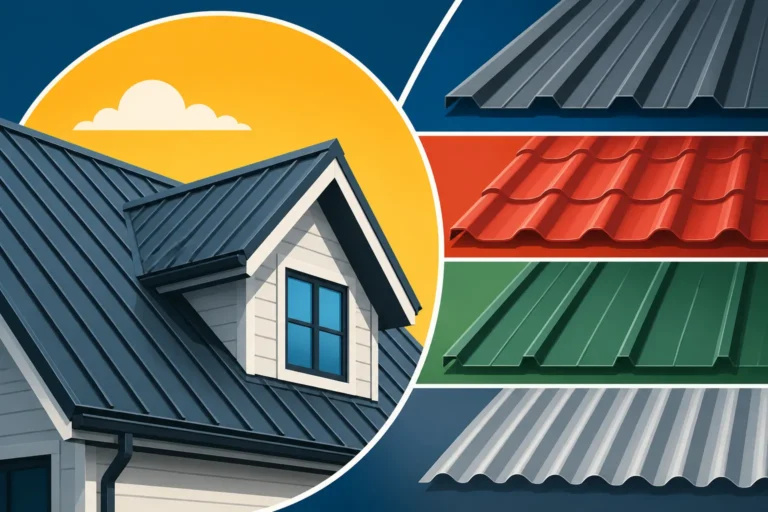
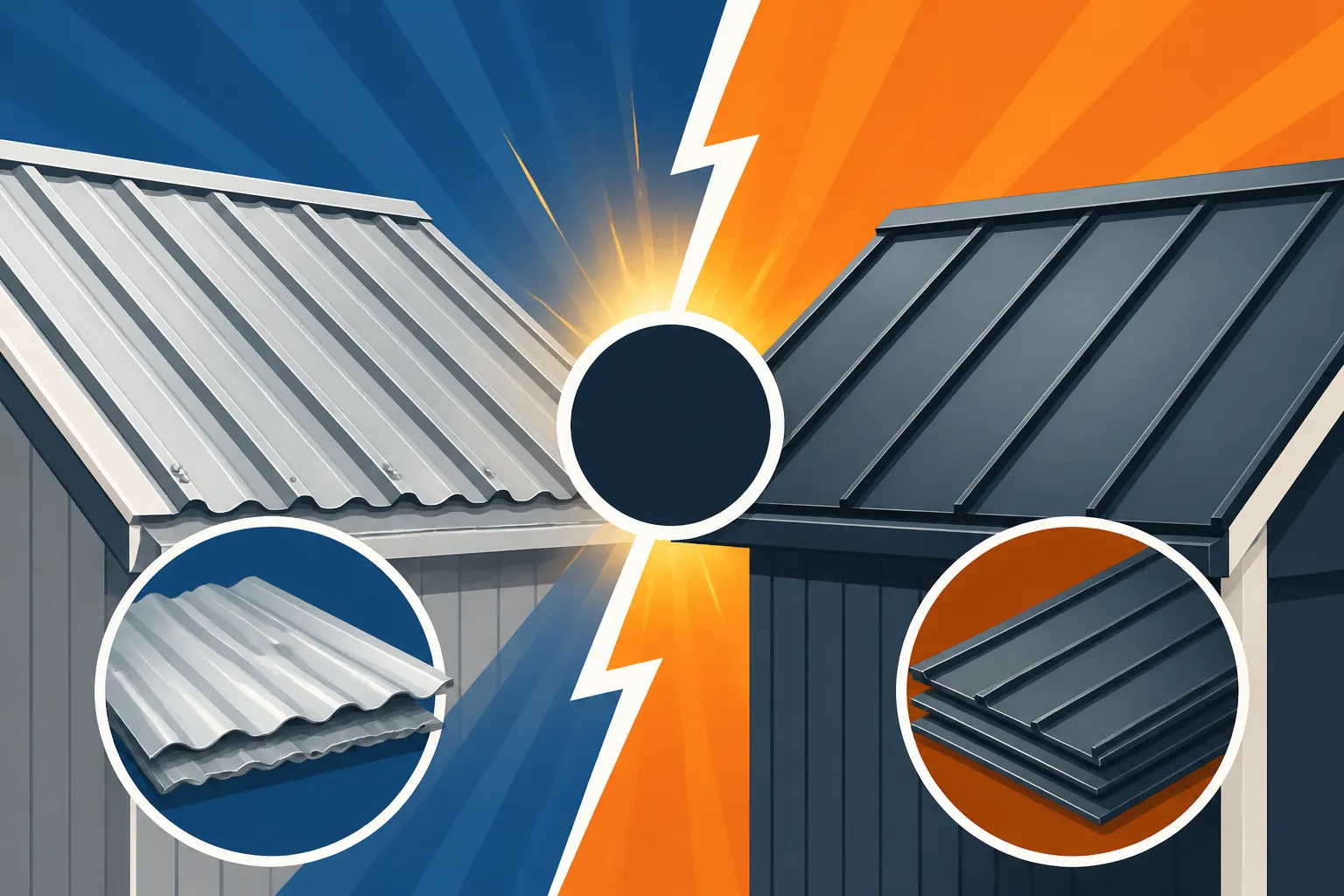
- Profiles: From the sleek, contemporary lines of Standing Seam Metal Roof Cost to the classic waves of Corrugated Metal Roof Cost or the rustic charm of R-panels. You can even find Metal Shingle Cost options that mimic the look of asphalt, slate, or wood shakes. This variety means steel can complement any architectural style, from historic homes to modern masterpieces.
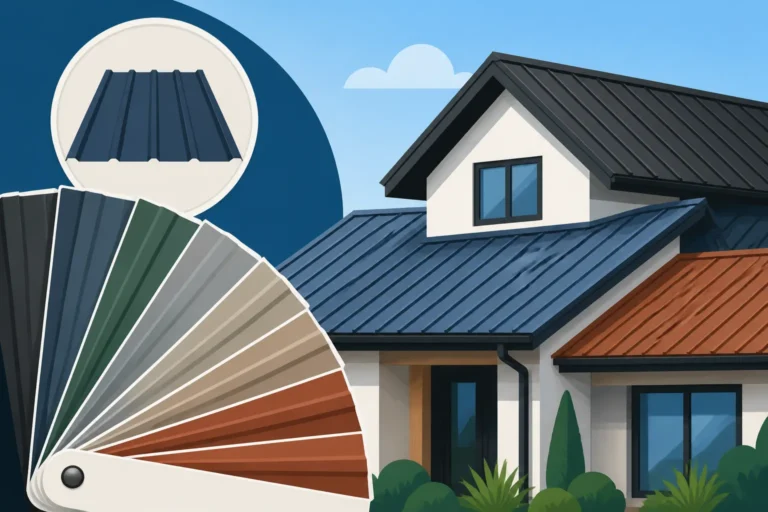
- Colors and Finishes: Thanks to advanced paint systems like Kynar 500 (PVDF) or SMP (Siliconized Modified Polyester), steel roofs are available in virtually every color imaginable. These coatings are incredibly durable, resisting fading, chalking, and chipping for decades. You can find deep earth tones, vibrant blues, classic grays, and even bright whites designed for maximum solar reflectivity. Some finishes even mimic other materials, such as weathered copper or patinated zinc, without the associated cost or weight. The aesthetic flexibility means you don't have to compromise on style when choosing a durable, high-performance roof.
- Stone-Coated Steel: This takes aesthetics to a whole new level, offering the look of traditional roofing materials like clay tiles, cedar shakes, or architectural shingles, but with the unparalleled strength of steel. This means you can get the classic curb appeal you desire with all the benefits of metal.
In essence, with modern steel roofing, you can achieve nearly any visual effect while benefiting from the material's inherent strength and longevity.
Here's a quick comparison table to summarize the key differences:
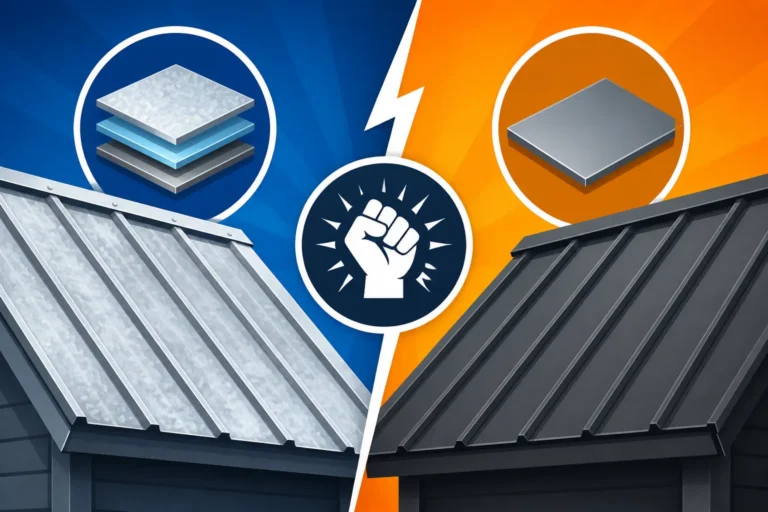
| Feature | "Tin" Roofing (Historical/Misnomer) | Modern Steel Roofing (Galvanized, Galvalume, Stone-Coated) |
|---|---|---|
| Base Material | Steel | Steel |
| Coating | Thin tin plating | Zinc (Galvanized), Zinc/Aluminum/Silicon (Galvalume), Stone granules (Stone-Coated) |
| Corrosion Resistance | Good, but easily compromised; needs frequent painting | Excellent, advanced coatings for long-term protection |
| Durability | Soft, prone to dents/scratches | Very strong, highly resistant to impact, fire, wind |
| Lifespan | 20-40 years (with high maintenance) | 50-70+ years (low maintenance) |
| Cost | High (if custom ordered today, due to tin) | Higher initial, but excellent long-term ROI (e.g., Metal Roof Cost vs Lifespan Value) |
| Aesthetics | Limited profiles, colors; requires repainting | Vast array of profiles (standing seam, corrugated, shingles, tile), colors, and finishes |
| Energy Efficiency | Low | High (reflective coatings, air gap) |
| Common Use | Historic restoration, sheds (as misnomer) | Residential, commercial, agricultural, industrial |
Environmental Impact and Sustainability
When it comes to thinking about our planet, both tin and steel have a story to tell, but modern steel roofing takes a clear lead in contemporary sustainability practices.
Historically, tin-plated steel, while recyclable in theory, wasn't recycled with the same efficiency or scale as modern materials. The process of separating the thin tin layer from the steel was complex and not economically viable for widespread recycling programs. Thus, many old "tin roofs" ended up in landfills.
Modern steel roofing, on the other hand, is heralded as one of the most environmentally friendly roofing materials available today. The key reason is its high recyclability. Steel is 100% recyclable, and crucially, it can be recycled repeatedly without any loss of quality. In fact, most new steel roofing contains a significant percentage of recycled content, often 25% or more, reducing the demand for virgin resources. At the end of its exceptionally long life (50+ years), a steel roof can be removed and recycled, completing a truly circular economy model. This drastically reduces landfill waste compared to asphalt shingles, which are a major contributor to construction and demolition debris.
Beyond recycling, steel roofs contribute to sustainability through their energy-saving properties. Their ability to reflect solar heat can significantly reduce a home's cooling energy demands, leading to lower greenhouse gas emissions from power plants. Many steel roofing products are "cool roof" certified, meaning they meet specific standards for solar reflectance and thermal emittance. Choosing steel is a choice for a durable, energy-efficient, and endlessly recyclable roofing solution that benefits both your home and the environment.
Making the Right Choice for Your Home
Deciding on a new roof is a big deal, and it's definitely not a decision to rush. Considering all the factors, especially the difference between traditional "tin" and modern steel, will help you feel confident in your investment.
Assessing Your Needs and Climate
Your geographical location and local weather patterns play a huge role in determining the best roofing material for your home. This isn't a one-size-fits-all situation!
For instance, if you live in an area prone to heavy snowfalls, the smooth surface of a standing seam metal roof allows snow to slide off efficiently, preventing heavy build-up that could stress your roof structure. However, this also means you might need How Much Does Snow Guard Installation Cost to prevent sudden snow avalanches that could damage property or injure people below. If you're in a hurricane-prone region like Florida, metal roofs are a fantastic choice due to their high wind resistance ratings (often exceeding 150 mph) and ability to meet strict building codes, like the Florida Metal Roof Codes: FBC, HVHZ & Approvals. In these climates, materials like Galvalume are particularly beneficial for their superior corrosion resistance against salty air.
Hail damage is another factor. While no roof is entirely impervious, many steel roofing options, especially stone-coated steel, offer excellent impact resistance, often earning a Class 4 impact rating, which can even lead to Class 4 Impact-Resistant Roof Insurance Discount. For regions with intense sun and heat, the reflective coatings on many steel roofs can make a noticeable difference in reducing attic temperatures and lowering cooling costs. Conversely, in colder climates, metal roofs can also be designed with proper ventilation to prevent ice dams. Thinking about these specific challenges helps narrow down the vast array of steel options to the ones that will truly protect your home for decades.
The Importance of Professional Installation
Once you've decided that a modern steel roof is the way to go, the single most critical factor in its performance and longevity will be the quality of its installation. Even the best materials can fail prematurely if they're not installed correctly.
Finding a reputable, experienced metal roofing contractor is paramount. You need someone who understands the nuances of working with metal, including proper fastening techniques, flashing details around chimneys and vents, and how to account for thermal expansion and contraction of the panels. A common issue, for example, is Why Is My Metal Roof Leaking Where the Screws Are – often a sign of improper screw installation or failing washers. A seasoned professional will prevent these headaches.
Don't hesitate to ask prospective contractors about their experience specifically with metal roofing (not just asphalt), their certifications, and references from past metal roof installations. Companies like Modernize can help homeowners connect with qualified, pre-vetted local roofing contractors, streamlining the process of getting reliable quotes and finding true experts. Always verify their licensing and insurance, and ensure they provide a comprehensive warranty that covers both materials and workmanship. A solid installation ensures your steel roof delivers on its promise of decades of worry-free protection. You can find more information on How to Hire a Metal Roofing Contractor to ensure you're making a smart choice.
Disclaimer
Please remember that the information provided in this article is intended for general guidance and informational purposes only. While we strive to offer accurate and up-to-date content, roofing is a complex field with many variables, including local building codes, specific material requirements, and individual home conditions. Always consult with a qualified, licensed metal roofing professional in your area for personalized advice, inspections, and project estimates before making any decisions related to your roof.