What Is a 5V Crimp Metal Roof?
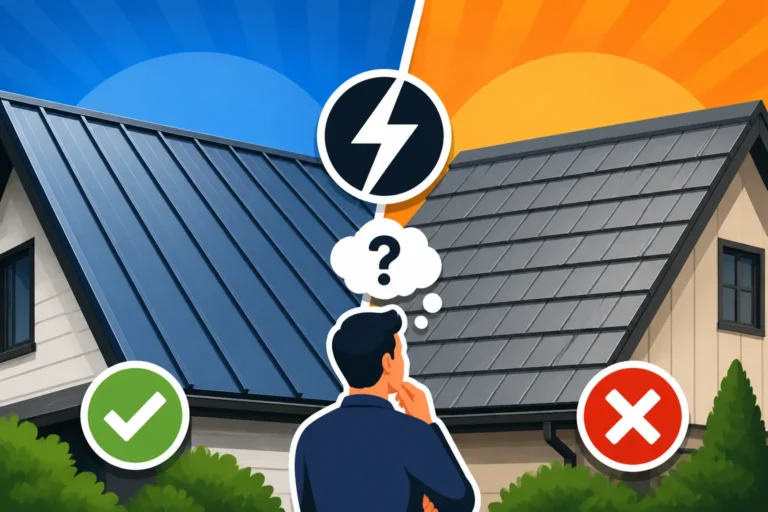
It's completely normal to feel a bit overwhelmed when you start looking into metal roofing options. There's a whole alphabet soup of terms out there – Standing Seam, R-Panel, Corrugated – and 5V Crimp is another one that often pops up, leaving homeowners wondering what exactly it means for their home. This guide is designed to demystify 5V Crimp metal roofing, breaking down its unique characteristics, benefits, and considerations so you can confidently decide if it's the right choice for your next roofing project.
Understanding 5V Crimp Metal Roofing
When you're exploring metal roofing, you'll quickly discover a variety of panel profiles, each with its own look and performance characteristics. Among these, the 5V Crimp system stands out, often recognized for its clean lines and robust appearance, particularly favored in residential, agricultural, and light commercial settings. It's a classic choice that marries functionality with a distinctive aesthetic.
Distinctive Features and Profile
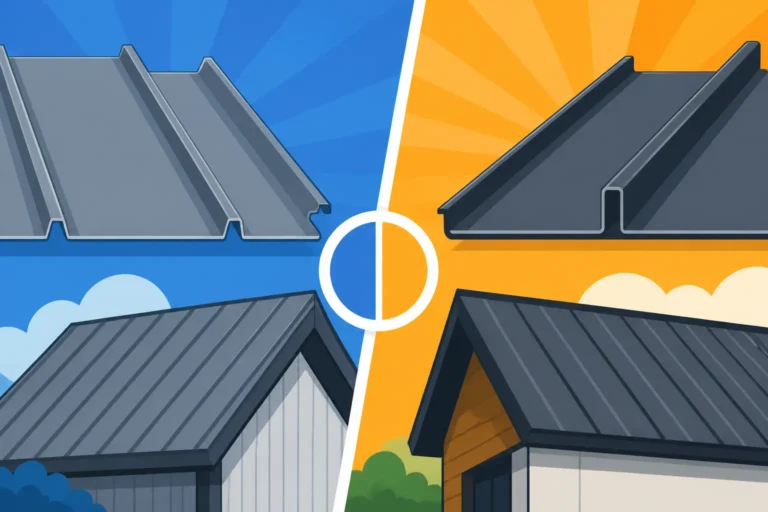
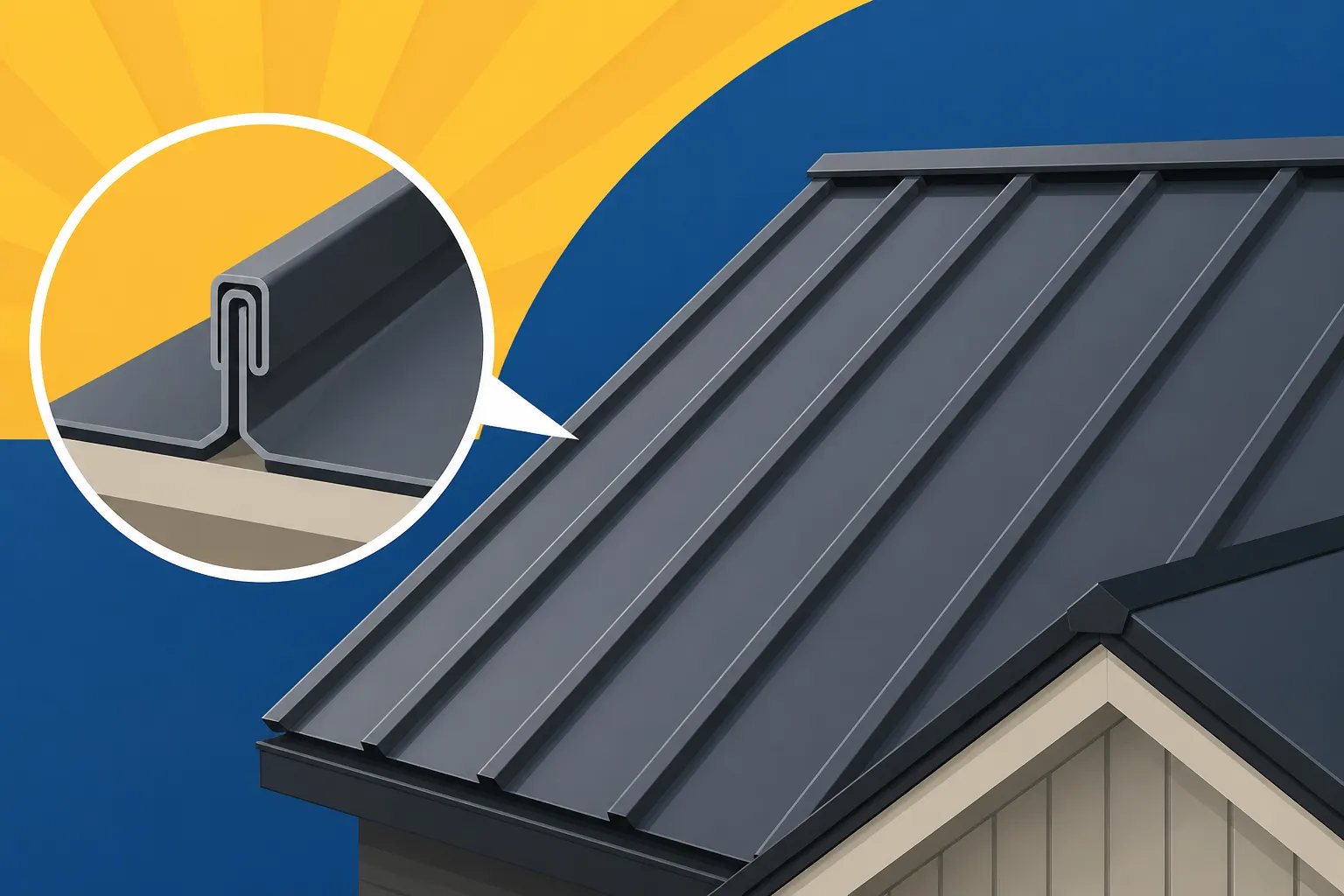
The name "5V Crimp" gives you a pretty good hint about its appearance: it refers to the five small "V" shaped crimps or ribs that run down the length of each panel. These V-shaped ribs serve a crucial purpose beyond just aesthetics. They provide structural rigidity to the metal panels, making them stronger and more resistant to bending and warping. Typically, these panels are 24 inches wide, with the crimps spaced evenly across the surface. Unlike hidden-fastener systems like standing seam, 5V Crimp is an exposed-fastener system, meaning the screws that attach the panels to the roof deck are visible. This exposed fastener design is a key differentiator and contributes to its straightforward installation process.
Imagine a traditional farm building or a charming coastal cottage; chances are, you've seen a 5V Crimp roof without even realizing it. Its utilitarian yet appealing profile lends itself well to a variety of architectural styles, from rustic to modern minimalist. The V-crimps also help channel water efficiently off the roof, which is particularly beneficial in areas prone to heavy rain. Homeowners often appreciate its no-nonsense, functional look that can either blend into the background or make a quiet statement, depending on the chosen color and finish.
Materials and Coatings
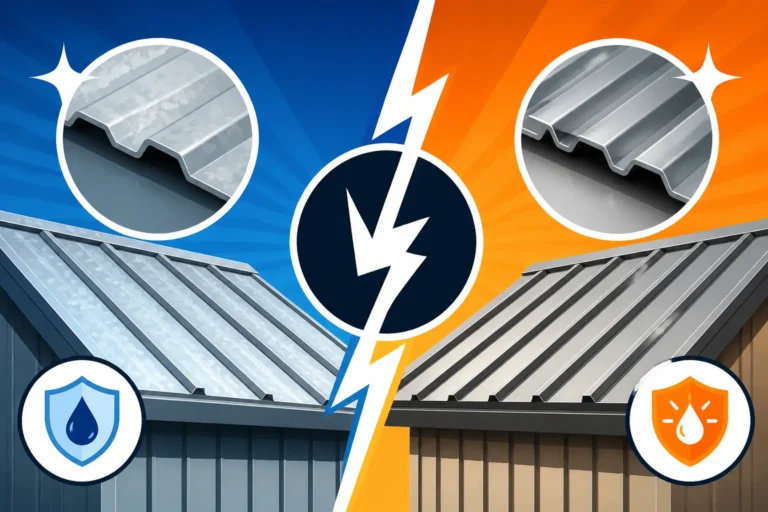
The majority of 5V Crimp metal roofing panels are manufactured from steel, specifically galvanized or Galvalume steel. Galvanized steel is coated with a layer of zinc to prevent rust, while Galvalume steel combines zinc with aluminum, offering enhanced corrosion resistance, particularly in harsh environments like coastal regions. These steel substrates are then typically finished with high-performance paint systems, such as Kynar 500 (PVDF) or SMP (Siliconized Modified Polyester) coatings. These coatings aren't just for color; they significantly improve the roof's durability, fade resistance, and ability to reflect solar heat, keeping your home cooler.
The gauge of the metal, which refers to its thickness, is another important factor. For residential 5V Crimp applications, you'll commonly find 26-gauge and 29-gauge steel. While 29-gauge is perfectly adequate and more budget-friendly for many sheds, carports, and some residential uses, 26-gauge offers superior rigidity, impact resistance, and longevity, making it a popular choice for homes where long-term performance is a priority. Understanding these material choices is essential when considering your investment and how long your metal roof will truly last.
Historical Context and Modern Usage
The 5V Crimp profile has a rich history, with its origins deeply rooted in agricultural and industrial buildings. It was a practical, cost-effective solution for protecting barns, sheds, and factories, prized for its strength and simple installation. Its widespread adoption in these settings led to its association with a classic, Americana aesthetic. As metal roofing gained traction in the residential market due to its durability and energy efficiency, the 5V Crimp profile naturally transitioned to homes, offering a blend of traditional appeal and modern performance.
Today, while some homeowners might gravitate towards the sleeker, more contemporary look of a standing seam roof, many still choose 5V Crimp for its distinct character. It's especially popular in areas with high wind concerns, as the exposed fastener system, when installed correctly, can provide excellent uplift resistance. Whether it's topping a charming farmhouse, a lakeside cabin, or even a suburban home seeking a unique architectural touch, the 5V Crimp roof continues to prove its versatility and enduring appeal. If you're looking for a roof that's proven its mettle over decades, this profile is certainly one to consider.
Pros and Cons of 5V Crimp Roofing
Like any significant home improvement decision, opting for a 5V Crimp metal roof comes with its own set of advantages and potential drawbacks. It’s about weighing these factors against your specific needs, budget, and aesthetic preferences. Getting a clear picture of both sides will help you make an informed choice that you’ll be happy with for decades to come.
Advantages for Homeowners
One of the most compelling advantages of 5V Crimp roofing is its durability and longevity. Made from robust steel and finished with advanced coatings, these roofs are built to withstand severe weather, including high winds, heavy rain, and even hail. Many manufacturers offer warranties spanning 30 to 50 years on their paint finishes, and the underlying metal can last even longer. This means less worry about frequent repairs or replacements, a common frustration with shorter-lived roofing materials like asphalt shingles.
Another significant benefit is cost-effectiveness. Generally, 5V Crimp metal roofs tend to be more affordable than standing seam systems due to their simpler manufacturing process and exposed fastener installation. This makes them an attractive option for homeowners looking to invest in a long-lasting, low-maintenance roof without breaking the bank. Furthermore, the installation process is often quicker and less labor-intensive, which can translate into lower labor costs. If you're keeping an eye on your budget but refuse to compromise on quality, 5V Crimp presents a fantastic middle ground.
Finally, the aesthetic versatility and low maintenance of 5V Crimp panels appeal to many. Available in a wide array of colors, these roofs can complement various home styles. The V-crimps themselves add a subtle architectural detail that can enhance curb appeal without being overly ornate. Maintenance is relatively simple: occasional cleaning to remove debris, and checking exposed fasteners every few years to ensure they remain tight and sealed. This minimal upkeep is a huge plus for busy homeowners, freeing up time and reducing the long-term cost of ownership. You can read more about how this compares to other options in our guide on the topic: Metal Roof Cost vs Asphalt Shingle Cost.
Potential Drawbacks to Consider
While 5V Crimp offers many benefits, it’s important to be aware of its potential downsides. The primary concern for many homeowners revolves around the exposed fasteners. Over time, the neoprene washers on these screws can degrade due to UV exposure and temperature fluctuations, leading to potential leaks if not maintained. This means periodic inspection and potentially replacing compromised screws, which can add to long-term maintenance, albeit typically minor. It's a different maintenance profile than a hidden-fastener system, and some homeowners prefer not to have any fasteners exposed.
Another consideration is aesthetic preference. While many appreciate the classic, ribbed look of 5V Crimp, others might find it too industrial or rustic for their home's style. If you're dreaming of a sleek, minimalist roof with no visible fasteners, then a Standing Seam Metal Roof Cost might be a better fit, though it will come with a higher price tag. It's crucial to visualize how the 5V Crimp profile will look on your specific home before committing.
Lastly, depending on the specific product and installation quality, some homeowners might report slightly more noise during heavy rain or hail compared to other roofing types, though this is often mitigated by proper underlayment and insulation. However, many find the sound quite soothing, akin to a gentle drumroll. It's a subjective experience, but one to be aware of. When considering an upgrade, it might be worth speaking to a few local metal roofing contractors through a service like Modernize to get multiple perspectives and ensure your chosen roof meets all your expectations.
Installation and Maintenance Considerations
A metal roof, regardless of its profile, is a long-term investment. Its performance and lifespan depend not just on the quality of the materials but significantly on the precision of its installation and consistent, albeit minimal, maintenance. Understanding these aspects for a 5V Crimp roof can help you manage expectations and ensure your investment pays off.
Installation Process Overview
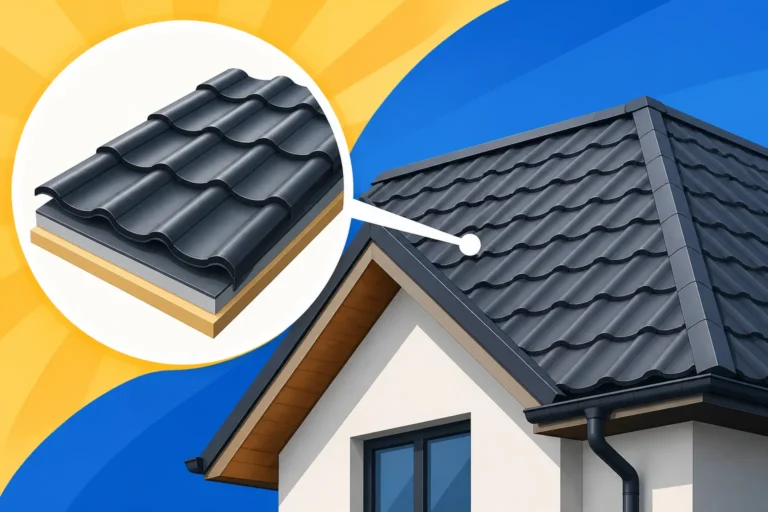
The installation of a 5V Crimp metal roof is generally more straightforward than more complex systems like standing seam, largely due to its exposed fastener design. The process typically begins with preparing the roof deck, which often involves installing a high-quality underlayment, such as a synthetic felt or an ice and water shield, to provide an extra layer of protection against moisture. This is a critical step, especially when installing a metal roof over shingles or when the roof pitch is low.
Once the underlayment is in place, the pre-cut 5V Crimp panels are carefully hoisted onto the roof. Installation usually proceeds from one edge of the roof, with each panel overlapping the previous one to create a watertight seam. The panels are then secured directly to the roof deck or purlins using specialized, self-tapping screws with neoprene washers. These washers are essential for creating a tight seal around the fastener penetrations, preventing water infiltration. Proper alignment and tight fastening are key to preventing issues like oil canning, which is the visual distortion or waviness in flat areas of metal panels. An experienced installer will pay close attention to these details, ensuring each screw is driven to the correct depth without overtightening or under-tightening, which can compromise the seal. The actual Metal Roof Installation Process: Step by Step provides even more detailed insights into what to expect.
Longevity and Upkeep
One of the main reasons homeowners choose metal roofing is its impressive lifespan. A well-installed 5V Crimp metal roof, made from quality Galvalume steel with a durable paint finish, can easily last 40 to 70 years, often outliving the home it covers. This exceptional Metal Roof Lifespan: How Long Do They Last? far surpasses that of traditional asphalt shingles, which typically need replacing every 15-30 years.
To truly achieve this longevity, some basic maintenance is required. The most crucial aspect of 5V Crimp roof maintenance is periodically checking the exposed fasteners. We recommend homeowners inspect their roof every 5-10 years, or after severe storms, to look for any signs of loose screws or degraded washers. If a fastener appears loose or its washer is cracked, it should be tightened or replaced promptly to prevent leaks. Many roofers use longer, larger diameter screws for replacement to ensure a secure hold. Beyond that, keeping the roof free of debris, such as leaves and branches, and ensuring gutters are clear will help maintain its performance. Thankfully, the smooth surface of metal panels tends to shed debris effectively, making this aspect of maintenance relatively easy.
Cost and Value of 5V Crimp Systems
When you're making a big decision like replacing your roof, the bottom line is always a major factor. Understanding the cost structure of 5V Crimp metal roofing and its long-term value proposition is crucial for planning your budget and assessing your return on investment.
How 5V Crimp Compares on Price
The cost of a 5V Crimp metal roof falls into the mid-range of metal roofing options. It is generally more affordable than a standing seam metal roof but typically costs more upfront than a basic asphalt shingle roof. On average, you can expect to pay anywhere from $7 to $12 per square foot installed for a 5V Crimp roof, though this can vary significantly based on your location, the complexity of your roof, the specific gauge of metal, and the chosen coating. For comparison, a standing seam metal roof might range from $10 to $16 per square foot, while high-end asphalt shingles could be $5 to $8 per square foot.
Several factors influence the overall Metal Roof Cost: Complete 2026 Guide. The gauge of the steel (e.g., 26-gauge is thicker and usually more expensive than 29-gauge), the quality of the paint finish, and the current market prices for steel can all play a role. Labor costs also account for a significant portion of the total, and these can vary widely by region and contractor. Using an online tool or service like Modernize can help you gather competitive quotes from local professionals, giving you a clearer picture of Metal Roof Cost Per Square Foot in your area. Don't forget to factor in potential tear-off costs if you're not installing over existing shingles.
Long-Term Investment and ROI
While the initial cost of a 5V Crimp metal roof might be higher than traditional asphalt shingles, its long-term value is where it truly shines. The extended lifespan means you'll likely never have to replace your roof again, saving you the significant expense and hassle of multiple re-roofing projects over the decades. This alone often makes it a more cost-effective choice over the life of your home.
Beyond durability, metal roofs offer impressive energy efficiency. Their reflective surfaces can significantly reduce heat absorption, leading to lower air conditioning costs in warmer climates. Some metal roofs are even eligible for energy tax credits, further offsetting the initial investment. Moreover, metal roofs are a highly desirable feature for homebuyers, often increasing a home's resale value and appeal. You can explore how a Does a Metal Roof Increase Home Value? by improving its resilience and aesthetic. Factor in potential savings on homeowners insurance premiums – many insurance companies offer discounts for metal roofs due to their superior resistance to wind, fire, and impact – and the return on investment becomes even more compelling.
In essence, while the upfront cost requires a thoughtful financial commitment, a 5V Crimp metal roof often represents a smart, long-term investment in your home's protection, energy efficiency, and overall value.
Disclaimer
Please remember that the information provided in this guide is for general informational purposes only and does not constitute professional advice. Roofing projects are complex and should always be undertaken by qualified professionals. Always consult with a licensed and insured metal roofing contractor for specific advice tailored to your property and local building codes. Prices and availability of materials can vary.