Best Metal Roof for Coastal and Salt Air
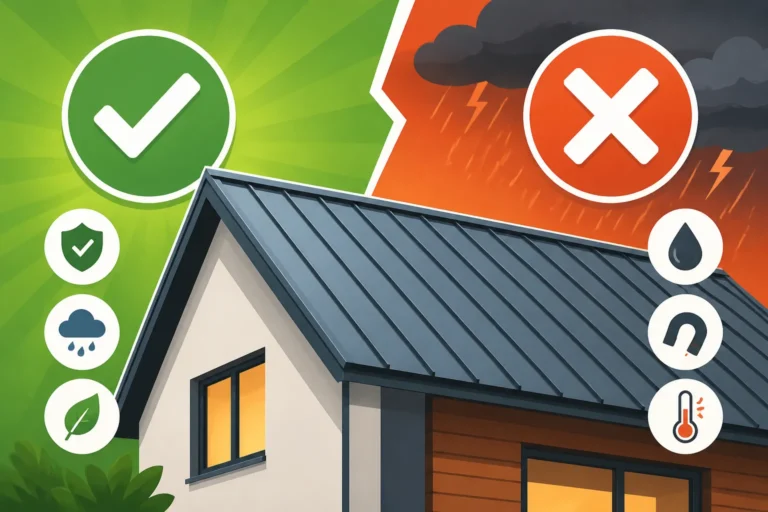
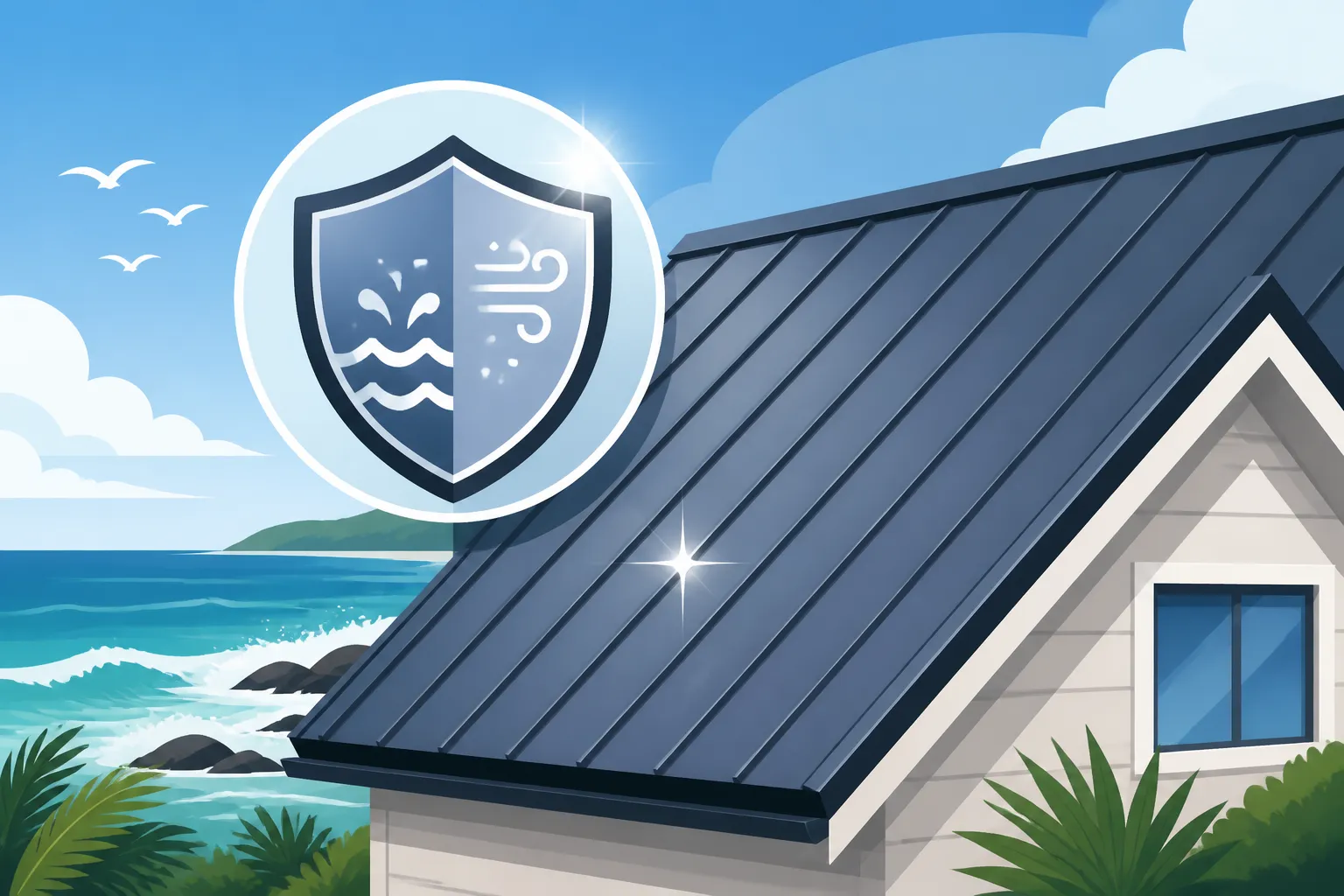
Living near the coast offers stunning views and refreshing breezes, but it also brings a relentless assault on your home, especially your roof. The constant barrage of salt spray, intense UV radiation, high humidity, and the ever-present threat of severe storms can wreak havoc on conventional roofing materials, leaving homeowners frustrated with premature deterioration and costly repairs. If you're tired of patching up a roof that simply isn't built for the sea, this comprehensive guide is here to help you navigate the options and identify the best metal roof materials and strategies to safeguard your home against the unforgiving coastal environment.
The Unique Challenges of Coastal Environments for Roofing
Coastal living is a dream for many, but it's a nightmare for roofing materials not specifically designed to withstand its unique rigors. It's not just about strong winds; it's a cocktail of corrosive elements that slowly, but surely, breaks down even the toughest surfaces. Understanding these specific threats is the first step in choosing a roof that will truly last.
The Relentless Assault of Salt Air
Imagine a microscopic, corrosive mist constantly washing over your roof. That's essentially what salt air is, and it's far more damaging than many realize. Sodium chloride, or common salt, is highly reactive, especially when combined with moisture. It accelerates the oxidation process in metals, leading to rust and corrosion at an alarming rate compared to inland areas. For roofs made of steel, even galvanized or Galvalume steel, this means the protective coatings are under continuous attack. Once the salt compromises a coating, rust can begin to spread, weakening the material and compromising the roof's integrity. This isn't just a cosmetic issue; it's a structural threat that can significantly shorten a roof's lifespan and lead to leaks.
High Humidity and Constant Moisture
Beyond salt, coastal regions are inherently humid. This constant presence of moisture in the air means that roofing materials rarely get a chance to fully dry out. High humidity can foster the growth of mildew, algae, and moss on some roofing types, but for metal, its primary threat is exacerbating corrosion. Even microscopic scratches or imperfections in a metal roof's coating become prime entry points for moisture, which then, with the help of salt, can trigger corrosion. Furthermore, trapped moisture underneath panels or within the roofing system can lead to issues with the underlayment and decking, creating an environment ripe for deterioration from the inside out. Proper ventilation becomes absolutely critical in these high-humidity zones to prevent condensation from accumulating and causing hidden damage.
Intense Sun Exposure and UV Degradation
While salt and moisture are often top of mind for coastal residents, the sun's harsh UV rays are another silent killer of roofing materials. Near the coast, there are often fewer obstructions like tall buildings or dense forests to provide shade, meaning roofs receive prolonged and intense direct sunlight. UV radiation causes organic materials to break down and can fade and degrade the paint coatings on metal roofs over time. A faded roof might seem like a minor aesthetic concern, but a compromised coating is far more than that; it's the first line of defense against corrosion and other environmental damage. Once the coating loses its protective qualities, the underlying metal becomes vulnerable to all the other coastal challenges. Choosing a roof with superior UV-resistant coatings is non-negotiable for coastal homes.
The Threat of High Winds and Hurricanes
Perhaps the most obvious threat in coastal areas, especially along the Gulf and Atlantic coasts, is the immense power of high winds, tropical storms, and hurricanes. These aren't just strong gusts; they are sustained, violent forces capable of tearing entire roofs off homes. The uplift pressure created by hurricane-force winds can literally suction panels right off a roof structure. This means the attachment method, the gauge of the metal, and the overall structural integrity of the roofing system are paramount. Local building codes, like Florida's stringent requirements, often dictate specific wind resistance ratings for roofing materials in these zones, including enhanced fastening schedules and impact resistance. Ignoring these codes or opting for a less robust roof design can have catastrophic consequences when the next big storm rolls through.
Top Metal Roofing Materials for Coastal Protection
When it comes to building a fortress against the coastal elements, not all metal roofs are created equal. You need materials that are inherently resistant to corrosion, can stand up to powerful winds, and maintain their integrity under constant UV assault. Here are the leading contenders that homeowners continually turn to for reliable coastal protection.
Aluminum: The Unsung Hero of Coastal Roofs
If there's one material that consistently gets high marks for coastal performance, it's aluminum. Unlike steel, aluminum does not rust or corrode in the traditional sense when exposed to salt and moisture. Instead, when it comes into contact with oxygen, it forms a thin, protective layer of aluminum oxide, which actually prevents further corrosion. This self-protecting property makes it incredibly durable in saline environments. You'll often see aluminum used in marine applications for this very reason – think boat hulls and docks.
Aluminum roofing is also lightweight, which can be an advantage for structural loading, and it’s excellent at reflecting solar radiation, which helps keep homes cooler in hot, sunny coastal climates. It's often available in a variety of finishes and colors, usually with high-quality PVDF coatings that further enhance its aesthetic appeal and UV resistance. While the initial Aluminum Roof Cost might be a bit higher than some steel options, its superior longevity and minimal maintenance requirements in coastal zones often make it a more cost-effective choice over its extensive lifespan. You can find aluminum in various profiles, from standing seam to shingles, offering design flexibility for any architectural style.
Copper and Zinc: Premium Options for Extreme Durability
For those seeking the absolute pinnacle of coastal roofing durability and a distinctive aesthetic, copper and zinc stand out. These aren't just roofs; they're investments that last for generations, developing beautiful patinas over time.
- Copper: Copper is exceptionally resistant to salt air corrosion. Like aluminum, it forms a protective patina layer when exposed to the elements, which not only gives it a unique, evolving appearance but also safeguards the underlying metal. This patina starts as a lustrous brown and gradually transforms into a beautiful green or blue-green over decades. Copper roofs are incredibly durable, boasting lifespans often exceeding 100 years. They are also non-combustible and can withstand extreme weather. The main drawback, of course, is the Copper Roof Cost, which is significantly higher than other metal options, placing it in the luxury category. However, for historic homes or those where ultimate longevity and aesthetic appeal are paramount, copper is an unparalleled choice for coastal regions.
- Zinc: Zinc roofing offers similar corrosion resistance to copper, also developing a self-healing patina that protects the metal. Zinc is incredibly long-lasting, often exceeding 80-100 years, and it's highly resistant to mold and mildew. It's also a very sustainable material, being 100% recyclable and requiring less energy to produce than many other metals. Zinc has a more subdued, matte gray appearance when new, which gradually lightens and develops unique striations over time. While less expensive than copper, Zinc Roof Cost is still on the higher end of the metal roofing spectrum, making it another premium option for homeowners who prioritize extreme durability, environmental friendliness, and a sophisticated, evolving aesthetic in challenging coastal environments.
Galvalume Steel with Enhanced Coatings
Steel remains a popular choice for metal roofing due to its strength, versatility, and often more accessible price point. However, raw steel is highly susceptible to rust in coastal conditions. This is where Galvalume steel comes in. Galvalume is a steel substrate coated with a mixture of aluminum and zinc (typically 55% aluminum, 43.4% zinc, and 1.6% silicon). This alloy coating provides excellent corrosion resistance, especially compared to traditional galvanized steel (which uses only zinc). The aluminum component provides a barrier resistance, while the zinc offers galvanic protection, meaning it sacrifices itself to protect the steel.
For coastal applications, it's crucial to select Galvalume steel with high-performance paint systems, such as PVDF (polyvinylidene fluoride) coatings. These coatings add another robust layer of protection against salt spray and UV degradation. Reputable manufacturers like McElroy Metal, Metal Sales, and PAC-CLAD offer Galvalume products specifically engineered for harsh environments. While not quite as inherently corrosion-proof as solid aluminum, copper, or zinc, well-coated Galvalume steel can perform very admirably in coastal areas, especially when combined with a meticulous installation process. It offers a strong balance of durability and cost-effectiveness for many homeowners.
Essential Coatings and Finishes for Salt Air Resistance
The metal itself is only half the story; the coating on that metal is arguably more critical for long-term survival in salty, humid coastal air. This isn't just about color; it's about a highly engineered protective layer that stands between your roof and the elements determined to break it down.
PVDF Coatings: The Gold Standard
When discussing metal roof coatings for coastal environments, PVDF (polyvinylidene fluoride) is the name you'll hear most often, and for very good reason. Brands like Kynar 500® and Hylar 5000® are essentially trade names for high-performance PVDF resin-based coatings. What makes PVDF so exceptional?
Firstly, its chemical structure provides outstanding resistance to UV radiation. This means the coating won't fade, chalk, or degrade under the intense coastal sun, preserving both the aesthetic appeal and the protective integrity of your roof for decades. This is crucial because a degraded coating leaves the underlying metal vulnerable.
Secondly, PVDF coatings boast superior resistance to chemicals, including the corrosive salt particles carried in coastal air. They form an incredibly tough, inert barrier that prevents salt and moisture from reaching the metal substrate, significantly reducing the risk of rust and corrosion. These coatings are also highly flexible, which helps them withstand the expansion and contraction of metal panels without cracking, another potential entry point for corrosive elements. Most premium metal roofing systems designed for longevity in coastal or severe weather conditions will specify a PVDF coating system. When you're comparing options, make sure to ask about the specific type and thickness of the PVDF coating, as this can vary between manufacturers and directly impact performance. If you want to dive deeper into the technical aspects, exploring the differences between PVDF vs SMP Paint Coatings for Metal Roofs can be incredibly insightful.
Specialized Pre-treatment and Primers
Before the final PVDF topcoat is even applied, the metal substrate undergoes a crucial pre-treatment process that acts as the foundation for the entire coating system. This isn't just a quick rinse; it's a sophisticated chemical bath designed to clean the metal thoroughly and prepare its surface for optimal adhesion of the subsequent layers.
Typically, this involves several stages: degreasing to remove oils and residues, rinsing, and then applying a chromate conversion coating or a chrome-free equivalent. This conversion coating chemically alters the metal's surface, creating a thin, inert layer that enhances corrosion resistance and provides an excellent bonding surface for the primer. Following this, a specialized primer layer is applied. This primer acts as a critical intermediary, maximizing adhesion between the metal and the topcoat, while also adding another layer of corrosion protection. Without proper pre-treatment and a high-quality primer, even the best PVDF topcoat can delaminate or fail prematurely, especially in harsh coastal conditions where adhesion is constantly challenged by moisture and temperature fluctuations. Reputable manufacturers invest heavily in these foundational steps because they understand that the performance of the entire system hinges on a perfect bond.
Understanding Paint System Warranties
A metal roof's warranty is often a strong indicator of the confidence a manufacturer has in its product's ability to withstand the elements, particularly in demanding coastal environments. For paint systems, you'll typically encounter two main types of warranties: fade/chalk warranties and integrity warranties.
- Fade and Chalk Warranties: These cover the aesthetic performance of the coating. Fading refers to the loss of color, while chalking describes the formation of a powdery residue on the surface, indicating binder degradation. High-quality PVDF coatings will often carry a 30-to-40-year warranty against excessive fading and chalking, even in direct sunlight. It's important to understand the specific "Delta E" measurement (a unit of color difference) used in the warranty, as this defines what constitutes "excessive" fading.
- Integrity Warranties: More critical for protection, these warranties cover the coating's structural integrity, promising it won't chip, peel, crack, or delaminate under normal use. A good integrity warranty for a coastal-grade PVDF coating should also be in the 30-40+ year range.
When reviewing paint system warranties for a coastal home, pay close attention to any exclusions related to "salt spray" or "marine environments." Some standard warranties might offer reduced terms or exclude coverage in homes located within a certain distance from saltwater. Only choose products with warranties specifically written or upheld for coastal applications. Always read the fine print, and ideally, select a metal roof from a manufacturer known for its robust coastal performance and comprehensive warranty coverage, giving you peace of mind for decades to come.
Key Design and Installation Considerations for Coastal Metal Roofs
Even the best materials won't perform optimally if the roof isn't designed and installed correctly for a coastal environment. This isn't a job for just any roofing crew; it requires specialized knowledge and meticulous attention to detail.
Fastener Selection and Corrosion Prevention
Fasteners are the Achilles' heel of many roofing systems, especially in coastal areas. While your beautiful metal panels might be corrosion-resistant, a cheap or improperly chosen fastener can quickly become a point of failure. The goal is to ensure that every single point of attachment is as durable as the panel it's holding down.
For coastal applications, stainless steel fasteners are typically the gold standard. Specifically, 300 series stainless steel (like 304 or 316) offers superior corrosion resistance compared to standard galvanized or even ceramic-coated steel screws. Type 316 stainless steel is particularly recommended for extreme marine environments due to its enhanced resistance to chloride corrosion. These fasteners should also be equipped with high-quality EPDM or neoprene washers that create a watertight seal and prevent moisture intrusion.
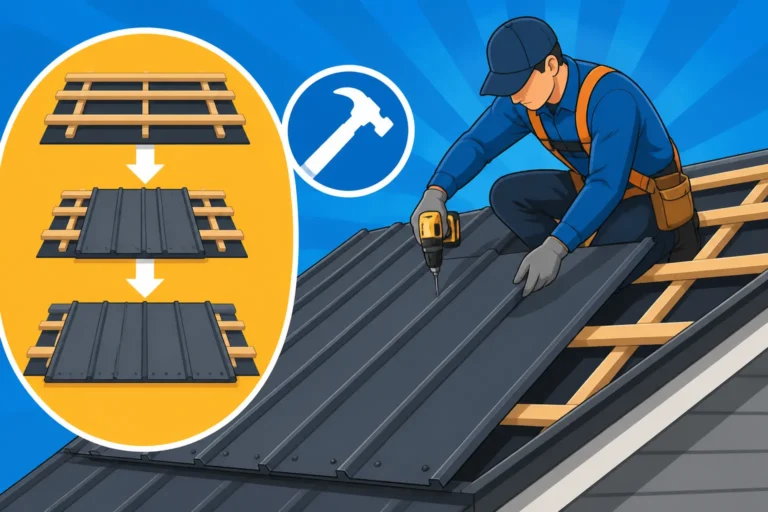
Beyond the material, the type of fastener matters. For standing seam roofs, hidden fasteners are integral to the system, as they are protected from direct exposure to the elements, reducing their vulnerability. For exposed fastener systems, the quality and sealing of each screw are paramount. Proper installation means carefully driving each screw to the correct torque to compress the washer without over-tightening, which can damage the washer and create a leak point. Even the smallest breach in a fastener's protection can lead to rust streaks, staining, and eventually, panel delamination. Understanding Metal Roof Fasteners and Washers Explained can help homeowners ensure their contractors are using the right hardware.
Proper Ventilation and Underlayment
In humid coastal climates, managing moisture under the metal roof is just as critical as managing it on top. Without adequate ventilation, warm, moist air from the interior of the home can rise into the attic, condense on the cooler underside of the metal panels, and lead to hidden moisture issues. This condensation can promote mold and mildew growth in the attic, rot the roof decking, and even accelerate corrosion on the underside of the metal panels over time.
A well-designed ventilation system, typically involving continuous ridge vents and soffit vents, allows for constant airflow, expelling warm, moist air and drawing in cooler, drier air. This prevents moisture buildup and helps regulate attic temperatures.
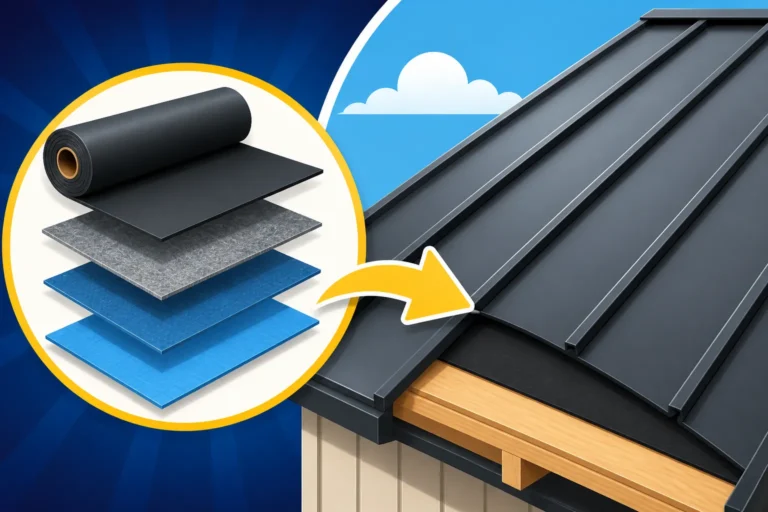
Equally important is the underlayment, the layer installed directly beneath the metal panels. For coastal homes, a high-quality, synthetic underlayment is highly recommended over traditional felt. Synthetic underlayments are far more durable, resistant to moisture, tearing, and UV exposure during installation. Even better are "high-temperature" self-adhering modified bitumen underlayments, often referred to as ice and water shield. These offer a secondary watertight barrier that seals around fasteners and protects the roof deck from wind-driven rain should any water penetrate the primary metal roof system. This secondary barrier is especially critical in hurricane-prone regions where wind-driven rain can be forced upwards and under panels. For optimal protection, it's worth understanding What Underlayment Is Best for a Metal Roof.
Roof Pitch and Profile Choices
The pitch (slope) and profile of your metal roof also play significant roles in its coastal performance.
- Roof Pitch: Steeper roof pitches are generally beneficial in coastal areas. They encourage faster runoff of rainwater and saltwater residue, minimizing the time corrosive elements sit on the roof surface. Steeper pitches also tend to shed snow more effectively in colder coastal regions, reducing snow load. While metal roofs can perform well on lower slopes than many other materials, maximizing pitch where possible can enhance longevity.
- Profile Choices:
- Standing Seam: This is often considered the best profile for coastal environments. Its hidden fasteners mean no exposed penetration points for water or salt to attack. The raised seams provide excellent resistance to wind uplift, and the continuous panels minimize seams where leaks could occur. Mechanical lock standing seam systems, where panels are crimped together, offer even greater wind resistance than snap-lock systems, making them ideal for hurricane-prone areas.
- Metal Shingles/Tiles: These interlocking systems can also be a good option, especially stone-coated steel tiles. The interlocking design provides excellent wind uplift resistance, and the stone coating adds another layer of protection against impact and UV. However, ensure the individual shingles are designed for high-wind areas and that their fastening methods are robust.
- Corrugated or Exposed Fastener Panels: While more economical, these profiles are generally less recommended for primary residences in highly corrosive coastal zones. The exposed fasteners create numerous potential entry points for rust and leaks. If used, extreme care must be taken with fastener selection, sealing, and a robust maintenance schedule. For a detailed comparison of options, researching Standing Seam vs Corrugated Metal Roof can be very helpful.
Considering the intense wind forces, selecting a roof with strong Metal Roof Wind and Fire Ratings Explained is a paramount step.
Maintenance and Longevity in Coastal Climates
Even the toughest metal roof needs a little love to reach its full potential, especially when battling the constant challenges of salt air. Regular, proactive maintenance can significantly extend the life of your metal roof and ensure it continues to protect your home for decades.
Regular Cleaning and Inspection Routines
Coastal environments deposit more than just salt on your roof. You'll find sand, leaves, bird droppings, and sometimes even marine debris. While metal roofs are low-maintenance compared to many other materials, a routine cleaning and inspection schedule is vital.
- Cleaning: Aim for at least once a year, or twice a year if you're in a very high-salt-spray zone. Use a soft-bristle brush and a mild, non-abrasive detergent mixed with water. Always rinse thoroughly with fresh water afterward to remove all soap residue and lingering salt particles. Avoid harsh chemicals, pressure washers (which can damage coatings), or abrasive scrubbers. The goal is to gently remove accumulated salt, grime, and any organic growth before it has a chance to etch or degrade the coating.
- Inspection: Combine your cleaning routine with a thorough visual inspection. From the ground or a safe vantage point, look for any signs of wear:
- Fading or Chalking: While minor changes are normal over decades, significant, rapid changes in color or a powdery residue could indicate the coating is failing.
- Rust Spots: Even with the best materials, a scratch or defect can allow rust to start. Catching these early is key.
- Loose or Damaged Fasteners: Check for any screws that appear to be backing out or washers that are cracked or deteriorated.
- Damaged Flashing: Look around chimneys, skylights, and roof edges for cracked caulk, bent metal, or any signs of water intrusion.
- Debris Buildup: Ensure gutters and valleys are free of leaves, pine needles, or sand that can trap moisture and accelerate corrosion.
Catching small issues before they become big problems is the essence of effective coastal roof maintenance. If you're wondering how long these routines make a difference, it's worth considering How Long Do Metal Roofs Last?.
Addressing Minor Issues Promptly
It's tempting to put off small repairs, but on a coastal metal roof, a "minor" issue can quickly escalate into a significant problem. A tiny scratch, a loose screw, or a compromised sealant are all potential gateways for salt and moisture to begin their corrosive work.
- Scratches and Chips: If you spot a small scratch or chip in the paint coating, don't ignore it. Many manufacturers offer touch-up paint kits that perfectly match your roof's color and coating. Carefully clean the area, apply the touch-up paint according to the manufacturer's instructions, and allow it to cure. This simple step can prevent localized rust from spreading.
- Loose Fasteners: If you find a loose exposed fastener, gently tighten it by hand with a screwdriver. Do not overtighten, as this can crush the washer. If the washer itself is cracked or deteriorated, it might be necessary to carefully remove the screw and replace it with a new one, ensuring a fresh, watertight seal. A good contractor should be able to assist with this.
- Compromised Sealant/Flashing: If you notice caulk cracking or peeling around flashing, clean the area thoroughly and apply a high-quality, marine-grade sealant that is compatible with your metal roof. For more extensive flashing damage, professional Metal Roof Leak Repair Guide might be needed to prevent leaks around roof penetrations.
Acting quickly on these minor repairs protects your investment and prevents the need for more extensive, costly repairs down the line. If you're unsure about how to fix something, consult with a local metal roofing professional who understands coastal specific repairs. When you're ready to get quotes for such specialized repair work or a full replacement, using a service like Modernize can connect you with experienced contractors.
Understanding Your Warranty and What It Covers
Your metal roof warranty is a crucial document, especially for a coastal home. It's your long-term insurance policy against defects and premature failure, but only if you understand its terms and conditions.
- Read the Fine Print: Pay close attention to any clauses related to "coastal environments," "salt spray," or "marine applications." Some warranties might be voided or have reduced coverage if the home is within a certain distance of saltwater, unless specifically stated otherwise. Ensure your chosen roof's warranty explicitly covers coastal use.
- Maintenance Requirements: Many warranties require specific maintenance routines, such as annual cleaning, to remain valid. Neglecting these could void your coverage. Keep records of your maintenance activities, including dates and products used.
- Transferability: If you plan to sell your home, check if the warranty is transferable to a new owner. A transferable warranty can be a significant selling point, demonstrating the long-term value and protection of your roof.
- What's Covered (and Not): Understand the difference between material warranties (covering the panels themselves) and paint warranties (covering the finish). Also, be aware of what isn't covered, such as cosmetic damage from hail (unless it compromises the integrity), damage from improper installation (which is why hiring a qualified contractor is essential), or issues arising from modifications to the roof.
Before signing off on any roof installation, have a thorough conversation with your contractor about the specifics of your metal roof warranties. They should be able to explain what you need to do to keep it valid and what recourse you have should an issue arise. This proactive approach ensures you're fully protected for the long haul.
Choosing the Right Contractor for Coastal Metal Roofing
Selecting the right metal roofing contractor for a coastal home is as critical as choosing the right materials. This isn't a generic job; it requires specific expertise and an understanding of the unique demands of the marine environment. The quality of installation directly impacts your roof's longevity and warranty validity.
The Importance of Local Coastal Experience
You wouldn't hire a desert landscaper for a beachfront garden, and the same principle applies to roofing. A contractor who primarily works inland might be excellent at installing metal roofs, but they might lack critical experience with the nuances of coastal construction.
Look for a contractor with a proven track record of installing metal roofs specifically in your coastal region. They should be intimately familiar with:
- Local Building Codes: Coastal areas often have more stringent building codes, especially related to wind resistance and hurricane preparedness. An experienced local contractor will know these codes inside and out, ensuring your roof meets or exceeds all requirements. For example, in Florida, knowledge of the Florida Metal Roof Codes: FBC, HVHZ & Approvals is non-negotiable.
- Material Selection for Coastal Use: They should be able to recommend specific materials and coatings that are proven to perform well in your climate, such as particular grades of aluminum or PVDF-coated Galvalume steel.
- Specialized Installation Techniques: Coastal installations often require enhanced fastening schedules, specific flashing details to prevent wind-driven rain intrusion, and expertise in working with corrosion-resistant fasteners. They should also understand how expansion and contraction affect metal roofs in varying coastal temperatures.
- Working with Saline Environments: An experienced contractor will understand the increased risk of galvanic corrosion when dissimilar metals are used in close proximity and take precautions to prevent it.
Don't be afraid to ask for references from other homeowners in your immediate coastal community. Seeing their work withstand the elements firsthand is invaluable. Utilizing platforms like Modernize can be a great way to find contractors in your specific area who have experience with coastal roofing projects and can provide competitive quotes.
Checking Certifications, Licenses, and Insurance
Before anyone sets foot on your roof, verify their credentials. This protects you from shoddy work, financial liability, and outright scams.
- Licensing: Ensure the contractor holds a valid and current general contractor or roofing contractor license for your state and locality. A license signifies they meet minimum competency and regulatory standards. You can typically verify licenses through your state's contractor licensing board website.
- Insurance: This is non-negotiable. The contractor should carry both workers' compensation insurance (to cover their employees in case of injury on your property) and general liability insurance (to cover damages to your property or a neighbor's property during the project). Ask for current certificates of insurance directly from their insurance provider, not just a copy from the contractor. A lapse in coverage could leave you financially responsible for accidents.
- Bonding: While not always required, a bonded contractor offers an extra layer of financial protection. A bond is a type of surety that guarantees the contractor will complete the job according to the contract and pay their subcontractors and suppliers. If they fail to do so, you can make a claim against the bond.
- Manufacturer Certifications: For metal roofing, especially advanced systems like standing seam, look for contractors who are "manufacturer-certified" or preferred installers for the specific metal roofing products you are considering. This means they have received specialized training directly from the manufacturer on the correct installation techniques, which is often a prerequisite for the full manufacturer's warranty to be valid. Learning about Manufacturer-Certified Metal Roof Installers Explained can help you understand this important distinction.
A reputable contractor will be transparent and happy to provide all these documents without hesitation. If they can't or won't, consider that a major red flag.
Reviewing Quotes and Contracts
Once you've narrowed down your choices, you'll start receiving quotes. This is where attention to detail is paramount to ensure you're comparing "apples to apples" and getting exactly what you need for a coastal-grade roof.
- Detailed Scope of Work: The quote should clearly outline everything included: material types (including specific gauges, coatings like PVDF, and color), specific fastening systems (e.g., 316 stainless steel fasteners), underlayment type (e.g., high-temperature self-adhering), ventilation details, flashing materials, and any tear-off or disposal costs. Ambiguous terms are a red flag. Reviewing How to Read and Compare Metal Roof Quotes can provide excellent guidance here.
- Material Specifications: Don't just accept "metal roof." Demand specific brand names, gauges (e.g., 24-gauge Galvalume with Kynar 500 coating), and profile details (e.g., 1.75" mechanical lock standing seam). This ensures you're getting the high-performance coastal materials you expect.
- Warranty Information: The contract should clearly state both the manufacturer's warranty (materials and paint) and the contractor's workmanship warranty, including their durations and what they cover. Ask for copies of the actual warranties to review.
- Payment Schedule: A fair payment schedule typically involves a reasonable deposit (often 10-30% depending on project size and state regulations), with progress payments tied to completed milestones, and the final payment due upon satisfactory completion of the project. Be wary of contractors demanding a large upfront payment.
- Permits: Confirm that the contractor will pull all necessary local permits and handle inspections. This is crucial for compliance and ensures the work meets code.
- Lien Waivers: Understand the importance of lien waivers. These are documents that protect you from subcontractors or suppliers placing a lien on your property if the contractor fails to pay them. Ensure you receive signed lien waivers for all payments made.
Don't feel rushed to sign. Take your time, compare multiple bids, ask questions, and ensure every detail, especially those pertaining to coastal performance, is clearly outlined and agreed upon in writing before the project begins.
Disclaimer
The information provided in this guide is intended for general informational purposes only and does not constitute professional advice. Roofing projects, especially in coastal environments, can be complex and involve significant risks. We strongly recommend consulting with a qualified, licensed, and insured metal roofing contractor and local building authorities to discuss your specific needs, obtain accurate estimates, and ensure compliance with all applicable building codes and regulations in your area. Always prioritize safety and professional expertise when undertaking any roofing work.