Metal Roofing Types Explained: Profiles & Panels
The world of metal roofing can feel incredibly overwhelming when you first dive in. You hear terms like "standing seam" and "corrugated," "24 gauge" and "PVDF coating," and it's easy to get lost in a sea of technical jargon. Many homeowners feel paralyzed by the sheer number of choices, worried about making the wrong decision for their budget and home style. This comprehensive guide is here to cut through the confusion, clearly explaining the different metal roofing types, profiles, and panels so you can confidently choose the perfect roof for your property.
Understanding the Basics: What are Metal Roofing Profiles and Panels?
Before we dive into the exciting world of metal roofing options, let's lay a foundational understanding. When people talk about metal roofing, they're often referring to two intertwined concepts: the panel itself, which is the flat sheet of metal, and the profile, which is the specific shape or design that panel takes. Think of it like a piece of dough and a cookie cutter – the dough is the panel, and the cookie cutter gives it a distinct profile.
The Fundamental Difference: Panels vs. Profiles
At its core, a metal panel is simply a piece of sheet metal, typically steel, aluminum, copper, or zinc, that forms the main component of your roof. These panels come in various widths and lengths, designed to cover large sections of your roof quickly and efficiently. But a flat sheet of metal wouldn't make a very effective or aesthetically pleasing roof on its own. That's where the profile comes in.
The profile refers to the specific geometric shape or configuration that the metal panel is pressed, rolled, or folded into. These shapes aren't just for looks; they are engineered with specific functional benefits in mind. For instance, some profiles feature raised ribs or seams that help with water shedding, add structural rigidity, and provide attachment points. Others are designed to interlock seamlessly, creating a sleek, unbroken surface. The choice of profile significantly impacts the roof's performance, durability, ease of installation, and, of course, its overall appearance. A well-chosen profile can enhance your home's curb appeal and withstand local weather challenges for decades.
Why So Many Options? The Purpose Behind the Variety
You might wonder why there are so many different metal roofing profiles available. The answer lies in the diverse needs and preferences of homeowners, as well as the varying demands of climate and architectural styles. Manufacturers have developed a wide array of profiles to cater to specific applications, ensuring there's a metal roof solution for almost any scenario.
Firstly, different profiles cater to distinct architectural styles. A classic farmhouse might benefit from the traditional lines of a corrugated panel, while a modern, minimalist home often looks best with the clean, linear aesthetic of a standing seam roof. Secondly, climate plays a huge role. In areas prone to heavy snow, a smooth, slick standing seam roof can help shed snow more effectively. For regions with high winds or hurricanes, certain profiles with enhanced fastening systems offer superior resistance. Thirdly, budget and installation complexity also drive the variety. Some profiles are simpler and quicker to install, leading to lower labor costs, while others require specialized techniques and highly skilled installers, reflecting a higher investment. Understanding this variety is the first step toward making an informed decision that perfectly balances aesthetics, performance, and cost.
Standing Seam Metal Roofing: The Sleek and Modern Choice
If you've driven through any new, upscale development or seen a contemporary architectural design recently, chances are you've admired a standing seam metal roof. This roofing system is a favorite for its clean lines, minimalist aesthetic, and exceptional performance. It truly embodies the blend of modern design with robust functionality, standing as a testament to advanced roofing technology.
What Makes Standing Seam Unique?
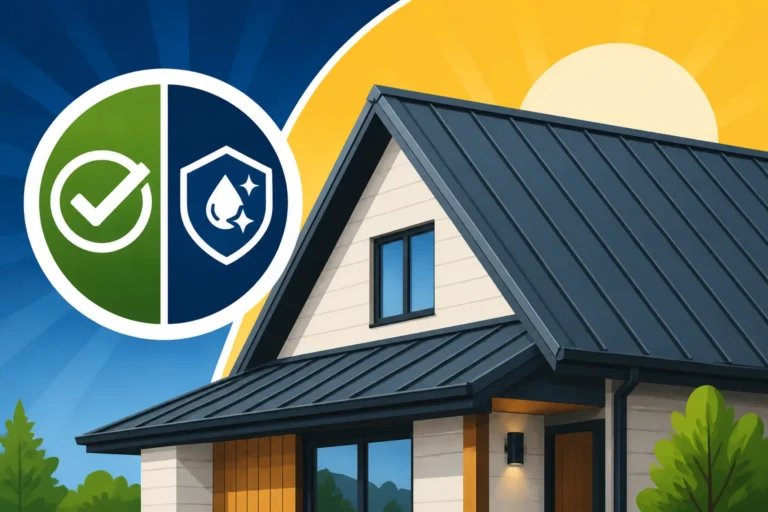
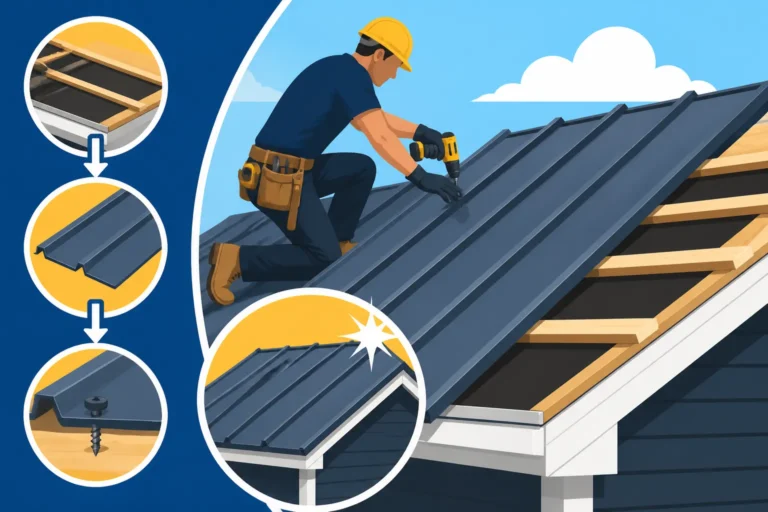
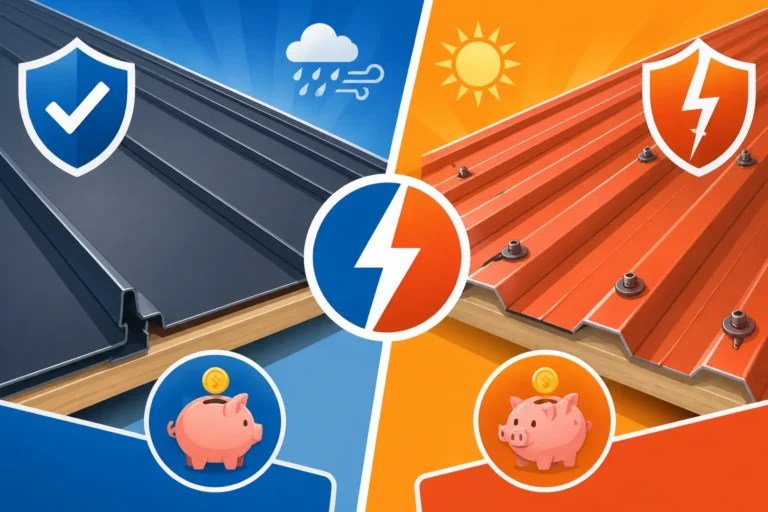
The defining characteristic of a standing seam metal roof is its series of raised, interlocking seams that run vertically up the roof panels, from the eave to the ridge. Unlike other metal roofing types, where fasteners might be visible on the surface, standing seam systems employ a "concealed fastener" design. This means the screws, clips, or clamps that hold the panels in place are hidden beneath the raised seams, out of sight and protected from the elements. This ingenious design offers a multitude of benefits, both aesthetic and functional. Visually, it creates a sleek, unbroken plane that gives homes a contemporary, sophisticated look. Functionally, it eliminates penetration points on the panel surface, significantly reducing the risk of leaks associated with exposed fasteners that can wear out or back out over time.
There are several variations of standing seam systems, each with slight differences in how the panels connect:
- Snap-Lock Systems: These are arguably the most common and user-friendly. The panel edges are designed to simply "snap" together, creating a tight, secure seam without the need for specialized seaming tools. They are usually held down by clips attached to the roof deck, with one leg of the panel snapping over the clip. This makes installation relatively straightforward for experienced crews.
- Mechanical Lock Systems: These systems require a specialized seaming tool (either hand-held or electric) to crimp or "fold" the edges of adjacent panels together, creating a watertight, mechanically locked seam. They offer superior uplift resistance, making them ideal for high-wind areas or complex roof geometries. These often come in single-lock (90-degree bend) or double-lock (180-degree bend) configurations for varying levels of security.
- Batten Panel Systems: Less common in residential applications but worth noting, these systems feature a cap (the batten) that snaps over or is fastened onto two upturned panel legs. They create a very distinct, architectural look.
- Nail Flange (or Fastener Flange) Systems: These panels feature a pre-punched flange where the fasteners are driven directly into the roof deck. The next panel then covers this flange, concealing the fasteners. While still concealed, they offer a slightly less robust attachment than clip-based systems and are generally not recommended for very low-slope applications or areas with extreme weather.
Pros and Cons of Standing Seam Systems
Choosing a standing seam roof means weighing its impressive benefits against its higher initial investment. It's a decision that many homeowners find pays off handsomely in the long run.
On the pros side, standing seam roofs are renowned for their longevity, often lasting 50 years or even more with proper maintenance. This makes them a true "lifetime roof" for many. Their superior weather resistance is another major selling point, thanks to the concealed fastener system that minimizes leak points. They excel in shedding water and are highly resistant to wind uplift, making them a fantastic choice for areas prone to severe storms. Aesthetically, their modern, clean lines add significant curb appeal and can even increase a home's resale value, especially for contemporary or transitional architectural styles. They are also incredibly energy efficient, particularly when lighter colors with reflective coatings (like cool-roof rated PVDF finishes) are chosen, helping to reduce cooling costs in warmer climates. For roofs with a low pitch, standing seam is often the best choice, as its continuous panels and tight seams are highly effective at preventing water penetration where other roofing materials might struggle. Many homeowners considering the long-term value often find that the initial investment in a Standing Seam Metal Roof Cost is justified by these enduring benefits.
However, standing seam roofs do have their cons. The most significant is typically their higher initial cost compared to exposed fastener metal roofs or asphalt shingles. This is due to the more specialized materials, intricate manufacturing processes, and the highly skilled labor required for proper installation. The specialized installation process is critical; an inexperienced installer can easily compromise the roof's performance, leading to expensive issues down the line. While rare, the phenomenon of "oil canning" – a waviness or distortion in the flat part of the metal panels – can sometimes occur, especially with wider panels or lighter gauge metals. While it doesn't affect performance, it can be an aesthetic concern for some. Lastly, if a single panel is significantly damaged, repairing or replacing individual panels can be more complex and costly than with exposed fastener systems, often requiring specialized tools and expertise.
Common Applications and Aesthetic Appeal
Standing seam metal roofing is incredibly versatile and can be found on a wide range of structures. It's a staple for modern and contemporary homes, where its sleek profile perfectly complements clean lines and minimalist designs. You'll also see it frequently on commercial buildings, industrial facilities, and even some public structures due to its durability and low maintenance. Beyond the purely modern, it's increasingly being integrated into traditional and transitional homes, offering a subtle update that still feels classic.
The aesthetic appeal of standing seam is undeniable. It offers a premium look that can instantly elevate a home's exterior. Manufacturers like Sheffield Metals and McElroy Metal offer standing seam panels in a vast array of colors, from subdued grays and bronzes to vibrant blues and reds, allowing homeowners to customize their roof to match their home's palette. The choice of finish, such as PVDF (Kynar 500) coatings, not only provides exceptional durability and fade resistance but also offers a beautiful, long-lasting appearance. Whether you're aiming for a stark, architectural statement or a sophisticated, understated elegance, standing seam provides a distinctive and high-end finish that significantly enhances curb appeal.
Exposed Fastener Metal Roofing: Practicality Meets Durability
While standing seam often captures the spotlight for its modern aesthetics, exposed fastener metal roofing is the workhorse of the metal roofing world. It's incredibly practical, durable, and generally more budget-friendly, making it a popular choice for a wide variety of applications, from agricultural buildings to charming residential homes.
Understanding Exposed Fastener Panels
Exposed fastener metal roofing systems are characterized by the fact that the fasteners – typically screws with neoprene washers – are driven directly through the metal panels and into the roof deck or purlins. These fasteners are visible on the surface of the roof, hence the name "exposed fastener." The panels themselves often feature a series of ribs or corrugations that provide structural strength, allow for water runoff, and give the roof its distinctive look.
These systems are engineered for straightforward installation and robustness. The ribs add rigidity to the panels, allowing them to span greater distances between supports. The direct fastening provides a very secure attachment to the roof structure. While the visible fasteners are a key differentiator from standing seam, modern exposed fastener systems use high-quality screws and washers designed for longevity, often color-matched to the panels for a cohesive look.
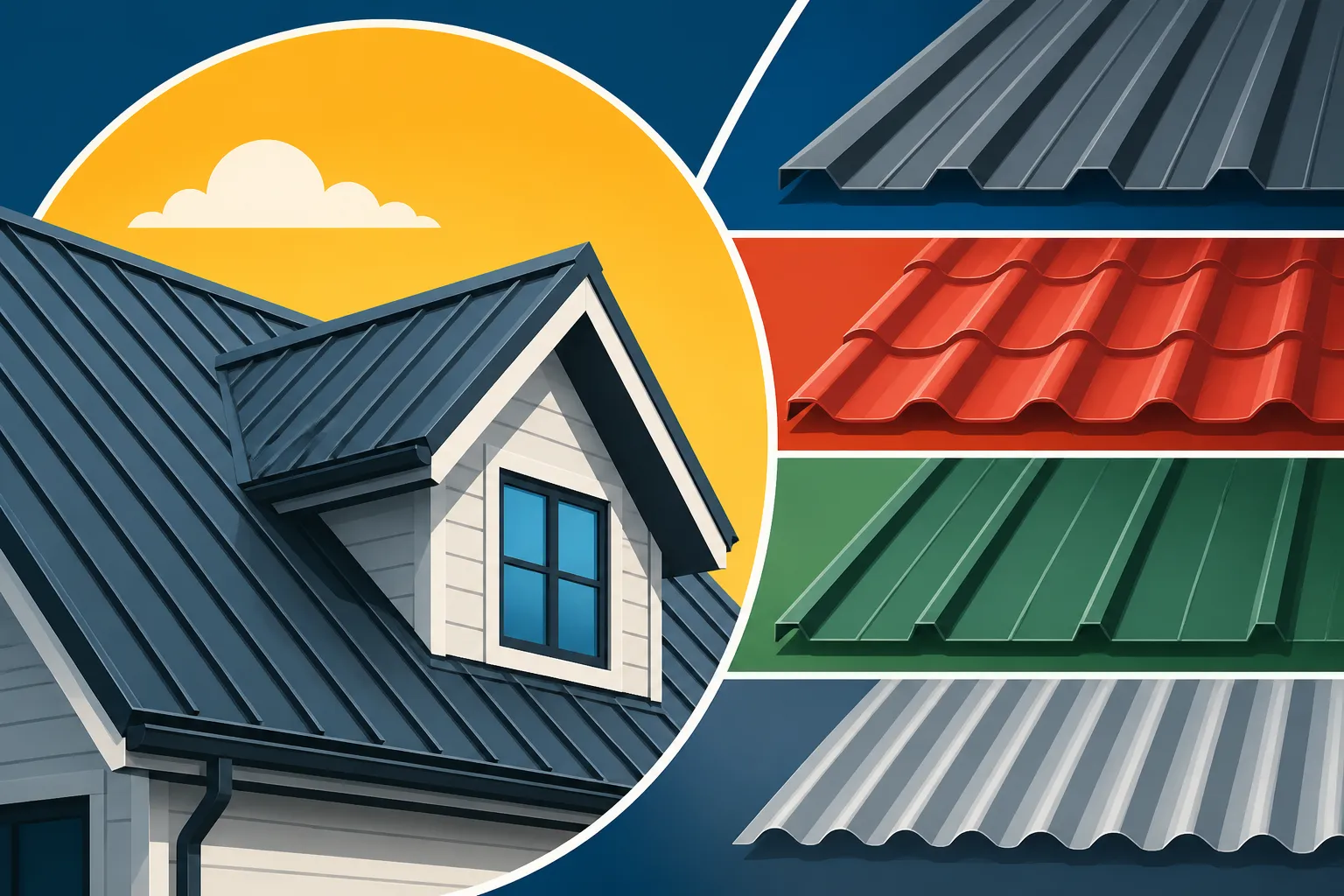
Common profiles in the exposed fastener category include corrugated, R-panel, PBR-panel, and 5V Crimp, each offering slightly different aesthetics and performance characteristics. These profiles are widespread because they offer an excellent balance of cost-effectiveness and reliable protection, especially in environments where extreme weather isn't the primary concern, or where budget is a significant factor.
Pros and Cons of Exposed Fastener Systems
Exposed fastener systems offer a compelling set of advantages, particularly for those on a tighter budget or looking for a more traditional metal roof aesthetic. However, it's crucial to understand their limitations, especially concerning maintenance.
On the pros side, the most attractive feature of exposed fastener metal roofing is its lower material and installation cost. The panels are generally less expensive to manufacture, and the installation process is typically quicker and less specialized than standing seam, which translates into significant savings on labor. This makes options like a Corrugated Metal Roof Cost much more accessible for many homeowners. They are robust and durable in many environments, offering excellent resistance to fire, rot, and insects. While often associated with barns and sheds, exposed fastener systems are increasingly being used for residential applications, particularly for rustic, industrial, or modern farmhouse aesthetics. For those with some DIY experience, these systems can also be easier to install yourself, though professional installation is always recommended for optimal performance and warranty compliance.
However, the cons primarily revolve around the fasteners themselves. Over time, the neoprene washers on the screws can degrade due to UV exposure and temperature fluctuations, leading to potential leaks. This means fastener maintenance is a critical consideration; screws may need to be tightened or replaced every 10-20 years, depending on the quality of the fasteners and local climate. This regular maintenance contributes to a shorter overall lifespan compared to standing seam roofs, usually in the 30-50 year range, though the metal itself can last much longer if maintained. Aesthetically, some homeowners find the visible fasteners less sleek than concealed systems, preferring the unbroken look of standing seam. Nevertheless, for many, the practicality and cost savings far outweigh these considerations, making it a highly popular and functional roofing choice.
Popular Exposed Fastener Profiles
The world of exposed fastener metal roofing is rich with distinct profiles, each with its own character and common applications. Understanding these differences can help you pinpoint the look and performance you desire.
-
Corrugated Panels: This is perhaps the most iconic and recognizable exposed fastener profile. Corrugated panels feature a series of repeating waves, or "corrugations," which give the sheet metal immense strength and a classic, rustic look. Often seen on barns, agricultural buildings, and sheds, corrugated metal is increasingly finding its way onto residential homes aiming for a modern farmhouse or industrial aesthetic. It's relatively lightweight and easy to install, making it a budget-friendly option. If you're wondering What Is a Corrugated Metal Roof?, it's this wavy, traditional panel.
-
R-Panel and PBR-Panel: These profiles are characterized by their deep, trapezoidal ribs. R-panels are commonly used in commercial and industrial settings due to their strength and broad coverage. PBR-panels (Purlin Bearing Rib) are a variation that includes an extra leg on one side of the panel. This provides a wider fastening surface, allowing the panels to be directly attached to purlins (horizontal framing members) without solid sheathing underneath, which can save on framing costs. Both R-panel and PBR-panel offer excellent durability and a more robust, contemporary industrial look than corrugated, making them popular for modern farmhouses, workshops, and even some residential applications seeking a rugged aesthetic. You might be curious What Is a R-Panel Metal Roof? – it's typically this strong, ribbed option.
-
5V Crimp: This profile is a classic, particularly popular in the Southeastern United States and coastal regions. It features five distinct "V" shaped ribs that run the length of the panel. The 5V Crimp offers a clean, traditional look that is less industrial than R-panel but more defined than corrugated. The V-shaped ribs contribute to good water shedding and increased rigidity, making it a favorite for handling heavy rains and high winds. It’s a great choice for a traditional Southern home or a coastal cottage where durability and classic charm are paramount. If you're interested in What Is a 5V Crimp Metal Roof?, you're looking at a time-tested, aesthetically pleasing solution.
Each of these exposed fastener profiles offers a unique blend of visual appeal, structural integrity, and cost-effectiveness, ensuring there’s a practical metal roofing solution for nearly every need.
Metal Shingles, Shakes, and Tiles: Classic Looks, Modern Performance
For homeowners who adore the timeless beauty of traditional roofing materials but crave the unparalleled durability and longevity of metal, metal shingles, shakes, and tiles offer the perfect solution. These innovative products combine the best of both worlds, providing classic aesthetics with modern, high-performance attributes.
Emulating Traditional Roofing Styles
The magic of metal shingles, shakes, and tiles lies in their ability to flawlessly mimic the appearance of other popular roofing materials, such as asphalt shingles, wood shakes, or clay tiles. This isn't achieved through mere painting; instead, metal panels are precisely stamped, pressed, and formed into intricate designs that replicate the texture, dimension, and contours of their traditional counterparts. The manufacturing process often involves multiple layers of coatings and finishes to enhance the realism.
For instance, metal shakes are pressed to replicate the deep grooves and irregular edges of cedar shakes, while metal tiles can perfectly mimic the barrel shape of Spanish clay tiles or the flat, smooth look of traditional slate. These products typically use durable metals like steel (often stone-coated) or aluminum as their base. The goal is to provide a roof that, from the curb, is virtually indistinguishable from the material it imitates, while offering all the benefits that only metal can provide. This attention to detail allows homeowners to maintain a specific architectural style without sacrificing the long-term advantages of a metal roof.
The Benefits of Aesthetic Versatility
The primary draw of metal shingles, shakes, and tiles is their incredible aesthetic versatility. This type of metal roofing allows homeowners to achieve the classic, charming, or elegant look of traditional materials while benefiting from the superior performance of metal. This is especially valuable in neighborhoods with strict Homeowners Association (HOA) rules that might restrict the use of exposed fastener or standing seam metal, but often permit metal products that blend in seamlessly with existing architectural styles.
Beyond aesthetics, these systems offer a host of pros. They are incredibly lightweight, which can be a significant advantage for older homes or structures where the roof deck might not be able to support the weight of heavy materials like clay tiles or natural slate. They boast exceptional durability, standing up to extreme weather conditions, including high winds and heavy precipitation. Hail resistance is particularly noteworthy, with many stone-coated steel systems earning a Class 4 impact resistance rating, which can even lead to insurance discounts. Brands like DECRA and Gerard are well-known for their high-quality stone-coated steel roofing that excels in these areas.
However, there are also some cons to consider. Metal shingles, shakes, and tiles can be more expensive than exposed fastener metal roofs due to the complex manufacturing and finishing processes required to achieve their intricate designs. While they are designed for durability, the installation can be more labor-intensive than continuous panel systems, as individual pieces need to be carefully aligned and interlocked. Furthermore, if not installed perfectly or if low-quality materials are used, some designs can be prone to "cupping" or slight deformation over time, particularly in extreme temperature fluctuations, which can detract from their appearance. Despite these considerations, for homeowners prioritizing both classic looks and long-term performance, options like Stone-Coated Steel Roof Cost are often viewed as a worthwhile investment.
Popular Metal Shingle, Shake, and Tile Types
The market for metal shingles, shakes, and tiles is incredibly diverse, offering solutions to emulate virtually any traditional roofing material. Let's look at some of the most popular types:
-
Stone-Coated Steel: This is a fantastic option for homeowners seeking extreme durability combined with classic aesthetics. Stone-coated steel panels are made from a strong steel core, which is then coated with an acrylic base, followed by finely crushed stone granules, and sealed with a clear acrylic topcoat. This process creates a remarkably tough and attractive finish that can convincingly mimic various materials like clay tiles, wood shakes, or even asphalt shingles. The stone coating provides an extra layer of protection, sound dampening, and a beautiful, natural texture that enhances curb appeal. It's an excellent choice for regions prone to hail or high winds, often qualifying for premium insurance discounts. Many homeowners explore What Is a Metal Tile Metal Roof? and find stone-coated steel is a popular answer.
-
Metal Shingles: These are individual, often interlocking panels, typically made from aluminum or steel, designed to look like traditional asphalt shingles. They come in a wide range of colors and styles, from multi-ribbed designs that resemble architectural asphalt shingles to simpler, smoother profiles. Metal shingles are valued for their lightweight nature and ease of installation compared to full panels, as they can often be installed over an existing roof with proper preparation, saving on tear-off costs. They offer superior longevity and performance over asphalt, making them a smart upgrade for many homes. Homeowners often ask What Is a Metal Shingle Metal Roof? when looking for a modern material with a familiar appearance.
-
Metal Tiles and Slates: For those who adore the Mediterranean flair of Spanish clay tiles or the sophisticated elegance of natural slate, metal tiles and slates provide a durable, lightweight alternative. These panels are precisely formed to replicate the distinct curves of barrel tiles or the flat, overlapping appearance of slate. They are typically made from aluminum or steel and finished with high-performance coatings that resist fading and chalking. Metal tiles are particularly popular in warmer climates where clay tiles are common, offering similar aesthetic appeal without the associated weight, fragility, or maintenance requirements. Similarly, metal slate roofs provide a high-end look without the exorbitant cost and extreme weight of genuine slate, making them a practical luxury.
Choosing the Right Metal Roofing Profile for Your Home
Selecting the perfect metal roofing profile for your home involves more than just picking a color you like. It's a strategic decision that balances aesthetics, local climate demands, structural considerations, and your budget. Getting it right ensures your roof not only looks fantastic but also performs optimally for decades to come.
Architectural Style and Aesthetic Considerations
Your home's architectural style is often the first and most crucial factor in determining the ideal metal roof profile. A well-chosen profile should complement, rather than clash with, your home's existing design elements. For example, a sleek standing seam roof is the darling of modern, minimalist, and contemporary homes, where its clean lines and concealed fasteners enhance the architectural statement. Its smooth surface and strong linear elements align perfectly with geometric designs and large expanses of glass.
On the other hand, if you own a rustic farmhouse, a charming cottage, or even a home with an industrial edge, exposed fastener profiles like corrugated or R-panel might be a more fitting choice. A What Is a Corrugated Metal Roof? or a What Is a 5V Crimp Metal Roof? profile can evoke a sense of tradition and durability, providing a timeless appeal. For homes with a Mediterranean, Spanish Colonial, or Craftsman style, metal shingles, shakes, or tiles that mimic natural slate, wood shakes, or clay barrels are excellent options. They allow you to retain the authentic look of these styles while upgrading to metal's superior performance. Beyond profile, the choice of color and finish (like durable PVDF or SMP coatings) can dramatically alter the overall aesthetic, allowing for customization that truly makes your roof unique. Don't underestimate how much a new roof can transform your home's curb appeal!
Climate, Pitch, and Structural Needs
Beyond looks, your local climate and your roof's physical characteristics play a critical role in selecting the right metal roofing profile. Not all roofs are created equal when it comes to battling Mother Nature or accommodating unique structural demands.
-
High Wind Areas: If you live in a region prone to hurricanes, strong thunderstorms, or persistent high winds (think coastal areas or the plains states), selecting a profile with superior uplift resistance is paramount. Standing seam roofs, especially those with mechanical lock systems and robust clip attachments, offer excellent wind resistance because the fasteners are protected and designed to hold panels securely. Certain exposed fastener profiles, like the 5V Crimp, also perform very well in high winds due to their continuous fastening across the panel.
-
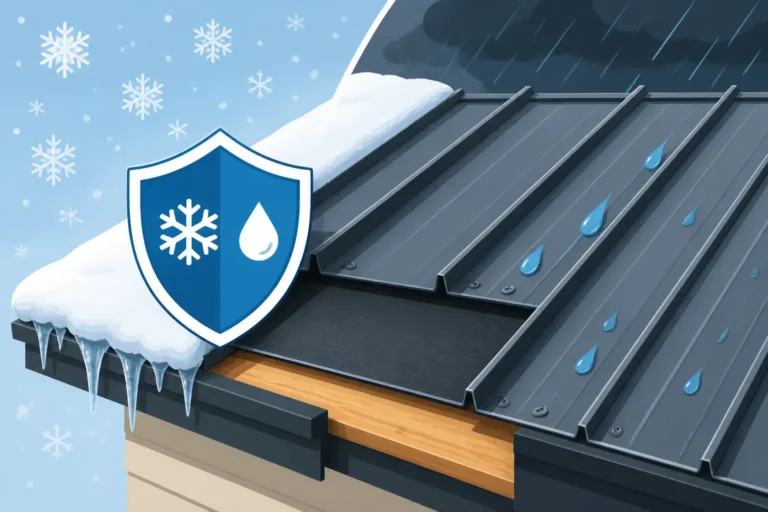
Snow Loads: In areas that experience heavy snowfall, a smooth metal roof can be a real asset. Standing seam panels, with their slick surfaces and minimal resistance, allow snow to shed off more easily, reducing the accumulation that can strain roof structures. However, this also means you might need to consider installing snow guards to prevent large, potentially dangerous snow avalanches. For homeowners wondering Can You Put a Metal Roof on a Low-Slope Roof? in a snowy region, standing seam is often the answer due to its superior watertightness.
-
Roof Pitch: The slope of your roof is another non-negotiable factor. For very low-slope roofs (pitches as low as 1/4:12 to 3:12), standing seam is almost always the recommended choice. Its continuous panels and mechanically seamed joints are far more effective at preventing water penetration on flatter surfaces where water might pool or drain slowly. Exposed fastener systems typically require a steeper pitch (usually 3:12 or higher) to ensure proper water runoff and prevent leaks around the exposed fasteners.
-
Structural Needs: While metal roofing is generally lighter than many other materials, it's always wise to ensure your roof's existing structure can support the chosen system, especially if you're installing over existing shingles. In most cases, metal's lightweight nature is a benefit, reducing stress on the framing. However, specialized systems or heavy stone-coated steel might have different requirements.
Considering these environmental and structural factors ensures your metal roof isn't just beautiful, but also a resilient, high-performing shield for your home, providing peace of mind for decades.
Budget and Long-Term Value
When it comes to home improvements, budget is almost always a top concern. While metal roofs generally represent a higher upfront investment than traditional asphalt shingles, it's crucial to look beyond the initial price tag and consider the long-term value and return on investment (ROI). Thinking of your roof as a multi-decade asset rather than a short-term expense completely changes the perspective.
-
Initial Cost Comparison: Generally, exposed fastener metal roofing (like corrugated or R-panel) will be the most budget-friendly metal option, comparable to high-end asphalt shingles in some markets. Metal shingles, shakes, and tiles typically fall in the mid-to-high range, reflecting their intricate designs and specialized manufacturing. Standing seam metal roofing almost always represents the highest initial investment due to the premium materials, complex engineering, and specialized installation required. For a deeper dive into the overall expenses, you might want to review a guide like Metal Roof Cost: Complete 2026 Guide.
-
Lifespan and ROI: This is where metal roofing truly shines. A properly installed metal roof can easily last 40 to 70 years, sometimes even longer, dramatically outperforming asphalt shingles which typically last 15-30 years. This extended lifespan often means you'll only install one metal roof in your lifetime, while an asphalt roof might need to be replaced two or even three times. When amortized over its entire service life, a metal roof can become surprisingly cost-effective. Furthermore, metal roofs can increase your home's resale value, offer energy savings due to their reflective properties, and often qualify for homeowners insurance discounts, all contributing to a significant long-term ROI. Services like Modernize can help you connect with contractors who can provide detailed quotes and explain the long-term financial benefits tailored to your specific situation.
-
Maintenance Costs: While exposed fastener systems might require occasional fastener checks and replacements, both standing seam and metal shingle systems are relatively low-maintenance. This contrasts sharply with the ongoing cleaning, repair, and eventual replacement cycle of traditional roofing materials, further boosting the long-term value of a metal roof. By weighing the upfront cost against decades of performance, minimal maintenance, and potential savings, the true economic benefit of a metal roof becomes clear.
Metal Roof Materials: More Than Just Steel
When you hear "metal roof," steel is often the first material that comes to mind, and for good reason—it's the most common. However, the world of metal roofing materials is much broader, encompassing a range of metals each with unique properties, aesthetics, and price points. Understanding these differences is key to choosing a roof that not only performs but also aligns with your long-term vision and budget.
Steel Roofing: The Most Common Choice
Steel is undoubtedly the reigning champion in the residential metal roofing market, and for excellent reasons. It offers an exceptional balance of strength, durability, affordability, and versatility. However, raw steel is susceptible to rust, which is why it's always treated with protective coatings.
The two most common types of coated steel used in metal roofing are:
- Galvanized Steel: This involves coating steel with a layer of zinc. The zinc acts as a sacrificial layer, corroding before the steel beneath it, thus protecting the panel from rust. Galvanized steel has been a workhorse in construction for decades due to its reliability and cost-effectiveness.
- Galvalume Steel: A more modern advancement, Galvalume steel is coated with a mixture of zinc, aluminum, and silicon. This combination provides superior corrosion resistance compared to traditional galvanized steel, especially in environments where salt spray or acidic rain might be a concern. The aluminum component offers excellent barrier protection against rust, while the zinc provides galvanic protection. This enhanced protection makes Galvalume a popular choice for high-performance metal roofing. Many homeowners researching Galvalume Roof Cost appreciate its long-term durability.
Beyond these metallic coatings, steel panels are almost always finished with high-performance paint systems. The most common are:
- PVDF (Polyvinylidene Fluoride) Coatings: Often referred to by the brand name Kynar 500, these coatings are considered the gold standard for metal roofing. They offer exceptional fade and chalk resistance, maintaining their vibrant color and glossy finish for decades, even under intense UV exposure. They come with robust warranties and are excellent for energy-efficient "cool roofs."
- SMP (Siliconized Modified Polyester) Coatings: SMPs provide good performance at a more economical price point. While they may not offer the extreme fade resistance of PVDF, they are a durable option that provides excellent protection and aesthetic appeal for a significant portion of a roof's lifespan.
The popularity of steel is also driven by its relative cost-effectiveness. For many homeowners, the Steel Roof Cost Per Square Foot offers an attractive blend of long-term performance without the premium price tag of some other metals.
Aluminum, Copper, and Zinc: Premium Options
While steel offers an excellent blend of cost and performance, there are premium metal roofing options that provide specialized benefits and distinct aesthetics for those willing to invest more.
-
Aluminum Roofing: Aluminum is significantly lighter than steel and possesses one major advantage: it is naturally rust-proof. This makes it an ideal choice for coastal areas or regions with high humidity and salt spray, where steel might be more prone to corrosion over time, even with advanced coatings. Aluminum roofs are also highly reflective, contributing to excellent energy efficiency. They can be formed into various profiles, including standing seam and shingles, and accept a wide range of paint finishes. The main drawback is its higher cost compared to steel, but for properties in challenging marine environments, the Aluminum Roof Cost can be a worthwhile investment in rust prevention.
-
Copper Roofing: Copper roofing is the epitome of luxury and timeless elegance. Its unparalleled durability means a copper roof can last for well over a century, making it perhaps the most "lifetime" roof available. Initially, copper has a bright, reddish-brown sheen, but over time, it develops a beautiful, distinctive green or blue-green patina, a natural protective layer that adds to its charm and character. Copper is exceptionally resistant to corrosion, fire, and biological growth. However, this superior performance and aesthetic comes at a very high price point, making the Copper Roof Cost one of the most expensive roofing options. It's often reserved for accent roofs, historical restorations, or custom luxury homes where its unique beauty and longevity are highly prized.
-
Zinc Roofing: Zinc is another highly durable and sustainable metal, gaining popularity for its unique properties and aesthetic appeal. Like copper, zinc develops a natural, self-healing patina over time, which protects the metal from further corrosion and gives it a soft, matte finish that evolves beautifully. This patina allows zinc to "heal" minor scratches and imperfections. Zinc roofs are incredibly long-lasting, often exceeding 80-100 years, and are highly resistant to fire, mold, and mildew. It is also an incredibly sustainable material, being 100% recyclable. The main barrier for most homeowners is the substantial Zinc Roof Cost, which places it firmly in the premium category alongside copper. It's often chosen for architectural projects where aesthetics, sustainability, and extreme longevity are top priorities.
These premium metals offer distinct advantages for specific applications, representing significant investments that deliver unparalleled longevity and unique visual character.
Understanding Gauge and Coatings
Beyond the type of metal, two technical terms you'll frequently encounter when discussing metal roofing are "gauge" and "coatings." These aspects are crucial for understanding the durability, performance, and longevity of your chosen metal roof.
-
Gauge: This refers to the thickness of the metal. Counterintuitively, the lower the gauge number, the thicker the metal. For example, 24-gauge steel is thicker and stronger than 26-gauge steel. In residential applications, you'll most commonly find 24-gauge, 26-gauge, and sometimes 29-gauge steel.
- 24-gauge is typically considered the premium option for residential standing seam roofs. Its increased thickness provides superior rigidity, impact resistance (from hail or falling debris), and reduces the likelihood of oil canning. It's built to withstand more extreme conditions and is often preferred for high-end projects.
- 26-gauge is a very common and robust choice for both standing seam and exposed fastener systems. It offers excellent durability and performance for most residential applications and is a good balance between strength and cost.
- 29-gauge is generally the thinnest and most economical option, often used for exposed fastener systems on agricultural buildings, sheds, or some residential applications where budget is a primary concern. While it's still durable, it's more susceptible to denting or oil canning than thicker gauges.
Understanding the different gauges and their implications is vital when comparing bids. For a more detailed breakdown, check out Metal Roof Gauges Explained: 22, 24, 26 & 29 or specifically compare 24 vs 26 Gauge Metal Roof: Cost Difference.
-
Coatings: As briefly mentioned earlier, coatings refer to the paint systems applied to the metal, typically steel or aluminum. These aren't just for color; they provide critical protection against UV degradation, chalking, fading, and corrosion.
- PVDF (Polyvinylidene Fluoride) Coatings: Known by trade names like Kynar 500 or Hylar 5000, these are high-performance fluoropolymer resins considered the industry standard for durability and color retention. They offer superior resistance to fading, chalking, and harsh chemicals, making them ideal for long-lasting, vibrant colors. They often come with 30-40 year finish warranties.
- SMP (Siliconized Modified Polyester) Coatings: These are a step up from basic polyesters, offering good color retention and scratch resistance at a more economical price point than PVDF. They provide a durable finish that performs well in many climates, typically carrying 20-30 year finish warranties.
The quality of the coating directly impacts your roof's aesthetic longevity and resistance to the elements. Investing in a high-quality coating, especially PVDF, ensures your metal roof maintains its vibrant appearance and protective qualities for decades, truly maximizing your investment.
Installation Considerations and Manufacturer Certifications
Even the highest quality metal roofing materials and the most well-thought-out profile choices can fall short if the installation isn't up to par. The successful, long-lasting performance of a metal roof hinges critically on the expertise of the installers. This is where choosing the right contractor and understanding certifications becomes just as important as selecting the right metal.
The Importance of Professional Installation
Unlike asphalt shingles, which many experienced general contractors can install competently, metal roofing requires a specialized skill set. It's not just about nailing down panels; it involves precision measurements, careful handling to prevent scratches or dents, specialized cutting tools, proper flashing techniques around penetrations, and a thorough understanding of thermal expansion and contraction. Metal panels can expand and contract significantly with temperature changes, and if not accounted for during installation, this can lead to oil canning, fastener back-out, or even structural damage.
A poorly installed metal roof, regardless of its material quality, is prone to leaks, premature wear, and warranty invalidation. For instance, incorrect flashing around chimneys, skylights, or valleys is a common source of leaks. Improper fastening can lead to panels lifting in high winds. Even minor mistakes, like overtightening screws on an exposed fastener system, can crush washers and compromise weatherproofing. Investing in professional installation by a contractor specializing in metal roofing ensures these complex aspects are handled correctly, safeguarding your investment and maximizing your roof's lifespan.
Manufacturer-Certified Installers and Warranties
When you're making a significant investment in a metal roof, you want assurance that it will perform as advertised. This is where manufacturer-certified installers become invaluable. These aren't just general roofers; they are contractors who have undergone specific training directly from the metal roofing material manufacturers (like Englert, PAC-CLAD, or Metal Sales). This training covers the manufacturer's specific products, installation techniques, fastening requirements, and warranty protocols.
Hiring a manufacturer-certified installer offers several critical benefits:
- Adherence to Best Practices: They are trained to install the specific metal roofing system according to the manufacturer's precise guidelines, ensuring optimal performance and longevity.
- Enhanced Warranty Coverage: Many manufacturers offer extended or enhanced material warranties, and sometimes even labor warranties, only when their products are installed by a certified contractor. This is a huge safeguard for your investment.
- Reduced Risk of Errors: Their specialized knowledge significantly reduces the likelihood of installation errors that could lead to leaks, damage, or premature failure.
Before hiring, always ask if a contractor is manufacturer-certified for the specific metal roofing system you're interested in. Verifying this certification can provide immense peace of mind. For more on this, consider reading Manufacturer-Certified Metal Roof Installers Explained. Services like Modernize can be incredibly helpful in connecting you with local contractors who hold these crucial certifications, ensuring you get a quality installation.
Understanding Your Metal Roof Contract and Quotes
Navigating the paperwork for a major home improvement like a new metal roof can be daunting. You'll likely receive several quotes, and comparing them "apples to apples" is essential to avoid surprises and ensure you're getting what you pay for. A comprehensive contract and detailed quote are your best friends in this process.
When you receive a quote, don't just look at the bottom line. Scrutinize what's included:
- Material Breakdown: Does it specify the exact metal (e.g., Galvalume steel), gauge (e.g., 24-gauge), profile (e.g., snap-lock standing seam), and coating (e.g., PVDF Kynar 500)? Are all accessories like flashing, fasteners, sealants, and underlayment explicitly listed? This level of detail confirms the contractor understands your chosen system.
- Labor Costs: Is labor clearly separated? Does it include tear-off of your old roof if applicable, and disposal fees?
- Permits and Inspections: Will the contractor pull all necessary permits? Is the cost included? This is crucial for legality and warranty.
- Warranty Information: Does the quote include details on both the material warranty (from the manufacturer) and the workmanship warranty (from the contractor)? Ensure you understand the duration and coverage of both.
- Payment Schedule: A clear payment schedule, usually with an initial deposit, progress payments, and a final payment upon satisfactory completion, should be outlined. Be wary of contractors demanding a very large upfront deposit.
- Insurance and Licensing: The contract should confirm the contractor is licensed (if required in your state/city), bonded, and fully insured (liability and worker's compensation). Ask for proof.
Getting at least three detailed quotes is always a good practice. They can vary wildly, not just in price but in the specifics of what's offered. Don't hesitate to ask questions, no matter how small they seem. A reputable contractor will be happy to explain every line item. For more guidance on this, consider reading How to Read and Compare Metal Roof Quotes. By being diligent in reviewing your contract and quotes, you protect yourself and ensure your metal roof project proceeds smoothly and to your satisfaction.
Metal Roofing Profiles Comparison Table
To help you visualize the differences and benefits of some of the most popular metal roofing profiles, here's a comparison table. Keep in mind that costs and lifespans can vary significantly based on material, gauge, location, and specific manufacturer.
| Feature | Standing Seam | Exposed Fastener (Corrugated, R-Panel) | Metal Shingles/Tiles/Shakes (Stone-Coated Steel) |
|---|---|---|---|
| Aesthetics | Modern, sleek, clean lines, concealed clips | Industrial, rustic, traditional, visible fasteners | Traditional, mimics asphalt, wood, or clay tile |
| Fasteners | Concealed (clips/flanges) | Exposed (screws with washers) | Concealed (interlocking system) |
| Cost (Avg.) | High ($10-$16+ per sq ft installed) | Low to Mid ($5-$10 per sq ft installed) | Mid to High ($7-$15+ per sq ft installed) |
| Lifespan | 50-70+ years | 30-50 years (with fastener maintenance) | 40-60+ years |
| Maintenance | Very low (occasional inspection) | Moderate (fastener checks/replacement) | Low (occasional inspection) |
| Wind Rating | Excellent (high uplift resistance) | Good to Excellent (profile dependent) | Very Good to Excellent |
| Hail Rating | Good (can dent with large hail) | Good (can dent with large hail) | Excellent (Class 4 for stone-coated steel) |
| Best Use | Modern homes, low-slope roofs, premium look | Barns, sheds, industrial, budget-friendly homes | HOAs, traditional homes, hail-prone areas |
| Primary Risk | Oil canning (aesthetic), high initial cost | Fastener leaks, less sleek aesthetic | Higher initial cost than exposed fastener |
This table provides a snapshot, but remember that specific product lines from manufacturers like DECRA, McElroy Metal, or Englert will have their own unique specifications and warranties. Always consult with a qualified roofing professional for advice tailored to your specific project.
Disclaimer
Please remember that the information provided in this guide is for general informational purposes only. While we strive to offer accurate and up-to-date advice, roofing materials, installation techniques, building codes, and costs can vary significantly based on your specific location, local regulations, market conditions, and individual project requirements. Always consult with a qualified, licensed, and insured local metal roofing contractor for personalized advice, accurate quotes, and professional installation services before making any decisions related to your roof.