How Much Does Galvalume Roofing Cost Installed
Thinking about a new roof can feel like stepping into a whole new world of jargon and numbers, especially when you're trying to figure out if Galvalume roofing is the right choice for your home and your budget. It's tough to get a straight answer sometimes, with prices fluctuating and so many different components involved. This guide is here to cut through the confusion, offering a realistic look at how much Galvalume roofing truly costs when all is said and done, from materials to professional installation, so you can make an informed decision for your biggest asset.
Understanding Galvalume Roofing
Before we dive deep into the dollars and cents, let's chat a bit about what Galvalume roofing actually is. It’s a popular choice, and for good reason, but knowing its makeup helps you appreciate its value.
What Exactly is Galvalume?
Galvalume isn't a type of metal itself, but rather a specific coating applied to steel sheets to give them superior protection and longevity. Imagine taking a robust steel core, then dipping it in a special alloy that’s 55% aluminum, 43.4% zinc, and a touch of silicon. That unique blend is what creates the Galvalume coating. This innovative combination brings together the best qualities of both aluminum and zinc: the excellent barrier corrosion resistance and aesthetic appeal of aluminum, combined with the galvanic protection of zinc. This means that if the coating gets scratched, the zinc component will sacrifice itself to protect the exposed steel, preventing rust from spreading. This sacrificial protection is a game-changer when it comes to durability compared to other roofing materials.
You'll often find Galvalume used in various metal roofing profiles, from sleek standing seam panels to more traditional corrugated or R-panel designs. It's a versatile material that offers a strong base for many aesthetic preferences, often coming in natural metallic finishes or pre-painted with high-performance coatings like Kynar 500 (PVDF) for added color retention and weather resistance. Many homeowners are surprised to learn that what they thought was "just a metal roof" actually benefits from this specialized Galvalume treatment, giving it a significant edge in performance.
Advantages and Disadvantages of Galvalume
Every material has its pros and cons, and Galvalume is no exception. Understanding these helps you weigh it against other options and see where your money is really going.
On the upside, Galvalume roofs are incredibly durable. They boast an impressive lifespan, often lasting 40 to 60 years or even more, which is significantly longer than traditional asphalt shingles. This longevity translates into less frequent roof replacements and maintenance over the decades, saving you considerable stress and cash in the long run. They are also incredibly resistant to corrosion, rust, and the harsh effects of weather, from intense sun to heavy rain and snow. Because of their steel core, they offer excellent fire resistance, often receiving a Class A fire rating, which can sometimes even lead to Metal Roof Insurance Savings & Discounts. Plus, metal roofs, including Galvalume, are great for energy efficiency; they reflect solar radiant heat, which can reduce cooling costs in warmer climates.
However, Galvalume does have a few considerations. One common issue is that it doesn't always play well with certain other materials, especially copper and lead, as it can cause a galvanic reaction that accelerates corrosion. Proper installation and material segregation are crucial to avoid this. Another point to consider is its appearance in certain environments. While highly rust-resistant, Galvalume can sometimes develop a phenomenon called "oil canning," which appears as wavy distortions on flat panel surfaces. While largely an aesthetic issue and not a structural one, it's something some homeowners might find less appealing. Lastly, while durable, if scratched deeply enough to expose the steel, and if the zinc is exhausted, it can rust, though this is rare with proper care and quality materials. It's also typically more expensive upfront than asphalt shingles, a topic we're about to explore in detail when looking at the Metal Roof Cost vs Asphalt Shingle Cost.
Key Factors Influencing Galvalume Roofing Cost
You know how every home improvement project has a "base price" but then all these little things pop up that make the final bill a bit of a mystery? Galvalume roofing is no different. The "How Much Does Galvalume Roofing Cost Installed" question isn't a simple one-number answer because so many variables are at play.
Material Grade and Finish
The quality and type of Galvalume panel you choose will have a significant impact on your overall cost. Not all Galvalume is created equal, and manufacturers like McElroy Metal or Metal Sales offer different grades and finishes.
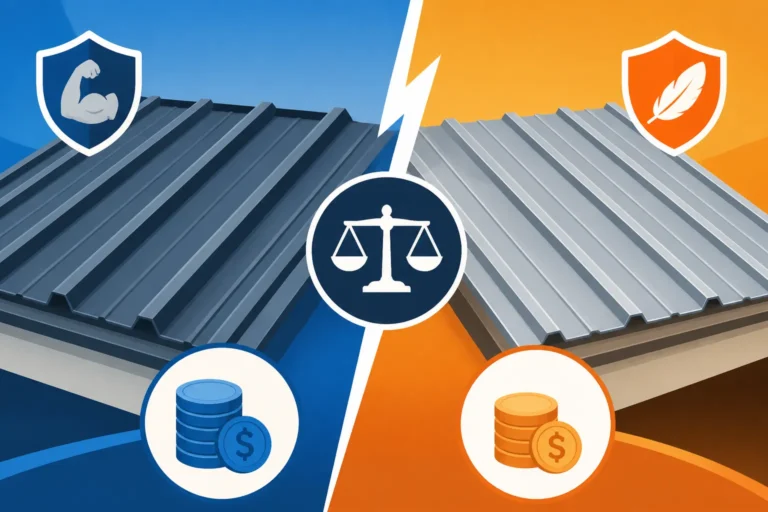
- Gauge Thickness: Metal roofing comes in various thicknesses, known as gauges. The lower the gauge number, the thicker and more durable the metal. For residential Galvalume, you'll typically see 24-gauge (thicker, more rigid) or 26-gauge (slightly thinner, more common for residential). Thicker 24-gauge material will naturally cost more per square foot but offers enhanced durability and dent resistance, which can be a real plus if you live in an area prone to hail. If you're pondering the difference, you might want to read more about 24 vs 26 Gauge Metal Roof: Cost Difference.
- Panel Profile: Galvalume is available in various profiles, each with its own cost implications.
- Exposed Fastener Panels (like R-panels or corrugated): These are generally the most economical option. The fasteners (screws) are visible on the surface of the roof, driven directly through the panels into the decking or purlins. They are quicker to install, contributing to lower labor costs.
- Concealed Fastener Panels (Standing Seam): This is often considered the premium option. The fasteners are hidden beneath the panels, creating a clean, modern look and superior weather resistance. While the material itself can be more expensive, and installation more labor-intensive, many homeowners find the aesthetic and long-term performance worth the investment. To understand the full picture, check out our guide on Standing Seam Metal Roof Cost.
- Paint Coatings: While some Galvalume is left as a natural metallic finish, many homeowners opt for pre-painted panels. High-quality paint systems, like PVDF (Kynar 500 or Hylar 5000), offer superior color retention, chalking resistance, and protection against UV rays and harsh chemicals. These premium coatings add to the material cost but ensure your roof looks fantastic for decades without fading or chalking. More budget-friendly options might use SMP (Silicone Modified Polyester) paints, which still offer good performance but typically for a shorter warranty period on color retention.
Roof Size and Complexity
It probably goes without saying, but the bigger your roof, the more material and labor it will require. However, it's not just about square footage. The complexity of your roofline plays a huge role in the final cost.
- Square Footage: The primary driver of material cost is the total area of your roof. A larger home, say a 3,000 sq ft house, will naturally have a larger roof area than a cozy 1,500 sq ft cabin. Our article on Metal Roof Cost for a 3,000 Sq Ft Home provides more details specific to larger homes. Costs are almost always calculated per square foot, so a bigger footprint means a bigger bill.
- Roof Pitch and Valleys: Steep roof pitches (the slope of your roof) make installation more challenging and time-consuming for roofers, increasing labor costs due to safety measures and slower work. A roof with multiple valleys, dormers, skylights, or chimneys also adds complexity. Each intersection and penetration requires custom flashing, cutting, and sealing, which demands more skilled labor and specialized materials, pushing up the Metal Roof Trim and Flashing Cost. Simple, unobstructed gable roofs are always the most budget-friendly.
- Number of Stories: A two-story home generally means more difficult access for materials and workers, requiring scaffolding or specialized lifts, all of which contribute to higher labor costs compared to a single-story ranch house.
Installation Labor and Location
The cost of getting that beautiful Galvalume roof onto your home isn't just about the panels themselves; a huge chunk of your budget will go towards labor. And just like real estate, when it comes to labor costs, it's all about "location, location, location!"
- Labor Rates: The rates for skilled roofing contractors can vary widely depending on your geographic location. A roofer in an expensive metropolitan area like Los Angeles or Miami will command higher hourly rates than one in a smaller town in the Midwest. This is due to differences in the cost of living, local overheads, and demand for skilled trades. For a deeper dive into regional variations, you might want to look into Metal Roof Cost by State and City. The type of Galvalume system also affects labor. Standing seam systems, with their hidden fasteners and precise seaming, require more specialized tools and highly trained installers, translating to higher labor costs per square foot compared to simpler exposed fastener panels.
- Crew Experience and Specialization: Experienced, reputable metal roofing contractors who specialize in Galvalume and standing seam installations will often charge more, but their expertise can save you money and headaches in the long run by ensuring a flawless, long-lasting installation. An installer who knows the nuances of working with Galvalume, understanding its expansion and contraction properties, and how to properly flash all penetrations, is invaluable. Always ask for credentials and check references! Finding a specialist is key, and our guide on How to Find a Standing Seam Roof Specialist can offer more tips.
Additional Project Costs
Beyond the panels and the crew, there are often several other costs that sneak into the budget for a comprehensive Galvalume roofing project. Don't forget to factor these in.
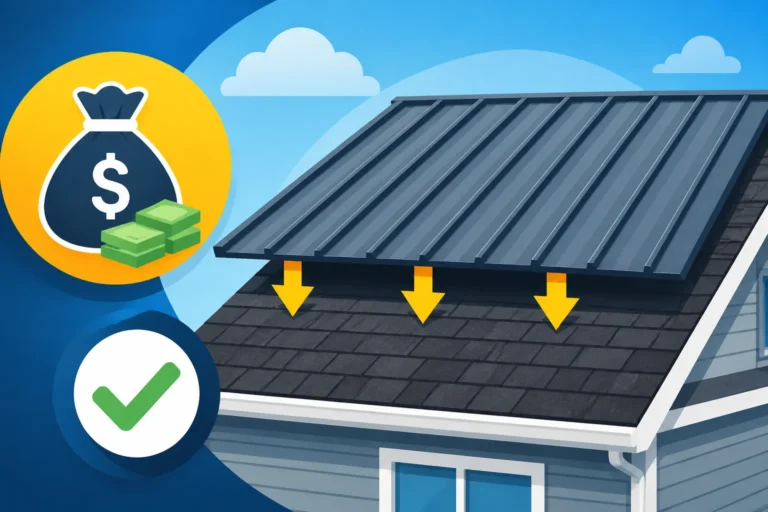
- Old Roof Tear-Off and Disposal: If you're replacing an existing roof, the old material needs to be removed and disposed of. This "tear-off" process involves labor, dumpster rental, and disposal fees, which can add a significant amount to your total project cost, especially if you have multiple layers of old shingles. This is a crucial line item to consider when comparing your options, as detailed in Tear-Off vs Metal Over Shingles: Cost Difference. Some installers might offer to install metal over existing shingles, which can save on tear-off costs, but it has its own set of considerations.
- Underlayment: A high-quality underlayment is essential for any metal roof, providing an extra layer of protection against moisture, especially in ice-prone regions. Synthetic underlayments are the most common choice for metal roofs due to their durability and ability to withstand high temperatures without degrading. While it's an added expense, skimping on underlayment can lead to costly problems down the road. Learn more about its importance and cost in our Metal Roof Underlayment Cost article.
- Flashing and Trim: Every edge, valley, ridge, and penetration (chimneys, vents, skylights) on your roof requires specialized metal flashing and trim pieces to ensure a watertight seal. These are custom-fabricated or purchased components that add significantly to the material and labor costs due to the precision required for their installation.
- Permits: Nearly all roof replacements require a building permit from your local municipality. The cost of a permit varies by location but is a mandatory expense to ensure your roof meets local building codes and passes inspections. Our guide on Do You Need a Permit for a Metal Roof? can help clarify local requirements.
- Accessories: This can include items like snow guards (essential in snowy climates to prevent dangerous snow slides), custom ventilation systems, or even skylight installations, all of which add to the overall price tag.
Average Installed Cost of Galvalume Roofing
Alright, let's get down to brass tacks: what's the typical price tag for a Galvalume roof? While it varies significantly, we can give you some solid averages and help you understand how those numbers shake out.
Cost Per Square Foot Breakdown
When you're looking at quotes, most contractors will break down the cost per square foot, encompassing both materials and labor. For Galvalume roofing, you can generally expect to pay anywhere from $6.00 to $18.00 per square foot installed.
- Materials: The Galvalume panels themselves, along with underlayment, fasteners, and trim pieces, typically range from $2.50 to $8.00 per square foot. The lower end would be for simpler exposed fastener corrugated or R-panels, while the higher end would be for premium standing seam panels with high-end coatings and thicker gauges.
- Labor: Installation labor often accounts for a significant portion of the cost, ranging from $3.50 to $10.00 per square foot. Again, exposed fastener systems are on the lower end, while complex standing seam installations with intricate rooflines will be at the higher end. The need for tear-off of an existing roof will also bump up labor costs considerably.
It's important to get detailed quotes that clearly itemize these components, so you know exactly what you're paying for. Don't hesitate to ask questions if something isn't clear! Our guide on How to Read and Compare Metal Roof Quotes can give you an edge when reviewing bids.
Total Project Costs for Different Home Sizes
To give you a clearer picture, let's look at some hypothetical total project costs for common home sizes, assuming an average complexity and the need for a tear-off. Remember, these are broad estimates, and your specific project could be higher or lower.
| Home Size (Sq Ft) | Estimated Roof Area (Sq Ft) | Low-End Estimate (Exposed Fastener) | High-End Estimate (Standing Seam) |
|---|---|---|---|
| 1,000 | 1,200 | $7,200 – $8,400 | $14,400 – $21,600 |
| 1,500 | 1,800 | $10,800 – $12,600 | $21,600 – $32,400 |
| 2,000 | 2,400 | $14,400 – $16,800 | $28,800 – $43,200 |
| 2,500 | 3,000 | $18,000 – $21,000 | $36,000 – $54,000 |
(Note: Estimated roof area is typically about 1.2 to 1.5 times the heated living space, depending on roof pitch and overhangs. These figures include material, labor, and a standard tear-off, but can vary greatly.)
For a 2,000 sq ft house, for instance, you could be looking at a total project cost from around $14,400 for a basic corrugated Galvalume system up to $43,200 or more for a premium standing seam installation. This variance highlights why getting personalized quotes is so vital. You can also explore specific costs like Metal Roof Cost for a 2,000 Sq Ft House for more targeted insights.
Comparing Galvalume to Other Metal Roof Materials
It's natural to compare Galvalume to other popular metal roofing materials. While Galvalume offers an excellent balance of cost and performance, other options exist with their own price points and benefits.
- Galvanized Steel: This is steel coated with 100% zinc. While cheaper upfront than Galvalume, it generally offers less corrosion resistance, especially in coastal or industrial environments. The cost is often a bit lower, perhaps starting around $5-$15 per square foot installed. Galvalume is typically seen as a superior product to galvanized steel for roofing applications because of its enhanced protection against corrosion. Our guide on Galvalume vs Galvanized Steel Roofing delves deeper into this comparison.
- Aluminum: Aluminum roofing is fantastic for coastal areas due to its inherent resistance to saltwater corrosion. It's lighter than steel and doesn't rust. However, it's also a softer metal, making it more prone to denting, and it's generally more expensive than Galvalume, often ranging from $8-$20+ per square foot installed. Learn more about Aluminum Roof Cost.
- Copper and Zinc: These are the luxury metals of roofing. Copper, with its stunning patina development, and zinc, known for its self-healing properties and extreme longevity, command significantly higher prices. You're typically looking at $20-$40+ per square foot installed for these materials, putting them in a completely different budget category. You can explore Copper Roof Cost for a detailed breakdown.
- Stone-Coated Steel: This is another steel-based option, but instead of a smooth finish, it has a granular, stone-chip coating that mimics the look of shingles, tiles, or shakes. It's incredibly durable and often offers a Class 4 impact rating. Cost-wise, it usually falls in the mid-to-high range of metal roofs, often from $9-$18 per square foot installed. Check out Stone-Coated Steel Roof Cost for more information.
As you can see, Galvalume sits comfortably as a highly competitive option, offering excellent durability and aesthetics without the premium price tag of materials like copper or zinc, while outperforming basic galvanized steel in many conditions.
Maximizing Your Galvalume Roofing Investment
Choosing a Galvalume roof is a significant investment, one that typically pays dividends over its long lifespan. But how do you ensure you're getting the most out of your money and making smart decisions throughout the process?
Long-Term Value and ROI
One of the biggest selling points of Galvalume roofing is its incredible longevity. While the initial cost might seem high compared to, say, asphalt shingles, the value proposition dramatically shifts when you look at the long-term.
- Extended Lifespan: A Galvalume roof can last 40 to 60 years or more, easily outlasting two or even three asphalt shingle roofs, which typically need replacement every 15-30 years. This means you avoid multiple future replacement costs, saving tens of thousands of dollars over the decades. This long-term perspective is crucial when evaluating Metal Roof Cost vs Lifespan Value.
- Reduced Maintenance: Metal roofs, including Galvalume, are notoriously low maintenance. They don't typically grow moss or algae, aren't susceptible to rot or insect damage, and generally just need an occasional cleaning and inspection. This saves you ongoing maintenance costs compared to other materials.
- Energy Efficiency: As mentioned before, metal roofs are excellent at reflecting solar heat, which can lead to noticeable savings on your cooling bills, especially in sunny climates. The reflective properties of the lighter colors can reduce surface temperatures by up to 50 degrees Fahrenheit, translating to energy cost reductions of 10-25%.
- Increased Home Value: A durable, aesthetically pleasing metal roof significantly enhances your home's curb appeal and resale value. Many buyers see a metal roof as a premium upgrade that they won't have to worry about for decades, making your home more attractive in the market. Our article Does a Metal Roof Increase Home Value? explores this in detail. The return on investment (ROI) for a metal roof is often very favorable over its lifetime.
Finding Reputable Contractors and Getting Quotes
Your Galvalume roof is only as good as its installation. This is not a DIY project for most homeowners, and choosing the right contractor is paramount to protecting your investment.
- Seek Specialists: Look for contractors who specifically advertise expertise in metal roofing and, ideally, Galvalume or standing seam systems. General roofers might install metal, but specialists understand the nuances of expansion/contraction, proper flashing details, and material compatibility that are crucial for a long-lasting metal roof. Don't be afraid to ask, "What Percentage of a Contractor's Work Should Be Metal?"
- Verify Credentials: Always, always, always check for proper licensing, bonding, and insurance. This protects you in case of accidents, property damage, or shoddy workmanship. Ask for proof and verify it with the state licensing board. Our guide on Metal Roof Contractor Licensing, Bonding & Insurance provides all the details you need.
- Check References and Reviews: A reputable contractor will have a portfolio of past metal roof projects and be happy to provide references. Check online reviews on platforms like Google, Yelp, or industry-specific sites. Pay attention to consistent themes in reviews, both positive and negative.
- Get Multiple Detailed Quotes: Don't settle for just one bid. Obtain at least three detailed quotes from different contractors. Ensure each quote specifies the exact Galvalume product (gauge, coating, profile), underlayment type, flashing details, tear-off procedures, and warranty information. A vague quote is a red flag. This also helps you compare bids "apples to apples."
- Understand Warranties: A comprehensive metal roof warranty typically includes both a manufacturer's warranty on the materials (covering defects, fading, chalking) and a contractor's warranty on the workmanship. Understand what each covers and for how long. Manufacturer-certified installers can sometimes extend these warranties. For more on this, see Metal Roof Warranties: Workmanship vs Manufacturer.
Taking the time to vet contractors and understand your quotes will save you immense stress and potential repair costs down the line. A properly installed Galvalume roof is a truly beautiful and durable addition to your home.
Disclaimer
Please remember that all cost estimates provided in this article are approximate and intended for general informational purposes only. Actual costs for your specific Galvalume roofing project will vary significantly based on your geographic location, the complexity of your roof, chosen materials, local labor rates, and the specific contractor you hire. It is always recommended to obtain multiple detailed quotes from qualified local professionals for an accurate assessment of your project's cost.