Can My HOA Stop Me From Getting a Metal Roof in Tennessee?
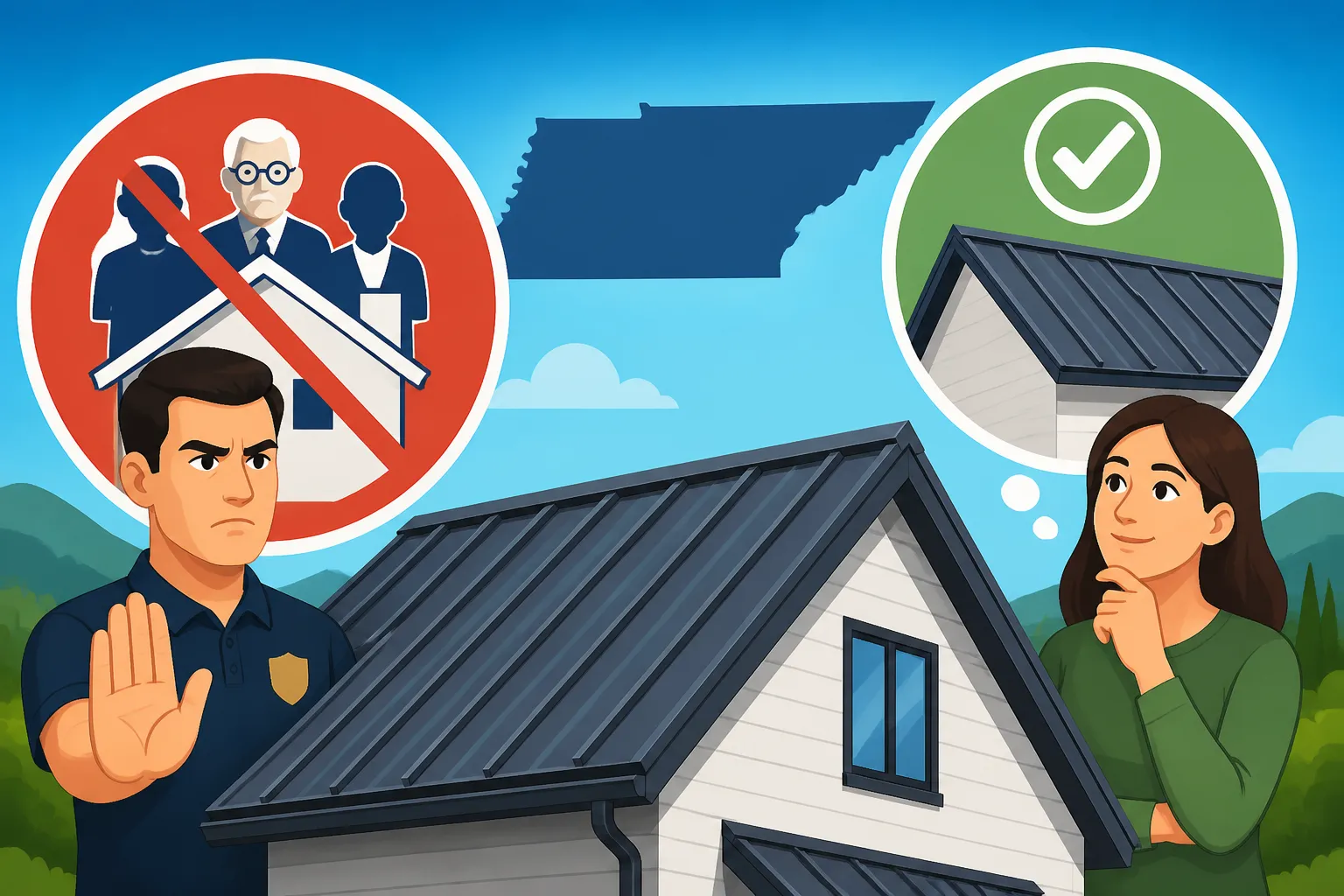
It's incredibly frustrating when you're looking to make a significant home improvement, like upgrading to a durable, long-lasting metal roof, only to hit a wall of restrictions from your Homeowners Association. Many homeowners in Tennessee wonder if their HOA has the final say on such a crucial decision. This guide will walk you through the nuances of HOA rules regarding metal roofing in the Volunteer State, helping you understand your rights, their limitations, and the best strategies to get your metal roof approved.
Understanding HOA Authority in Tennessee Regarding Exterior Modifications
Homeowners Associations are designed to maintain property values and a consistent aesthetic within a community. While this sounds good in theory, their rules can sometimes feel like an iron fist, especially when it comes to significant exterior changes like roofing. In Tennessee, the authority of an HOA primarily stems from its founding documents: the Declaration of Covenants, Conditions, and Restrictions (CC&Rs), bylaws, and any architectural guidelines.
The Scope of HOA Control Over Your Property
Most HOAs have broad powers to regulate exterior appearance, materials, and even colors. This is often the first hurdle homeowners encounter when considering a metal roof. They aren't just looking at the functionality; they're looking at how it "fits in" with the existing homes. For instance, an HOA might have a blanket rule requiring all roofs to be "traditional asphalt shingles" or specify a very limited palette of approved colors.
These rules are typically put in place to ensure uniformity and prevent any single property from deviating too much from the community's established look. This means your desire for a sleek, modern standing seam metal roof might clash with an HOA's vision of a more rustic, traditional neighborhood aesthetic. It's not uncommon for an HOA to be particularly strict in areas with a specific architectural theme or a desire to maintain a certain historic feel, even if it's a relatively new development.
Tennessee State Laws and HOA Limitations
Unlike some states with comprehensive HOA acts, Tennessee's legal framework for HOAs is more fragmented. Generally, HOAs in Tennessee operate under the Tennessee Nonprofit Corporation Act, and their powers are defined by their own governing documents and general contract law. This means there isn't a specific state law that grants or explicitly denies HOAs the power to regulate roofing materials like metal.
What this translates to for you, the homeowner, is that the specifics of your HOA's documents are paramount. If the CC&Rs explicitly ban metal roofs or only permit certain types of roofing, that prohibition generally holds legal weight. However, an HOA's power isn't absolute. Their rules must be reasonable, uniformly applied, and consistent with public policy. They cannot be arbitrary or capricious. For example, if an HOA has never enforced a rule about roofing materials for decades and then suddenly decides to enforce it against you, you might have grounds for a challenge. Additionally, any rule that violates federal or state law, such as fair housing laws, would be unenforceable. But when it comes to aesthetic choices like roofing material, courts generally grant HOAs a good deal of deference, assuming their rules are documented and applied fairly.
Common HOA Objections to Metal Roofs in Tennessee
Even with the rising popularity and proven benefits of metal roofing, HOAs can still be hesitant or outright refuse approval. Understanding their potential objections is key to crafting a compelling case for your desired roof.
Aesthetic Concerns and Material Homogeneity
Perhaps the most frequent objection you'll hear from an HOA is about aesthetics. They might argue that a metal roof, especially certain profiles, doesn't align with the established look of the community. In older neighborhoods or those designed with a specific architectural theme (think traditional Southern charm or specific historical styles), the board might perceive metal as too industrial, modern, or simply "different."
They might be worried about a ripple effect – if they approve one metal roof, suddenly everyone will want one, and the uniform look they've worked hard to maintain will be lost. Some HOAs may have very specific guidelines on color, texture, and material. For instance, if all homes traditionally feature deep red brick and dark asphalt shingles, a bright silver aluminum roof cost could be seen as a jarring contrast. It's often less about the inherent quality of the metal roof and more about maintaining visual consistency, even if that consistency means sticking with less durable or less energy-efficient materials.
Perceived Glare, Noise, and Other Nuisance Factors
Another common set of concerns revolves around potential "nuisance" factors. Some board members, or even neighbors, might believe that metal roofs are inherently noisy, especially during rain or hail. While modern metal roofs with proper insulation and decking are significantly quieter than older "tin" roofs, this misconception persists.
Glare is another frequently cited issue. Homeowners might worry that a new metal roof, particularly one with a lighter or more reflective finish, will create excessive glare for their neighbors, especially if sunlight hits it at a certain angle. While many modern metal roof coatings are designed to minimize reflectivity, this is a valid concern that you might need to address head-on. Furthermore, the unfamiliar appearance could lead to unfounded fears about maintenance, durability, or even the possibility of rust, especially if they haven't seen a high-quality Galvalume Roof Cost Per Square Foot or similar material installed.
Navigating Specific Metal Roof Profiles with Your HOA
The type of metal roof you choose can significantly impact your HOA's willingness to approve it.
- Standing Seam Metal Roofs: These are often considered the most aesthetically pleasing and architecturally versatile. Their clean lines and concealed fasteners give them a modern yet timeless look that can often blend well with various home styles. Many HOAs are becoming more open to standing seam due to its high-end appearance and durability. For more on this, check out our guide on Is a Standing Seam Roof Worth the Extra Cost.
- Stone-Coated Steel Roofs: These roofs are designed to mimic the look of traditional shingles, tile, or shake, but with the benefits of steel. They are often much easier to get approved by HOAs because they maintain a conventional aesthetic while offering superior performance.
- Corrugated or Exposed Fastener Panels: These can be more challenging for HOAs to approve in residential settings due to their more industrial appearance. While highly durable and cost-effective, their visible fasteners and ribbed profile might clash with the aesthetic guidelines of many residential communities. If your HOA is particularly strict on aesthetics, a Corrugated Metal Roof Cost might be a tougher sell than a stone-coated option.
The key is to understand that not all metal roofs are created equal in the eyes of an HOA. Presenting a choice that closely matches the existing aesthetic of the community, while highlighting the long-term benefits, will always strengthen your position.
Strategizing for Metal Roof Approval from Your Tennessee HOA
Gaining approval for a metal roof from your HOA often requires a proactive, well-researched, and diplomatic approach. You can't just assume they'll say yes; you need to build a compelling case.
Thorough Review of Your HOA's Governing Documents
This is your absolute first step, and it cannot be overstated. Before you even think about picking out colors or calling contractors, you need to pore over every single page of your HOA's Declaration of Covenants, Conditions, and Restrictions (CC&Rs), bylaws, and especially the architectural guidelines. Look for specific language about:
- Roofing Materials: Are metal roofs explicitly prohibited? Are certain materials required (e.g., "only asphalt shingles")?
- Colors: Are there restrictions on roof color? For instance, some might only allow "earth tones" or dark grays. A bright red or green metal roof might be out of the question even if metal is technically allowed. You might find a great color you love, but make sure it falls within the Best Metal Roof Colors and How to Choose guidelines.
- Style and Profile: Do they specify a particular "look" that might exclude certain metal profiles like corrugated panels, even if standing seam is acceptable?
- Approval Process: What is the exact procedure for submitting an architectural review request? What forms are needed? What is the timeline for approval? Who needs to sign off on it?
If the documents explicitly prohibit metal roofs, your battle is tougher. However, if they are vague or simply don't mention metal roofs at all, you have a much stronger argument that they are not explicitly forbidden. If there are specific rules, understand if there's a process for requesting a variance or an exception. Sometimes, an old document might not have anticipated modern roofing solutions.
Crafting a Detailed and Persuasive Proposal
Once you understand the rules, your next step is to prepare a comprehensive proposal for your HOA's architectural review committee. This isn't just a simple request; it's a formal presentation of your case. Your proposal should include:
- Project Description: Clearly state what you intend to do – replace your existing roof with a metal roof.
- Material Specifications: Detail the exact type of metal roof (e.g., 24-gauge standing seam Galvalume steel), the finish (e.g., Kynar 500/PVDF coating), and the specific color name and code. Provide samples or high-quality photos of the chosen material.
- Benefits to Your Property and the Community: This is where you make your case. Highlight the advantages:
- Durability and Longevity: Mention the Metal Roof Lifespan: How Long Do They Last? – often 40-70 years, far outstripping asphalt shingles.
- Energy Efficiency: Explain how reflective coatings can lower cooling costs, especially important in Tennessee's hot summers.
- Storm Resistance: Emphasize resistance to high winds, hail, and fire – metal roofs often have excellent Metal Roof Wind and Fire Ratings Explained.
- Increased Property Value: Explain how a metal roof can increase your home's resale value and curb appeal.
- Low Maintenance: Detail the minimal upkeep required.
- Addressing Potential Concerns: Proactively tackle the common objections. If noise is a concern, provide information on modern installation techniques that significantly reduce noise. If glare is mentioned, show how your chosen finish is low-gloss or designed to minimize reflection.
- Contractor Information: Include details about your chosen metal roofing contractor. Show that they are licensed, insured, and experienced with metal roof installations in Tennessee. Mentioning that you've chosen a reputable installer, perhaps one with specific certifications, adds credibility. You can provide information from our guide on How to Hire a Metal Roofing Contractor.
- Visual Aids: Include renderings, color samples, and photos of other homes in similar communities with the same type of metal roof, especially if they blend in well. The more you can help the committee visualize how good it will look, the better.
Gathering Support from Neighbors and Presenting Evidence
Sometimes, a lone voice isn't enough. Talk to your neighbors, especially those who might be affected by the visual change. If you can get a few neighbors to write letters of support or even attend the HOA meeting with you, it can demonstrate community acceptance and make your proposal harder to dismiss.
You can also present evidence that metal roofs are becoming widely accepted and even preferred in many communities. Show them examples of new developments or upscale neighborhoods that are now featuring metal roofs. Mention how homeowners associations across the country are updating their rules to allow for modern, durable roofing options like metal. You could also highlight local trends; perhaps metal roofs are gaining traction in neighboring Tennessee communities, which could serve as precedent.
Seeking Legal Counsel if Necessary
If your reasonable requests are denied, and you believe the HOA's decision is arbitrary, discriminatory, or violates their own governing documents or state law, consulting with a real estate attorney specializing in HOA disputes might be a necessary next step. An attorney can review your HOA documents, assess the strength of your case, and guide you on the best course of action. This might involve mediation, formal dispute resolution, or, in rare cases, litigation. Remember, legal action should be a last resort, as it can be costly and time-consuming, but it's an option if you feel genuinely wronged.
The Approval Process for Exterior Modifications in Tennessee HOAs
Navigating the formal approval process with your HOA can feel like walking through a bureaucratic maze. Understanding each step can help you prepare and avoid common pitfalls.
Initial Contact and Pre-Approval Discussions
Before submitting anything formal, it's often a good idea to make informal contact. Reach out to a member of the architectural review committee or the HOA board to express your interest in a metal roof. This initial conversation isn't about getting official approval, but rather about gauging their receptiveness and asking about the specific process. You might ask:
- "What are the typical concerns when homeowners propose new roofing materials?"
- "Are there any specific metal roof types that have been approved or denied in the past?"
- "Are there any precedents for metal roof installations in our community or similar communities that the HOA has considered?"
This discussion can give you valuable insight into their perspective and allow you to tailor your formal proposal to address their known concerns directly. It also shows your willingness to collaborate and understand their regulations, rather than just demanding change. Be prepared to discuss the details, perhaps even referencing our guide on Metal Roof Installation Process: Step by Step to show you understand the practical aspects.
Formal Application and Required Documentation
Every HOA has a formal application process for architectural changes. This usually involves specific forms, submission deadlines, and a list of required documents. Make sure you submit everything exactly as requested, and keep copies for your own records. Common documentation includes:
- Application Form: Duly filled out.
- Site Plan/Property Survey: Showing the location of your home on your lot.
- Drawings or Renderings: Illustrating the proposed new roof on your home, perhaps alongside images of existing roofs for comparison.
- Material Samples/Brochures: Actual samples of the metal panel (if possible), color swatches, and product brochures with specifications.
- Contractor Information: License, insurance, and contact details for your chosen metal roofing installer.
- Neighbor Input: Any letters of support you've gathered.
Pay close attention to submission deadlines. Missing a deadline could mean your application isn't reviewed for another month or more, delaying your project unnecessarily.
Dealing with Denial and the Appeals Process
If, despite your best efforts, your request is denied, don't despair immediately. Most HOAs have an appeals process. This is your opportunity to formally challenge their decision. When appealing, you should:
- Request the Denial in Writing: Ask for a formal written explanation of the denial, citing the specific rules or reasons for the refusal. This helps you understand their rationale and identify any potential weaknesses in their argument.
- Review the Reasons: Carefully examine their stated reasons. Are they vague? Do they contradict their own rules? Are they based on misinformation (e.g., outdated beliefs about metal roof noise or glare)?
- Prepare a Rebuttal: Address each of their points with facts, evidence, and logical arguments. If they cited "aesthetic disharmony," provide more examples of how your chosen metal roof (like a Stone-Coated Steel Roof Cost option) blends seamlessly. If they mentioned noise, provide manufacturer data or expert opinions debunking this myth.
- Request a Hearing: Ask for an in-person meeting with the board or appeals committee. This allows you to present your case directly, answer questions, and address concerns in real-time. Bring all your documentation, samples, and neighbor support letters.
Remember, the goal is often to find a compromise. Perhaps a different color or a less prominent profile (e.g., a metal shingle instead of a standing seam if that was the main sticking point) could satisfy both parties. Sometimes, offering to add specific architectural details to help the metal roof blend in can also help.
Tennessee State Laws and Homeowner Protections
While Tennessee doesn't have a single, overarching HOA regulatory act, there are general principles and laws that can apply to homeowner rights, even when dealing with HOAs.
General Homeowner Rights in Tennessee
In Tennessee, property owners generally have the right to use and enjoy their property, subject to reasonable restrictions. While HOAs can impose restrictions through their CC&Rs, these restrictions must typically meet certain criteria:
- Reasonableness: The rules must be reasonable and serve a legitimate purpose related to the community's welfare, property values, or aesthetic harmony. An arbitrary or overly restrictive rule could be challenged.
- Fairness and Consistency: Rules must be applied fairly and consistently to all homeowners. If your HOA has approved metal roofs for other properties with similar characteristics but denied yours without a valid, distinguishable reason, you might have grounds for a challenge.
- Proper Adoption: Rules must be properly adopted according to the HOA's bylaws and state law. If a rule was never officially voted on or recorded, its enforceability could be questioned.
It's important to document all communications with your HOA. Keep records of applications, letters, emails, and notes from meetings. This paper trail is invaluable if you need to escalate your issue.
The Nuance of "Reasonable" Restrictions
The concept of "reasonable" is subjective and often decided on a case-by-case basis. For example, an HOA might argue that a bright, highly reflective metal roof is unreasonable because it creates glare for neighbors. You might counter that modern coatings mitigate this, and that the energy efficiency benefits outweigh minor visual concerns.
Tennessee courts, when faced with HOA disputes, generally try to uphold the integrity of HOA governing documents to protect the interests of the community as a whole. However, they also recognize individual property rights. The challenge lies in proving that an HOA's denial is unreasonable in the context of your specific situation and the widespread acceptance and benefits of modern metal roofing. For example, if you can demonstrate that a metal roof offers superior protection in areas prone to severe weather, that might sway a decision or even a court if the denial seems to ignore practical benefits.
Remember, while HOAs have a lot of power in Tennessee to regulate property appearance, that power isn't absolute. A thoughtful, well-prepared approach, combined with an understanding of your rights, significantly increases your chances of getting your metal roof approved. It's often a negotiation, and coming to the table with strong arguments and a willingness to find common ground is your best strategy.
Comparing HOA Objections and Your Counter-Arguments
Here's a quick reference table to help you anticipate and counter common HOA objections to metal roofs:
| HOA Objection | Common Rationale | Your Counter-Argument (Example) |
|---|---|---|
| Aesthetics | "Doesn't fit community style," "looks industrial," "inconsistent with other homes." | "I've chosen a standing seam metal roof cost / stone-coated steel panel that closely mimics traditional shingles/tiles, blending seamlessly with the neighborhood's aesthetic. Here are visual renderings." |
| Color Discrepancy | "Color is too bright/dark/unusual," "not within approved palette." | "The chosen color is a deep specify color, e.g., charcoal gray that aligns perfectly with the 'earth tones' or 'neutral palette' guidelines. It's similar to many existing asphalt roofs." |
| Glare/Reflectivity | "Will cause excessive glare for neighbors." | "Modern metal roofs, especially with PVDF coatings, are designed to minimize reflectivity. I've chosen a low-gloss finish specifically to prevent glare, similar to or even less reflective than many new cars or windows." |
| Noise Concerns | "Metal roofs are noisy during rain/hail." | "With proper decking and underlayment (e.g., Metal Roof Underlayment and Ventilation Guide), modern metal roofs are often quieter than asphalt shingles. Our contractor will use sound-dampening materials as part of the installation process." |
| Durability/Maintenance | "Will dent easily," "will rust," "high maintenance." | "Metal roofs are extremely durable, resistant to hail and high winds, and have a lifespan of 40-70 years. The chosen material (e.g., Galvalume steel) has superior corrosion resistance and requires minimal maintenance compared to asphalt, reducing long-term community wear and tear." |
| Precedent | "If we approve yours, everyone will want one and destroy uniformity." | "Many progressive communities are now embracing metal roofs for their long-term value and sustainability. We can select a style that maintains architectural harmony while benefiting from superior performance. This provides an opportunity to update guidelines to reflect modern, beneficial materials." |
| Property Value Impact | "Will decrease property values." | "Studies show that metal roofs often increase home value and offer an excellent ROI due to their longevity and energy efficiency. See Does a Metal Roof Increase Home Value?. They are a premium upgrade, not a downgrade." |
| Installation Quality | "Concerned about proper installation and potential issues." | "We've selected a highly experienced, licensed, and insured contractor specializing in metal roof installation. They are familiar with all local codes and manufacturer specifications, ensuring a high-quality job. We can also provide their references and certifications, like those discussed in Manufacturer-Certified Metal Roof Installers Explained." |
Disclaimer
Please remember that this article provides general information and should not be considered legal advice. Homeowners Association rules and state laws can be complex and vary by specific circumstances and location. It is always recommended to consult directly with your HOA board or management company, and if necessary, seek legal counsel from a qualified attorney specializing in HOA law in Tennessee, to understand your specific rights and obligations.