How Do You Know If Your Metal Roof Has Storm Damage?
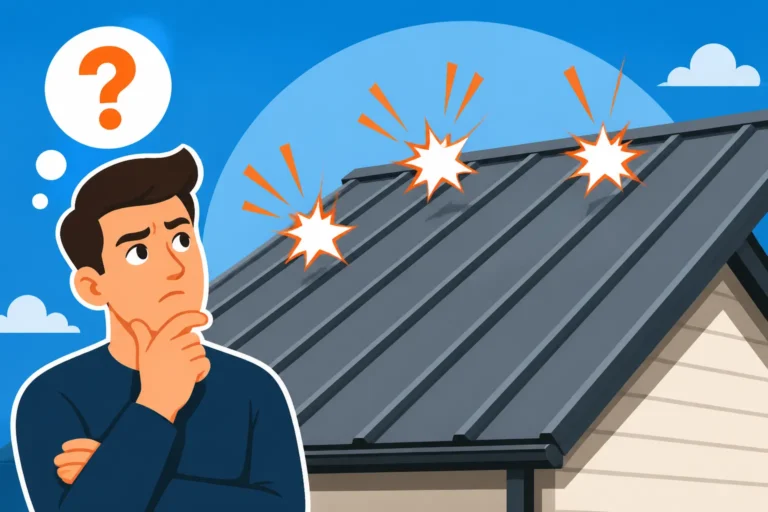
Worrying about your metal roof after a big storm rolls through can be incredibly stressful. You've invested in a durable, long-lasting roofing solution, and the last thing you want is to discover significant damage that compromises its integrity or, worse, leads to costly leaks. This guide will walk you through exactly what to look for, how to assess potential issues safely, and what steps to take if you suspect your metal roof has suffered storm damage.
Immediate Post-Storm Assessment: What to Look For Safely from the Ground
After a powerful storm, your first instinct might be to rush outside and inspect the damage, but safety is paramount. High winds might have loosened tree limbs, and there could be downed power lines or slick surfaces. Once it's genuinely safe to venture outside, start your inspection from the ground. Even from a distance, you can spot some critical red flags that point to potential issues with your metal roof.
Visible Debris and Obvious Displacements
Take a good, long look at your entire roof from various angles around your property. Are there any large tree branches, roofing materials from neighbors, or other significant debris resting on your roof panels? Even if they don't appear to have punctured the roof, heavy debris can cause subtle dents or stress points that might lead to problems down the line. Look for anything that seems out of place, such as missing shingles if you have a hybrid roof, or entire sections of metal flashing that have been peeled back. For example, a severe thunderstorm in parts of Texas might carry small branches or even patio furniture across yards, potentially landing on your roof. You might spot a section of your standing seam roof that looks slightly lifted or a piece of trim that's completely gone.
Don't forget to check the ground around your home, too. Finding pieces of your roof's components — like bits of sealant, small metal strips, or even fasteners — on your lawn or driveway is a clear indicator that something significant has happened upstairs. This debris can often provide clues about the type of damage. For instance, if you find torn rubber washers, it suggests exposed fastener panels might have taken a beating.
Gutters, Downspouts, and Surrounding Areas
Your roof doesn't exist in isolation; it works in conjunction with your gutters, downspouts, and chimney. These areas are often the first to show signs of storm impact. Inspect your gutters carefully. Are they bent, detached, or clogged with excessive debris? High winds can easily rip gutters right off the fascia or cause them to buckle. Similarly, check your downspouts for dents or disconnections.
Next, cast an eye over your chimney, skylights, and any other roof penetrations. Are there any visible cracks in the chimney masonry, or has the flashing around it been pulled away? Damaged flashing is a notorious culprit for leaks, even on the most robust metal roofs. Even satellite dishes or HVAC units on the roof can sustain damage or shift, pulling at their mounting points and creating new vulnerabilities in your roof's surface. In coastal areas like Florida, salt spray combined with storm impact can also accelerate corrosion, so pay extra attention to any visible rust or flaking paint on these components.
Detailed Inspection for Subtle Metal Roof Damage
While a ground-level check can reveal obvious issues, many types of storm damage on a metal roof are far more subtle. These often require a closer look, which means either getting up on the roof yourself (only if you are experienced and have the proper safety equipment) or, more wisely, calling in a professional. Remember, walking on a metal roof can be tricky and even dangerous, especially if panels are compromised.
Dents and Dings: Hail and Debris Impact
One of the most common types of storm damage to metal roofs comes from hail or flying debris. Unlike asphalt shingles that might show granular loss, metal roofs will typically show dents or dings. These can range from small, barely noticeable dimples to significant craters, depending on the size and velocity of the hail or objects. Hail damage often appears as a random pattern across the roof, with varying sizes of indentations. Even if these dents don't immediately puncture the roof, they can compress the underlying layers, crack the protective coating, and over time, lead to rust or structural weakness.
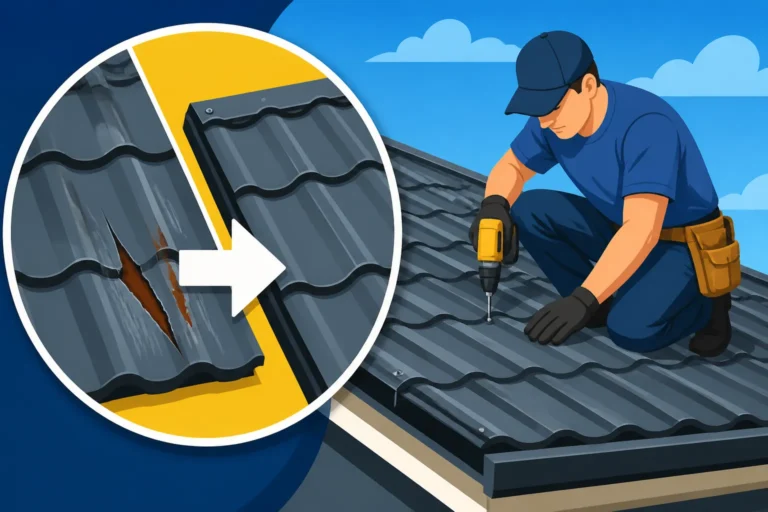
It’s crucial to distinguish cosmetic dents from structural damage. A purely cosmetic dent might not compromise your roof's function, but it certainly impacts its appearance and potentially its resale value. However, deep or sharp dents can crack the panel's coating, exposing the metal beneath to the elements, initiating corrosion, and potentially leading to leaks. It's especially important to check along the edges and seams of panels, as these areas can be more prone to structural deformation from impacts.
Scratches, Abrasions, and Paint Delamination
High winds often carry abrasive materials like sand, gravel, or small grit, which can be scraped across your metal roof panels. This can lead to unsightly scratches and abrasions. While a minor scratch might seem insignificant, it can be the starting point for premature wear and tear. The protective coating on a metal roof is its first line of defense against rust and corrosion. Once that coating is breached, the underlying metal is exposed.
More severe winds can also cause larger debris, like tree branches or even parts of neighboring structures, to scrape aggressively across your roof. This can result in deeper gouges or even areas where the paint or finish has completely delaminated, exposing large patches of raw metal. In extreme cases, especially with cheaper, thinner gauge metal roofs, the abrasion can be deep enough to weaken the panel itself. Keep an eye out for any areas where the color looks different or where the surface appears rough rather than smooth. These are tell-tale signs of coating compromise.
Fastener Issues: Loosening or Missing Screws
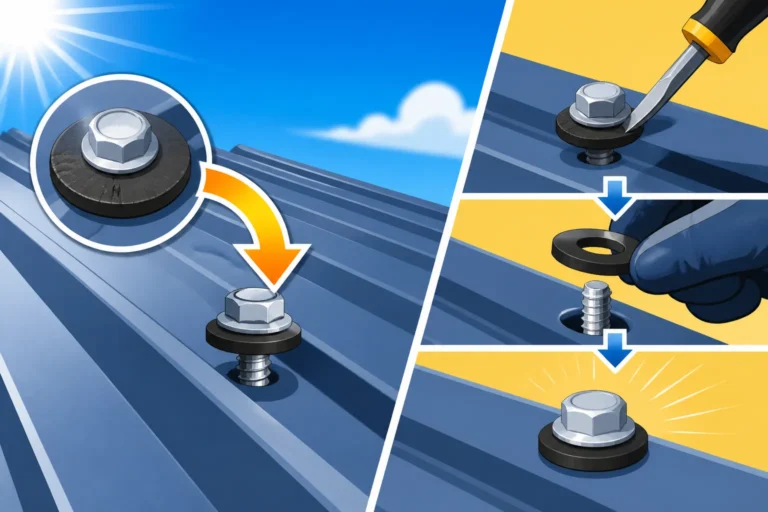
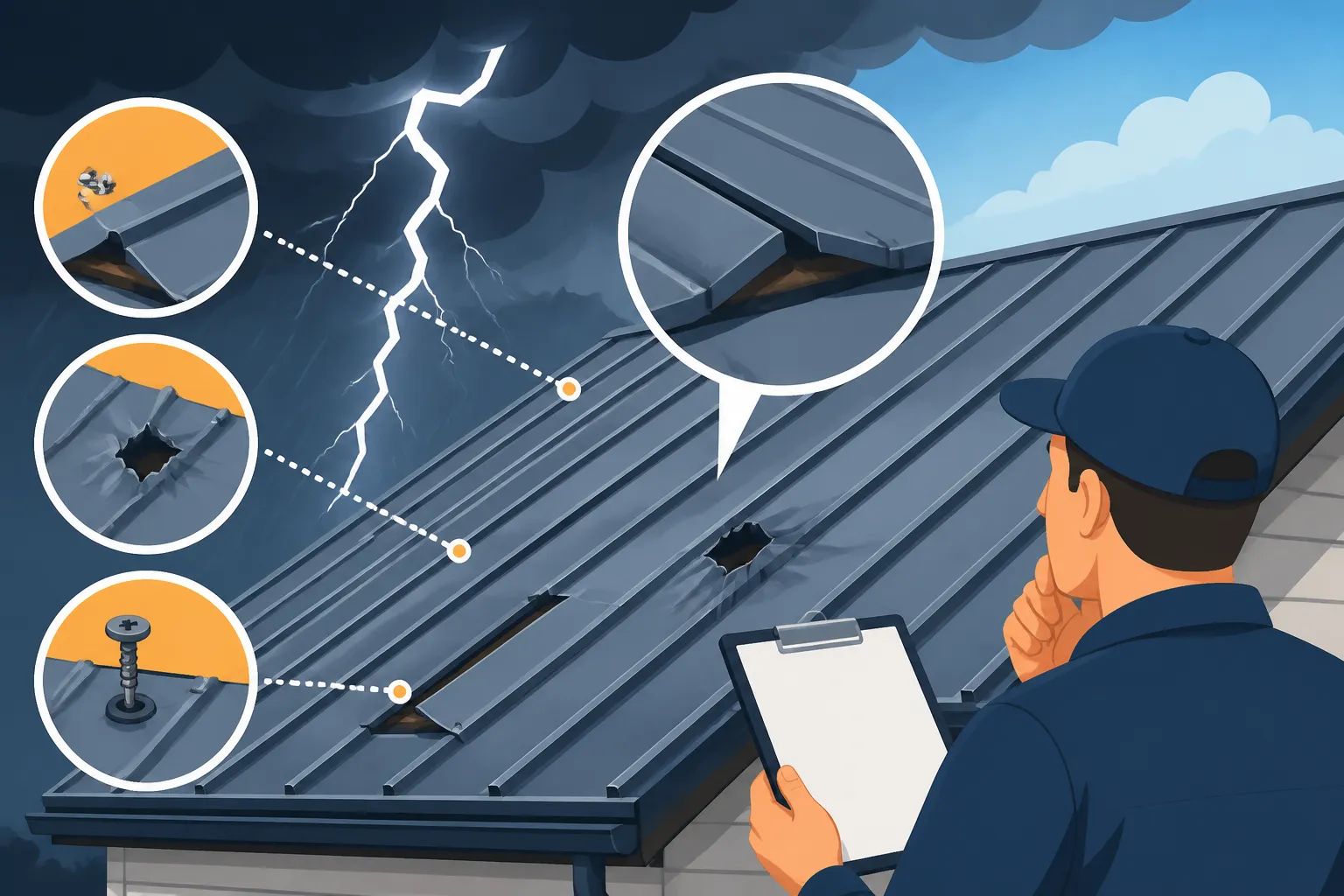
For exposed fastener metal roofing systems, the screws are critical. They secure the panels directly to the roof deck. During a storm, especially with high winds, these fasteners can loosen, back out, or even be completely ripped away. If the rubber washers under the screw heads are old or damaged, they can also fail, allowing moisture to seep in even if the screw is still in place. Missing fasteners create direct entry points for water, leading to immediate leaks. Loose fasteners allow panels to shift and rattle in the wind, which can further enlarge the screw holes over time or cause adjacent panels to rub and abrade.
A thorough inspection involves checking each fastener point. Look for raised screw heads, missing screws, or signs of rust around the screw, which indicates water intrusion. If you have a standing seam metal roof, you might think you’re immune to fastener issues, but that’s not entirely true. While the fasteners are hidden, the clips that secure the panels can be bent or broken by extreme uplift forces, leading to panel disengagement. This type of damage is harder to spot and usually requires a professional.
Panel Dislodgement or Uplift
One of the most devastating types of storm damage is when metal roof panels are actually dislodged or uplifted. This often happens with intense wind forces, such as those found in a tornado or hurricane. The wind can get underneath the edge of a panel, creating uplift pressure that can bend, warp, or tear the panel right off the roof. In some cases, you might see entire panels missing, leaving large sections of your roof deck exposed to the elements. More commonly, panels might be partially lifted, creating obvious gaps or wavy appearances.
Even if panels aren't fully ripped off, severe wind can cause them to flex and bend, leading to permanent deformation or "oil canning" that goes beyond aesthetic concerns. This can stress the seams and fasteners, weakening the entire roof system. If you notice any panels that look wavy, are creating unusual shadows, or seem to be detaching from the rest of the roof, it's a critical sign of serious wind damage that needs immediate professional attention. A damaged metal roof can leave your home vulnerable to further water intrusion and structural damage. If you're concerned about this, contacting a service like Modernize can help you connect with qualified roofing professionals quickly.
Flashing and Seam Integrity Checks
Metal roofs are designed with intricate flashing details around valleys, eaves, gables, chimneys, skylights, and other penetrations to create a watertight seal. The seams where panels join are also engineered to prevent water infiltration. Storms, particularly those with strong winds and heavy rain, can compromise these crucial areas. Wind can peel back or bend flashing, creating direct pathways for water. Hail or flying debris can dent or crack the sealant used in seams or around penetrations.
A close inspection should focus on these critical transition points. Look for any signs of separation, bending, lifting, or tearing in the flashing material. Check the sealant around skylights and chimneys for cracks or gaps. For standing seam roofs, ensure the seams are tightly locked and show no signs of separation or distortion. Even a small breach in the flashing or a seam can lead to a significant leak inside your home, often appearing long after the storm has passed. Checking your attic for new water stains after a storm can also provide early warning of subtle flashing or seam failures.
Understanding Different Types of Storm Damage on Metal Roofs
Different types of storms leave distinct signatures on your metal roof. Recognizing these patterns can help you and your chosen professional quickly assess the extent and nature of the damage.
Hail Damage Characteristics
Hail damage is typically characterized by indentations or dimples on the surface of your metal panels. The size and depth of these dents depend on the hailstone size, impact velocity, and the gauge of your metal roof. Larger, denser hailstones hitting thinner gauge metal (like 29-gauge agricultural panels) will naturally cause more pronounced damage than smaller hail on a thicker 24-gauge standing seam roof. In regions like Oklahoma or Colorado, where hail is common, knowing the difference is key.
Sometimes, the damage isn't just cosmetic. Even if the dents don't break the metal, they can cause the protective paint coating to crack or chip. This compromises the anti-corrosion layer, leading to premature rust and a shortened lifespan for your roof. On stone-coated steel roofs, hail can dislodge the granular coating, leaving shiny metal spots exposed. A widespread pattern of impact marks, particularly on the ridges and exposed surfaces, is a strong indicator of hail damage. Here's a quick reference for common types of hail damage:
| Damage Type | Description | Common Cause | Impact on Roof |
|---|---|---|---|
| Pitting/Dimpling | Small, shallow indentations on the metal surface. | Small to medium hail | Mostly cosmetic, minor coating stress |
| Deep Dents/Craters | More pronounced, noticeable indentations; may show metal deformation. | Large, dense hail or hard debris | Potential coating breach, early corrosion risk |
| Coating Cracks/Chips | Hairline cracks or flaking of the paint finish within or around dents. | Any hail, especially repeated impacts | Direct exposure to elements, rust risk |
| Granule Loss (Stone-Coated) | Dislodgement of stone granules, revealing the steel substrate. | Hail on stone-coated panels | Aesthetic, potential for underlying steel exposure |
| Panel Deformation | Bending or warping of panels beyond simple dents. | Very large hail or extreme impacts | Structural compromise, potential leaks |
Wind Damage Manifestations
Wind damage presents differently than hail damage. Instead of impacts, you'll see signs of stress, uplift, and tearing. High winds can get underneath the edges of panels, especially at eaves and gables, causing them to lift, buckle, or even peel away. Fasteners can be pulled out, leaving holes, or seams on standing seam roofs can be ripped apart. Strong gusts can also cause adjacent panels to rub against each other, leading to abrasive damage or loosening of connections.
Look for bent metal, panels that appear to be rippling or flapping, or areas where trim and flashing have been torn off. In severe cases, entire sections of your roof might be gone. Wind-driven rain can also exploit even tiny openings created by wind stress, leading to leaks that are hard to trace. Signs of wind damage might be concentrated on one side of your house, typically the side facing the direction of the strongest winds, or around edges and corners of the roof. If you live in a hurricane-prone area, like along the Florida coast, your roof might be designed with specific wind resistance in mind, but even the strongest systems can be challenged by extreme forces. This is why understanding Metal Roof Wind and Fire Ratings Explained is so important.
Falling Debris Impact
Beyond hail, actual physical debris carried by the wind—think tree branches, unsecured outdoor furniture, or even parts of other structures—can cause significant damage to your metal roof. This damage is often localized but can be severe. A heavy branch falling can puncture a panel, create a large, deep dent, or scrape off significant portions of the protective coating.
Unlike the widespread pattern of hail, debris impact typically results in one or a few distinct points of severe damage. The characteristics of the damage will depend on the object: a sharp branch might create a tear, while a blunt object could leave a large, deep dent. Always check the areas under large trees after a storm, as falling limbs are a common culprit. Even small, continuous impacts from wind-blown grit can act like sandpaper over time, causing premature wear that looks different from typical hail or wind damage.
Next Steps After Discovering Damage
Finding damage on your metal roof can feel overwhelming, but taking the right steps can make the process smoother and ensure your home is protected.
Documenting the Damage for Insurance
If you suspect or find any storm damage, your first crucial step (after ensuring safety) is to document everything thoroughly. Insurance companies rely heavily on detailed evidence. Start by taking clear, well-lit photos and videos of all damaged areas. Get wide shots to show the context of the damage, and then close-up shots to highlight specific issues like dents, scratches, missing fasteners, or torn flashing. If possible, take photos from different angles.
Also, photograph any debris you find on the roof or around your property that likely caused the damage. Keep a log of the date and time of the storm, and any initial observations you made. This documentation will be invaluable when you file an insurance claim for metal roof hail damage or other storm-related issues. The more evidence you have, the smoother the claims process is likely to be.
The Importance of Professional Inspection
While your initial ground-level and even ladder-assisted inspection is helpful, it's rarely sufficient. Many types of metal roof damage are subtle, structural, or located in hard-to-see areas. This is where a professional metal roofing contractor comes in. They have the training, experience, and safety equipment to safely get on your roof, meticulously inspect every panel, seam, and flashing detail, and identify damage you might miss.
A reputable contractor will provide a comprehensive report, often with photos, detailing the exact nature and extent of the damage. They can differentiate between cosmetic issues and structural problems, assess the integrity of your underlayment (if visible), and give you an honest opinion on the best course of action. This professional assessment is often required by insurance companies and provides crucial backing for your claim. Services like Modernize can help you find experienced and reputable metal roofing contractors in your area who specialize in storm damage assessment and repair. They can provide an accurate Metal Roof Cost Calculator: How to Estimate for potential repairs.
Navigating Insurance Claims
Filing an insurance claim for metal roof damage can be a complex process. Once you have your documentation and a professional assessment, contact your insurance provider immediately. Be prepared to share all the details you've gathered, including your photos, videos, and the contractor's report. Your insurer will likely send their own adjuster to inspect the damage. It's often beneficial to have your roofing contractor present during the adjuster's visit to ensure all damage is properly identified and discussed.
Be aware of your policy's specifics, especially regarding storm damage, deductibles, and depreciation. Some policies might have a "cosmetic damage exclusion" for metal roofs, meaning they won't cover dents that don't compromise the roof's function. Understanding Is Hail Damage to a Metal Roof Covered? by your specific policy is crucial before starting the process. Be persistent, ask questions, and don't hesitate to seek clarification if anything is unclear.
Deciding Between Repair and Replacement
After the damage has been assessed and you have an estimate, you'll face the decision: repair or full replacement? This isn't always straightforward. Minor, isolated damage might be easily patched or individual panels replaced. For example, if a single panel of your corrugated metal roof is dented, it might be possible to replace just that panel. However, if there's widespread damage, multiple points of compromise, or structural integrity issues, a full replacement might be the more cost-effective and safer option in the long run.
Consider the age of your roof. If your metal roof is nearing the end of its Metal Roof Lifespan: How Long Do They Last?, even minor damage might tip the scales towards replacement. A professional contractor can help you weigh the pros and cons of Metal Roof Repair vs Replacement: How to Decide based on the severity of the damage, the age of your roof, and your budget. They can also explain the potential cost difference between repairing a damaged section and completely replacing the entire roof. In cases of significant storm damage, a new metal roof can often increase your home's value and provide decades of worry-free protection.
Disclaimer
The information provided in this article is intended for general guidance and informational purposes only, and does not constitute professional advice. Always consult with a qualified and licensed metal roofing contractor or engineer for specific advice regarding your roof and potential storm damage. Roofing work can be dangerous, and safety precautions should always be taken.